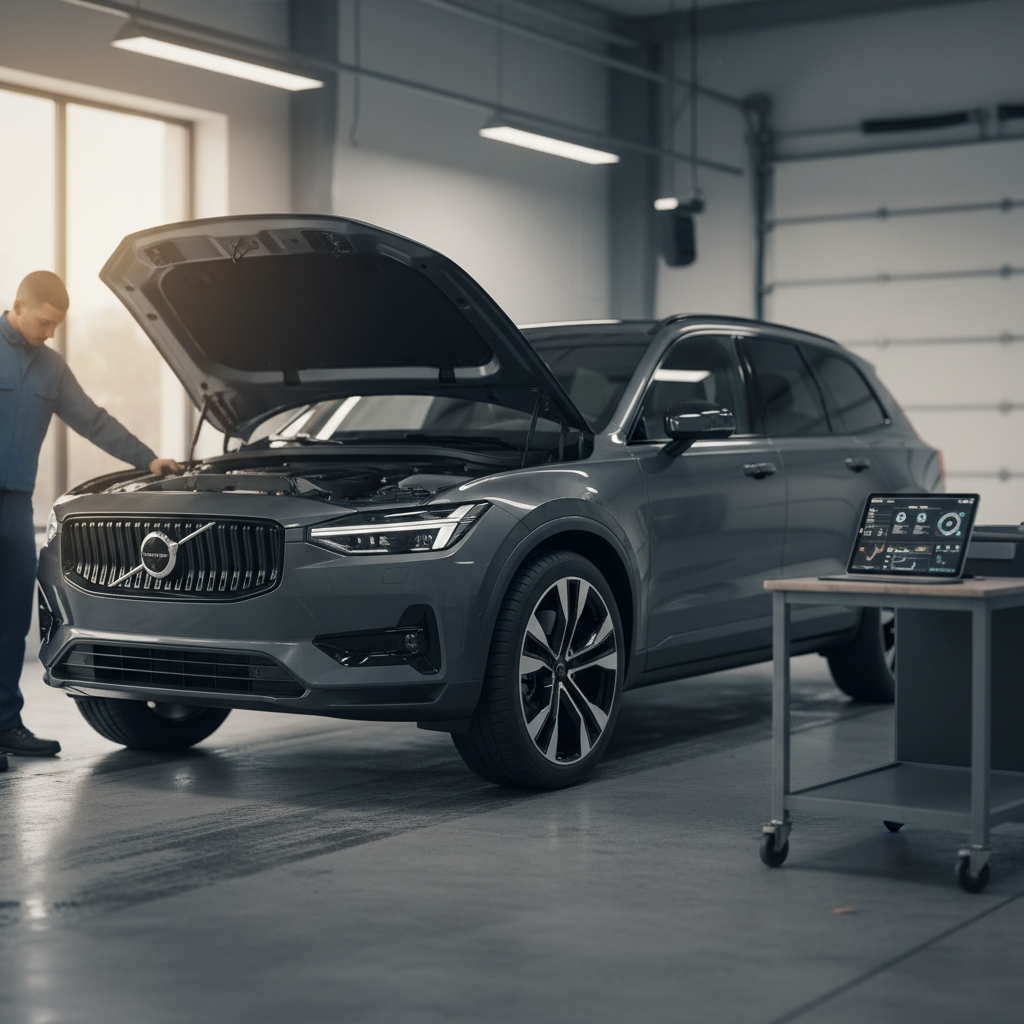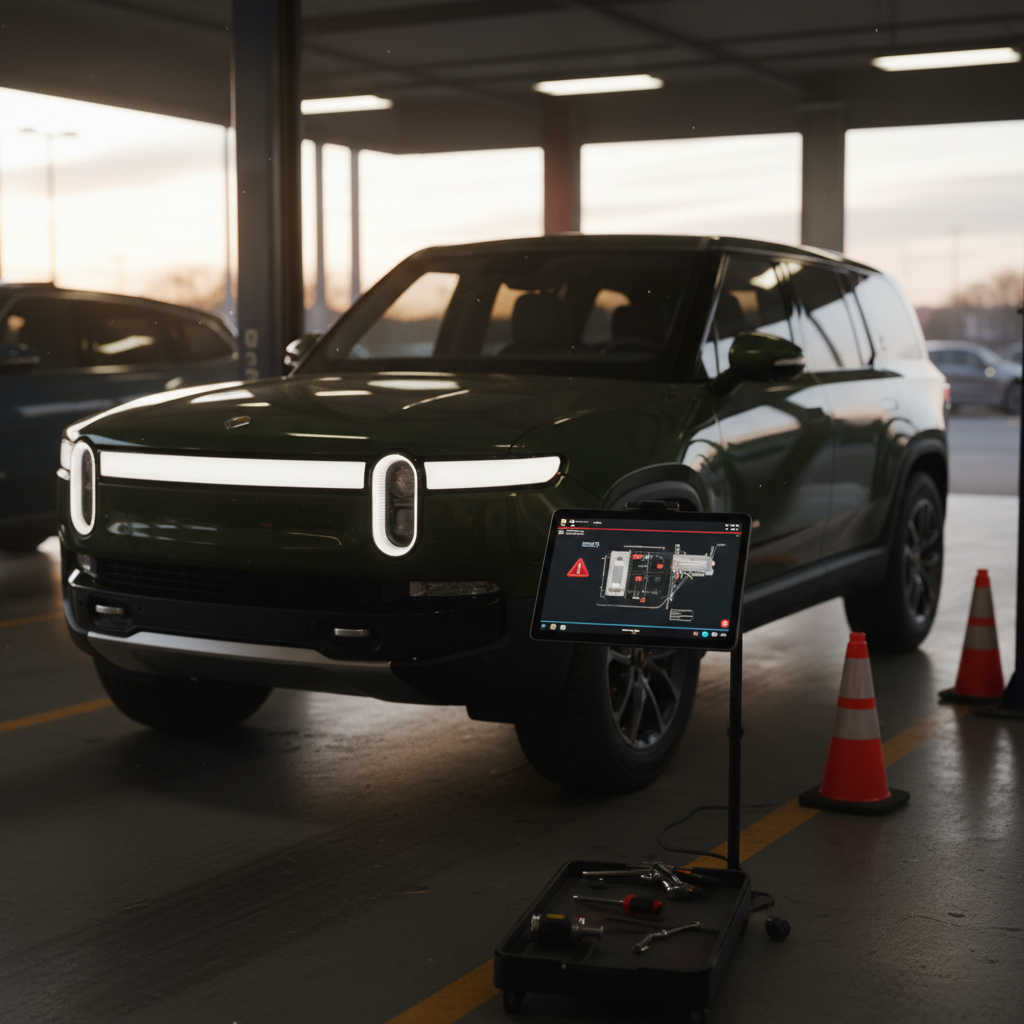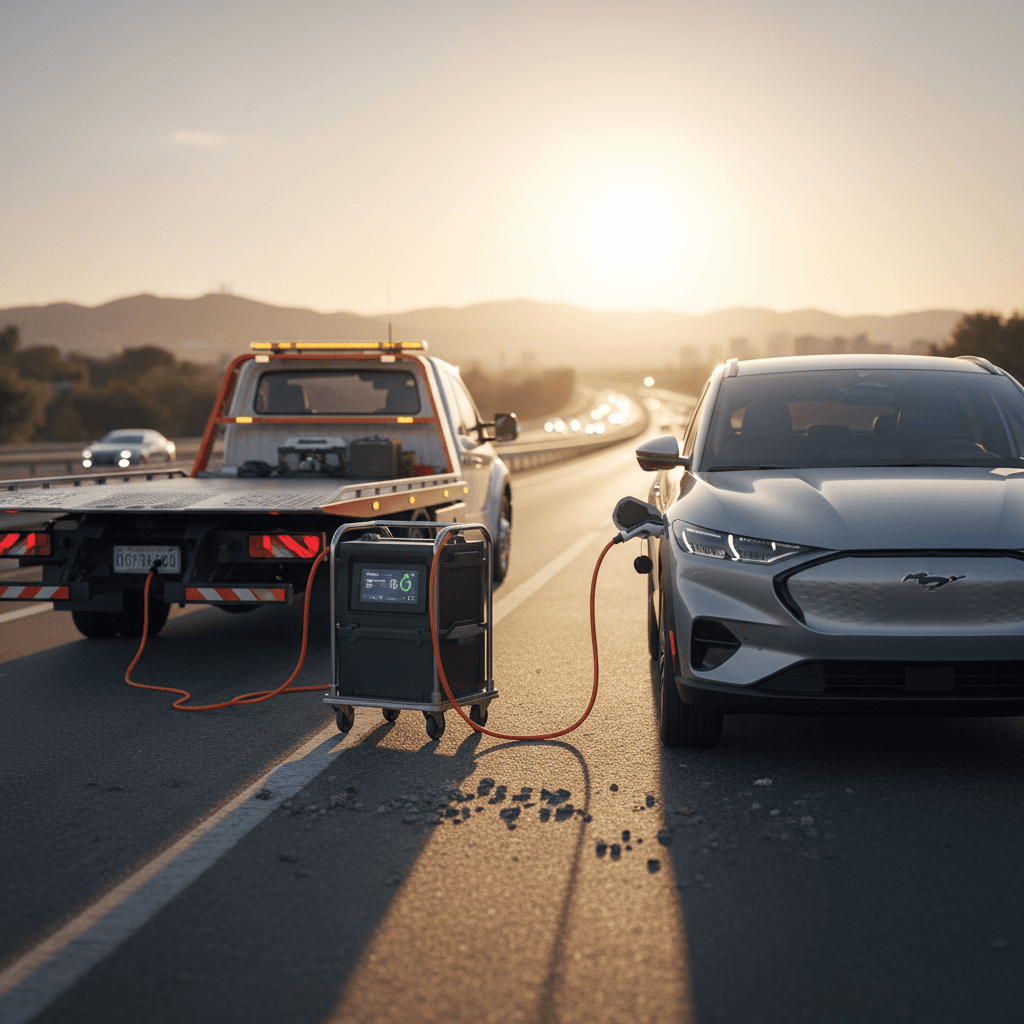
Running your battery down to 0% is stressful in any car, but in an EV the fear is amplified by headlines about range anxiety. The good news is that roadside assistance EV charging has matured a lot in the last few years. You now have more options than ever, mobile charging vans, EV‑specific roadside plans, and traditional clubs that understand electric drivetrains, to get enough energy to reach the next fast charger.
Why this matters now
What Is Roadside EV Charging Assistance?
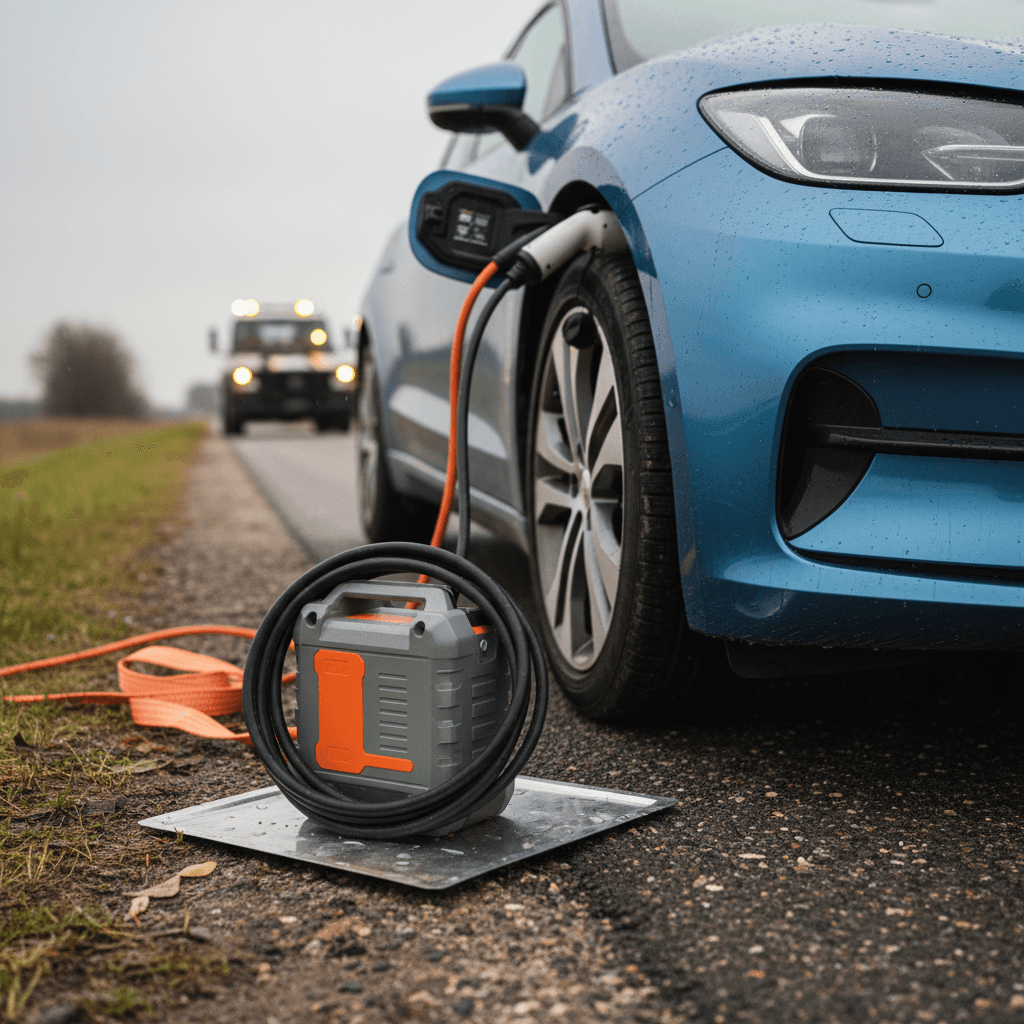
Roadside EV charging assistance is a service that brings energy to your EV (or brings your EV to energy) when you’re stranded with a low or empty battery. Instead of a gas can, you get either a mobile charger plugged into your car on the shoulder, or a tow to the nearest working charging station.
- A mobile charging truck or van with a battery pack or generator that connects to your EV’s charge port and adds 20–60 miles of range on the spot.
- A flatbed tow that takes your car to a nearby DC fast charger if mobile charging isn’t available or practical.
- Full‑service EV roadside plans (from automakers, clubs, or dedicated providers) that bundle charging, towing, tire, and lockout help into one membership.
Think of it as a "jump start" for range
How Roadside Assistance EV Charging Actually Works
Most roadside EV charging calls follow a predictable pattern. Understanding the steps ahead of time makes it easier to stay calm if you did stretch that last percent a bit too far.
Typical roadside EV charging call, step by step
1. You safely pull over
Ideally you exit the roadway onto a shoulder, parking lot, or rest area before the car shuts down entirely. Turn on hazard lights and set the parking brake.
2. You contact your provider
Using your automaker app, roadside assistance number, AAA, or a dedicated EV service, you share your location, vehicle, and current state of charge.
3. Triage: mobile charge or tow
The dispatcher checks whether a mobile EV charging unit covers your area. If not, they dispatch a flatbed tow to an appropriate charging station.
4. Technician arrival and setup
The tech confirms your vehicle model, plugs in the appropriate connector (CCS, NACS, or J1772 for plug‑in hybrids), and configures output so your car charges safely.
5. Short top‑up session
Most sessions aim to deliver ~20–60 miles of range, which may take 10–45 minutes depending on the mobile charger’s power and your battery size.
6. You drive to a DC fast charger
Once you have enough range buffer, you head to a nearby public charger to properly recharge, and rethink your next leg of the trip.
Safety first on the shoulder
Types of EV Roadside Assistance Providers
When you hear "roadside assistance," you might think AAA and a tow truck. For EVs in 2025, the picture is broader. You’ve got four main categories of players, and many drivers end up with coverage from more than one of them.
Who can help when your EV runs out of range?
Four main categories of roadside assistance EV charging providers
Automaker roadside programs
Most new EVs include complimentary roadside assistance for the first few years or a set mileage. Coverage typically includes towing to the nearest dealer or charging station if you run out of charge, plus standard services like flat‑tire help and lockouts.
Ford’s Power Promise, for example, bundles 24/7 support and roadside coverage with its EVs, and other brands offer similar programs. Always check the fine print for distance limits and exclusions.
Traditional clubs (AAA, CAA, etc.)
Road clubs increasingly support EVs. In some regions AAA partners with charging infrastructure providers so its service fleet has access to reliable chargers and equipment suited to EVs.
You may still be towed rather than charged roadside, but these clubs understand EV‑specific needs like proper flatbed towing and avoiding damage to the battery pack.
Dedicated EV roadside services
Newer companies like RESCUE Roadside and Charge Ready focus on EV‑only assistance. Plans often include roadside charging where available, towing to a public charger within a set radius, and EV‑specific trip interruption coverage.
These plans are built around EV pain points rather than retrofitting gas‑era packages.
Mobile charging specialists & fleets
Mobile charging providers operate vans or trucks with on‑board battery packs or generators that can deliver a quick DC or high‑power AC charge wherever you’re stranded.
Some, like nationwide mobile charging networks, sell memberships with a few emergency charges per year; others operate on a per‑incident fee that’s often cheaper than a tow.
Leverage overlapping coverage
What Does Roadside EV Charging Cost (vs Towing)?
Prices for roadside assistance EV charging vary widely by region and business model, but a few patterns have emerged. Broadly, a short mobile charging session is usually cheaper and faster than a tow, especially for longer distances.
Typical roadside EV charging vs towing costs
High‑level comparison of what you might pay if you run out of charge without coverage.
| Scenario | What happens | Typical cost range (USD) | Time until you can drive |
|---|---|---|---|
| Automaker roadside, in‑network | Flatbed tow to nearest dealer or public charger within mileage limit | $0 (included with vehicle) | 60–120+ minutes |
| EV‑specific roadside plan | Roadside charge where available or tow to charger within distance cap | Annual fee $100–$250; per‑use often $0–$75 | 30–90 minutes |
| Mobile charging company, pay‑per‑use | Truck or van delivers 20–60 miles of range on‑site | Roughly $150–$200 per visit for a one‑time call | 20–60 minutes |
| Traditional tow without coverage | Flatbed tow to charger or home | $300–$600+ depending on distance | 60–180+ minutes |
Actual costs vary; always confirm with your provider or dispatcher before authorizing service.
Membership vs one‑off rescue
Coverage Limits and Fine Print to Watch For
Not all roadside assistance EV charging is created equal. The marketing promises tend to be broad, "peace of mind" and "coverage anywhere", but the protections live in the fine print. Before you rely on any plan, read these sections carefully.
Key questions to ask before you rely on a plan
How many calls per year are included?
Some memberships include only two emergency charges or tows per year. After that you may pay full retail for each additional rescue.
Is out‑of‑energy explicitly covered?
Older or generic roadside contracts sometimes exclude "owner‑induced" issues like running out of fuel or charge. Make sure EV depletion is covered.
What’s the towing or service radius?
Look for distance caps like "tow to nearest charger within 100 miles" or service areas limited to specific metros. Long‑distance rural rescues are often extra.
Is roadside charging available in your region?
Many providers list roadside EV charging as "where available." If you live outside a major metro, expect towing to be the default for now.
Which vehicles and connectors are supported?
Confirm support for your connector type (CCS, NACS, J1772) and any limits on vehicle size, weight, or battery capacity.
Who actually performs the service?
Some plans contract to third‑party tow companies. Good programs vet partners for EV competence; weaker ones just send whoever is closest.
Beware of incompatible adapters
How to Prepare Your EV for Roadside Emergencies
You can’t predict every surprise, closed chargers, unexpected detours, or freak weather, but you can make your EV a lot more resilient when things go sideways. Think of roadside assistance EV charging as a backup, not a primary strategy.
Prep your car and software
- Enable trip‑planning in your nav app. Most EVs and third‑party apps can route you via compatible chargers with live status.
- Set low‑battery alerts. Many apps let you ping your phone when you drop below 15–20% so you don’t get surprised mid‑call or meeting.
- Keep your vehicle apps logged in. If you need roadside help, you don’t want to be chasing passwords with 2% left.
- Carry the right portable adapter. A simple J1772 or NEMA 14‑50 adapter can make slower but vital Level 2 charging options usable if you’re stuck overnight.
Prep yourself and your plan
- Save emergency numbers in your phone. Your automaker, roadside provider, and insurance carrier should be one tap away.
- Know your "safe buffer" state of charge. For many drivers, that’s 10–15%, below that, you proactively seek a charger.
- Take notes on your car’s real‑world consumption. After a few trips, you’ll know how hills, cold weather, and speed affect range.
- Keep basic roadside gear. Reflective triangle, warm clothing, and a charged phone battery matter as much in an EV as in any car.
Treat 0% like the emergency room
How to Avoid Needing Roadside EV Charging at All
The best roadside assistance EV charging experience is the one you never need. Modern EVs and public charging networks are good enough that, with some forethought, running out of charge is usually avoidable, even on long trips.
- Plan routes around reliable fast‑charging corridors operated by major networks and joint ventures, not single isolated stations.
- Aim to arrive at each charger with at least 10–15% battery rather than cutting it to 1–2%. That buffer gives you options if a station is down.
- In bad weather or at high speeds, assume your real‑world range might drop 20–30% vs the window sticker and plan stops accordingly.
- Use apps that show live uptime and recent check‑ins rather than static maps, so you’re not steering toward dead hardware.
- For daily driving, charge at home or work whenever possible so you rarely start a day with less than 60–70% state of charge.
Think in segments, not full battery
Roadside EV Charging Tips for Used EV Buyers
If you’re shopping for a used EV, especially through a digital marketplace like Recharged, roadside assistance EV charging is part of a bigger question: how resilient is this car going to be in the real world? Battery health, charging speed, and support all matter when something goes wrong far from home.
Questions to ask when evaluating a used EV
These details matter more than a shiny paint job on a road trip.
1. What’s the true battery health?
Degraded batteries not only cut range; they can also change how your car behaves at low state of charge. A Recharged Score Report includes independent battery diagnostics so you’re not guessing.
2. How fast can it charge today?
Two similar EVs can have very different fast‑charge curves if one has seen heavy use or many DC sessions. Faster charging makes recovering from a roadside top‑up less painful.
3. What roadside coverage comes with it?
Some factory roadside plans are transferable to second owners; others aren’t. When you buy through Recharged, specialists can help you understand what coverage still applies and what third‑party plans make sense.
How Recharged reduces your roadside risk
- Verified battery health. Every vehicle includes a Recharged Score battery report so you know how much real‑world range you’re buying.
- Fair market pricing. Transparent pricing leaves room in your budget for a quality EV roadside plan instead of stretching to the max for the car itself.
- Specialist guidance. Recharged EV experts can walk you through public charging strategies and realistic road‑trip planning before you sign.
Smart add‑ons for peace of mind
- Pair your used EV purchase with a roadside assistance plan that explicitly covers EV out‑of‑charge events.
- Consider a portable Level 2 EVSE and adapter so campgrounds or friends’ dryers can be emergency backup energy sources.
- Ask about nationwide delivery from Recharged so your first long drive in the car isn’t a multi‑day cross‑country slog.
Roadside EV Charging FAQ
Frequently Asked Questions About Roadside Assistance EV Charging
Key Takeaways: Building a Safety Net Around Your EV Range
Roadside assistance EV charging has moved from novelty to a real, if still patchy, safety net. In dense corridors, mobile charging vans can bring you 20–60 miles of range on demand; elsewhere, competent flatbed towing to a nearby fast charger remains the default. Either way, you’re rarely truly stuck, as long as you have a plan.
- Treat roadside EV charging as a backup, not a primary strategy. Conservative trip planning and good charging habits will prevent most emergencies.
- Stack coverage intelligently: mix automaker roadside, a club like AAA, and (if you road‑trip often) an EV‑specific plan that explicitly covers out‑of‑energy events.
- Read the fine print on service radius, call limits, and what kinds of incidents are included before the day you actually need help.
- If you’re buying a used EV, especially from a digital retailer like Recharged, weigh battery health, charging performance, and support coverage together, they all shape how stressful a worst‑case roadside moment will be.
You don’t need to eliminate risk to enjoy electric ownership, you just need to understand it and price it correctly. With the right roadside assistance EV charging plan, thoughtful route planning, and a well‑vetted EV, you can treat range anxiety as an old stereotype rather than a daily worry.