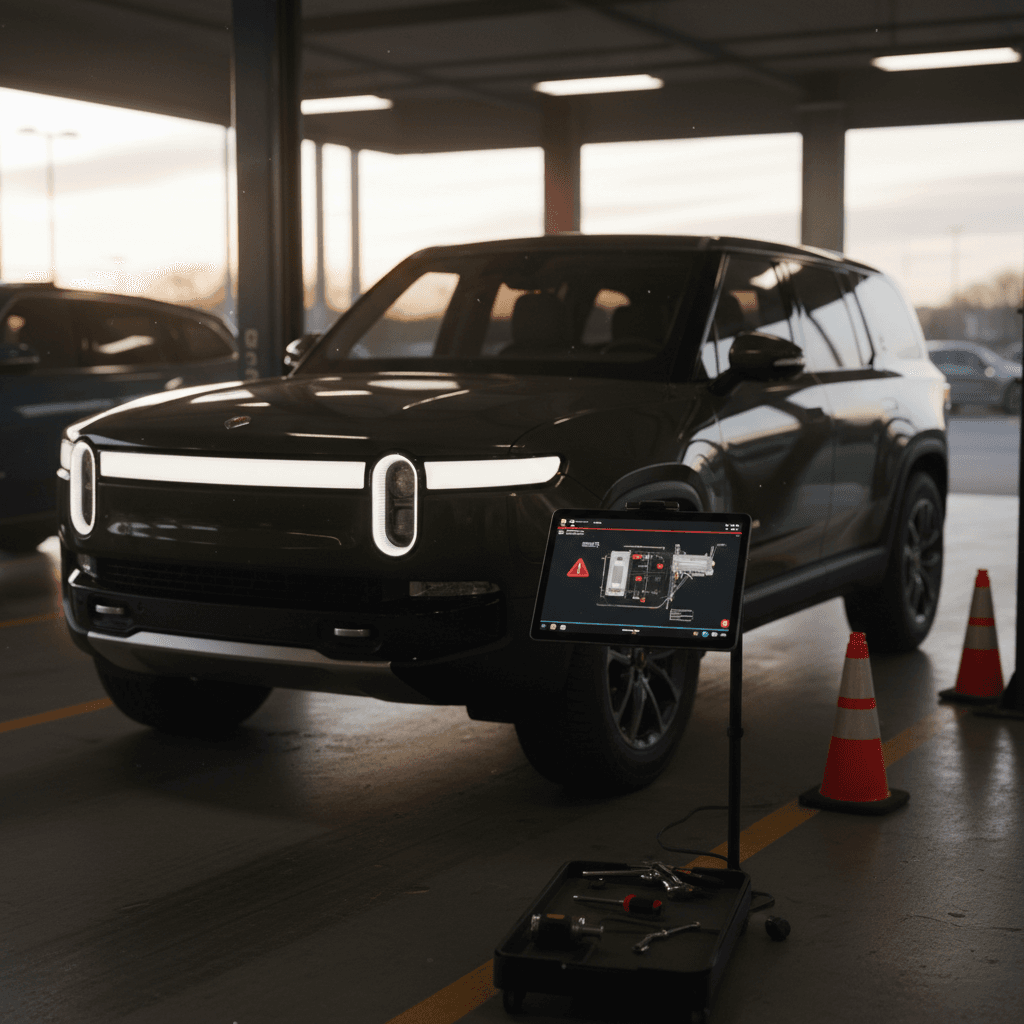
You don’t buy a 2025 Rivian R1S because you like to play it safe. You buy it because you like wilderness, torque, and the idea of an electric SUV that can tow your house off its foundations. But even great EVs come with recall baggage, and Rivian’s young-enough-to-still-be-carded status as an automaker means you should absolutely know the 2025 Rivian R1S recalls list before you drive, or sign, anything.
Recall vs. problem vs. internet drama
Overview: 2025 Rivian R1S recalls at a glance
2025 Rivian R1S recall snapshot
Important caveat on the numbers
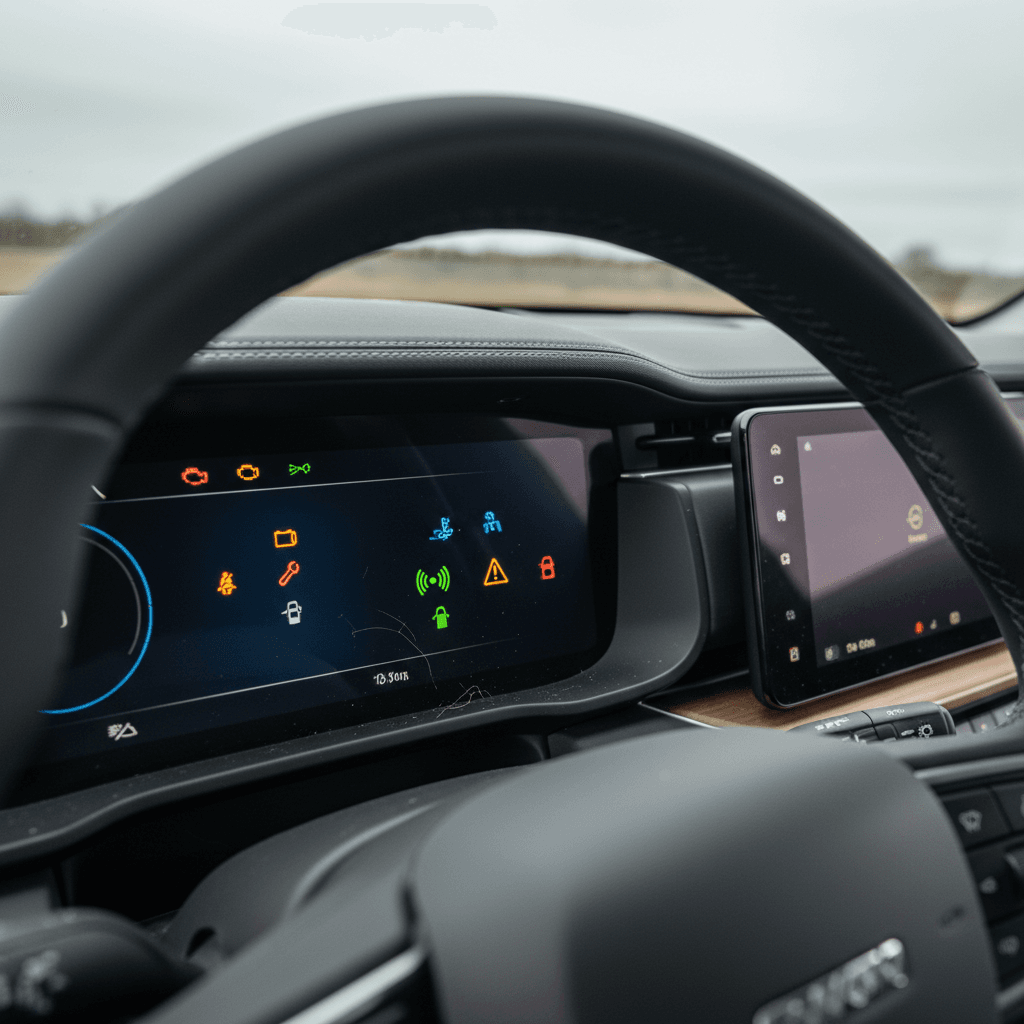
Full 2025 Rivian R1S recalls list
Here’s the practical version of a 2025 Rivian R1S recalls list: the issues you’re most likely to see referenced in service paperwork, Carfax reports, or a seller’s nervous text messages. Names and campaign numbers differ between NHTSA and Rivian’s internal codes, but the underlying problems fall into a few themes.
Highway Assist software recall (25V585)
The recall that got headlines: Rivian recalled roughly 24,214 R1S and R1T vehicles from the 2025 model year for a defect in the hands‑free Highway Assist system. At low speeds, the software could misidentify the vehicle in front and fail to brake appropriately if the driver wasn’t paying attention. In the incident that triggered the recall, a 2025 R1S bumped another vehicle at roughly walking speed when the driver didn’t intervene.
- Issue: Highway Assist may misclassify a slow or stopped lead vehicle and not apply sufficient braking on its own.
- Risk: Low‑speed rear‑end collision if the driver is relying on the system and fails to react.
- Fix: Over‑the‑air (OTA) software update that revises object detection and braking logic, rolled out in mid‑2025.
- How to tell if you’re covered: Any 2025 R1S that ever ran the older software build could be flagged; check your VIN and software history.
How to live with Highway Assist after the recall
Front turn signal failure recall
Another notable 2025 R1S action involves front turn signals that may fail to illuminate or flash. On paper it sounds mundane; on the road, it’s a communication breakdown between you and two tons of crossover behind you.
- Issue: One or both front turn signals can fail or behave inconsistently, reducing the vehicle’s ability to signal lane changes or turns.
- Risk: Increased chance of a side‑impact or rear‑end crash, especially in dense traffic or poor visibility.
- Fix: Rivian service inspects and replaces the affected lighting hardware or control module, and in some cases updates software.
- Owner symptom: Hyper‑flash, warning messages, or other drivers honking when you swear you used your signal.
Why a “little” lighting recall isn’t trivial
Headlamp and lighting-related actions
Lighting has been a recurring chapter in Rivian’s early‑years novel. While some headlamp campaigns focus more heavily on earlier model years, 2025 R1S builds can still be swept in depending on build date and parts stock.
- Headlamp control / DRL issues: Certain R1S vehicles may have headlamp control modules that don’t behave to spec, requiring replacement of the unit.
- Labeling and indicator markings: A small but real recall involved missing cruise‑control markings or indicator legends around the steering controls or stalks, an ergonomics and compliance issue more than a failure‑to‑work problem.
- Software logic for lamp behavior: In some cases Rivian has paired hardware fixes with revised software governing headlamp and DRL behavior.
For a buyer, the question isn’t whether a headlamp recall is scandalous. It’s whether it has been logged and closed on that specific VIN. A seller who shrugs and says “I get those recall emails all the time, I don’t think I bothered” is doing you a favor by telling you they cut corners.
Steering and suspension recall history that still matters
Strictly speaking, some of Rivian’s better‑known steering knuckle and control‑arm recalls targeted earlier 2022–2023 builds. But the design family carries through, and the NHTSA paperwork on those recalls reads like a thriller for anyone who enjoys steering that stays attached to the car.
- Upper control‑arm / steering knuckle fastener torque: Earlier R1S and R1T vehicles were recalled for fasteners that might not have been tightened to spec, creating a risk of separation over time.
- Steering column control module markings: A more recent campaign involves steering column components that may be missing required markings, triggering inspection and potential replacement.
- Why it matters to 2025 buyers: A 2025 R1S might draw on the same component families or service procedures. If a service tech botched a fix on an older recall or reused parts, those gremlins can follow the vehicle into later years.
“But my 2025 R1S shows no steering recall…”
How to check your 2025 R1S for open recalls
Because Rivian leans so heavily on over‑the‑air software updates, it’s entirely possible your R1S had a recall you never heard about, and that was fixed while you were asleep. That’s good news, but it also means you can’t just flip through the glovebox for a stack of dealer invoices. Here’s how to get a clean read on your vehicle’s status.
Step-by-step: See every open recall on your 2025 R1S
1. Start with the NHTSA VIN lookup
Grab your 17‑digit VIN from the windshield, driver door jamb, insurance card, or Recharged listing. Run it through the official NHTSA recall lookup tool to see all open safety recalls tied to that exact vehicle.
2. Log into your Rivian account or app
Under your R1S’s profile, check for active campaigns, service bulletins, and mandatory software updates. Rivian will typically flag anything safety‑critical and may schedule service proactively.
3. Confirm software version history
For Highway Assist and other driver‑assistance recalls, the fix may be a specific software version. In the vehicle menus, note your current build and compare it to Rivian’s release notes or ask a service advisor to verify compliance.
4. Request a service history printout
If you already own the R1S, ask Rivian Service for a record of completed campaigns and recall work. If you’re buying used, ask the seller for this paperwork or authorization so you can request it yourself.
5. Cross-check with a vehicle history report
Tools like Carfax and AutoCheck often list recall events and completion dates. They’re not perfect, but combined with NHTSA and Rivian data they build a much clearer picture.
6. For used shopping, lean on expert help
If you’re looking at a used 2025 R1S, a platform like <strong>Recharged</strong> can do the detective work for you, our Recharged Score Report includes recall status, service history where available, and verified battery health so you’re not guessing.
Capture everything in one folder
What these recalls really mean for safety and value
Safety: How worried should you be?
On the safety front, the 2025 R1S recalls we’ve seen are serious enough to fix, but not the sort of thing that should keep you from buying the vehicle outright. The Highway Assist defect led to at least one low‑speed collision, but as of early 2026 there are no reported injuries tied directly to that bug. Lighting and labeling issues sit a notch below that in risk, and steering‑related recalls have mostly involved earlier build years.
The grown‑up way to read this: the R1S is an early‑generation EV from a startup. Expect a longer punch list than you’d see on a tenth‑generation SUV from a legacy brand, but also expect Rivian to be fairly aggressive about fixing what it finds.
Value: How recalls move the market
Where recalls really bite is in the used market. Each campaign is an extra box for a buyer, or lender, to check. An R1S with all recalls closed, current software, and clean service records will trade at a premium versus one that’s clearly been living on the “ignore” button.
In practice, that’s where platforms like Recharged earn their keep. A verified Recharged Score battery and health report, recall status, and expert inspection take the mystery, and the negotiation theater, out of buying a used Rivian.
Completed recall work can be a selling point
Checklist for used 2025 Rivian R1S shoppers
Shopping for a used R1S is like interviewing a charismatic job candidate: charming on the test drive, but you still want references and HR files. Here’s a used‑buyer checklist tuned specifically to 2025 R1S recalls and known patterns.
Used 2025 Rivian R1S recall & health checklist
Confirm all recall campaigns are closed
Use the NHTSA tool, Rivian app, and a vehicle history report to cross‑check. You’re looking for “0 open recalls” and service records that line up with the campaigns for your build date.
Ask for proof of the Highway Assist update
If the truck has Highway Assist, confirm that the OTA update tied to the misclassification recall was installed. A Rivian service advisor or documentation can confirm the date and software version.
Inspect lighting and signals in daylight and at night
Cycle through low/high beams, DRLs, markers, flashers, and turn signals. Don’t just trust the dash indicators, walk around the vehicle and look. Lighting weirdness is often a sign recall work is pending or was done poorly.
Pay attention to steering feel and noises
On the test drive, find a smooth road and let go of the wheel lightly. The R1S should track straight, not wander or oscillate. Any clunks over bumps or vibration around 70 mph deserve a pre‑purchase inspection.
Review software behavior and driver‑assist alerts
Enable Highway Assist and other aids on a safe stretch of road. The system should behave predictably and not constantly fault out or throw sensor errors. Persistent driver‑assist faults can hint at unfinished campaigns or hardware issues.
Get an independent EV‑focused inspection
If you’re buying outside a platform like <strong>Recharged</strong>, budget for an inspection by a shop that actually understands EVs and Rivians. At Recharged, every vehicle gets a Recharged Score Report with battery diagnostics, recall review, and a health check before it ever hits the site.
How common 2025 R1S issues affect your buying decision
Use this quick grid to separate dealbreakers from easy fixes when you’re evaluating a 2025 R1S.
| Issue / Recall theme | Typical severity | Cost to you if unfixed | What a smart buyer does |
|---|---|---|---|
| Highway Assist software recall | Medium (driver‑assistance) | $0 (OTA update), but higher risk if ignored | Verify software version and recall closure; don’t rely on system if anything feels off. |
| Front turn signal failure | Medium (visibility & signaling) | Low parts cost; potential ticket or crash risk | Function‑test signals; require proof of recall or repair before purchase. |
| Headlamp / DRL control | Low–medium (visibility, compliance) | Low–moderate depending on parts | Night‑test lighting, check for moisture; confirm any relevant campaigns are closed. |
| Steering column / markings | Low (ergonomics, labeling) | Usually covered by recall; minor time cost | Check that all controls are intuitive and clearly marked; ensure any open campaigns are scheduled. |
| General software campaigns | Low–medium (features & reliability) | $0 but poor experience if outdated | Confirm vehicle is on current or recent software release; avoid long‑neglected cars. |
Most 2025 R1S recall items are fix‑and‑forget, what matters is whether they’ve already been handled on the specific SUV you’re considering.
FAQ: 2025 Rivian R1S recalls
Frequently asked questions about 2025 Rivian R1S recalls
Bottom line: Should these recalls stop you from buying?
If you’re looking for a crossover with the clinical perfection of a Camry, the 2025 Rivian R1S was never your car. This is a big‑swing, first‑generation electric adventure SUV from a startup that’s still figuring out how to be a grown‑up automaker. Recalls are baked into that story. The question isn’t, “Has this R1S ever been recalled?” It’s, “Did somebody care enough to close the loop?”
Handled properly, the 2025 R1S recall record is more housekeeping than horror show: a few meaningful software and lighting fixes, some echoes from earlier steering campaigns, and a lot of OTA updates that most owners never even noticed. Handled poorly, ignored emails, skipped appointments, outdated software, it’s a bright red flag about how the vehicle was treated in general.
If you want the capability and charisma of a Rivian without playing recall roulette, buy like a skeptic and verify like an auditor. Start with VIN checks and software versions, insist on documentation, and lean on specialists who live in this world every day. At Recharged, that’s the entire business model: used EVs, including the Rivian R1S, with transparent recall status, verified battery health, and expert‑guided support from the first search to the day the keys land in your hand.