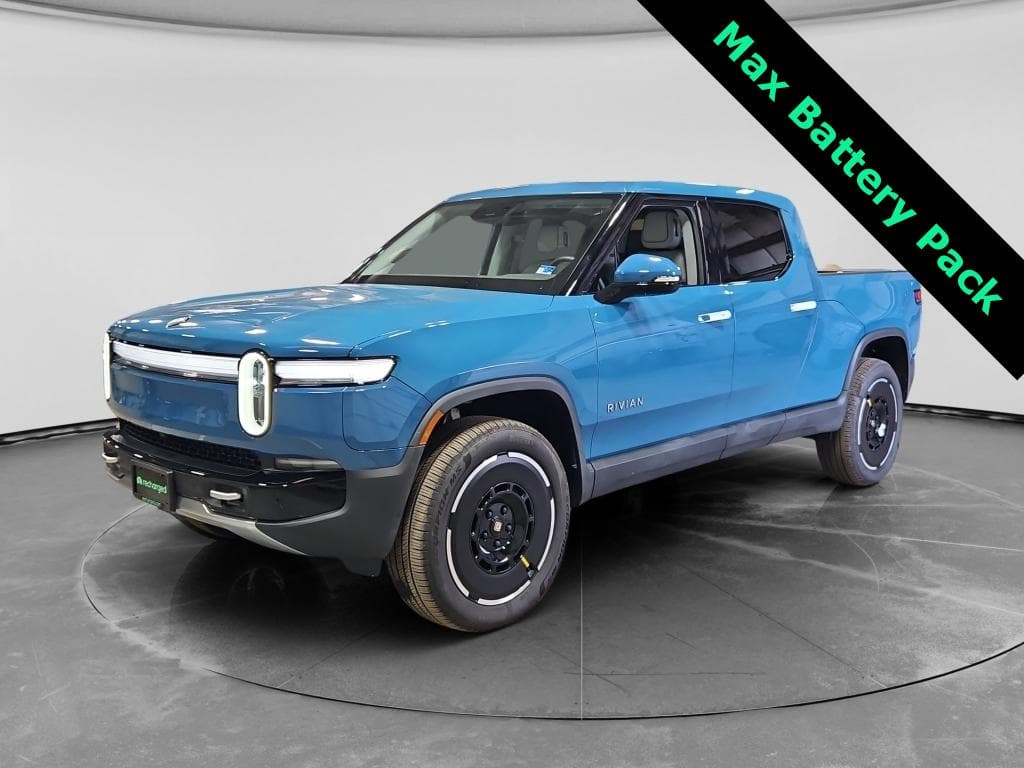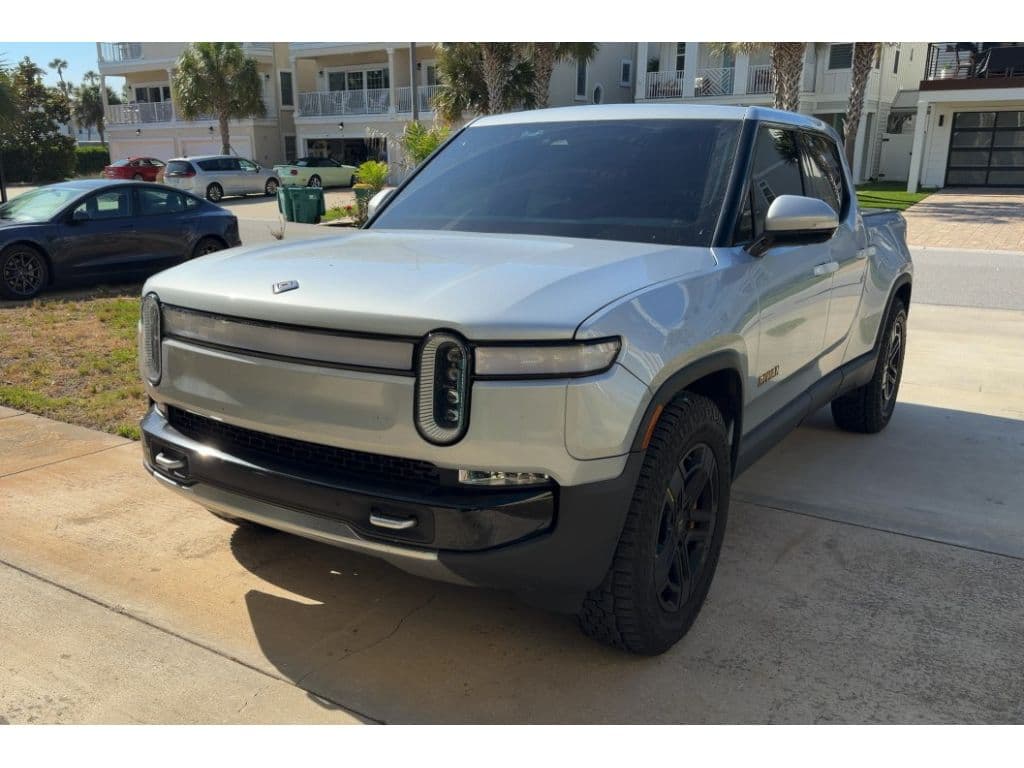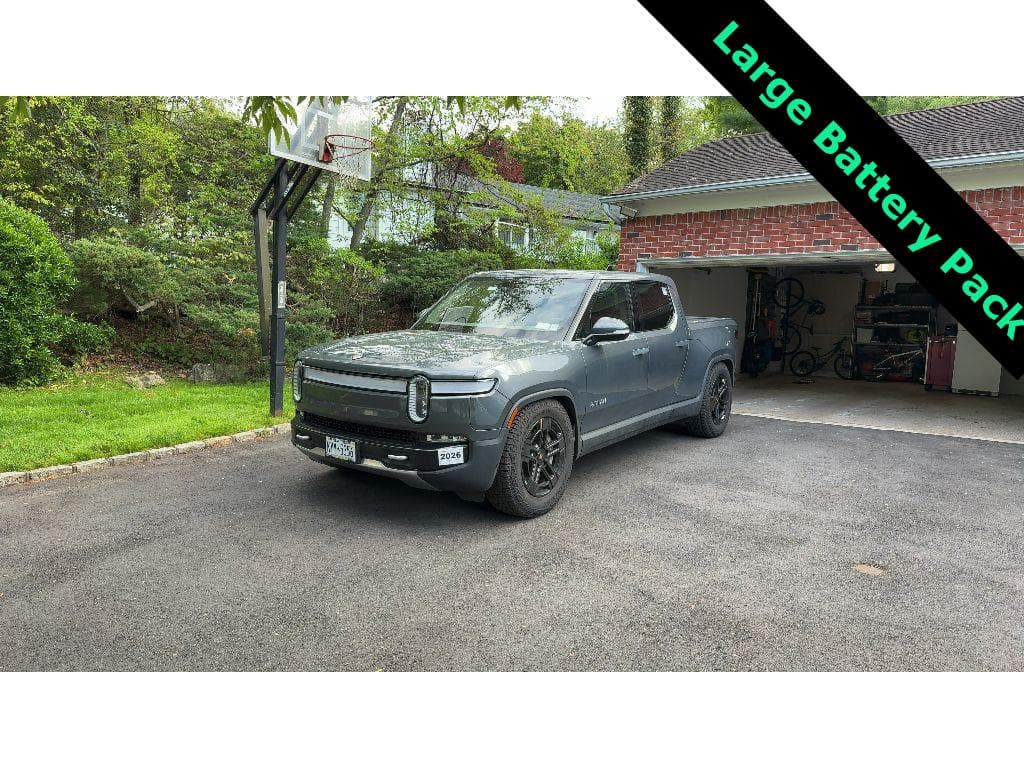
If you’re hunting for a used Rivian R1T, you’ve probably heard warnings about “never buy the first model year.” With a young brand like Rivian, that instinct is understandable. But what’s the worst Rivian R1T year to avoid used, and is there one clear bad year at all? The reality is more nuanced, and if you know what to look for, you can land a fantastic electric truck without stepping on a landmine.
Quick answer
Should you avoid a used Rivian R1T?
You don’t have to avoid a used R1T outright. Long-term tests and many owners report trucks that are surprisingly solid for a first effort from a new automaker, with very few drivetrain or battery failures. One 40,000‑mile test truck, for example, racked up mostly trouble‑free miles with only minor squeaks, rattles, and a few convenience issues, nothing that left it stranded.
Where Rivian stumbles is in the places every startup stumbles: fit and finish, software polish, and service capacity. Early trucks in particular saw more build-quality quirks (panel gaps, interior noises) and owners sometimes waited weeks for appointments because the service network is still thin compared with legacy brands. That doesn’t make the R1T a bad used buy, but it does mean you should be picky about the specific truck in front of you, not just the model year on the spec sheet.
How Recharged helps here
Rivian R1T model years at a glance
Rivian R1T used market snapshot
Keep in mind that Rivian doesn’t march in neat, once‑a‑year redesigns. The company leans heavily on running changes, software updates pushed over the air and hardware tweaks that quietly roll into the line. So when we talk about “2022” versus “2023,” think of them as loose groupings. You still need to inspect each truck, check its service history, and run the VIN for recalls.
2022 Rivian R1T: the year to approach with the most caution
If you’re looking for a headline, 2022 is the Rivian R1T year to treat with the most caution. It’s the first full production year, and it concentrates the expected startup teething pains: panel misalignment, wind noise, small leaks, and interior rattles. None of that makes a 2022 truck automatically bad, but it does raise the bar for how clean, well‑serviced, and well‑priced it needs to be before you sign.
- More reports of panel gaps and trim issues, especially around doors, hood, and tailgate on early builds.
- Scattered owner reports of water leaks (for example, moisture under floor mats tied to seals and A/C drain issues).
- Suspension chirps and squeaks at low speeds that Rivian later addressed with a service bulletin and updated components on 2022–2024 trucks.
- Early software oddities: touchscreens freezing, navigation bugs, inconsistent key-fob and phone‑as‑key behavior.
- Longer waits for service in the early years, when Rivian’s network was still ramping up.
When to walk away from a 2022 R1T
On the upside, 2022 trucks often carry the most aggressive discounts in the used market precisely because shoppers are wary. If you find one with a clean history, thorough service records, and remaining battery and drivetrain warranty, it can be a smart value play, as long as you budget a little time and patience for the occasional service visit.
2023 Rivian R1T: incremental improvements, mixed reliability stories
By 2023, Rivian had knocked down some of those early build-quality issues and kept refining software. Many 2023 owners report smooth sailing, and long‑term tests highlight how undramatic the truck can be in day‑to‑day use: no major powertrain failures, very limited scheduled maintenance, and most issues handled under warranty.
But scroll through owner forums and you’ll still see a split screen. Some drivers rack up tens of thousands of miles with little more than tire wear and a few squeaks; others report repeat visits for suspension components, half‑shafts, dampers, and trim fixes. That spread isn’t unusual for a new platform, but it underscores why service history and a pre‑purchase inspection matter more than the badge on the tailgate.
Used 2023 R1T: pros and cons
How 2023 compares to the earliest trucks
Why 2023 is often a sweet spot
- Build quality generally tighter than early 2022s.
- Software more mature, with dozens of over‑the‑air improvements.
- Still plenty of factory warranty left on most used examples.
- Access to Tesla Superchargers (with the proper adapter) on many trucks, making road trips easier.
What to double‑check on a 2023
- Any history of repeated half‑shaft or suspension replacements.
- Evidence of water leaks or A/C-related moisture inside the cabin.
- Bed cover operation and any repairs, early covers were notoriously fragile.
- Rattles and squeaks that could hint at rushed repairs or hard off‑road use.
Verdict on 2023
2024–2025 Rivian R1T: maturing product, new-tech growing pains
By 2024, the R1T felt less like an experiment and more like a fully realized electric pickup. Software updates improved ride tuning and driver‑assist features, and the brand leaned into access to Tesla’s Supercharger network via adapters. In 2025, Rivian started pushing more advanced driver‑assist tech, including Hands‑Free Highway Assist on certain trims.
The tradeoff: as the tech stack gets taller, you see more software‑driven recalls. In 2025, for example, Rivian recalled more than 24,000 R1T and R1S vehicles from the 2025 model year to fix a software defect in Hands‑Free Highway Assist that could misclassify a lead vehicle and fail to slow properly. That one was addressed with an over‑the‑air update, but it’s a reminder that newer isn’t automatically simpler.
What about “Gen 2” R1T?
Are 2024 and 2025 trucks years to avoid? Not generally. They’re often the most expensive on the used market, but in return you’re getting the freshest hardware, the longest remaining warranty, and factory fixes baked in from day one. Just be sure your specific truck is fully updated and that the fancy driver‑assist features all work exactly as advertised on a thorough test drive.
R1T recalls that matter when you’re buying used
Every modern vehicle has recalls. With a startup like Rivian, it’s especially important to know which ones apply to the truck you’re considering and whether they’ve been addressed. A few that should be on your radar when shopping used:
Key R1T recalls and service campaigns to ask about
This is not an exhaustive list, always run the VIN through NHTSA and Rivian, but these items commonly affect used R1Ts on the market.
| Issue | Model years impacted | Risk if unfixed | Typical remedy |
|---|---|---|---|
| Rear suspension toe link service recall | 2022–2025 (trucks that had certain suspension service) | Improperly reassembled toe link could separate and affect rear stability. | Replace affected rear toe links and hardware using updated procedure. |
| Hands-Free Highway Assist software defect | 2025 models with HWA | System might not properly recognize a lead vehicle, increasing low‑speed crash risk when HWA is active. | Over‑the‑air software update to corrected version; verify software is current. |
| Front suspension chirp / squeak TSB | 2022–2024 | Annoying but not dangerous chirping over uneven surfaces at low speeds. | Replacement of front hydraulic jounce lines or related suspension components. |
| Various early trim and bed-cover fixes | Primarily 2022–2023 | Inconvenience, water intrusion, or noise; rarely a direct safety threat. | Updated parts, seals, and revised adjustment procedures. |
Ask the seller for documentation showing these fixes have been completed.
Never ignore open safety recalls
Common R1T issues to check before you buy
Whether you’re looking at a 2022 or a 2025, you should go hunting for the same handful of known trouble spots. Here’s what to look and listen for on a test drive or independent inspection:
Used Rivian R1T pre‑purchase checklist
1. Suspension noises and harshness
Drive over a rough road or speed bumps at 10–20 mph with the windows cracked. Listen for <strong>chirps, clunks, or creaks</strong> from the front or rear. Some minor noise is normal on an off‑road‑capable truck, but sharp metallic sounds or repeated chirping can point to parts that need replacement.
2. Water leaks and interior moisture
Lift the floor mats, especially on the driver’s side, and feel for damp carpet. Check the headliner and door sills after the truck has been through a wash or rain. Persistent moisture can hint at seal or A/C drain issues that require more than a quick wipe‑down.
3. Bed cover and gear tunnel operation
Cycle the power bed cover (if equipped) fully open and closed several times. It should move smoothly without binding or grinding. Open and close both gear‑tunnel doors and check seals for cracks or damage that could let dust and water in.
4. Screens, cameras, and driver assists
Spend time with the <strong>infotainment system, surround‑view cameras, and adaptive cruise or highway assist</strong>. Look for lag, black screens, or driver‑assist features that refuse to engage on marked highways, signs of camera, sensor, or software problems.
5. Panel gaps, paint, and underbody
Walk the truck carefully. Note any doors or tailgate that sit proud or deep, misaligned bumpers, or oddly inconsistent gaps. Then, if possible, get the truck on a lift or ramps: look for off‑road scars, bent suspension components, and rust starting in exposed areas.
6. Tires and alignment
Uneven tire wear can signal poor alignment or suspension issues. The R1T is heavy; expect earlier tire replacement than a compact car, but <strong>cupping, feathering, or cords showing</strong> mean either neglect or suspension problems you’ll inherit.
Battery health and range on a used Rivian R1T
The good news: so far, there’s no widespread evidence of catastrophic battery degradation on Rivian R1Ts in normal use. Trucks with 30,000–50,000 miles generally still deliver range in the same ballpark as new, assuming they haven’t been abused by constant fast‑charging and high‑speed towing.
Still, the battery pack is the single most expensive component on the truck. Treat it with the respect your wallet deserves:
- Ask the seller to show recent trip data and state‑of‑charge versus miles so you can sanity‑check real‑world range.
- If possible, charge the truck from a known state of charge and compare miles added with what the truck predicts.
- Avoid trucks that have lived their entire life on DC fast‑charging and high‑speed towing, unless the price is deeply discounted and you’re comfortable with the risk.
- Look for any warnings or error messages related to the high‑voltage system on the dash or in the service history.
Why third‑party battery tests matter
Pricing, warranty, and what a fair used R1T deal looks like
Used R1T pricing swings more wildly than a typical half‑ton pickup because Rivian is still a young brand and demand moves in waves. Instead of chasing the lowest sticker, anchor your search around total value: condition, warranty, equipment, and history.
Understand remaining warranty
- Rivian’s battery and drivetrain warranty runs for up to 8 years / 175,000 miles (check the exact terms for the truck you’re considering).
- A 2022 with low miles can still have years of high‑voltage coverage left, but may be close to the end of its basic bumper‑to‑bumper warranty.
- Later years cost more up front, but they stretch your safety net further into the future.
Price the risk realistically
- An attractively priced 2022 with spotty records isn’t a bargain if it spends months bouncing between service centers.
- Paying a little more for a 2023 or 2024 with documented care, clean bodywork, and no major repeats in service history can be cheaper long‑term.
- Factor in the cost of a high‑quality extended warranty if you’re buying older or high‑mileage.
How fair‑market pricing fits in
How to safely shop for a used Rivian R1T
With the R1T, your goal is to separate healthy, well‑loved trucks from the ones that have been thrashed off‑road, neglected, or used as guinea pigs for an overwhelmed service center. Here’s a simple roadmap.
Shopping paths for different R1T buyers
Value hunter (2022–2023 focus)
Target late‑build 2022 or 2023 trucks with under 50,000 miles and clean Carfax/Autocheck history.
Insist on complete service records and proof that all relevant recalls and campaigns are closed.
Budget for fresh tires and a suspension once‑over; the truck is heavy and hard on rubber.
Use a third‑party inspection or Recharged’s Score Report to validate battery health before buying.
Peace‑of‑mind buyer (2023–2025 focus)
Prioritize 2023–2025 R1Ts that are still well within basic warranty and high‑voltage coverage.
Test every driver‑assist and comfort feature extensively, this is where newer trucks pack the most complexity.
Confirm that any software‑related recalls (like Hands‑Free Highway Assist updates) are already done.
Consider buying from a seller that specializes in EVs or from a marketplace like Recharged that vets vehicles up front.
Adventurer / heavy‑use buyer
Look for evidence of <strong>proper maintenance</strong> to match off‑road use: clean underbody repairs, not just a mud bath.
Be extra picky about suspension noise, alignment, and structural rust or damage.
Ask for photos or records of any off‑road damage that was repaired, hidden frame or subframe issues are expensive.
If you plan to tow regularly, favor trucks with documented towing use and tire rotations; they’re more likely to have been set up correctly.
Why where you buy matters
FAQ: Rivian R1T worst year to avoid used
Frequently asked questions about used Rivian R1T years to avoid
Bottom line: which used R1T years to avoid, and which to chase
If you’re looking for a single answer to “Rivian R1T worst year to avoid used,” the honest response is this: there isn’t a total disaster year, but early 2022 trucks deserve the hardest scrutiny. Their extra rattles, panel issues, and service bulletins mean they must be priced right and backed by spotless records to make sense.
For most shoppers, a well‑documented 2023 or 2024 R1T strikes the best balance of refinement, warranty, and price. Newer 2025 trucks add features and tech but come with the usual caveat that the newest software sometimes needs a few rounds of updates to settle down.
No matter which year you’re leaning toward, the winning move is the same: buy the specific truck, not the model year. Focus on battery health, service history, recall completion, and a thorough inspection. If you’d rather not do that detective work alone, Recharged can match you with vetted used R1Ts, transparent condition reports, and EV‑savvy support from your first question to the day the truck shows up in your driveway.