If you’re cross-shopping the Rivian R1T vs Tesla Cybertruck, you’re not just choosing a truck, you’re picking a philosophy of what the electric future should look like. One is a refined, adventure-focused pickup that feels like a premium SUV with a bed. The other is a stainless-steel statement piece aimed at maximum shock value and spec-sheet bragging rights. This guide breaks down how they really compare on price, range, towing, usability, and long-term ownership so you can decide which one actually fits your life.
Quick takeaway
Rivian R1T vs Tesla Cybertruck: who are these trucks for?
Rivian R1T: adventure-first, everyday-usable
The R1T is built for drivers who want a premium daily driver that also happens to be an incredibly capable adventure truck. Think camping, skiing, trailheads, Home Depot runs, and doing all of that in a vehicle that feels as nicely finished as a luxury SUV.
- Clean, modern design that doesn’t scream for attention
- Thoughtful touches like the Gear Tunnel, built-in air compressor, and camp-friendly accessories
- Comfortable ride, quiet cabin, and intuitive software
Tesla Cybertruck: spec-sheet flex and shock value
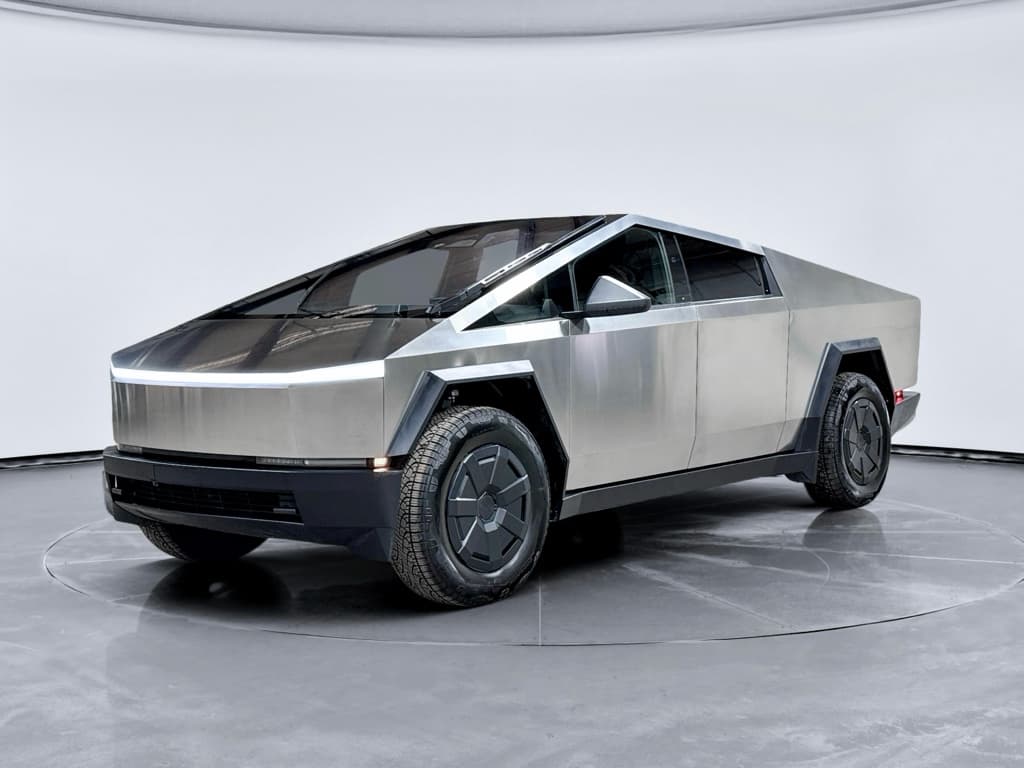
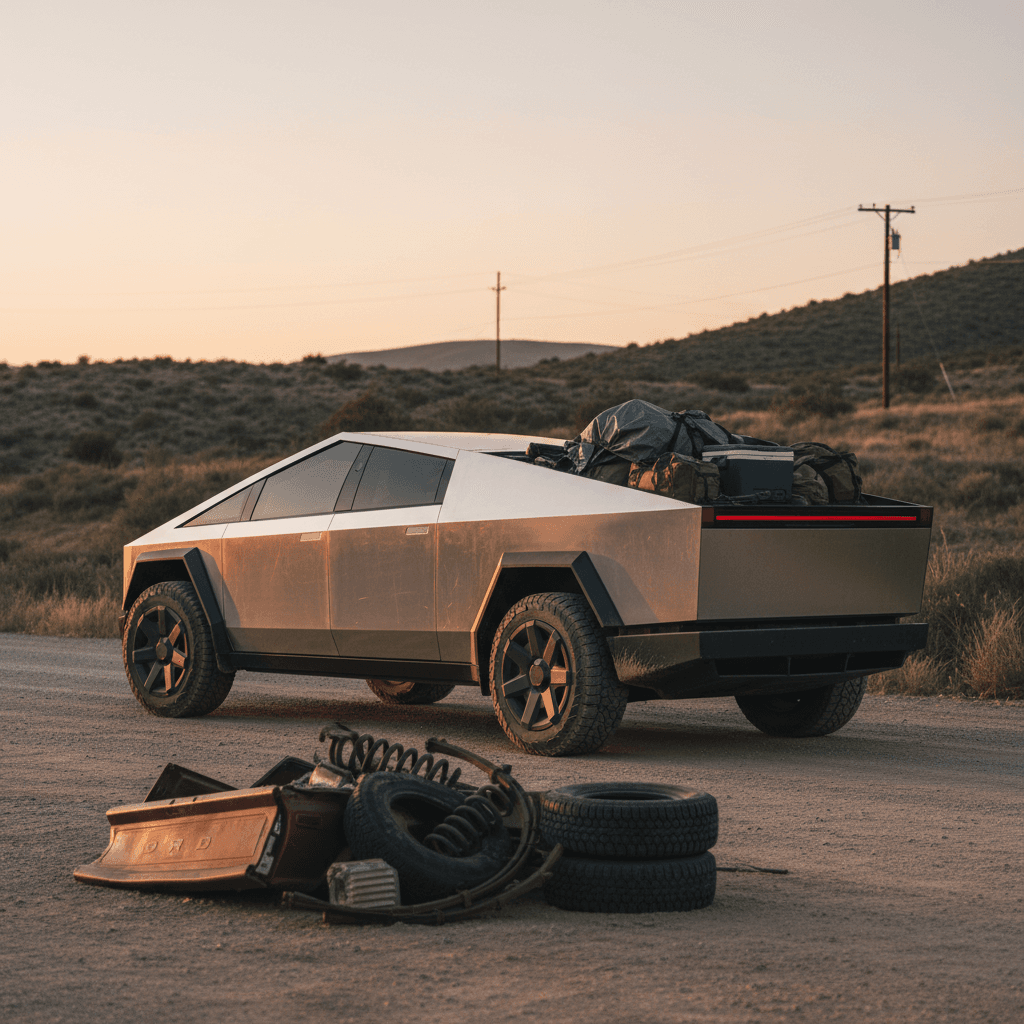
The Cybertruck is aimed at buyers who want something no one else has and are willing to live with quirks to get it. It’s part performance toy, part conversation starter, part mobile billboard.
- Radical stainless-steel exoskeleton and wedge shape
- Huge towing and payload numbers on paper
- Deep integration with Tesla’s app, Autopilot stack, and Powershare vehicle-to-load features
Availability reality check
Key specs: Rivian R1T vs Tesla Cybertruck at a glance
Core specs comparison (2025 models)
Headline numbers for popular Rivian R1T and Tesla Cybertruck configurations. Exact figures vary by trim and wheel/tire choice.
| Spec | Rivian R1T (Dual / Tri Max) | Tesla Cybertruck (AWD / Cyberbeast) |
|---|---|---|
| Starting price (approx, new) | Low $70,000s MSRP for Dual Standard; around $100,000 for Tri Max | Around $80,000 for AWD; near $100,000+ for Cyberbeast Foundation |
| Powertrain options | Dual-motor, Tri-motor (quad teased for future) | Dual-motor AWD, tri-motor Cyberbeast |
| EPA range (best-case trims) | Up to ~420 miles (Max Pack) | Roughly 320–325 miles (current estimates) |
| Max DC fast-charge rate | Up to about 220 kW (Large/Max packs) | Roughly 250+ kW peak (varies by station) |
| Max towing capacity | Up to 11,000 lbs when properly equipped | Up to about 11,000 lbs |
| Approx. payload | Around 1,700–1,900 lbs | Around 2,500 lbs |
| Drive type | Standard AWD on all trims | Standard AWD on all trims |
| Notable storage | Gear Tunnel, large frunk, clever bed tie-downs | Huge frunk, large under-bed storage, lockable vault bed |
Specs are manufacturer or third-party estimates and can change with software updates and new trims.
Electric truck numbers that matter most
Pricing, trims, and real-world value
On paper, pricing is closer than you might expect. In practice, how the Rivian R1T vs Tesla Cybertruck stack up on value has more to do with trim structure, equipment, and how comfortable you are paying for early-adopter risk.
New pricing and how it actually feels
MSRP is only part of the story, equipment, incentives, and resale matter just as much.
Rivian R1T pricing picture
For 2025, R1T pricing generally starts in the low $70,000s for Dual Standard and climbs to around $100,000 for high-spec Tri Max trims, depending on options and destination charges.
- Multiple trims let you choose performance vs. range vs. price
- Some configurations may qualify for federal or state incentives
- Healthy used inventory is emerging, often with meaningful discounts vs. new
Tesla Cybertruck pricing picture
The Cybertruck’s pricing has risen materially from its original promises. Dual-motor AWD lives around the $80,000 mark, while Cyberbeast versions land closer to six figures, especially in Foundation trims.
- Fewer real-world trims than originally promised
- Range extender add-ons and some teased options have been delayed or canceled
- Resale is still a question mark because volumes and long-term demand are unknown
How Recharged can help on price
Range, batteries, and charging experience
Range is where the spreadsheet race started for these trucks, and where expectations and reality have diverged the most, especially for Cybertruck. Rivian has steadily improved its packs and chemistry, while Tesla has walked back some of its early, headline-grabbing range claims.
- Rivian R1T offers three packs: Standard, Large, and Max. The Max pack R1T is rated at up to roughly 420 miles of EPA range in ideal trims.
- Large pack R1Ts land closer to the high-200s to low-300s, depending on wheels, tires, and options.
- Cybertruck AWD and Cyberbeast are currently in the low-300-mile window on paper, notably below the 500-mile concept claims that generated the earliest hype.
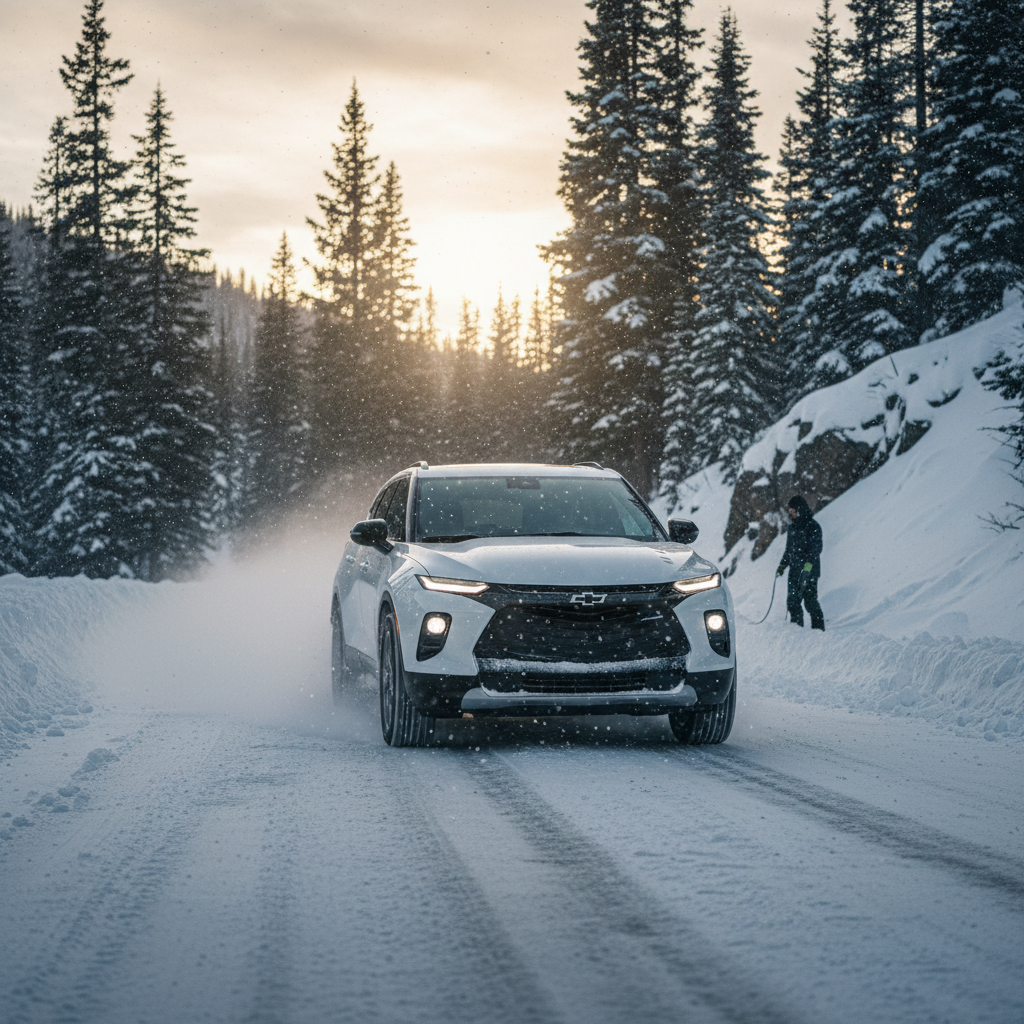
- Both trucks see significant range loss at highway speeds, in the cold, and, most dramatically, while towing, where real-world range can be cut in half or worse.
Charging speeds & networks
- R1T DC fast charging: Up to about 220 kW on appropriately powerful chargers with Large/Max packs. Real-world averages will be lower and depend on station quality.
- Cybertruck DC fast charging: Peak rates in the mid-200 kW range on Tesla Superchargers today, with the advantage of highly integrated routing and preconditioning.
- Network reality: Tesla’s Supercharger network remains the most mature and reliable in the U.S. Rivian’s Adventure Network is growing but still much smaller.
Home and everyday charging
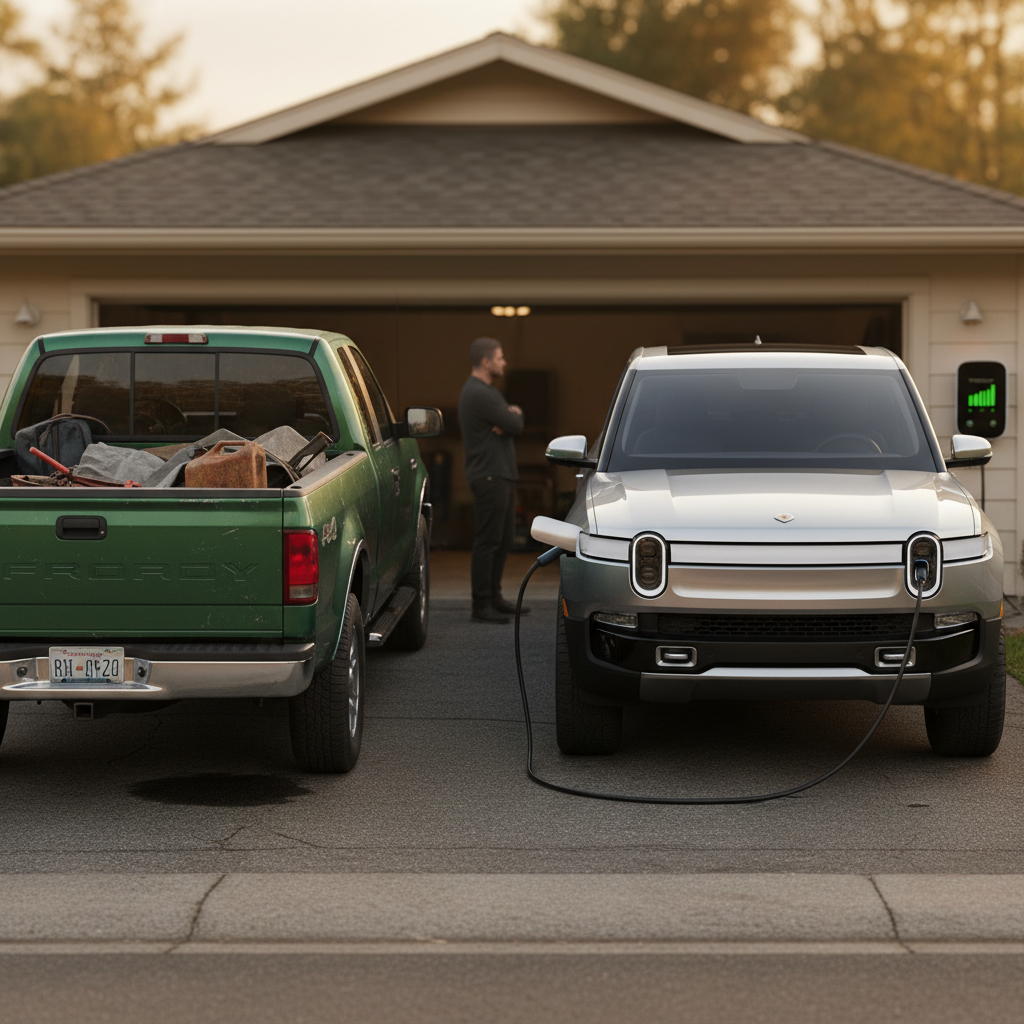
For most owners, 90%+ of charging happens at home. Both trucks support 240V Level 2 charging at rates that easily refill a typical daily commute overnight.
- R1T works well with any quality Level 2 home unit or compatible portable charger.
- Cybertruck integrates more tightly with Tesla’s home charging and energy ecosystem, especially if you want to tap into vehicle-to-home power.
If you’re still getting up to speed on home charging, our EV charging basics guide is a helpful starting point.
Range vs. towing: don’t ignore the math
Towing, payload, and work-truck utility
On spec sheets, the Rivian R1T vs Tesla Cybertruck are closely matched on towing, with Tesla generally holding the edge on payload and raw cargo volume. But how usable that capability is depends a lot on how you actually use a truck.
Towing and payload comparison
Headline tow and payload numbers are similar, but overall bed packaging and cargo solutions differ by brand philosophy.
| Capability | Rivian R1T | Tesla Cybertruck |
|---|---|---|
| Max towing | Up to ~11,000 lbs (configuration-dependent) | Up to ~11,000 lbs |
| Payload | Around 1,700–1,900 lbs | Around 2,500 lbs |
| Bed length | Shorter mid-size style bed | Longer bed with integrated vault cover |
| Frunk | Moderate-size frunk (~11 cu ft) | Very large frunk with substantial volume |
| Unique storage | Gear Tunnel, under-bed storage, in-cabin cubbies | Large under-bed storage, integrated vault, big frunk |
Towing at or near max ratings will severely reduce range in both trucks.
How the utility feels in real life
Spec-sheet numbers only go so far, here’s how owners actually tend to use them.
R1T: lifestyle and adventure utility
The R1T leans into lifestyle versatility rather than pure work-truck numbers.
- Gear Tunnel adds lockable storage that’s perfect for skis, recovery gear, or camp kitchen setups.
- Integrated air compressor and accessory ecosystem make it easy to air down tires and set up camp.
- Shorter bed is easier to park in cities and garages but less ideal for sheet goods or large work materials.
Cybertruck: spec-max work credentials
The Cybertruck’s larger bed, higher payload, and massive frunk skew more toward traditional truck metrics.
- More space for construction gear or bulky cargo.
- Vault bed cover adds security and aero benefits but can complicate taller cargo.
- Tough exoskeleton and stainless body promise durability, though repairability is still an open question.
Towing with a used EV truck
Off-road capability and on-road comfort
Both trucks can go far beyond what most owners will ever ask of them off road. The difference is that Rivian tuned the R1T to be a genuinely pleasant everyday vehicle first, while still being extremely competent on rough trails. Cybertruck leans more toward stiffness and drama.
Rivian R1T: refined but rugged
- Standard air suspension with adjustable ride height and adaptive damping.
- Multiple drive and terrain modes for snow, sand, rocks, and more.
- Cabin tuning and suspension updates have steadily improved quietness and ride comfort.
The broad consensus: it feels like a premium SUV most of the time, with the added benefit of a truck bed and real off-road chops.
Tesla Cybertruck: extreme stance, mixed comfort
- Height-adjustable air suspension and rear-wheel steering for maneuverability.
- Plenty of ground clearance and approach/departure angles for off-roading.
- NVH (noise, vibration, harshness) and suspension tuning are more polarizing; the truck looks and feels more like a rolling concept than a plush daily commuter.
For some buyers, that trade-off is worth it. For others, it will get old fast in daily use.
Design, interior, and tech experience
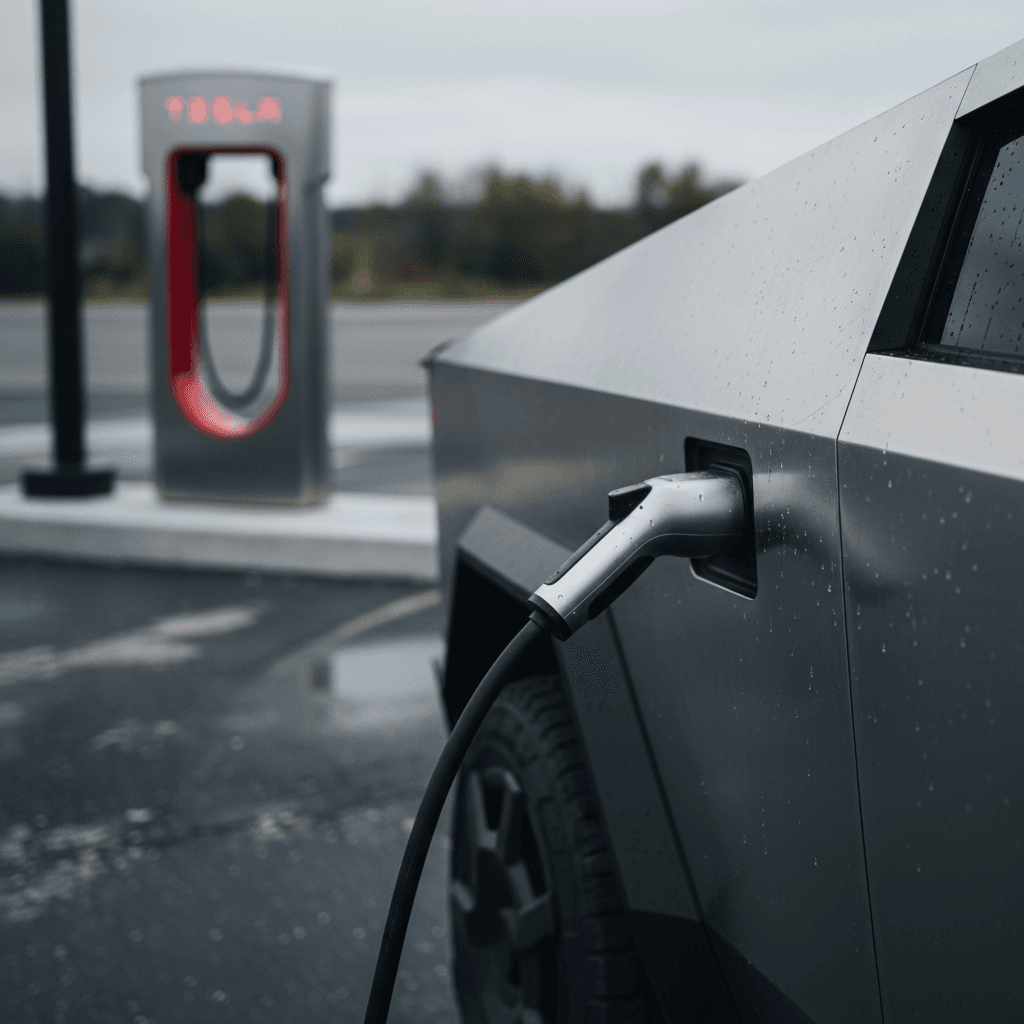
Design is where these trucks diverge most dramatically. You already know if the Cybertruck’s stainless wedge makes your heart race or your eyes roll; the more important question is how that design affects visibility, ergonomics, and daily livability.
Living with each truck day to day
Cabin quality, ergonomics, and software matter more than 0–60 times after the first month.
Exterior presence
R1T: Looks like a futuristic but recognizable pickup, with distinctive lighting and clean lines. It turns heads without dominating a parking lot.
Cybertruck: Pure sci-fi, with sharp angles and bare metal. You will never be anonymous in one, and some HOAs and workplaces may not love that.
Interior & materials
Rivian emphasizes warm materials, textures, and thoughtful storage. It feels cohesive and upscale.
Tesla sticks with minimalist, screen-dominant design. Materials are easy to clean but can feel austere and less inviting for some buyers.
Infotainment & driver tech
Both use large central touchscreens and heavy over-the-air update strategies.
- Rivian’s UI is intuitive, playful, and increasingly polished.
- Tesla’s software is mature, quick, and tightly integrated with navigation and charging.
- Driver-assist systems (Rivian’s Driver+ vs. Tesla Autopilot/FSD) are evolving fast; capabilities can change with updates, but both require attentive drivers.
Repairability and durability questions
Ownership costs and the growing used EV truck market
Total cost of ownership on an electric truck has a lot more to do with depreciation, charging costs, and battery health than with advertised MSRPs. This is where thinking ahead to the used EV truck market, and how you might exit in a few years, really pays off.
Key ownership cost levers to evaluate
1. Depreciation and future demand
R1T resale is starting to normalize as volumes grow and Rivian’s brand matures. Cybertruck values are harder to predict because of constrained supply and uncertain long-term demand for the design. If you’re worried about resale risk, a clean, well-optioned R1T may be the safer long-term bet.
2. Energy costs and charging behavior
Home charging on off-peak rates usually undercuts gasoline and diesel dramatically. Rely heavily on DC fast charging and your per-mile cost goes up while long-term battery health may go down. This is true for both trucks.
3. Maintenance and repairs
EVs avoid oil changes and many traditional wear items, but tires, brakes, alignment, and bodywork still add up, especially on heavy electric trucks. Check insurance quotes for both; the Cybertruck’s body style and repair complexity may mean higher premiums in some markets.
4. Battery health on used trucks
On a used R1T, and eventually used Cybertrucks, battery state of health is the single most important data point. Recharged’s <strong>Score Report</strong> gives you transparent diagnostics so you’re not rolling the dice on invisible degradation.
If you’re shopping used, platforms like Recharged are built specifically for this new EV reality: transparent battery data, fair-market pricing, and EV-specialist support from search to delivery. That’s a different world from traditional truck shopping, where you’re often guessing about prior use and maintenance.
Which is better for you: Rivian R1T or Tesla Cybertruck?
Choose your electric truck based on how you’ll actually use it
Choose the Rivian R1T if…
You want a truck that doubles as a comfortable, quiet daily driver with premium interior feel.
You value thoughtful design details like the Gear Tunnel, built-in air compressor, and a strong ecosystem of adventure accessories.
You plan to take long road trips on a mix of charging networks, not just Tesla Superchargers.
You’re sensitive to resale risk and prefer a more timeless, less polarizing design.
You’re starting to shop the used market and want access to vehicles with verified battery health and history.
Choose the Tesla Cybertruck if…
You love the styling and are okay being the center of attention everywhere you go.
You prioritize payload, bed length, and the ability to power tools or even parts of your home via vehicle-to-load features.
You already live in Tesla’s ecosystem, Solar, Powerwall, Superchargers, and want everything tightly integrated.
You’re comfortable with a product that’s still evolving quickly, with features and options that can change year to year.
You view the truck as part passion project, part technology experiment, not just an appliance.
How to buy smarter, especially used
Ready to find your next EV?
Browse VehiclesViewed through the hype, the Rivian R1T vs Tesla Cybertruck battle looks like a clash of futuristic visions. Viewed as tools you’ll live with every day, they’re very different answers to very different questions. The R1T is the polished adventure truck that just happens to be electric; the Cybertruck is the radical EV that just happens to be a truck. Start with how you’ll actually use it, run the numbers on total ownership cost, and if you’re shopping used, lean on data, not vibes, to pick the right one.