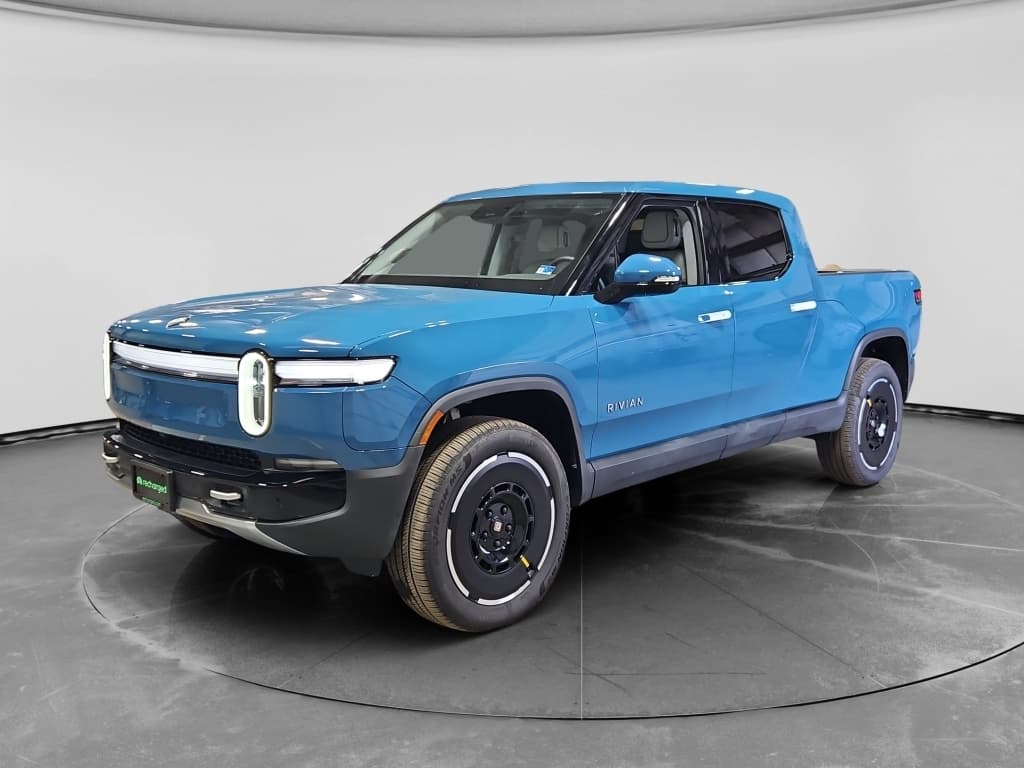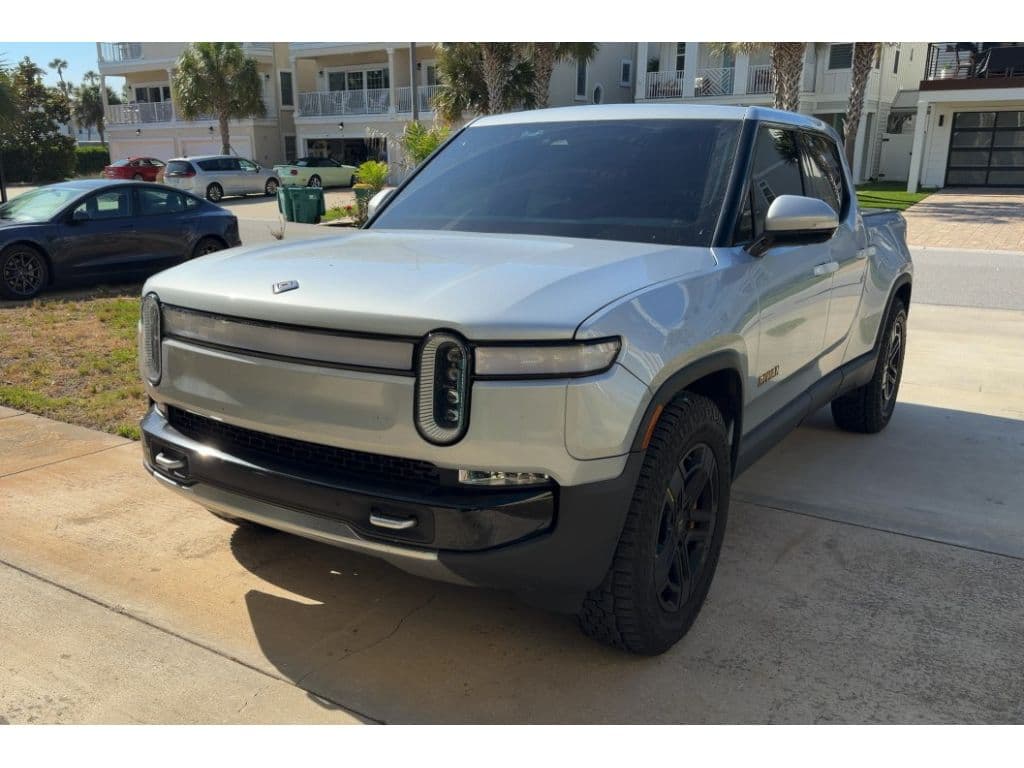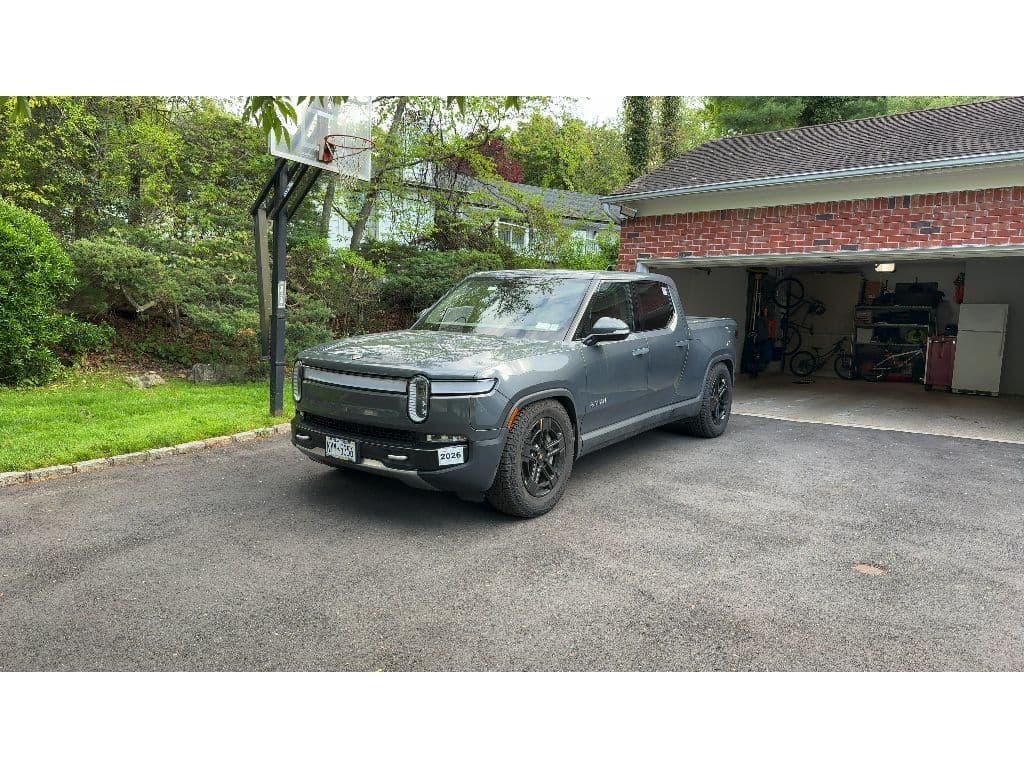
If you’re eyeing a Rivian R1T but coming from a gas pickup, the big question isn’t just performance, it’s total cost of ownership. In this guide, we’ll walk through a Rivian R1T vs gas car cost comparison using realistic 2026 numbers for fuel, electricity, maintenance, depreciation and more so you can see where an electric truck really saves you money, and where it doesn’t.
Quick takeaway
Why compare a Rivian R1T to a gas truck?
- Family haulers and daily commuters
- Weekend adventure vehicles for towing and off‑roading
- Work tools that rack up serious mileage
High-level ownership cost signals (2026 U.S. averages)
Key assumptions for this cost comparison
To keep this Rivian R1T vs gas car cost comparison grounded and honest, we’ll work from a set of transparent assumptions. Your exact numbers will vary, but you can adjust the levers to match your situation.
- Timeframe: primarily a 5‑year ownership window, with notes about 8–10 years.
- Annual mileage: 12,000 miles (close to the U.S. average), with a high‑mileage scenario at 15,000.
- Gas truck baseline: a modern half‑ton 4x4 crew‑cab with a combined fuel economy of ~18 mpg.
- Gas prices: $3.10 per gallon (2025 U.S. average), with sensitivity to $2.80–$3.50 swings.
- Electricity prices: 18.05¢/kWh U.S. average residential rate in early 2026, assuming mostly home charging with some public fast charging mixed in.
- Rivian efficiency: ~2.0 miles per kWh in everyday use (can be higher in mild weather and lower with heavy towing or winter driving).
- Purchase price: late‑model used R1T vs similarly priced late‑model gas truck, both well equipped.
- Location: U.S. averages; your state’s fuel and power prices will tilt the math.
Assumptions are averages
Fuel vs electricity costs: where the Rivian R1T wins
Fuel is usually the biggest day‑to‑day cost difference between an electric truck and a gas truck. Let’s compare annual energy costs for our 12,000‑mile scenario.
Annual energy cost: Rivian R1T vs comparable gas truck
Based on 12,000 miles per year, 18 mpg gas truck, 2.0 mi/kWh Rivian R1T, 18.05¢/kWh home electricity and $3.10/gal gasoline.
| Vehicle | Energy use per year | Unit cost assumption | Annual energy cost |
|---|---|---|---|
| Gas truck (18 mpg) | 12,000 mi ÷ 18 mpg = 667 gallons | $3.10 per gallon | ≈ $2,070 |
| Rivian R1T (2.0 mi/kWh, mostly home charging) | 12,000 mi ÷ 2.0 = 6,000 kWh | $0.1805 per kWh | ≈ $1,080 |
| R1T with 25% DC fast charging | 4,500 kWh home + 1,500 kWh fast charge | Home: $0.1805/kWh; Fast: ~$0.40/kWh | ≈ $1,410 |
Actual results will vary with your driving style, climate, and local prices.
Under these assumptions, the R1T saves roughly $660–$990 per year in “fuel” compared with the gas truck at today’s prices. Drive more miles or pay higher local gas prices and the gap widens.
How to estimate your own R1T energy cost
Maintenance and repairs: fewer moving parts, fewer surprises
The Rivian R1T eliminates oil changes, spark plugs, exhaust systems, and transmission services. Over time, that matters just as much as fuel. Electric trucks still have consumables, tires, brakes, coolant for the battery and motors, but heavy powertrain maintenance tends to drop sharply compared with a gas truck.
Typical maintenance profile: Rivian R1T vs gas pickup
Averages over 5 years / 60,000 miles of ownership
Gas pickup
- Oil and filter changes every 5,000–7,500 miles
- Transmission fluid service in some cases
- Spark plugs, belts, and exhaust components over time
- More complex emissions and turbo systems to service
- Brake wear higher in stop‑and‑go driving
Typical 5‑year maintenance/repairs: $3,000–$4,000, not counting major repairs.
Rivian R1T
- No oil changes or exhaust system
- Fewer fluids and fewer wearable engine parts
- Regenerative braking reduces brake wear
- Software updates can improve features over time
- Still needs tires, coolant service, and inspections
Typical 5‑year maintenance/repairs: $1,500–$2,500 for most owners.
Don’t ignore out‑of‑warranty repairs
Insurance, registration, and taxes
Insurance for a Rivian R1T can be comparable to or slightly higher than a similarly priced gas truck, mainly because it’s a premium vehicle with expensive components and strong performance. Factors like your driving record, credit profile, and ZIP code dominate the quote more than whether the truck is gas or electric.
- Insurance: Many owners report R1T premiums in line with a high‑end F‑150 or Silverado. Expect a modest bump if repair networks are limited in your area.
- Registration and property tax: Some states add small annual EV fees; others offer discounts. In truck‑heavy states, fees are often driven more by vehicle value and weight than fuel type.
- Tax credits and incentives: Depending on current federal and state rules when you buy, a used R1T may qualify for EV tax incentives, while a used gas truck will not. Always check the latest IRS and state guidance before you purchase.
Depreciation and resale value for Rivian vs gas trucks
Depreciation has been a moving target for both EVs and trucks over the last few years. Early Rivian models saw rapid price swings as the brand went from wait‑list darling to actual inventory, while some full‑size gas trucks softened as incentives and higher interest rates hit the market.
Gas truck depreciation
- Historically strong resale in truck‑heavy regions.
- Higher fuel costs can hurt demand for the thirstiest trims.
- Resale depends heavily on brand reputation and fleet demand.
On a well‑equipped half‑ton truck purchased used, a rough rule of thumb is a further 35–45% value loss over the next 5 years, assuming average miles.
Rivian R1T depreciation
- Newer brand with less long‑term data, but strong enthusiast demand.
- Software updates and expanding charging access can support used values.
- Battery health and warranty status matter more than model year alone.
A late‑model R1T bought used may see 30–45% depreciation over the next 5 years depending on mileage, battery health, and how fast newer models evolve.
How Recharged helps on depreciation risk
Ready to find your next EV?
Browse Vehicles5-year total cost of ownership: side‑by‑side scenarios
Now let’s put the pieces together for a Rivian R1T vs gas truck cost comparison over 5 years and 60,000 miles. To keep things apples‑to‑apples, assume both trucks are bought used around the same price point, say, $60,000, and financed similarly. We’ll focus on out‑of‑pocket operating costs plus depreciation.
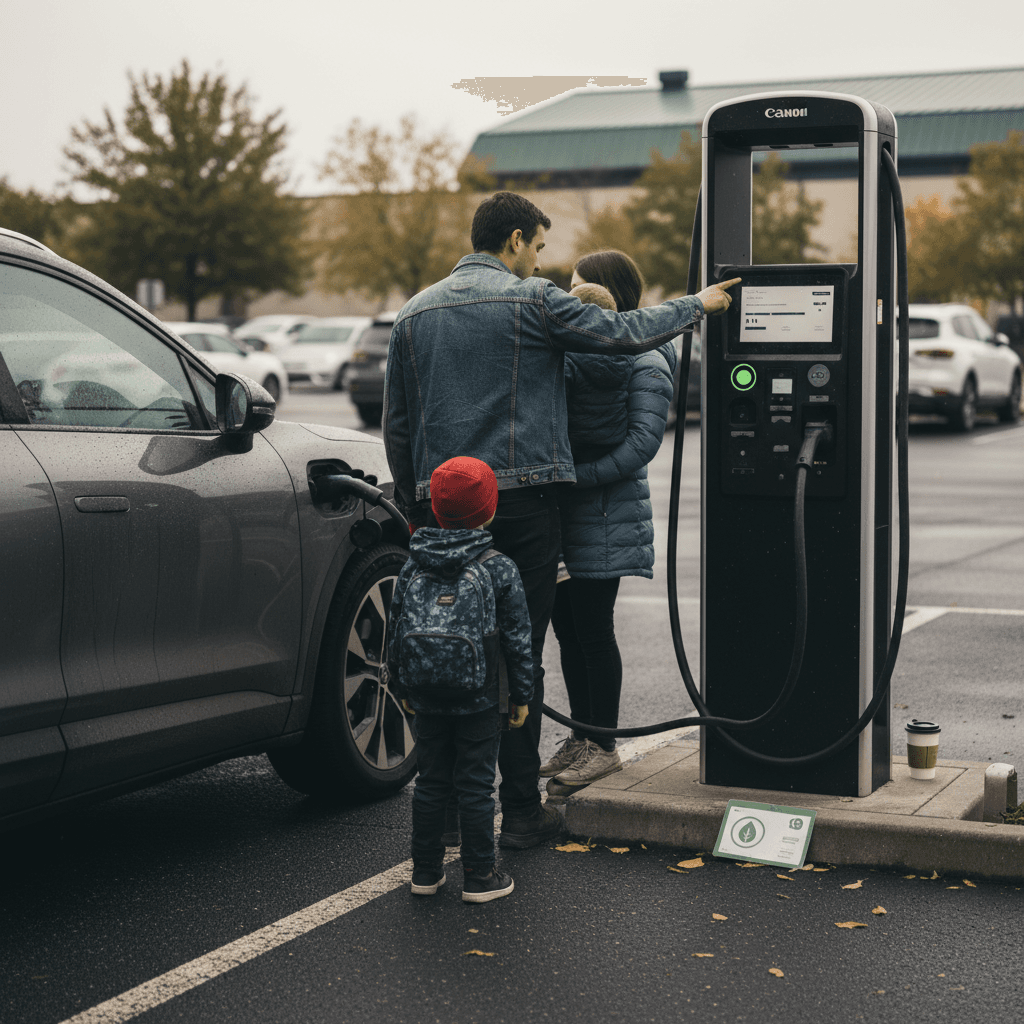
Illustrative 5‑year cost of ownership: Rivian R1T vs gas truck
Scenario assumes 60,000 miles total, $60,000 starting value for both vehicles, U.S. average energy prices, and typical maintenance ranges.
| Cost category (5 yrs) | Rivian R1T (used) | Gas truck (used) |
|---|---|---|
| Energy (fuel/electricity) | ≈ $5,400–$7,000 | ≈ $10,000–$11,000 |
| Routine maintenance & minor repairs | ≈ $1,500–$2,500 | ≈ $3,000–$4,000 |
| Insurance (incremental vs each other) | Roughly similar; assume ±$0 difference for this model | Roughly similar; assume ±$0 difference |
| Depreciation from $60k purchase | ≈ $20,000–$27,000 | ≈ $21,000–$27,000 |
| Total 5‑year ownership cost (excl. financing) | ≈ $26,900–$36,500 | ≈ $34,000–$42,000 |
Use this as a framework, not a quote, plug in your own local fuel, electricity, and mileage numbers for a personalized view.
In this example, the Rivian R1T comes out ahead by roughly $5,000–$8,000 over 5 years at 12,000 miles per year, largely thanks to cheaper energy and lower maintenance. For higher annual mileage, that gap can easily push past $10,000.
What if gas drops or electricity spikes?
What changes over 8–10 years of ownership?
Stretch the timeline to a decade and EV advantages usually grow, if you’re not hit with a major out‑of‑warranty repair. Fuel savings keep compounding, and you’ve long since recouped any purchase‑price premium you paid up front.
- Fuel/electricity: Each additional year adds another $600–$1,200 in savings if you keep driving similar miles.
- Maintenance: Gas trucks start needing bigger services (cooling system, transmission, more suspension work) as the odometer climbs. EVs focus more on tires and suspension.
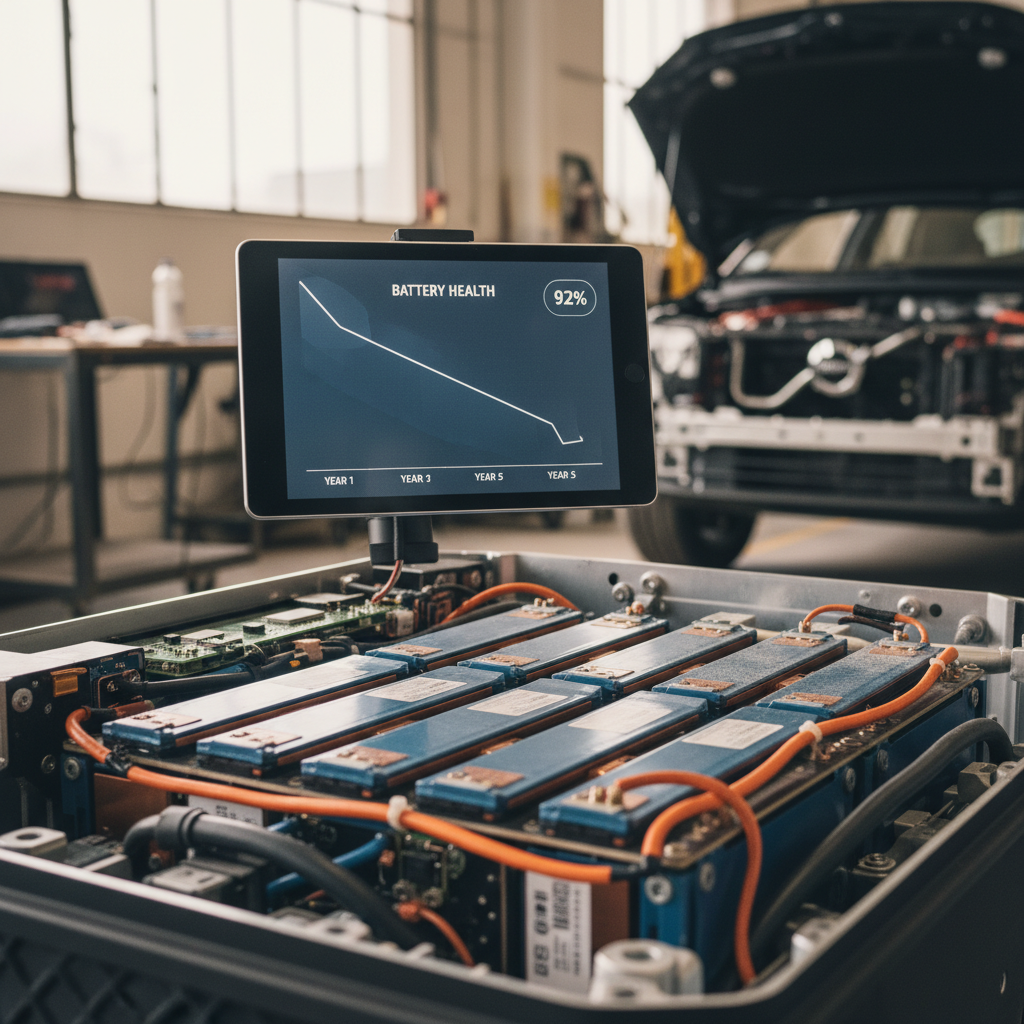
- Battery health: Most modern EV packs are designed to retain the majority of their capacity over 8–10 years. A healthy pack at 5 years is a strong signal for year 10. A weak one is a reason to walk away from a used example.
Pay attention to long‑term battery health
Charging convenience and non‑financial factors
Dollars matter, but they aren’t the whole story. Day‑to‑day convenience, capability, and driving experience also separate a Rivian R1T from a gas truck.
Beyond the spreadsheet: how the ownership experience differs
Where an EV truck shines, and where gas still has an edge
Home “fueling”
Plug in at night, wake up to a “full tank” most mornings. If you have a garage or driveway, this is a major quality‑of‑life upgrade over gas station stops.
Road trips & towing
Gas wins on absolute speed and availability of refueling, especially with heavy trailers. The R1T can tow hard, but you’ll stop more often and must plan your charging route.
Noise, emissions & feel
R1T is quiet, quick, and emissions‑free at the tailpipe. For many owners, the smooth torque and silent cabin are big reasons they don’t go back to gas.
How buying a used Rivian R1T changes the math
Buying used compresses the depreciation curve for both the Rivian R1T and a gas truck, but it often helps the EV more. That’s because early buyers absorbed the steepest part of new‑car depreciation and any initial pricing volatility.
Why a used R1T can be a sweet spot
- Much lower purchase price than new, but you still benefit from over‑the‑air software improvements.
- Battery degradation tends to slow after the first few years; you’re buying once it has “settled in.”
- Fuel and maintenance savings stack on top of the lower entry price.
Paired with a strong battery‑health report, a used R1T can deliver a lower total cost of ownership than many new gas trucks.
How Recharged fits in
At Recharged, every used EV, including Rivian R1T models, comes with a Recharged Score Report that verifies battery health, checks for hidden issues, and benchmarks pricing against the market. You can line up financing, explore a trade‑in, and even arrange nationwide delivery without leaving your couch, or visit our Experience Center in Richmond, VA if you prefer to see trucks in person.
Checklist: should you pick a Rivian R1T or a gas truck?
Quick decision checklist
You drive at least 12,000 miles a year
The more miles you rack up, the more the Rivian’s lower fuel and maintenance costs work in your favor compared with a thirsty gas truck.
You can reliably charge at home or work
Regular home or workplace charging locks in low electricity costs. If you rely almost entirely on public fast charging, the cost advantage shrinks.
Your local electricity isn’t extremely expensive
If your power rate is near or below the national average and gas is average or higher, the R1T usually wins. In places with very high electricity and unusually cheap gas, rerun the numbers.
You value quiet, quick performance
If you care about instant torque, a smooth ride, and low cabin noise, the R1T offers benefits you can’t price easily but will notice every day.
You tow or haul occasionally, not constantly
For daily heavy towing in remote areas, the gas truck’s quick refueling network can outweigh the Rivian’s savings. For mixed use and weekend trips, the EV trade‑offs are easier to manage.
You’re open to buying used with data
If you’re comfortable leveraging tools like the Recharged Score to understand battery health and fair pricing, a used R1T can be a very cost‑effective way into an electric truck.
FAQ: Rivian R1T vs gas truck costs
Frequently asked questions
Bottom line: when the Rivian R1T makes more financial sense
When you strip away hype and focus on the numbers, a clear pattern emerges from this Rivian R1T vs gas car cost comparison. If you drive a typical or higher‑than‑average number of miles, can charge at home at reasonable electricity rates, and are willing to buy used or keep the truck for several years, the Rivian R1T usually delivers a lower total cost of ownership than a comparable gas pickup, often by thousands of dollars over 5–10 years.
Gas trucks still have an edge for constant heavy towing in remote areas and for drivers who can’t reliably charge at home. But for many shoppers, especially those considering a well‑equipped 4x4 as a daily driver and adventure rig, the R1T’s combination of lower running costs, quiet power, and modern tech is hard to ignore.
If you’re ready to run the numbers on a specific truck, explore used Rivian R1T listings on Recharged. Every vehicle includes a Recharged Score battery‑health report, transparent pricing, and expert EV help so you can decide, with real data, whether your next truck should burn gas or electrons.