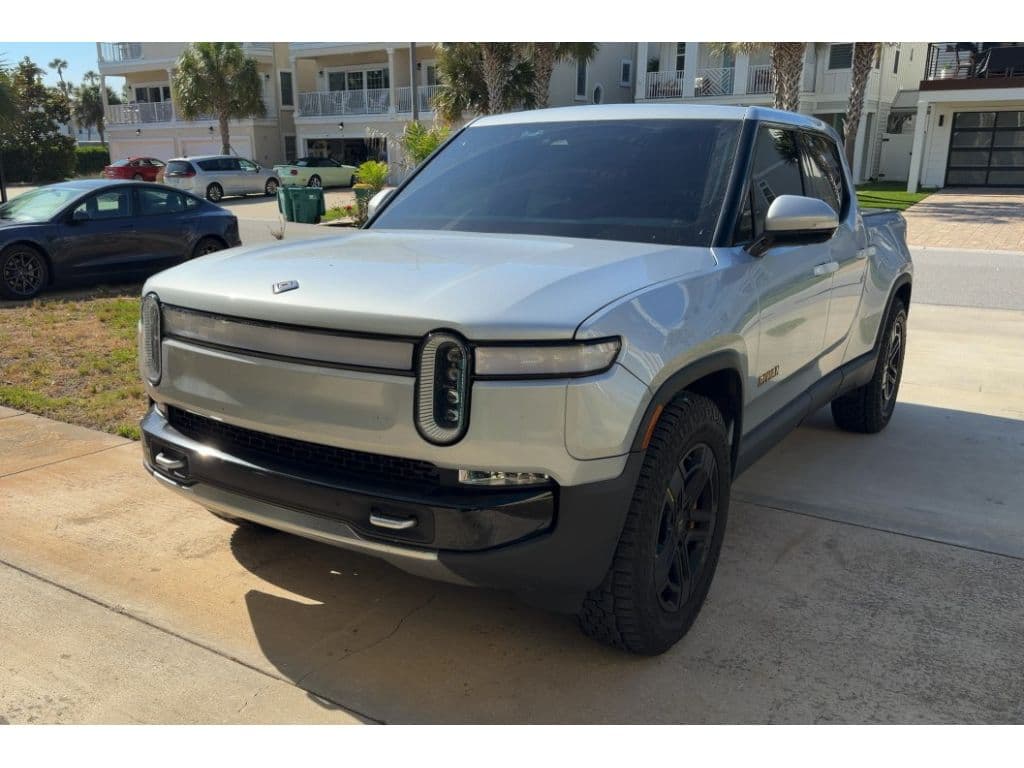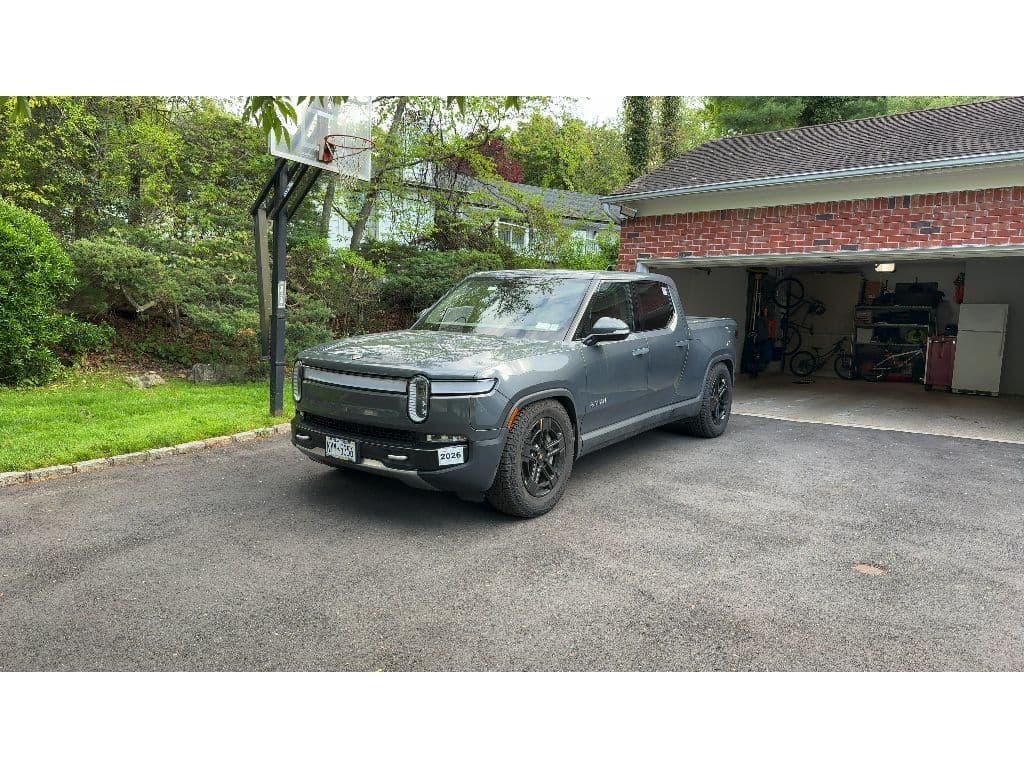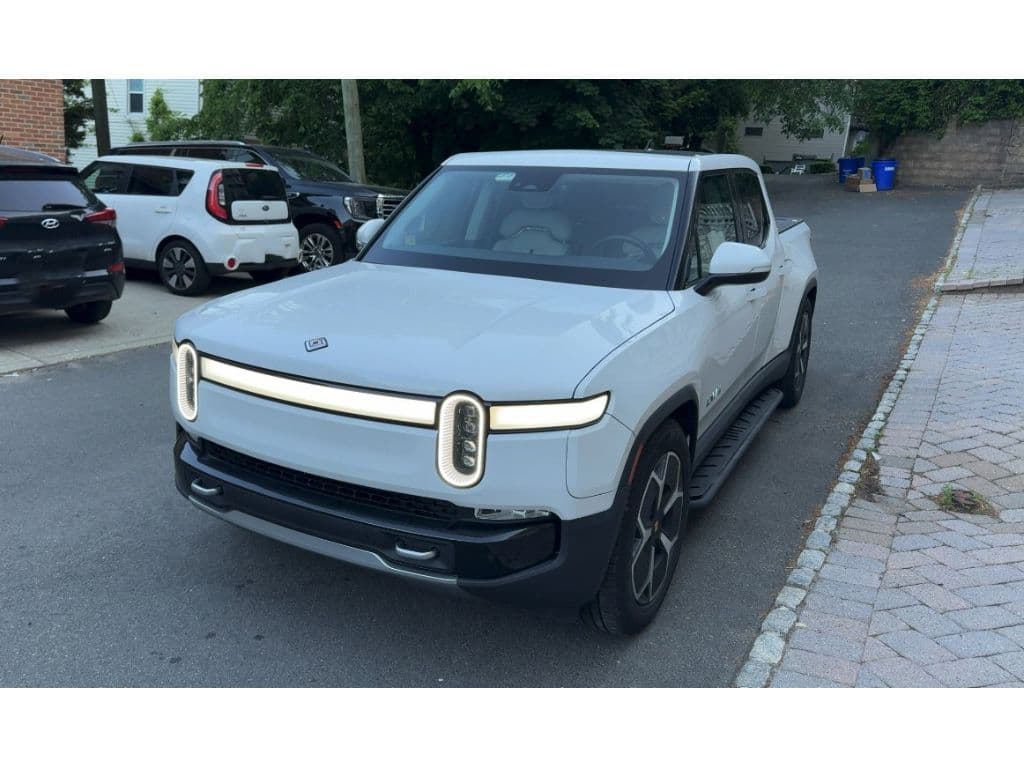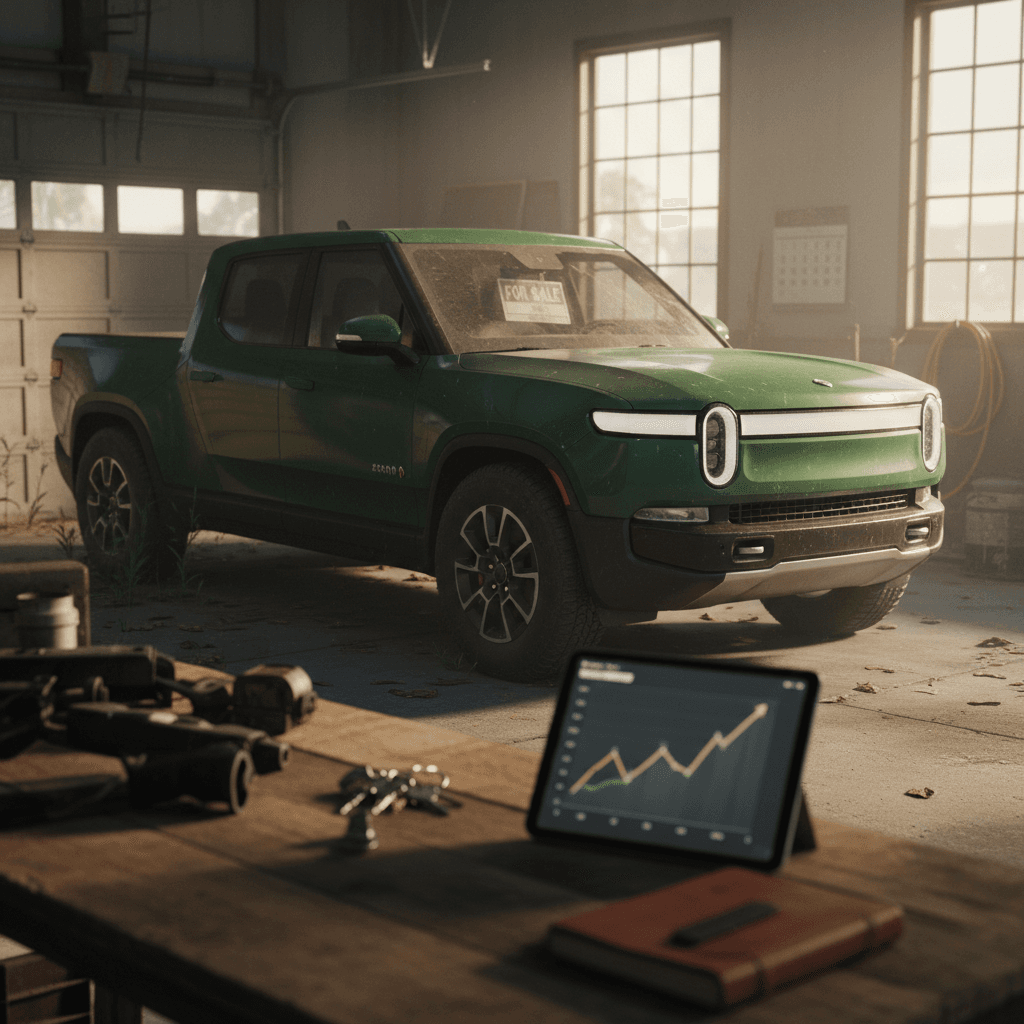
If you own a Rivian R1T, you’re driving one of the hottest electric pickups on the road, but that doesn’t mean figuring out your Rivian R1T trade-in value is straightforward. EV prices have been volatile, incentives keep shifting, and Rivian itself has run aggressive discounts and trade-in promotions that can move the market overnight.
Quick snapshot
Why Rivian R1T trade-in values are tricky right now
The R1T sits at the intersection of three forces that make pricing complicated: it’s a premium pickup, a relatively new brand, and a full battery-electric vehicle. Each of those adds uncertainty to what your truck is worth on trade.
- Young model, thin data: The first R1Ts hit driveways in 2022, so wholesale auction histories and depreciation curves are still evolving.
- Fast-changing EV incentives: Federal and state tax credits, plus Rivian factory discounts and lease programs, change the math on new‑truck prices, and pull used values along with them.
- EV volatility: Across the market, EVs have been depreciating faster than internal‑combustion vehicles, as used buyers worry about battery life and future tech changes.
- Brand perception swings: Rivian’s reputation, product updates, and upcoming R2 lineup influence how confident dealers feel about stocking a used R1T.
Why online estimates can be off
How much is my Rivian R1T worth today?
Let’s start with what the mainstream appraisal tools are saying. As of early 2025, appraisal services show wide but telling ranges for late‑model R1Ts.
Sample 2025 Rivian R1T trade-in vs retail values
Illustrative values for a 2025 R1T with typical mileage; your specific truck could land higher or lower based on configuration and condition.
| Condition (example 2025 R1T Max pack) | Estimated trade-in | Estimated private party | Estimated dealer retail |
|---|---|---|---|
| Outstanding | $78,000–$79,000 | Around $80,000 | Low $82,000s |
| Clean | High $77,000s | High $79,000s | Low $81,000s |
| Average | Mid $76,000s | High $77,000s | Upper $79,000s |
| Rough | Mid $74,000s | Mid $75,000s | Mid $76,000s |
Online appraisals often show a large gap between trade-in value and likely dealer retail pricing.
Big picture for owners of older R1Ts
Those are averages. Your truck’s actual value will swing above or below based on equipment (Max vs Large battery, Dual vs Tri‑Motor), mileage, accident history, and local appetite for premium EV pickups.
How depreciation hits the Rivian R1T
Depreciation is doing most of the heavy lifting in any R1T trade‑in quote. EVs overall have been losing value faster than gas vehicles, and the R1T is no exception, but it’s not a disaster story either.
Rivian R1T depreciation snapshot
Taken together, the data says two things: Rivian R1Ts are depreciating more steeply than gas pickups, but early used examples are holding up better than some mass‑market EVs that were heavily discounted new.
Think in equity, not just price
Factors that move your R1T trade-in value up or down
When a dealer, Rivian, or marketplace evaluates your R1T, they’re looking at a matrix of details, not just the year and mileage line on the appraisal form.
Key drivers of Rivian R1T trade-in value
What appraisers actually care about when they run the numbers
Model year & build
Mileage & usage
Battery health
Accident & repair history
Trim, options & color
Local demand & incentives
Trade-in vs. private-party reality
How dealers and Rivian calculate R1T trade-in offers
Behind the scenes, most offers for a Rivian R1T start from the same place: what they believe they can retail the truck for, minus costs and risk. The brand badge doesn’t change that math.
The typical Rivian R1T trade-in math
1. Start with market retail value
Appraisers look at auction data, listing sites, and their own sales records to estimate what a similar R1T would realistically retail for in the next 30–60 days.
2. Subtract recon and transportation
They estimate what it will cost to recondition your truck, tires, detailing, fixing curb rash, software updates, and to move it to the right store or region.
3. Factor in auction backup value
Dealers want to know what they could get if they wholesaled your R1T tomorrow. The lower of the two numbers (retail vs. auction minus fees) effectively sets the floor.
4. Add profit & risk margin
They build in room for profit and unpredictability, future price cuts, interest rates, or softer demand for premium EVs can all erode margins if they overpay.
5. Layer in incentives & tax treatment
If you’re trading your R1T toward another vehicle, the store will factor in sales‑tax savings and, in some cases, OEM incentives that let them sweeten the offer without eating the entire difference.
What’s different when trading directly with Rivian
Real-world scenarios: Rivian R1T trade-in value examples
To make this concrete, here are sample scenarios that mirror what we see in the used‑EV marketplace. These are not offers, just directional examples of how the market is behaving in early 2025.
Scenario 1: Nearly-new 2024 R1T Dual Motor Max
- Original MSRP: ≈$85,000 with popular options
- Age & miles: 1 year old, ~12,000 miles, clean history
- Condition: Clean, no notable cosmetic issues
- Typical trade-in range: Mid‑$70,000s to around $80,000 depending on region and appetite for high‑end EV trucks
- Likely retail listing: Low‑ to mid‑$80,000s at a dealer or EV marketplace
Story: This is the type of truck dealers like: late model, desirable spec, low miles. You’ll still feel depreciation, but you’re in the sweet spot for strong offers.
Scenario 2: Early-build 2022 R1T Adventure with miles
- Original MSRP: ≈$75,000
- Age & miles: 3 years old, 55,000 miles, one minor accident with clean repairs
- Condition: Average, chips, some wheel rash, older tires
- Typical trade-in range: Low‑ to mid‑$40,000s depending on battery health and market
- Likely retail listing: Low‑$50,000s
Story: You’ve used the truck the way Rivian intended. Depreciation has done its work, and cosmetic wear plus miles will keep offers conservative, even if it still drives great.
Scenario 3: High-mile road warrior
- Year: 2022–2023
- Miles: 90,000+
- Usage: Daily highway commute plus frequent road trips
- Battery: Still within 8‑year/175,000‑mile warranty, but range has tapered slightly
- Typical trade-in range: High‑$30,000s to low‑$40,000s
Story: Buyers will lean heavily on verified battery data here. A clean battery report can be the difference between an aggressive offer and a lowball “we’ll just send it to auction” number.
Scenario 4: Highly optioned niche build
- Specs: Top‑trim with off‑road kit, rooftop tent, and specialty accessories
- Miles: Low, garage‑kept
- Typical trade-in range: Similar to a comparably equipped mainstream spec; many accessories add little on trade
Story: The market rarely pays full price for accessories on trade‑in. A dealer can’t always count on the next owner loving your specific setup, so they tend to value the truck, not the add‑ons.
Where to sell or trade your Rivian R1T
You’ve essentially got four channels to turn your R1T into cash or equity. Each comes with its own mix of price, speed, and effort.
Your main options to monetize a Rivian R1T
How the major selling paths compare for a high‑value EV pickup
1. Rivian trade-in
2. Franchise or independent dealer
3. Online instant-offer buyers
4. Private-party sale
Where Recharged fits in
Ready to find your next EV?
Browse VehiclesHow to boost your Rivian R1T trade-in value
You can’t undo depreciation, but you can present your truck in a way that makes appraisers more confident, and that usually translates into better offers.
Steps to protect and improve your R1T’s trade-in value
1. Gather your records
Have service history, software‑update notes, and any warranty or recall documents ready. Organized paperwork signals that the truck has been cared for and reduces uncertainty for the buyer.
2. Fix obvious, inexpensive issues
Replace worn wiper blades, repair minor windshield chips, and address small but noticeable cosmetic problems. Low‑cost fixes can easily pay for themselves in a higher offer.
3. Get it detailed, inside and out
A professional detail, including paint decontamination and interior steam‑cleaning, makes evaluation easier and can shift a borderline truck from “average” to “clean” in the appraiser’s eyes.
4. Present charging and range behavior
Know your typical real‑world range at different states of charge and driving conditions. Buyers of used EV trucks care about range confidence as much as they care about cosmetics.
5. Time your sale strategically
Values are usually stronger when new‑vehicle incentives are stable and before large model refreshes or price cuts. Watch Rivian announcements and broader EV pricing trends if you have flexibility.
6. Shop multiple offers within a short window
Get quotes from at least two or three sources, Rivian, a knowledgeable EV dealer, and an EV marketplace like Recharged. Do it within a week so you’re comparing numbers in the same market moment.
Use quotes as leverage
Don’t forget the battery: why health matters more for EV trade-ins
On a used EV, the battery pack is effectively the engine and the gas tank rolled into one. For a high‑ticket truck like the R1T, battery confidence is central to value.
- Warranty is reassuring, but not everything: Rivian’s battery warranty (commonly 8 years / 175,000 miles for major pack components) gives a safety net, but buyers still want to know how the pack has actually aged so far.
- Range reality matters: If a truck that once showed 314 miles of rated range is now consistently closer to 275 at 100% charge, a serious buyer will want to understand why, even if it’s within normal degradation.
- Charging history tells a story: A life spent mostly on DC fast charging versus home Level 2 can influence long‑term pack health and how the market perceives your truck.
How Recharged uses the Recharged Score
Frequently asked questions: Rivian R1T trade-in value
Rivian R1T trade-in value FAQ
Key takeaways on Rivian R1T trade-in value
The Rivian R1T is still a relatively young product in a fast‑evolving EV market, so its trade-in value is a moving target. Early data says it’s depreciating faster than traditional pickups but holding up better than some volume EVs that were discounted heavily from new. Your specific outcome will depend on build, mileage, battery health, and timing.
If you’re weighing a move, whether that’s into an R1S, a future R2, or something completely different, start by collecting multiple offers and getting objective insight into your truck’s battery health. That combination will give you a realistic picture of what your R1T is worth and how much equity you truly have.
Recharged is built for exactly this moment in the EV market. With EV‑specialist support, the Recharged Score battery‑health report, flexible selling paths, and nationwide delivery, we help owners of vehicles like the Rivian R1T trade or sell with far more transparency than a traditional truck lot. When you’re ready to explore your options, getting a value for your R1T is a smart first step.