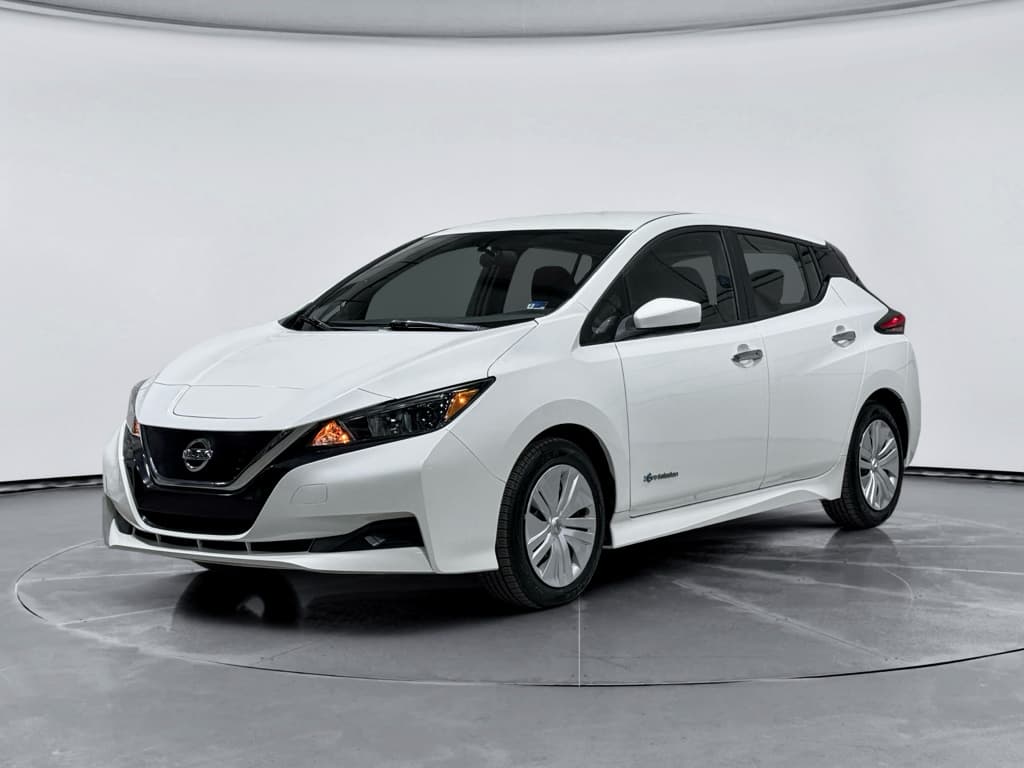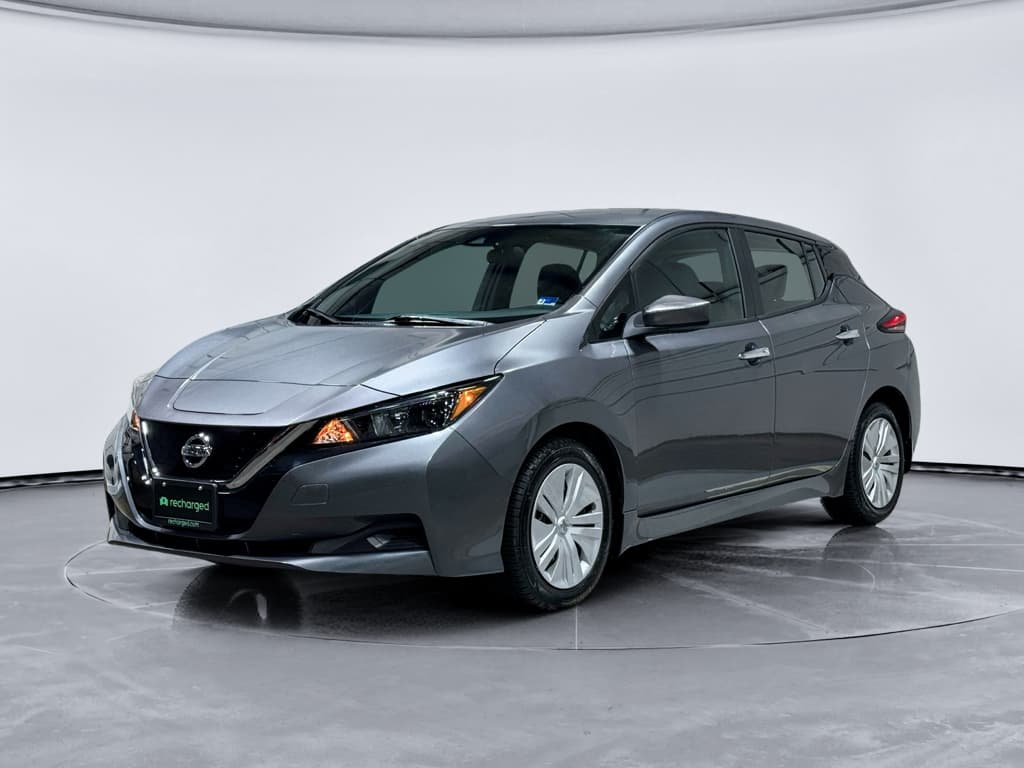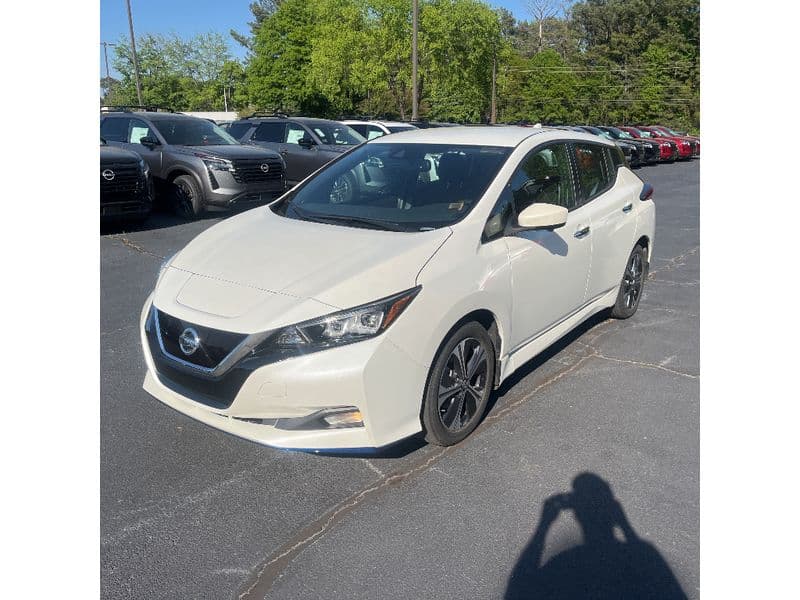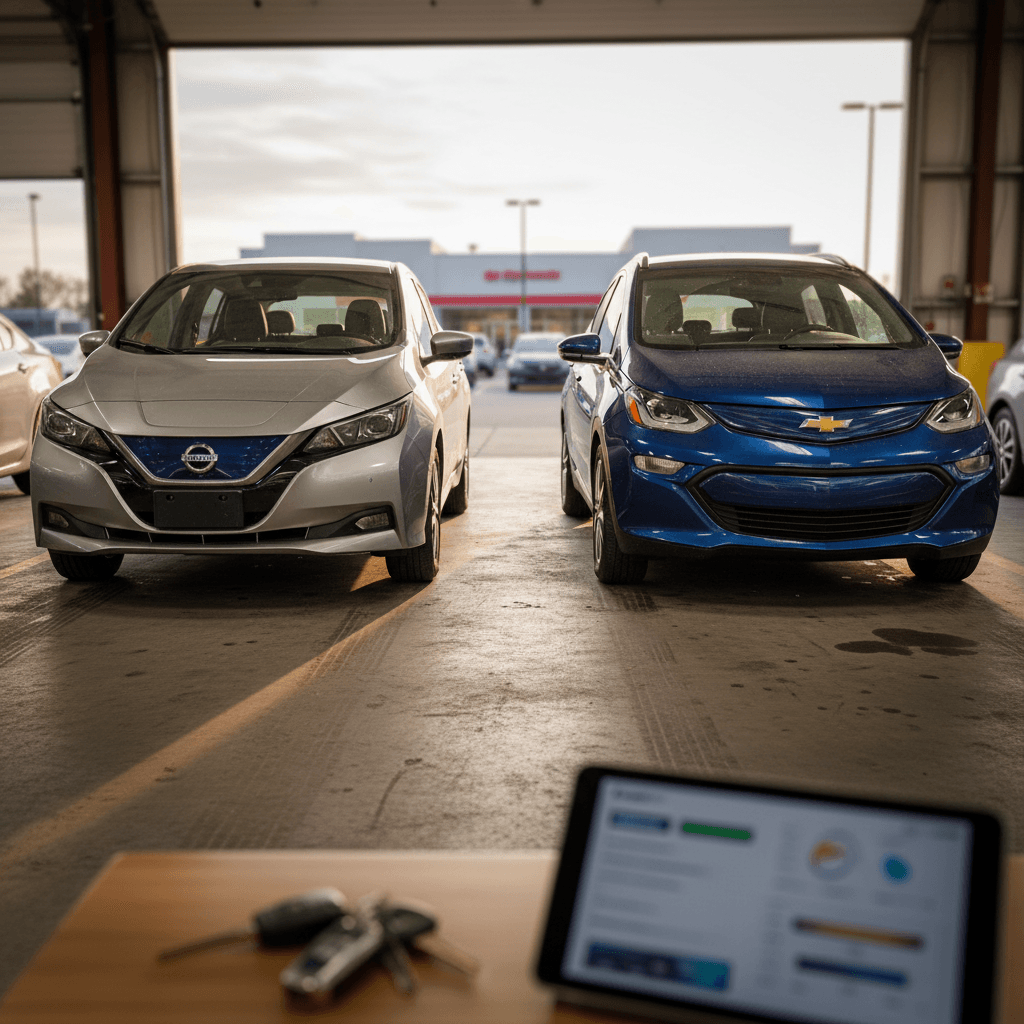
If you’re shopping used EVs, the **Nissan Leaf** and **Chevrolet Bolt EV** will show up again and again. Both are affordable, practical hatchbacks, but they’re *very* different animals when you look at range, battery life, recalls, and day‑to‑day ownership. If you’re wondering, “Nissan Leaf vs Chevrolet Bolt, which is better used?” the honest answer is: it depends entirely on how you drive.
Key takeaway up front
Nissan Leaf vs Chevy Bolt at a Glance
Used Nissan Leaf vs Chevy Bolt: Quick Specs (Common U.S. Model Years)
High‑level comparison for mainstream used model years most buyers cross‑shop in 2025.
| Typical Used Nissan Leaf (2018–2022 40 kWh) | Typical Used Chevy Bolt EV (2017–2022) | |
|---|---|---|
| EPA range when new | ~149–151 miles | 238–259 miles |
| Battery size | 40 kWh (Leaf Plus: 62 kWh) | ~60–65 kWh |
| DC fast charge | CHAdeMO, aging network | CCS, widely supported |
| Battery cooling | Air‑cooled | Liquid‑cooled |
| Major battery recall history | No mass recall, but well‑known degradation risk | Large recall; many cars now have replacement packs |
| Realistic role | Dedicated commuter / second car | Capable only car, road‑trip friendly |
| Typical U.S. used price (2025) | Generally a bit cheaper than comparable Bolts | Higher but still strong value for range |
“Typical” specs; individual cars may differ by trim and battery option.
How Leaf and Bolt Stack Up in Owner Satisfaction
Who Should Choose a Used Leaf vs a Used Bolt?
When a Used Nissan Leaf Makes Sense
- Short, predictable commutes – You drive, say, 20–40 miles a day and rarely take long trips.
- Tight budget – You want the lowest possible purchase price and don’t mind some range compromise.
- Home charging every night – You can plug in at home and don’t rely on fast‑charging.
- Mild climate – You live in a temperate area; extreme heat is hard on Leaf batteries.
- Second car – You’ll use the Leaf as a city runabout, not the family’s only road‑trip vehicle.
When a Used Chevy Bolt EV/EUV Is the Better Bet
- One‑car household – You need an EV that can handle commuting and occasional highway trips.
- Longer commutes – 60–100‑mile daily round‑trips are realistic without mid‑day charging.
- Modern DC fast‑charging – CCS fast‑charge access across most major networks.
- Colder or hotter climate – Liquid‑cooled batteries tend to manage temperature and degradation better.
- Future flexibility – Higher range gives you room for lifestyle changes or a longer commute later.
Match the car to the job
Range and Battery Size Comparison
Range is where the used Chevy Bolt usually runs away with this comparison. Battery size and chemistry matter here, but so do your own expectations. A 150‑mile EV can be perfect, or painfully limiting, depending on how you drive.
Typical Leaf vs Bolt Range by Common Used Eras
Focus on the model years you’re most likely to see on the used market in 2025.
Nissan Leaf: Common Used Packs
- 2011–2017 (24–30 kWh) – 73–107 miles EPA when new; many now have significantly less. Best reserved for very short‑range city duty.
- 2018–2022 Leaf 40 kWh – About 149–151 miles EPA when new; enough for most commutes if the pack is still healthy.
- 2019–2022 Leaf Plus 62 kWh – Roughly 215–226 miles EPA depending on trim; far more competitive with the Bolt but rarer and pricier.
Chevrolet Bolt EV/EUV: Range Snapshot
- 2017–2019 Bolt EV – ~60 kWh pack, 238‑mile EPA range when new.
- 2020–2021 Bolt EV – Slight tweaks, ~65 kWh usable, 259‑mile EPA range.
- 2022–2023 Bolt EV/EUV refresh – Similar range (259 EV, 247 EUV) with updated styling and interior.
Even accounting for some degradation, many used Bolts still deliver real‑world ranges well over 200 miles.
Don’t shop by EPA range alone
Battery Degradation, Recalls, and Reliability
Battery health is where the Leaf and Bolt part ways most dramatically. The Leaf is known for **gradual but sometimes significant degradation**, especially in hot climates. The Bolt is known for its **massive battery recall history**, but many owners now benefit from new packs. Understanding these trade‑offs is crucial before you choose a side.
Nissan Leaf: Degradation Is the Headline
- Air‑cooled batteries – Both early 24–30 kWh packs and later 40/62 kWh packs rely on passive cooling, which can mean faster capacity loss in hot regions.
- Older Leafs (2011–2017) – Many have lost multiple capacity bars; usable range can be under 60–70 miles in real life.
- 2018–2022 Leafs – Improved chemistry, but degradation still varies widely by climate and use. A car that lived in Phoenix looks very different from one from Seattle.
- No single big recall – Instead of a major recall, Leafs have more of a reputation issue: you must vet each car’s battery health individually.
Bottom line: **a good Leaf can be great**, but the spread between a healthy pack and a tired one is huge.
Chevy Bolt EV/EUV: Recall Drama, Strong Outcome
- Liquid‑cooled batteries – Better temperature management generally supports more stable long‑term capacity.
- Huge recall campaign (2017–2022) – GM recalled essentially every Bolt EV/EUV due to fire risk concerns.
- Many cars got new packs – A large number of used Bolts now on the market have replacement battery packs installed recently, effectively resetting pack age.
- Software limits on range – Some recall remedies temporarily capped usable battery capacity; you’ll want to confirm final software is installed and understand any charge limits.
Bottom line: The recall is a red flag, but once fully remedied and documented, a Bolt can be an **excellent long‑term bet** with fresh battery hardware.
Non‑negotiable for either car
Charging Speed, Connectors, and Road-Trip Ability
If you’ll mostly charge at home and drive locally, charging hardware may not feel like a big deal. But if you ever plan to take road trips, the Leaf and Bolt sit in very different universes because of their fast‑charging connectors and the state of public infrastructure.
Leaf vs Bolt: Charging and Connectors
Think about where you’ll charge 90% of the time, then about the 10% of trips that are out of your normal routine.
Home Level 2 Charging
- Leaf – 6.6 kW onboard charger on many later models; full charge on a 40 kWh pack overnight is easy.
- Bolt – Up to 7.2 kW AC charging on many model years; larger pack takes longer to go 0–100%, but you generally don’t need full charges daily.
Both work well with a typical 32–40 A Level 2 home charger.
Fast‑Charging Connector
- Leaf – Uses CHAdeMO. The network is shrinking in North America, and many new DC fast‑chargers no longer include CHAdeMO connectors.
- Bolt – Uses CCS, which is standard across most non‑Tesla fast‑charging stations today.
For road‑trip flexibility, the Bolt’s CCS port is a major advantage.
Practical Road‑Trip Use
- Leaf – Early Leafs are best treated as city cars. 62 kWh Leaf Plus models can road‑trip with planning, but are held back by CHAdeMO availability and slower charging curves.
- Bolt – 55–65 kW peak DC fast‑charging isn’t "blazing", but with ~250 miles of range it’s realistic for highway travel when you plan charging stops.
Future connector changes
Comfort, Interior Space, and Driving Feel
Both cars are compact hatchbacks with upright seating and good visibility, but they have distinct personalities. Neither is a luxury car; you’re buying efficiency and practicality, not opulence. Still, comfort matters when you’re logging miles every day.
Nissan Leaf: Familiar and Easygoing
- Ride and noise – Soft suspension and modest tire sizes give the Leaf a comfortable, almost appliance‑like ride around town.
- Interior – Functional, with straightforward controls. Materials feel more economy‑car than premium, especially on earlier years.
- Space – Plenty of headroom, good rear seat space for the class, and a usable hatch area. Earlier models have a tall cargo floor because of the rear charger hump.
- Driving feel – Moderate acceleration and light steering; ideal for relaxed commuting, less fun on a twisty road.
Chevy Bolt EV/EUV: Zippier and More Modern Inside
- Acceleration – Noticeably quicker than most Leafs, especially at highway speeds; plenty of punch for passing.
- Interior – Early Bolts felt utilitarian, but 2022+ refreshes improved materials and infotainment. Digital displays and UI generally feel more modern than comparable‑year Leafs.
- Space – Tall‑roofed hatchback layout with generous front headroom. Rear seat is fine for adults on shorter trips. Bolt EUV adds a bit more rear legroom.
- Driving feel – Feels more eager and agile, with strong single‑pedal driving and regenerative braking tuning many owners like.
Daily‑driving verdict
Used Pricing, Operating Costs, and Long-Term Value
Both the Leaf and Bolt are among the most affordable used EVs in the U.S. today. But as with any used car, a low sticker price isn’t the whole story, you need to think about **battery replacement risk, depreciation, and how long the car will fit your life.**
Cost and Value: Leaf vs Bolt
What you’re likely to see in the used market and what it really means.
Purchase Price
- Leaf – Often cheaper up front, especially older 24–30 kWh cars and 40 kWh models with some degradation.
- Bolt – Commands a premium over equivalent‑year Leafs, but still undercuts many longer‑range competitors.
Ask why a specific car is cheap, especially with Leafs, it can signal a tired battery.
Running Costs
- Energy costs – Both are very efficient; electricity costs will usually be similar.
- Maintenance – EVs generally need less routine maintenance than gas cars. Tires and brakes are the main wear items.
- Insurance – Varies by market; quote both before you decide.
Long‑Term Value
- Leaf – Depreciation has already been steep; future value depends heavily on remaining battery health and range.
- Bolt – Stronger long‑term usability thanks to higher range and CCS fast‑charging; recent replacement packs on many cars may boost confidence and resale value.
The elephant in the room: battery replacement
How to Choose: A Simple Step-by-Step Checklist
When you’re staring at listings, it’s easy to get lost in specs and opinions. Use this step‑by‑step checklist to decide whether a used Leaf or a used Bolt is the better fit for you, then apply it to any specific car you’re considering.
Step‑By‑Step: Decide Leaf vs Bolt for Your Situation
1. Map your real daily driving
Write down your typical weekday mileage, your longest regular trip, and how often you do long highway drives. If your daily use is under ~40–50 miles and you rarely road‑trip, a healthy Leaf might work. If you often exceed 60–80 miles in a day or road‑trip several times a year, a Bolt is safer.
2. Decide if this is your only car
If you’ll keep a gas car for trips, the Leaf can be a smart low‑cost commuter. If this EV has to do everything, the Bolt’s range and CCS fast‑charging are big advantages.
3. Check climate history
Ask where the car spent most of its life. Hot‑climate Leafs are far more likely to have noticeable degradation. Bolts are less climate‑sensitive thanks to liquid cooling, but climate still matters.
4. Demand real battery data
For a Leaf, that means capacity bars plus a scan‑tool report if possible. For a Bolt, you want documentation of recall work, any battery replacement, and current software status. Recharged vehicles come with a <strong>Recharged Score Report</strong> so you’re not relying on guesses.
5. Inspect charging options
Confirm the connectors: CHAdeMO vs CCS. Check that the fast‑charge port works and look at public charging availability where you live and travel. If fast‑charging is rare or going away (CHAdeMO in some regions), you’ll rely almost entirely on home charging.
6. Compare total cost, not just price
Look at purchase price, expected remaining battery life, insurance, and any needed tires or brake work. A slightly more expensive Bolt with a fresh recall battery may be a far better value than a cheaper Leaf with a tired pack.
How Recharged Simplifies Buying a Used Leaf or Bolt
Used EVs don’t behave like used gas cars, and nowhere is that more obvious than with the **Leaf and Bolt**. Two vehicles with the same year and mileage can have completely different real‑world range and value depending on battery health and recall history. That’s exactly the problem Recharged was built to solve.
Why Shop Your Leaf or Bolt Through Recharged?
Make the right decision the first time, and know what you’re getting.
Recharged Score Battery Health Report
Transparent, Fair Pricing
EV‑Specialist Support
Nationwide Delivery & Digital Experience
Trade‑In and Selling Options
Financing Built for EV Buyers
Ready to find your next EV?
Browse VehiclesFrequently Asked Questions: Used Leaf vs Used Bolt
Common Questions When Comparing a Used Nissan Leaf and Chevy Bolt
Bottom Line: Which Is Better Used?
If your question is simply, “Nissan Leaf vs Chevrolet Bolt, which is better used?” the safest general answer in 2025 is that a **properly remedied Chevy Bolt EV/EUV is usually the more capable and future‑proof choice**. It offers substantially more range, stronger road‑trip ability, a liquid‑cooled battery, and broad CCS fast‑charging access, all at prices that are still friendly compared with many newer EVs.
That doesn’t mean the Leaf is a bad car, far from it. A **second‑generation Leaf with a healthy 40 or 62 kWh pack** can be a terrific low‑cost commuter or second car, especially if you’ll rarely touch public fast‑charging and you live in a moderate climate. You just have to be far more selective and disciplined about battery health than you would with most gas cars.
Whichever way you lean, don’t make this decision on EPA range and a test drive alone. Look for **hard battery data, clear recall documentation, and pricing that honestly reflects pack condition**. If you’d rather not decode all of that yourself, browsing Leafs and Bolts on Recharged gives you vehicles that already come with a **Recharged Score battery‑health report, transparent pricing, EV‑savvy support, financing, trade‑in options, and nationwide delivery**, so you can focus on choosing the EV that truly fits your life, instead of worrying what’s hidden inside the battery pack.