If you’re considering a Rivian R1T, you’re not just shopping for an electric pickup. You’re also betting on a relatively new brand to keep you and your family safe. The good news: the Rivian R1T safety rating and crash test results put it among the best‑performing pickup trucks on the market, electric or otherwise. The details, though, matter, especially if you’re looking at a used R1T.
Quick take
Rivian R1T safety overview in 2026
Rivian R1T safety at a glance
From its launch, the R1T came out swinging on safety. Early crash tests showed minimal cabin intrusion even with the truck’s hefty curb weight, and lighting plus active‑safety tech were good enough to earn top marks from IIHS out of the gate. Over time, Rivian has refined both hardware and software, while also issuing recalls when problems surfaced. For shoppers, that combination of strong crash performance and active recall management is exactly what you want to see, but you still need to verify how a specific truck has been maintained and updated.
Crash test results: How the Rivian R1T scored
IIHS crashworthiness: near‑clean sweep of “Good” ratings
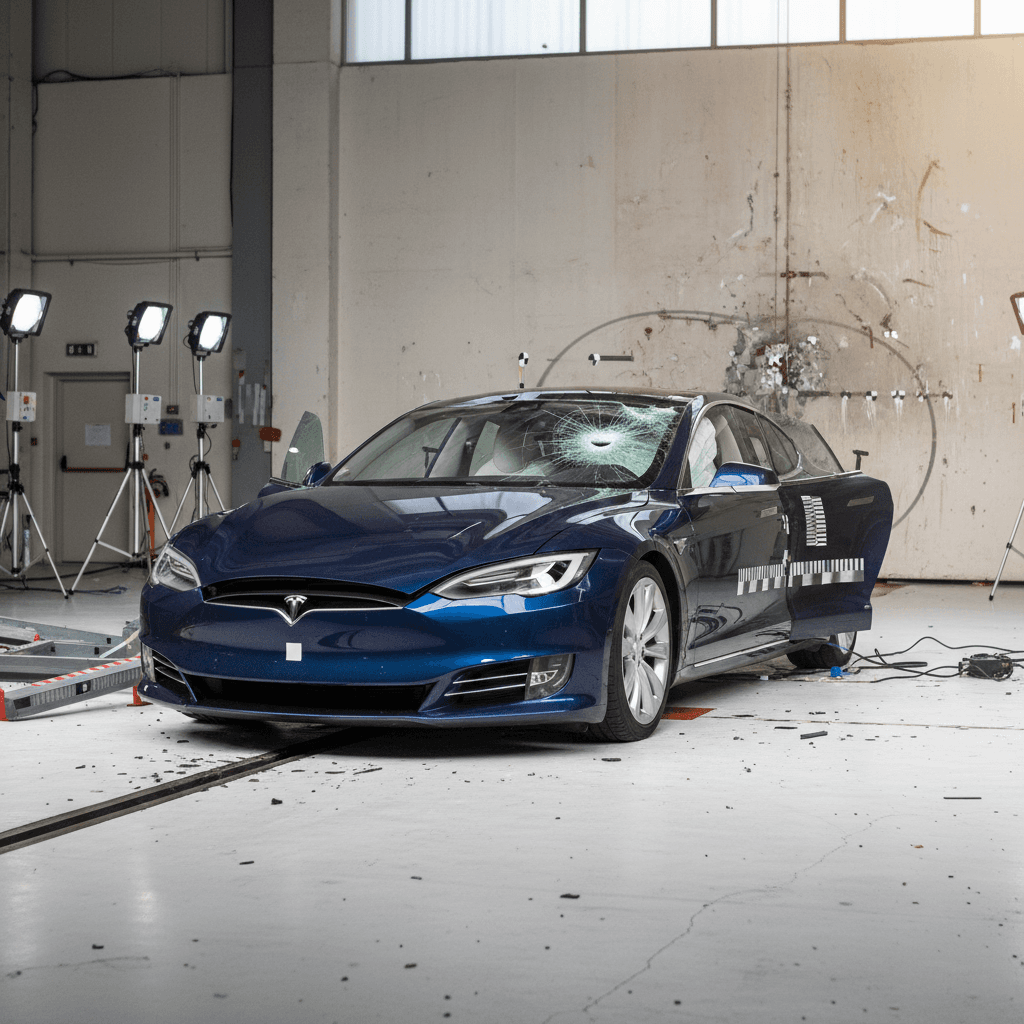
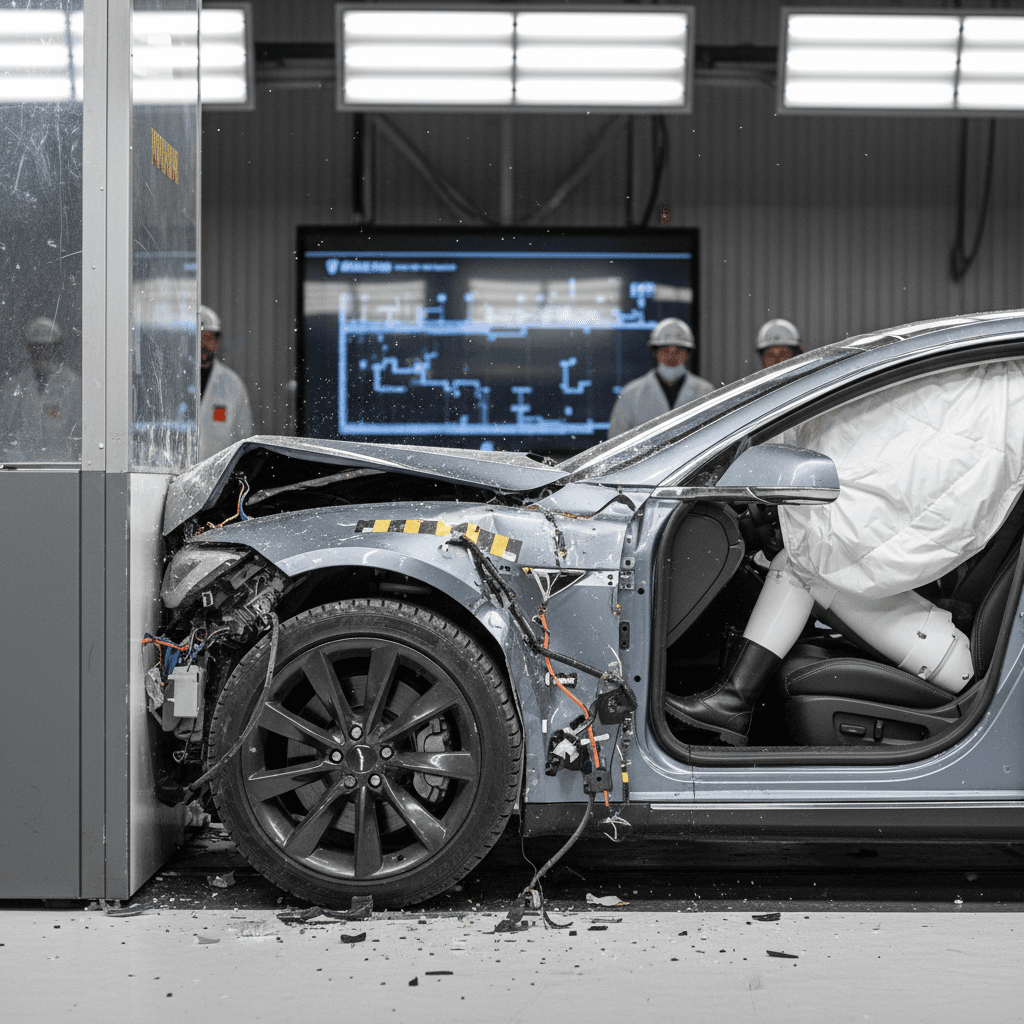
IIHS has tested the Rivian R1T extensively and, for 2022–2024 crew‑cab models, the truck earns Good (G) ratings in every major crashworthiness category. That includes:
- Small overlap front: driver side – G
- Small overlap front: passenger side – G
- Moderate overlap front (original test) – G
- Moderate overlap front (updated test with rear dummy, 2024+) – G
- Side impact (original and updated higher‑energy test) – G
- Roof strength – G
- Head restraints and seats – G
Those ratings matter because they show how well the structure holds up when things go wrong. In the small overlap tests, some of the toughest evaluations IIHS runs, the R1T’s cabin showed minimal intrusion around the footwell and A‑pillar, a key indicator that the frame and battery‑integrated floor are doing their job managing crash energy instead of letting it reach occupants.
Updated moderate overlap front test: rear‑seat safety checked
In 2024, IIHS made life harder for automakers by updating its moderate overlap front test to focus on rear‑seat occupants as well as those in front. The R1T responded with a Good rating in the updated test, with low measured injury risk for the head, neck and chest of the rear‑seat dummy and stable belt positioning throughout the crash.
Why rear‑seat scores matter
Crash avoidance & lighting: strong, with a few nuances
On the crash‑avoidance side, IIHS scores the R1T’s standard front crash‑prevention system as Superior for vehicle‑to‑vehicle crashes, with Advanced to Superior ratings in pedestrian tests depending on daylight or nighttime conditions. All trims get Good‑rated LED projector headlights, a requirement for the Top Safety Pick+ award and a practical benefit if you commute or road‑trip after dark.
Nighttime pedestrian detection isn’t perfect
IIHS Top Safety Pick+: What the award actually means
You’ll see Rivian highlight that the R1T is an IIHS Top Safety Pick+ truck across multiple model years. That’s not just marketing language, it’s a genuinely tough bar to clear, especially for a heavy pickup.
What it takes to earn Top Safety Pick+
Where the Rivian R1T lands on every requirement
Crashworthiness
Good ratings in all key crash tests: small overlap (both sides), original and updated moderate overlap, and updated side impact. The R1T checks all of these boxes.
Headlights
Acceptable or Good headlights must be standard across all trims. Every R1T uses Good‑rated LED projectors from the factory.
Crash avoidance
Acceptable or better performance in updated vehicle‑to‑pedestrian front crash prevention. The R1T’s system earns Advanced or better, depending on lighting.
In plain English, Top Safety Pick+ means the R1T doesn’t just have a strong frame; it also has lighting and driver‑assist tech that help you avoid crashes in the first place. As of 2024, it’s been one of the only pickups, electric or gas, to consistently earn that top award.
Where the R1T stands out
What about NHTSA star ratings for the R1T?
The IIHS data is clear, but what about NHTSA’s 5‑Star Safety Ratings? As of early 2026, NHTSA has publicly listed the R1T for crash‑test and advanced driver‑assistance evaluations, but full star ratings are still limited and may not appear for every model year yet.
That’s not uncommon for lower‑volume vehicles, especially new EVs. What you can take from the current NHTSA activity is that the agency considers the R1T important enough to put through its New Car Assessment Program and to test its advanced safety tech against the same yardstick used for mass‑market trucks and SUVs.
How to check NHTSA data for a specific R1T
Core Rivian R1T safety features and tech
Crash‑test scores are only half the story. The R1T also leans hard on a deep roster of active‑safety and passive‑safety features, many of which have been updated through over‑the‑air (OTA) software since launch.
Key safety systems on the Rivian R1T
What’s happening behind the scenes when you hit the road
Passive crash protection
- Rigid skateboard chassis with battery pack integrated into the floor.
- Multiple airbags, including side‑curtain coverage for both rows.
- Strong roof structure and carefully managed crumple zones.
Vision & sensing
- Surround‑view camera system for parking and low‑speed maneuvers.
- Forward‑facing cameras and radar for collision avoidance.
- High‑resolution digital mirrors and sensors monitoring blind spots.
Driver‑assist & automation
- Adaptive cruise control with lane‑keeping assistance.
- Automatic emergency braking and forward‑collision warning.
- Highway‑assist features on newer software builds, with OTA updates improving performance over time.
Driver assist isn’t self‑driving
Battery and structural safety
The R1T’s battery pack is protected within a rigid frame and sits low in the chassis, which helps both handling and crash energy management. So far, large‑scale thermal events or crash‑related fires have been rare for Rivian consumer vehicles, and the company designs around strict high‑voltage isolation standards.
In a major crash, first responders can cut power at clearly marked disconnect points, and the pack itself is designed to resist puncture and deformation in the most common impact scenarios.
Cabin tech that protects occupants
Inside, the R1T layers digital tech on top of traditional safety gear. You’ll find configurable speed warnings, driver‑attention prompts, and customizable behavior for lane‑keeping and following distance. Over‑the‑air updates have already tweaked how some of these systems behave in the real world, often tightening reaction times or smoothing false alerts.
For families, that means a cabin that learns and improves without a trip to the service bay, so long as previous owners kept up with updates.
Recalls, software fixes, and real‑world safety concerns
No truck, EV or otherwise, goes untouched by recalls, and the Rivian R1T is no exception. For safety‑minded buyers, the question isn’t whether a vehicle has ever been recalled. It’s whether the automaker responded quickly and whether previous owners got the work done.
Selected Rivian R1T safety‑related recalls to know about
This is not an exhaustive list. Always run the VIN through official tools before you buy.
| Issue | Affected systems | Typical fix | Why it matters |
|---|---|---|---|
| Side curtain airbags | Side curtain airbag deployment may be compromised if trim clips were damaged during service. | Inspection and replacement of inner pillar trim panels and clips at no cost to the owner. | Improperly secured trim could keep airbags from deploying as designed in a side impact or rollover. |
| Driver‑assist software glitches | Highway assist or automatic emergency braking behavior can be inconsistent in edge‑case scenarios. | Over‑the‑air software update to refine object detection and control logic. | Prevents situations where the truck might fail to react, or react too late, to a lead vehicle or obstacle. |
| Seat‑belt reminders & chimes (software updates) | Weak belt reminder alerts and user work‑arounds that defeat the system. | Stronger alerts and logic changes that detect misuse and prompt proper belt use. | Improves real‑world belt usage, still one of the most important factors in crash survival. |
Representative safety issues Rivian has addressed on the R1T platform.
Used‑truck reality check
How the R1T compares with other electric pickups on safety
The Rivian R1T isn’t the only electric pickup in town anymore. Ford’s F‑150 Lightning, the Tesla Cybertruck and GM’s electric trucks all pitch varying blends of performance, towing and tech. On safety, however, the R1T still holds a strong, arguably leading, position.
Rivian R1T vs. Ford F‑150 Lightning
- IIHS ratings: The R1T has a clear Top Safety Pick+ track record. The Lightning performs well but has not consistently matched Rivian’s combination of updated moderate overlap and side‑impact scores.
- Weight & crash energy: Both are heavy EVs, but IIHS has specifically highlighted the R1T’s strong cabin integrity even as one of the heaviest vehicles it has ever tested.
- Driver‑assist: Ford’s BlueCruise and Rivian’s highway assist tackle similar problems with different philosophies. Both require attentive drivers and have seen software updates aimed at smoothing rough edges.
Rivian R1T vs. Tesla Cybertruck & others
- Data transparency: As of early 2026, crash‑test and repair data for some newer EV trucks remains limited. Rivian’s earlier launch means more real‑world information on repairs, insurance and crash performance.
- Design approach: Rivian leans on a more conventional deformable structure around a rigid battery pack, while some rivals use ultra‑rigid exoskeleton concepts that may complicate repairs after a crash.
- Ownership costs: Insurance and repair‑cost data are still evolving for all EV pickups, but high parts prices and complex body structures are a shared theme. That makes avoiding crashes, and choosing a well‑repaired used truck, especially important.
Safety is more than a score
Buying a used Rivian R1T: Safety checklist
If you’re looking at a pre‑owned R1T, you’re stacking several unknowns: a newer automaker, complex EV hardware, and a repair ecosystem that’s still maturing. The right checks can tilt the odds in your favor.
9 safety checks before you buy a used Rivian R1T
1. Pull the full recall history by VIN
Use official government tools to check open recalls for the exact truck you’re considering. Make sure every safety‑related campaign (airbags, driver‑assist software, seat‑belt logic) shows as completed, or plan to get them done immediately.
2. Confirm over‑the‑air software is up to date
Ask the seller to show the software version on the center screen and any recent update history. Trucks that have skipped updates may miss important safety refinements.
3. Inspect airbags and interior trim
Look closely at A‑, B‑ and C‑pillar trim, especially if the truck has been serviced or repaired. Loose, misaligned or reused trim where new parts were specified can interfere with proper side‑curtain airbag deployment.
4. Ask about prior accidents and body repairs
Request a full vehicle history report and any insurance or body‑shop paperwork. Pay special attention to previous front or side impacts, battery‑pack damage notes, and whether repairs were done at an authorized Rivian or EV‑certified facility.
5. Test all driver‑assist features on a safe route
On a quiet road or empty highway, confirm that adaptive cruise, lane‑keeping, blind‑spot monitoring and automatic emergency braking activate and behave predictably. Sudden, unexplained braking or steering corrections are red flags.
6. Check tires, brakes and alignment
A heavy EV like the R1T leans heavily on its tires and brakes. Uneven wear, vibration at speed or a steering wheel that pulls to one side can hint at poorly repaired crash damage or suspension issues.
7. Verify child‑seat and LATCH usability
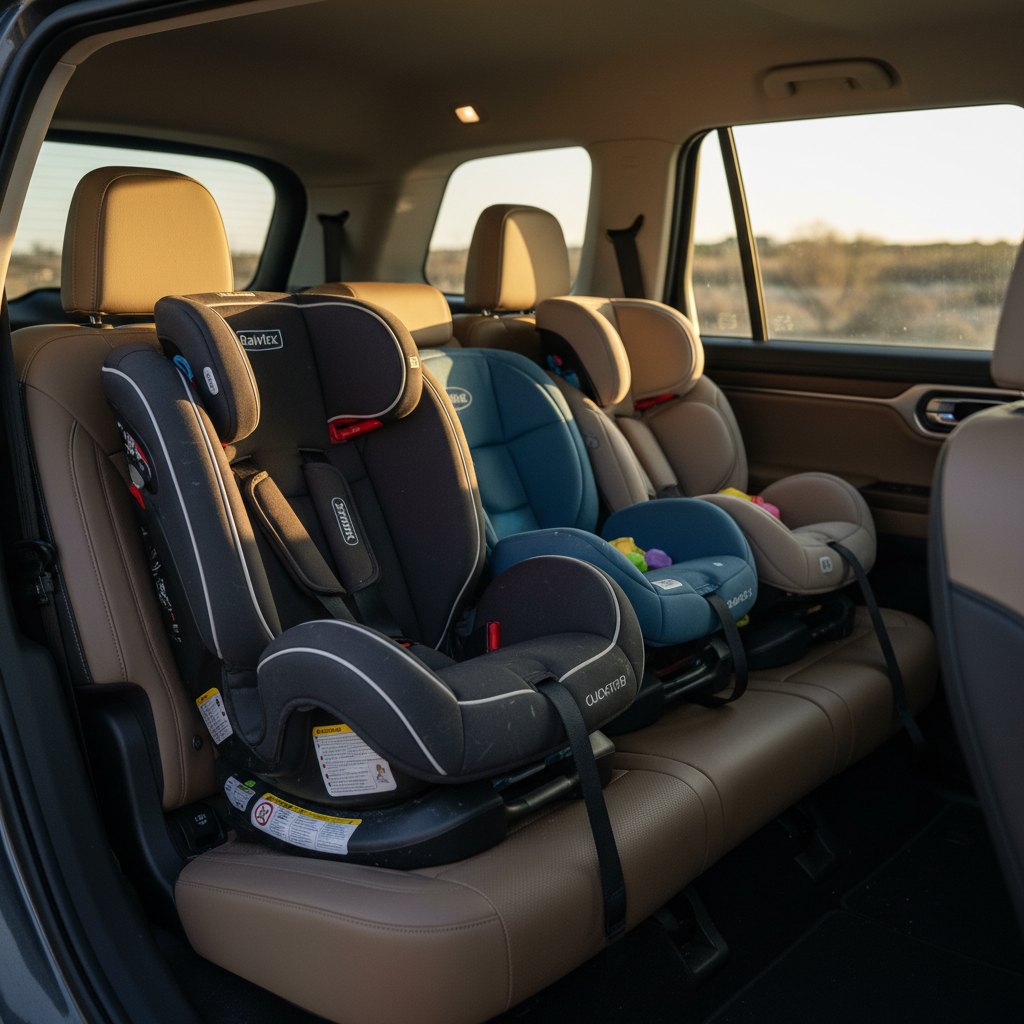
If you have kids, bring your child seats and see how they actually fit. IIHS rates the R1T’s LATCH anchors well, but a quick hands‑on test will tell you whether access and belt routing work for your setup.
8. Review battery and high‑voltage warranty coverage
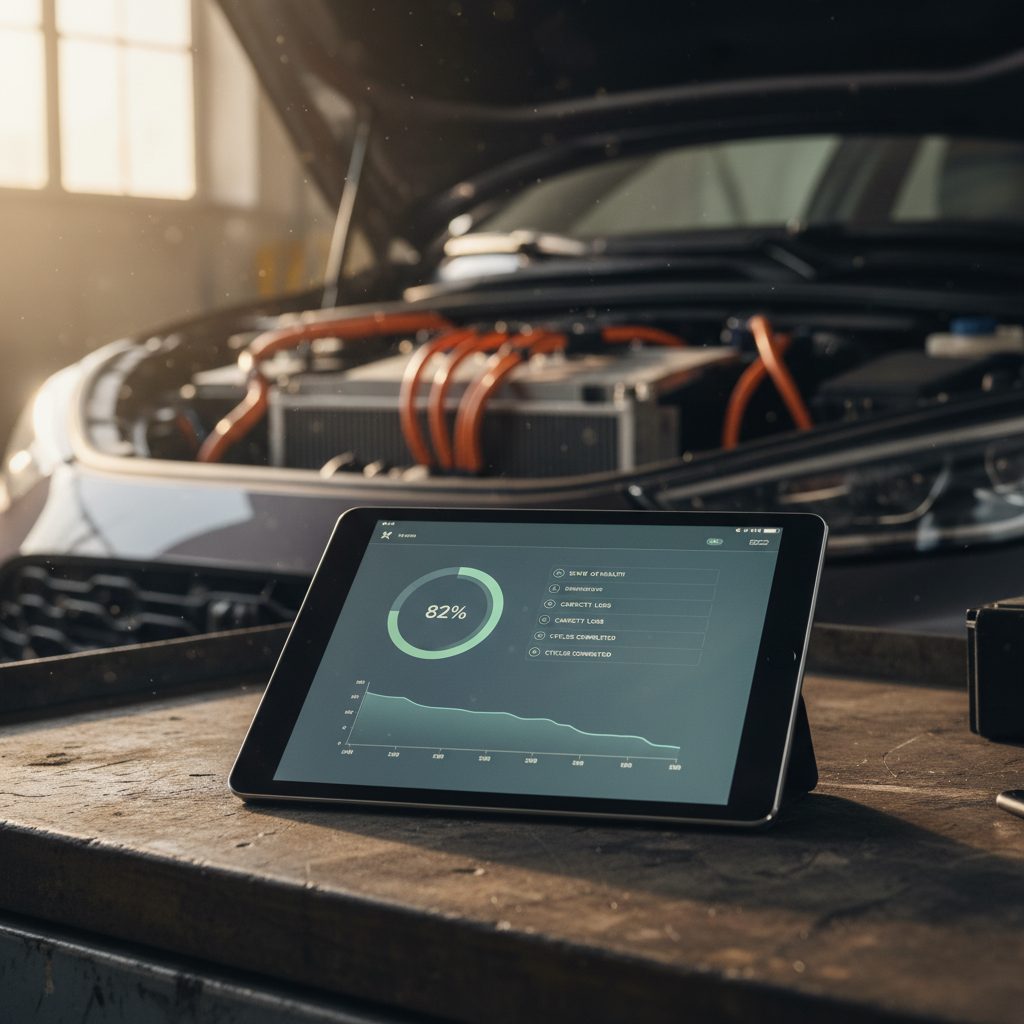
While not a crash‑test metric, a healthy battery and intact high‑voltage system are critical for safety and reliability. Confirm remaining warranty coverage and ask for any service records related to the battery or inverter.
9. Get an independent EV‑savvy inspection
Whenever possible, have the truck inspected by a technician with EV experience. At Recharged, every vehicle gets a <strong>Recharged Score Report</strong> that includes verified battery health and a structural check, giving you transparency you won’t get from a standard used‑car lot.
How Recharged can help
Ready to find your next EV?
Browse VehiclesRivian R1T safety & crash-test FAQ
Common questions about Rivian R1T safety
Bottom line: Is the Rivian R1T a safe truck to buy?
If you’re trying to make sense of the Rivian R1T safety rating and crash‑test story, the bottom line is straightforward: as of 2026, it’s one of the best‑tested, most highly rated pickups on the road. IIHS Top Safety Pick+ scores, strong structural performance and continually updated driver‑assist tech make a compelling case for both new and used shoppers.
Where you still need to do your homework is at the individual‑truck level. EV pickups are heavy, complex and still relatively new, which makes proper repairs, up‑to‑date software and completed recalls especially important. If you’d rather not sort that out alone, Recharged can help you find a used R1T with verified battery health, transparent crash and service history, and expert guidance from first click to delivery.