If you’re looking at a BMW i7, whether as a new flagship or a bargain used luxury EV, the big question isn’t just how it drives. It’s how fast it loses value. The BMW i7 resale value forecast is crucial, because depreciation will dwarf your energy and maintenance costs over the next five to ten years.
Quick takeaway
BMW i7 resale value at a glance
BMW i7 resale snapshot (early market data)
Important context
How the BMW i7 is depreciating so far
Because the i7 only launched for the 2023 model year, we’re working with early but telling data. Pricing tools and market studies already agree on one thing: the i7 is a classic flagship BMW when it comes to depreciation, it falls hard in the first few years.
Early BMW i7 depreciation indicators
Summary of what major data providers are seeing so far for BMW i7 and its 7 Series platform.
| Source / Model | Timeframe | Estimated Depreciation | Approx. Resale Snapshot | Notes |
|---|---|---|---|---|
| Kelley Blue Book – 2024 i7 | First 2 years | ≈49% drop | ~$54,100 resale, ~$50,100 trade | Puts i7 in the worst quartile of 2024 sedans for value retention. |
| iSeeCars – i7 (all years) | 5 years | ≈77% drop | ~$24,289 resale | Much steeper than the 63.3% average for large luxury EV sedans. |
| iSeeCars – 7 Series (gas) | 3 years / 5 years | 52.1% / 66.4% drop | Varies by engine and trim | Shows that the 7 Series platform has always been a heavy depreciator. |
| BMWBlog / iSeeCars – 2024 7 Series | 1 year | ≈29.8% drop | – | Study of 1.6M cars found the 7 Series loses nearly 30% in year one. |
| CarEdge – i7 (tool estimate) | 5 years | ≈55% drop | ~$66,000 resale | A more conservative scenario, assuming high original MSRP and typical use. |
Numbers vary by trim and equipment, but the trend is clear: big early drops, then a slower glide path.
Why the ranges don’t match exactly
BMW i7 resale value forecast: 2026–2030
To make the BMW i7 resale value forecast practical, let’s work with ballpark numbers. Assume a well‑equipped i7 with an original transaction price around $135,000, used as a daily driver in the U.S. at roughly 12,000 miles per year. Here’s a reasonable forecast band, blending conservative and aggressive data.
Illustrative BMW i7 resale forecast (typical U.S. use)
Estimated resale ranges for a mainstream i7 trim originally purchased around $135,000. Real‑world prices will vary by spec and condition.
| Vehicle Age / Year | Odometer Estimate | Conservative Scenario (better retention) | Aggressive Scenario (steeper drop) | What It Means |
|---|---|---|---|---|
| 1 year (2026) | ~12,000 mi | $95,000–$105,000 | $85,000–$95,000 | Typical big first‑year hit, similar to other 7 Series and EQS sedans. |
| 3 years (2028) | ~36,000 mi | $65,000–$75,000 | $45,000–$60,000 | Where many lease returns land; often 40–60% off original price. |
| 5 years (2030) | ~60,000 mi | $50,000–$60,000 | $25,000–$40,000 | Wide band reflects uncertainty. In hot markets, clean cars could sit near $60K; in soft markets, high‑miles examples may fall into the $20Ks. |
| 7 years (2032) | ~84,000 mi | $35,000–$45,000 | $18,000–$30,000 | Depreciation slows; battery health, maintenance history, and software support dominate buyer decisions. |
| 10 years (2035) | 100,000+ mi | $20,000–$30,000 | <$20,000 | At this point the i7 is a niche used‑luxury EV; values hinge on battery longevity and repair costs. |
Forecast ranges reflect current market behavior for large luxury EV sedans; they are not guaranteed future values.
How to read this forecast
How the i7 compares to other luxury EV sedans
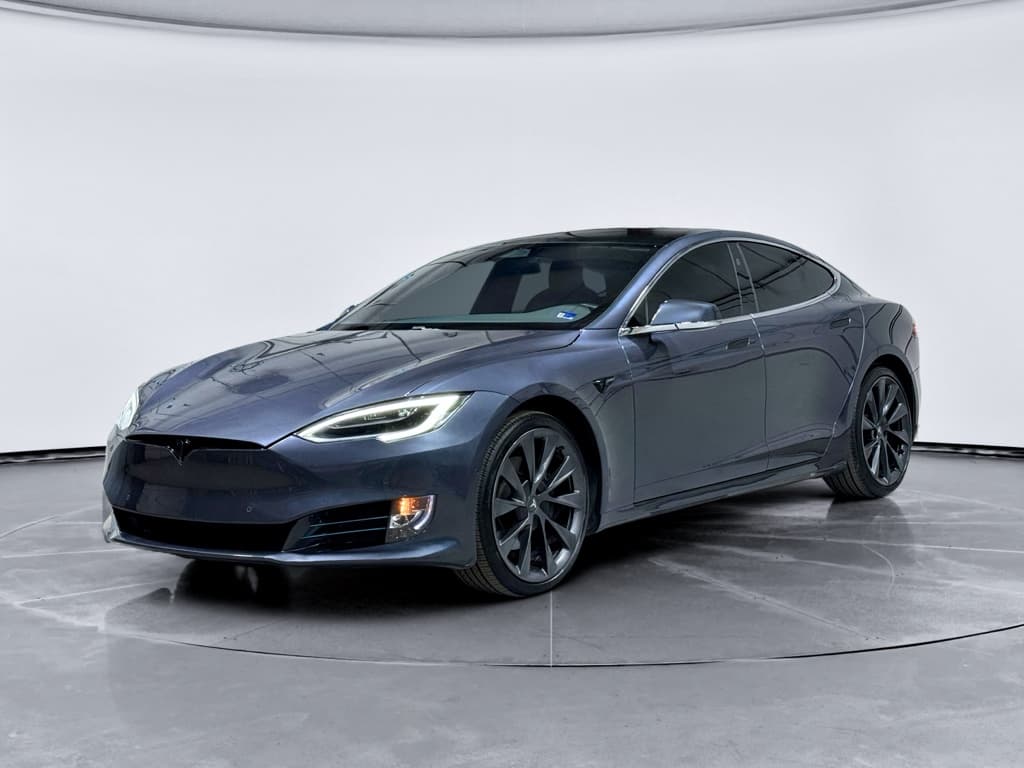
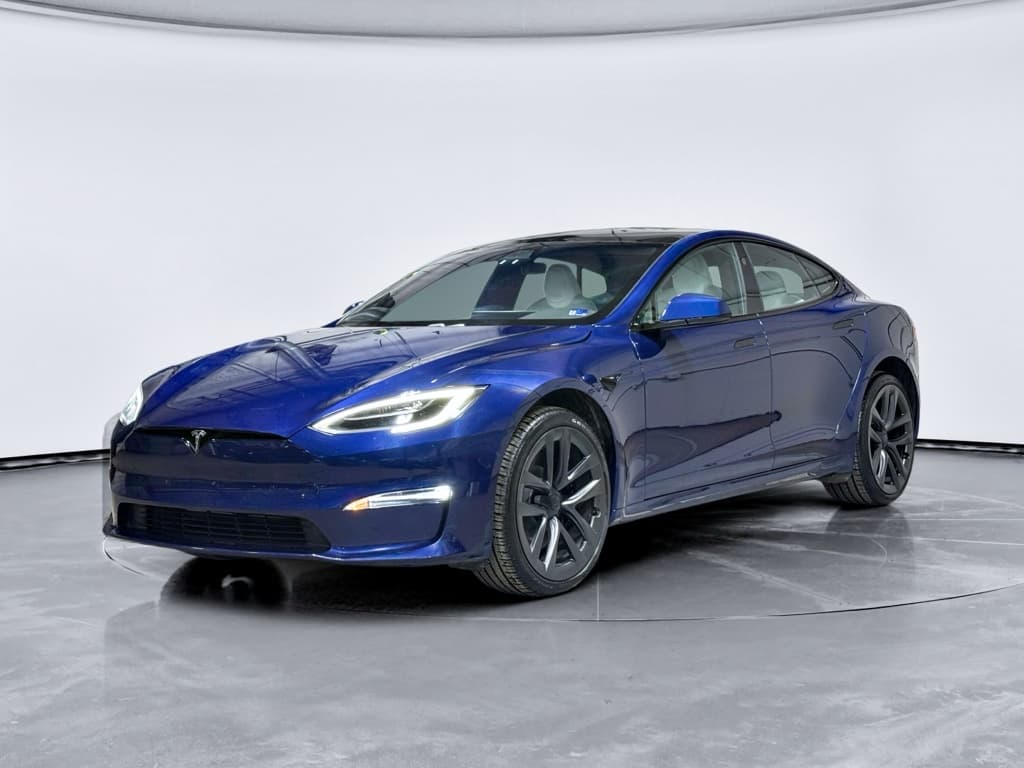
Tesla Model S
- Depreciation: Roughly 60% over 5 years on recent models, according to Edmunds and other pricing tools.
- Pros: Huge fast‑charging network, strong brand recognition, constant software updates.
- Cons: Older interiors age quickly in feel and design; quality concerns can hurt resale.
- Takeaway: Historically holds value better than traditional German flagships, but no longer the runaway resale champion it once was.
Mercedes‑Benz EQS & Lucid Air
- EQS: Among the worst depreciators in recent studies, with some one‑year drops approaching 45–50%.
- Lucid Air: Deep discounts and incentives on new cars are pushing used prices sharply down.
- Takeaway: In this crowd, the BMW i7 is bad, but it’s not alone. Big luxury EV sedans across the board are taking heavy early‑life hits.
Where the BMW i7 sits in the depreciation pecking order
Luxury EV sedan resale comparison (high‑level view)
BMW i7
Pattern: Very steep 3–5 year depreciation, similar to 7 Series history but amplified by EV tech turnover.
Who wins: Used buyers who let someone else eat the first $60K–$80K in depreciation.
Tesla Model S
Pattern: Better than most German flagships but softer than it used to be as newer rivals emerge.
Who wins: Buyers who prioritize charging convenience and brand cachet.
EQS, Lucid Air, others
Pattern: Some of the heaviest depreciators in the market, big MSRPs, small used‑buyer pool.
Who wins: Value‑focused second owners comfortable with warranty nuances.
Key factors driving BMW i7 depreciation
- Segment reality: Full‑size luxury sedans, gas or electric, have always taken above‑average hits. Buyers willing to spend six figures new are rare on the used side.
- Rapid tech turnover: Each model year brings new range, faster charging, and flashier driver‑assist features. That makes three‑year‑old cars feel older than their mileage suggests.
- Perceived complexity and repair costs: Shoppers know an i7 out of warranty isn’t going to be cheap if something major fails, even if EVs need less routine service.
- Design and taste: The current 7 Series/i7 styling is polarizing. Cars with love‑it‑or‑hate‑it looks can see softer demand in the secondhand market.
- Lease‑heavy sales mix: When a high percentage of new cars are leased, a wave of off‑lease inventory hits the market in years 3–4, putting pressure on prices.
Why early adopters pay the steepest price
What this means if you own or lease a BMW i7
If you leased your i7
- Good news: You essentially outsourced the depreciation risk. If market values crater, you can walk away at lease‑end.
- Check your buyout: If real‑world market values end up higher than your residual, buying the car and reselling (or keeping it) can be a savvy move.
- Timing: Watch used‑market listings 6–9 months before your lease ends. That’s when you’ll see whether the buyout is attractive.
If you bought your i7
- Long‑term use helps: The longer you keep the car beyond year 5, the more you spread that big early loss over time.
- Warranty planning: Consider extended coverage for major components if you plan to own beyond the factory warranty window.
- Exit strategy: If you know you’ll only keep the car 3–4 years, consider selling before a wave of off‑lease i7s floods your local market.
Strategies to protect your BMW i7 resale value
Practical steps to keep more value in your i7
1. Buy used, not new, when possible
From a pure money perspective, the smartest play is usually a 2–3‑year‑old i7 that’s already absorbed the biggest percentage drops but still carries significant battery and high‑voltage component warranty coverage.
2. Prioritize the right spec
Desirable color combinations, popular trims, and well‑optioned, but not wildly over‑optioned, cars tend to hold value better. Ultra‑niche interiors or unusual wheel choices can narrow your future buyer pool.
3. Keep mileage reasonable
Luxury EV shoppers still judge cars heavily on mileage. Staying close to or below the 12,000 miles‑per‑year average helps your i7 stand out against similar‑year, higher‑mile examples.
4. Maintain obsessively, and document it
Follow BMW’s maintenance schedule, keep all invoices, and make sure any warranty work is clearly documented. A thick, organized folder (or digital record) reassures the next buyer that the car has been cared for.
5. Protect the exterior and interior
Ceramic coating, regular detailing, and repairing curb rash or small dings before sale all pay dividends. In the flagship-luxury segment, cosmetics can swing thousands of dollars in perceived value.
6. Watch model updates and tech changes
Major mid‑cycle updates to range, charging speed, or in‑car tech can drag down earlier cars. If BMW announces a big leap for the i7 or its successor, consider whether it’s a natural moment to sell.
Where Recharged fits in
Ready to find your next EV?
Browse VehiclesSmart plays for used BMW i7 buyers
If you’re eyeing a used BMW i7, you’re in an enviable spot. Someone else has funded the heaviest depreciation, and you get all that engineering, comfort, and tech at a fraction of the original price. The key is separating great cars from risky ones.
How to shop for a used BMW i7
Three angles to stack the odds in your favor
Battery & charging health first
Ask for a battery health report and charging history. Fast‑charge heavy usage, extreme climates, or lots of DC fast charging can stress packs faster.
On Recharged, the Recharged Score bundles this into one view so you’re not guessing.
Verify software & options
Confirm that key features, driver assistance, adaptive suspension, infotainment, are working correctly and up to date.
A pre‑purchase inspection by a BMW‑experienced EV shop is money well spent.
Buy on the right side of the curve
Look for cars in that 2–4‑year‑old window where price is down 40–60% from new, but warranty coverage is still strong. That’s where cost and confidence intersect.
Why buy from an EV‑focused retailer
Why battery health matters more than ever
In a gasoline 7 Series, buyers worry about transmission wear, oil leaks, and complex electronics. In an i7, those take a back seat to one central question: How healthy is the battery? That single factor will increasingly drive BMW i7 resale value as the fleet ages into the 2030s.
- Capacity loss shows up as range loss. An i7 that originally delivered 300+ miles but now struggles to reach 240 on the highway will be much harder to sell at top dollar.
- Battery replacements are expensive. While BMW’s battery warranty provides an important safety net, out‑of‑warranty replacements or high‑voltage repairs can be eye‑watering, something used‑car shoppers price in.
- Third‑party battery diagnostics are emerging. Tools that read pack health, cell balance, and fast‑charge behavior will increasingly be part of serious pre‑purchase inspections.
- Transparent reporting boosts value. Cars accompanied by trustworthy battery‑health documentation, like a Recharged Score Report, typically justify a premium over similar i7s without that proof.
FAQs: BMW i7 resale value and depreciation
Frequently asked questions about BMW i7 resale value
Bottom line: BMW i7 resale value forecast
Viewed strictly through a resale lens, the BMW i7 behaves exactly like you’d expect from a six‑figure German flagship, only more so. Early data suggests above‑average depreciation, especially in the first 3–5 years, as tech evolves quickly and a wave of off‑lease cars hits the market. If you’re buying new, plan to own for the long haul and enjoy the car rather than fixating on resale.
If you’re shopping used, the picture is far brighter. For a fraction of original MSRP, you can step into one of the most sophisticated luxury EVs on the road, provided you choose carefully and verify battery health. That’s exactly where a platform like Recharged shines: with transparent pricing, expert EV guidance, and a Recharged Score Report on every car so you understand not just what an i7 costs today, but how it’s likely to behave over the years you own it.