If you own a Rivian R1T, or you’re thinking about buying a used one, it’s smart to understand the **Rivian R1T recalls list**. Early‑run EVs from young brands often see several safety recalls and service campaigns as real‑world miles reveal issues that didn’t show up in testing. The good news: when you know what’s been recalled and how fixes work, you can make confident decisions instead of worrying about the unknown.
Quick note on timing
Why the Rivian R1T recalls list matters for owners and shoppers
Rivian launched the R1T in late 2021 as one of the first all‑electric pickup trucks on the market. Since then, the truck has gone through **multiple safety recalls and service campaigns** covering items like steering and suspension hardware, software‑based driver assistance, accelerator behavior, exterior lighting and more. That’s not unusual for a brand‑new vehicle platform, but it does mean you should pay attention, especially if you’re looking at a used R1T from the early model years.
- Safety recalls are **federal safety actions** logged with NHTSA; fixes are free for owners.
- Some Rivian issues are handled via **over‑the‑air (OTA) software updates**, which can be applied without a service visit.
- Other recalls involve physical components (toe links, steering knuckles, seat belts, high‑voltage hardware) that require an appointment.
- As a shopper, you want documentation that all **open recalls and key service campaigns** have been completed on any R1T you’re considering.
Tip for used‑EV shoppers
Quick overview of major Rivian R1T recalls
Rivian R1T recalls at a glance (through early 2026)
The exact number of recalls that touch the R1T depends on how you count software‑only actions and closely related campaigns. The list below focuses on **safety‑relevant items that an owner or buyer should care about**, not every minor production bulletin Rivian has ever issued.
Detailed Rivian R1T recalls list (2021–2026)
Here’s a plain‑English rundown of the most important Rivian R1T recalls so far, grouped by theme. Exact campaign numbers and build dates vary; always verify your specific truck’s status by VIN.
1. Steering, suspension and wheel‑attachment recalls
These are the recalls shoppers and owners should take most seriously, because they affect how the truck tracks, steers and stays connected to the road.
Rear suspension toe‑link service recall (2026)
What it is: A January 2026 recall covering about 19,600 R1T and R1S where rear toe‑link joints might have been reassembled incorrectly during past service, potentially affecting steering stability.
Symptoms: Abnormal rear‑end behavior, wandering or instability, especially over bumps or at highway speeds.
Fix: Rivian replaces the affected rear toe‑link bolts and verifies torque using updated service procedures, free of charge.
Steering knuckle / control‑arm fastener recall (earlier campaigns)
What it is: Earlier recalls covered front suspension fasteners (like steering knuckle or control‑arm bolts) that could loosen or fail and, in rare cases, lead to a wheel separating.
Symptoms: Clunks, alignment changes, vibration, or steering feel that suddenly changes.
Fix: Rivian inspects and replaces affected hardware, torques everything to spec and documents the repair.
Why these matter so much
2. Driver controls and software‑related recalls
These recalls typically don’t involve physical parts failing, but they still matter because they affect how the truck behaves in traffic.
Hands‑Free Highway Assist tracking issue (2025)
What it is: A 2025 recall covering roughly 24,000 R1T and R1S with the new Hands‑Free Highway Assist system. In some situations, the system might misclassify or fail to track a lead vehicle, increasing crash risk if the driver doesn’t intervene.
Fix: An over‑the‑air software update adjusts how the system detects and responds to vehicles ahead.
Accelerator pedal behavior in high temperatures (early‑build trucks)
What it is: A voluntary safety recall on certain 2022 R1T and R1S builds where a specific accelerator pedal design could, in very hot cabins, prevent the truck from entering auto‑hold or auto‑park correctly, sometimes leading to a slow "creep" similar to a gas truck at idle.
Fix: Rivian pushed an OTA software update to change how the pedal is interpreted, then replaced affected pedals at no charge.
3. Lighting, HVAC and other comfort‑feature recalls
These issues are less dramatic but still important for safety and everyday usability.
Headlight and turn‑signal performance in cold weather
What it is: A recall covering thousands of R1 trucks where headlamps or turn signals could fail or behave unpredictably, especially in very cold conditions.
Fix: Depending on build, Rivian updated software, replaced lighting modules, or both.
HVAC / condensate drain service campaigns
What it is: Not always a formal NHTSA recall, but several service campaigns have addressed HVAC hardware and drain routing on first‑generation R1s to prevent moisture build‑up, odor and component damage.
Fix: Revised routing and hardware; some owners have the work done proactively during scheduled service.
4. High‑voltage power and 12‑volt support issues
These haven’t been widespread on the R1T, but they’re worth understanding because they can disable the truck.
Small‑batch HV distribution box recall (2025)
What it is: A 2025 recall on a tiny batch, just a couple dozen, of 2025 R1T and R1S where a high‑voltage distribution box may have been assembled with an improperly grounded connection, creating a risk of sudden power loss.
Fix: Rivian inspects the HV distribution box and replaces it where necessary.
12‑volt battery / bracket and related campaigns
What it is: Several real‑world campaigns and owner reports involve 12‑volt support systems, from battery brackets that can cause corrosion on newer Gen 2 trucks to proactive 12‑volt replacements and wheel‑hub torque campaigns on earlier builds.
Fix: Typically a combination of bracket redesign, replacement batteries, and updated torque procedures, handled free through service campaigns.
This is not every bulletin
Software vs. hardware recalls on the R1T
Software‑driven recalls
One big advantage Rivian has over traditional automakers is the ability to fix many issues via over‑the‑air (OTA) updates. For recalls tied to driver‑assist logic, accelerator behavior, or the way certain components are controlled, Rivian can often:
- Diagnose patterns using cloud telemetry.
- Push updated software to all affected trucks.
- Log which VINs are successfully updated.
For you, that often means no service appointment and minimal disruption, as long as the truck is regularly connected and allowed to install updates.
Hardware‑driven recalls
Recalls involving suspension hardware, lighting modules, seat‑belt components or high‑voltage parts require physical inspection and new parts. These are more like traditional recalls on any other vehicle:
- You’ll need a visit to a Rivian service center or mobile technician.
- The work can take from under an hour to most of a day.
- You shouldn’t be charged for any recall work.
When you evaluate a used R1T, you want clear proof that **all hardware recalls** have been completed, not just the software pieces.
How to check if your R1T has any open recalls
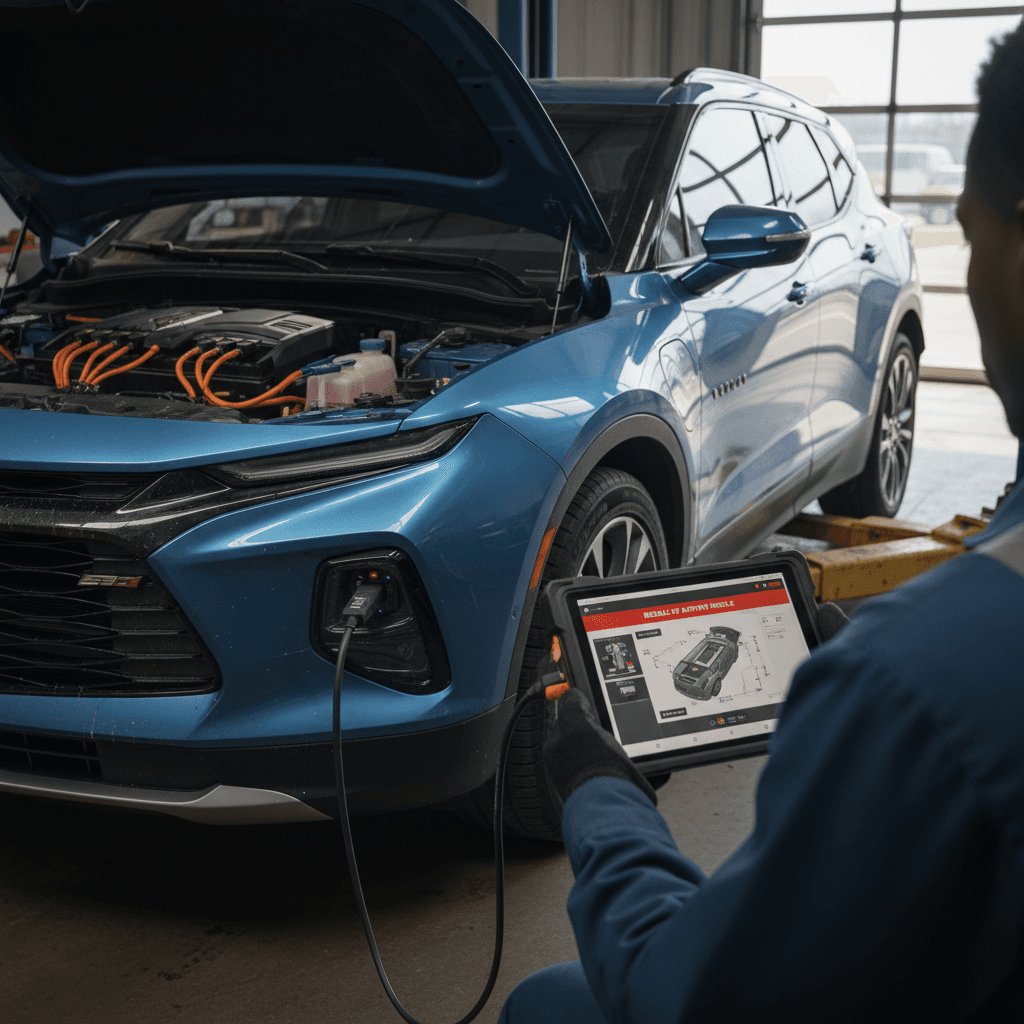
Whether you already own an R1T or you’re test‑driving a used one, checking for open recalls takes just a few minutes. You’ll need the **17‑digit Vehicle Identification Number (VIN)** from the lower windshield, driver‑door jamb, insurance card, or digital docs in the truck’s app.
Step‑by‑step: Check your Rivian R1T recall status
1. Look up the VIN on the federal recall site
Go to the official NHTSA VIN lookup page and enter the R1T’s VIN. You’ll see any **open safety recalls** that haven’t yet been marked as completed. Remember, this won’t show non‑safety service campaigns.
2. Review recall details and affected systems
For each open recall, read the summary. Note whether it’s **software‑only** (often already addressed by an OTA update) or **hardware‑related** (which requires parts and labor at a Rivian service center).
3. Check recall history in the Rivian app
If you already own the truck, the Rivian app and service history should show recalls and campaigns that have been completed, along with dates and mileage. This helps you confirm both factory work and owner follow‑through.
4. Ask the seller for service invoices
When you’re shopping used, ask the seller, or dealer, for **itemized service records**. You’re looking for recall campaign codes and lines showing that toe‑links, steering fasteners, lighting modules or HV components were addressed.
5. Verify everything during a pre‑purchase inspection
A good inspection will cross‑check visible hardware against recall records. At Recharged, our inspectors verify both the <strong>paper trail</strong> and the <strong>physical condition</strong> of the truck before we list it for sale.
Keep your contact info current
Shopping for a used Rivian R1T? Recall checklist
A clean Carfax and a shiny detail job don’t tell you much about recall compliance. Here’s how to use the Rivian R1T recalls list as a **buying tool**, not just background noise.
Key recall‑related questions for a used R1T
Use this as a quick interview guide when you’re talking to a private seller or dealership.
| Question to ask | What you want to hear | Red flag answers |
|---|---|---|
| Has every open safety recall been completed on this truck? | "Yes, here are the service records showing each recall and date." | "I’m not sure" or "We think so" with no paperwork. |
| Has the rear suspension toe‑link recall been checked and completed, if applicable? | Confirmation that the truck was checked and, if needed, had bolts replaced per the 2026 campaign. | No awareness of the campaign, or vague comments like "They checked everything" with no detail. |
| Have any steering, knuckle or control‑arm bolts ever been replaced under recall? | Documentation of the relevant campaign or at least a Rivian service invoice describing the work. | Obvious front‑end noises, but no history of recall‑related suspension work. |
| Is the truck up to date on software, including the Hands‑Free Highway Assist fix? | Screenshots or records showing it’s running a current Rivian software build. | Truck hasn’t been updated in many months, or the seller shrugs off software as "no big deal." |
| Are there any outstanding service campaigns (not just recalls) you’re aware of? | Seller mentions specific HVAC, 12‑volt or wheel‑hub campaigns, and shows they were completed. | "I just ignored those app messages" or no idea what you’re talking about. |
Any reputable seller should be willing, and able, to answer these questions and back them up with documentation.
How Recharged simplifies this
Ready to find your next EV?
Browse VehiclesDo all these recalls mean the R1T is unreliable?
It’s fair to look at a relatively young brand with a stack of recalls and wonder what you’re getting into. But you have to separate **early‑production reality** from social‑media spin.
- Most new platforms, gas, hybrid or EV, see a surge of recalls in the first few model years as real‑world usage exposes edge cases engineers didn’t see in testing.
- Rivian uses its connected fleet and OTA capability to **find and fix issues quickly**, which can actually result in more recorded recalls early on, not fewer.
- The critical question for a used‑EV shopper isn’t "Has this truck ever been recalled?" but rather **"Have the important recalls been completed correctly?"**
- Owners who stay current on updates and service bulletins tend to report strong long‑term satisfaction with the R1T’s performance, capability and day‑to‑day usability.
A recall isn’t automatically a deal‑breaker on a used vehicle. The deal‑breaker is a pattern of safety‑critical issues that weren’t fixed, or a seller who can’t, or won’t, prove the work was done.
How Recharged handles Rivian R1T recalls and service campaigns
Because Recharged specializes in used EVs, we treat recall and campaign history as a **first‑class data point**, not a footnote. The Rivian R1T is a capable adventure truck and an impressive first product from a new brand, but only if its known issues have been addressed properly.
Our process for Rivian R1T trucks
From intake to delivery, recalls and battery health are baked into how we evaluate every vehicle.
1. VIN‑level research
We start with a VIN‑based recall and campaign lookup for each R1T we consider, cross‑checking NHTSA data and manufacturer information where available.
2. Physical inspection & road test
Our EV‑specialist inspectors focus on suspension, steering, braking and high‑voltage systems, the same zones covered by many R1T recalls.
3. Recharged Score Report
Every R1T sold through Recharged comes with a Recharged Score battery health and condition report that includes recall status, service findings and fair‑market pricing analysis.
If you already own an R1T and are thinking about trading in or selling, we can still help. Recharged offers **instant offers, consignment and trade‑in options**, and our team can walk you through how any open recalls might affect timing and value.
Rivian R1T recalls list: FAQ
Common questions about the Rivian R1T recalls list
Bottom line: how to think about Rivian R1T recalls
The Rivian R1T isn’t a recall‑free unicorn, and neither is any other first‑generation vehicle from a new automaker. What matters is that you understand the **Rivian R1T recalls list**, how each item affects safety, and whether the truck you’re driving or considering has had the right fixes performed. When you pair a thorough recall check with evidence of good maintenance and strong battery health, the R1T can still be a compelling, capable used EV pickup.
If you’d like a second set of eyes, Recharged can help you buy, sell or trade a Rivian R1T with confidence. Every truck we list includes a Recharged Score Report with verified battery diagnostics, recall status and fair‑market pricing, plus support from EV specialists who live and breathe this stuff every day.