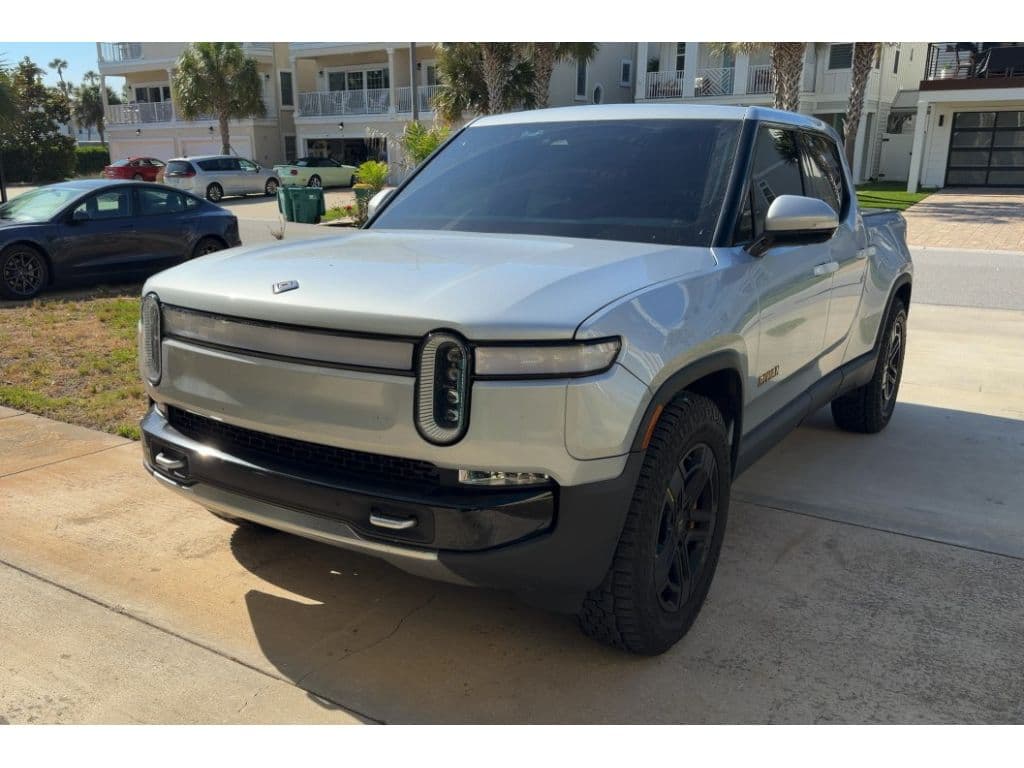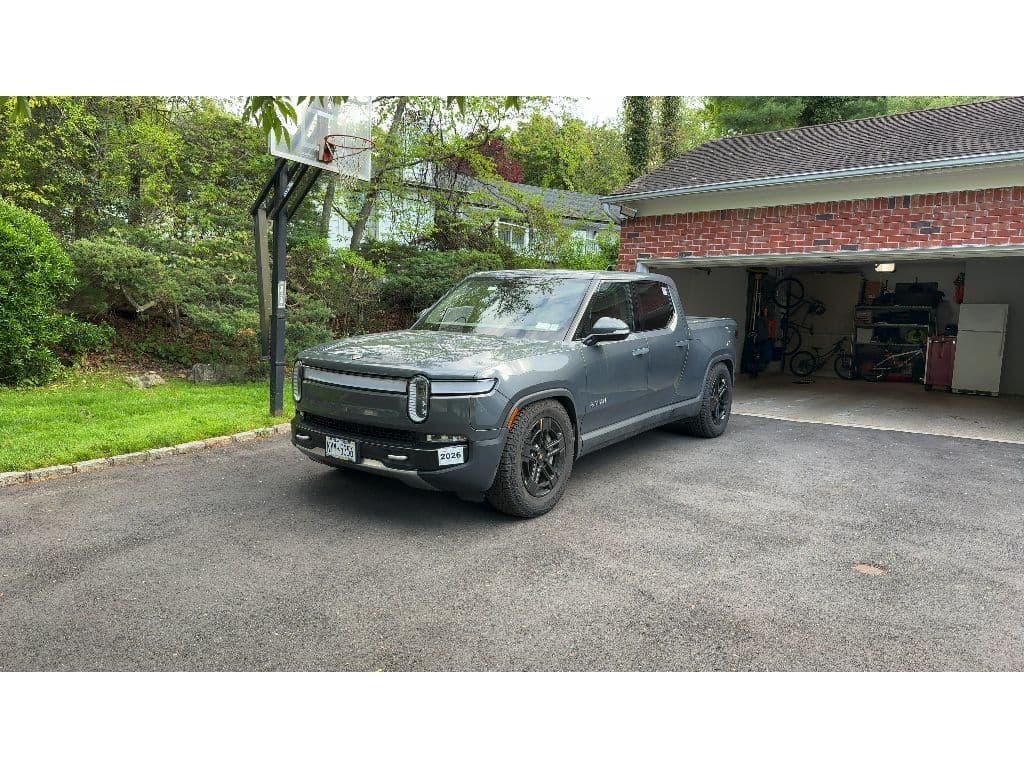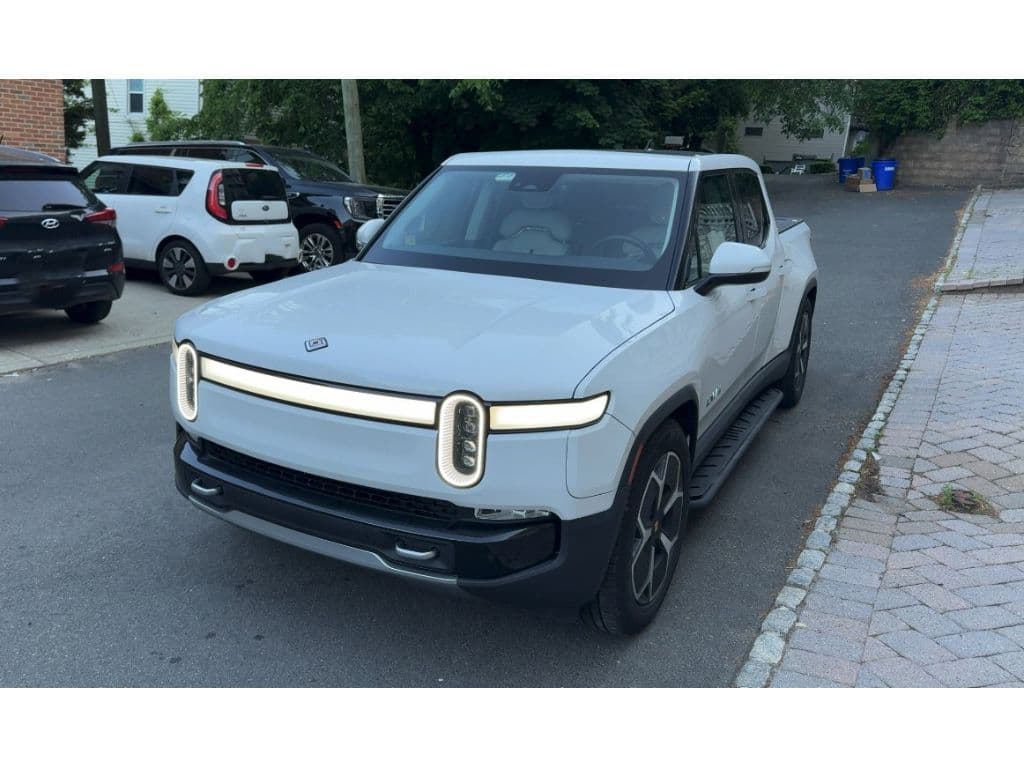
You don’t buy a Rivian R1T because it’s the cheapest way to get to work. You buy it because it can crab‑walk up a muddy trail, outrun sports cars, and still haul a load of mulch. But if you’re planning to keep one beyond the honeymoon period, you need to know the real Rivian R1T long term ownership cost, not just the sticker price.
What this guide covers
Why Rivian R1T long-term ownership cost matters
Electric pickups are still the new kids on the block, and that makes long‑term costs harder to predict than with a Toyota Tacoma or Ford F‑150. The R1T is a premium truck with a premium price, and it’s loaded with cutting‑edge tech, air suspension, quad motors, huge battery pack, and a software‑heavy interior. All of that has implications for total cost of ownership (TCO) over 5–10 years.
The good news: you’re not burning gasoline. Energy and routine service are generally cheaper than on a comparable gas truck. The caution flag: early build quality and reliability have been mixed, and depreciation on new EVs can be steep in the first few years. That’s exactly where a smartly‑chosen used R1T, backed by solid battery data, can flip the script in your favor.
Rivian R1T 5‑year cost snapshot (ballpark, new truck)
The 6 big pillars of Rivian R1T long‑term cost
What actually makes the Rivian R1T expensive, or cheap, to own?
Six buckets to think about before you sign anything
1. Purchase price & depreciation
Your single biggest cost. New Rivian R1Ts carry high MSRPs and drop fastest in the first 3–4 years. Buying used can let you skip that steepest part of the curve.
2. Charging & electricity
Electricity is usually far cheaper per mile than gasoline, especially if you can charge at home on a good rate plan. Fast charging on road trips costs more but is still competitive.
3. Insurance
The R1T is an expensive, heavy, powerful truck with lots of sensors. Insurers price that in, so expect above‑average premiums versus a gas mid‑size pickup.
4. Taxes, fees & financing
Sales tax, registration, and interest on a loan quickly add up over the first few years. These hit hardest when you buy new and finance most of the price.
5. Maintenance & repairs
No oil changes, but you still have tires, brakes, coolant, and eventual wear on things like air suspension components and door handles. Early EVs can also see out‑of‑warranty surprises.
6. Battery health & EV‑specific risks
The battery pack is the heart of the truck. Its health affects range, performance, and resale value. Knowing its condition is essential, especially when you shop used.
5‑year Rivian R1T cost to own: Numbers you can work with
Independent cost‑to‑own analyses for the 2024 Rivian R1T Adventure show 5‑year totals for a brand‑new truck ranging roughly from the mid‑$70,000s to around $90,000 depending on battery pack and motor configuration. That includes everything: depreciation, finance charges, insurance, energy, maintenance, and repairs.
Estimated 5‑year cost to own: New 2024 Rivian R1T Adventure
Representative trims with 12,000–15,000 miles per year, typical U.S. energy and insurance costs, and standard financing assumptions.
| Trim & pack | MSRP ballpark | 5‑yr cost to own (est.) | Avg. yearly cost | Notes |
|---|---|---|---|---|
| Dual‑Motor Standard+ Pack | Low $70k | $74k–$78k | $15k–$16k | Lowest entry point; still a premium EV truck. |
| Dual‑Motor Large Pack | Mid $70k | $78k–$82k | $16k–$17k | More range, similar running costs; extra depreciation up front. |
| Dual‑Motor Max Pack / Perf Dual‑Motor | High $70k–low $80k | $82k–$90k | $17k–$18k+ | Higher purchase price and depreciation; energy use similar. |
| Quad‑Motor Large Pack | High $80k–low $90k | $85k–$90k+ | $17k–$19k | Incredible performance, but you’ll pay for it in depreciation. |
These are ballpark estimates, not quotes. Your actual costs depend heavily on your state, driving pattern, loan terms, and options.
Why these numbers look so high
Depreciation: The biggest Rivian R1T expense
Depreciation is the silent giant in your Rivian R1T long‑term ownership cost. On a new 2024 Adventure with popular options, 5‑year depreciation alone can easily run $40,000–$50,000. That’s money you never see back, even if your running costs are low.
- EVs, especially luxury and early‑generation models, tend to lose value fastest in the first 3–4 years.
- Rapid improvements in range and charging speed can push down used prices of older builds.
- Tax credits and incentives for new EVs can undercut equivalent used pricing if you’re not careful about the deal.
How buying used changes the picture
That “if” is where Recharged leans in. Every R1T we list comes with a Recharged Score Report that includes verified battery health and pricing against the broader market, so you’re not guessing about how much life is left in the most expensive component of the truck.
Charging and electricity: Real-world Rivian R1T energy costs
The R1T is a brick‑shaped, off‑road‑capable, super‑quick pickup. It’s not going to sip electrons like a slippery crossover, but the math still favors electricity when you look at long‑term ownership costs.
Energy use in the real world
Owners commonly report 0.55–0.75 kWh per mile depending on driving style, temperature, tires, and payload. Think closer to the low end for gentle highway cruising in mild weather, closer to the high end for winter, towing, or lots of short trips.
- At 0.6 kWh/mi and 12,000 miles per year: ~7,200 kWh/year.
- At 0.7 kWh/mi and 15,000 miles per year: ~10,500 kWh/year.
Home vs. public charging cost
At a typical U.S. residential rate of ~$0.15 per kWh, that’s roughly $90–$130 per month to drive 12,000–15,000 miles a year.
- Home charging: Often $0.10–$0.20/kWh depending on off‑peak plans.
- DC fast charging: More like $0.30–$0.55/kWh on major networks.
Mixing mostly home charging with some road‑trip fast charging still usually undercuts a comparable gas truck burning $3–$4/gallon fuel.
Quick fuel‑cost comparison
Insurance, taxes, and registration: What to expect
Insurance is one area where the Rivian R1T rarely wins a low‑cost trophy. It’s expensive hardware with strong performance and a relatively small repair network, and insurers price that risk accordingly.
Recent estimates put average annual premiums for a new R1T around $2,800–$3,100 for a clean‑record driver with full coverage, several hundred dollars more per year than a typical mid‑size gas pickup. Depending on your state, credit tier, and mileage, you might see anything from the low $2,000s to well north of $3,500 per year.
- High replacement cost and advanced driver‑assist hardware push collision and comprehensive coverage up.
- Repairs often require specialized parts and certified shops, which can mean bigger claim payouts.
- Some insurers still price EV trucks conservatively because there isn’t a decade of actuarial history yet.
On top of insurance, you’ll face sales tax and registration fees pegged to that high initial price. On an $80,000 truck, it’s easy to see $5,000–$7,000 in tax and fees the first year alone in many states. That’s baked into the 5‑year cost‑to‑own estimates you see from major sites.
How to shop insurance smarter
Maintenance, repairs, and reliability over the long haul
Rivian’s all‑electric layout means no oil changes, spark plugs, or complex multi‑speed transmission. Over five years, major cost‑to‑own models estimate maintenance around $1,500–$1,700 and repairs around $1,800 on a new R1T, very reasonable for a luxury truck, at least in the early years.
The wrinkle is reliability. Early R1Ts have seen their share of fit‑and‑finish issues, software bugs, and component failures, from powered tonneau covers and door hardware to air suspension bits and 12‑volt systems. Rivian has been aggressive with warranty repairs and over‑the‑air fixes, but once you age out of warranty, even a couple of big repairs can change the cost picture quickly.
What you should budget for beyond electricity
Tires every 25k–35k miles
The R1T is heavy and powerful. Expect to replace a set of all‑terrain tires more often than on a compact crossover, especially if you enjoy the acceleration or do any towing.
Brake service (less often than gas trucks)
Regenerative braking saves pads and rotors, but corrosion and age still matter. A high‑mileage R1T may eventually need a brake refresh, especially in salty‑road climates.
Coolant and drive‑unit fluids
The high‑voltage battery and drive units use dedicated cooling systems. These aren’t yearly services, but they show up on long‑term maintenance schedules.
Suspension and alignment work
Adaptive air suspension and frequent off‑road use can accelerate wear on bushings and linkages. Alignments after tire changes or off‑road adventures are smart insurance.
Out‑of‑warranty surprises
Door handles, powered accessories, and some electronic modules are costly out of warranty. A single complex repair can run four figures at retail rates.
Software and connectivity
Rivian pushes frequent over‑the‑air updates. While most are free, ensure your truck’s connectivity plan stays active so you don’t miss important fixes or feature upgrades.
Why pre‑purchase inspection matters on a used R1T
New vs. used Rivian R1T: How the math changes
Long‑term cost on an R1T tilts dramatically depending on whether you buy new at the top of the market or let someone else absorb that early drop in value. Think of it as choosing which part of the curve you want to pay for.
Buying new: Pros and cost tradeoffs
- Pros: Full factory warranty, latest hardware and software, ability to spec exactly what you want, potential access to new‑vehicle incentives.
- Costs: Steepest depreciation in first 3–4 years; highest taxes and fees up front; higher finance charges unless you put a lot down.
If you plan to keep the truck 10+ years and can stomach the early hit, a new R1T can still make sense, especially if you lock in cheap home charging.
Buying used: Pros and cost tradeoffs
- Pros: Someone else already burned off that painful first chunk of depreciation; lower taxes and fees; potentially similar features and range for far less money.
- Risks: Battery degradation, hidden accident damage, and early‑production quirks if you’re not careful about what you buy.
This is where a curated used marketplace like Recharged shines, we filter out the rough examples and show you verified battery health up front.
Illustrative 5‑year TCO: New vs. used Rivian R1T
Simple, rounded example assuming similar annual mileage and energy costs. These are not quotes, just directional comparisons.
| Scenario | Starting price | 5‑yr depreciation (est.) | Other 5‑yr costs* | Total 5‑yr cost | Avg. cost per year |
|---|---|---|---|---|---|
| Buy new 2024 R1T (~$82k) | $82,000 | $42,000 | $35,000 | $77,000 | $15,000 |
| Buy 3‑yr‑old R1T (~$60k) | $60,000 | $20,000 | $34,000 | $54,000 | $10,800 |
| Buy 5‑yr‑old R1T (~$50k) | $50,000 | $15,000 | $33,000 | $48,000 | $9,600 |
Assumes 12,000–15,000 miles per year, mixed home and public charging, and average insurance/maintenance costs for each age bracket.
What’s inside “other 5‑yr costs”
Seven ways to lower your Rivian R1T total cost of ownership
Practical levers you can actually pull
1. Let someone else eat the first 30–40% of depreciation
Target a 2–4‑year‑old R1T with clean history and strong battery health instead of driving a brand‑new one off the lot. You may give up a few latest‑and‑greatest features but save tens of thousands over your ownership window.
2. Make home charging your default
Install or use an existing Level 2 charger and enroll in a time‑of‑use plan if your utility offers it. Charging overnight at off‑peak rates significantly undercuts road‑trip fast charging or daily public sessions.
3. Right‑size your battery and options
If you don’t routinely tow long distances or cross states every weekend, the Large Pack may be plenty. Oversizing batteries and choosing every expensive option boosts up‑front price and depreciation without always adding real‑world value.
4. Shop insurance like you shop trucks
Get quotes before you commit. Ask insurers how adding the R1T changes your household policy, and don’t be shy about switching carriers if another underwrites EV trucks more favorably.
5. Protect tires and alignment
Rotate on schedule, keep pressures in line with Rivian’s recommendations, and get an alignment after big pothole hits or serious off‑roading. It’s cheaper to keep a good set of tires alive than to replace them prematurely.
6. Stay ahead on software and recalls
Accept over‑the‑air updates, read the release notes, and keep an eye out for recall notices. Fixing software bugs and early component issues on Rivian’s dime is much cheaper than ignoring them until they cause out‑of‑warranty problems.
7. Use data when you buy used
Instead of guessing, lean on tools like the <strong>Recharged Score Report</strong>, which bundles verified battery diagnostics, market‑correct pricing, and inspection findings so you can see potential costs coming before you sign.
So, is a Rivian R1T worth the long-term cost?
Only you can answer whether a Rivian R1T earns its keep, but the numbers tell a clear story: as a brand‑new $80,000‑plus electric adventure truck, it’s an expensive toy to own for the first five years. Depreciation and insurance do most of the damage, even while electricity and routine maintenance stay pleasantly reasonable.
Shift the lens to a well‑vetted used R1T, though, and the equation changes. If you buy after the steepest drop in value, charge mostly at home, and keep an eye on reliability and battery health, you can enjoy nearly all of the capability for far less money per year than the original owner paid. That’s exactly the playbook Recharged is built around, connecting you with used EVs, including Rivian R1Ts, whose true condition and long‑term costs are out in the open.
If you’re ready to run the numbers on a used R1T or compare it with other electric trucks and SUVs, you can browse Recharged’s inventory, check each truck’s Recharged Score Report, and even line up financing and nationwide delivery online. Long‑term ownership doesn’t have to be a mystery; you just need the right data in front of you before you fall in love with the paint color.