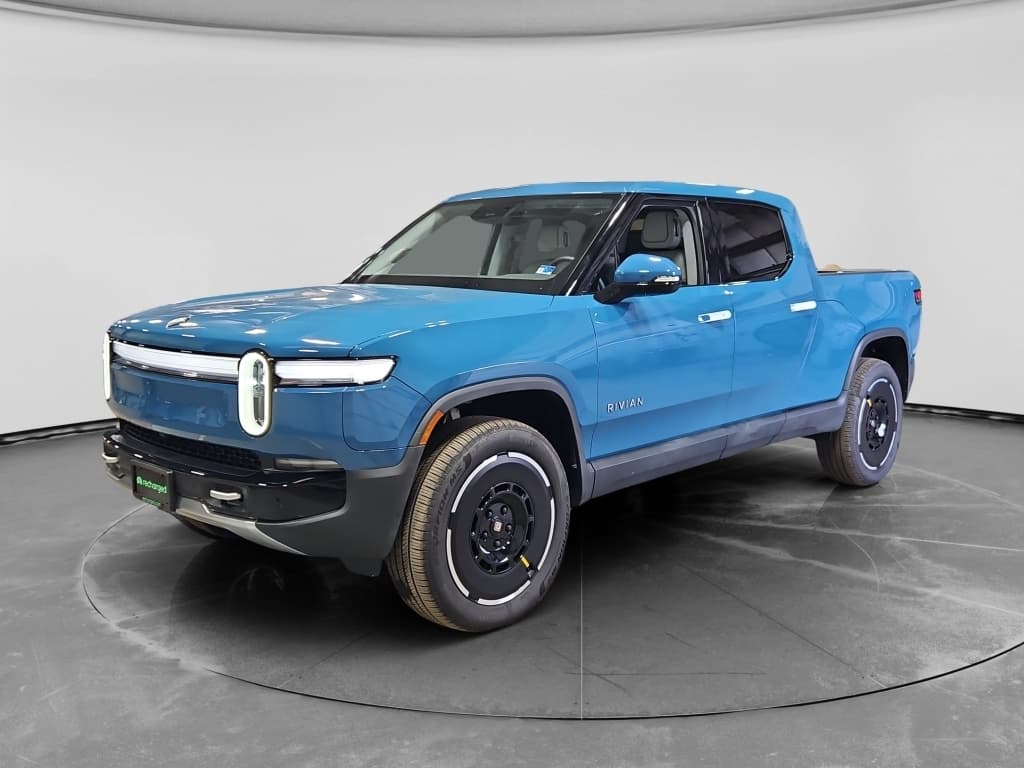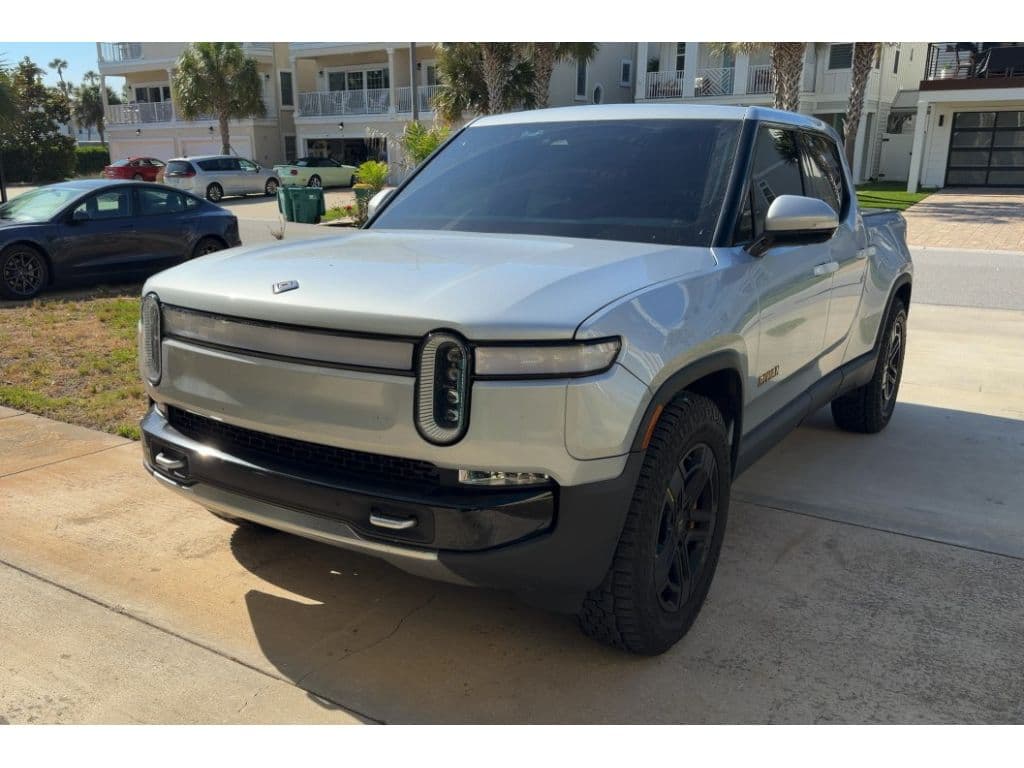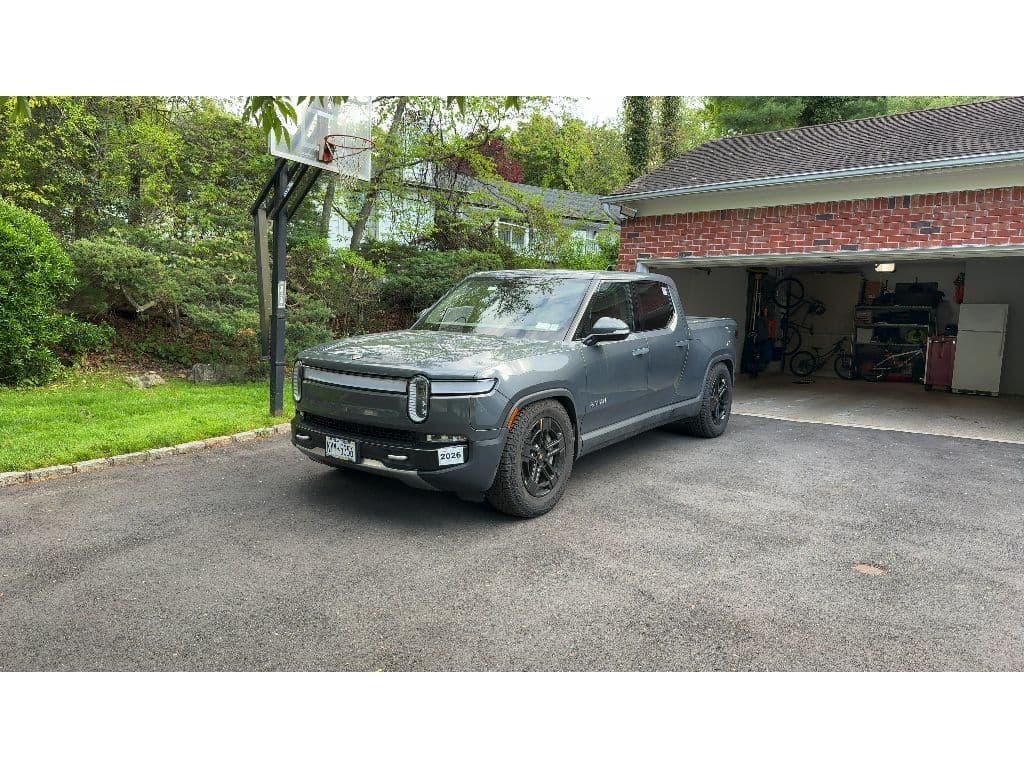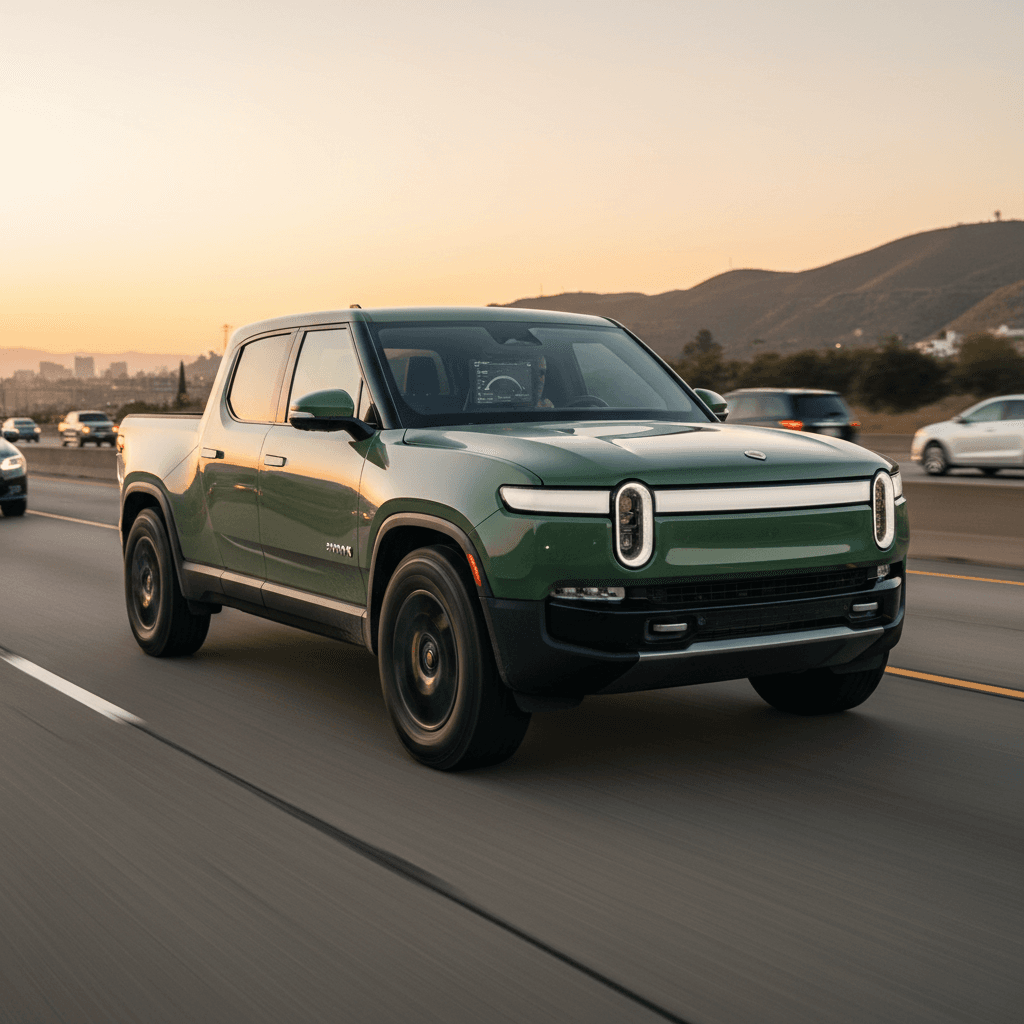
If you’re considering a Rivian R1T, especially as a used purchase, highway noise level is a big part of whether it will feel like a true long‑distance cruiser or just another loud pickup. The good news: when it’s set up correctly, the Rivian R1T highway noise level is more in line with luxury SUVs than traditional trucks. The caveat: tires, glass, and build year all matter more than most shoppers realize.
Quick takeaway
Rivian R1T highway noise overview
Electric trucks remove engine noise, but they don’t magically erase road and wind noise. Rivian leaned hard into sound deadening: thick glass, multiple door seals, a rigid body structure, and aero‑shaped mirrors, all aimed at making the R1T feel more like a premium SUV than a work truck.
Owner reports and early instrumented testing generally agree that the R1T is quieter than most full‑size pickups at 65–75 mph, especially when equipped with highway‑oriented tires. That said, some owners report noticeable wind noise near the front triangle windows, and others see noise creep up as all‑terrain tires wear.
Rivian R1T highway noise: real‑world snapshots
How loud is the R1T on the highway in decibels?
Decibel readings depend heavily on your phone app and test method, but there’s a clear pattern from owner measurements and road tests:
Approximate Rivian R1T cabin noise levels at speed
Real‑world patterns from owner measurements and comparison testing. Think of these as typical ranges, not lab‑grade numbers.
| Scenario | Speed | Typical R1T Reading | Subjective Impression |
|---|---|---|---|
| Smooth highway, 20–22" road tires | 60–70 mph | 62–65 dB | Calm, easy conversation without raising your voice |
| Smooth highway, new 20" all‑terrains | 65–75 mph | 66–69 dB | Noticeable tire hum, still acceptable for most drivers |
| Rougher concrete, all‑terrains | 70–80 mph | 70–72 dB | Loud hum, some drivers find it fatiguing |
| Strong crosswind, older seals | 70+ mph | Low 70s dB | Wind rustle near mirrors/triangle glass becomes obvious |
All readings represent interior cabin noise at steady speed, climate control set to a normal level.
Decibel apps aren’t lab tools
What actually creates highway noise in a Rivian R1T?
Main R1T highway noise sources
Even without an engine, plenty of things can make (or break) cabin quiet.
Tires & pavement
The biggest factor by far. Aggressive tread blocks slap the road, and coarse concrete acts like a drum. Same truck, different tires and pavement can swing perceived loudness by a mile.
Wind & aero
At ~60 mph and up, air rushing around mirrors, A‑pillars, crossbars, and roof tents becomes a major contributor, especially if a seal is slightly out of spec.
Body & glass
Door seals, laminated glass, and the truck’s structural rigidity influence how much vibration and noise actually makes it to your ears.
Rivian’s cabin design works in your favor here. The R1T has a tight, stiff structure and generous seals around the doors and underbody. That means if you hear more noise than you expected, it’s rarely "just how the truck is", it’s usually tires, worn seals, accessories, or a specific issue that can be addressed.
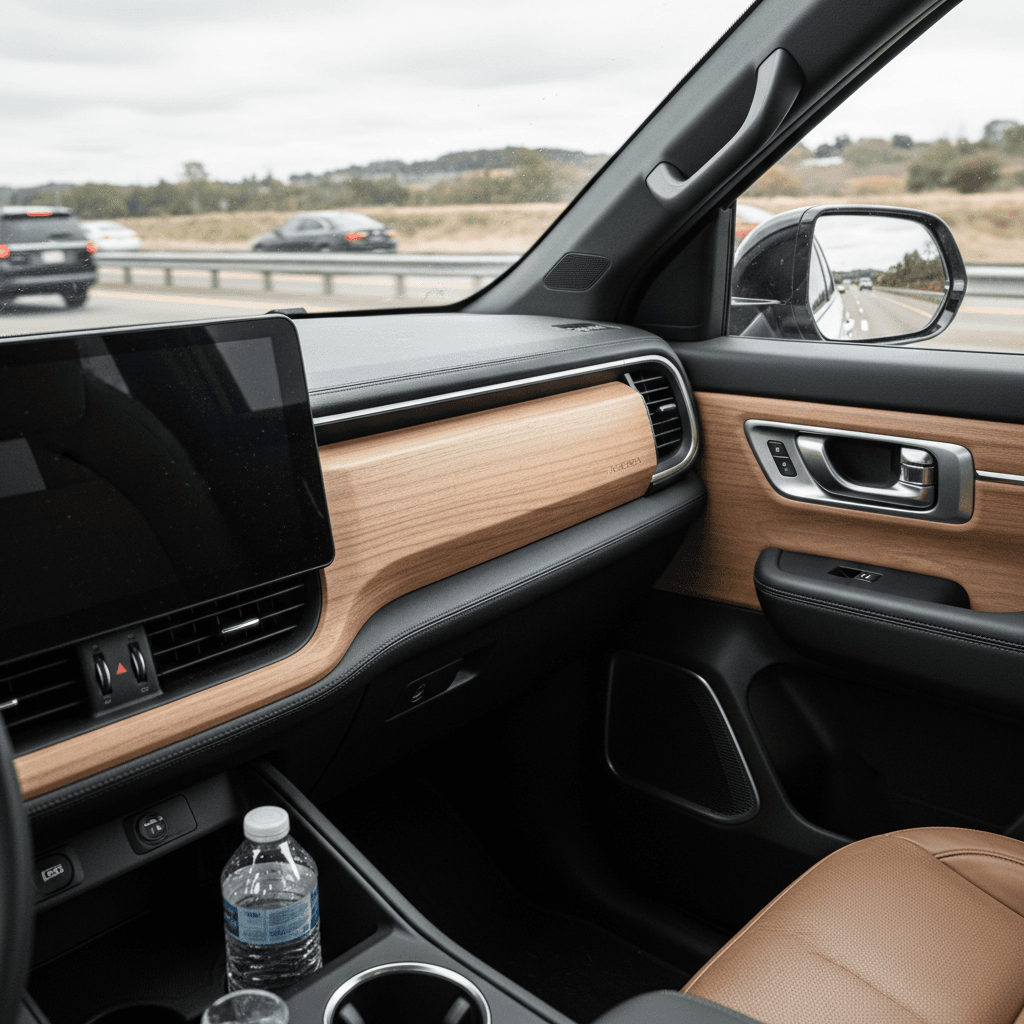
Tires and wheels: the biggest noise variable
If you only remember one thing about R1T highway noise, make it this: tires change everything. The same truck on different rubber can sound like two completely different vehicles.
How different R1T tire setups affect highway noise
20" all‑terrain package
Great for off‑road and snow, but they’re the noisiest option as speeds climb. As the tread wears (20k–40k miles), owners often report a dramatic rise in hum and droning at 70–80 mph.
20" or 22" all‑season / highway tires
Quieter on smooth highway, especially when new. Many owners who swap from worn A/Ts to highway‑biased tires describe the truck as "a different vehicle" on long trips.
Tire age and wear pattern
Cupped or unevenly worn tires will roar even if they started quiet. Irregular wear from missed rotations or aggressive alignment settings shows up first as highway noise.
Tire pressure
Overinflated tires transmit more impact noise from joints and small bumps; underinflated ones can feel squirmy and still be noisy. Aim for Rivian’s recommended pressures and check when tires are cold.
Wheel size & sidewall
Lower‑profile 22" setups can let more harshness through on broken pavement. Taller sidewalls on 20s help soak up texture, which your ears interpret as less noise.
Easy test drive comparison
Wind noise and the R1T glass fix
A noticeable slice of R1T noise complaints come from wind hiss or whistling near the front corner glass, those small triangular windows just ahead of the front doors. Early trucks, in particular, saw seal issues that let extra wind into the cabin soundtrack at 65–75 mph.
- Loudest between roughly 65–75 mph, especially in crosswinds
- Often seems concentrated near the passenger‑side A‑pillar or small fixed window
- Can change when you slightly crack a window or press on the seal
- Sometimes improves after Rivian replaces or adjusts the "front fixed glass" and door alignment
The good news: it’s usually fixable
R1T highway noise vs other electric and gas trucks
Rivian R1T vs other EV trucks
- Ford F‑150 Lightning: Traditional body‑on‑frame roots and more upright styling mean a bit more road and wind noise than the R1T in many tests, especially on rougher pavement.
- Chemistry vs tuning: Battery‑electric powertrains remove engine drama in both trucks, but Rivian’s emphasis on adventure‑luxury means more sound deadening and finer‑tuned suspension behavior.
- Perceived quality: Many R1T owners coming from a Model 3/Y or Lightning describe the Rivian as feeling more insulated and solid at 70+ mph.
Rivian R1T vs gas pickups
- Half‑tons with V6/V8: Even with modern active noise cancellation, most full‑size gas pickups still transmit more engine and exhaust sound under load.
- Diesel trucks: Compared with heavy‑duty diesel pickups, the R1T is dramatically quieter at any speed; wind and road noise become the only real soundtrack.
- Work vs lifestyle: Traditional trucks trade some refinement for towing and payload. The R1T feels closer to a premium SUV that happens to have a bed.
Second‑generation R1T updates
How to make your R1T quieter on the highway
Whether you already own an R1T or you’re shopping used, you can meaningfully change what you hear at 70 mph. Think of it as tuning the truck for road‑trip duty.
Practical steps to reduce R1T highway noise
1. Prioritize quieter tires
If you’re not doing serious off‑roading, consider switching from all‑terrain to highway‑biased all‑season tires when it’s time to replace rubber. Look for tires with strong reviews for low road noise, your ears will notice more than your stopwatch will.
2. Check and refresh door and window seals
Inspect the front triangle glass and door seals for gaps, hardening, or misalignment. If you hear focused wind noise near the A‑pillars, ask Rivian service (or a trusted body shop) to evaluate door alignment and updated glass parts.
3. Verify alignment and suspension settings
Poor alignment or worn components can create subtle vibration and tire scrub that translate into extra noise. A proper alignment and suspension inspection can quiet the truck and improve range.
4. Remove noisy accessories for long trips
Roof tents, crossbars, bike racks, and cargo boxes all add wind noise. If you’re doing a mostly‑highway weekend or road trip, running without bulky accessories can noticeably quiet the cabin and improve efficiency.
5. Use the truck’s drive modes strategically
Softer suspension settings in certain modes can reduce how sharply the body reacts to expansion joints and rough surfaces, which in turn makes the cabin feel less busy and noisy.
6. Address obvious rattles early
Any loose trim, tonneau covers, or bed accessories should be tightened or repaired. In a quiet electric truck, small rattles stand out more than they would in a gas pickup.
Noise that might signal a problem
Highway noise considerations when buying a used R1T
If you’re shopping for a used R1T, especially through a marketplace like Recharged, cabin noise is one of those things you’ll only really feel once you’re on the freeway. Building a quick noise checklist into your test drive can save you from surprises months later.
What to listen and look for on a used R1T
You don’t need a lab, just a good highway loop and a bit of patience.
During the freeway test drive
- Find a stretch of smooth highway and a stretch of older concrete.
- Hold a steady 65–70 mph and turn the audio system off.
- Note whether noise seems tire‑broad or localized near one window.
- If you can, use a decibel app just for A/B comparison with another truck.
Questions to ask the seller or dealer
- Has the triangle front glass or door seals ever been replaced or adjusted?
- What tire brand/model is fitted, and how many miles are on them?
- Has the truck had any alignment work or suspension repairs?
- Are there service records for wind‑noise or rattle complaints?
How Recharged can help
FAQ: Rivian R1T highway noise level
Frequently asked questions about R1T highway noise
Bottom line: is the Rivian R1T quiet on the highway?
Set up correctly, the Rivian R1T is one of the quietest pickups you can drive on the highway. The combination of an electric powertrain, solid structure, and robust sound insulation gives it a calm, composed character at 65–75 mph that many gas trucks simply can’t match.
Where owners run into trouble is when aggressive or worn all‑terrain tires, early glass‑seal issues, or bulky accessories tip the balance. The upside is that most of those variables are in your control. With the right tires, healthy seals, and a clean roofline, the R1T settles into a low‑drama cruise that makes long road trips feel easy.
If you’re shopping for a used R1T, especially through a digital retailer like Recharged, build highway noise into your checklist right alongside battery health and price. A quick freeway test and a look at service and tire history can tell you whether a particular truck will be the quiet adventure companion you’re hoping for, or whether it needs a bit of tuning before it’s truly road‑trip ready.