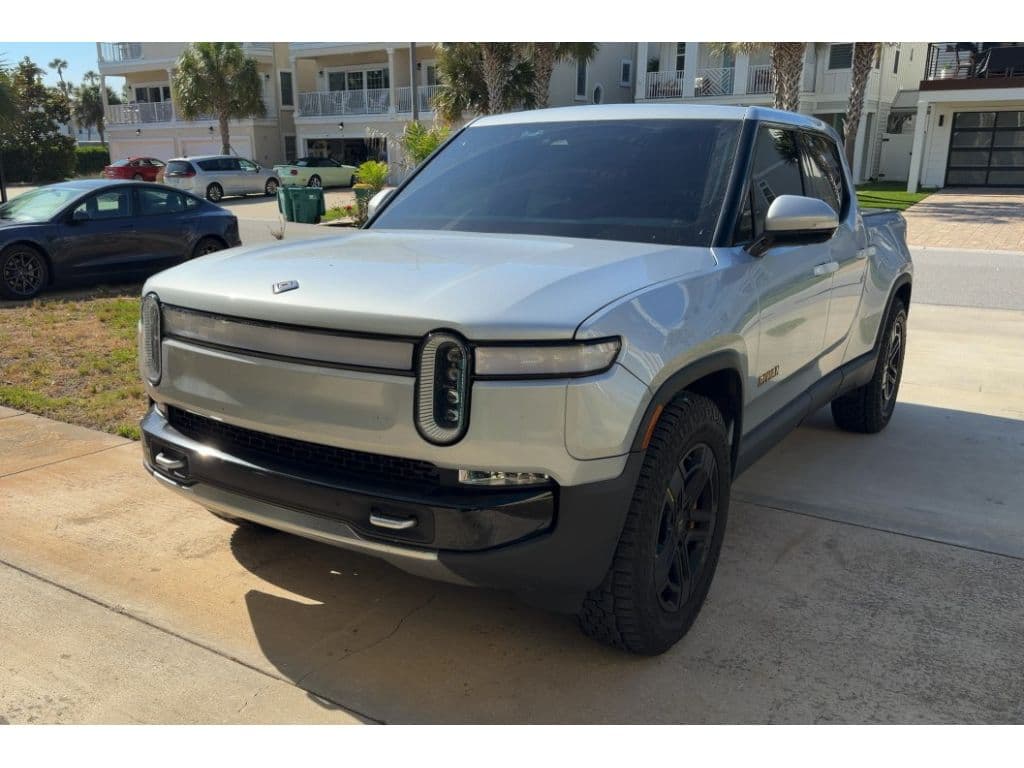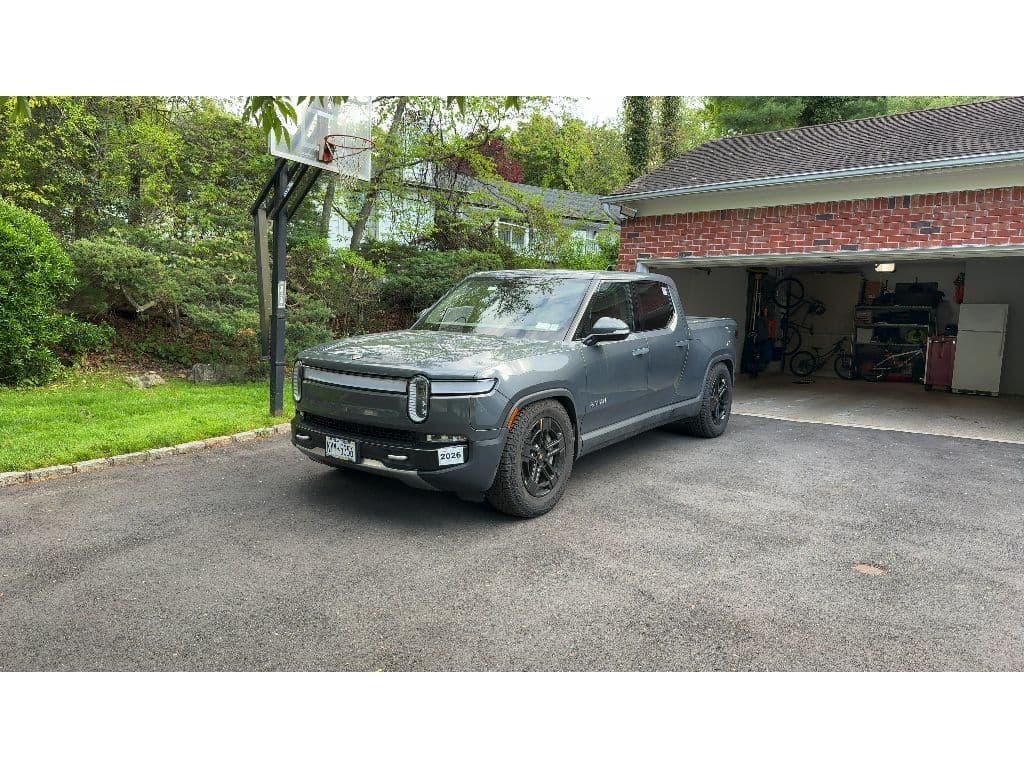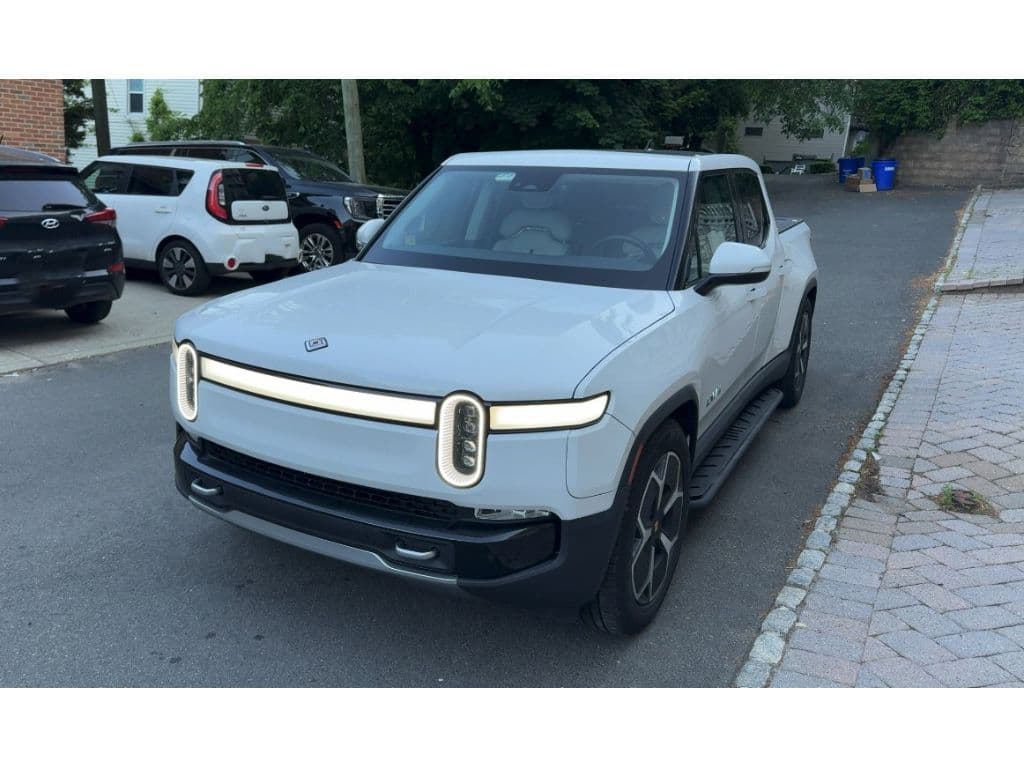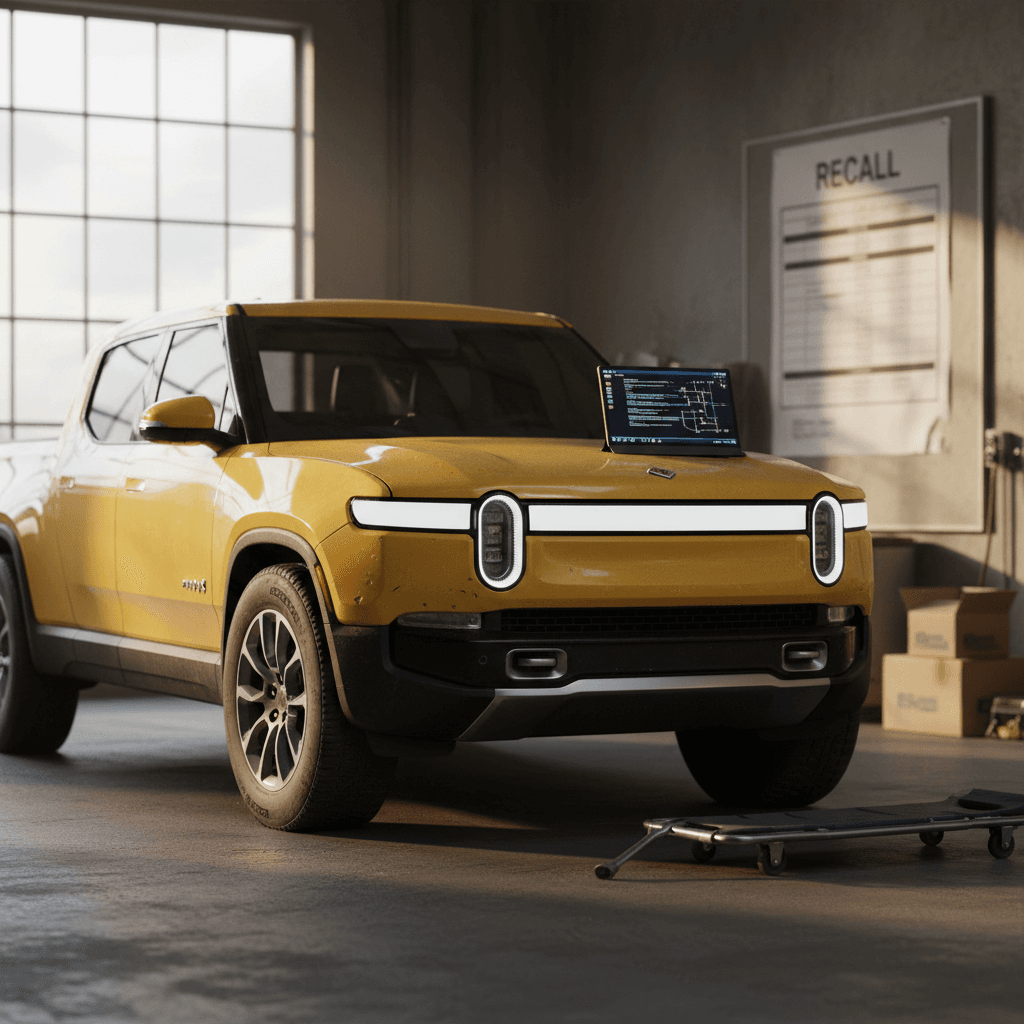
If you’re shopping for a used electric truck, the Rivian R1T probably sits high on your list. It’s quick, capable, and genuinely fun to drive, but by 2026 it’s also earned a reputation for more than its share of problems. This guide pulls together the most common Rivian R1T issues, recalls, and owner complaints so you know what’s normal, what’s fixable, and what should be a dealbreaker when you’re considering a used R1T.
What this 2026 guide covers
Rivian R1T problems in 2026: the big picture
By 2026, enough Rivian R1Ts are on the road that patterns are clear. The truck’s core EV hardware, battery pack, motors, and basic driveline, has generally held up well. Where most problems appear is in the software, electronics, and hardware around the edges: steering and suspension components, weather seals, body hardware, and the complex network of modules that make the truck feel “smart.”
Rivian R1T reliability snapshot heading into 2026
Early adopter tax is real
How the R1T ranks for reliability
By the 2025 model year, major consumer surveys put Rivian near the bottom of the industry for reliability, with the R1T scoring poorly compared with established brands. At the same time, owner‑satisfaction scores are unusually high, many drivers love their trucks despite the headaches. That split tells you a lot: problems are frequent enough to be annoying, but most are fixable under warranty rather than catastrophic.
What the surveys are saying
- Rivian as a brand ranks near the bottom for reliability in 2024–2025 data.
- The R1T is often singled out for above‑average issues in body hardware, in‑car electronics, and suspension.
- Recall counts per vehicle are high for a relatively new model.
How owners actually feel
- Plenty of owners report 20,000–50,000 trouble‑free miles beyond minor software quirks.
- Others have had trucks in the shop multiple times in a single year.
- Most agree: when it’s working, the R1T is one of the most enjoyable EVs you can drive.
How to read reliability scores
Most common Rivian R1T problems by category
When you strip out isolated horror stories and focus on recurring themes, a few categories pop up again and again for R1T owners:
- Software and electronic glitches (screens freezing, warning lights, key/app issues)
- Steering, suspension, and alignment problems (clunks, wandering, uneven tire wear)
- Brake, tire, and noise complaints (squeaks, hums, or vibrations at speed)
- Body and trim issues (panel alignment, water leaks, sticking doors or tonneau covers)
- Charging and range quirks (port doors, charge‑session errors, cold‑weather behavior)
Software, screens, and electronic glitches
Like most modern EVs, the Rivian R1T is a software‑first vehicle. That means frequent over‑the‑air (OTA) updates with new features, but also the occasional bug. Owners have reported a variety of glitches that tend to come and go with software versions.
Typical software and electronics complaints
Most are annoying more than dangerous, but they’re worth checking on a test drive.
Infotainment freezes
The center screen may freeze or reboot, especially shortly after an update. In most cases the truck remains drivable but controls (HVAC, drive modes, nav) can be sluggish.
Phone‑as‑key hiccups
Some drivers see the app fail to unlock the truck or recognize the phone, requiring an app restart or backup key card.
Random warnings
Intermittent alerts, air suspension, driver‑assist, or 12V battery warnings, sometimes clear themselves or are resolved with a software patch.
Good news: updates cut both ways
On a test drive, spend time cycling through the HVAC, driver‑assist, drive modes, and audio system. Any lag, reboots, or inoperative features are worth capturing in a pre‑purchase inspection, and could be reasons to negotiate the price.
Steering, suspension, and ride-related complaints
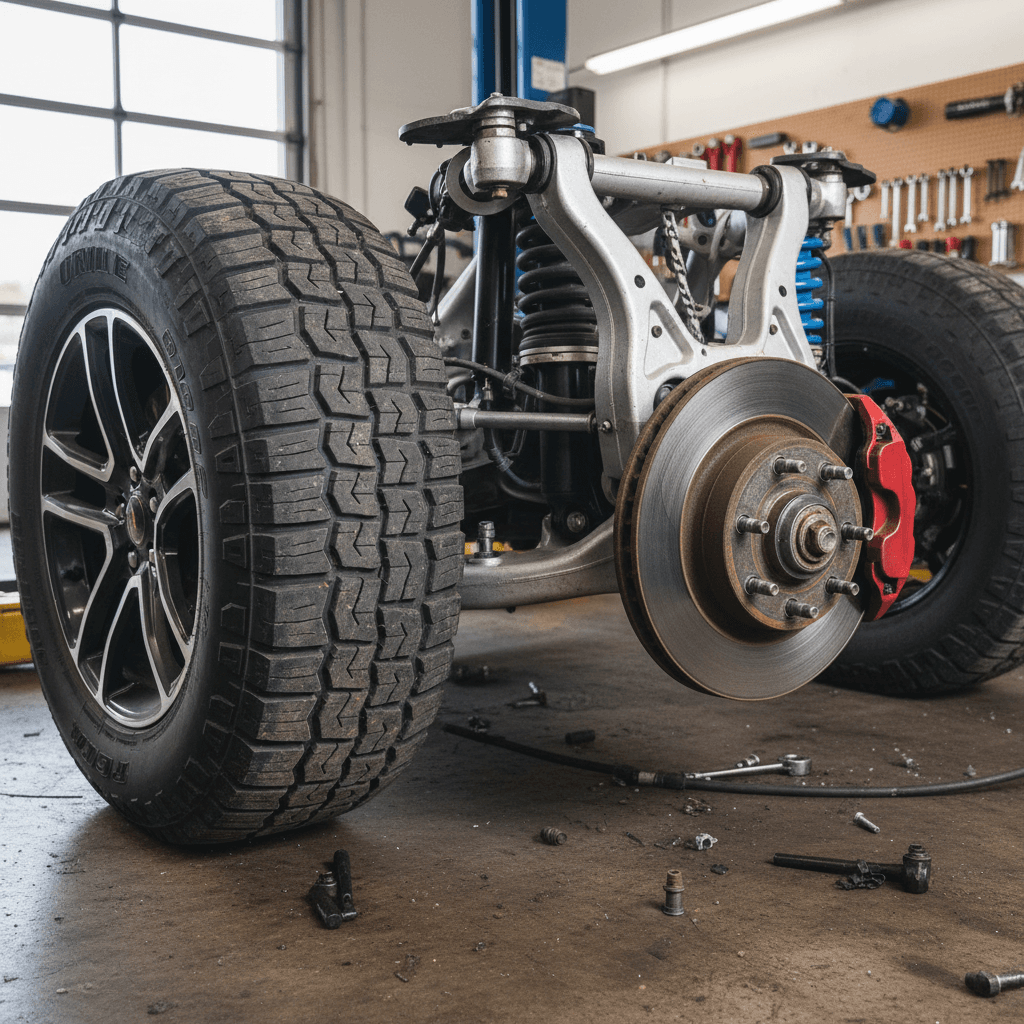
As more 2022–2024 R1Ts accumulate miles, front‑end and suspension issues have become a common theme. Some of these are normal wear on a heavy, high‑torque truck. Others stem from early hardware or calibration quirks that Rivian has been refining with updated parts and TSBs (technical service bulletins).
Common steering & suspension symptoms on the Rivian R1T
These are the front‑end issues R1T owners most often report and what they may indicate.
| Symptom | What it feels like | Possible causes | Owner impact |
|---|---|---|---|
| Steering clunks or pops | Thud or click when turning or going over bumps | Steering rack play, control‑arm bushings, or tie‑rod wear | Annoying noise; if ignored, potential premature wear |
| Wandering or pulling | Truck doesn’t track straight, requires constant corrections | Alignment out of spec, worn components, or uneven tire wear | Tiring on long drives, accelerates tire wear |
| Ride‑height warnings | Messages about height calibration or suspension limits | Air‑suspension calibration, sensor, or compressor issues | May limit ride height modes until fixed |
| Harsh or bouncy ride | Too firm or floaty compared with other trucks | Adaptive‑damping tuning or incorrect tire pressures | Comfort issue more than a safety concern |
Any of these items on a test drive deserve a closer look from a shop familiar with Rivian.
Don’t ignore front‑end noises
Brakes, tires, and mystery noises
Big electric trucks are hard on tires and can be unforgiving of alignment issues. Many Rivian R1T owners report faster‑than‑expected tire wear, especially on the more aggressive all‑terrain setups. Others chase down brake squeaks or vibrations that turn out to be a combination of pad material, rotor condition, and regenerative‑braking behavior.
- Brake squeal at low speeds, often more noticeable in reverse or in cold weather.
- Tire cupping or inner‑edge wear from alignment that’s slightly out of spec.
- Deep hums or vibrations at highway speeds that trace back to tires, wheel bearings, or front‑end alignment.
Quick driveway checks
Body, water leaks, and trim quality
Early Rivian R1Ts showed typical first‑generation fit‑and‑finish quirks: inconsistent panel gaps, rubbing liftgates, and minor paint flaws. Over time, owners and shops have also flagged issues with weather seals and hardware like the powered tonneau cover and tailgate sensors.
Body & trim trouble spots to inspect
You can catch many of these yourself in a careful walk‑around.
Panel gaps & paint
- Look along the sides for misaligned doors, hood, and tailgate.
- Check for rubbed paint at the tailgate edges and bed corners.
- Note any repainted panels that might indicate prior repairs.
Water intrusion
- Inspect the frunk and rear under‑floor storage for moisture staining.
- Check carpet edges for water marks, especially after rain.
- Open and close every door and hatch, listening for creaks or sticking seals.
Tonneau & tailgate
- Cycle the powered tonneau if equipped; it should move smoothly without grinding.
- Verify tailgate sensors and power functions, if fitted, operate consistently.
Interior squeaks & rattles
- Drive over rough pavement and listen for dash or seat noises.
- Rattles themselves aren’t dangerous, but they hint at build quality and prior repair work.
Charging, battery, and range quirks
The headline here is reassuring: so far, the Rivian R1T’s high‑voltage battery packs and motors have not been major failure points in large numbers. Most complaints in this area are about charging experience and predicted range, especially in cold weather or at finicky public fast‑charging stations.
What owners report
- Public DC fast‑charging sessions that stop unexpectedly or ramp down to low power.
- Charge‑port doors that don’t open or close reliably, particularly after exposure to winter road grime.
- Range estimates that drop quickly at highway speeds, in cold temps, or with big all‑terrain tires and accessories.
What usually fixes it
- Software updates that refine battery‑management and range prediction.
- Physical cleaning or adjustment of the charge‑port door and latch.
- Realistic trip planning: assume less than the EPA rating at 75 mph or with heavy loads.
Why a battery‑health report matters
Major Rivian R1T recalls through 2025
Because the R1T launched as a clean‑sheet design, it has seen an above‑average number of recalls as Rivian chases down edge cases in the real world. Some recalls are addressed entirely by OTA software; others require physical parts or inspection at a service center.
Key recall themes affecting Rivian R1T owners
Exact recall IDs change over time; always run a fresh check by VIN before you buy.
| Recall theme | Model years commonly affected | Typical remedy | Your move as a used buyer |
|---|---|---|---|
| Driver‑assist / hands‑free logic | Later 2024–2025 R1T | OTA software update to correct misclassification or disengagement logic | Confirm the truck is on current software and shows no open safety recalls. |
| Lighting & visibility (headlights/turn signals) | Primarily 2024–2025 | Inspection and replacement of affected lighting units or harnesses | Test all lights manually; review recall and service history for completed campaigns. |
| Pedal and control hardware | Early 2024 builds | Inspection and replacement of affected accelerator‑pedal hardware | Ensure the pedal feels consistent and that any related recall shows as completed. |
| Body & structural fasteners | Early production R1T | Inspection and torque check of suspension or body fasteners | Ask for documentation showing these inspections were done under recall when applicable. |
Most used trucks on the market in 2026 should already have these recalls addressed, but never assume, verify.
Always run a VIN recall check
Service experience, downtime, and what to expect
The service story is where Rivian ownership diverges sharply from more mature brands. If you live near a service center or in an area well‑covered by mobile techs, you may find the experience smooth and surprisingly convenient. If you’re far from support, even small issues can turn into frustrating downtime.
R1T service: what owners talk about most
Realistically assess your location and tolerance for downtime before you buy.
Multiple small visits
Many owners report several warranty visits in the first couple of years for small items: stuck handles, squeaks, sensor faults, or software quirks.
Mobile service vs. center
Rivian’s mobile service can handle a surprising number of issues at your home or office, but bigger jobs still require a trip to a service center.
Parts & wait times
Depending on your region and part availability, multi‑week waits for repairs aren’t unheard of, especially for body or suspension components.
Location, location, location
Used Rivian R1T shopping checklist for 2026
If you’re considering a used R1T, your goal is to separate “normal for a modern EV truck” from “this one has lived a hard life.” Here’s a structured way to do it.
11 must‑do checks before you buy a used R1T
1. Pull a full service & recall history
Ask for dealer or Rivian service records, not just a vehicle‑history report. Confirm all major recalls are completed and note repeat repairs in the same area (for example, front suspension).
2. Get a battery‑health report
Use a third‑party battery test or a marketplace like Recharged that includes a <strong>Recharged Score battery‑health report</strong>. You want data‑backed insight into real usable range, not guesses.
3. Inspect tires for uneven wear
Uneven shoulders or cupping on the front tires can point to alignment or suspension issues. Budget for an alignment at minimum; walk away from severe or unexplained wear.
4. Listen for steering and suspension noises
On a bumpy test route, pay attention to clunks, pops, or knocks from the front end. Combine what you hear with a shop inspection before committing.
5. Cycle ride heights and drive modes
If the truck has air suspension, move through every height setting. Switch among drive modes and confirm the truck responds quickly with no warning messages.
6. Stress‑test the software
Spend at least 15–20 minutes with the truck powered on. Launch navigation, use Bluetooth, adjust HVAC, and try driver‑assist. Watch for reboots, freezes, or systems that won’t engage.
7. Inspect for water leaks and odors
Check the frunk, rear under‑floor storage, and carpets for dampness or musty smells. Any sign of repeated leaks is a major red flag in an EV packed with electronics.
8. Test all doors, handles, and tonneau
Walk the truck. Open and close every door, the tailgate, frunk, and any powered tonneau cover several times. Sticking, grinding, or inconsistent operation suggests more work ahead.
9. Verify all lights and driver‑assist functions
Turn on headlights, turn signals, and hazard lights; test high beams and fog lights. On an empty road, check adaptive cruise and lane‑keeping. Any misbehavior means more diagnosis.
10. Confirm charging behavior
If possible, plug into a Level 2 charger and verify the truck charges normally, the port door operates smoothly, and no errors appear. Ask the seller how it behaves on DC fast charging.
11. Factor in your distance to service
Look up the nearest Rivian service center and ask about mobile coverage in your area. If you’re hours away, build that risk into the price you’re willing to pay.
Is a used Rivian R1T worth the risk?
Only you can answer that, but here’s the honest framing: compared with a mainstream gas pickup or a second‑generation EV, a used Rivian R1T carries a higher chance of trips to the shop and a higher chance those trips are for software or hardware quirks rather than major drivetrain failures. If you’re comfortable with some hassle in exchange for a truck that’s incredibly quick, beautifully designed, and genuinely capable off‑road, an R1T can still be a smart used buy, especially if you can document a clean history and strong battery health.
How Recharged can de‑risk the decision
Ready to find your next EV?
Browse VehiclesIn 2026, looking at Rivian R1T common problems is less about scaring yourself away and more about going in with clear eyes. Understand the patterns, software glitches, front‑end wear, fit‑and‑finish quirks, and a busy recall record, and you can focus your search on well‑maintained trucks with documented fixes and healthy batteries. With the right truck and the right expectations, the R1T still delivers an ownership experience that many drivers consider worth the extra attention it sometimes demands.