Important disclaimer
- Base Adventure Dual‑Motor R1S sticking in roughly the high‑$70,000s to low‑$80,000s before destination.
- Max pack and performance trims hovering from the low‑$80,000s into the mid‑$90,000s.
- Limited‑run special editions continuing to push into six‑figure territory.
Barring a major EV downturn or surprise government policy change, it’s more realistic to expect small, steady R1S MSRP moves through 2026, not fire‑sale pricing on new trucks.
Used Rivian R1S price forecast for 2026
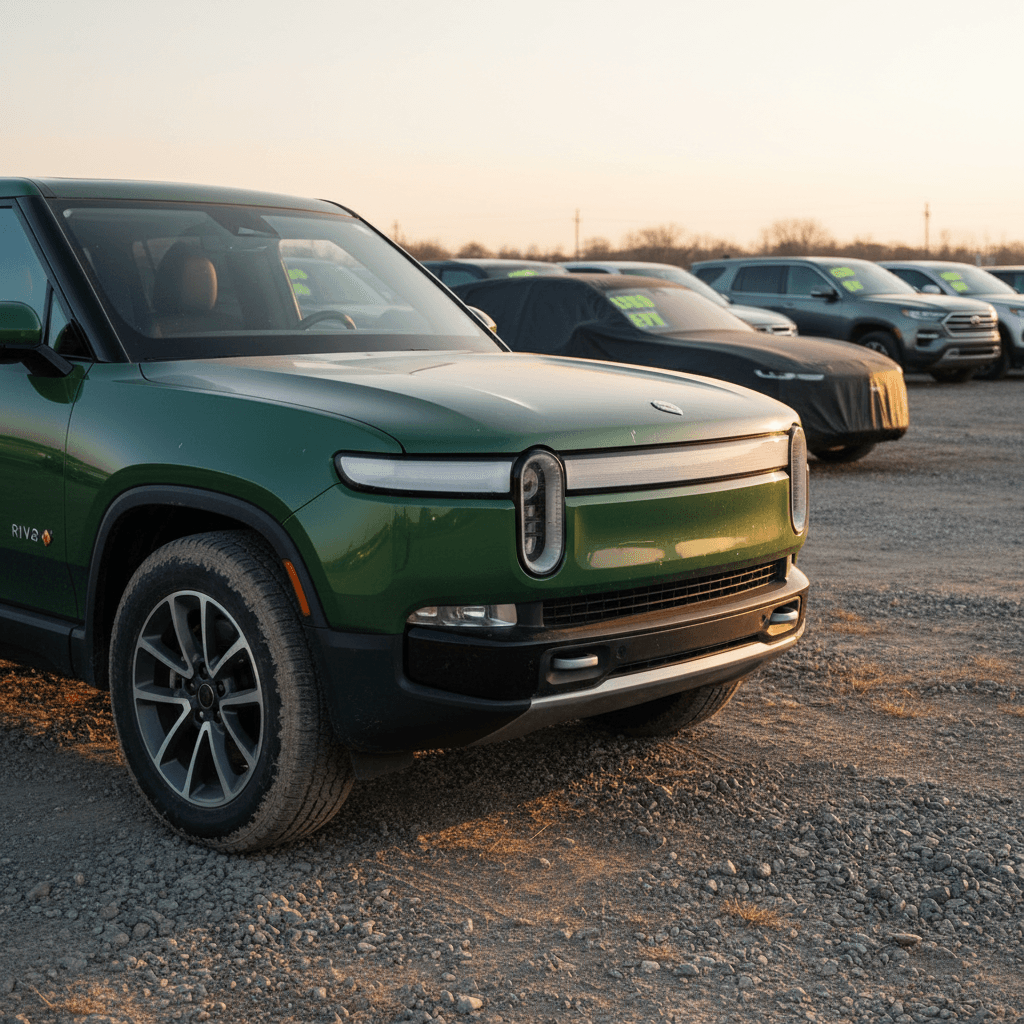
The used side of the house is where 2026 gets interesting. Early R1S deliveries started in 2022, which means by mid‑2026 the market will be filling up with 3‑ to 4‑year‑old SUVs coming off leases, company fleets, and early adopters rolling into an R2 or a refreshed R1.
What we’re seeing so far
Used R1S values today have followed a familiar EV pattern: a sharp first‑year drop, then a slower glide, heavily influenced by battery health, mileage, and software feature set.
- Low‑mileage 2023–2024 R1S models at asking prices not far below a new build, especially with desirable colors and Max packs.
- Higher‑mileage or more basic specs already discounted more aggressively.
Reasonable 2026 value ranges
By late 2026, a typical forecast for retail asking prices might look like:
- 2023 R1S: roughly 15–25% below its original MSRP, depending on miles and condition.
- 2024–2025 R1S: more like 10–20% below original sticker.
Battery health and warranty transferability will nudge an individual truck up or down from those bands.
How Recharged can help on the used side
How the Rivian R2 will shape R1S prices
Rivian has been clear: the R2 is its volume play, a slightly smaller, more affordable two‑row SUV with a target starting price around $45,000, roughly $30,000 under the R1S. Production from Rivian’s Georgia plant is expected to ramp in 2026.
Two main ways R2 could move R1S prices
Think of R2 as both a pressure valve and a brand amplifier.
Scenario 1: Downward pressure on used R1S
If R2 production ramps smoothly, it gives Rivian a cheaper entry point and draws price‑sensitive buyers away from the R1S.
- More R1S owners trade down or sideways into an R2.
- Used supply increases, nudging prices lower.
- New R1S deals need to stay competitive with a fully loaded R2.
Scenario 2: Brand halo keeps R1S strong
The other possibility is that R2’s success boosts Rivian’s visibility and trust, strengthening demand for the ‘halo’ R1S.
- R2 owners aspire to trade up to an R1S.
- Rivian keeps R1S production constrained.
- Used R1S values stay firmer than typical luxury EVs.
Reality will probably land between those two extremes. Expect the R2 to soften the floor for used R1S pricing in 2026, but not destroy it. The R1S still offers three rows, more space, and a more premium feel; that matters to a lot of families and adventure‑seekers.
When Tesla launched the Model 3, used Model S prices dipped, but the S kept a loyal audience who wanted the bigger, more luxurious car. The R1S and R2 could follow a similar script.
Other forces pushing R1S prices up or down
- Overall EV demand in 2026: If higher interest rates and tax‑credit uncertainty keep pressure on EV sales, both new and used R1S prices may need to be more flexible.
- Federal and state incentives: Policy changes, good or bad, can act like a sudden price cut or price hike overnight for qualified buyers.
- Battery and software updates: Significant range boosts or new driver‑assist features via hardware revisions tend to support values of updated trucks and soften demand for older builds.
- Competition from other three‑row EVs: Kia EV9, Volvo EX90 and others provide alternatives that can cap how high Rivian can price the R1S.
Why battery health matters more than “model year”
Shopping strategies for 2026 buyers and sellers
If you’re planning to buy an R1S in 2026
1. Decide how much range you really need
The Max pack is tempting, but if your real‑world use rarely stretches past 200–250 miles in a day, a Large pack R1S could save thousands while still feeling abundant.
2. Compare loaded R2 vs. base R1S
Once R2 hits showrooms, configure both on paper. A top‑trim R2 may overlap price‑wise with a simpler R1S; the right answer depends on how badly you want three rows and extra cargo room.
3. Target 2–3 year‑old used trucks
For value, focus your search on 2023–2024 R1S models in late 2026. You’re likely to catch the steeper early‑life depreciation while still getting up‑to‑date hardware and plenty of remaining warranty.
4. Insist on battery and charging data
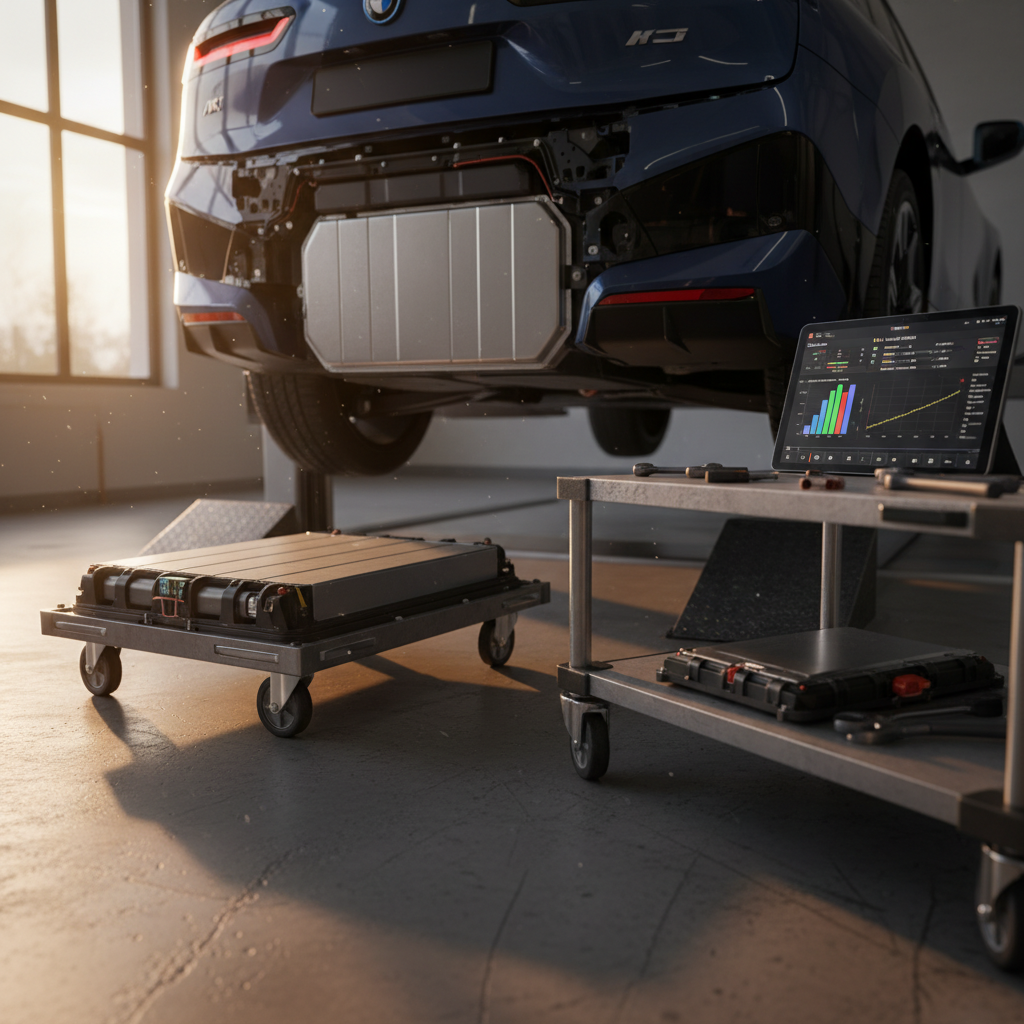
Ask sellers for documented battery health, DC fast‑charge history, and software update status. On Recharged, that’s baked into the Recharged Score, but private‑party deals require more digging.
5. Watch promos and lease programs
Rivian has already used limited‑time cash and lease offers to stimulate demand. If new‑EV sales remain choppy in 2026, those levers will be on the table again.
Trade‑in or sell?
Ready to find your next EV?
Browse VehiclesFinancing and total cost of ownership
Price forecasts don’t live in a vacuum. In 2026, your monthly payment and total cost of ownership will be shaped as much by interest rates, insurance, and charging costs as by the R1S’s window sticker.
Financing dynamics
- Higher interest rates can erase the benefit of a small discount; a used R1S at 9% APR may cost more per month than a new one at subvented 3.9% APR.
- Leasing can be attractive if Rivian or a lender uses an optimistic residual value for the R1S, lowering your payment and shifting long‑term price risk off your shoulders.
Running costs
- Electricity remains far cheaper per mile than gasoline in most of the U.S., especially if you can charge off‑peak at home.
- Insurance for a high‑value EV SUV like the R1S can run higher than a comparable gas SUV; shop quotes early.
- Tires, brakes, and suspension wear matter on a heavy, quick SUV, budget realistically.
Use pre‑qualification to test your budget
FAQ: Rivian R1S price forecast 2026
Frequently asked questions
Bottom line: should you wait or buy sooner?
If you want the full‑size, three‑row Rivian experience, the R1S is going to remain Rivian’s flagship SUV through 2026. Our best read of the Rivian R1S price forecast for 2026 is that new‑vehicle MSRPs will inch upward, not backward, while the used market becomes more appealing as early builds reach their third and fourth birthdays.
For a value‑oriented buyer, that points toward a patient strategy: keep an eye on interest rates, watch how quickly the R2 ramps, and be ready to move on a clean, well‑documented used R1S in 2026 rather than stretching for a brand‑new build. For someone who wants exactly the spec they have in mind and plans to keep it for a decade, ordering new sooner, and locking in today’s incentives and financing, can still make sense.
Either way, go into 2026 with clear eyes about how price, depreciation, and battery health intersect on a high‑end EV. And if you’re shopping used, lean on tools like the Recharged Score Report, EV‑savvy financing, and expert guidance so you’re not just buying the shiniest R1S in the photos, you’re buying the one that will still feel like a smart decision five years down the road.