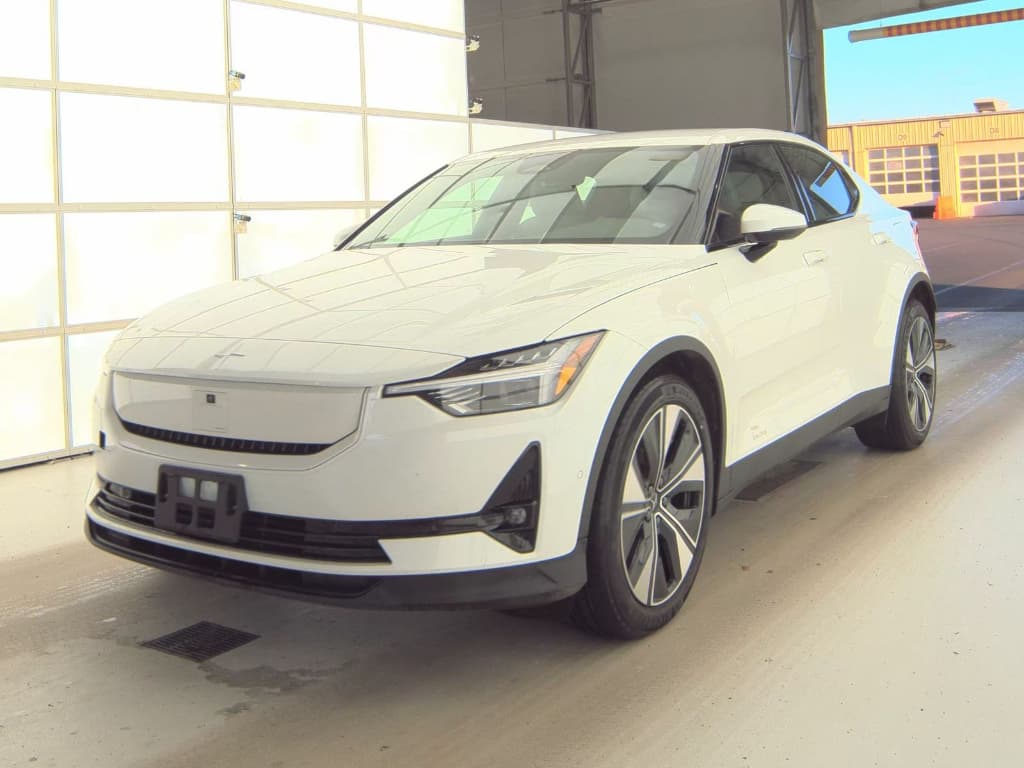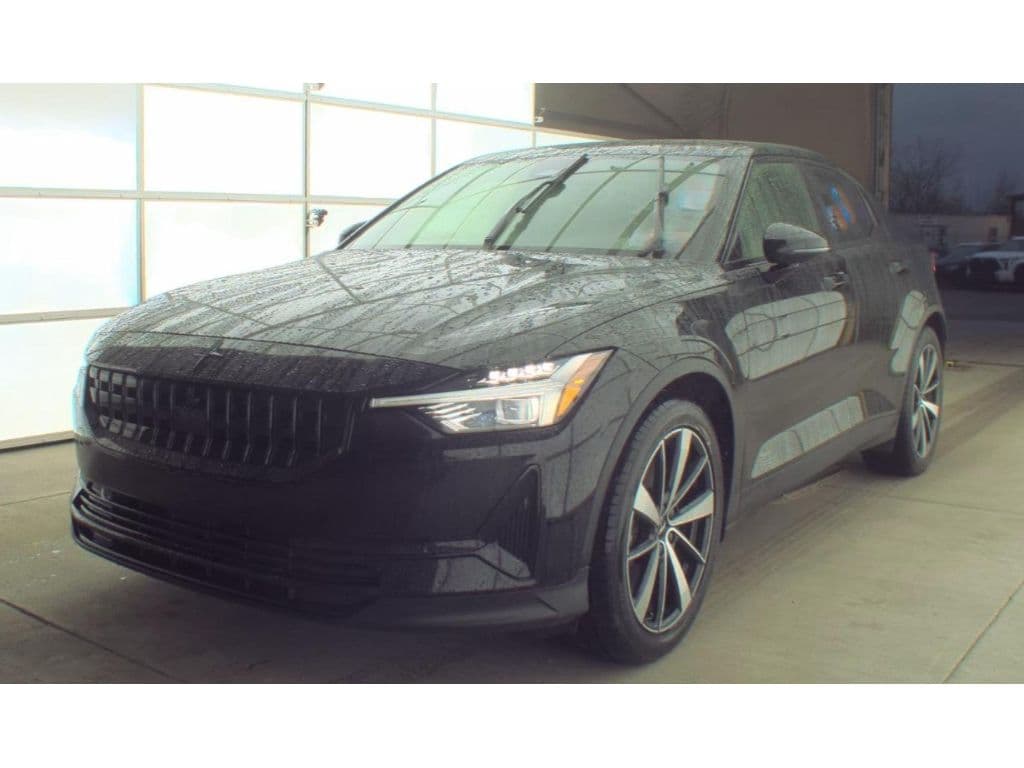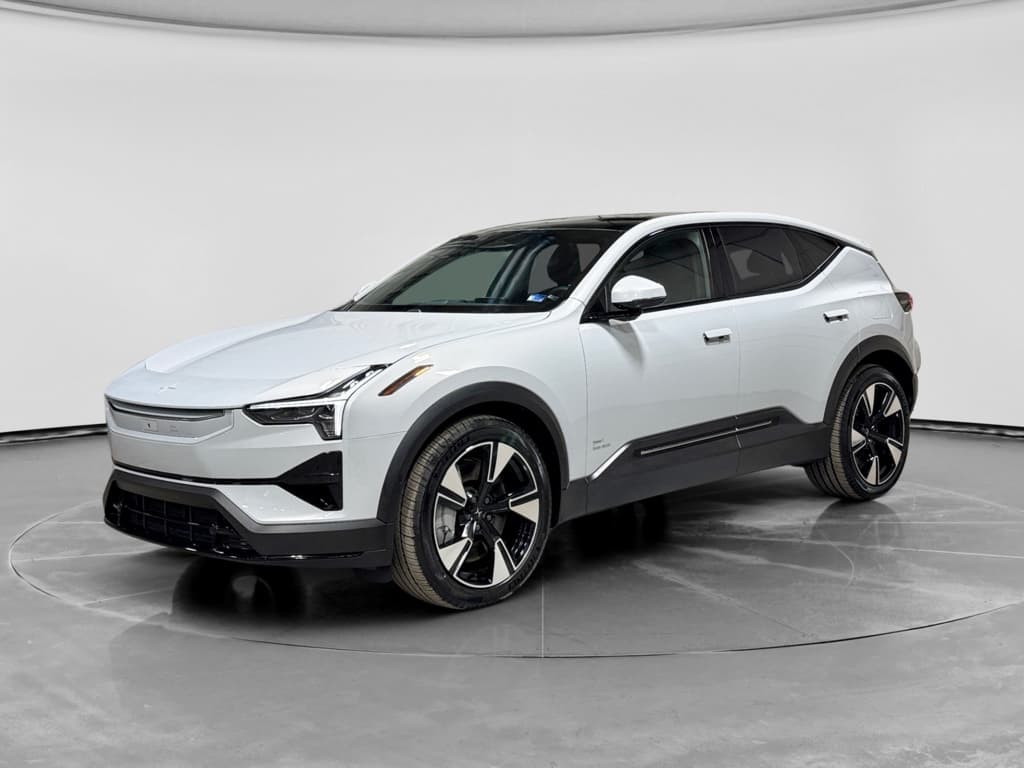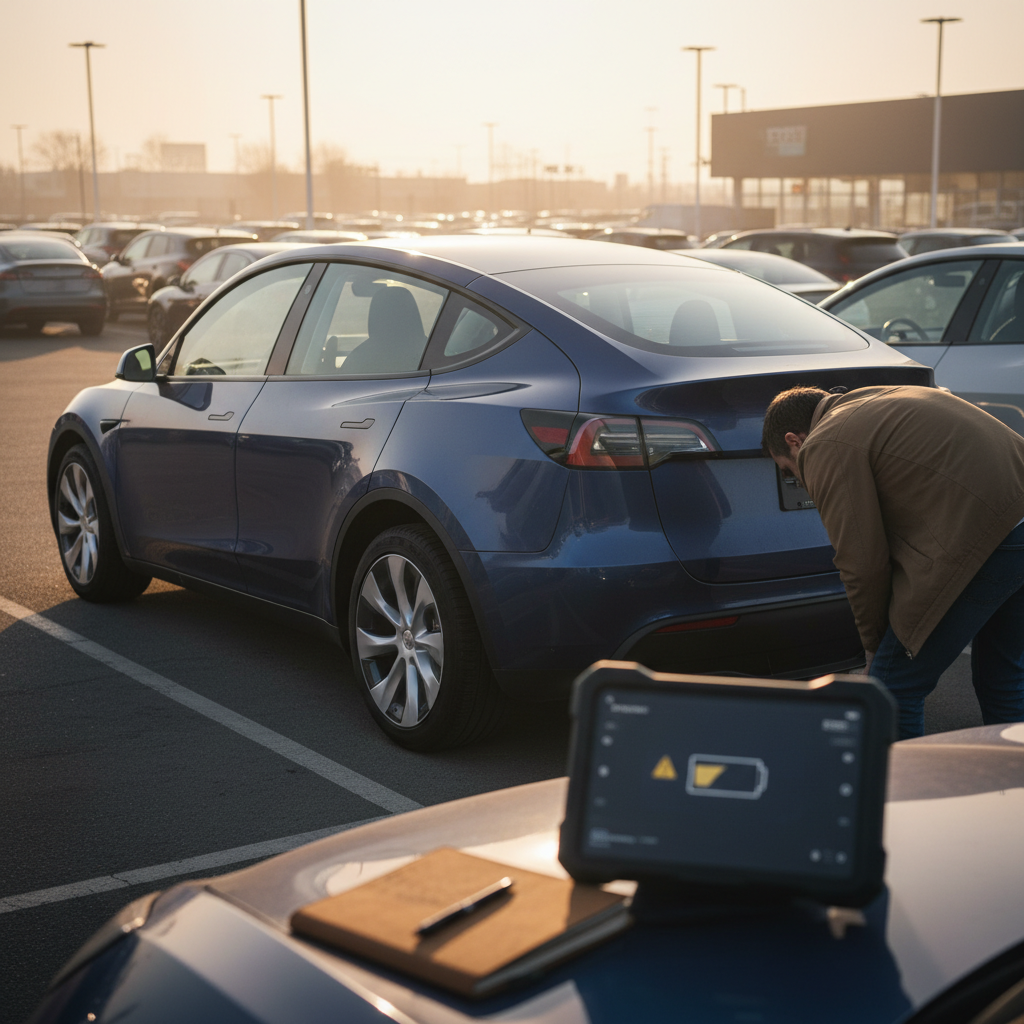
If you like Scandinavian design, strong performance and Google built‑in, the Polestar 2 is probably on your short list. This Polestar 2 buying checklist walks you step‑by‑step through what to look for, model years, motors, range, option packs, battery health, known issues and pricing, so you can shop with confidence, especially in the used market.
Quick note on the U.S. market
Overview: How to use this Polestar 2 buying checklist
- Work through each step in order if you’re early in the shopping process.
- Skip to the inspection and test‑drive sections if you’re about to look at a specific car.
- Pay extra attention to battery, charging and software checks, these matter more on an EV than on a gas car.
- If you’re buying used from a marketplace like Recharged, use this checklist alongside the vehicle’s battery health report and history.
Step 1: Define your ideal Polestar 2 (years, motors, range)
Before you look at specific cars, decide which model years and motor configuration fit your needs. That will narrow dozens of listings down to a manageable group and keep you from over‑ or under‑buying.
Polestar 2 motor choices at a glance
All use the same basic fastback body, but drivetrains and range differ by year.
Single motor
Best for: Efficiency and price.
- Earlier years: front‑wheel drive.
- 2024+ in the U.S.: rear‑wheel drive for better efficiency and feel.
- EPA range commonly in the high‑200s; 2024 single‑motor cars can stretch over 300 miles depending on spec.
Long range single motor
Best for: Maximum range.
- Larger usable battery pack than standard‑range versions.
- Later years push into the 300+ mile EPA range zone in favorable trims.
- Great choice if you road‑trip but don’t need all‑wheel drive.
Long range dual motor
Best for: Performance and all‑weather traction.
- All‑wheel drive with punchy acceleration, especially with the Performance Pack.
- EPA range typically lower than single‑motor equivalents because of extra power.
- Still comfortable daily drivers if you value power over maximum range.
Decide on range before you shop
Very high‑level Polestar 2 range snapshot by year (U.S.)
Exact range depends on wheels, tires and trim; use this as directional guidance when filtering listings.
| Model year | Typical configurations in U.S. | Approx. EPA range highlights* |
|---|---|---|
| 2021 | Dual motor AWD only | Around low‑200s miles; earlier battery and efficiency tuning |
| 2022 | Single + dual motor | Single‑motor around mid‑ to upper‑200s; dual‑motor around mid‑200s |
| 2023 | Single + dual + BST/Performance | Incremental gains; best single‑motor trims near ~270–280 miles |
| 2024 | Revised single/dual motors, higher charging speeds | Single‑motor trims can exceed 300 miles; dual‑motor around mid‑ to upper‑200s |
| 2025 | Primarily long‑range dual motor in U.S. | Range improves slightly versus prior dual‑motor years, but Polestar has since ended new U.S. production |
Later single‑motor cars gained meaningful range versus early dual‑motor‑only cars.
Don’t over‑fixate on the sticker range
Step 2: Understand trims and option packs
Polestar simplifies the Polestar 2 with packs rather than traditional trim levels. On a used car, knowing which packs you’re getting is critical; features that are inexpensive when new can be harder or impossible to add later.
Key Polestar 2 option packs to look for
What they add and why buyers care on the used market.
Plus Pack
- Comfort & premium features: panoramic glass roof, Harman Kardon audio, ambient lighting, power seats.
- Often includes improved cabin air filtration and upgraded interior materials.
- Makes the car feel much more upscale; highly desirable in used listings.
Pilot Pack
- Driver assistance: adaptive cruise control, lane centering, LED foglights, more active safety tech.
- Great for highway commuters or anyone who values semi‑automated driving.
Performance / BST Pack
- For enthusiasts: Ohlins dampers, Brembo brakes, unique wheels, extra power on certain years.
- Ride is firmer; check that you’re OK with the feel on rough pavement.
Climate Pack / Heat pump
- Weather‑focused: heat pump (on later years), heated rear seats, heated steering wheel, heated washer nozzles.
- A heat pump improves cold‑weather efficiency and range; it became more common in 2022+ and was re‑bundled for 2025 into a Climate Pack.
How to confirm packs on a used Polestar 2
Step 3: Range, battery and charging system checks
Battery health and charging performance are where EV due diligence really differs from gas‑car shopping. The Polestar 2 uses large high‑voltage packs (roughly mid‑60s to low‑80s kWh usable depending on year), and longevity has generally been good, but you still want data, not guesses.
Battery & charging checklist for a used Polestar 2
1. Review a battery health report
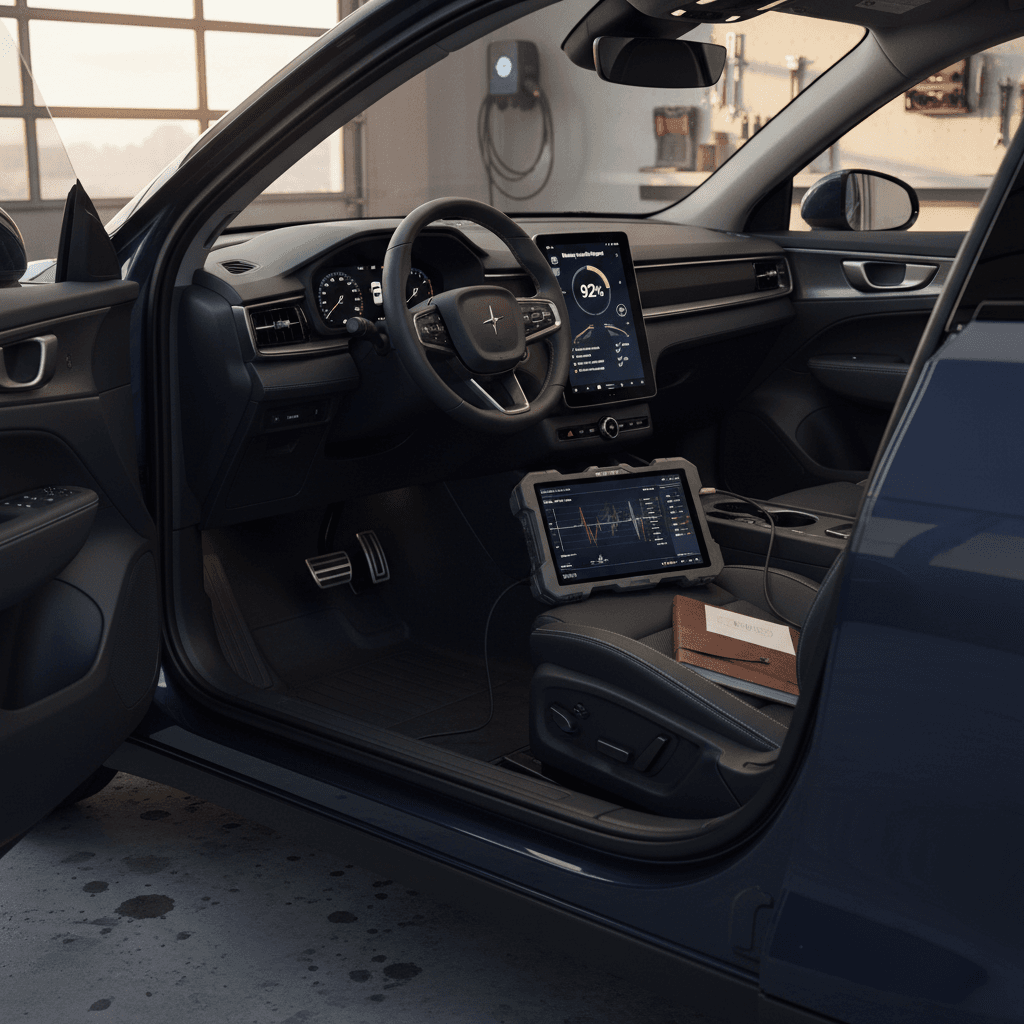
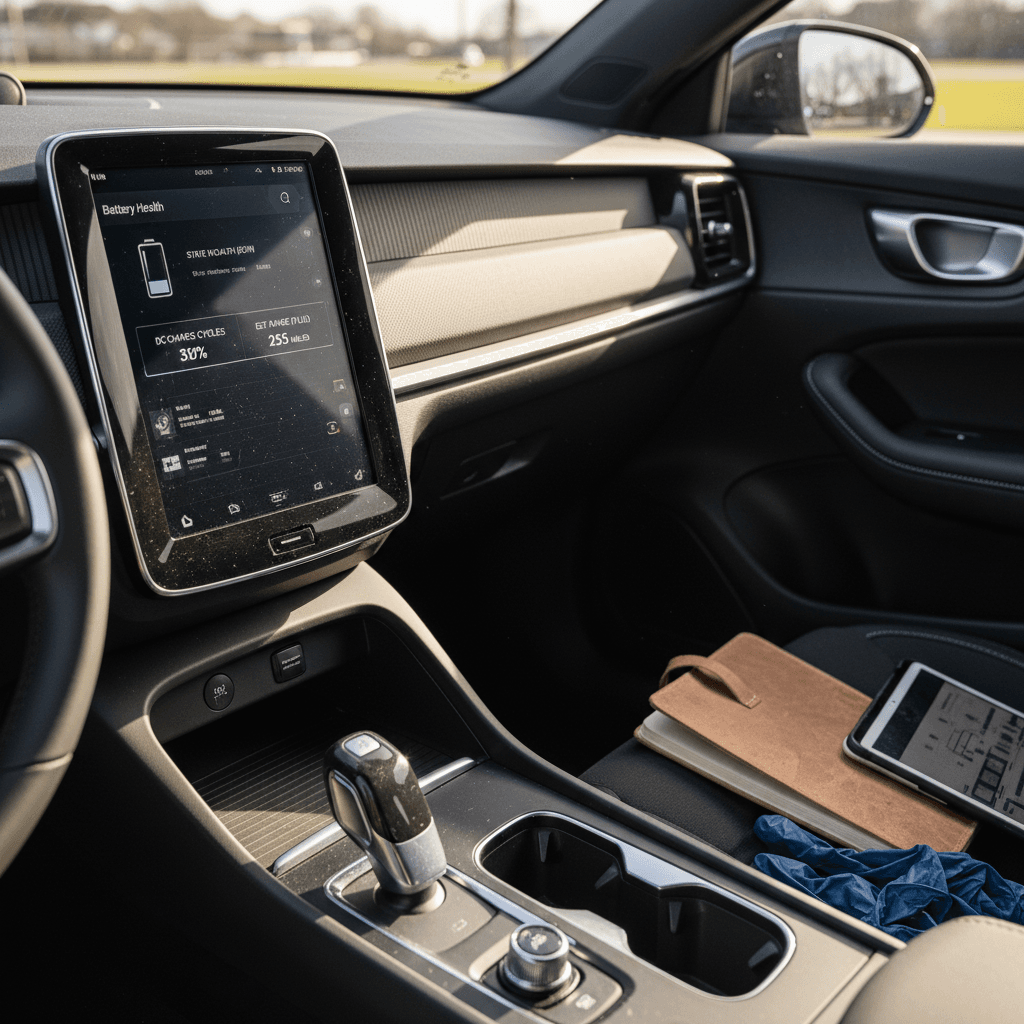
Ask for a recent battery health or capacity report, ideally from a dealer or third‑party diagnostic tool. You’re looking for signs of abnormal degradation versus similar‑age EVs, not a brand‑new 100% score.
2. Check DC fast‑charge history, if available
Heavy DC fast‑charging isn’t an automatic red flag, but a car that lived on fast chargers only may have slightly more wear. If the seller has logs or app screenshots, skim them for patterns.
3. Verify AC and DC charging behavior
If possible, plug into both a Level 2 (public or home) charger and a DC fast charger. Confirm the car wakes up, charges at a reasonable speed for its model year and doesn’t constantly drop or error out.
4. Ask about onboard charger repairs
Some owners have reported onboard charger failures that required replacement. Ask directly whether any high‑voltage charging components have been replaced and why.
5. Inspect the charge port and cable
Open the charge port and look for bent pins, corrosion or damage. On the test drive, listen for unusual noises from the rear while fast‑charging, which can signal cooling issues.
6. Confirm included charging equipment
Make sure the seller includes the original portable charging cable (if equipped), any adapters, and that they’re functional. Replacing EVSE gear isn’t cheap.
How Recharged handles battery health
Step 4: Common issues and recalls to review
No EV is trouble‑free, and the Polestar 2 is no exception. The car has improved with each model year, and many fixes arrive via over‑the‑air updates, but you still want to walk in with eyes open, especially if you’re hunting for an early 2021 car at a discount.
Where Polestar 2 owners most often report problems
You don’t need to run from every car that’s had a software glitch, most modern EVs have them. But you should confirm that recall work and critical software campaigns are up to date.
Checklist: Reliability, recalls and common‑issue screening
1. Run the VIN for open recalls
Use the NHTSA recall lookup tool or ask a Polestar/Volvo dealer to run the VIN. Confirm rear camera, high‑voltage contactor and inverter‑related recalls or campaigns are completed, where applicable.
2. Ask about TCAM or connectivity repairs
If the car has had telematics module (TCAM) replacements or shark‑fin antenna water‑leak repairs, that’s not necessarily a dealbreaker, just make sure the work was done at an authorized shop and the issues haven’t returned.
3. Probe for software stability
During your test drive, pay attention to the center screen. If it freezes, reboots or drops CarPlay/Android Auto repeatedly, note it. Occasional hiccups are one thing; repeatable glitches are leverage in negotiation or a reason to walk.
4. Listen for axle or suspension noises (dual motors)
Some owners of early dual‑motor cars mention rear‑axle and suspension squeaks. On your drive, listen for clunks or chirps over bumps or during tight turns.
5. Ask about HVAC performance and repairs
Ask the owner if the car has ever struggled to heat or cool consistently, or if the A/C compressor, fan or blend doors have been replaced.
6. Check 12‑volt battery age
The low‑voltage battery is a wear item. If it’s approaching three years old, budget for replacement, or ask if it’s already been done under warranty.
Don’t ignore persistent warning lights
Step 5: Physical inspection & road‑test checklist
Once you’re in front of the car, take 30–45 minutes to work through a structured inspection. The Polestar 2’s minimalist style hides panel gaps and scuffs well, so slow down and look closely.
Exterior & bodywork
- Panels & paint: Walk the car in good light, looking for mismatched paint, overspray or uneven gaps that can hint at prior bodywork.
- Glass & roof: Inspect the panoramic glass (if equipped) for chips, cracks or signs of poor sealing around the edges.
- Lights: Confirm all LEDs, DRLs, foglights and turn signals work. Replacing some lighting units can be pricey.
- Wheels & tires: Check for curb rash and bent wheels. Confirm tire brand, tread depth and that they match on each axle.
Interior & controls
- Seat wear: Look for bolster damage or sagging; heated and power seats should move smoothly and quietly.
- Water leaks: Feel carpets and check the trunk well for moisture, particularly around the rear hatch and under the glass roof edge.
- All switches: Try every window, mirror, lock, steering‑wheel button and stalk. On a software‑heavy EV, it’s easy to overlook basic hardware checks.
- Odors: Persistent damp or mildew smells can be a sign of hidden leaks or HVAC issues.
On‑road test checklist
1. Low‑speed maneuvering
In a parking lot, make tight turns while listening for clunks or binding from the axles and suspension. The steering should be smooth and quiet.
2. Braking feel
Regenerative and friction braking should blend smoothly. Pulsation, squealing or unpredictable pedal travel deserves further inspection.
3. Highway stability and noise
On a freeway, the car should track straight, with no unusual vibrations through the wheel or seat. Listen for wind whistles around mirrors or the roof.
4. One‑pedal driving
Many Polestar 2 drivers use strong regenerative braking for one‑pedal feel. Make sure the modes work as expected and that lift‑off behavior feels consistent.
5. Driver‑assist behavior (Pilot Pack cars)
Safely test adaptive cruise and lane centering. The system should engage predictably, hold lane markings smoothly and not ping‑pong within the lane.
6. Heat, A/C and heated features
Test all HVAC modes, including rapid defog/defrost. If equipped, verify heated front and rear seats, heated wheel and heated washer nozzles.
Step 6: Software, connectivity and infotainment
The Polestar 2 runs Android Automotive OS with Google Maps, Assistant and the Play Store deeply integrated. That’s a major selling point, but it’s also where many owners report hiccups, from TCAM dropouts to app bugs.
Digital systems checklist
1. Confirm over‑the‑air update status
In the settings menu, check the software version and last update date. Ask the seller if they’ve been installing updates promptly; long gaps can mean missed fixes.
2. Test Google Maps and voice commands
Plot a route, use live traffic and ask Google Assistant for directions, music and climate adjustments. Responses should be quick and consistent.
3. Evaluate CarPlay or Android Auto
If you rely on your phone ecosystem, plug in or connect wirelessly to ensure stable projection. Drops or glitches here are annoying in daily use.
4. Check Polestar app connectivity
Pair your phone if the seller allows. Test remote lock/unlock, pre‑conditioning and charge‑status updates. Frequent “vehicle offline” messages can point to TCAM issues.
5. Validate Phone‑as‑Key (PAK), if equipped
Some owners report PAK failures that stranded them. Try locking/unlocking and driving solely with the phone credential to confirm it behaves reliably.
6. Camera system and parking aids
Engage reverse and verify rear and surround‑view cameras come up instantly with a clear image. Any “camera unavailable” messages should be resolved by recall software before you buy.
Step 7: Warranty, service history and total costs
Polestar backs the Polestar 2 with an 8‑year/100,000‑mile high‑voltage battery warranty in the U.S., plus a separate basic warranty that varies by model year. On a used car, it’s your job to confirm what’s left and what’s been done.
Paperwork and cost items to verify
These documents say more about a used Polestar 2 than a glossy ad ever will.
Service & repair history
- Ask for all service invoices or a digital history printout.
- Look for regular maintenance, tire rotations, brake fluid service, cabin filters.
- Note repeat visits for the same software, axle or HVAC issues.
Warranty status
- Confirm in‑service date to calculate remaining basic and battery warranty.
- Ask a Polestar/Volvo dealer to verify in their system if possible.
- Clarify which work (if any) was done under warranty vs. paid out of pocket.
Total ownership costs
- Insurance quotes: the Polestar 2 may rate differently than mainstream brands.
- Home charging: budget for a Level 2 charger install if you don’t have one.
- Tires: performance and 20‑inch tires can be expensive; check life remaining.
How Recharged simplifies the paperwork
Ready to find your next EV?
Browse VehiclesStep 8: Pricing & shopping strategy for a used Polestar 2
With new U.S. production of the Polestar 2 winding down, the used market is where most shoppers will land. That can work in your favor: there’s a growing supply of off‑lease cars and early adopters trading into newer EVs, but pricing still varies widely by pack, year and mileage.
Factors that move Polestar 2 prices
- Model year & battery size: Later cars with improved range and faster DC charging command a premium.
- Motor configuration: Dual‑motor and Performance Pack cars usually cost more than base single‑motor cars with similar miles.
- Option packs: Plus and Pilot Packs add meaningful value; Climate/heat‑pump equipment matters more in colder regions.
- Mileage & condition: As with any used car, lower miles and clean, documented histories sell faster and closer to asking price.
Smart shopping moves
- Compare across markets: Cross‑shop a few regions online; Polestar 2 volumes are thin compared to Teslas, so widen your search.
- Look past the paint color: Packages and battery health matter more than a specific shade of gray in the long run.
- Use data to negotiate: If a car lacks Plus/Pilot or shows more cosmetic wear than others, use that to push for a better price.
- Factor in incentives: State or utility EV incentives for used purchases may improve the deal; check local programs.
Leverage nationwide marketplaces
Frequently asked Polestar 2 buying questions
Polestar 2 buying FAQ
Wrap-up: Using Recharged for your Polestar 2 search
The Polestar 2 is a compelling alternative to the usual EV suspects, distinct design, serious performance and a software‑forward cockpit. It’s also an EV that rewards careful shopping: model‑year tweaks, option packs, recall history and software updates all matter more here than on a typical gasoline compact.
Use this Polestar 2 buying checklist as your roadmap: lock in the right motor and range, verify option packs, scrutinize battery and charging health, check recalls and known issues, then work through a disciplined inspection and road test. If you’d rather skip piecing that together on your own, Recharged can help you compare used Polestar 2 listings with verified battery diagnostics, a Recharged Score Report, EV‑savvy guidance and nationwide delivery, so you end up with the right car, not just the closest one.