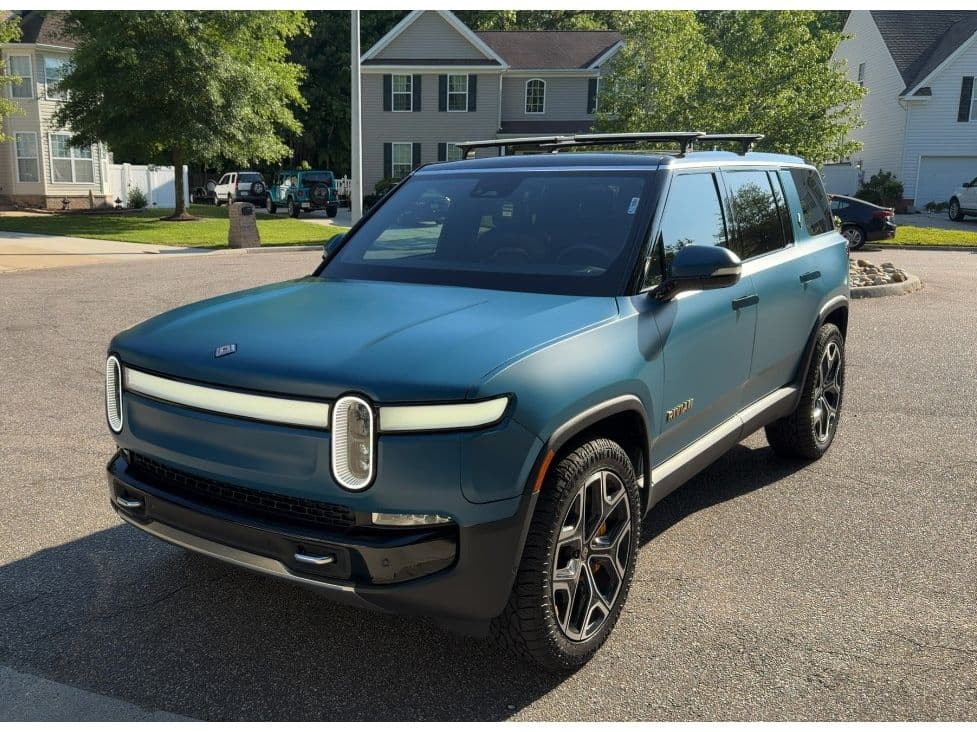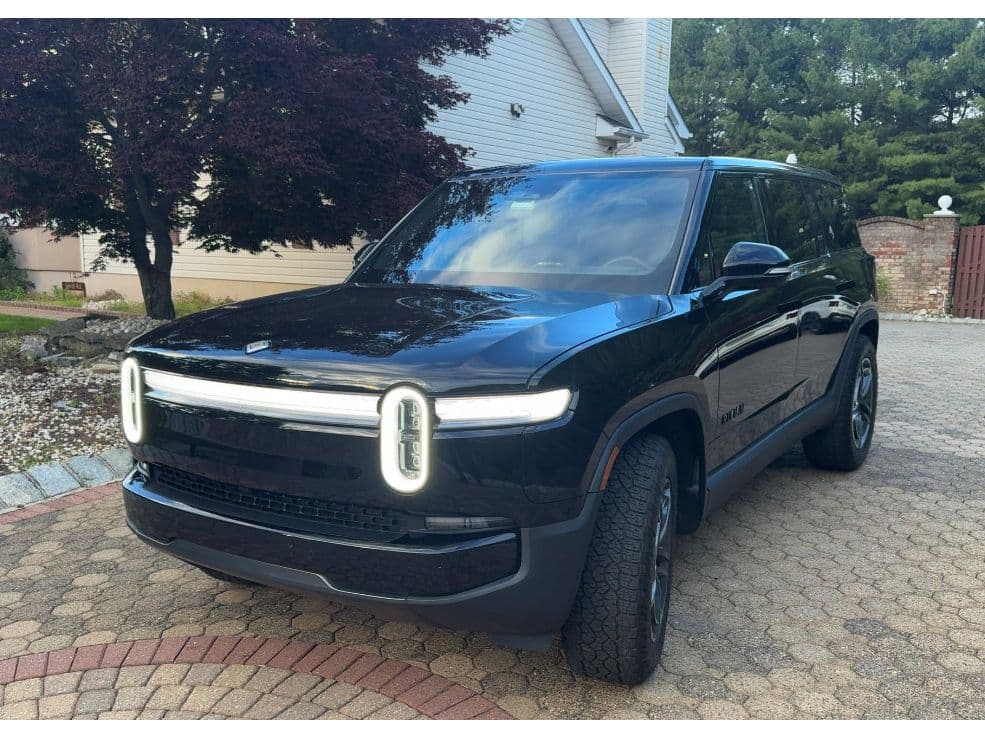
The Rivian R1S maintenance schedule looks almost suspiciously light compared with a gasoline SUV. No oil changes, no spark plugs, no timing belts. But “low maintenance” doesn’t mean “no maintenance,” and if you’re buying or already driving an R1S, you should know exactly what Rivian expects you to service and when, especially if you’re eyeing a used R1S and want to budget realistically.
Quick R1S maintenance snapshot
Rivian R1S maintenance overview
Rivian designed the R1 platform to be relatively hands‑off. Compared with an equivalent luxury gas SUV, you replace far fewer fluids and filters. The flip side is that the R1S is heavy, powerful, and complex; when something does need attention, you want to catch it early so it doesn’t become an expensive drama at a far‑away service center.
How R1S maintenance differs from a gas SUV
Fewer fluids, but new EV‑specific realities
No engine maintenance
- No oil changes, spark plugs, belts, or exhaust system.
- Electric drive units are largely sealed for life, with one long‑interval fluid change.
High weight, high wear
- R1S is heavy; tires and suspension work harder.
- Expect shorter tire life than a typical crossover.
Software is part of maintenance
- Over‑the‑air updates fix bugs and add features.
- Some “service visits” are solved remotely through diagnostics.
Think of maintenance as risk management
Official Rivian R1S maintenance schedule
Rivian’s published schedule for R1 vehicles (R1S and R1T) is intentionally simple. Here are the core factory intervals you should plan around. These apply across model years unless Rivian updates guidance in the app or owner’s documentation.
Core Rivian R1S maintenance intervals
Factory‑recommended service intervals for major R1S items.
| Item | Interval | Notes |
|---|---|---|
| Tire rotation + multi‑point inspection | Every 7,500 miles (12,000 km) | Includes visual checks of brakes, suspension, underbody, and fluids. |
| Comprehensive inspection | 22,500 miles (36,000 km) | Deeper inspection bundled with the 22.5K rotation. |
| Brake fluid flush | Every 3 years | Time‑based, not mileage‑based. |
| Coolant change | 112,500 miles (180,000 km) | High‑voltage battery and drive system coolant. |
| Drive unit fluid change (Quad‑Motor, MY 2022–2024) | 112,500 miles (180,000 km) | Not typically required on newer dual‑motor R1S. |
| Cabin air filter | About every 2 years (typical) | Rivian has historically advised 2‑year intervals; more often in dusty climates. |
Always confirm intervals in your Rivian app or owner’s guide for your specific build and software version.
Always double‑check in your R1S
Maintenance timeline: 0 to 120,000+ miles
Let’s translate the schedule into a real‑world ownership timeline. This assumes you drive around 12,000–15,000 miles per year. If you drive more or less, stretch or compress the years, not the mileage.
0–7,500 miles: Shake‑down period
- Get familiar with the truck, software updates, and any early build issues.
- Keep an eye on panel gaps, seals, and noises so you can bundle fixes.
- At ~7,500 miles: schedule tire rotation + multi‑point inspection through the app or use a trusted tire shop for rotation only.
Many owners skip the first Rivian inspection to save money and just rotate tires locally. The tradeoff is you lose an early factory look‑over.
7,500–22,500 miles: Establish a rhythm
- Rotate tires every 7,500 miles (7,500; 15,000; 22,500).
- At 22,500 miles, Rivian bundles in a comprehensive inspection.
- Start thinking about your first set of tires if you run soft‑compound 21" or 22" rubber and drive hard.
This is also when small squeaks or wind noise should be addressed before they become chronic annoyances.
22,500–60,000 miles: Mid‑life, big tires
- Keep up 7,500‑mile rotations. The R1S is heavy; this matters.
- Plan on at least one full set of tires, possibly two if you tow or off‑road.
- Brake fluid will come due at the 3‑year mark, often around 36,000–45,000 miles.
Thanks to strong regen, actual pad and rotor wear is usually modest, unless you tow, drive in mountains, or live where salt attacks brakes.
60,000–120,000+ miles: Long‑term durability
- Regular rotations and inspections continue every 7,500 miles.
- Expect at least your second full set of tires, possibly third for high‑milers.
- At ~112,500 miles, plan for coolant service and, if applicable, drive unit fluid on early quad‑motor trucks.
If you’re shopping a used R1S at this mileage, documentation for coolant and drive‑unit service becomes a serious value lever.
Brakes, tires & suspension: what really wears out
Ask any long‑term R1S owner what they actually spend money on, and the answer is simple: tires, glass, and occasionally suspension or alignment. The brake pads live a relatively easy life, but the tires and unsprung bits are hauling around a 7,000‑pound brick with a launch mode.
Real‑world wear items on the R1S
Tire strategy for R1S owners
Rivian’s staggered, big‑wheel setups look fantastic in the design studio, but they’re less charming when you’re buying your third set of 22‑inch all‑terrains. A disciplined 7,500‑mile rotation schedule is the cheapest insurance you can buy. If you’re cross‑shopping trims or wheel options, know that 20‑inch wheel packages tend to ride better and last longer than the lower‑profile 22s.
Consider a second wheel + tire set
Brakes and calipers
Because regeneration does most of the slowing, the physical brakes on an R1S can live an almost semi‑retired life. That’s good for pad and rotor replacement intervals, but it means the hardware can sit, collect rust, and stick, especially in salty climates. Early Rivian guidance suggested cleaning and lubricating calipers around every 15,000 miles, or more often if you drive in heavy snow and salt. Even if that’s not called out in the app, it’s a smart conversation to have with your service advisor.
Don’t ignore brake feel changes
Software, recalls & remote diagnostics
With the R1S, part of your “maintenance schedule” happens over the air. Rivian regularly ships software updates that tweak range, user interface, driver‑assist behavior, and bug fixes. Many issues that would have been a dealer visit in the old world can now be evaluated, or even fixed, remotely.
- The Rivian app is your first stop for most non‑emergency issues; you describe the symptom, attach photos or video, and request service.
- Rivian can run remote diagnostics on your R1S before anyone touches a wrench, often pre‑ordering parts and shortening shop time.
- Some technical service bulletins and minor recalls are bundled into scheduled visits like the 7,500‑mile or 22,500‑mile services.
Good habit: stay current on updates
Service experience: mobile vs service centers
The R1S maintenance schedule is simple; the service experience is more complicated. Rivian is still building out its network, and owner stories range from “mobile tech at my house in 10 days” to “months‑long wait for a basic alignment.” Understanding your options helps you plan.
Where can you service a Rivian R1S?
Three main paths, depending on the job
Rivian mobile service
- Handles many 7,500‑mile inspections, minor fixes, squeaks and rattles.
- Convenient if you’re within coverage; schedule via the app.
Rivian service centers
- For alignments, suspension work, major electronics, HV system concerns.
- Expect lead times from weeks to months in some markets.
Certified body & tire shops
- Collision repair, glass, tire replacements, some bolt‑on work.
- Always confirm with Rivian before non‑certified third‑party mechanical work.