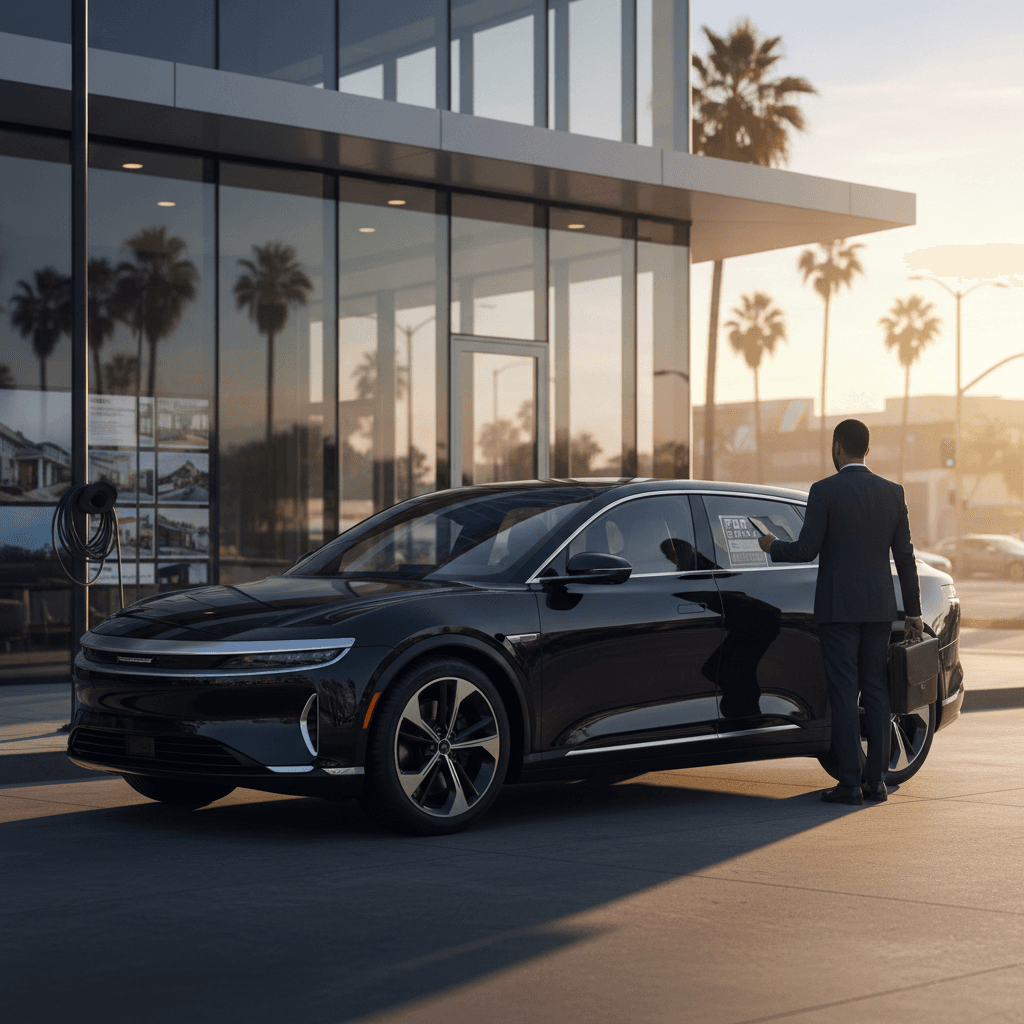
If you sell homes for a living, your car is more than transportation, it’s your mobile office, rolling billboard, and sometimes your client’s first impression of how you do business. The **best electric cars for real estate agents** combine low running costs with comfort, cargo space, and the right image for your brand.
Who this guide is for
Why real estate agents are moving to EVs
Lower operating costs
Most agents rack up serious mileage. Electricity is typically cheaper per mile than gas, and EVs have fewer moving parts and no oil changes. Over a 3–5 year ownership period, that can translate into **thousands of dollars saved** you can reinvest in marketing or tech.
Client perception and branding
Pulling up to a listing in a quiet, modern EV signals that you’re forward‑thinking and financially savvy. For eco‑conscious or tech‑minded buyers, that’s an instant rapport builder, and a subtle way to differentiate yourself from the next agent in a crossover with a loud cold start.
Tax and write‑off potential
What real estate agents actually need from an EV
Core EV requirements for real estate work
Think beyond range numbers and focus on how you actually use your car.
Real‑world range
If you do 60–150 miles of mixed driving on a busy day, aim for an EPA-rated 250+ miles of range to leave buffer for weather, detours, and errands.
Comfortable cabin
Wide, supportive seats, quiet ride, and an easy‑to‑use infotainment system matter when you’re on the road all day and your car doubles as your office.
Flexible cargo space
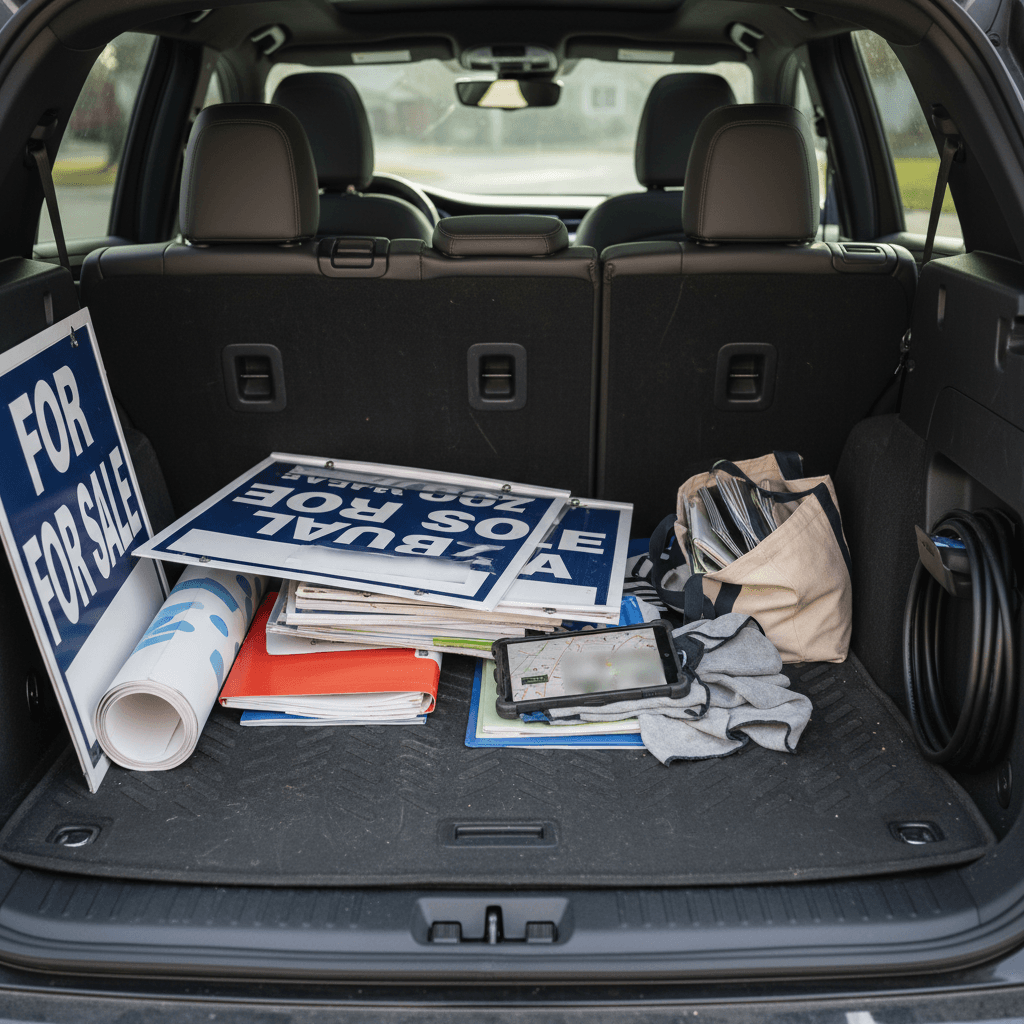
Look for a hatchback or SUV body with split‑fold rear seats, flat load floor, and smart storage for yard signs, lockboxes, riders, and staging props.
Tech & connectivity
Wireless Apple CarPlay/Android Auto, multiple USB‑C ports, and decent voice control reduce distraction and make time between showings productive.
Safety & driver assists
Automatic emergency braking, blind‑spot monitoring, and adaptive cruise are not luxuries when you’re answering calls and navigating unfamiliar neighborhoods.
Charging fit
Match the car’s charging speed to your situation, home Level 2, office charging, or heavy reliance on public DC fast charging if you’re a road‑warrior across a large metro.
Rank your top three must‑haves
Quick picks: best electric cars for real estate agents
Best EVs for real estate agents by use case
These are stand‑out options in 2025–2026 for working agents in the U.S. Exact availability and incentives vary by region.
| Use case | Model | Body style | Est. EPA range (mi) | Cargo practicality | Why it works for agents |
|---|---|---|---|---|---|
| Best overall | Tesla Model Y | Compact SUV | ≈ 260–310 | Excellent | Big hatch, strong range, access to Tesla Supercharger network in many areas. |
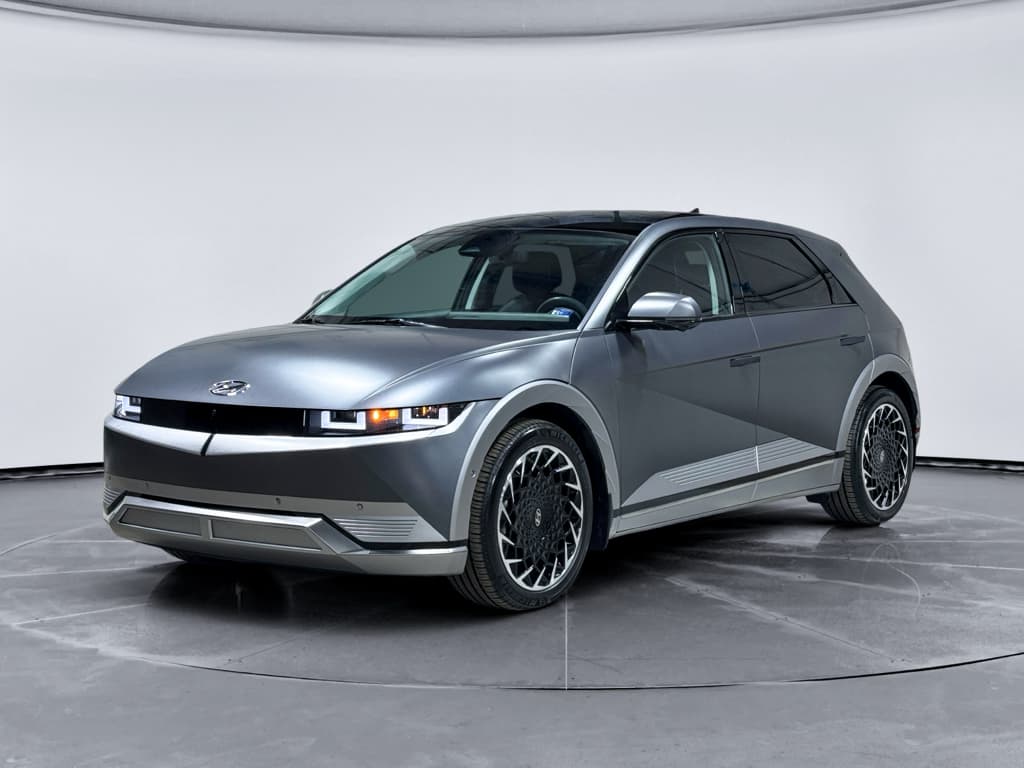
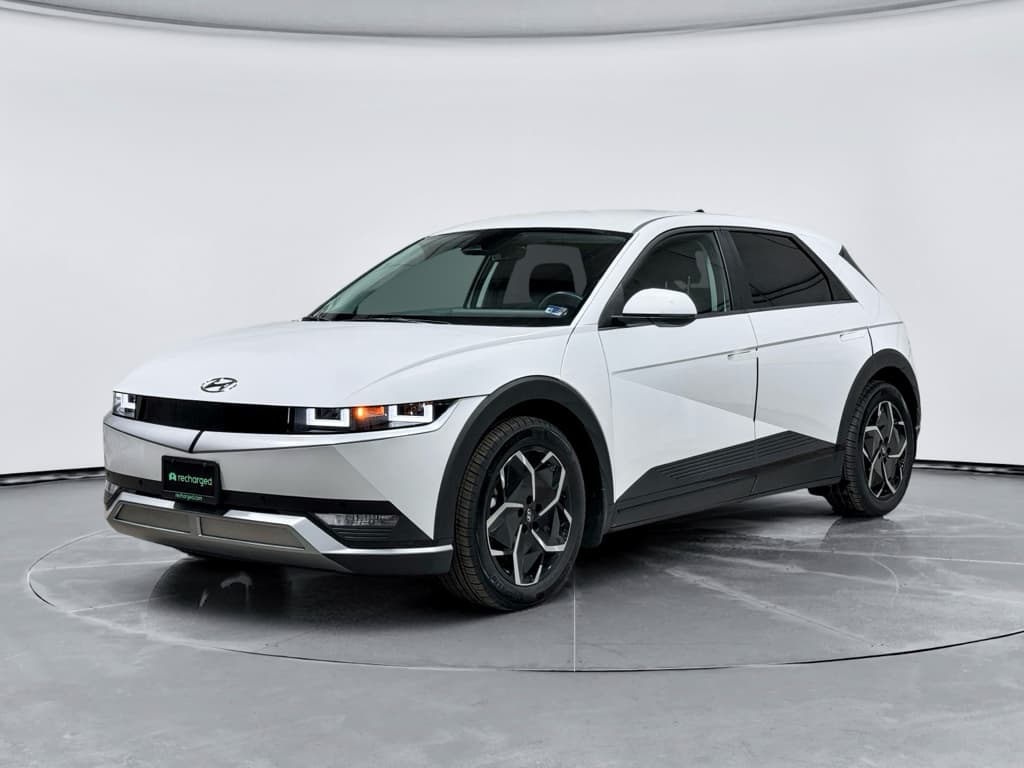
| Comfort & style | Hyundai Ioniq 5 | Compact SUV | ≈ 220–320 | Very good | Spacious, lounge‑like interior with great tech and easy‑to‑use controls. |
| Three‑row / team car | Kia EV9 | 3‑row SUV | ≈ 230–300 | Outstanding | Room for family or team, impressive space for signs and staging items. |
| Budget city/suburbs | Chevrolet Bolt EUV (used) | Subcompact SUV | ≈ 240 | Good | Affordable to buy used, great for dense urban or close‑in suburban routes. |
| Premium impression | Mercedes‑Benz EQE SUV, BMW iX, similar | Luxury SUV | ≈ 240–300+ | Very good | Upscale image for high‑end listings, quiet cabins, strong tech suites. |
Always verify final specs and rebates for the model year you’re shopping.
About range numbers
Tesla Model Y: the all-around champion for agents
If you asked a room full of EV‑savvy real estate agents what they drive, a significant share would say **Tesla Model Y**. There’s a reason: it blends range, cargo space, and access to the huge Tesla fast‑charging network in a way that still sets the benchmark for compact electric SUVs.
- **Range & efficiency:** Depending on trim and wheels, many Model Y variants land in the **260–310 mile** EPA‑rated range band, plenty for a heavy day of showings with a cushion for last‑minute add‑ons.
- **Cargo space:** Seats up, the Model Y offers roughly **30 cubic feet** of usable cargo behind the second row, expanding to more than **70 cubic feet** with the seats folded, plus a useful front trunk. That’s on par with or better than many gas compact SUVs.
- **Charging:** Tesla’s Supercharger network still sets the standard for reliability and coverage in much of the U.S., and more non‑Tesla EVs are gaining access, but if you’re in a Tesla today, it’s plug‑and‑go almost anywhere you prospect.
- **Tech & perception:** The minimalist interior and big central screen feel modern to most clients. Autopilot‑style driver assists are particularly helpful on highway stretches between far‑flung listings.
Where a Model Y may not fit your life
Hyundai Ioniq 5: a comfortable mobile office
The **Hyundai Ioniq 5** is a favorite among reviewers for a reason: it combines a smooth ride, airy interior, and straightforward controls that make it an easy car to live in for hours at a time. For agents who spend as much time parked and on calls as they do in motion, that matters.
Why the Ioniq 5 works so well for real estate agents
Strengths and a couple of watch‑outs to consider.
Big, flexible interior
The long wheelbase delivers rear‑seat space that rivals some midsize SUVs. Clients in the back get plenty of legroom, and the adjustable center console helps you treat the front seats like a rolling office.
Friendly tech
Clear dual screens, physical buttons for core climate functions, and widely available Apple CarPlay/Android Auto make it less intimidating than some all‑touch rivals.
Strong charging performance
On an 800‑volt DC fast‑charger, the Ioniq 5 can add a significant chunk of range in well under 30 minutes, handy between showings if you roam a wide metro area.
Things to note
Cargo space is good but not best‑in‑class, and the front trunk is more symbolic than truly useful. If you routinely haul big staging pieces or lots of signage, you’ll want to test‑pack one first.
Kia EV9: for team leaders and family haulers
If you’re a team leader who shuttles multiple agents, runs big open houses, or juggles family duty between showings, the **Kia EV9** is worth a close look. It’s a three‑row electric SUV with the kind of interior space and presence that used to be the exclusive territory of large gas SUVs.
Kia EV9 highlights for working pros
Overbuying is easy here
Budget picks: Chevrolet Bolt EUV and similar compacts
Not every agent needs, or wants to pay for, a big SUV. If most of your work is in dense city neighborhoods or close‑in suburbs, a smaller EV like a **Chevrolet Bolt EUV** can be a smart business decision, especially purchased used.
Why a used Bolt EUV can be a smart buy
1. Low entry price
Early‑ and mid‑cycle Bolt EUVs often sell for well under many new gas crossovers, even before you factor in potential tax credits on qualifying used EVs.
2. Great for city routing
Tight streets, parallel parking, and older driveways are much easier in a compact EV. You still get roughly 240 miles of rated range, which is plenty for most urban days.
3. Cargo is small but useful
You won’t fit a whole staging warehouse in back, but you can haul open house signs, lockboxes, brochures, and a couple of storage cubes without drama.
4. Ideal second business vehicle
For teams, a compact EV can serve as the ‘runner’ car for sign installs, photos, and errands while another agent drives the primary client vehicle.
Think in routes, not radius
Luxury and image builders for premium listings
If your bread‑and‑butter is high‑end condos, luxury homes, or relocation clients who expect a white‑glove experience, the car you arrive in becomes part of your brand. In that world, an EV like a **Mercedes‑Benz EQE SUV, BMW iX, Audi Q8 e‑tron, or Lucid Air** can be as much a marketing asset as a transportation choice.
Pros for luxury‑focused agents
- First impression: A quiet, well‑finished cabin with soft leather and ambient lighting sets a tone before you’ve said a word.
- Client comfort: Better seat padding, noise isolation, and ride quality make long tour days less tiring for everyone.
- Features: High‑end audio, panoramic roofs, and rear‑seat amenities can make clients feel like they’re getting the VIP tour.
Considerations before you splurge
- Higher purchase price and insurance; depreciation can be steep, especially on new luxury EVs.
- Some models prioritize style over cargo, so verify that your signs and staging bins fit easily.
- More tech can mean a steeper learning curve; you and your clients shouldn’t be wrestling with the interface during showings.
New vs. used EVs for real estate agents
Because your car is a business tool, it has to be reliable. But that doesn’t mean you have to buy new. In fact, **used EVs** can make a lot of sense for agents who want to keep overhead low while still driving something modern and impressive.
New vs. used EVs: what matters for working agents
Think in terms of risk, cash flow, and the image you want to project.
Why buy new
Full factory warranty, latest range and tech, and potential federal/state incentives on qualifying new EVs. Easier if you want to lease through a business entity.
Why buy used
Let someone else take the steepest depreciation hit. You can often get a better‑equipped EV for the same payment as a modest new gas vehicle.
The battery question
Battery health is the big variable on used EVs. Range loss over time is real, but it varies by model and use. You want data, not guesses.
How Recharged can help on the used side
Ready to find your next EV?
Browse VehiclesHow to test-drive an EV like a working agent
Most buyers take a 10‑minute loop around the block and call it a test drive. That’s not enough for someone whose income depends on their car. When you’re evaluating the best electric cars for real estate work, treat the test drive like a dry‑run workday.
Agent-style EV test drive checklist
1. Simulate a tour day
Ask for an extended test drive and run an actual route of showings or preview stops. Pay attention to real‑world energy use, not just the percentage drop on the dash.
2. Pack your actual gear
Bring A‑frame signs, riders, lockboxes, brochures, and anything else you routinely carry. Load and unload it. Check whether you can reach items easily in work clothes and shoes.
3. Work from the car for 20–30 minutes
Sit in the driver’s seat with the car in Park and handle follow‑up calls and emails. Are the seats still comfortable? Is the screen easy on the eyes? Are there enough charging ports?
4. Try tight driveways and street parking
Practice pulling into narrow driveways, alleys, or busy curbside spaces similar to your territory. Good visibility and intuitive cameras reduce stress when you’re juggling clients and traffic.
5. Test driver assists in realistic ways
On a safe stretch of highway, try adaptive cruise and lane‑keeping. These features can reduce fatigue on days when you’re bouncing between distant suburbs.
6. Evaluate noise and ride quality
EVs are quiet by nature, but some ride more harshly than others. A smoother, quieter car makes a long day of calls and conversations less draining.
Frequently asked questions for real estate agents buying EVs
Real estate EV buying FAQ
Bottom line: choosing the right EV for your real estate business
The **best electric cars for real estate agents** aren’t just the ones with the biggest batteries or fanciest tech. They’re the EVs that match your territory, your clientele, and your daily routines. For many agents, a Tesla Model Y or Hyundai Ioniq 5 hits the sweet spot of range, comfort, and cargo space. Team leaders and big families may justify a Kia EV9 or similar three‑row SUV, while budget‑minded pros can do excellent work from the driver’s seat of a used Chevrolet Bolt EUV.
Take the time to map your routes, calculate your real mileage, and test‑drive like you’re on a real tour day. And if you’re leaning toward a used EV, consider working with a specialist like Recharged, where every vehicle comes with verified battery health, fair market pricing, and EV‑savvy support from first search to nationwide delivery. Choose well, and your next car won’t just get you to closings, it will help you win them.