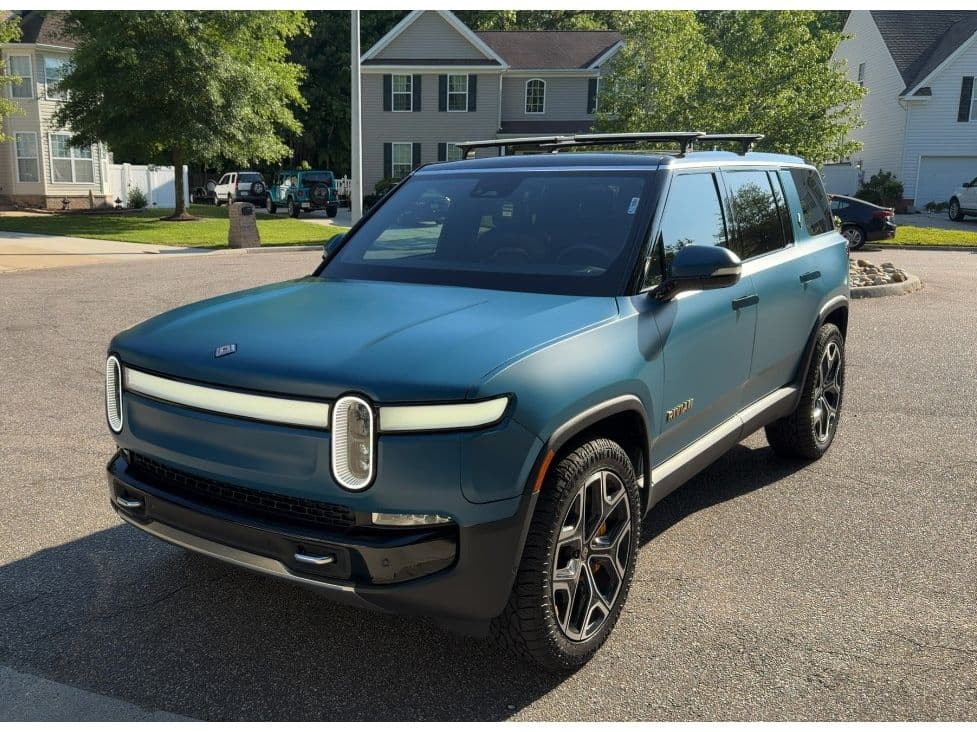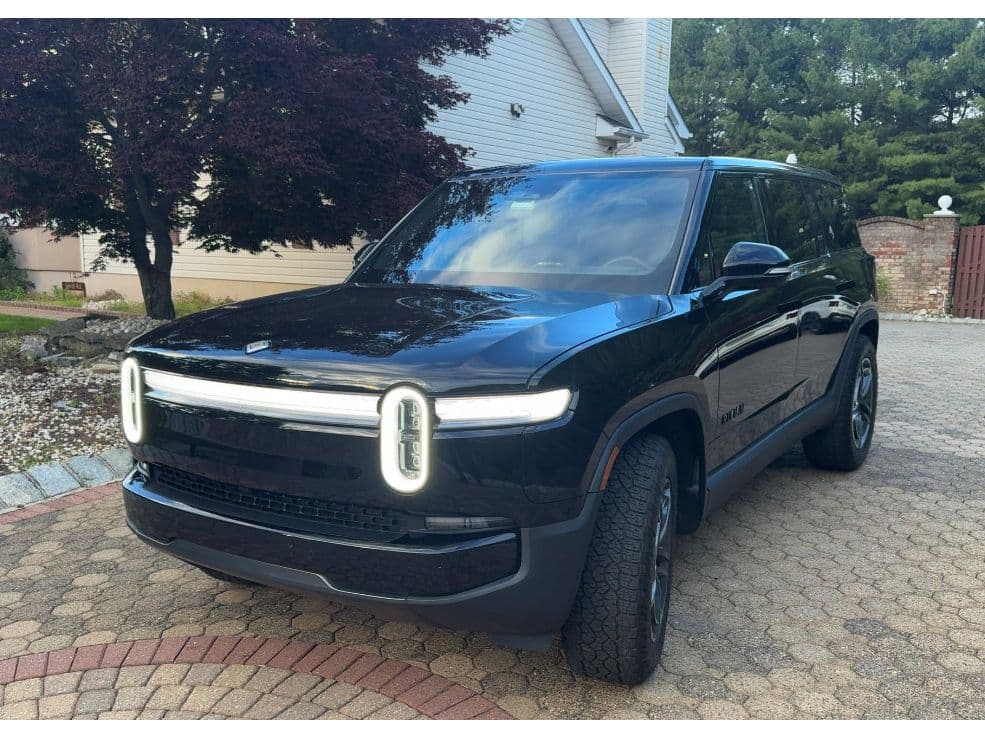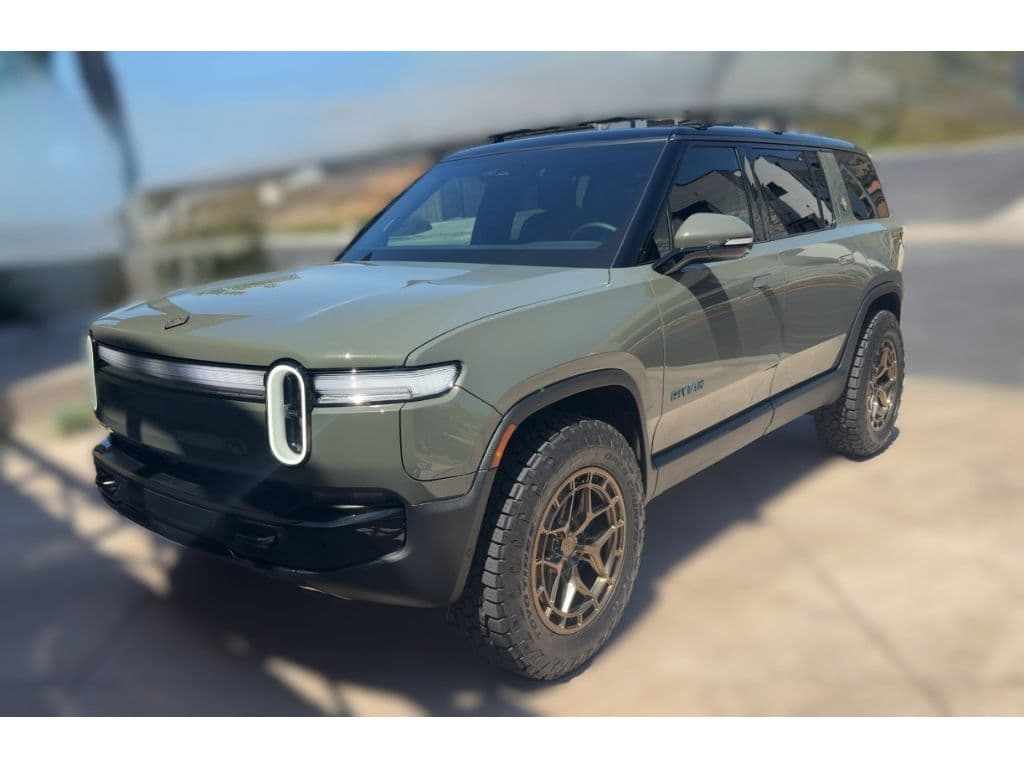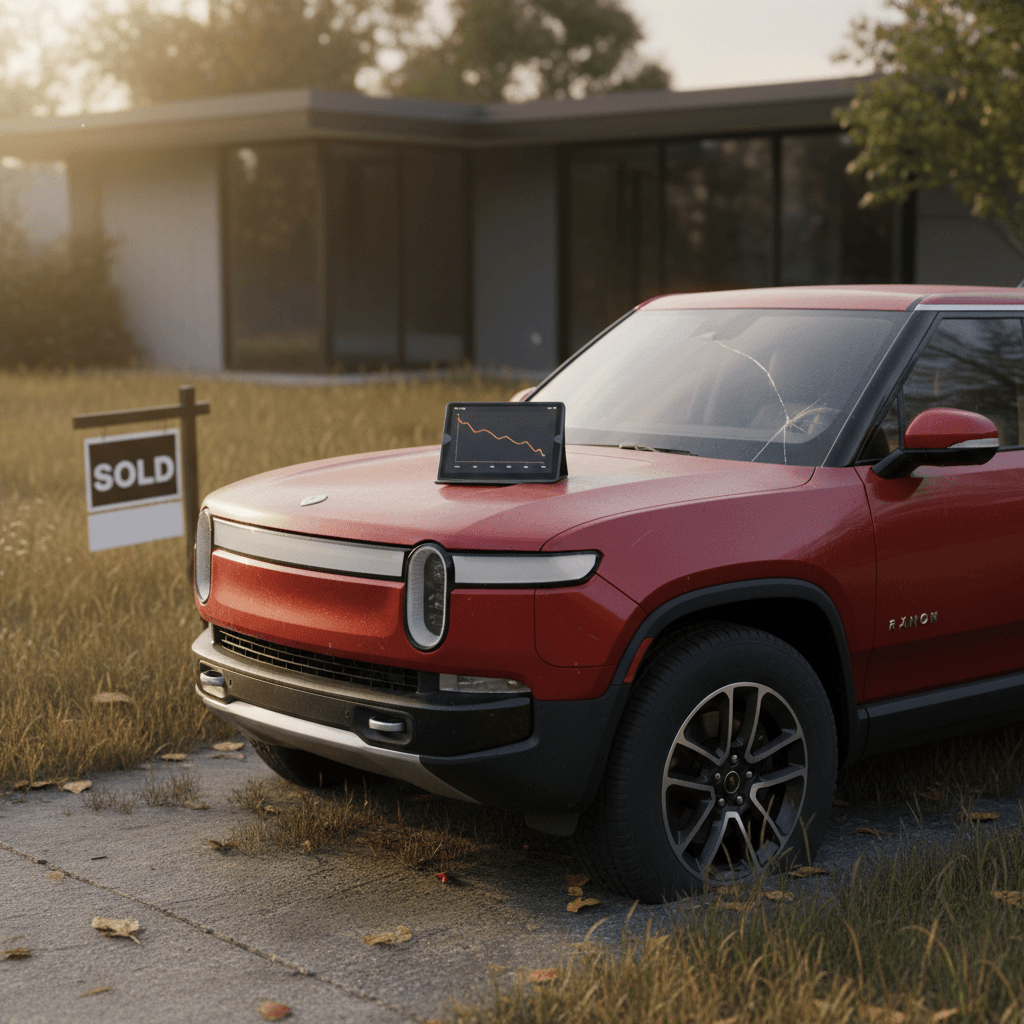
If you’re trying to understand the Rivian R1S depreciation rate in 2026, you’re not alone. Early Rivian buyers paid launch‑era prices into a chaotic EV market; now that things have cooled off, owners and shoppers want to know how fast values are actually falling, and whether a used R1S is a smart move or a liability.
Depreciation is now a feature, not just a bug
Why Rivian R1S depreciation matters in 2026
Depreciation is usually the single largest cost of owning a Rivian R1S over the first 5 years, bigger than electricity, insurance, or maintenance. For a vehicle whose original sticker price commonly landed between $80,000 and $100,000+, a 30–40% swing in value translates into tens of thousands of dollars either lost or saved. In 2026, the fog is finally lifting enough that you can make informed decisions instead of guessing.
Rivian R1S depreciation snapshot heading into 2026*
Interpreting the numbers
How fast is the Rivian R1S depreciating by 2026?
By early 2026, we finally have enough data to speak about R1S depreciation with more confidence. Looking across valuation tools, used listings, and independent analysis, a few consistent patterns emerge:
- Year 1–2: For a typical R1S purchased at post‑hike pricing, early‑year depreciation has averaged roughly 10–20% off the original MSRP, assuming normal mileage and no accidents.
- Year 3: For 2022–2023 builds, three‑year depreciation generally clusters around 30–31% from original MSRP, putting many clean examples in the mid‑$50,000s to low‑$60,000s depending on spec.
- Beyond Year 3: The curve starts to flatten. Provided battery health is strong and software features haven’t been devalued, incremental annual depreciation tends to move closer to that of other luxury SUVs.
Mind the 2022–2023 pricing anomaly
3–5 year Rivian R1S depreciation forecast
No one can tell you exactly what a specific VIN will be worth in 2030, but we can sketch out reasonable expectations for a well‑maintained R1S bought new in 2023–2025 and driven typical miles in the United States.
Illustrative Rivian R1S depreciation curve (typical buyer)
Example projections for a Rivian R1S with an $85,000 original MSRP, normal mileage, clean history, and healthy battery in an average U.S. market.
| Year in Service | Approx. Value vs. Original MSRP | Illustrative Dollar Value* | What It Usually Means for an Owner |
|---|---|---|---|
| End of Year 1 | −10% to −15% | $72,000–$76,500 | You’ve taken the initial new‑car hit; equity depends heavily on down payment and tax credits. |
| End of Year 3 | −28% to −35% | $55,000–$61,000 | This is where most R1S examples sit in early 2026; still premium pricing, but squarely in used‑luxury territory. |
| End of Year 5 | −40% to −50% | $42,500–$51,000 | Depreciation begins to flatten; condition, battery health, and brand reliability reputation dominate from here. |
These are directional scenarios, not guarantees. Your actual numbers will vary by trim, incentives, and local demand.
Why we avoid fake precision
How Rivian R1S depreciation compares to other luxury EV SUVs
Compared with other EVs
- Better than many early EVs: A lot of first‑generation mass‑market EVs (small batteries, weak range) fell off a cliff in resale once newer tech arrived. The R1S launched with competitive range and a premium positioning, which has helped it avoid the worst of that fate.
- More stable post‑correction: After Rivian’s price hikes and then later inventory discounts, used values have settled into a band that looks more like a conventional luxury vehicle than an over‑hyped tech gadget.
Compared with gas luxury SUVs
- Similar 3–5 year percentage losses: By 2026, a three‑year‑old R1S has usually shed a similar share of MSRP as a German luxury SUV, sometimes a bit more, sometimes a bit less, depending on how you bought it.
- Tech risk premium: The market bakes in some extra uncertainty about long‑term battery life, charging standards, and software support. That risk premium can widen or shrink quickly as more long‑term data comes in.
Good news for second owners
Factors that move R1S resale value up or down
Biggest drivers of Rivian R1S depreciation in 2026
What makes two similar‑looking R1S SUVs worth very different money?
Battery health & software
EV buyers in 2026 are much more battery‑sensitive than even a few years ago. A healthy pack with verified diagnostics, up‑to‑date software, and no DC‑fast‑charging abuse history can be worth thousands more than a mystery‑history truck.
Miles & usage profile
A 50,000‑mile R1S that did easy highway miles and routine home charging often looks better to buyers than a 25,000‑mile truck that lived on DC fast chargers or did heavy towing. Odometer doesn’t tell the whole story, but it’s still a headline number in pricing tools.
Spec & options
Max pack vs. Standard, Dual vs. Quad motor, off‑road packages, wheels, interior color, these all move the needle. In 2026, practical range and desirable driver‑assist features matter more than purely cosmetic options.
Accidents & recalls
Any accident record hits value, but structural damage and unresolved recalls are especially toxic in an EV. Clean Carfax plus a paper trail for recall work is increasingly non‑negotiable for savvy buyers.
Market & geography
Demand for a large luxury EV SUV in Seattle isn’t the same as in rural Oklahoma. Areas with strong EV adoption, dense charging, and higher incomes generally support stronger R1S resale values.
New‑car pricing & incentives
Every time Rivian tweaks new R1S pricing or incentives, it ripples through used values. Big discounts on new inventory compress the gap and pull used values down; price increases or long lead times can support used prices.
Real-world 2026 price bands for used Rivian R1S
Zooming out from percentage charts, what does Rivian R1S depreciation in 2026 look like in actual asking prices? Exact numbers move month to month, but in early 2026, typical U.S. markets tend to fall into these rough bands for clean‑title trucks sold by private parties or reputable dealers:
Illustrative 2026 used Rivian R1S price bands (U.S., early 2026)
Typical asking‑price ranges for well‑kept, clean‑title Rivian R1S models. High‑mileage, damaged, or branded‑title vehicles will trade below these bands.
| Model Years | Approx. Miles | Typical Condition | Illustrative Asking Range | What You’re Usually Getting |
|---|---|---|---|---|
| 2022–2023 | 25,000–55,000 | Clean, maintained | Mid‑$50,000s to mid‑$60,000s | Early builds with 3‑year depreciation baked in; often Adventure trim with desirable packages. |
| 2023–2024 | 10,000–35,000 | Clean, low owners | Low‑$60,000s to low‑$70,000s | Newer trucks with updated hardware/software, still under factory warranty; sweet spot for many buyers. |
| Late 2024–2025 | Under 20,000 | Near‑new | High‑$60,000s to high‑$70,000s | Effectively nearly new R1S with much of the first‑year hit already absorbed by the original owner. |
These ranges reflect a mix of listing data and valuation tools, not a specific marketplace’s inventory.
Private‑party vs. trade‑in

Ownership strategies to reduce your R1S depreciation hit
Six ways to keep more of your R1S value
1. Treat the battery like an asset, not a consumable
Avoid living on DC fast chargers, don’t sit at 100% charge for long periods, and keep a sensible daily charge limit. A healthy pack is the single biggest factor separating top‑tier resale from “priced to move” listings.
2. Stay on top of software and recall campaigns
Rivian pushes frequent OTA updates and periodically issues recalls and service campaigns. Staying current isn’t just about safety and features; it reassures the next buyer that the truck’s been cared for.
3. Keep detailed service and charging records
Save invoices, app screenshots, and service notes. In a world where buyers worry about unknown EV histories, documentation can make your R1S the one people are willing to pay a premium for.
4. Avoid heavy aftermarket mods
Aggressive lifts, big wheel/tire changes, and off‑brand accessories can narrow your buyer pool and worry cautious shoppers. If you modify, keep OEM parts and be ready to return the vehicle to stock.
5. Time your sale around model‑year shifts
Big Rivian product updates, price cuts, or new trims can move used values suddenly. If you’re close to selling, watch for upcoming launches or incentive changes rather than getting blindsided after the fact.
6. Use multiple valuation lenses
Don’t rely on a single pricing guide. Combine guide values, real‑world listings, and EV‑specific tools like a <strong>Recharged Score battery health report</strong> to understand where your truck realistically lands.
Where Recharged fits in
Buying a used Rivian R1S in 2026: how to avoid overpaying
For second owners, the R1S in 2026 is starting to look compelling: a deeply capable electric SUV, often with heavy depreciation already absorbed. The trick is separating genuinely good buys from units that are cheap for the wrong reasons.
Smart moves when shopping used
- Demand battery data: Don’t settle for “it seems fine.” Look for actual state‑of‑health testing rather than just range guesses from the dash.
- Normalize prices by original MSRP: An R1S that stickered for $95,000 and one that stickered for $80,000 might both be listed at $65,000. The cheaper original build is actually depreciating less in percentage terms.
- Compare across channels: Franchise dealers, direct‑to‑consumer platforms, and peer‑to‑peer listings can price the same spec very differently. Cast a wide net.
Red flags that justify a discount
- Unresolved recalls or warning lights on test drive.
- Heavy DC fast‑charging history with no documentation to show responsible use.
- Spotty Carfax with structural repairs, mismatched panels, or airbag deployments.
- Out‑of‑date software suggesting the vehicle hasn’t been in Rivian’s ecosystem for a while.
If you’re buying through Recharged, our specialists walk you through this checklist and flag anything that should push price down or make you walk away.
Should you sell or trade your Rivian R1S in 2026?
If you already own an R1S, the key question in 2026 is whether to ride it out past the heavy depreciation window or exit before the next wave of product changes and pricing adjustments.
2026 options for current Rivian R1S owners
Think in terms of total cost of ownership, not just today’s trade‑in number.
Option 1: Hold another 2–4 years
Best if: You like the truck, your needs haven’t changed, and you’re past Year 2–3.
- Lets you spread that early depreciation over more years of use.
- Future software updates may add value or capabilities.
- Risk: future tech changes (new packs, major facelifts) could still pressure values.
Option 2: Trade or sell in 2026
Best if: You’re early in the loan/lease, your mileage is low, or your spec is especially desirable.
- Captures relatively strong resale while the truck is still “newish.”
- May let you reset into a cheaper payment or different vehicle class.
- Risk: you crystallize your depreciation hit sooner instead of amortizing it.
Use multiple exit options
Frequently asked questions: Rivian R1S depreciation 2026
Rivian R1S depreciation questions, answered
Bottom line: what the 2026 R1S depreciation story really says
By 2026, the Rivian R1S depreciation rate looks less like a speculative tech gamble and more like a high‑end SUV doing what high‑end SUVs have always done: lose a lot of value early, then settle into a slower, more predictable decline. If you own one, the smartest move is to manage battery health, keep immaculate records, and think in 5‑ to 8‑year horizons rather than chasing every market wobble. If you’re shopping used, the chaos premium of the early years has largely burned off; what’s left is a genuinely capable electric SUV that, bought at the right price with verified battery health, can make a lot of economic sense. Recharged exists to make that path clearer, whether you’re trying to protect the value of the R1S in your driveway or hunting for the right one to put there next.