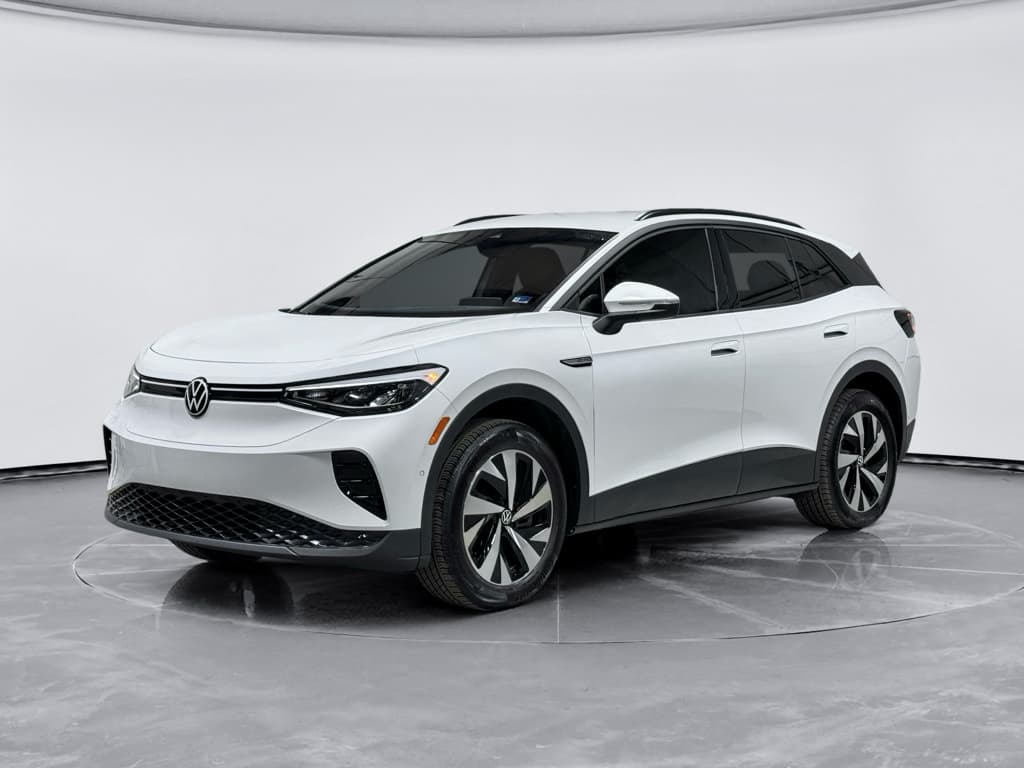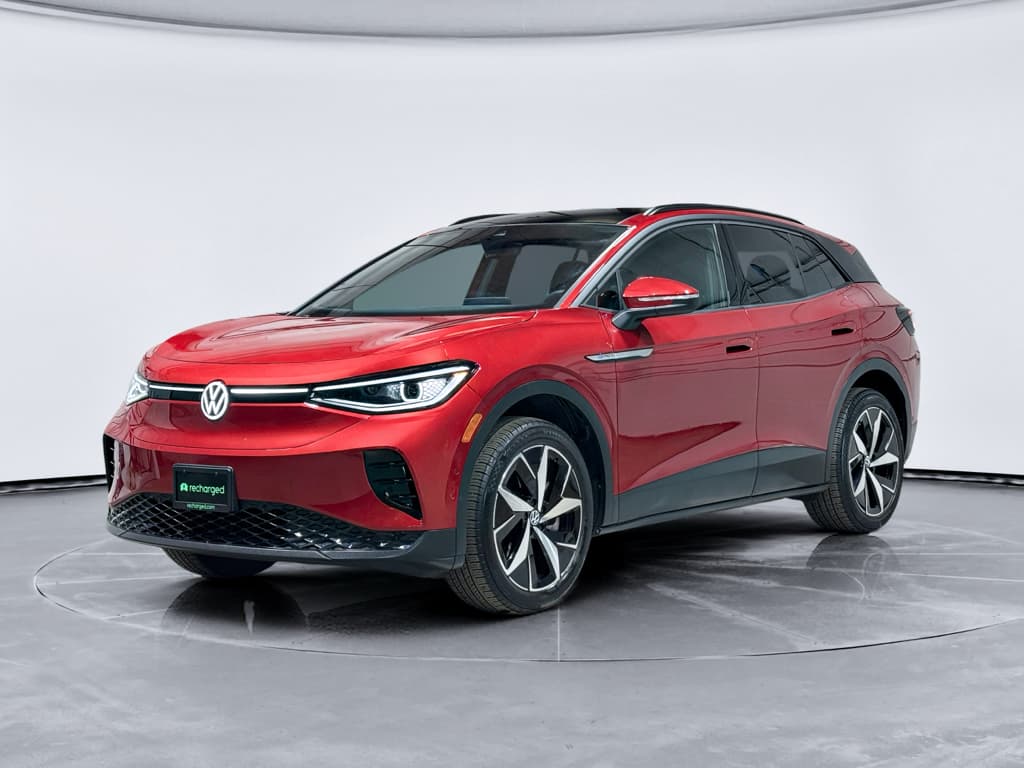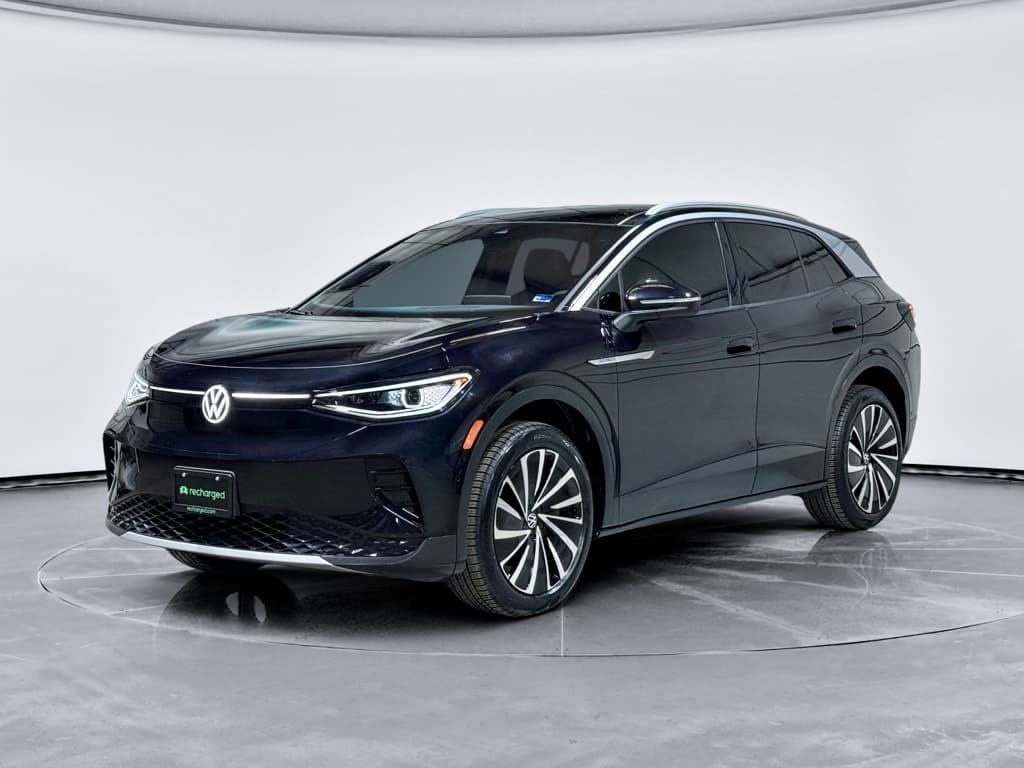
The 2022 Volkswagen ID.4 is a likable, practical electric crossover, but it has not led a drama‑free life. Multiple safety recalls have hit this model year, from door handles that can pop open on the highway to battery and software issues. If you own a 2022 ID.4, or you’re shopping for a used one, understanding the full 2022 Volkswagen ID.4 recalls list is non‑negotiable.
Recalls vs. bad cars
Overview: Why 2022 ID.4 recalls matter in 2026
By 2026, most 2022 ID.4s are out of their basic warranty and moving firmly into used‑EV territory. That’s exactly when past recalls come back to haunt the inattentive: door latches that were never updated, high‑voltage batteries waiting for replacement, software campaigns that were quietly skipped. The good news is that recall repairs remain free for the life of the vehicle. The bad news is, you have to know they exist, and insist they’re done.
2022 Volkswagen ID.4 recall snapshot
Quick 2022 Volkswagen ID.4 recalls list
Here’s a simplified rundown of the most important recalls that can affect a 2022 ID.4 sold in the U.S. The exact mix on your car depends on build date and whether it’s a German‑built import or later Chattanooga‑built model.
Major 2022 Volkswagen ID.4 recalls (U.S.)
Always verify campaigns against your specific VIN on the NHTSA site or with a Volkswagen dealer, this table is an owner‑friendly summary, not a legal record.
| Area | NHTSA / VW code (typical) | What can go wrong | Primary fix | Applies to many 2022s? |
|---|---|---|---|---|
| Doors / body | 23V312 / 57J5 | Doors may open unexpectedly while driving | Replace and seal door handles, update software | Yes – core 2021–2022 ID.4 recall |
| High-voltage battery | 22V162, 93P7, 9302 (and related) | Pack defect can cause stalling or fire risk on some cars | HV battery inspection, module or full pack replacement, software | Yes – some 2022s, VIN‑specific |
| 12‑volt battery / charging | Multiple service campaigns | 12V can fail prematurely, stranding the car | Software update, 12V battery replacement in some cases | Often – depends on build and service history |
| Powertrain / stalling | Software & inverter‑related recalls | Vehicle can unexpectedly lose drive power in rare cases | Update power electronics / battery management software | Some 2022s |
| Instrumentation / warning behavior | Software updates | Incorrect warnings or no warning for certain faults | Update control unit software | Common – ID.4 fleet‑wide campaigns |
Key safety recalls and larger service campaigns that commonly appear on 2022 ID.4 vehicles in the U.S.
Campaign names vary
Door handle recall (23V312 / 57J5): doors can pop open
The headline recall for early ID.4s is the door‑handle fiasco. For 2021 and 2022 model years, Volkswagen found that moisture could get into the door handles and freeze or corrode components. In bad cases, a door that looked and felt shut could spring open while driving, not exactly the ownership experience you want in a family crossover.
- Covers: Most 2021–2022 ID.4s, including many 2022 German‑built imports.
- Symptom: Doors may open unexpectedly or fail to latch securely, especially after heavy rain or freezing weather.
- Fix: Dealers replace or modify the door handles and install revised seals, then update the related body‑control software.
- Owner experience: The work can take several hours; some owners report needing follow‑up adjustment if wind noise or alignment isn’t quite right afterward.
Don’t shrug this one off
High-voltage battery recalls (93P7, 9302 and related campaigns)
The ID.4 inherited some of the EV world’s growing pains around high‑voltage batteries. A cluster of campaigns has targeted specific packs and modules for inspection or replacement. For a subset of 2022 ID.4s, that has meant everything from software tweaks to full battery‑pack swaps under recall.
Typical high-voltage battery issues on 2022 ID.4s
Most owners will only ever see these as a letter in the mail and a long dealer visit, but it pays to understand what’s happening under the floor.
Cell or module defects
Some 2022 ID.4 packs built with specific cells can develop internal faults. The result can be warning lights, loss of power, or in rare edge cases, a thermal event.
Inverter / power electronics
Separate but related recalls have targeted the pulse inverter and control software that manage power flow between battery and motor.
Pack inspections & swaps
For affected VINs, dealers perform diagnostics and either update software, replace modules, or swap the entire high‑voltage battery pack, at no cost to you.
Battery recall ≠ bad battery tech
How to know if your 2022 ID.4 is affected
- Check your VIN on the NHTSA site and Volkswagen’s recall portal.
- Look for codes like 93P7, 9302, or early 22V‑series campaigns on your service history.
- Ask the service advisor directly: “Has my high‑voltage battery ever been replaced or opened under recall?”
Questions to ask a seller or dealer
- “Do you have documentation showing the HV battery recall work?”
- “Was it a software‑only fix, or was hardware replaced?”
- “Did the car require any follow‑up visits or reprogramming?”
If a seller can’t answer these, build extra time into your buying process to verify with a Volkswagen dealer, or walk away.
Plan for a long appointment
12‑volt battery and software campaigns
Plenty of ID.4 stories start the same way: you go out to the driveway and the car is simply…dead. That’s not the big traction pack failing. It’s the humble 12‑volt battery, the same basic component that wakes up every modern car, that’s gone flat. Early ID.4 software and hardware combinations were hard on the 12V system, triggering both service campaigns and owner frustration.
- Some campaigns simply update software so the ID.4 manages 12V charging more intelligently, reducing the chance of a surprise failure.
- Other service actions swap in a more robust 12‑volt battery, especially for cars in colder climates.
- On 2022 ID.4s, these updates often coincide with big software jumps (for example, to the 3.x infotainment and vehicle‑control stack).
- While not all 12V actions are coded as formal NHTSA recalls, they matter just as much for real‑world reliability.
How to treat the 12‑volt system kindly
Other notable ID.4 recalls that can include 2022 models
Beyond the marquee door and battery campaigns, Volkswagen has issued several smaller but still important fixes across the ID.4 lineup. Depending on your exact build date and configuration, your 2022 may have been flagged for one or more of these:
Additional ID.4 recalls and campaigns to ask about
These often fly under the radar but still deserve attention.
Rollaway / neutral indication (later years)
More recent ID.4 recalls have addressed situations where the vehicle could be left in neutral without a clear indication, raising rollaway risk. While primarily aimed at 2023–2025 builds, always ask a dealer to confirm whether your 2022 VIN shares affected components or software.
Warning & control software
Several campaigns have refined how the ID.4 displays warnings, manages charging, or handles rare fault conditions. They’re easy to dismiss as “just software,” but they’re part of making the car safer and more predictable.
Power loss / stalling behavior
At least one recall focused on ID.4s that could abruptly lose drive power due to how the inverter or battery management system reacted to faults. 2022 VINs are sometimes included in these broader software fixes.
Charging interface quirks
Not strictly recalls, but there have been technical bulletins around home and DC fast‑charging bugs. If the seller mentions repeated charging problems, make sure all related updates and TSBs are completed.
TSB vs. recall
How to check if your 2022 ID.4 has open recalls
Every recall conversation should end the same way: with you checking your specific VIN. The ID.4’s recall record is too messy to rely on memory or model‑year generalizations.
Step-by-step: Verify open recalls on a 2022 ID.4
1. Find the full 17-character VIN
You’ll find it on the lower driver‑side windshield, on the driver’s door jamb sticker, and on the registration or insurance card. Take a clear photo so you don’t transpose a digit.
2. Search the NHTSA recall lookup
Go to the official U.S. government recall lookup and enter the VIN. This pulls up all **open** safety recalls that haven’t been completed on that particular vehicle.
3. Check Volkswagen’s owner portal or app
Volkswagen’s own system sometimes shows additional service campaigns and software actions that don’t appear as NHTSA recalls. Create an account, add the VIN, and review the recall/service section.
4. Call a Volkswagen dealer’s service department
Ask the advisor to run the VIN and email you the full list of open and completed campaigns. This is especially important if you’re buying the car from a third party.
5. Verify completion dates
For each recall, ask when the work was done and see if the date aligns with mileage and ownership history. A clutch of campaigns done all at once is normal; big gaps or missing paperwork are red flags.
6. Confirm loaner or rental options
If a recall is still open, ask how long the car will need to stay and whether they provide a loaner or rental coverage. Some ID.4 owners have been without their cars for weeks during complex battery work.
The VIN is your superpower
What these recalls mean if you’re buying a used 2022 ID.4
In the used market, recalls cut both ways. On one hand, the 2022 ID.4 has had enough campaigns that a lazy owner can leave you with a lot of deferred homework. On the other hand, a car that’s had all the big stuff done, door handles, high‑voltage software, 12‑volt updates, can actually be a better bet than an untouched example. You want the one that’s been through the fire drill, not the one still waiting for the alarm.
Green flags in a used 2022 ID.4
- Complete recall history printed from a VW dealer or NHTSA.
- Documentation of any high‑voltage battery work, including pack replacement.
- Recent software version noted on service records.
- 12‑volt battery replaced proactively or under a campaign.
Red flags to watch for
- Open safety recalls, especially the door‑handle campaign.
- Seller who says, “I think that was done,” but has no paperwork.
- Charging problems, intermittent no‑start, or random warning lights after recall work.
- Dealer unwilling to run the VIN before you sign anything.
Leverage recalls when negotiating
If you’d rather skip that juggling act entirely, a curated marketplace like Recharged can help. Every EV we list comes with a Recharged Score battery health report, expert inspection, and verified history. If a 2022 ID.4 on our platform has outstanding recall work, we flag it and help you understand the timing and impact before you buy.
Owner checklist after a recall repair
Even when the recall is done free of charge, you’re still the final quality‑control department. A little follow‑up goes a long way toward catching sloppy work or subtle side effects.
After any 2022 ID.4 recall: what you should do
Get a detailed invoice
Even if your balance due is $0, ask for an itemized work order that lists recall codes, parts replaced, and software versions installed. File it somewhere you won’t lose it.
Inspect doors and trim
After the door‑handle recall, check that every door opens and closes smoothly, seals tightly, and doesn’t whistle at highway speed. Misalignment is fixable, but only if you ask.
Test charging behavior
Following battery or software work, test AC home charging and DC fast charging if possible. Watch for error messages, unusually slow speeds, or the car stopping a session early.
Watch the dash for a week
Pay attention to new warning lights, beeps, or messages that weren’t there before. A clean, quiet instrument cluster is the goal.
Ask about software follow-ups
Volkswagen sometimes staggers updates. If your car just jumped to a much newer version, ask the advisor whether another incremental update is already scheduled.
Schedule a quick recheck if needed
If something feels off, door seals, steering feel, charging, don’t try to live with it. Call the dealer promptly and reference the recall visit; they’re more likely to make it right quickly.
FAQ: 2022 Volkswagen ID.4 recalls
Common questions about 2022 ID.4 recalls
Bottom line: Is a 2022 ID.4 still a good bet?
The 2022 Volkswagen ID.4 has had more than its share of letters in the mail, but that doesn’t make it a lost cause. If anything, the worst‑case defects have already been dragged into the light and addressed. What matters now is whether any particular car in front of you has actually had the work done, and whether that work was done well.
If you’re an owner, your job is simple: run the VIN, schedule the recalls, keep the paperwork. If you’re a shopper, widen the lens. Look at recall completion, battery health, charging behavior, and service history as one connected picture. Done right, a well‑sorted 2022 ID.4 can be exactly what it was supposed to be from the beginning: a quiet, practical electric crossover that just does its job, without additional drama.