If you’re eyeing a Rivian R1S, especially on the used market, you’ve probably heard rave reviews about its performance and off‑road capability. You’ve also probably heard about problems. The phrase “Rivian R1S biggest complaints” comes up a lot in owner forums and reliability surveys, and it’s smart to understand those issues before you sign anything.
Quick take
Overview: Rivian R1S complaints in context
Before we dive into individual problems, it helps to zoom out. The Rivian R1S is a relatively new, complex, American‑built electric SUV from a startup automaker. That combination almost guarantees more early‑production quirks and recalls than you’d see from a Toyota or Honda. At the same time, survey data and owner forums show sky‑high satisfaction with performance, design, and day‑to‑day driving.
Where the Rivian R1S tends to disappoint
Patterns that show up across forums, surveys, and recall data
Noise & build quality
Frequent posts about wind noise from the front windows and roof area, plus occasional dash and interior rattles.
Reliability & recalls
Multiple recalls in a short span, and low reliability scores from some consumer surveys, even though many issues are software‑fixable.
Service & support
Owners praise mobile technicians but complain about service-center delays, parts availability, and mixed communication quality.
How to read online complaints
Build quality, rattles, and wind noise
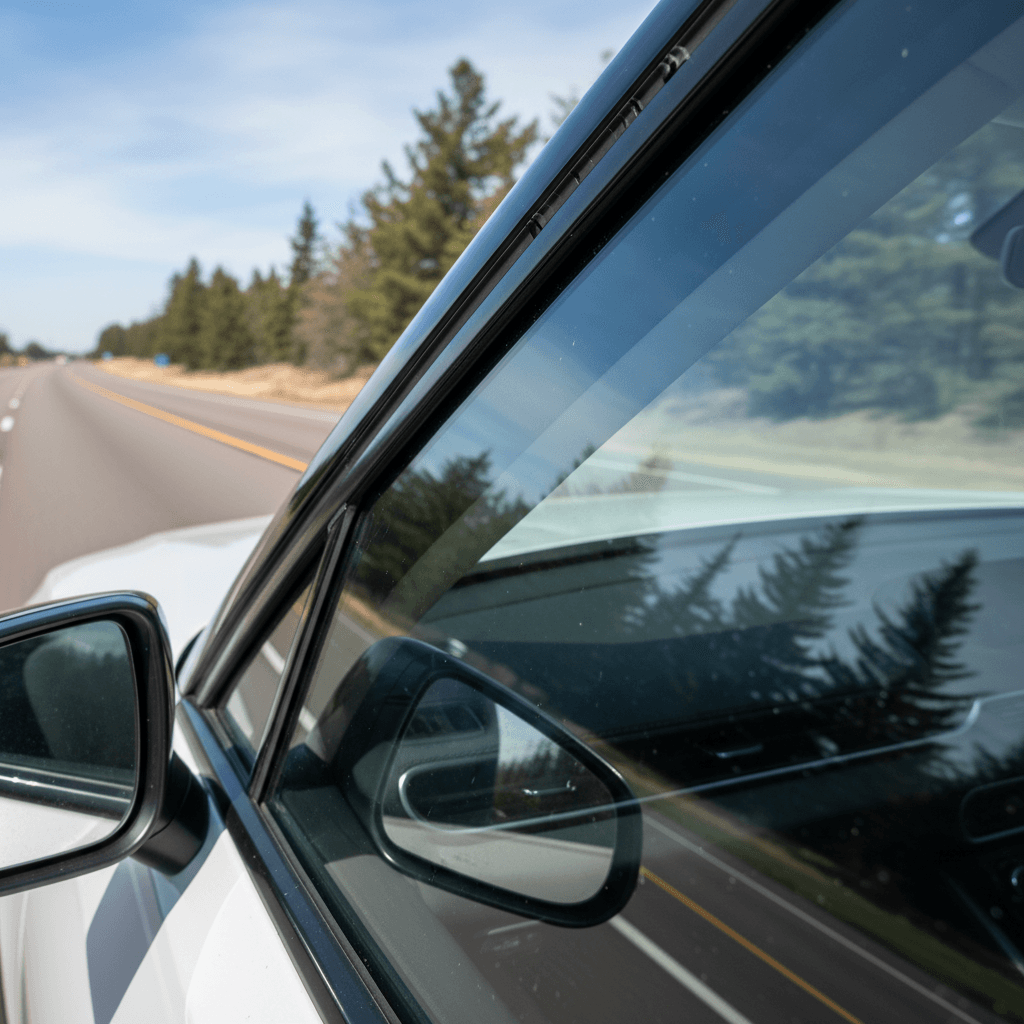
If you spend any time in Rivian owner groups, you’ll notice one theme quickly: the R1S is not a silent bank vault on wheels. Owners frequently report wind noise around the A‑pillars and small triangular front windows, plus occasional rattles from the dash, doors, and cargo area.
- Wind noise from the front corner glass and upper door seals, especially above ~65–70 mph
- Whistles or howls with crosswinds that disappear when pressing on the window seal
- Rattles or creaks from the dash, center console, or hatch area on rough pavement
- Paint or trim inconsistencies on early builds (panel alignment, “tiger striping” in certain colors)
The good news
How it compares to luxury SUVs
The R1S aims at vehicles like the Mercedes GLS, BMW X7, and Range Rover. In terms of powertrain smoothness it’s excellent, but in fit-and-finish it still feels more like an early-production EV startup than a polished German flagship. Expect minor squeaks, trim quirks, and the occasional rattle.
What to do on a test drive
- Drive at 70–75 mph on the highway and listen closely around the A‑pillars and roof.
- Hit a few rough patches or expansion joints to check for rattles.
- Try lightly pressing the window frame where you hear noise, if it quiets down, a seal or adjustment can probably fix it.
Suspension noises and ride quality
Another cluster of Rivian R1S complaints centers on suspension noises, chirps, squeaks, clunks, and compressor sounds, especially at low speeds over speed bumps or uneven pavement. Because the R1S uses an air suspension with adaptive dampers, there’s more going on mechanically than in a simple steel‑spring SUV.
- “Bird‑chirp” squeaks at low speeds over speed bumps or driveways
- Buzzing or humming from the rear quarter area right after startup (air compressor running)
- Occasional clunks when transitioning between drive modes or ride heights
- Some owners describing the ride as firmer or busier than expected, especially on 22‑inch wheels
Normal vs. not‑normal
Common R1S ride & noise scenarios
What owners report, and how worried you should be
Soft but noisy over bumps
Comfortable ride, yet you hear squeaks or chirps at low speed. Often traced to bushings or half‑shaft hardware and addressed by updated parts or lubrication.
Firm ride on 22s
With 22‑inch wheels, some owners find the R1S busier and harsher than expected on broken pavement. If you value comfort over looks, 20‑inch wheels are usually the better choice.
Air suspension concerns
Occasional reports of height sensors and air leaks leading to uneven stance or warning lights. These are dealershop fixes, but check operation carefully on a used vehicle.
Software bugs, glitches, and OTA updates
Like Tesla, Rivian leans heavily on software. That means the R1S gets frequent over‑the‑air (OTA) updates that add features and fix bugs, great when they work, frustrating when an update introduces new glitches.
- Center screen or driver display freezing or rebooting mid‑drive
- Phantom error messages (e.g., lights, sensors, or doors reported as malfunctioning when they work fine)
- Bluetooth and phone‑key inconsistencies
- Driver assistance features (lane‑keeping, adaptive cruise, Highway Assist) behaving unpredictably
- Range estimation swings after major software updates
Driver-assistance recall spotlight
R1S reliability & software snapshot
Smart OTA habits
Reliability scores and recent recalls
From a traditional reliability standpoint, Rivian doesn’t earn gold stars yet. In recent surveys covering hundreds of thousands of vehicles, Rivian has ranked near the bottom of all brands for reliability, largely because a high percentage of owners report at least one issue in the first few years of ownership.
Recent Rivian R1S recall themes
Representative recall categories affecting 2024–2025 R1S models
| Recall type | What’s affected | Owner impact | How it’s fixed |
|---|---|---|---|
| Driver-assistance software | Highway Assist misidentifying lead vehicles | Increased crash risk if drivers over‑rely on the system | OTA software update |
| Exterior lighting | Front turn signals or headlamp behavior | Signals may fail to illuminate; legal/safety concern | Inspection and replacement of affected lamps |
| Seat belt & restraints | Anchors, indicators, or warning logic | Potential non‑compliance with safety standards | Hardware repair plus, in some cases, software updates |
| Loss of drive power (prior campaigns) | High-voltage components or control software | Unexpected power loss in rare circumstances | Hardware replacement and/or software logic changes |
Exact campaigns vary by model year and build range. Always run the VIN through the NHTSA or Rivian recall checker.
How recalls affect you as a buyer
Charging experience and range complaints
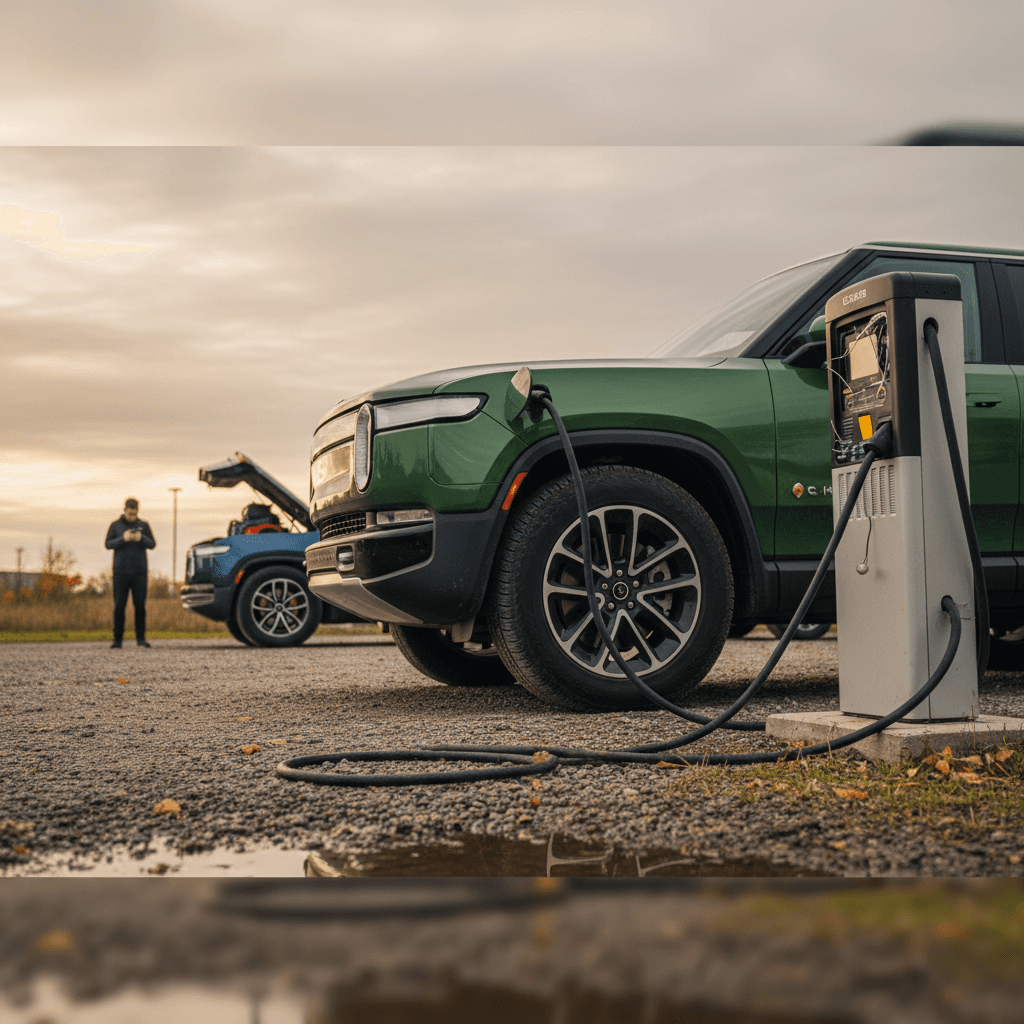
Compared with some legacy automakers, Rivian did a solid job on charging from day one. The R1S supports DC fast charging at competitive rates and has decent charge‑curve management. Most complaints here are less about raw speed and more about real‑world range versus expectations and quirks in public‑charging behavior.
- Range drops faster than expected at 75–80 mph, in cold weather, or with large off‑road tires
- Frustration with non‑Tesla DC fast‑charging networks (uptime, broken stations, billing issues)
- Occasional bugs connecting to particular chargers that later get improved with software updates
- Owners comparing R1S road‑trip convenience unfavorably with Tesla’s Supercharger network, despite growing access
Reality check on range
Service delays and ownership experience
Because Rivian is still building out its service footprint, one of the biggest day‑to‑day complaints isn’t the vehicle itself, it’s how long it can take to get something fixed. Many owners love the friendliness and competence of mobile technicians, but they don’t love waiting weeks or months for a service‑center appointment or a back‑ordered part.
R1S ownership: what owners praise vs. what they complain about
The split personality of an early‑stage premium EV brand
Frequently praised
- Incredible acceleration and traction in all weather.
- Spacious, family‑friendly cabin and clever storage.
- Modern, minimalist design and great screens.
- Genuinely useful off‑road and adventure capability.
Frequently criticized
- Service-center wait times and parts delays.
- Being told that clear noises are “within spec.”
- Inconsistent communication about timelines.
- Distance to the nearest Rivian service facility.
Service distance matters
Biggest complaints by type of R1S owner
How R1S complaints differ by use case
Daily family driver
Wind noise on the highway becomes the top annoyance after the honeymoon period.
Third‑row access and cargo flexibility are strong, but some complain about minor interior squeaks.
Software quirks (Bluetooth, profiles, phone key) feel more frustrating when multiple drivers share the SUV.
Adventure & off-road owner
Praise for off‑road capability is high, but <strong>mud and dust can accelerate wear</strong> on seals and suspension components.
Chargers near trailheads can be scarce, leading to range‑anxiety complaints on backcountry trips.
Roof racks, gear, and larger all‑terrain tires can noticeably cut range, surprising some new owners.
Luxury-SUV shopper
Coming from a Mercedes or Lexus, cabin noise and small fit‑and‑finish flaws stand out more.
Service expectations are shaped by traditional dealer networks; Rivian’s smaller footprint can feel like a step backward.
Some buyers are surprised by how “beta” certain software features and UI elements still feel for a six‑figure SUV.
Used EV bargain hunter
Worries center on <strong>warranty coverage, battery health, and recall completion</strong>.
Any history of suspension noises, water leaks, or repeated software faults becomes a bigger red flag.
Limited brand‑wide reliability data makes long‑term ownership risk harder to quantify compared with a used Tesla or Hyundai.
What to check if you’re buying a used Rivian R1S
If you’re considering a used R1S, the biggest complaints we’ve covered become your pre‑purchase checklist. The good news: many of the most common issues, wind noise, rattles, early‑run hardware or software quirks, are either already fixed under warranty or can be addressed with the right inspection and documentation.
Used Rivian R1S inspection checklist
1. Highway noise test
Drive at 70–75 mph on a calm and a windy day if possible. Listen for <strong>whistles near the A‑pillars</strong>, roof rack hum, or loud wind roar. Ask if the triangle glass and door seals have been updated.
2. Suspension & compressor sounds
Go over speed bumps and angled driveways at low speed. Note any <strong>chirps, squeaks, or clunks</strong>. At startup, the compressor should run briefly, not continuously. Persistent noises merit a professional inspection.
3. Software & feature check
Cycle through driver profiles, driver‑assistance features, Bluetooth, cameras, and parking sensors. Confirm that all <strong>warning lights are off</strong> and that the screens don’t randomly reboot during the test drive.
4. Recall and service history
Run the VIN through a recall checker and ask for <strong>service records</strong>. Ideally, you want completed recall work, documented fixes for any early noises or leaks, and evidence of regular maintenance.
5. Battery health & fast-charging behavior
If possible, review a recent fast‑charging session or have the vehicle evaluated with a <strong>battery‑health diagnostic</strong>. Watch for unusually slow charging, which can indicate software, thermal, or pack issues.
6. Warranty coverage and support
Confirm how much of the original Rivian warranty remains and what’s transferable. Factor your distance to a service center or mobile‑service coverage into the total ownership equation.
How Recharged can help
Ready to find your next EV?
Browse VehiclesFAQ: Rivian R1S biggest complaints
Frequently asked questions about Rivian R1S complaints
Bottom line: Is the Rivian R1S worth it?
The biggest Rivian R1S complaints, wind noise, minor build‑quality issues, suspension and compressor sounds, software glitches, and service delays, are real, and you should absolutely factor them into your decision. At the same time, they don’t erase what the R1S does exceptionally well: deliver a fast, capable, genuinely enjoyable electric SUV that feels built for real‑world adventure.
If you expect Toyota‑level trouble‑free ownership from a startup EV brand, you’ll likely be disappointed. But if you understand the trade‑offs, verify that a particular R1S has had its issues addressed, and have reasonable access to service, it can be a smart, satisfying choice, especially at the right used‑market price.
That’s where a platform like Recharged comes in. With verified battery health reports, fair‑market pricing, and EV‑specialist guidance, you can shop used Rivian R1S models with a clear picture of both their strengths and their most common complaints, before you ever hit the “buy” button.