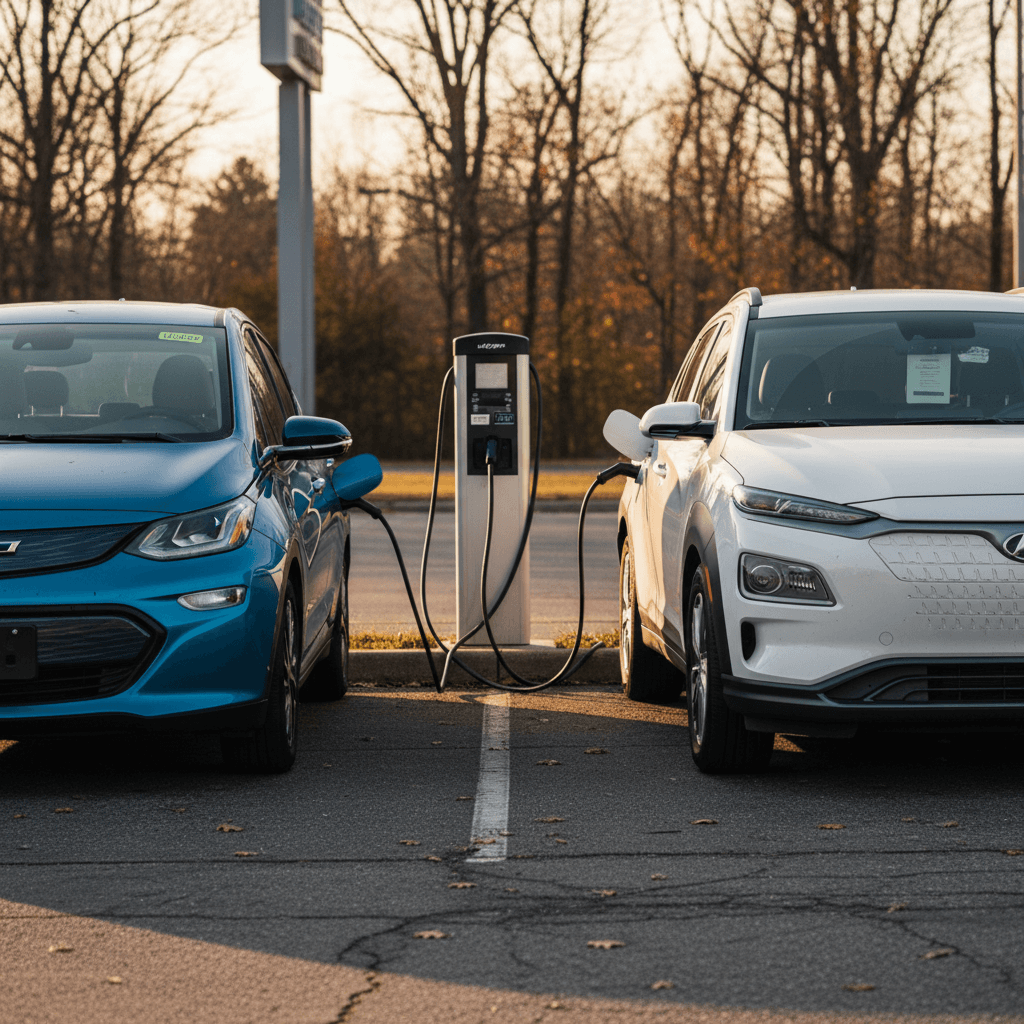
If you’re shopping used and want a small, affordable electric hatchback or crossover, the question of Chevrolet Bolt EV vs Hyundai Kona Electric – which is better? comes up fast. Both deliver 200+ miles of range, relatively quick charging, and bargain pricing on the used market. But they don’t suit the same drivers, and key differences in battery history, comfort, and efficiency should guide your choice.
Two of the best-value used EVs
Chevrolet Bolt EV vs Hyundai Kona Electric: At a Glance
Who each EV fits best
Same idea – efficient compact EV – but different personalities
Chevrolet Bolt EV: Urban range champ
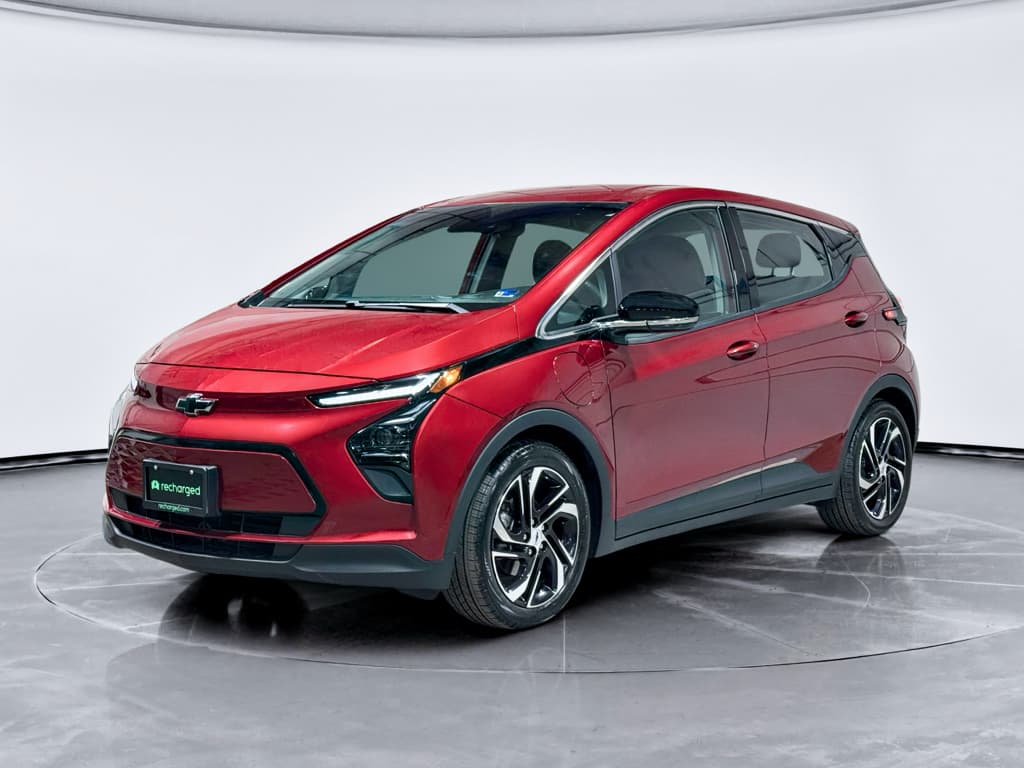
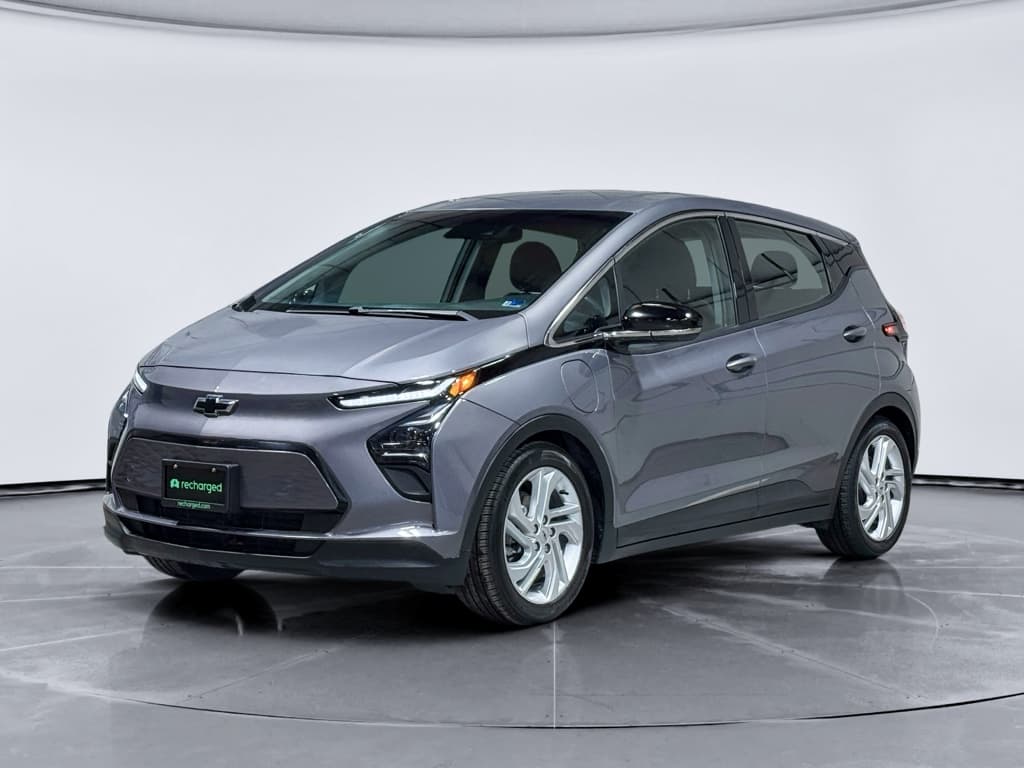
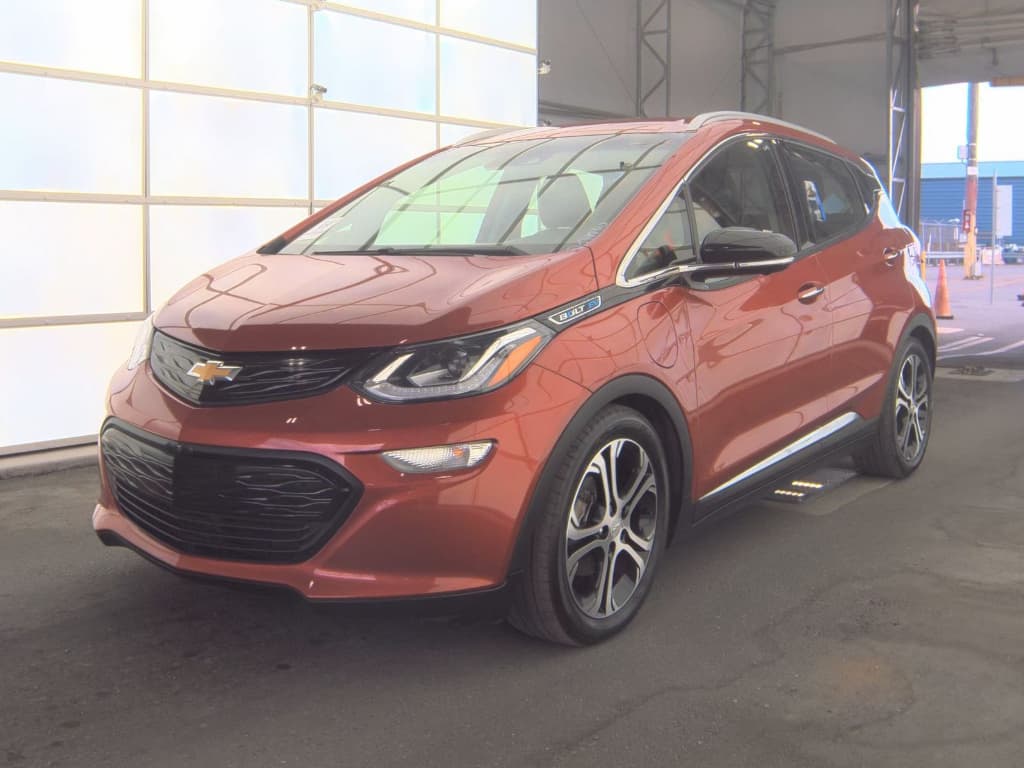
The Bolt EV is a compact hatchback with an EPA‑rated ~259 miles of range on many 2019–2023 trims and a 65 kWh battery. It’s nimble in the city, easy to park, and one of the longest‑range options you can buy used for the money.
- Stronger headline range on paper
- Simple one‑pedal driving and tight turning radius
- Historically lower used prices than the Kona Electric
Hyundai Kona Electric: Small crossover feel
The Kona Electric is a subcompact crossover with a slightly taller seating position and a 64 kWh battery. U.S. models from around 2019–2023 typically offer EPA range in the 250‑mile ballpark, with excellent efficiency and a more conventional cabin layout.
- SUV‑like stance and ride height
- Very efficient – often a real‑world road‑trip star
- Generally stronger perceived reliability record
Shopping tip
Core Specs: Range, Battery & Charging Compared
Specs vary by model year and market, but if you focus on common U.S. used‑market years (roughly 2019–2023), a few patterns emerge. Below is a simplified comparison of typical trims shoppers cross‑shop.
Bolt EV vs Kona Electric: Key Numbers (Typical U.S. Spec)
Approximate specs for popular 2019–2023 model‑year examples on the used market. Always verify exact figures for the VIN you’re considering.
| Spec | Chevrolet Bolt EV (2019–2023) | Hyundai Kona Electric (2019–2023) |
|---|---|---|
| Battery capacity (usable) | ~65 kWh | ~64 kWh |
| EPA range (depending on year/trim) | Up to ~259 miles | Roughly 250 miles (varies by year/market) |
| Max DC fast‑charge rate | ≈ 55 kW peak | ≈ 70–100 kW peak (many U.S. cars around mid‑70 kW) |
| Typical 10–80% DC fast‑charge time | About 45–60 minutes | Often closer to 35–50 minutes in ideal conditions |
| Onboard AC charger | Up to 11 kW (2022+); earlier ~7.2 kW | Typically 7.2–11 kW, trim‑dependent |
| Drive type | FWD, single motor | FWD, single motor |
Battery size, range and charging speeds are close, but the details matter when you road‑trip or DC fast charge often.
Watch real‑world charging reports
Efficiency & Range: Where Each EV Shines
Real-World Driving: How They Feel Day to Day
Bolt EV: Agile hatchback with great visibility
The Chevy Bolt EV drives like a tall compact hatch. Steering is light, visibility is good, and one‑pedal driving is excellent once you get used to it. In tight city streets and parking garages, the short length and quick steering are big advantages.
- Interior feels upright and airy up front
- Rear seat space is decent but not generous for adults
- Ride can feel a bit firm over broken pavement
Kona Electric: Small crossover comfort
The Hyundai Kona Electric adds a more conventional small‑SUV feel. The seating position is slightly higher, the suspension tuning is more relaxed, and the cabin materials in many trims feel a half‑step up in polish.
- More "normal" crossover driving position
- Cabin is quiet and composed on the highway
- Rear seat and cargo are similar to the Bolt – check both in person if you have tall passengers
In normal commuting, both cars are smooth, quick off the line, and easy to live with. The decision here is more about whether you prefer the Bolt’s hatchback feel and crisp responses or the Kona’s slightly softer, crossover‑like tuning.
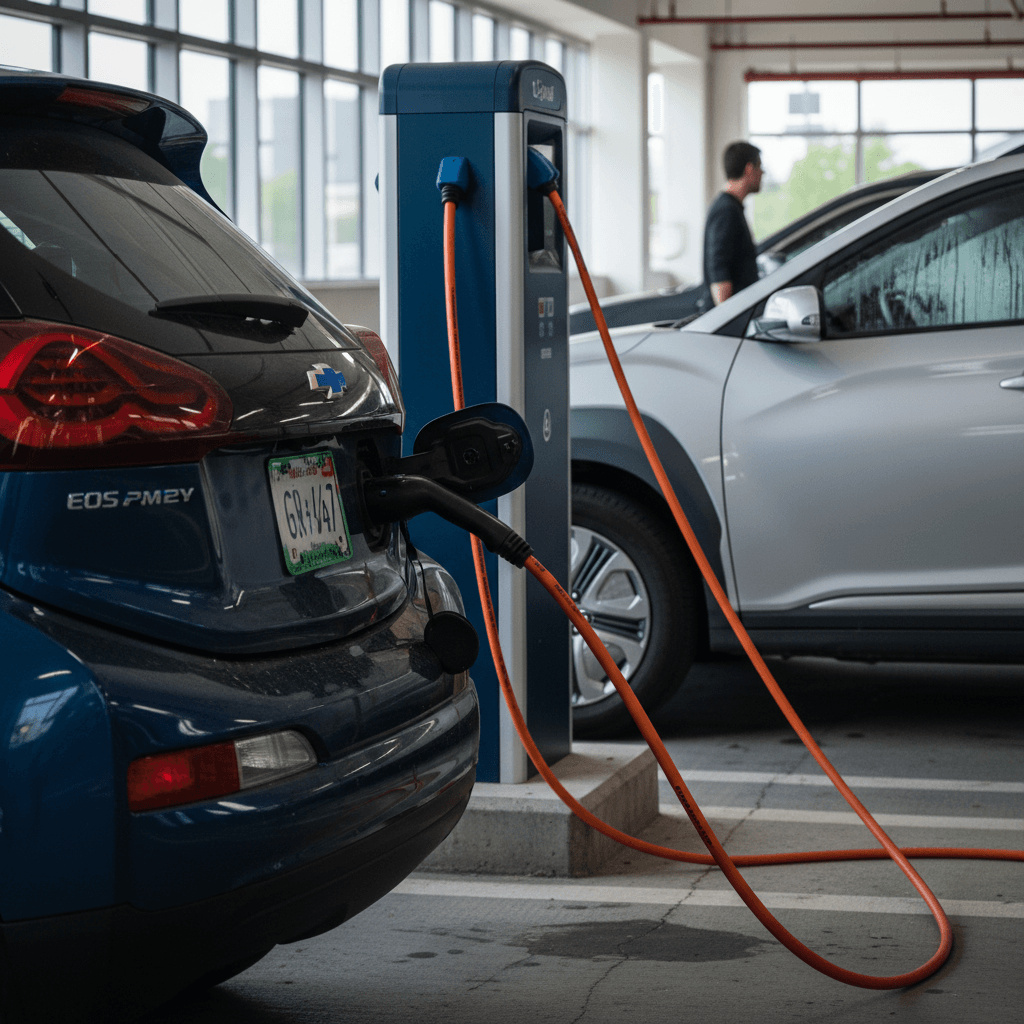
Charging Experience at Home and on the Road
On paper, both EVs support Level 2 home charging and DC fast charging. In practice, they behave a little differently – and that matters if you rely heavily on public fast chargers or just trickle‑charge at home.
Home vs. road‑trip charging
Where each EV has the edge
Home charging
- Bolt EV: Later model years offer up to 11 kW AC onboard charging, letting you add roughly 30–35 miles of range per hour on a 48‑amp home charger.
- Kona Electric: Most U.S. trims support around 7.2–11 kW AC, broadly similar real‑world overnight charging performance.
For typical commuting, both will easily recharge from daily use overnight on a properly sized Level 2 home setup.
DC fast charging & road trips
- Bolt EV: About 55 kW peak on DC fast charging and a conservative charging curve. Great for topping up occasionally, but you’ll spend longer at highway fast chargers.
- Kona Electric: Higher DC peaks (often in the 70 kW+ range on older U.S. cars, up to ~100 kW on newer generations) and a stronger mid‑range curve make it the more relaxed choice for long‑distance travel.
Think in hours, not just kW
Battery Health, Recalls & Reliability
This is where the Chevrolet Bolt EV and Hyundai Kona Electric part ways more sharply – not so much in how their packs work today, but in how they got here and how shoppers perceive them.
Bolt EV: Major recall, now largely resolved
All model‑year Chevrolet Bolt EVs from 2017–2022 were affected by a high‑profile battery recall involving potential fire risk. GM ultimately replaced battery modules (or in some cases full packs) on many cars.
- A Bolt with documented recall battery replacement can actually be a strong value – you’re effectively getting newer battery hardware in an older shell.
- Some shoppers remain nervous about the stigma, which helps keep used pricing attractive.
- When buying, confirm recall completion and verify the battery’s health with a third‑party diagnostic like the Recharged Score.
Kona Electric: Fewer headlines, solid track record
The Hyundai Kona Electric hasn’t been free of issues globally, but in the U.S. it hasn’t seen the same all‑model‑years recall spotlight the Bolt did. Owners often report stable degradation and good efficiency over time.
- Battery packs are generally well‑regarded for durability and efficiency.
- Hyundai’s long EV battery warranty on newer model years adds peace of mind.
- As with any used EV, you still want an independent assessment of remaining capacity and DC fast‑charge behavior.
Battery due diligence is non‑negotiable
Ownership Costs, Incentives & Used Value
On the used market, both the Chevrolet Bolt EV and Hyundai Kona Electric undercut many newer EVs while still delivering long range. But they don’t depreciate exactly the same way, and that affects which one is the better financial play for you.
Cost of ownership: Bolt EV vs Kona Electric
Purchase price, depreciation and running costs
Purchase price
In many U.S. markets, used Bolt EVs trade at slightly lower prices than comparable‑year Kona Electrics. The combination of the recall history and high production volume makes Bolts especially compelling for budget‑focused buyers.
Running costs
Electricity costs will be similar, but the Kona Electric’s efficiency often lets you squeeze a few more miles out of each kWh. Insurance and maintenance costs tend to be in the same ballpark; always get quotes for your ZIP code.
Incentives & tax credits
Depending on the year and your location, you may qualify for used EV tax credits or state incentives when buying either model. Check the latest rules, as used EV credits often cap price and income. A marketplace like Recharged can help you navigate eligibility.
Where Recharged can help
Ready to find your next EV?
Browse VehiclesChevrolet Bolt EV vs Hyundai Kona Electric: Which Is Better for You?
There isn’t a single winner here – the right choice depends on how and where you drive. But you can make a confident decision by matching each car’s strengths to your real life, not just spec‑sheet bragging rights.
Choose the Chevrolet Bolt EV if:
- You want maximum range per dollar and see a lot of well‑priced Bolts in your local used market.
- Most of your driving is city or suburban commuting, with only occasional DC fast‑charging road trips.
- You’re comfortable verifying that the recall work is complete and relying on a detailed battery health report to confirm remaining capacity.
- You like the feel of a tall hatchback with strong one‑pedal driving and quick low‑speed responses.
Choose the Hyundai Kona Electric if:
- You plan to take regular highway trips and care about faster DC fast charging and slightly better efficiency.
- You prefer a small‑SUV driving position and a cabin that feels a bit more conventional and refined.
- You value a simpler battery history and a strong reputation for real‑world efficiency and reliability.
- You’re willing to pay a bit more up front for what many owners describe as the more "set‑and‑forget" ownership experience.
Quick Checklist: How to Choose Between Bolt EV and Kona Electric
Step‑by‑step decision helper
1. Map your typical weekly driving
Roughly how many miles do you drive on a normal weekday and weekend? Both cars can handle 200+ miles between charges, but if you routinely push toward the limits, the Bolt’s slightly higher rated range may appeal – or you may want to look at newer, larger EVs entirely.
2. Be honest about road‑trip habits
If you’ll DC fast charge only a few times a year, the Bolt EV’s slower DC peaks might not bother you. If you plan multi‑state trips several times every year, the Kona Electric’s stronger charging curve is a meaningful advantage.
3. Decide how much recall history bothers you
A Bolt EV with a replacement pack and documented recall work can be an excellent value, but some shoppers simply prefer a model without that baggage. If you’re in that camp, the Kona Electric will likely feel like a safer psychological bet.
4. Sit in both back‑to‑back
Cabin feel is subjective. Some drivers love the Bolt’s upright, glassy hatchback vibe; others prefer the Kona’s more traditional SUV dashboard and seat height. A 15‑minute test drive in each will tell you more than an hour of reading specs.
5. Get a battery health report before you commit
For either model, ask for hard data on <strong>remaining capacity and DC fast‑charge behavior</strong>. On Recharged, this comes standard via the Recharged Score. Elsewhere, consider paying for an independent inspection or diagnostic before you sign paperwork.
6. Compare total cost, not just sticker price
Factor in financing terms, potential used EV tax credits, expected electricity costs, and insurance. Sometimes a slightly more expensive Kona Electric with better efficiency and a longer warranty ends up cheaper to own over several years.
FAQ: Chevrolet Bolt EV vs Hyundai Kona Electric
Frequently asked questions about Bolt EV vs Kona Electric
Bottom Line: Picking the Right Compact EV
If your top priority is maximum range per dollar and you’re comfortable doing your homework on recall history, the Chevrolet Bolt EV is hard to beat. It delivers big‑car range in a small footprint and typically undercuts the Kona Electric on price, especially in markets with plenty of off‑lease inventory.
If you’re planning frequent highway driving, value quicker DC fast charging, and want a smoother battery narrative with excellent efficiency, the Hyundai Kona Electric looks like the stronger long‑term partner. It’s the one many drivers would pick for regular 300‑ to 400‑mile days, even if its headline range isn’t dramatically higher than the Bolt’s.
Either way, the key is to shop based on individual battery health, not just model badges. That’s where a marketplace built specifically for EVs can change the equation. On Recharged, you can browse used Bolt EVs and Kona Electrics with verified Recharged Scores, compare pricing against real battery condition, line up financing, trade‑in and delivery, and get expert EV support from start to finish.
Do that, and the "Chevrolet Bolt EV vs Hyundai Kona Electric – which is better?" question becomes much simpler: it’s the one that best fits your driving, your budget, and the battery you’re actually getting – not just the one that wins on paper.