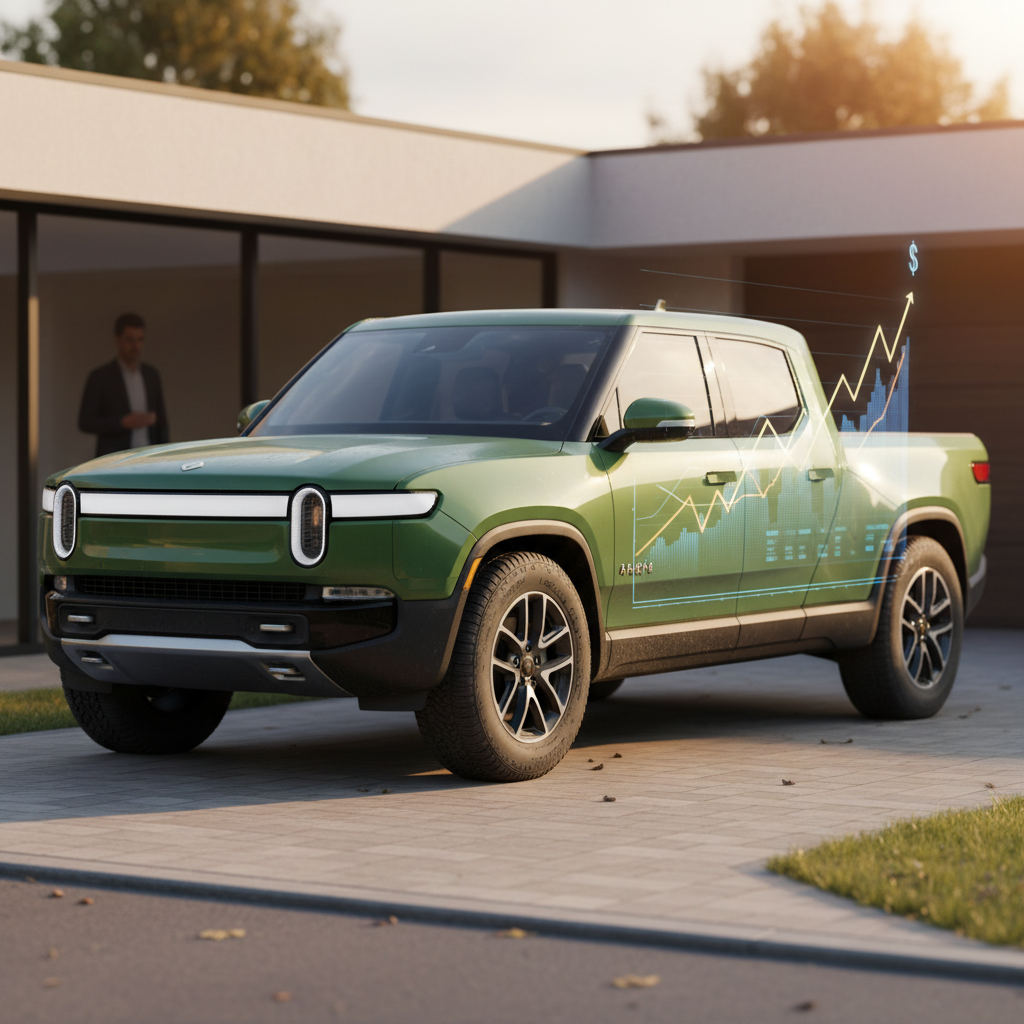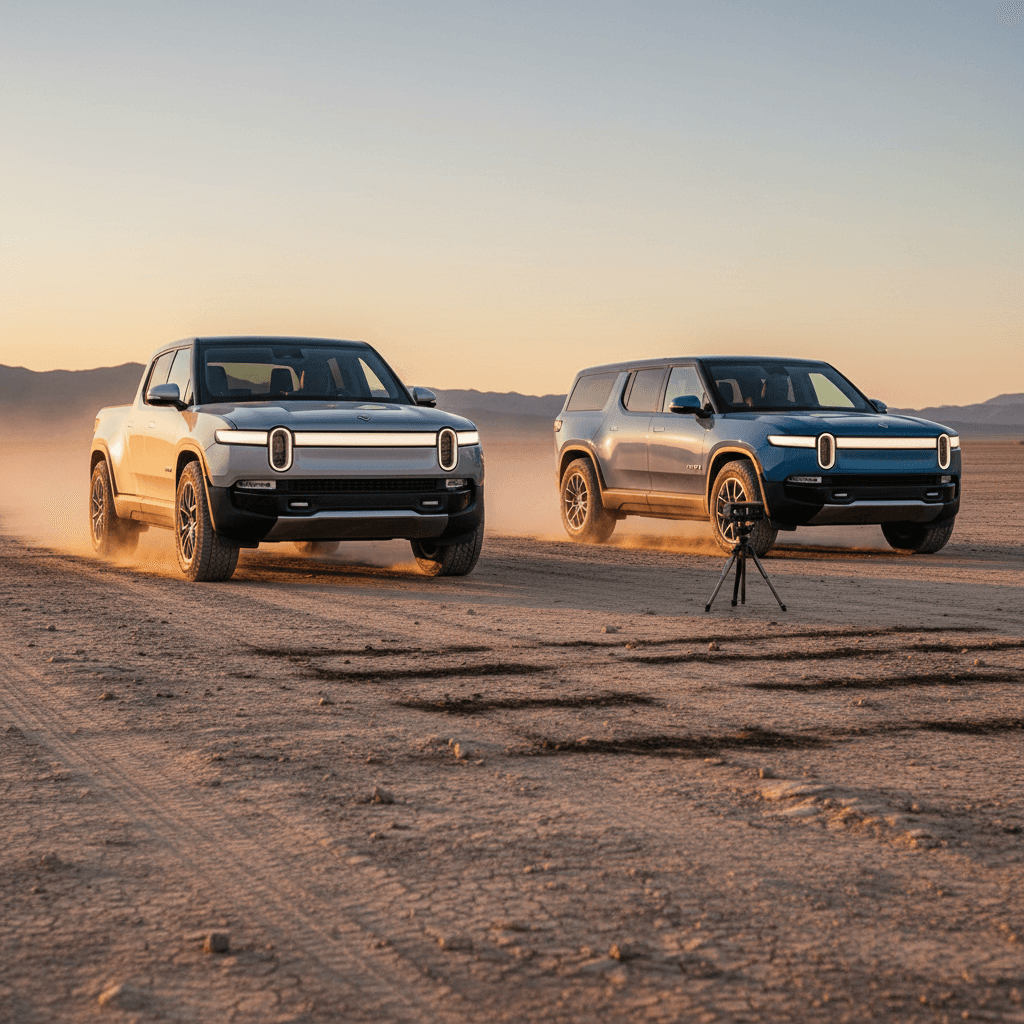
If you’re eyeing a Rivian R1T or R1S, or thinking about selling the one in your driveway, the Rivian depreciation rate is no longer a theoretical question. After a few years of real‑world sales, we now have enough data to see how quickly these premium electric trucks and SUVs lose value, how they stack up against rivals, and what that means for buyers and sellers in 2026.
Quick take
Why Rivian depreciation matters right now
Rivian launched the R1T in 2021 and the R1S shortly after, so the earliest trucks now have several years and tens of thousands of miles behind them. That means we finally have real resale data instead of guesses. At the same time, EV demand has cooled, MSRP has moved around, and incentives have shifted, all of which hit used values directly. If you’re buying, you want to know you’re not overpaying. If you’re selling, you want to understand what’s realistic and how to protect what your Rivian is still worth.
Important context
Rivian depreciation rate at a glance
Rivian depreciation snapshot (recent market data)
Put simply: Rivian is not a resale disaster, but it isn’t a resale hero either. It behaves like what it is, a premium, high‑priced EV in a volatile segment. That’s bad news if you paid early‑adopter prices, and good news if you’re shopping used today.
How the Rivian R1T depreciates
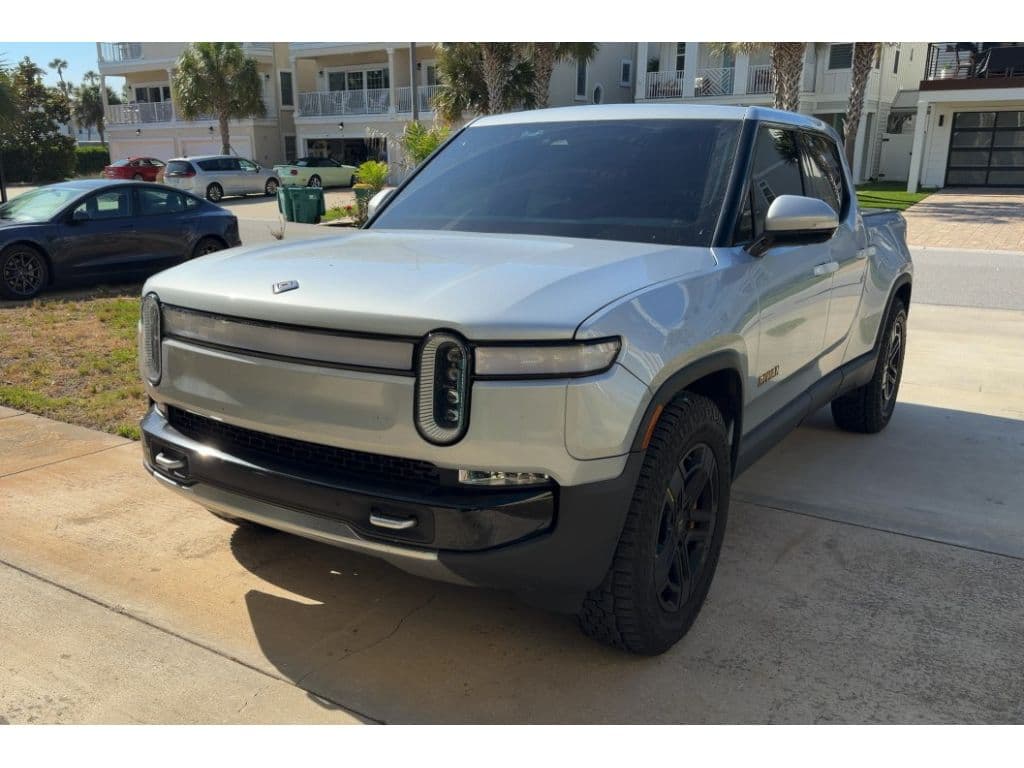
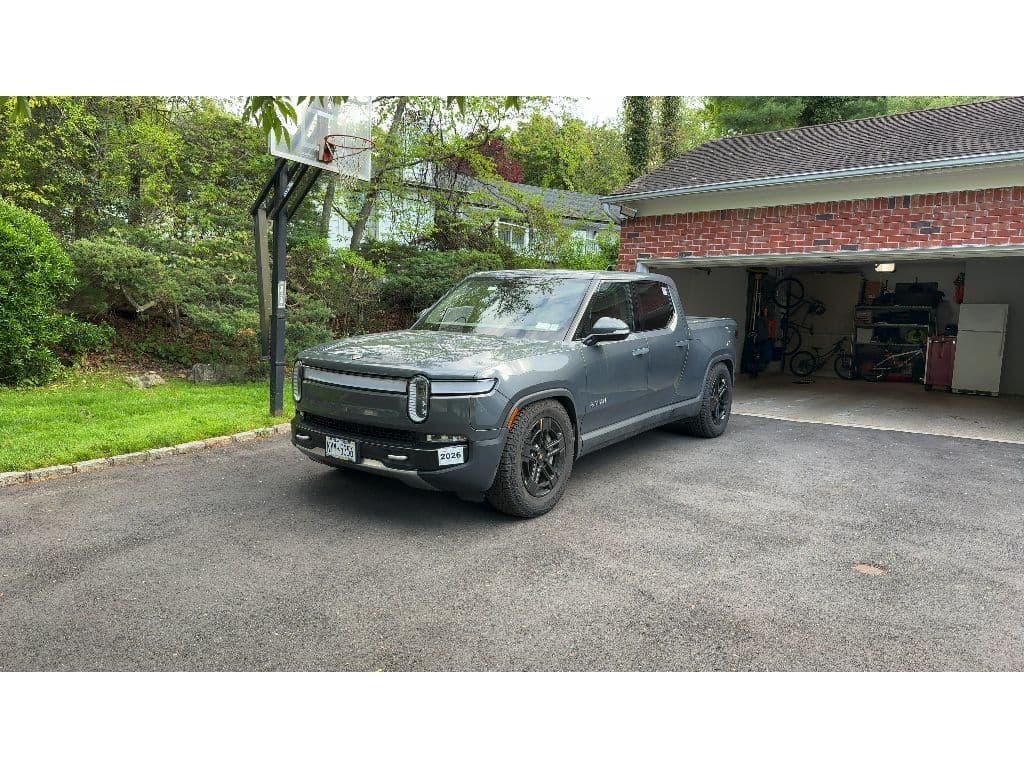
Let’s start with the pickup. Early R1T Launch Edition trucks pushed well into the $70,000–$80,000 range when new. Today, three‑year‑old R1Ts with typical miles are often showing values in the $40,000s, and some high‑mile Launch Editions are hovering around half of their original sticker after only about three years on the road.
Rivian R1T depreciation examples
Illustrative examples using recent market and pricing data. Individual vehicles will vary based on spec, miles, and condition.
| Scenario | Original MSRP (approx.) | Current or Modeled Value | Timeframe | Estimated Depreciation |
|---|---|---|---|---|
| Early 2022 R1T Adventure | $74,500 | ≈$52,000 | ~3 years | ~30%+ drop |
| 2022 R1T Quad Motor Launch Edition (lower‑mile retail) | $80,000+ | High $40,000s | ~3 years | ≈35–40% drop |
| 2022 R1T Quad Motor Launch Edition (higher‑mile listings) | $80,000+ | Around $40,000 | ~3 years | ≈50% drop |
| Recent‑model R1T (KBB 3‑year view) | Varies by trim | Retains ≈68% | 3 years | ≈32% drop overall |
Approximate Rivian R1T depreciation based on real‑world data and pricing tools.
Watch miles and warranty
How the Rivian R1S depreciates
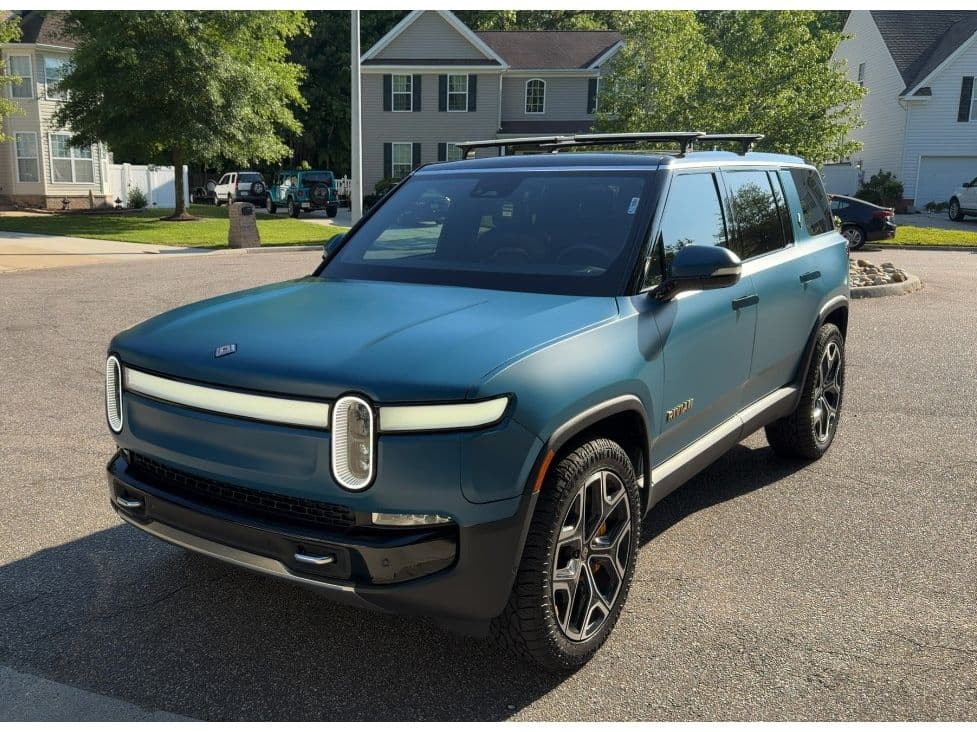
The R1S arrived a bit later and targets a slightly different buyer, but its depreciation story is similar: strong early demand, high launch pricing, then a cooler market and more competition. Pricing tools that model the 2024 R1S suggest roughly 47–53% depreciation over five years, depending on whether you’re looking at trade‑in or retail values. In plain English, a nicely optioned R1S that cost around $80,000 new could be closer to the low‑to‑mid $40,000s at the five‑year mark.
- Original MSRP bands in the mid‑$70,000s to low‑$90,000s for many trims.
- Average used asking prices already drifting into the $60,000s for late‑model trucks.
- Modeling that shows the R1S landing near the top of its segment for resale among luxury electric SUVs, but still losing about half its value over five years.
SUV vs. truck dynamics
Rivian vs other EVs and trucks
To really understand the Rivian depreciation rate, you have to see it in context. EVs as a group tend to depreciate faster than comparable gas vehicles, in part because technology is moving quickly and incentives keep shifting. Within that group, Rivian sits in the middle of the pack.
How Rivian stacks up on resale
Big picture trends, not exact predictions
Versus other EV trucks
Across electric pickups, Rivian’s R1T tends to land in the middle on resale strength:
- Better than some headline‑grabbing trucks that have seen steep early drops.
- Not quite as strong as the very best‑holding competitors in five‑year forecasts.
Versus luxury EV SUVs
The R1S behaves like other luxury electric SUVs:
- Faster depreciation than mainstream gas crossovers.
- Similar or slightly better than many high‑end EV SUVs over five years.
Versus gas pickups & SUVs
Compared with traditional trucks and SUVs:
- Gas pickups often lose far less than 50% in five years.
- Rivian’s 5‑year losses are higher, but that’s because of higher starting prices and evolving EV tech.
Don’t compare apples to oranges
Five factors that really move Rivian resale values
Whether a specific Rivian beats or misses the averages comes down to details. These are the levers that most strongly influence how much a given R1T or R1S is actually worth on the used market.
Key drivers of Rivian depreciation
1. Original MSRP and options
Rivians launched with high prices, and quad‑motor, Max pack, and off‑road packages add thousands to MSRP. In today’s softer market, heavily optioned trucks often lose more in absolute dollars, even if percentage‑wise they still look decent.
2. Battery health, not just mileage
With EVs, shoppers are learning to ask: how healthy is the battery? A Rivian with strong battery diagnostics and normal degradation will command a premium over one with unknown history, even at similar mileage.
3. Software and hardware updates
Rivian pushes frequent OTA software updates, and hardware changed quickly in the early years. Features like newer driver‑assist tech, improved efficiency, and upgraded interiors can support higher resale on later builds.
4. Tax credits and incentive timing
Shifts in federal credits and lease rebates change what shoppers can afford new. When new‑vehicle transaction prices drop because of incentives, used values often follow, even if the used truck itself hasn’t changed.
5. Brand and market sentiment
High‑profile headlines, about EV demand, charging availability, or Rivian’s finances, can temporarily pull used values down or up as shopper confidence changes. That’s especially true for a young brand still proving long‑term staying power.
Use multiple value sources

Buying a used Rivian: how to use depreciation to your advantage
If you’re a buyer, Rivian’s relatively steep early depreciation is a feature, not a bug. It lets you get into a seriously capable electric truck or SUV for far less than the first owner paid, as long as you’re careful about which one you choose.
Why used Rivians can be bargains
- Huge upfront discount: Many early R1T and R1S models are tens of thousands below original MSRP.
- Plenty of warranty left: Rivian’s battery and driveline coverage runs long enough that a three‑year‑old truck can still have years of protection.
- Mature software: Early bugs are often ironed out, and you benefit from OTA improvements the first owner lived through.
Risks to manage on a depreciated EV
- Battery uncertainty: Range drop or atypical degradation can erase whatever discount you scored.
- Feature changes: Trim and hardware updates mean not every used Rivian offers the same tech as new ones.
- Future demand swings: If EV sentiment dips again or incentives change, used prices can move quickly.
Used Rivian buyer checklist
Confirm real‑world battery health
Don’t settle for a dash‑display range estimate. Ask for a third‑party or dealer‑level battery health report, like the <strong>Recharged Score</strong>, so you know how much capacity the pack has actually retained.
Review fast‑charging history
Frequent DC fast charging and extreme climates can accelerate degradation. A truck that mostly charged at home on Level 2 with moderate climate exposure is often a safer long‑term bet.
Compare price to original MSRP
Look up the original build sheet or sticker. A 40% discount on an $80,000 truck is different from a 40% discount on a $70,000 one. Run the numbers in absolute dollars lost.
Cross‑shop similar EVs and gas models
Before you pull the trigger, compare monthly payments, operating costs, and resale forecasts against a few alternatives. Sometimes the Rivian’s higher purchase price is offset by lower fuel and maintenance costs.
Factor in home charging and insurance
Higher‑value EVs can come with higher insurance premiums, and adding a home charger is a real cost. Include both when you’re deciding whether today’s used‑price discount still makes sense.
How Recharged fits in
Selling or trading your Rivian: depreciation playbook
If you already own a Rivian, depreciation is the cost of admission for being an early adopter. But you still have levers you can pull to keep more of your truck’s value when it’s time to move on.
- Know your break‑even point. Add up what you paid (including taxes and fees), subtract what you still owe, and compare that to realistic trade‑in and private‑party values so you know where you stand.
- Time your sale around model and incentive changes. Big price cuts on new inventory or new federal incentives can push used values down quickly. If a refresh or new incentive is coming, you may want to move sooner.
- Present battery health up front. A clean battery health report reassures buyers and can justify a higher price or faster sale.
- Clean up cosmetic issues. Curb rash, cracked glass, and interior wear matter more on a premium EV than on a work truck. Modest reconditioning can pay for itself in resale value.
- Consider multiple exit options. Trade‑in, instant cash offers, consignment, and private sale all land at different price points and effort levels. Shopping all four usually pays off.
Don’t chase sunk costs
How Recharged helps you navigate Rivian depreciation
Used EV pricing is already complex. Add a young brand like Rivian, shifting incentives, and a fast‑moving tech curve, and it’s easy for shoppers and sellers to misread where the market really is. That’s where a dedicated used‑EV marketplace like Recharged can simplify the picture.
What Recharged brings to Rivian shoppers and sellers
Tools designed for EVs, especially high‑value models like Rivian
Recharged Score battery diagnostics
Every vehicle listed on Recharged includes a Recharged Score Report with verified battery health. That lets you compare two Rivians not just on mileage and price, but on the condition of the most expensive component in the vehicle.
Fair, data‑driven pricing
Recharged leans on real market data, not just generic book values, to set pricing and offers. That’s especially important for Rivian models, where early‑adopter MSRPs and frequent price changes make traditional guides less reliable.
Flexible ways to buy or sell
Whether you’re trading in a Rivian, seeking an instant offer, consigning it, or buying one with EV‑specialist support and nationwide delivery, Recharged is set up to handle the unique realities of used EVs.
Ready to find your next EV?
Browse VehiclesIn‑person help if you want it
Rivian depreciation rate: FAQ
Frequently asked questions about Rivian depreciation
The bottom line on Rivian depreciation
Rivian’s depreciation story is nuanced. The brand’s R1T and R1S have taken meaningful hits off their lofty launch prices, especially for early, heavily optioned trucks, but they’re not outliers in a segment where rapid tech change and shifting EV sentiment push values around. If you’re a buyer, that volatility creates an opening to pick up a seriously capable electric adventure vehicle at a substantial discount, as long as you protect yourself with solid battery data and realistic pricing. If you’re an owner, understanding where Rivian sits in the market helps you time your exit and choose the right way to sell.
Either way, depreciation doesn’t have to be a guessing game. With transparent reporting like the Recharged Score, fair‑market pricing tools, and EV‑specialist guidance, you can make a Rivian decision that fits your budget today and your resale expectations down the road.