If you’re hunting for the cheapest electric car under $15,000, 2025 is finally your kind of market. Used EV prices have fallen hard, and for the first time you can realistically daily-drive an electric car on a compact-car budget, if you pick the right model and don’t get blindsided by battery problems.
Good news for budget EV buyers
Why $15,000 Is a Sweet Spot for Used EVs
At around $15,000, you sit at the crossroads of two very different kinds of used EVs. On one side are ultra-cheap, early cars with modest range and older batteries. On the other side are slightly newer models with more range, better safety tech, and improved battery management, but with higher miles. Your job is to decide where you’re willing to compromise: range, age, mileage, or features.
Used EV price and cost snapshot for budget buyers
That $15,000 ceiling is also important for another reason: financing. Many lenders are more comfortable underwriting older, lower-priced EVs at this level, and keeping your price down gives you headroom for taxes, registration, and a home charging solution without stretching your budget.
Quick list: Cheapest electric cars under $15,000
Let’s start with the models you’re most likely to see under $15K in the U.S. used market. Exact prices will depend on mileage, trim, condition, and region, but these are the usual suspects when you filter for the cheapest electric cars:
Most common electric cars under $15,000 (used)
These models frequently appear below $15K and can be smart buys if the battery checks out.
| Model | Typical Used Price Range | EPA Range When New | What It’s Best For |
|---|---|---|---|
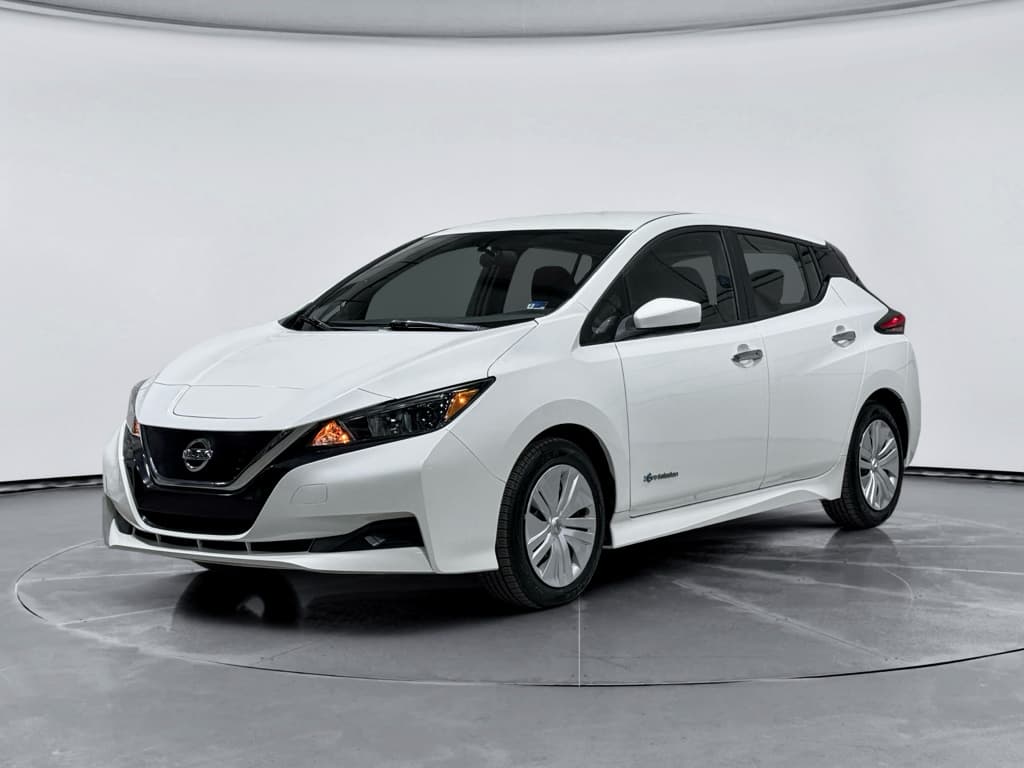
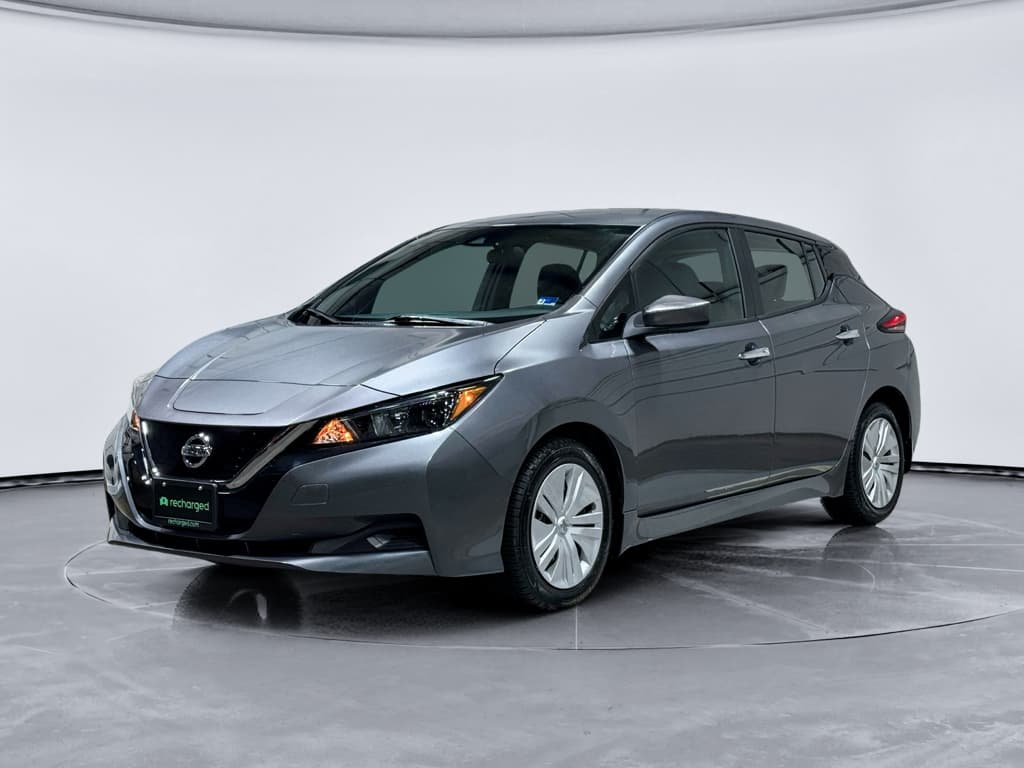
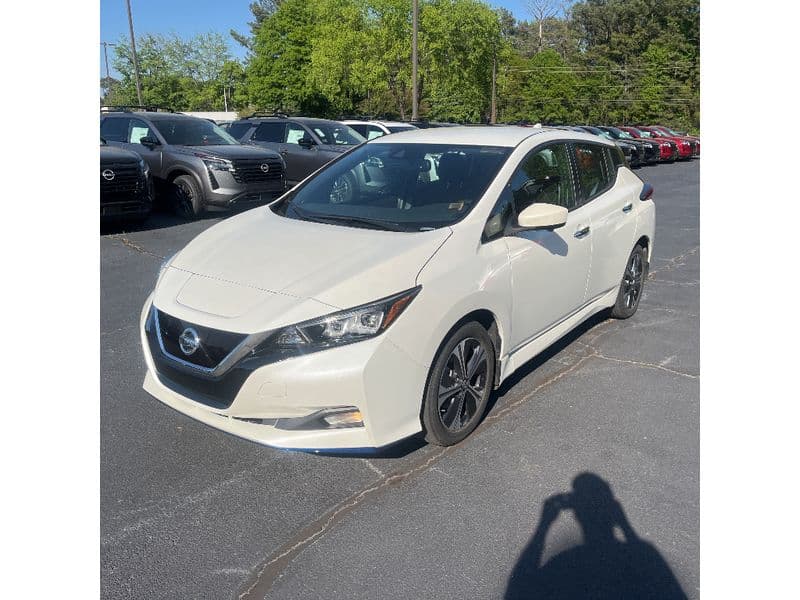
| 2013–2019 Nissan Leaf | $5,000–$13,000 | 84–150 mi | Shortest commutes, low purchase cost above all else. |
| 2014–2016 BMW i3 (BEV) | $9,000–$15,000 | 81–114 mi | Premium city car feel in a small, efficient package. |
| 2014–2016 BMW i3 REx | $10,000–$15,000 | 72 mi EV + gas range | Anxiety-free EV driving thanks to the gasoline backup. |
| 2014–2016 Fiat 500e | $6,000–$11,000 | 84 mi | Fun urban runabout for short trips and second-car duty. |
| 2014–2016 Chevy Spark EV | $7,000–$12,000 | 82 mi | Tiny footprint, punchy torque, great for city use. |
| 2015–2017 Kia Soul EV | $9,000–$15,000 | 93–111 mi | Boxy practicality with good visibility and comfort. |
Approximate price ranges assume average mileage and typical condition in late 2025. Always verify local pricing.
Don’t chase the very lowest number
Range reality check: What you actually get for $15K
The listings may say 84 miles or 107 miles, but those are EPA figures from when the car was new. After nearly a decade of use, most cheap EVs have seen some degradation. In practice, you should plan on current usable range being lower than the original window sticker, and sometimes much lower if the car spent its life in a hot climate.
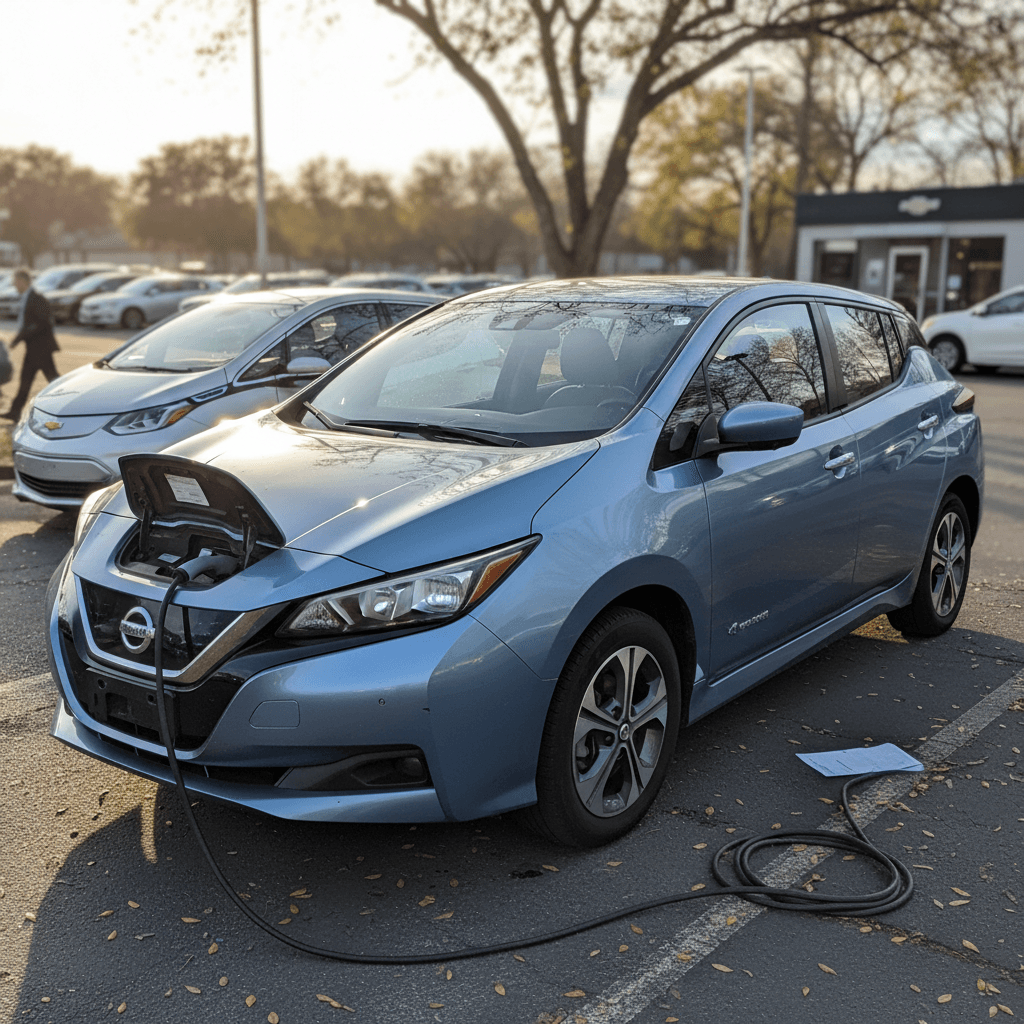
Older Nissan Leaf (24 kWh battery)
- EPA new: around 80–84 miles
- Typical now: often 55–70 miles on a full charge
- Best for: city errands, sub-40-mile daily driving
Early Leafs use air-cooled batteries, so degradation can be significant in hot regions.
BMW i3 (60 Ah BEV)
- EPA new: roughly 80–81 miles
- Typical now: many owners still see 60–70 miles
- Best for: shorter commutes with occasional highway hops
Liquid-cooled batteries tend to age more gracefully than early air-cooled packs.
If you regularly drive 60 highway miles a day in all weather, a heavily degraded 24 kWh Leaf will feel tight. But if your life is mostly school runs, errands, and a short commute, even 55–65 miles of real-world range can work just fine, especially if you can charge at home.
Highway vs. city range
Battery health: The make-or-break variable
When you’re looking for the cheapest electric car under $15,000, battery health matters more than leather seats, wheels, or even model year. Two identical cars can sit on the same lot at the same price; one may comfortably do 90 miles on a charge, the other 45. The difference is hidden in the battery, not the paint.
How to quickly judge battery health on a cheap EV
You don’t need to be an engineer, you just need the right clues.
1. Dash indicators
On cars like the Nissan Leaf, battery "bars" on the dash give a quick snapshot. Fewer bars typically mean significant degradation and reduced range.
2. App or scan report
Some sellers can show an app or diagnostic report with State of Health (SoH). Treat 80–90% SoH differently than a pack already in the 60s.
3. Documentation & warranty
Look for recent dealer or third-party battery checks, and confirm whether the factory 8-year/100,000-mile battery warranty is still in effect.
How Recharged helps here
Ready to find your next EV?
Browse VehiclesIndependent studies of thousands of used EVs show many still retain around 90% of their original capacity even after years on the road. But that’s an average, not a promise. A handful of models, and hot-climate cars in particular, can fall well below that, which is exactly why objective battery data is so valuable.
Key costs to budget for beyond the sticker price
Keeping the purchase price under $15,000 is only part of the equation. To avoid surprises, you’ll want to pencil out a few other line items before signing anything.
- Sales tax, registration, and title fees in your state.
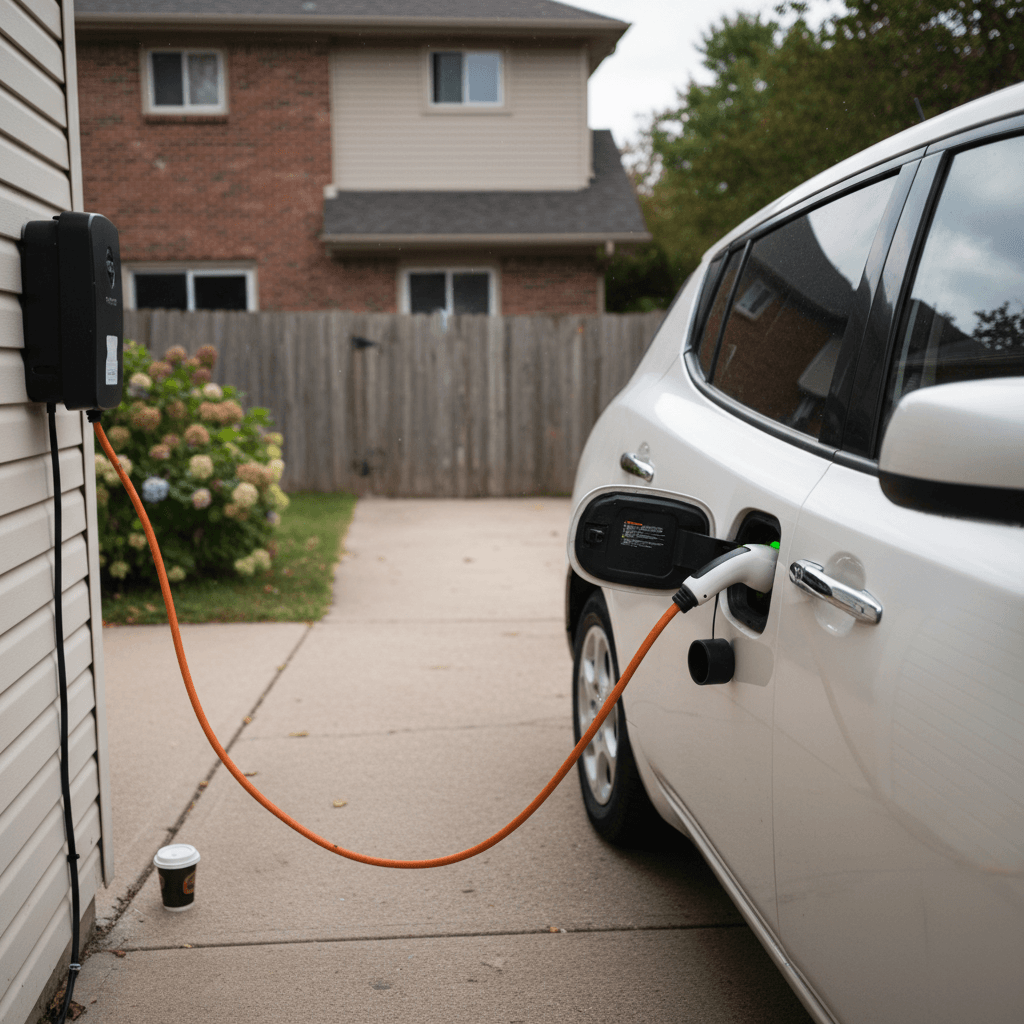
- A Level 2 home charger or at least a dedicated 120V/240V outlet where you park.
- Routine items like tires, brakes, cabin filters, and wiper blades.
- Higher electricity usage on your utility bill once you start charging at home.
- Insurance, which can be slightly higher or lower than a gas equivalent depending on model and carrier.
Think in total cost, not just price
How to shop smart for a cheap used EV
Finding the cheapest electric car under $15,000 isn’t hard. Finding one that still fits your life 3–5 years from now takes a little more discipline. Use this checklist as your roadmap before you ever set foot on a lot.
7-step checklist for buying a sub-$15K EV
1. Map your real daily and weekly miles
Write down your typical weekday mileage, weekend errands, and any regular long trips. If a car’s honest, current range can’t comfortably cover your routine with a buffer, don’t force it.
2. Decide your minimum acceptable range
For many buyers, that’s 60–80 miles of real-world usable range. For others, especially in rural or cold regions, 100+ miles feels more comfortable. Lock this in before you fall in love with a specific car.
3. Learn the model’s known battery story
Early Leafs, for example, are known for quicker degradation in hot climates, while some liquid-cooled packs age more slowly. A 2015 Fiat 500e that lived in coastal California is a very different bet than one that lived in Phoenix.
4. Demand some form of battery documentation
Ask for a recent battery health report, dealer inspection, or at least clear photos of battery bars/menus. If a seller dodges battery questions, treat that as a red flag, not a negotiation tactic.
5. Verify charging compatibility where you live
Make sure the car uses standard <strong>J1772 Level 2</strong> charging and that its DC fast-charging connector (if equipped) matches the networks near you. Lack of fast charging isn’t a dealbreaker for many commuters, but you should know before buying.
6. Test-drive in your real use case
Don’t just loop the block. Drive on the highway, climb a hill if that’s part of your commute, and watch energy usage. Check how it feels at 70 mph and whether you’re comfortable with acceleration, noise, and ride quality.
7. Compare similar cars side by side
If you’re torn between, say, a $9,500 Leaf and an $11,500 i3 REx, compare battery health, range, warranty remaining, and charging flexibility, not just mileage. A slightly higher price can be cheap insurance.
The one thing you shouldn’t “fix later”
When a $10K EV is a bad deal, and when it isn’t
Price tags alone don’t tell you whether an electric car under $15,000 is a win. Context does. Here’s how to think about those eye-catching four-figure listings you’ll inevitably run across.
A cheap EV that IS a good deal
- 2015 Nissan Leaf priced at $8,500
- Battery health report shows solid capacity
- Serviced in a mild climate, no crash history
- You drive 35 miles a day and can charge at home
Here, the limited range doesn’t matter because it still comfortably exceeds your needs, and the price saves you thousands.
A cheap EV that’s probably a bad bet
- 2013 Leaf at $6,000 with several missing battery bars
- Life in a very hot region with no documentation
- You need 60+ highway miles daily year-round
- Dealer won’t provide any battery diagnostics
Here, you’re likely buying someone else’s problem. Even though the price is low, the usable range may be too tight to live with.
Where to find the best deals: Dealers vs. marketplaces
You can find a sub-$15K electric car almost anywhere: big franchise dealers, independent used lots, private-party listings, or dedicated EV marketplaces. What varies isn’t just the price, it’s how much information you get before you commit.
Pros and cons of common places to buy a cheap EV
Same car, very different buying experience.
Traditional dealers & used lots
- Pros: Easier financing, trade-in options, some state warranty protections.
- Cons: EV expertise varies widely, battery info can be vague, and pricing may be less transparent.
Online EV marketplaces like Recharged
- Pros: EV specialists, standardized battery diagnostics, transparent pricing, nationwide selection, and home delivery.
- Cons: Inventory might sell quickly; you’ll handle the test-drive virtually or at a central experience center.
On Recharged, every car comes with a Recharged Score Report that breaks down battery health, range expectations, and value, along with EV-specialist support to help you decide if that cheap Leaf or i3 actually fits your life. You can finance, trade in, or even sell your current car and have your EV delivered, all online.
FAQ: Cheapest electric car under $15,000
Common questions about cheap EVs under $15K
Bottom line on cheap electric cars
There’s never been a better time to shop for the cheapest electric car under $15,000. The fall in used EV prices means that for many drivers with modest commutes, an affordable electric hatchback now makes more financial sense than a similarly priced gas compact. The key is to treat the battery like the engine and transmission rolled into one: if it’s strong, the car can be a bargain; if it’s tired, walk away.
Start by defining how much range you truly need, then focus on models and individual cars that can deliver that range today, not when they were new. Prioritize objective battery information, realistic test drives, and total cost of ownership instead of chasing the rock-bottom ad price. And if you’d like backup from people who live and breathe this stuff, browsing used EVs on Recharged gives you verified battery health, fair pricing, and EV‑specialist help so your budget EV feels like a smart decision, not a gamble.