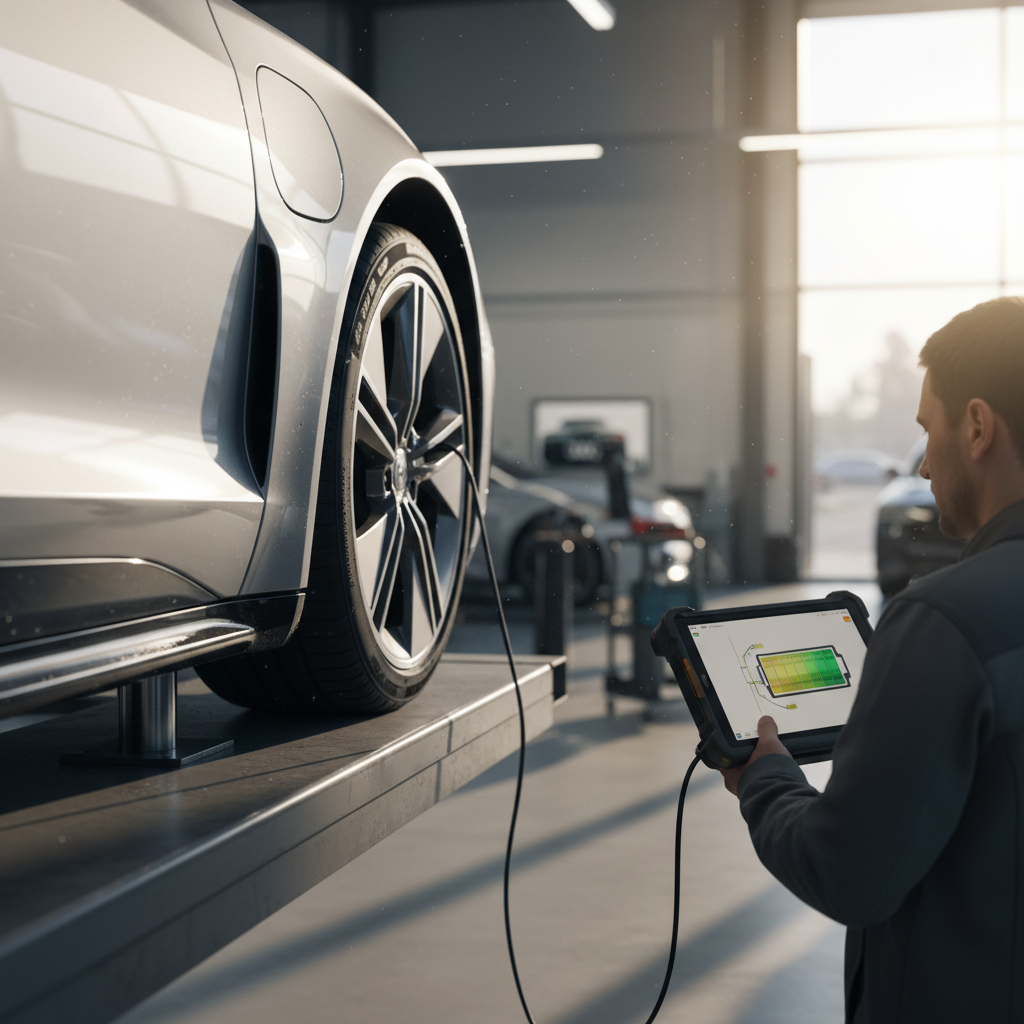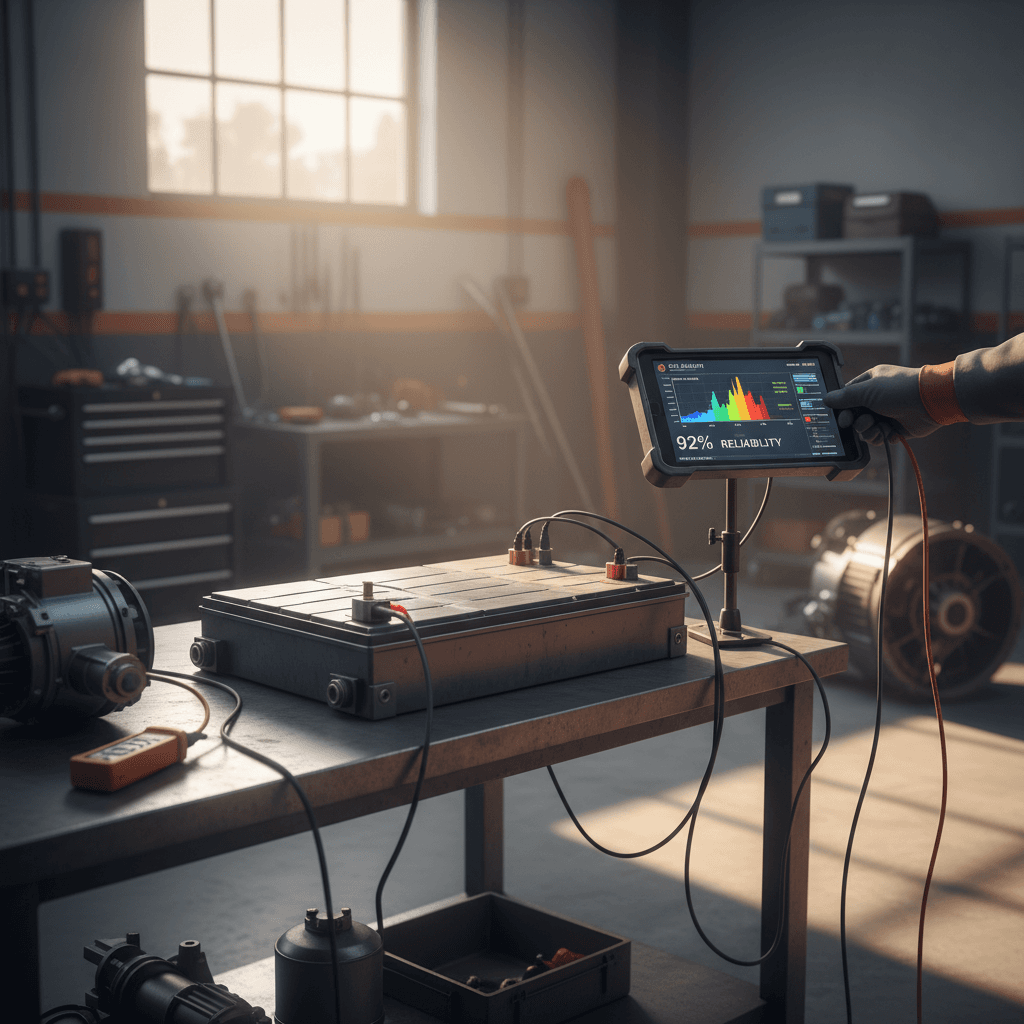
You’re hunting for a reliable used EV under $75,000, something that won’t strand you, won’t nuke your budget with surprise repairs, and still feels modern a few years from now. The good news: real-world data from fleets, studies, and owners shows that many EVs age better than people expected. The trick is knowing which models to favor, which to treat carefully, and how to separate a solid car from a ticking time bomb.
Big picture on EV reliability
Why reliability matters for used EVs under $75K
Seventy-five thousand dollars should buy you a seriously good used EV: newer tech, plenty of range, and the peace of mind to road-trip without a second thought. But price alone doesn’t guarantee reliability. Some first- and second-generation models packed in bleeding-edge features that looked great on a spec sheet and then created headaches in the real world, especially around complex electronics and fast-charging hardware.
- Battery packs and high-voltage components are expensive if they fail out of warranty.
- Some brands nailed EVs early; others are still working through painful first attempts.
- A reliable EV protects not just your wallet, but your time and confidence in going electric.
Don’t confuse “low miles” with “reliable”
How reliable are used EV batteries, really?
Battery fear is what keeps a lot of people out of the used EV market. The last few years of data should be a relief. Telematics and fleet studies covering tens of thousands of vehicles show average battery degradation around 1.5–2% per year for modern packs, with typical EV batteries keeping roughly 90% of their original capacity after six to seven years. Long-term experiments on high-mileage cars have found some packs still around 90% state-of-health after 100,000+ miles of use.
What real-world data says about EV batteries
The real battery risk
Most reliable used EVs under $75K
Under $75,000, you’re not just limited to economy commuters, you can shop nearly the entire used EV market, including higher-trim Teslas, Korean standouts, and well-sorted crossovers. Below are models that consistently show strong reliability signals from owner reports, used-market data, and early battery studies, while staying safely below that $75K ceiling in most U.S. markets.
Core reliable used EV picks
These models blend strong reliability track records with modern range and tech.
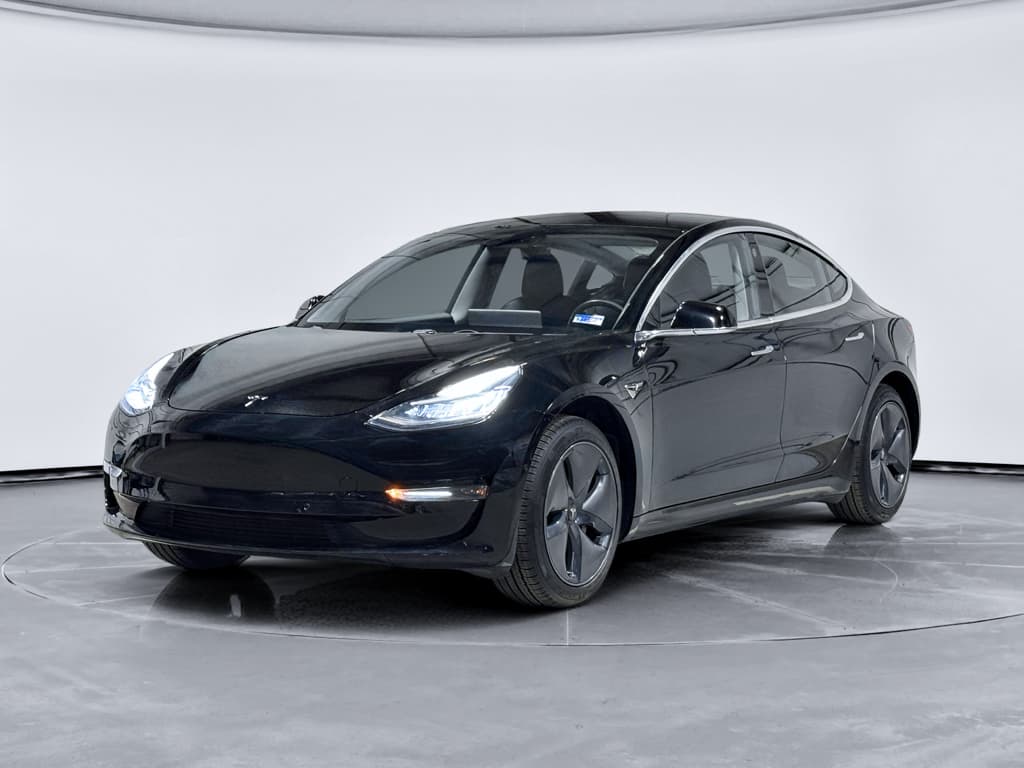
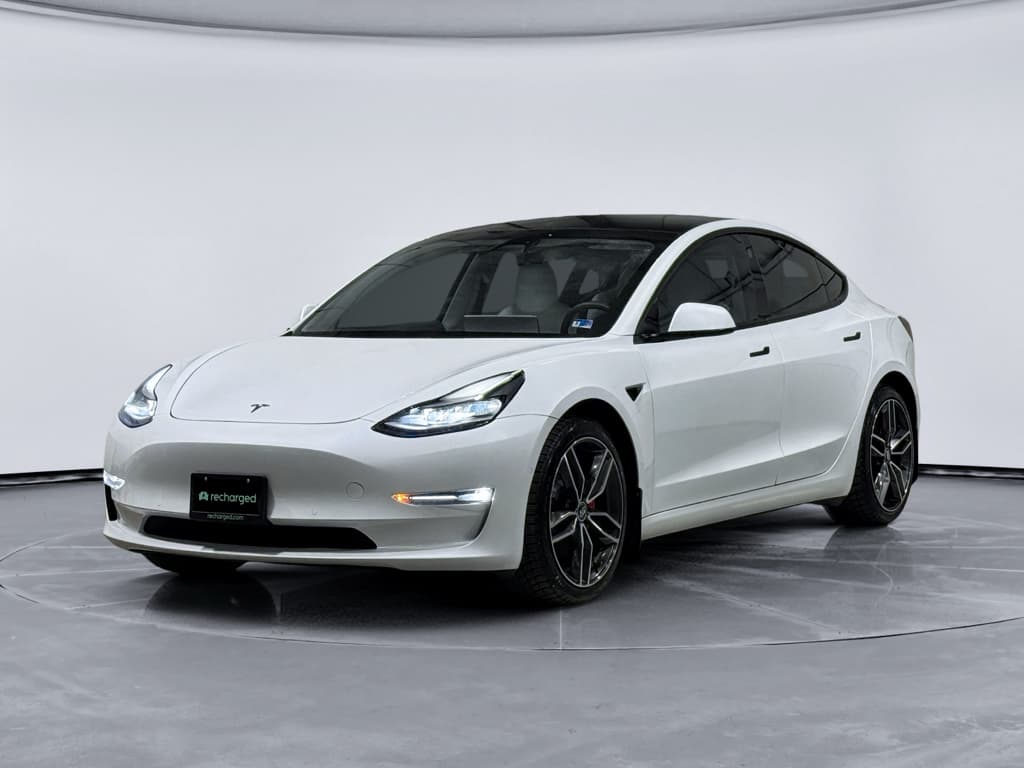
Tesla Model 3
Why it’s a safe bet: One of the most mature EV platforms, with millions on the road and lots of real-world data. Later years (2021+) benefit from ongoing quality refinements.
- Typical real-world range: 230–330 miles depending on trim and age
- Excellent charging network access via Tesla Superchargers
- Strong parts availability and OTA software support
Hyundai Ioniq 5
Why it’s appealing: 800V architecture for very fast DC charging, comfortable ride, and a reputation for solid build quality from a brand that’s taken EVs seriously.
- Real-world range commonly 220–275 miles
- Spacious cabin and family-friendly packaging
- Generally strong reliability ratings for Hyundai’s recent EVs
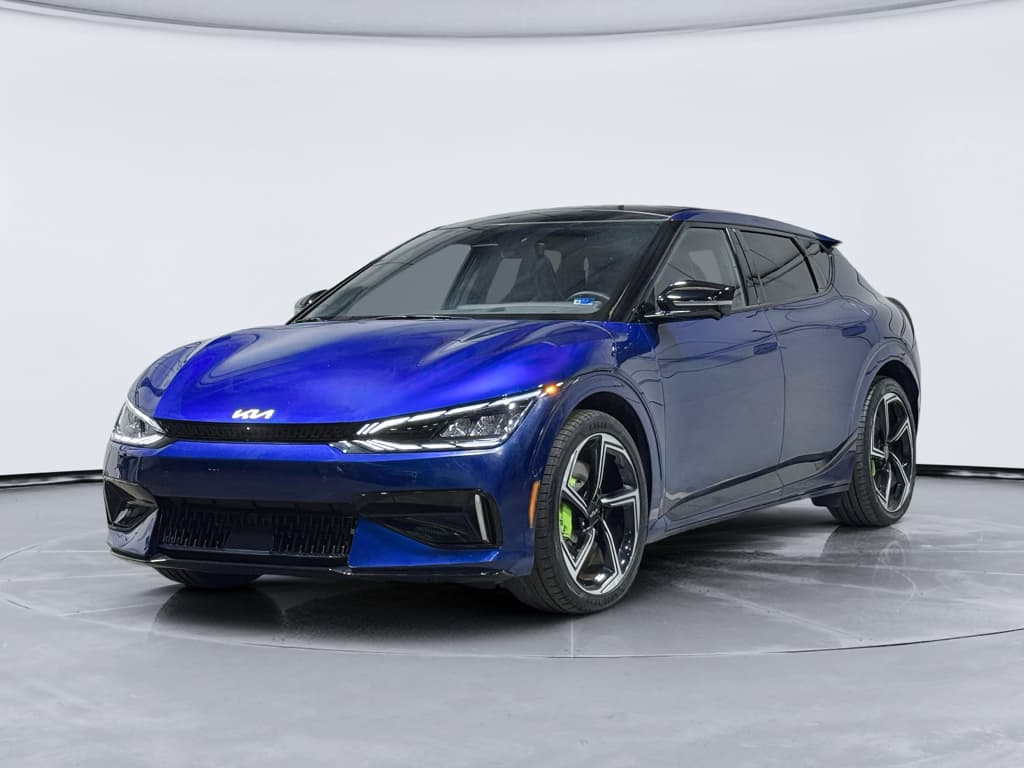
Kia EV6
Why it stands out: Shares a platform with the Ioniq 5, but with sportier tuning and sharp styling. Owners praise its balance of performance and everyday comfort.
- Up to mid-200s miles of range in many trims
- Fast DC charging and good road-trip manners
- Average-or-better reliability in early surveys
More reliable used EVs to short-list
If you see these under $75K, they’re worth a close look.
Chevrolet Bolt EV & EUV
Why they’re smart buys: Small-car efficiency champs with simple packaging and low operating costs. Post-battery-replacement Bolts (after the recall work) are particularly attractive.
- Real-world range: roughly 220–260 miles
- Compact footprint but surprisingly roomy interiors
- Excellent value pricing on the used market
Tesla Model Y
Why it’s popular for a reason: Tops used-EV sales charts, with family-friendly space and proven drive units shared with the Model 3.
- Typical range: mid-200s to low-300s miles
- Access to the Supercharger network for seamless road trips
- Plenty of real-world reliability data and parts support
Ford Mustang Mach-E
Why it’s improved: Early build issues were well publicized, but software and hardware updates have steadily made later examples more dependable.
- Range: around 225–300 miles depending on battery and motor
- Comfortable, quiet cruiser with usable cargo space
- Check build year and recall history carefully
Price reality check under $75K
Luxury used EVs under $75K worth a look
That $75K ceiling also buys you some compelling luxury EVs that have already taken their biggest depreciation hit. You’ll trade a bit of long-term simplicity for comfort and curb appeal, but some high-end models are shaking out as more reliable than their peers.
Luxury used EVs under $75K: reliability-leaning picks
Approximate used pricing will vary by mileage, trim, and region, but these models commonly slip under $75K and have encouraging long-term signals.
| Model | What it does best | Key reliability notes | Typical used price band* |
|---|---|---|---|
| Tesla Model S (newer gen) | Long-range highway cruiser with strong performance | Mature powertrain; focus on later years with updated batteries and build improvements. | $40K–$70K |
| BMW i4 | Refined, familiar BMW feel with an EV powertrain | Built on a well-known 4 Series platform; software and electronics generally solid. | $35K–$65K |
| Mercedes-Benz EQS | Ultra-comfortable luxury sedan | High-end tech; prioritize full service history and warranty coverage for peace of mind. | $45K–$70K |
Always verify battery and warranty details on any individual vehicle.
Luxury EV fine print
Used EVs to approach with caution
Every brand has learning-curve vehicles, the first swings at EVs that looked great in press releases but turned out twitchy in the wild. They’re not automatic deal-breakers, but they deserve a more skeptical eye.
- First-generation or very low-volume EVs from brands new to electric powertrains.
- Models with persistent reports of charging-system or infotainment trouble in early years.
- Any EV that still hasn’t had major battery or charging recalls completed.
- Heavily modified cars, especially with aftermarket suspension or wheel/tire packages beyond factory spec.
Walk-away moments
How to check a used EV’s reliability before you buy
Used EV shopping shouldn’t be a trust fall. You have more data at your fingertips than you’d ever get with a used gas car, IF you know what to ask for. Reliability is part history, part inspection, part gut check.
Pre-purchase reliability checklist
1. Start with the model’s track record
Look up owner forums, long-term tests, and reliability rankings for that specific model and year. You’re not just buying a car, you’re buying into a pattern of known strengths and weaknesses.
2. Verify software updates and recalls
Ask for proof that recalls are complete and major software updates applied. Many EV issues are solved, or at least softened, by updated firmware for charging, battery management, and driver-assist systems.
3. Get a detailed service history
You want to see regular maintenance, especially brake fluid, coolant (where applicable), and tire rotations. Gaps may not be fatal, but unexplained visits for ‘drive system’ or ‘HV battery’ complaints deserve follow-up questions.
4. Inspect tires, brakes, and suspension
Heavy EVs are hard on tires and suspension. Uneven wear can hint at alignment or suspension issues. Premature brake wear on an EV can signal aggressive driving or a malfunctioning regeneration system.
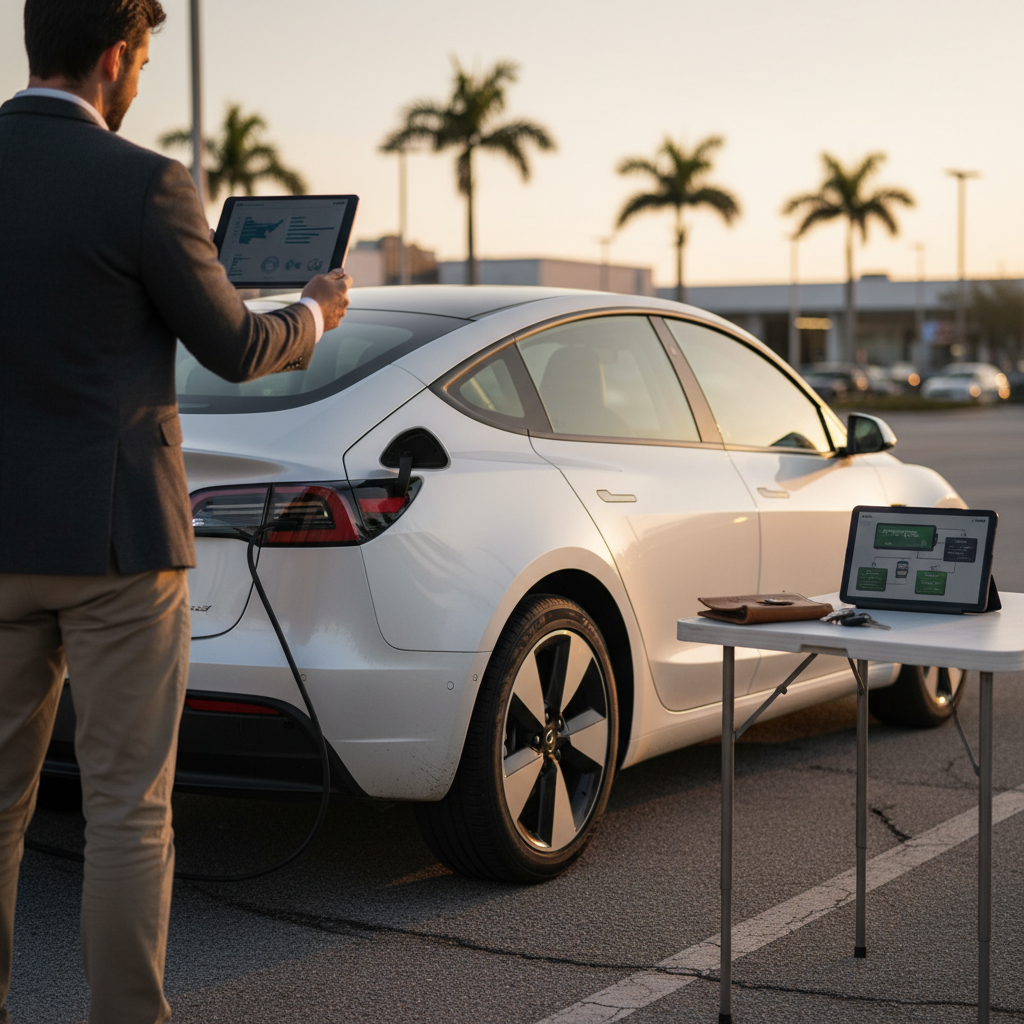
5. Test all charging methods
If possible, charge the car on Level 2 and DC fast charging before you buy. Watch for error messages, unusual noises from the charge port area, or wildly inconsistent charging speeds.
6. Drive it like you own it
On the test drive, pay attention to clicks or clunks over bumps, wind noise, screen glitches, and random warnings. A reliable EV should feel drama-free, even if it’s quick.
Battery health checklist for used EVs
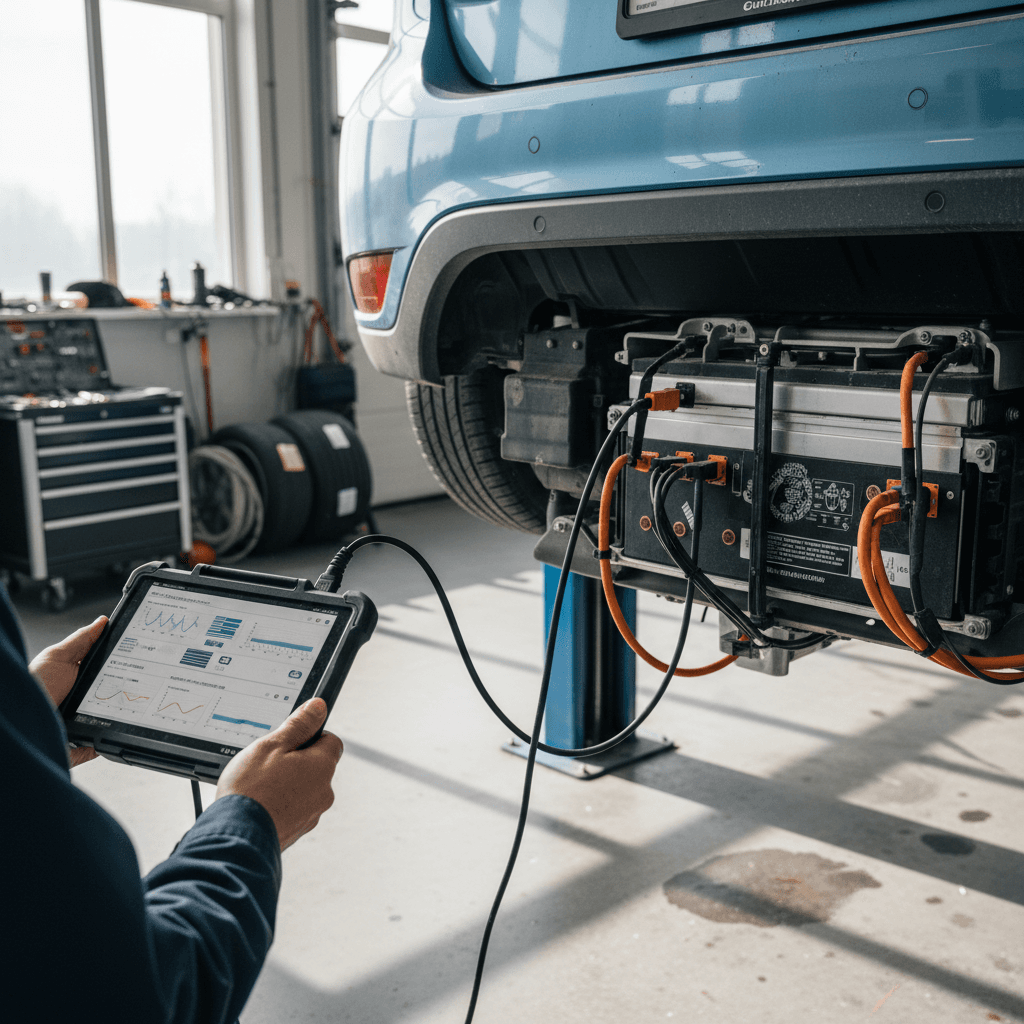
Think of the battery as the engine and fuel tank rolled into one. You wouldn’t buy a used gas car without checking for oil leaks and compression; a used EV deserves the same attention, just with different tools.
What to ask the seller
- State of charge habits: Did they usually charge to 80–90% or sit at 100% for days?
- Fast-charging usage: Regular road trips on DC fast chargers, or mostly home Level 2?
- Climate: Has the car lived in extreme heat or cold?
- Battery warranty status: Is the original 8–10 year warranty still in effect?
What a proper test should show
- State of health (SoH): A quantified look at remaining capacity, not just a “good” or “bad” light.
- Cell balance: No big outlier modules dragging the pack down.
- No hidden fault codes: Clean high-voltage system without stored errors.
- Range vs. new: A realistic picture of how far the car can go now compared with when it was new.
Where Recharged fits in
Cost of ownership for a “reliable” used EV
Reliability isn’t just about not breaking, it’s about predictable costs. A reliable used EV under $75K should offer low day-to-day expenses and minimal surprises. That’s where EVs shine compared with similar gas or hybrid models, especially once you’re past the steepest new-car depreciation.
Typical ownership costs for reliable used EVs
Broad averages for a mainstream used EV in the $30K–$60K range; exact numbers vary by model and location.
| Cost area | What to expect with a reliable used EV | How to keep it in check |
|---|---|---|
| Electricity | Often cheaper per mile than gasoline, especially with off-peak home charging. | Use scheduled charging and time-of-use rates where available. |
| Maintenance | No oil changes; fewer moving parts than ICE. Expect tires, cabin filters, brake service. | Rotate tires on schedule; watch for uneven wear on heavier EVs. |
| Repairs | Lower routine costs, but big-ticket items (screens, air suspension, battery-related components) can be expensive. | Choose well-reviewed models, verify warranty coverage, and consider an extended warranty on complex luxury EVs. |
| Depreciation | Biggest hit happens in the first 3–4 years. Buying used lets you skip that cliff. | Stick to in-demand models with good reliability reputations to protect resale value. |
Numbers are illustrative; always price insurance, electricity, and tires for your specific vehicle and ZIP code.
Aim for the sweet spot
How Recharged helps you buy a reliable used EV
Buying a used EV shouldn’t require an engineering degree and a crystal ball. At Recharged, the whole experience is built around making reliability and transparency the default, not the exception.
What you get with a Recharged used EV
More than a listing, real insight into reliability and value.
Recharged Score battery diagnostics
Fair pricing & financing
Nationwide, EV-focused support
Ready to find your next EV?
Browse VehiclesIf you’re shopping for a reliable used EV under $75K, you’re in a better spot than ever. Mature platforms like the Tesla Model 3 and Model Y, Korean standouts like the Ioniq 5 and EV6, and well-sorted crossovers from Chevrolet and Ford have proven that electric vehicles can age gracefully. Combine the right model choice with a proper battery health report and a thorough pre-purchase checklist, and you’ll spend your time enjoying instant torque and quiet miles, instead of worrying what might fail next.