If you’re hunting for a reliable used EV under $20,000, you’re shopping in the most interesting corner of today’s EV market. Prices for used electric cars have dropped sharply since 2023, and that’s created a sweet spot where you can get modern tech, low running costs, and solid range for compact‑car money, if you pick the right car and avoid a tired battery.
At a glance
Why $20,000 Is a Sweet Spot for Used EVs
Used EV Value Snapshot (2025–2026)
In today’s market, $20,000 captures a growing slice of desirable EVs: refreshed Chevy Bolt EVs and EUVs, second‑generation Nissan Leafs, early Hyundai Ioniq Electric, some BMW i3 models, and the occasional older Tesla or Kia Soul EV in higher‑mileage territory. Many of these cars were well‑maintained commuter vehicles or fleet cars with regular service and predictable usage patterns.
Don’t forget the tax credit
Reliability 101: What Makes a Used EV Trustworthy?
Electric cars eliminate many classic used‑car headaches, no oil changes, timing belts, or spark plugs, but reliability still hinges on a few key factors. When you’re chasing a reliable used EV under $20,000, you’re really evaluating four things: battery health, thermal management, build quality, and software support.
Four Pillars of Used EV Reliability
Focus on these areas when you compare cars
Battery Health
The battery pack is the most valuable component. A car with 80–90% of its original capacity left will feel much newer than one that’s lost a third of its range.
Thermal Management
EVs with liquid‑cooled packs (Chevy Bolt, Ioniq Electric, BMW i3) typically show more stable long‑term range than cars with basic air‑cooling, especially in hot climates.
Build & Safety
Look for models with solid crash scores, limited recall drama, and a track record of minor rather than major issues.
Software & Support
Ongoing software updates, a cooperative dealer network, and healthy parts availability all contribute to a smoother ownership experience.
BMS readouts aren’t gospel
Most Reliable Used EVs Under $20K: Top Picks
Different ranking services slice reliability different ways, but several models consistently rise to the top when you combine dependability, battery behavior, and realistic pricing below $20,000. Think of the cars below as your “short list” and then narrow by range needs, body style, and local availability.
1. Nissan Leaf (2018–2024, 40–62 kWh)
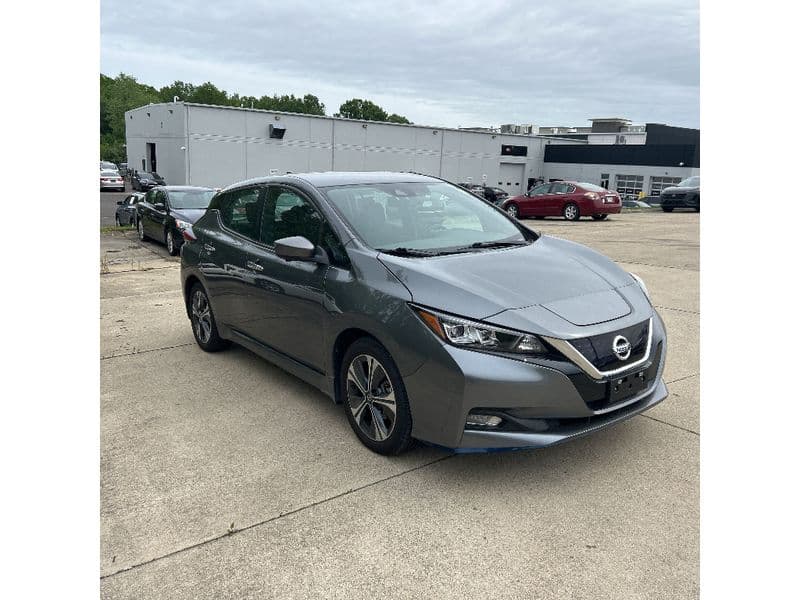
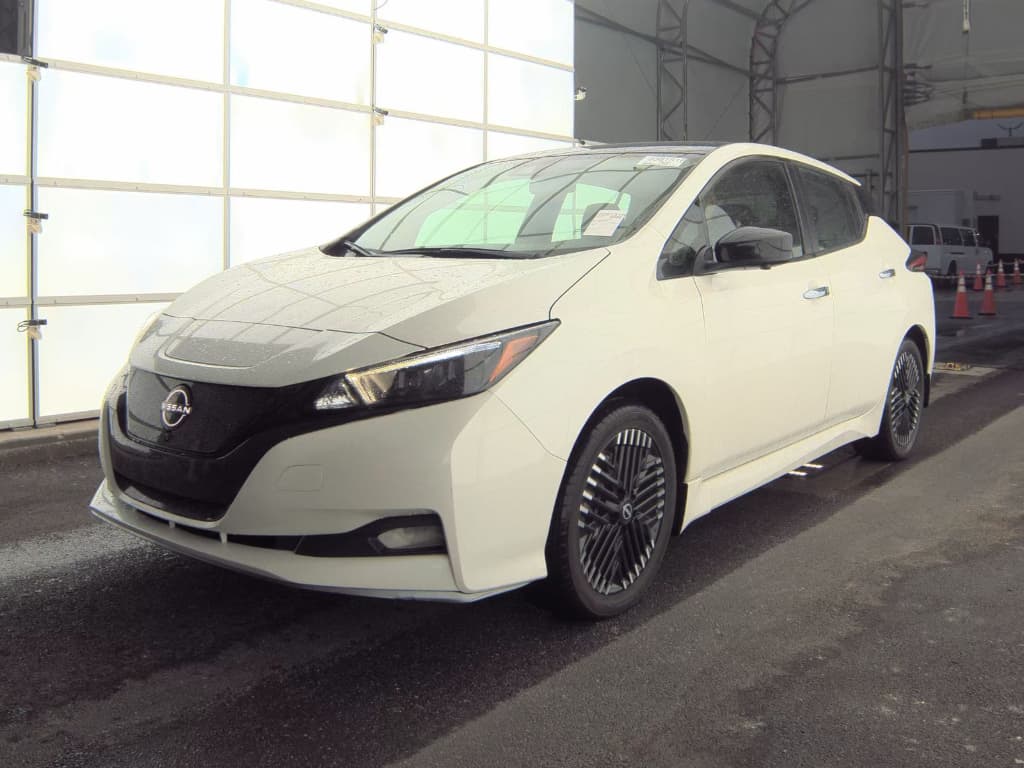
For pure value, it’s hard to ignore the Nissan Leaf. Data from large‑scale reliability studies often shows the Leaf near the top of the charts for low out‑of‑warranty repair costs, and later‑model 40 kWh and 62 kWh cars now regularly trade well under $20K, especially with higher mileage.
- Typical price under $20K: 2019–2022 Leaf SV/SL/Plus, often $13,000–$18,000 depending on mileage and battery size.
- Real‑world range when healthy: ~140–160 miles (40 kWh) and ~200–220 miles (62 kWh).
- Strengths: Simple, proven powertrain; widely available; inexpensive to maintain; generous used supply keeps prices low.
- Watch‑outs: Air‑cooled battery is more sensitive to heat and frequent DC fast charging, so battery health varies widely by climate and prior usage.
Leaf shopping tip
2. Chevrolet Bolt EV & Bolt EUV (2017–2023)
If you want the most modern driving experience in this price band, the Chevy Bolt EV and slightly larger Bolt EUV are standouts. Multiple independent studies and owner datasets show very modest real‑world battery degradation, thanks in part to robust liquid‑cooling and conservative charging management. Many early‑build Bolts also had their packs replaced under GM’s recall, effectively giving them a newer, higher‑capacity battery with a fresh warranty clock.
- Typical price under $20K: 2017–2021 Bolt EV and some 2022 EUVs, often $14,000–$19,500 depending on mileage and recall history.
- Real‑world range when healthy: ~230–260 miles for post‑recall packs and later models.
- Strengths: Excellent efficiency, long range, strong AC charging performance, liquid‑cooled pack with slow degradation, modern safety/infotainment features.
- Watch‑outs: Make sure recall work is complete, verify DC fast‑charging behavior, and confirm that the replacement battery documentation matches the VIN.
Why many experts love the Bolt under $20K
3. Hyundai Ioniq Electric (2017–2019)
The Hyundai Ioniq Electric flies under the radar but deserves attention. It pairs a liquid‑cooled battery with Hyundai’s long battery warranty and superb efficiency. Earlier cars have shorter range than a Bolt, but they’re extremely frugal and often lightly used commuter cars.
- Typical price under $20K: Most 2017–2019 Ioniq Electrics, often $12,000–$17,000.
- Real‑world range when healthy: ~120–150 miles depending on battery size and driving style.
- Strengths: Excellent efficiency (miles per kWh), robust thermal management, smooth driving manners, and a reputation for low surprise repairs.
- Watch‑outs: Limited DC fast‑charging speed compared with newer EVs; availability can be patchy outside West Coast and a few East Coast markets.
4. BMW i3 (2017–2020, BEV and REx)
The BMW i3 remains one of the most distinctive EVs on the road, with a carbon‑fiber‑reinforced structure, small footprint, and surprisingly upscale cabin. Real‑world experience suggests good battery durability, and many i3s now slot well below $20,000. You’ll see both pure battery‑electric (BEV) versions and REx models with a small gasoline generator onboard.
- Typical price under $20K: Most 2017–2019 cars and some 2020s, with pricing heavily dependent on mileage and options.
- Real‑world range when healthy: ~110–150 electric miles depending on battery size; REx adds gasoline backup for longer trips.
- Strengths: Premium feel, nimble city manners, strong crash structure, and liquid‑cooled battery system.
- Watch‑outs: Quirky packaging (small rear doors and cargo area), higher parts and tire costs than mainstream hatchbacks, and limited DC fast‑charge speed on early cars.
5. Other Honorable Mentions Under $20K
- Kia Soul EV (2nd gen): Boxy, practical, and comfortable, with decent range in later 30+ kWh versions. Availability varies wildly by region.
- VW e‑Golf: Familiar Golf driving feel with short‑to‑moderate range; good urban commuter, but battery health and climate history matter.
- Early Tesla Model 3 (high‑mileage): In some markets, high‑mileage 2018–2019 Model 3s have dipped near $20K. They bring strong DC charging and range, but you’ll need to be meticulous about battery, prior repair history, and remaining warranty.
Comparison Table: Reliable Used EVs Under $20K
Key Specs for Popular Sub‑$20K Used EVs
Approximate real‑world numbers for shoppers comparing their short list. Always verify exact specs for the year and trim you’re considering.
| Model | Battery Cooling | Approx. Real‑World Range | DC Fast Charge | Typical Sub‑$20K Years |
|---|---|---|---|---|
| Nissan Leaf (40 kWh) | Air‑cooled | 140–160 mi | Yes (CHAdeMO) | 2018–2022 |
| Nissan Leaf Plus (62 kWh) | Air‑cooled | 200–220 mi | Yes (CHAdeMO) | 2019–2022 (higher miles) |
| Chevy Bolt EV/EUV | Liquid‑cooled | 230–260 mi | Yes (CCS) | 2017–2022 |
| Hyundai Ioniq Electric | Liquid‑cooled | 120–150 mi | Yes (CCS, modest speed) | 2017–2019 |
| BMW i3 BEV / REx | Liquid‑cooled | 110–150 mi (EV) | Yes (CCS on most) | 2017–2020 |
| Kia Soul EV | Liquid‑cooled | 100–150 mi | Yes (CHAdeMO on many) | 2016–2019 |
Ranges assume a healthy battery in mild weather and mixed driving.
Models to Approach Carefully (and How to Shop Them)
Some of the best used EV deals under $20K are cars the market has over‑corrected on, vehicles with big early‑life depreciation because of short range or a reputation (fair or not) for battery issues. You don’t have to avoid them entirely, but you do need to shop them with more discipline.
Early Short‑Range City EVs
Think first‑generation Leafs (24–30 kWh), older Fiat 500e, Chevy Spark EV, and early compliance cars. They can be shockingly cheap, sometimes under $10,000, but range can be well under 100 miles on a cold day with a worn pack.
- Best for: Short urban commutes, second cars, or low‑mileage drivers.
- Key check: Verified remaining battery capacity and realistic winter range.
High‑Mileage Luxury EVs
Early Tesla Model S or high‑mileage premium EVs may occasionally appear near the $20K mark. They’re tempting, but out‑of‑warranty repair costs, complex air suspensions, and aging high‑voltage components can turn a deal into a project.
- Best for: Enthusiasts comfortable with risk and repair logistics.
- Key check: Detailed service history, battery and drive‑unit warranty status.
When a cheap EV isn’t a bargain
Battery Health: How to Avoid an Expensive Mistake
In a used gasoline car, a tired engine or transmission is the big fear. In a used EV, it’s the battery. You need a way to look beyond the dashboard’s optimistic range estimate and the seller’s “it seems fine” comment.
Three Ways to Judge Used EV Battery Health
Combine methods for the clearest picture
1. On‑board data
Most EVs show estimated range and some form of battery health or state of charge. Compare the displayed full‑charge range to the original EPA rating. A healthy pack should be reasonably close in mild weather.
2. Independent diagnostics
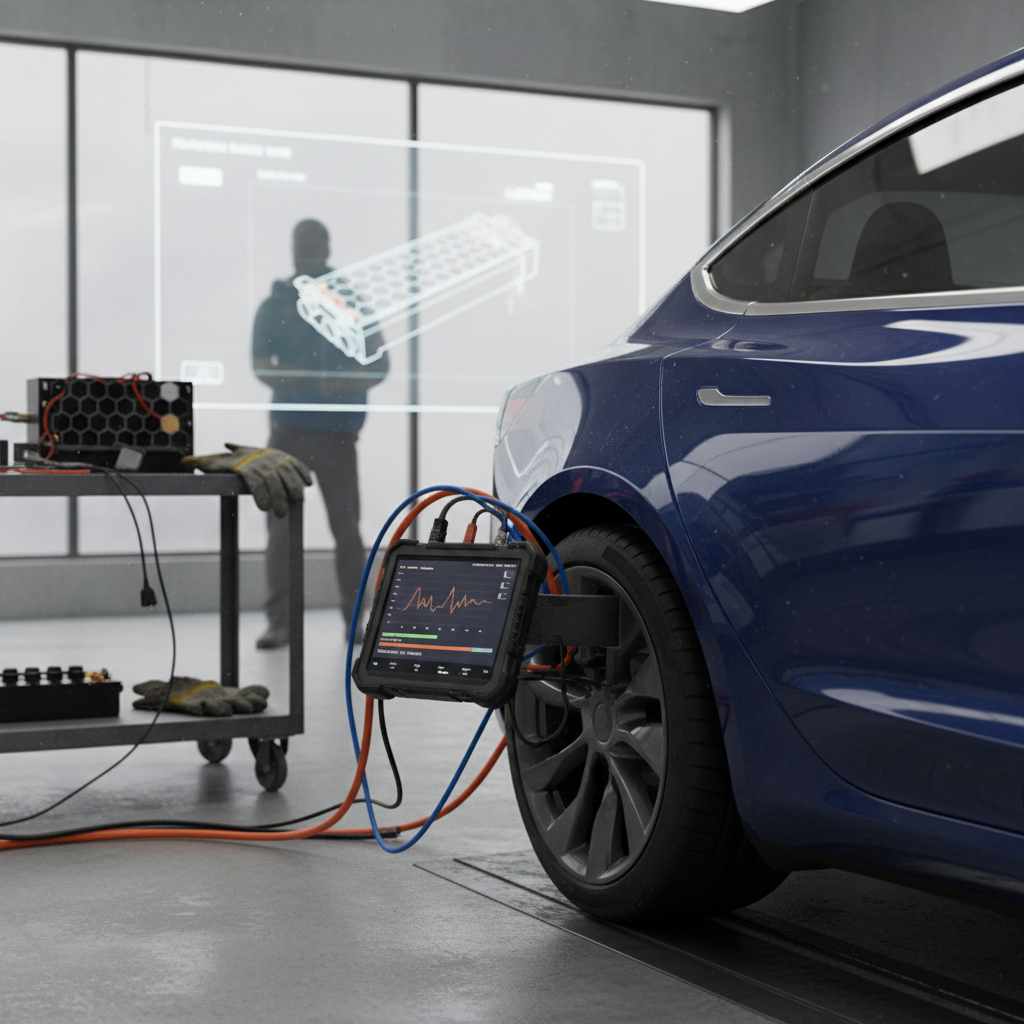
App‑based tools (like Leaf Spy for the Nissan Leaf) and OBD‑based scans can read deeper battery data. The challenge is that not every buyer wants to become a battery engineer just to purchase a car.
3. Marketplace battery reports
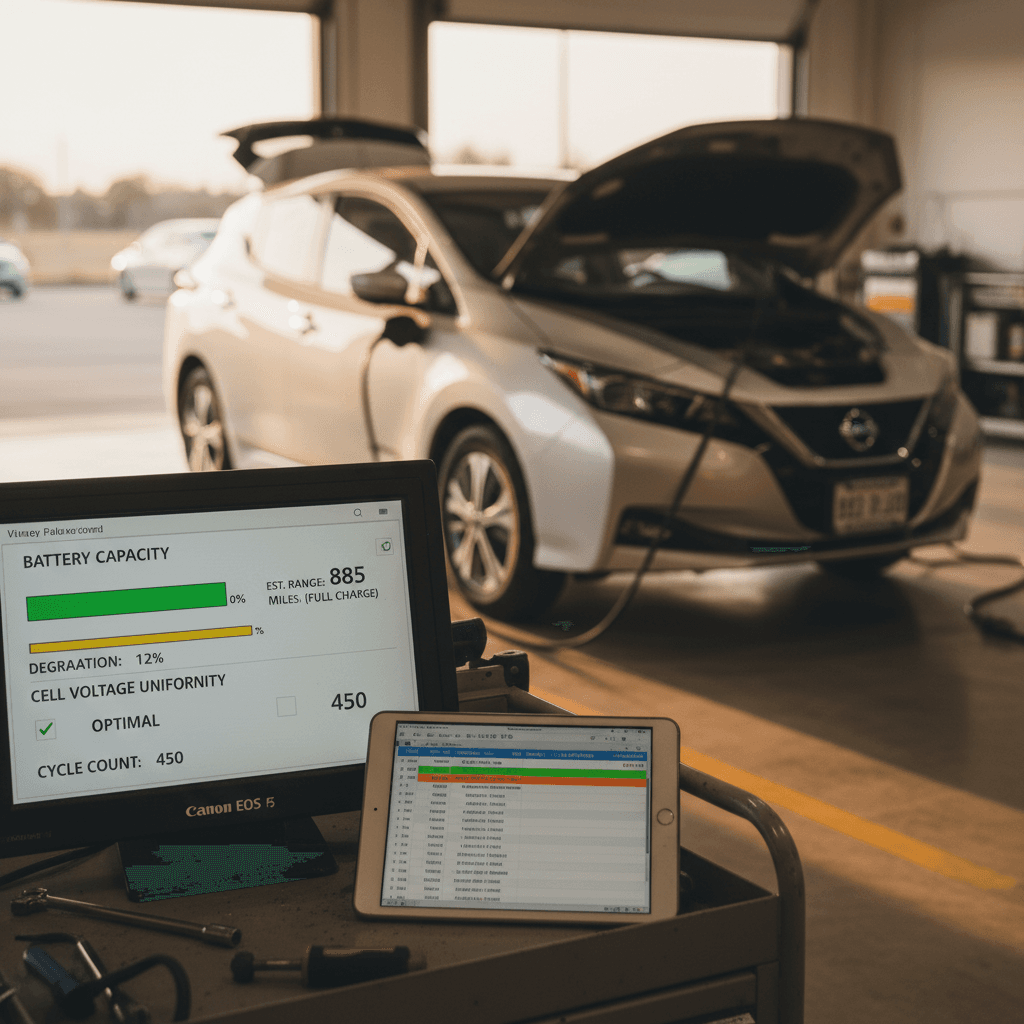
EV‑focused marketplaces like Recharged include a Recharged Score Report with each vehicle. That report uses professional diagnostics to show verified battery health, real‑world range estimates, and charging behavior history, making it far easier to compare cars.
What the Recharged Score tells you
- Look for signs of rapid degradation: A five‑year‑old EV that can only manage 60–70% of its original range may be headed for a costly battery replacement or a very short‑range life.
- Check DC fast‑charging history: Heavy, daily DC fast charging, especially in very hot climates, can accelerate wear. Light to moderate fast charging combined with mostly Level 2 home charging is easier on the battery.
- Confirm recall and warranty status: On cars like the Chevy Bolt, a recall battery replacement can actually be good news, it often means a newer pack with more capacity and a fresh warranty start date.
- Test‑drive from low to medium state of charge if possible: Sudden drops in indicated range or power limits at moderate charge levels can be red flags.
Financing, Incentives, and Total Cost Under $20K
One advantage of targeting a reliable used EV under $20k is that you can often keep your monthly payment and running costs modest at the same time. Electricity is usually cheaper per mile than gasoline, and EVs have fewer wear‑prone components. Still, the way you structure your purchase matters.
Leveraging financing smartly
Because many sub‑$20K EVs are 4–7 years old, you’ll want to avoid stretching your loan term too far beyond the remaining battery and bumper‑to‑bumper coverage.
- Consider shorter terms (36–60 months) that align with how long you plan to keep the car.
- If you’re financing through a marketplace like Recharged, compare offers from multiple lenders in one place instead of visiting a stack of banks.
- Keep room in your budget for a high‑quality home Level 2 charger if you don’t already have one.
Don’t ignore credits and fees
As mentioned earlier, the federal used EV tax credit can meaningfully lower your effective cost, but state fees and registration charges vary.
- Some states have extra annual EV fees instead of fuel taxes, factor them into your total cost.
- Run the numbers on electricity vs. gasoline for your driving pattern; even at today’s power rates, most EV commuters come out ahead on fuel.
- Ask the seller for a full charging cable set; replacing a lost portable charger can add hundreds of dollars.
Let the car, not just the price, drive the deal
Checklist: How to Shop a Reliable Used EV Under $20K
Step‑by‑Step Used EV Buying Checklist
1. Define your real range needs
Write down your typical daily miles, worst‑case winter commute, and any frequent weekend trips. If your true daily need is 60–80 miles, that opens the door to more affordable short‑range EVs. If you routinely do 150+ miles, prioritize cars like the Bolt EV/EUV or Leaf Plus.
2. Shortlist reliable models first
Start with a list of reliability‑proven models, Bolt EV/EUV, later‑generation Nissan Leaf, Hyundai Ioniq Electric, BMW i3, and then filter based on body style, charging connector, and availability in your area.
3. Screen cars by battery health
Whether you’re shopping a private seller or a marketplace, insist on objective battery‑health data. On Recharged, that’s built into the Recharged Score Report; elsewhere, ask for documented capacity tests or use reputable scan tools where possible.
4. Verify recall and warranty coverage
Run the VIN through manufacturer recall tools and confirm all campaigns are complete. Ask the seller to show high‑voltage battery warranty details, many EV batteries are warrantied for 8 years from in‑service date (or from replacement in recall cases).
5. Inspect charging hardware and history
Confirm the car includes its portable charger and check that the charge port, adapters, and DC fast‑charge door are clean and undamaged. If service records mention charge‑port or inverter issues, probe further before you commit.
6. Take a thorough, EV‑specific test drive
Start the drive at a moderate state of charge (40–70%). Note how the car accelerates, regenerates, and estimates remaining range. Try a highway segment and a stop‑and‑go segment. Listen for unusual drivetrain noises and make sure the HVAC system works properly, it’s a major energy draw.
7. Compare options side‑by‑side
Don’t evaluate each EV in isolation. Compare two or three candidates on price, battery health score, remaining warranty, range, and condition. A transparent marketplace like Recharged makes this easy by standardizing how each car is evaluated and reported.
Frequently Asked Questions: Reliable Used EV Under $20K
Common Questions About Reliable Used EVs Under $20K
Bottom Line: Best Bets for a Reliable Used EV Under $20K
If you stay focused on battery health and proven models, there’s never been a better time to find a reliable used EV under $20,000. For many shoppers, a post‑recall Chevy Bolt EV or EUV delivers the best mix of range, modern tech, and documented battery durability. A later‑model Nissan Leaf or Hyundai Ioniq Electric can be a terrific fit for shorter commutes and lower budgets, while a well‑chosen BMW i3 adds premium flair for drivers who value design and city maneuverability.
No matter which direction you lean, the formula is the same: start with a short list of reliable platforms, insist on verified battery‑health data, cross‑check recall and warranty coverage, and test‑drive with an EV‑specific eye. Shopping through a dedicated EV retailer like Recharged, where every car includes a Recharged Score Report, expert support, and nationwide delivery, can compress months of research into a single, transparent comparison. Do that, and your sub‑$20K EV won’t just be cheap to buy; it’ll be the kind of car you trust every day.