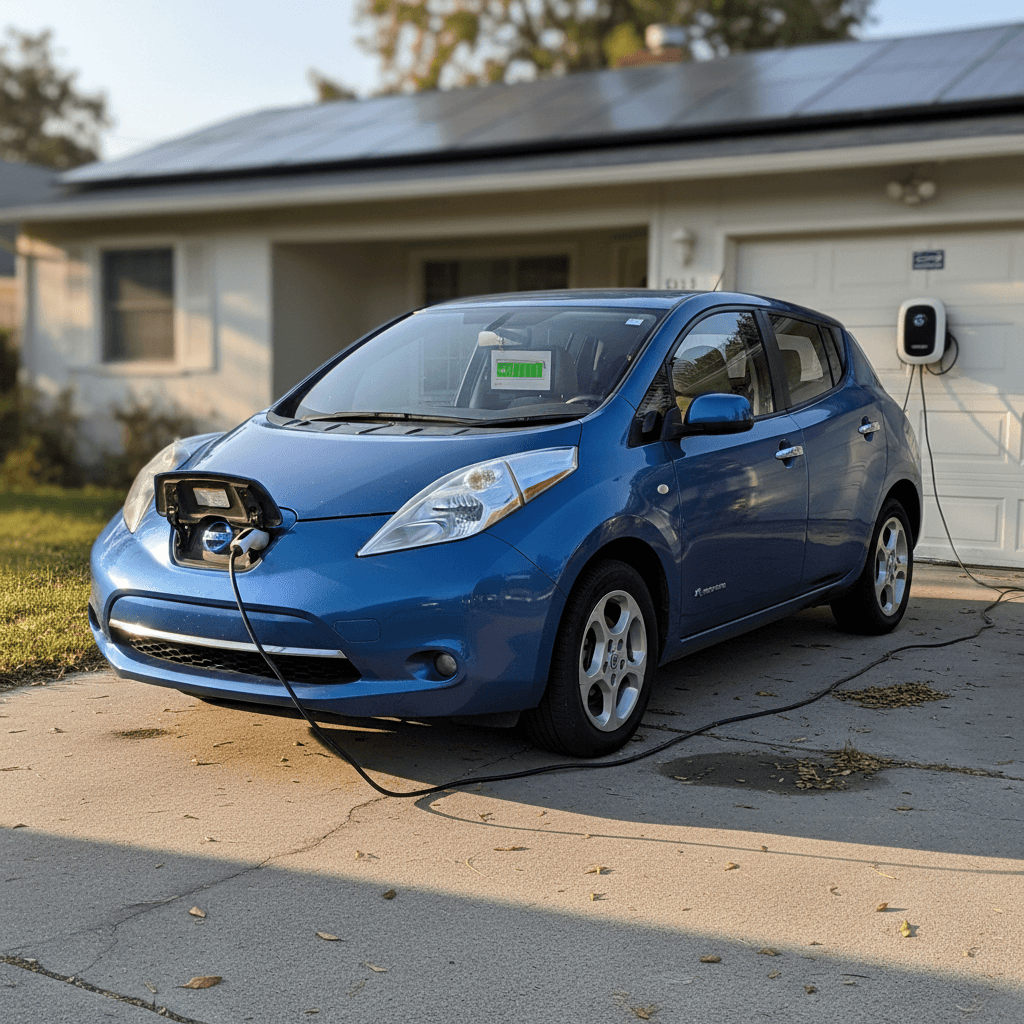
If you’re hunting for a reliable used EV under $15,000, you’re exactly where the market is most interesting right now. Early electric models have fallen hard in price, but not all of them are good bets, especially once you factor in battery health and repair costs.
What this guide covers
Why $15,000 Is a Sweet Spot for Used EVs
Used EV Market Snapshot in 2026
Below about $8,000, you’re mostly looking at first‑generation EVs with short range and older batteries, often in hotter regions where degradation is worse. Above $15,000, you start to see newer models and longer range, but that’s not the budget we’re targeting here.
The good news is that in the $10,000–$15,000 band you can already find EVs like the Nissan Leaf, BMW i3 and, in the right market, high‑mileage Chevrolet Bolt EVs. Those cars can deliver reasonable range, low running costs, and reliability that compares very favorably with similarly priced gas cars, if you choose carefully.
Best Reliable Used EVs Under $15K: Quick List
Reliable Used EVs You Can Actually Find Under $15K
Availability and pricing vary by region, but these are the usual suspects.
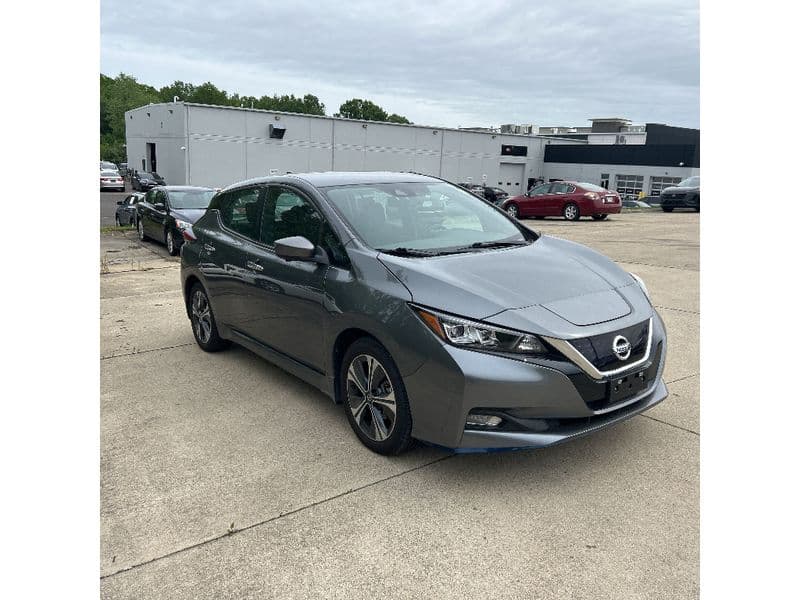
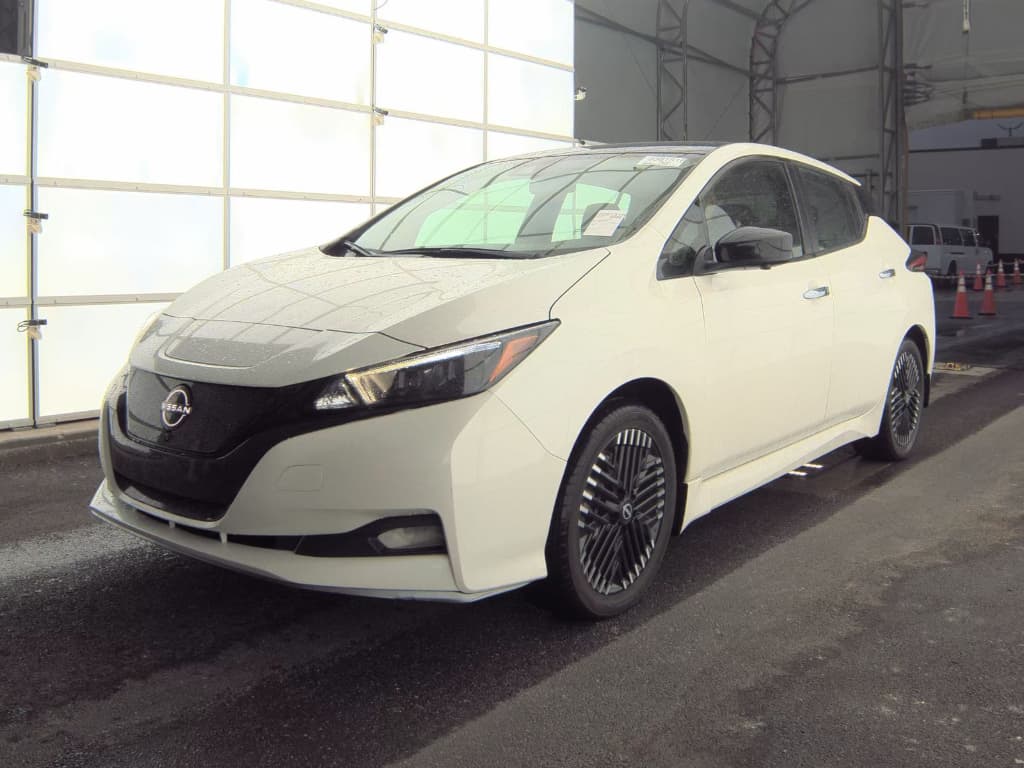
2018–2020 Nissan Leaf (40 kWh)
Why it’s a safe bet: Simple, proven drivetrain, cheap to buy, and easy to live with. The later 40 kWh battery is more robust than early Leafs, though still sensitive to heat.
Best for: Commuters under ~60 miles/day, second cars, city/suburban drivers.
2017–2018 Chevrolet Bolt EV
Why it’s worth stretching for: 200+ miles of range and a strong track record once recall battery packs are installed. Early, higher‑mileage examples are edging toward $15k in some markets.
Best for: One‑car households, longer commutes, occasional road trips with DC fast charging.
2017–2019 BMW i3 (94–120 Ah)
Why it’s underrated: Carbon‑fiber body resists rust, BMW engineering, and liquid‑cooled batteries age gracefully. Quirky looks keep resale low.
Best for: City drivers who value quality and design over maximum range.
2015–2019 Fiat 500e & other "compliance" EVs
Why they’re dirt‑cheap: Short range and limited availability, but very simple and robust for urban duty.
Best for: Short‑range city use, low‑mileage commuters, and households with another long‑range car.
Reality check on prices
Nissan Leaf (2018–2020): The Budget, No‑Drama EV
If your goal is a reliable used EV under $15k with minimal drama, it’s hard to ignore the 2018–2020 Nissan Leaf with the 40 kWh pack. These cars are now routinely in the $9,000–$14,000 range depending on mileage and region, and parts availability is excellent.
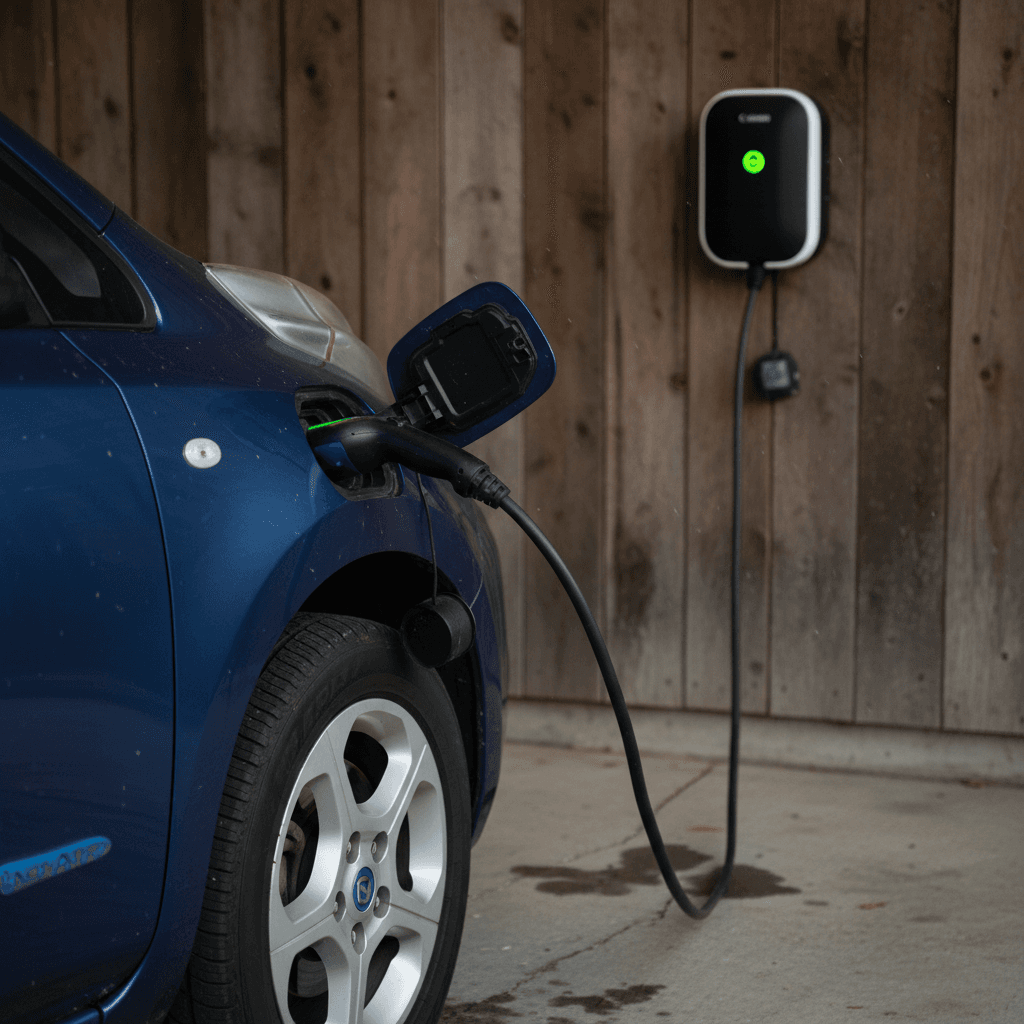
- EPA range when new: ~150 miles for 40 kWh models
- Realistic 2026 range for a healthy pack: roughly 110–135 miles depending on climate and driving style.
- Simple, proven motor and inverter with relatively few high‑profile failures.
- No active thermal management on the battery, which is a downside in hot climates but also means less hardware to break.
Watch climate history
How to Buy a Reliable Used Leaf Under $15K
1. Target 2018 or newer 40 kWh models
Earlier 24–30 kWh Leafs are cheap, but range and degradation are often deal‑breakers unless you truly only need a city car.
2. Read the battery health, not the odometer
On a Leaf, <strong>capacity bars</strong> on the dash are your first clue, 12 bars is best. A Recharged Score battery report or Leaf‑specific scan (like LeafSpy) gives a more precise state of health.
3. Prefer cooler‑climate, low‑fast‑charge cars
Ask where the car spent most of its life and how often it was DC fast charged. Fewer fast‑charge sessions and cooler climates generally mean less degradation.
4. Check for basic recalls and software updates
Make sure airbag, brake, and battery‑related campaigns have been performed. A Nissan dealer can run the VIN; Recharged vehicles include this in their inspection.
5. Test a full‑charge estimate vs. real‑world drive
Charge to 100%, note the estimated range, then drive a known route. If the car’s guess is wildly optimistic, the battery may be more tired than it looks.
Chevrolet Bolt EV (2017–2019): Stretch-Goal Range Champion
Finding a Chevy Bolt EV under $15,000 in April 2026 usually means higher miles, earlier model years (2017–2018), or shopping in less EV‑dense regions. When you do find one, though, it’s arguably the strongest all‑around car on this list: 200+ miles of real‑world range, DC fast charging, and a battery recall that often resulted in an essentially new pack.
Why the Bolt EV Can Be a Smart Buy
- Long range: EPA ~238 miles when new; even with degradation, many used cars remain in the 190–220 mile ballpark.
- Liquid‑cooled battery: Better long‑term thermal management than air‑cooled packs.
- Recall batteries: Many early Bolts received new packs during GM’s fire‑risk recall, meaning effectively “young” batteries in older cars.
- Hatchback practicality: Enough space for a small family and cargo.
What to Check Before You Say Yes
- Recall status: Confirm that the battery recall work is complete and documented.
- Charging history: Heavy DC fast‑charging in hot climates still takes a toll over time.
- Insurance and repair costs: As with any modern EV, out‑of‑warranty collision repairs can be expensive; get quotes if the car has accident history.
- Price realism: If a low‑miles Bolt is well under $15k, understand why. Huge mileage? Branded title?
Bolt EV sweet spot
BMW i3 (2017–2019): Quirky but Durable
The BMW i3 is one of those cars the market never quite understood, which is exactly why it now shows up under $15,000. Underneath the funky styling is a lightweight carbon‑fiber structure, a well‑engineered drivetrain, and liquid‑cooled batteries that age better than many early peers.
BMW i3 Variants to Know
All can show up near or under $15k, depending on mileage and region.
| Variant | Years common under $15k | Battery (usable) | EPA range (electric) | Notes |
|---|---|---|---|---|
| i3 BEV 60 Ah | 2014–2016 | ~18–19 kWh | ~80–83 mi | Very cheap; range is city‑only for most U.S. drivers. |
| i3 BEV 94 Ah | 2017–2018 | ~27 kWh | ~114 mi | Good balance of price and usable range for commuters. |
| i3 BEV 120 Ah | 2019+ (borderline) | ~37 kWh | ~153 mi | Occasionally dips near $15k with higher miles. |
| i3 REx (all) | 2014–2018 | Same as BEV + gas | Same as BEV | Gas generator adds safety net but more maintenance. |
The range‑extender (REx) version adds a small gasoline generator but comes with extra complexity.
i3 reliability watchpoints
Fiat 500e and “Compliance Cars”: Urban Specialists
If your budget is closer to $8,000–$10,000 and you’re comfortable with shorter range, small EVs like the Fiat 500e, early VW e‑Golf, Ford Focus Electric, and Kia Soul EV can be surprisingly reliable purchases. Most were sold in limited numbers, but they’re mechanically simple and often lived easy, low‑mileage lives in cities.
- Typical ranges sit between 70 and 120 miles when new, less with age, fine for urban duty but limiting elsewhere.
- Drivetrains are generally very robust; failures usually come from infotainment or 12‑volt systems, not motors or inverters.
- Parts can be harder to source, particularly body and trim, due to low production volumes.
- Many were lease returns, then second or third cars, which often means lower total mileage.
When compliance cars make sense
Models to Approach Carefully (or Avoid) on a Tight Budget
Not every cheap EV is a good EV. Under $15k, you’ll see some tempting listings that make sense only for very specific use cases, or not at all.
Common Budget EV Traps
These aren’t automatically bad, but they demand extra homework.
Early Leafs in hot climates
Pre‑recall Bolt EVs with unclear history
Obscure low‑volume imports
Hard no: salvage EVs without documentation
How to Judge Reliability on Any Cheap Used EV
Reliability in a used EV under $15k is less about the brand on the nose and more about how the battery and charging system have been treated. The right diagnostics and a little discipline go a long way.
Reliability Checklist for Any Used EV Under $15K
1. Get an objective battery health report
Aim for a report that shows <strong>state of health (SOH)</strong> as a percentage, not just guess‑o‑meter range. Recharged’s <strong>Recharged Score Battery Health</strong> does exactly this, using pack‑level data rather than just dashboard estimates.
2. Review fast‑charging and climate history
Ask sellers how often the car fast‑charged and where it lived. A high‑mileage, mostly‑highway car in a cool climate can age better than a low‑miles car that baked at 100°F on blacktop.
3. Check for open recalls and software updates
Battery, charger, and safety‑system recalls are common on early EVs, and often free to fix. Make sure they’re done before you worry about mystery issues.
4. Inspect for water damage and underbody corrosion
EVs are heavy; rust in suspension mounting points, brake lines, or pack shields is a real concern in snow‑belt regions. A lift inspection is worth the time.
5. Test all charging scenarios you’ll actually use
If you plan to rely on Level 2 at home and DC fast charging on trips, test both before you buy. Make sure the car handshakes cleanly with modern public chargers.
6. Budget for tires and brakes, not just the battery
EVs are heavy and torque‑y. Expect higher‑spec tires and occasional suspension work, even if brake pads often last much longer than in gas cars.
Running Costs: Why a $10–15K EV Can Be Cheaper Than a $7K Gas Car
It’s easy to focus on purchase price and forget that you’ll live with the car’s running costs every month. Recent analyses from AAA and independent policy groups continue to show that, over a typical ownership window, EVs often cost less to own than comparable gas cars, even when they’re slightly more expensive up front.
Where Used EVs Save You Money
- Fuel: Home charging, especially off‑peak, usually beats gas by a wide margin on a cost‑per‑mile basis.
- Maintenance: No oil changes, fewer fluids, and fewer moving parts. Studies commonly show 30–40% lower maintenance costs over time.
- Brakes: Regenerative braking means pads and rotors last much longer in typical use.
The Wildcard: Battery Replacement
- Pack costs: Full replacements commonly run in the $5,000–$15,000 range, depending on model.
- Warranty window: Many OEMs warrant packs for 8 years/100,000 miles, which some budget EVs are now exiting.
- Why diagnostics matter: A solid battery health report lets you buy a cheap EV knowing you’re unlikely to face a pack bill in your ownership window.
A simple rule of thumb
How Recharged Helps You Buy a Reliable Used EV
Shopping the bottom of the used market is where information gaps and asymmetric risk usually punish buyers the most. That’s exactly the problem Recharged was built to solve for used EVs.
What Recharged Adds When You’re Buying Under $15K
Data, transparency, and support matter even more at the budget end of the market.
Recharged Score Battery Health
Every vehicle on Recharged comes with a Recharged Score Report that includes verified battery data, not just guesses from the dash. You see how much capacity is left, how the pack behaves under load, and how that compares to similar vehicles.
Expert EV inspections
Recharged focuses only on EVs, so inspections look specifically at high‑voltage components, charging systems, and thermal management, the exact areas that matter most for long‑term reliability.
Financing & trade‑in built for EVs
Need to keep monthly payments tight? Recharged offers EV‑friendly financing, trade‑ins, and even consignment options so you can move out of an unreliable gas car into a vetted EV.
Nationwide delivery & digital buying
Because inventory is still uneven across the U.S., Recharged supports nationwide delivery and a fully digital purchase flow, plus an Experience Center in Richmond, VA if you want to see cars in person.
EV‑specialist guidance
Not sure if a Leaf, Bolt, or i3 fits your use case? Recharged’s specialists help you match daily mileage, climate, and budget to the right models so you’re not buying the wrong EV just because it’s cheap.
Sell or upgrade later
When it’s time to move up to a newer EV, Recharged can provide an instant offer or consignment, helping you capture the remaining value in your budget EV.
Ready to find your next EV?
Browse VehiclesFAQ: Reliable Used EVs Under $15,000
Frequently Asked Questions
Bottom Line: Choosing a Reliable Used EV Under $15K
A reliable used EV under $15,000 in 2026 isn’t a unicorn, but it also isn’t something you can just grab at random from the classifieds. Focus your search on well‑understood models like the 40 kWh Nissan Leaf, early Chevy Bolt EV, BMW i3, and proven city EVs, and then let battery health, climate history, and charging behavior be your deciding factors.
If you want to lower your risk even further, buying through a specialist like Recharged gives you access to Recharged Score battery diagnostics, EV‑specific inspections, transparent pricing, and nationwide delivery. That combination, smart model choice plus real battery data, is what turns a $10–15k EV from a gamble into a genuinely dependable daily driver.