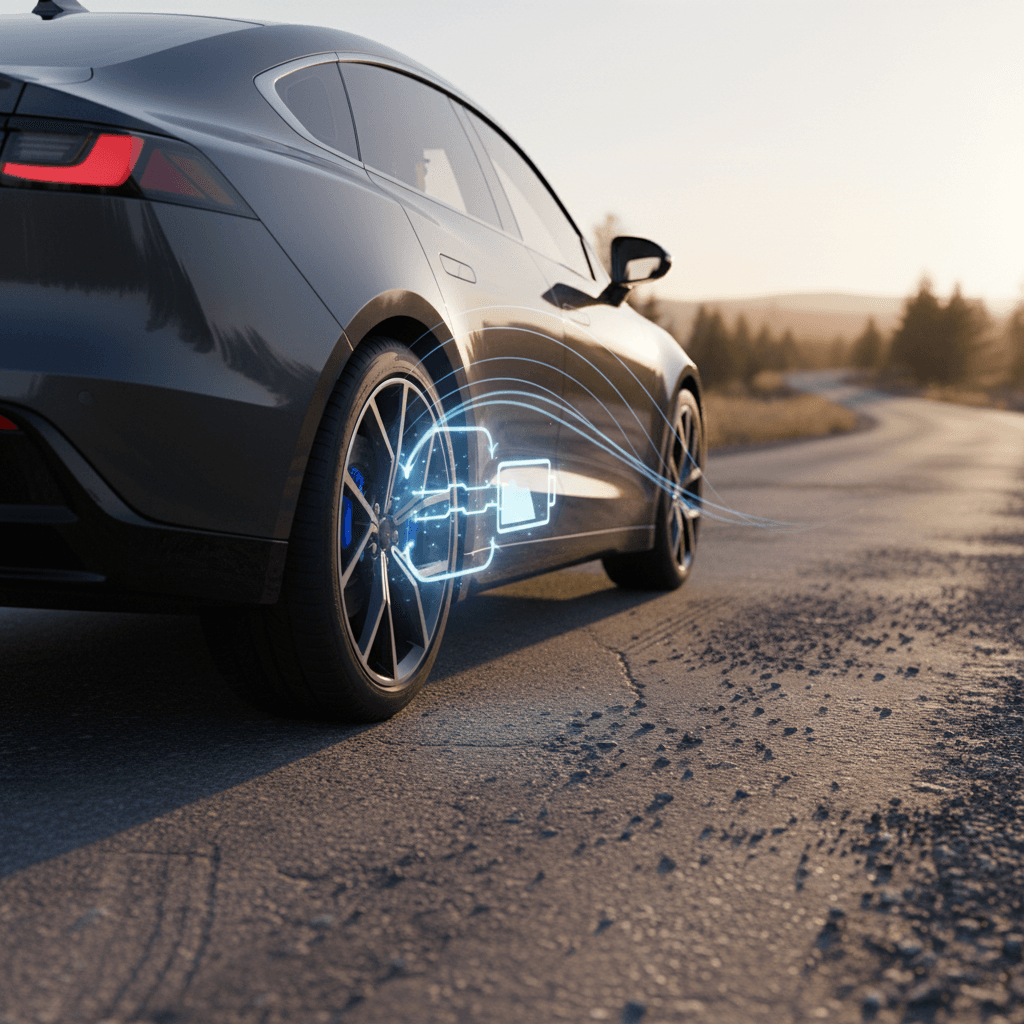
If you’ve just moved into an electric car, regenerative braking is the weird new character in your driving life. Lift off the accelerator and the car slows, sometimes hard, while secretly sending energy back into the battery. It feels like the car is reading your mind. But how does this "regenerating braking" actually work, how much range does it really buy you, and what should you watch for when you’re shopping for a used EV?
Why regen matters
What is regenerative braking?
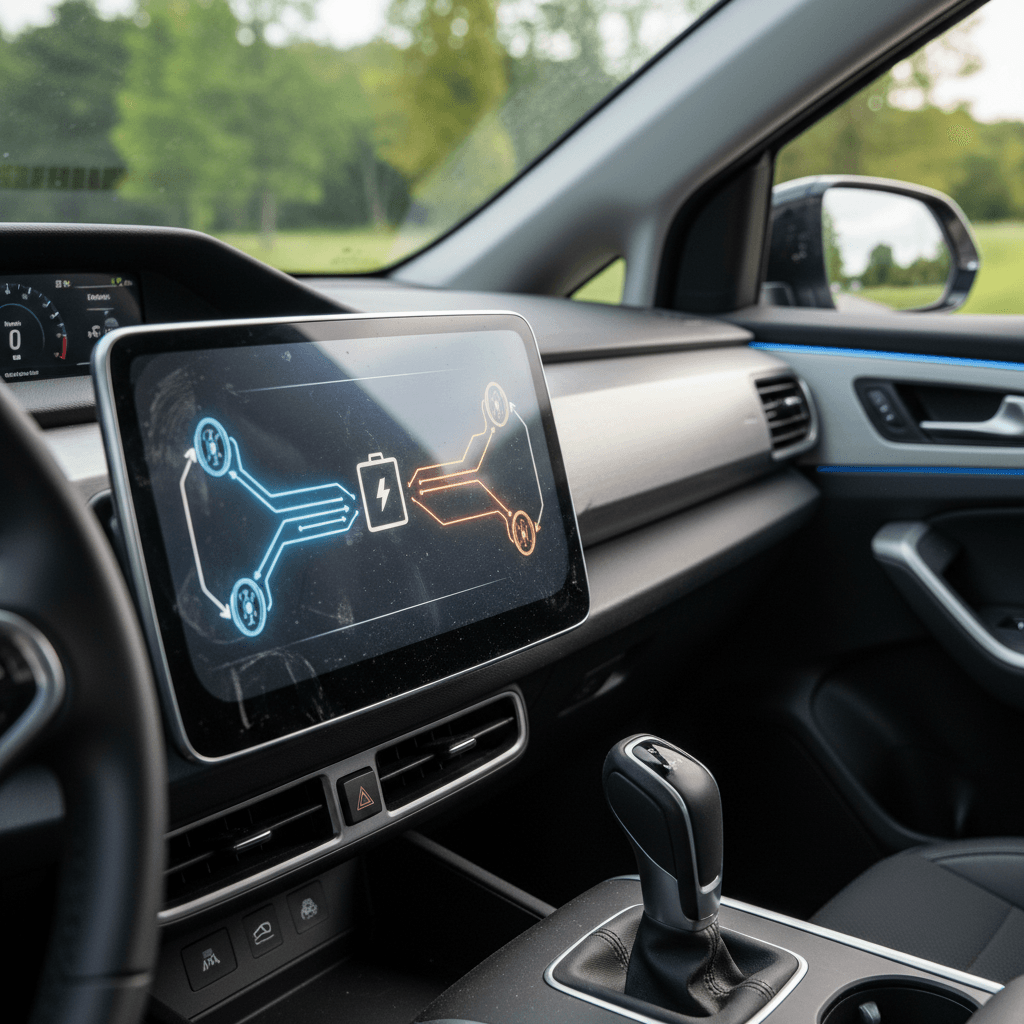
In a gasoline car, braking is a bonfire. You shed speed by squeezing pads against metal discs, converting your kinetic energy into heat and brake dust. That energy is gone forever. In an EV, regenerative braking turns the electric motor into a generator when you slow down. Instead of wasting the car’s momentum as heat, the motor pushes electricity back into the high-voltage battery.
- You press the brake pedal or simply lift off the accelerator.
- The car’s computer tells the motor to resist rotation and generate power.
- That resistance slows the wheels, acting like an invisible engine brake.
- The electricity goes back into the battery instead of boiling your brake rotors.
Think of regen as running the movie backwards
How regenerative braking actually works
The physics under the skin are elegant. When you’re cruising, the inverter feeds controlled AC power to the motor, creating a rotating magnetic field that pulls the rotor along. During regenerating braking, the inverter flips the script: it takes mechanical rotation from the wheels and draws electric current out of the motor instead, like spinning a bicycle dynamo faster to brighten the headlight.
Key components in regenerative braking
The same hardware that makes an EV go also helps it slow.
High-voltage battery
Electric motor
Inverter & control software
Regen vs engine braking
ICE drivers sometimes compare regen to downshifting a manual. The sensation is similar, but the energy story is very different. Engine braking in a gas car mainly turns your momentum into heat and pump losses inside the engine. Regenerative braking routes that energy back into the battery where you can use it later.
Blended braking systems
Most modern EVs use blended braking: press the pedal and the computer gives you as much regen as conditions allow, then adds friction braking on top. Automakers spend a lot of time tuning this so the pedal feels linear, even though the system underneath is doing something quite complex.
How much range does regenerative braking really add?
Regenerative braking by the numbers (typical ranges)
You’ll see big claims tossed around, "regen adds 30% range" and so on. The truth is more nuanced. Regenerative braking is usually 60–70% efficient at turning your motion back into usable battery energy, but it only works when you’re slowing down. On a flat, steady highway cruise, you may hardly use it at all.
- In dense city driving with lots of stoplights, regen can noticeably extend range, often on the order of 10–25%.
- On rolling back roads or long downhills, it can keep your battery from bleeding range on every descent.
- On flat highways with steady speeds, regen contributes very little because you’re not braking much to begin with.
You can’t regen your way out of physics
Regenerative braking vs regular friction brakes
Modern EVs always keep traditional friction brakes on board. Regenerative braking is the first line of defense, but when you need serious stopping power, an emergency stop on the freeway, a panic animal crossing, the car leans heavily on the hydraulic system. Good thing, too: tires and road grip, not software cleverness, still set the hard limits.
Regen vs friction brakes at a glance
Why your EV needs both systems, and what each one is best at.
| Feature | Regenerative braking | Friction brakes |
|---|---|---|
| Primary job | Recover energy while slowing the car | Provide strong, consistent stopping power in all conditions |
| Best at | Moderate deceleration, stop‑and‑go, downhills | Hard stops, low‑speed creep, when battery is cold or full |
| Energy impact | Sends energy back to the battery | Turns energy into heat and brake dust |
| Maintenance | Virtually no wear on motor or inverter | Pads and rotors wear over time, though more slowly in EVs |
| Feel | Can be tuned from light coast to strong one‑pedal driving | Traditional pedal feel; good systems blend seamlessly with regen |
Regenerative braking shines in everyday slowing; friction brakes still rule in emergencies and at low speeds.
Hidden benefit: cleaner wheels, cleaner air
One-pedal driving and regen modes explained
Most modern EVs let you dial in how aggressive you want regenerating braking to feel. At one end of the spectrum, the car coasts almost like a gas car in neutral. At the other, so‑called one-pedal driving, lifting off the accelerator can give you strong deceleration, enough that you rarely touch the brake pedal in normal traffic.
Common regenerative braking settings
Names vary by brand, but the ideas are similar.
Low / coast
Standard / normal
High / one-pedal
How to get comfortable with one-pedal driving
1. Start in an empty lot
Give yourself 10–15 minutes in a quiet area to feel how quickly the car slows when you lift your foot. Practice coming to smooth stops without touching the brake.
2. Watch following traffic
At first, you may slow sooner than drivers behind expect. Leave extra space and brake lightly if needed so your brake lights match your deceleration.
3. Learn the handoff to friction brakes
Many EVs add a bit of friction braking right at the end to bring you to a full stop. Pay attention to that last 1–2 mph so your stops stay smooth.
4. Adjust for passengers
Kids, partners, and pets are great honesty meters. If they’re nodding like bobbleheads, ease off the aggressive regen until your right foot is more refined.
Road-trip tip
The real limits of regenerative braking
Regen feels magical when it’s working hard, but it’s not all-powerful. Your EV constantly adjusts how much regenerative braking it allows based on traction, battery state, and temperature. Sometimes the car simply refuses to give you full regen, and you’ll feel it immediately in the way the car coasts.
- Battery nearly full: If your pack is at or near 100%, there’s nowhere for extra energy to go, so the car sharply limits regen.
- Cold battery: Below roughly freezing, the battery can’t comfortably accept high charge power, so regen is dialed back until the pack warms up.
- Poor traction: On ice, snow, loose gravel, or standing water, heavy regen on a drive axle can upset the car’s balance, so stability control systems may reduce it.
- High speed: At very high speeds, the car limits regen power to keep components inside their comfort zone.
Winter gotcha
Does regenerative braking hurt or help battery health?
Here’s the good news: normal regenerative braking is not something you need to worry about from a battery-wear standpoint. EV packs and battery-management systems are designed with regen in mind. In fact, gentle, frequent regen events are usually less stressful than repeated DC fast charges or chronic 100%‑to‑0% cycles.
Why regen is generally battery‑friendly
- Regen power levels are typically lower than high‑power DC fast charging.
- The battery management system automatically limits regen when the pack is cold or full.
- Many small charge–discharge cycles can actually be gentler than huge swings in state of charge.
Where to be cautious
You don’t need to baby the car, but if you live in a very hilly area and routinely descend long grades with a full battery, it’s smart to start the day at 70–80% instead of 100%. That gives regen room to work and keeps the pack out of its highest‑stress zone.
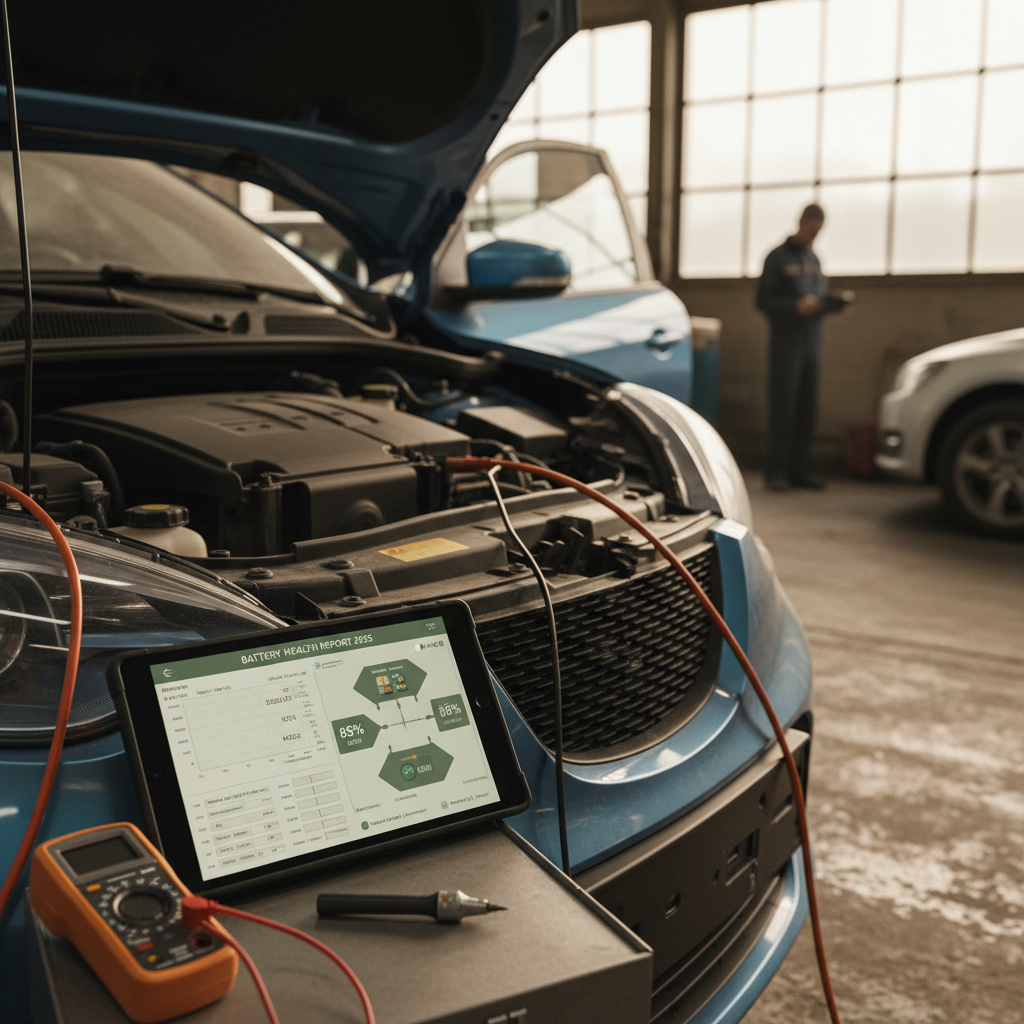
How Recharged checks battery health
Regen in winter and on long descents
Cold weather and big hills are where regenerative braking moves from curiosity to survival tool. In winter, regen starts the day groggy; on long downhills, it can keep your friction brakes from cooking. Managing both well is part of growing into EV ownership.
Regen strategy: cold mornings vs mountain passes
Two very different situations, same underlying physics.
Cold mornings
Long descents
Brake fade still exists
What to look for on a test drive of a used EV
Test‑driving a used EV is your chance to audition its regenerative braking personality. Different brands tune regen differently: some are soft and coasty, others feel like you’ve dropped an anchor the instant you lift off the accelerator. You’re not just checking that it works, you’re asking whether this is a character you want to live with.
Regen checklist for a used EV test drive
1. Try all regen modes
Cycle through low, normal, and high/one‑pedal settings if the car offers them. Make sure the change in deceleration feels smooth and predictable.
2. Note behavior at different speeds
From 5 mph parking‑lot crawls to 45 mph city streets, pay attention to how the car transitions from regen to friction braking as you come to a stop.
3. Watch for warning icons
If the dash frequently shows limited regen when the battery isn’t cold or full, that could hint at a battery or sensor issue worth investigating.
4. Listen for brake noise
Because EV friction brakes are used less, rotors can rust or glaze. Occasional light noise is common, but heavy scraping or pulsing is a red flag.
5. Ask for battery health documentation
With <strong>Recharged</strong>, you get a Recharged Score Report with battery diagnostics, so unusual regen behavior doesn’t have to be a mystery.
From curiosity to confidence
FAQ: Regenerative braking
Frequently asked questions about regenerative braking
The bottom line on regenerative braking
Regenerative braking is one of those technologies that quietly rewires your expectations. Once you’re used to it, coasting up to a light in a gas car feels oddly wasteful, like throwing away spare change at every stop. No, regen won’t make your EV immortal or your battery infinite. But used well, it adds useful range, trims your maintenance bills, and gives your car a distinctive, satisfying rhythm in everyday driving.
If you’re considering a used EV, pay attention to how its regenerating braking is tuned and how it behaves in different conditions. Then pair that seat‑of‑the‑pants impression with hard data on battery health. That’s the combination Recharged was built around: transparent diagnostics, fair pricing, and expert EV support, so your next car’s most interesting feature isn’t also a mystery.