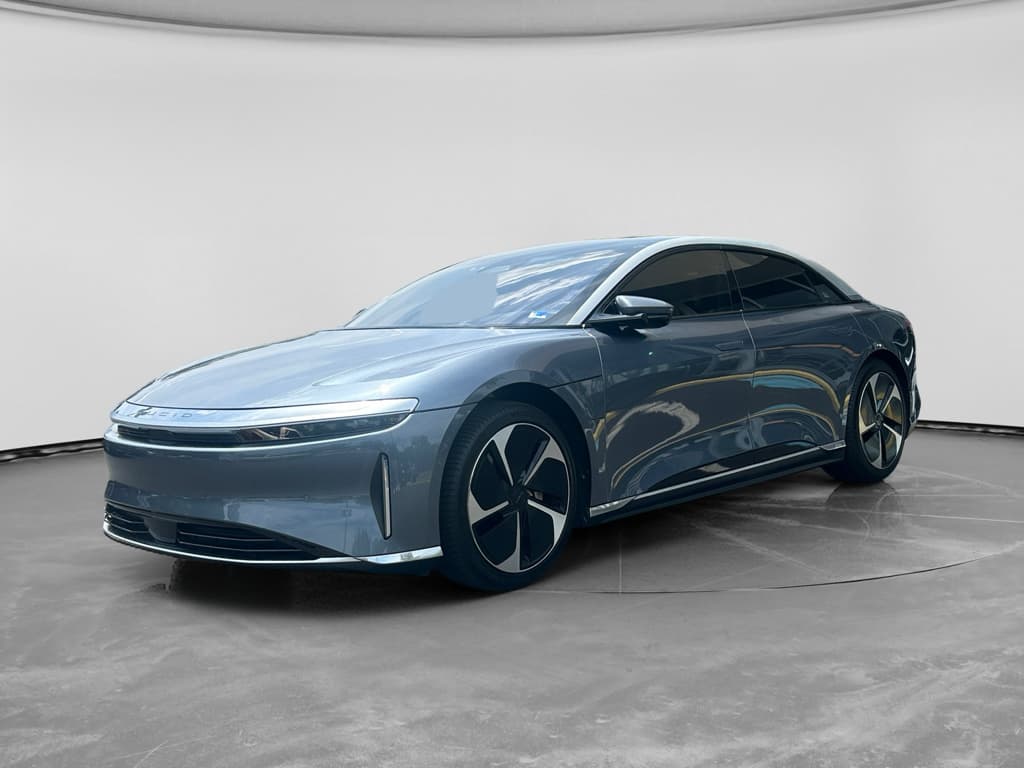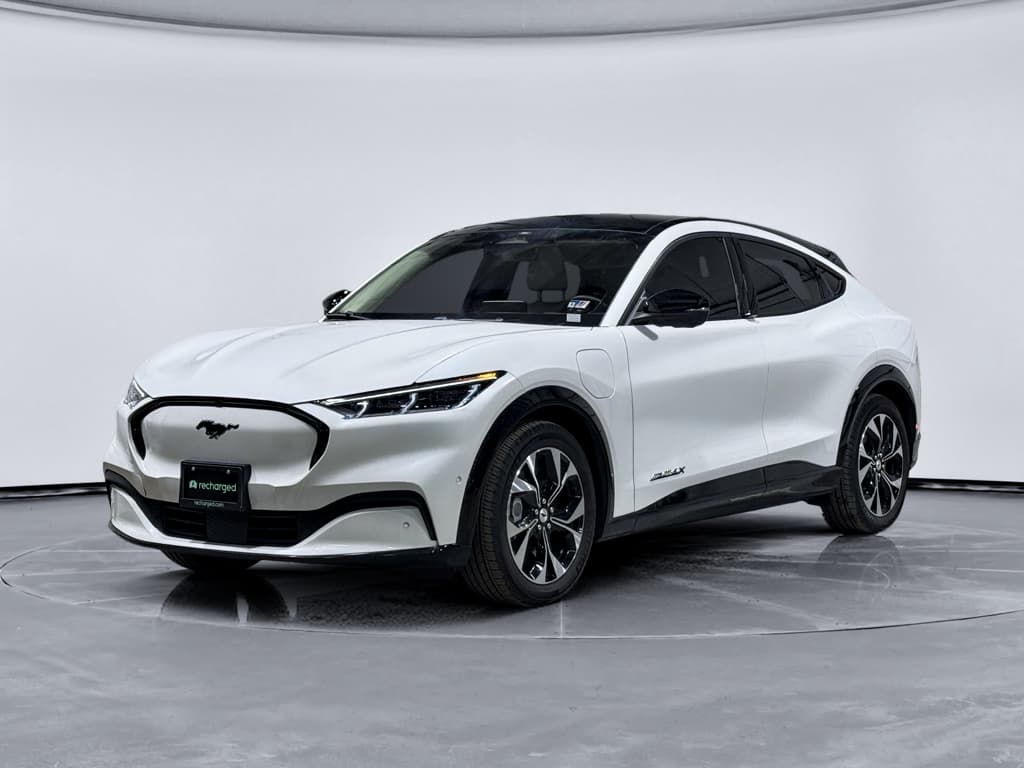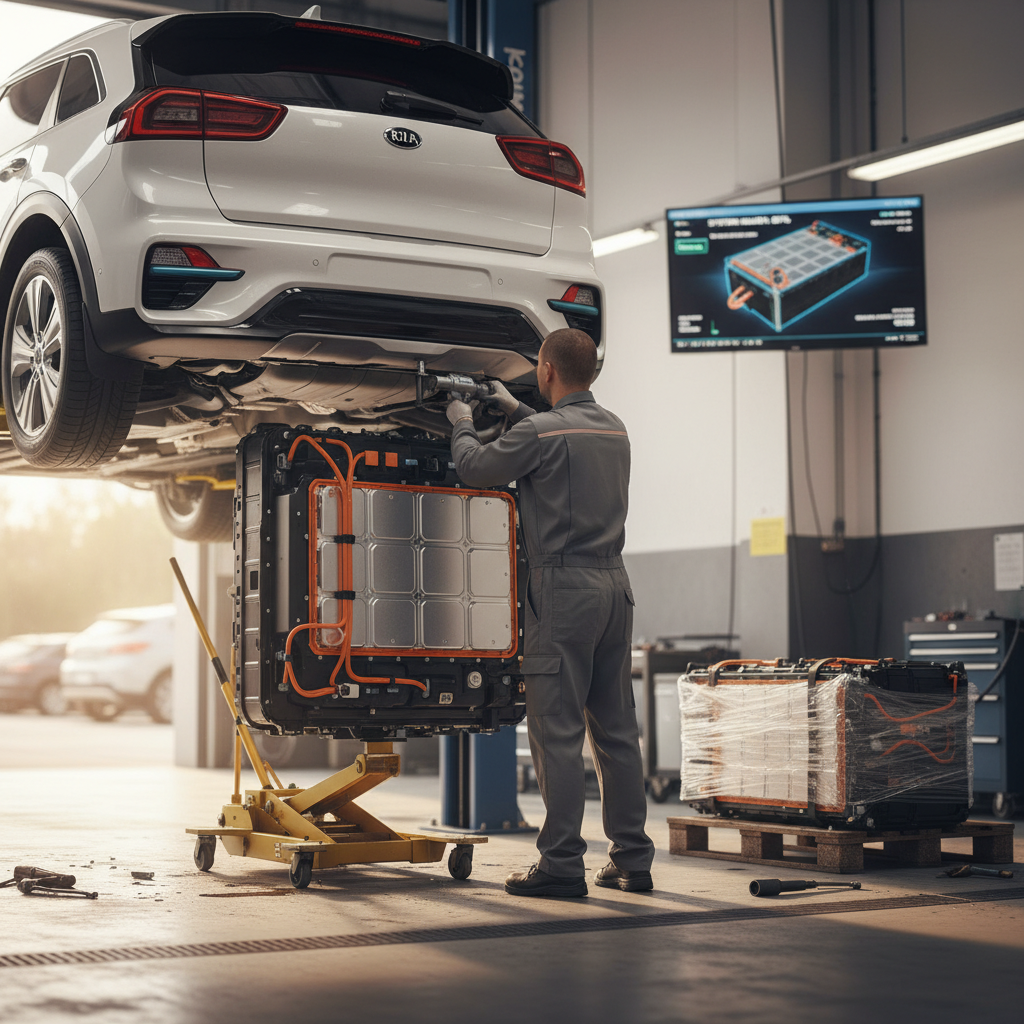
Lift off the accelerator in a modern electric car and you feel it right away: the car seems to dig its heels in, the power gauge swings into blue or green, and your range number ticks up instead of down. That is regenerative braking energy at work, your car turning the act of slowing down into usable electricity instead of waste heat.
The big idea
What is regenerative braking energy?
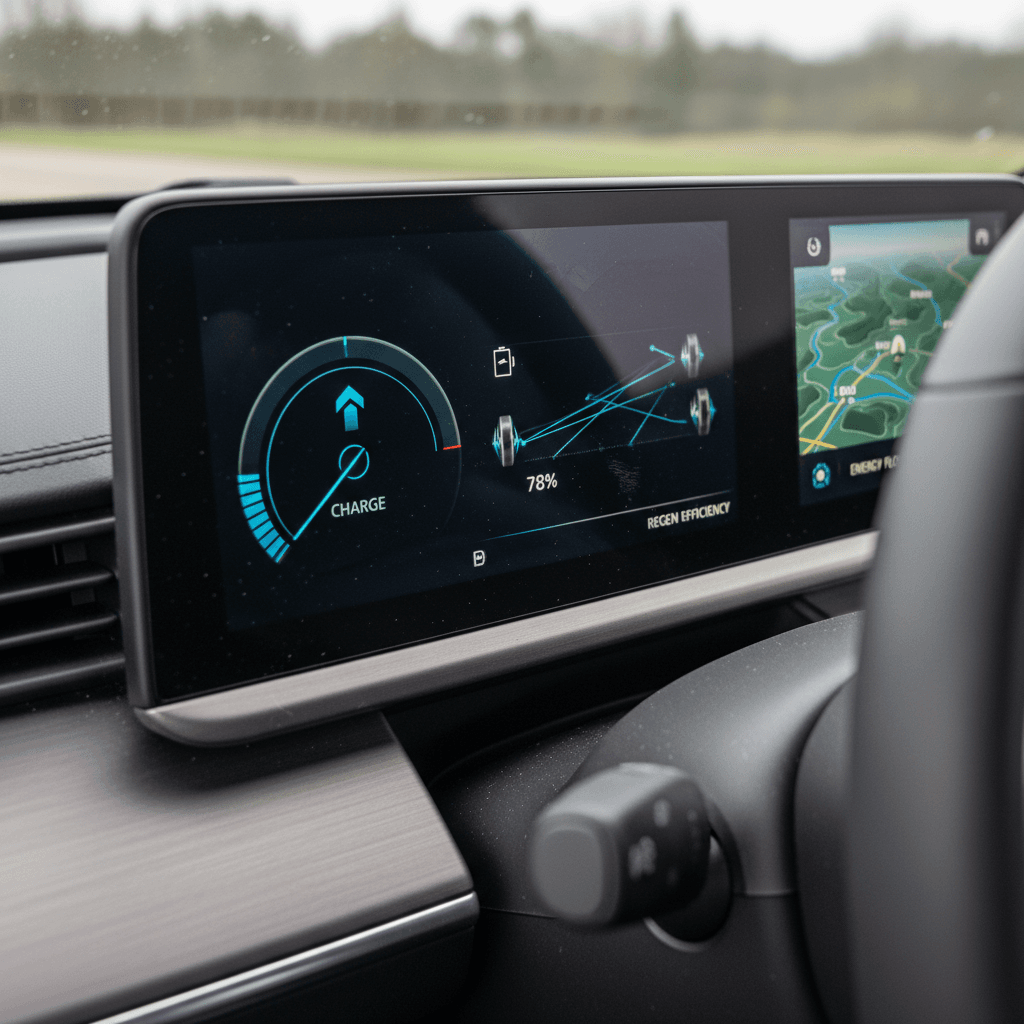
In a gasoline car, every time you hit the brakes you turn forward motion into heat in the rotors and pads. All that fuel you burned to get the car up to speed is simply thrown away. In an electric vehicle, regenerative braking captures a chunk of that kinetic energy and converts it back into electrical energy that can be stored in the battery and used later.
Practically, regenerative braking is the EV’s electric motor playing a double role. Under acceleration it uses electricity from the battery to create motion. Under deceleration, the same motor resists the wheels, acts like a generator, and shoves power back into the pack. The energy you recover is what we mean by regenerative braking energy.
You feel it every day
How regenerative braking turns motion into electricity
1. From battery to motion
When you press the accelerator, the battery sends DC power to an inverter, which feeds AC power to the electric motor. The motor’s magnetic field pulls the rotor around, turning the driveshaft and the wheels. That’s conventional EV propulsion.
2. From motion back to battery
When you lift off the accelerator or press the brake, the car’s control system tells the motor to resist rotation. The spinning wheels now drive the motor instead of the other way around. The motor becomes a generator, producing electrical energy that flows back through the inverter into the battery.
Because the generator is harder to spin when it’s producing electricity, it naturally slows the car. Software blends this regenerative deceleration with conventional friction brakes. In everyday driving you might barely feel the transition, just steady, smooth slowdown and a little more range than you expected.
Regen can’t do everything
How much energy can regenerative braking recover?
Realistic numbers for regenerative braking energy
There are two different numbers to keep straight. First is per‑brake efficiency: how much of the car’s kinetic energy a regen system can grab in a single deceleration. Modern systems often capture on the order of 60–70% of that energy inside the electric motor and power electronics under ideal conditions. Some engineering studies and premium EVs talk about recovery rates approaching 70% or more in controlled tests.
Second is trip‑level benefit: how much that matters over an entire drive. In the real world, EV drivers commonly see regenerative braking cut total energy use, and effectively increase range, by roughly 10–30%, especially in city traffic or on rolling terrain. In other words, a car rated for 250 miles might effectively behave like a 275–300 mile car on an urban route if you drive smoothly and let regen do its work.
Where regen shines
Regenerative braking benefits beyond range
Four big benefits of regenerative braking energy
It’s not just about squeezing out a few extra miles.
1. Extended driving range
Every bit of regenerative braking energy you harvest is energy your battery doesn’t have to supply later. It won’t double your range, but over a week of commuting it can mean one fewer charging stop.
2. Less brake wear
Because the motor does much of the slowing, the friction brakes often last well beyond 80,000–100,000 miles when driven thoughtfully. That means fewer pad and rotor jobs over the life of the car.
3. Lower particulate pollution
Traditional brakes shed fine dust every time they bite into the rotor. Regenerative braking reduces how often pads are used, cutting brake dust and improving local air quality around busy streets.
4. Smoother driving experience
Adjustable regen and one‑pedal modes make it easy to modulate speed with subtle movements of your right foot. Once you get used to it, jumping back into a gas car can feel oddly old‑fashioned.
Bonus for battery health
Driving techniques to maximize regenerative energy
You don’t need to drive like a hypermiling monk to get the benefit of regenerative braking energy. A few habits will quietly move the needle on efficiency without making you a rolling roadblock.
Simple ways to get more from regenerative braking
1. Look far ahead and lift early
Instead of charging toward a red light and braking late, ease off the accelerator earlier and let regen slow you. Longer, gentler decelerations usually recover more energy than last‑second stomps where friction brakes take over.
2. Use one‑pedal mode when appropriate
If your EV offers strong or configurable regen, try the highest setting in city traffic. You’ll use the brake pedal less, harvest more energy, and quickly calibrate your foot to stop smoothly.
3. Avoid riding the brakes downhill
On long descents, let regen do the bulk of the work. If the car limits regeneration when the battery is near full, using a lower regen setting plus occasional friction braking can prevent overheating pads while keeping the car stable.
4. Smooth out your speed on the highway
Even at freeway speeds, small lifts of the accelerator to scrub a few mph with regen are better than waiting and then braking harder. That said, steady speed is still king for efficiency, don’t saw at the pedal just to see the regen bar move.
5. Mind battery state‑of‑charge
When a battery is nearly full, the car often caps regenerative braking to protect the pack. If you know you’re about to descend a big mountain, it’s smart to start that descent with some room in the battery.
Limits and misconceptions about regenerative braking
- “Regen will charge my battery back to full.” No. It’s recycling energy you already spent, not creating new energy from nowhere. Think of it as a discount on every acceleration, not a free refill.
- “I’ll get the same benefit on the highway as in town.” You don’t, because you rarely slow down. Highway trips are mostly about aerodynamic drag, not braking losses.
- “More aggressive regen is always better.” Very strong regen can feel grabby, unsettle passengers, and in slippery conditions may be limited by traction control. There’s a sweet spot between comfort, control, and energy recovery.
- “Regen replaces friction brakes.” It doesn’t. You still need conventional brakes for hard stops, emergencies, and low‑speed maneuvers. Regular inspections are still important, even if you’re not replacing pads often.
Don’t chase the green bar at all costs
What regenerative braking means when buying a used EV
If you’re shopping for a used electric car, regenerative braking energy isn’t just an engineering parlor trick, it’s part of the car’s long‑term running costs and driving character. A well‑tuned regen system can mean fewer brake jobs, better real‑world range, and a smoother commute. But you also want to know how the car’s battery and braking hardware have held up over time.
How to evaluate regen when test‑driving a used EV
You’re not just buying a battery; you’re buying the way the car slows down.
Feel the deceleration
On a test drive, lift off the accelerator at 30–40 mph in a safe, open area. Does the car slow smoothly and consistently? Any strong shuddering or grabbiness can hint at software issues, worn tires, or brake problems.
Check regen settings
Browse the drive‑mode or brake‑mode menus. Many EVs let you choose from several regen levels or enable one‑pedal driving. Make sure all modes work as advertised and that changes are easy to feel from the driver’s seat.
Listen for brake noise
Because friction brakes on EVs may sit unused for long stretches, rotors can rust and pads can glaze. On your test drive, do a few moderate friction stops and listen for scraping, squealing, or pulsing through the pedal.
Look at energy data
Some cars show how much energy you’ve recovered over a trip. Others let you pull longer‑term efficiency logs. You’re looking for stable, reasonable efficiency, not wild swings that might hint at software or hardware issues.
Where Recharged comes in
Recharged can also help you structure a fully digital purchase, trade‑in, financing, and nationwide delivery, so you spend less time haggling and more time enjoying that smooth, regen‑heavy drive home.
FAQ: regenerative braking energy
Frequently asked questions about regenerative braking energy
Key takeaways on regenerative braking energy
- Regenerative braking lets EVs convert part of their kinetic energy back into electricity instead of wasting it as heat in friction brakes.
- Modern systems can often recover on the order of 60–70% of the energy of a braking event at the motor, translating into roughly 10–30% lower energy use over a full trip in favorable conditions.
- The biggest gains come in stop‑and‑go city driving and on downhill stretches; steady highway cruising leaves little for regen to do.
- Beyond range, regen reduces brake wear, cuts dust and noise, and enables smooth one‑pedal driving that quickly becomes second nature.
- Your driving style matters: looking ahead, lifting early, and using appropriate regen modes will quietly add miles to every charge.
- When you’re shopping used, how the car slows down, and how well its brake and battery systems have aged, should be part of your decision. Recharged’s battery health diagnostics and expert-guided buying experience are built to make that evaluation simpler.
Once you understand regenerative braking energy, it’s hard to unsee it. Every slowdown, every red light, every downhill is a chance to claw back a little of what you’ve spent. The best EVs turn that invisible bookkeeping into a driving experience that feels effortlessly smooth and quietly efficient, exactly the sort of thing you appreciate every single day, long after the new‑car smell is gone.