When you’re shopping for a used electric car, the stakes are different than with a gas car. A tired engine is annoying; a tired battery can be a five‑figure mistake. Knowing the biggest red flags when buying a used electric car, and which ones are merely yellow lights, can save you thousands and a lot of regret.
The good news
Why red flags matter more with used EVs
With internal-combustion cars, wear is relatively gradual and well-understood. With EVs, a few hidden variables, especially battery health, charging habits, and software history, can flip a seemingly great deal into a money pit overnight. Replacement traction batteries and some power electronics are still expensive, even as costs have trended down, so you want to avoid being the owner on the hook when something finally lets go.
How used EV risks differ from used gas cars
Same shopping skills, new failure modes to watch for
Battery is the car
Charging history matters
Software + support risk
A key mindset shift
Battery health red flags you can’t ignore
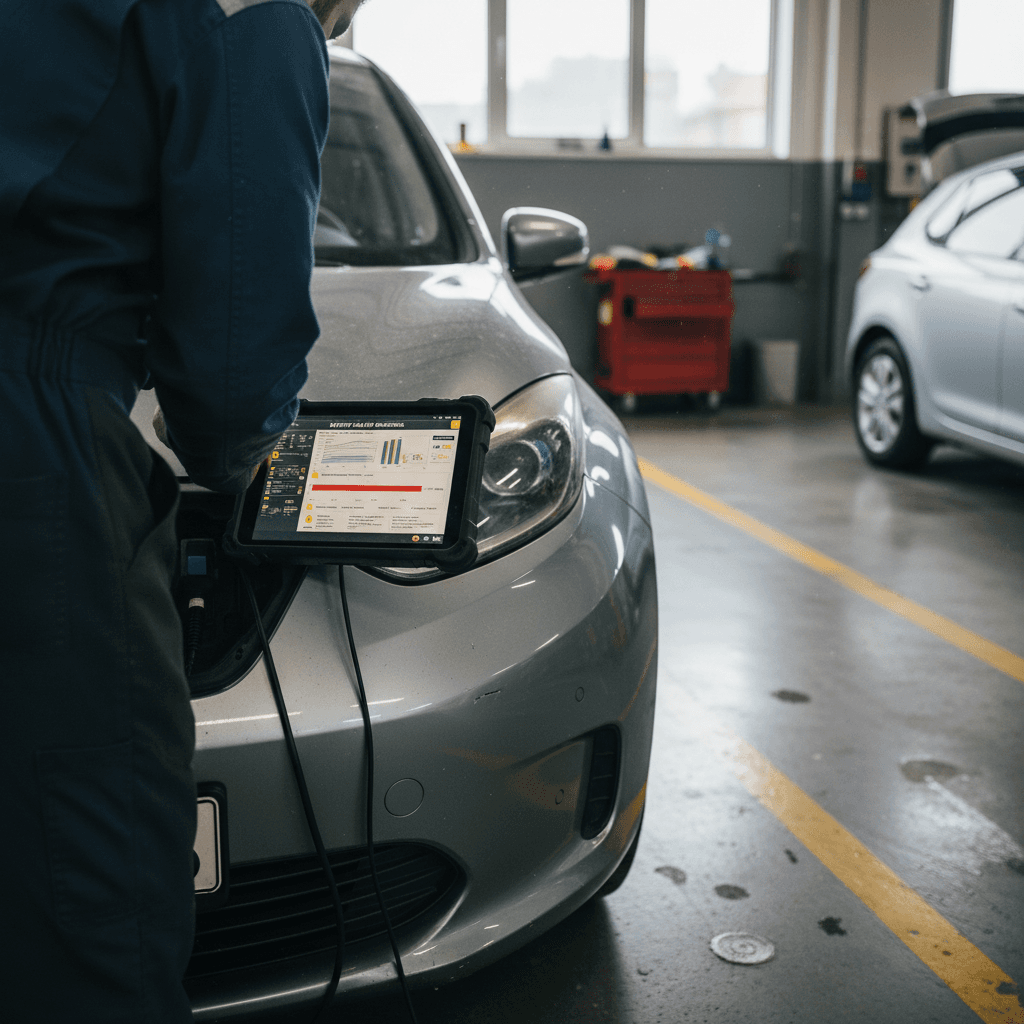
Let’s start with the big one. A modern EV battery pack is engineered to last many years, often with 8‑year warranties from the factory, but not all lives are lived equally. The question is not "Will this pack die tomorrow?" so much as "Am I paying a fair price for the life that’s left?" Here are the signs that answer might be no.
Battery basics that shape used EV risk
- No documented battery health report on a higher‑mileage car (or a seller who refuses a third‑party check). For a $20,000–$40,000 purchase, "trust me, it’s fine" isn’t good enough.
- Displayed range that doesn’t match the story. For example, a 4‑year‑old EV with modest miles that only shows 60–70% of its original rated range on a full charge, with no explanation or discount.
- Big gap between claimed and observed range. If the seller says they get 250 miles but the car’s trip history and recent charges suggest far less in similar conditions, assume the smaller number is reality.
- Warning lights or power limits. Battery warnings, reduced‑power "turtle" modes, or repeated thermal alerts are all reasons to walk unless a specialist can document a proper fix.
- Car spent years in extreme heat without garage parking. Hot-climate cars that lived outdoors, especially early EVs, deserve extra scrutiny on state of health. Ask for climate history and records.
Battery health shortcut
Yellow flags (worth a deeper look)
- Battery health report exists but is a few years old or from a basic dealership scan.
- Owner occasionally charged to 100% but mostly lives between 20–90% in daily use.
- Car sat unused for several months but was kept around 40–60% charge in a mild climate.
- Range estimate fluctuates because of recent short trips, winter driving, or a reset trip computer.
These aren’t deal breakers by themselves, but they should push you toward a fresh battery check and realistic expectations about range.
Red flags (start thinking "walk away")
- Seller refuses any third‑party or professional battery test, even at your expense.
- Pack has already been opened or "repaired" by a non‑EV specialist with no documentation.
- Car shows repeated DC fast-charging sessions in short succession without corresponding mileage (suggesting the pack was used hard as a fleet or rideshare vehicle).
- Battery health, mileage, and age simply don’t line up, and no one can explain why.
If the numbers don’t tell a coherent story, assume the story is hiding something.
Where Recharged fits in
Ready to find your next EV?
Browse VehiclesCharging habits and usage patterns that spell trouble
Batteries don’t wear out by magic; they wear out by exposure. Heat, high voltages, and hard use leave fingerprints if you know where to look. The trick is separating normal, everyday EV life from abuse that’s been swept under the rubber floor mats.
Charging-related red flags
What a car’s past charging life tells you about its future
DC fast-charge abuse
Always at 100% or 0%
Thermal stress history
When "fleet" is a four-letter word
Warranty gaps, recalls and software red flags
With a used EV, the factory warranty and software status are part of the value proposition. A car that’s just slipped out of bumper‑to‑bumper coverage but has years of battery warranty left is a very different bet than one that’s out of everything and missing critical recalls.
- Unknown or misleading warranty status. If the seller can’t clearly tell you how much basic and high‑voltage battery warranty remains, or gives you obviously wrong dates, treat that as a problem to solve before you fall in love.
- Open safety recalls or battery recalls not yet performed. Most automakers let you check by VIN on their websites; if major recalls are still pending and the seller seems indifferent, ask why.
- Car imported from another region with limited local support. Grey‑market EVs can have odd charging behavior, missing software features, or patchy service networks in the U.S.
- Features removed or disabled. For some brands, free DC fast charging, driver-assist features, or connectivity packages don’t always transfer to second owners. If the ad promises features the car no longer has, that’s a misrepresentation issue, not a "small detail."
- Avoidance around software updates. A seller who brags they "never install updates" might be sitting on unfixed bugs, security vulnerabilities, or recall-related software campaigns. That can become your headache later.
Do this before you drive across town
History, title and accident red flags
Crash damage and sketchy paperwork are bad news in any used car. With EVs, they can be catastrophic because the battery pack is a structural part of the car and expensive to repair correctly. This is where "it just had a little fender bender" deserves a raised eyebrow and a flashlight.
History and title situations that should slow you down
Not all history issues are equal. Some are negotiation points; others are hard no’s.
| Issue | What it might mean | How to treat it |
|---|---|---|
| Salvage or rebuilt title | Car was written off by an insurer; may have structural or battery damage. | Only consider if you’re deeply experienced and the discount is enormous. For most buyers, walk away. |
| Multiple accidents involving front or floor pan | Crash energy may have gone through the pack or cooling system. | Demand detailed repair documentation from an EV‑qualified shop, or pass. |
| Airbags deployed with no record of OEM parts | Improper repairs can affect safety systems and wiring. | Treat as a major red flag unless you can verify high‑quality repairs. |
| Flood or water damage history | Water and high-voltage systems do not mix well. | Hard no for almost all buyers, no matter how "fine" it seems today. |
| Inconsistent mileage or ownership gaps | Odometer or usage questions, auction flips, or long unexplained storage. | Dig deeper. If the story stays fuzzy, look for another car. |
Use this table as a sanity check when the paperwork doesn’t match the sales pitch.
Flood car? Don’t be the optimist.
Pricing and seller behavior red flags
The car is one half of the story. The human selling it is the other. A clean, well‑priced used EV with a squirrelly seller is still a bad deal, because the one thing you can’t fix after the fact is a missing history.
Seller tells on themselves more than the car does
When the vibes are louder than the spec sheet
Too cheap, too fast
Vague or inconsistent answers
Restrictions on pre-purchase checks
Simple rule for sketchy sellers
Visual inspection and test drive red flags
You don’t have to be an EV engineer to spot trouble. Your eyes, nose, and spine are good tools. A short, focused inspection and test drive will either confirm the good feeling, or surface questions that the seller must be able to answer calmly and clearly.
What to look and feel for on the ground
1. Underside and battery pack
Look under the car for fresh scrapes, dents in the battery enclosure, missing underbody panels, or homemade shielding. A pack that’s been dragged over curbs deserves professional inspection at minimum.
2. Charging port and cables
Check for broken latches, corrosion, melted plastic, or obviously replaced connectors. A rough‑looking charge port can signal years of ham‑fisted fast charging or poor repairs.
3. Cabin warnings and behavior
On startup, there should be no persistent high‑voltage or battery warning lights. Take note of repeated alerts, malfunctioning driver-assist features, or apps that won’t connect properly.
4. Noises and vibrations
EVs are quiet by nature, which makes new clunks, whines, or grinding that much easier to hear. Pay special attention to low‑speed parking lot maneuvers and gentle acceleration.
5. Braking and regen feel
Regenerative braking should feel smooth and predictable. If the car surges, grabs, or frequently disables regen without explanation, there may be software, sensor, or battery issues.
6. HVAC and thermal behavior
Run heat and A/C. Weak performance or strange smells can hint at HVAC issues, which matter more on EVs because the climate system is tied into battery thermal management.
Quick reference: biggest red flags at a glance
Major used EV red flags
If you see two or more of these on the same car, treat it as a strong sign to walk.
| Area | Red flag | Typical response |
|---|---|---|
| Battery | No credible health report, weird range numbers, or battery warnings. | Don’t buy without an independent battery assessment and a price that reflects the risk. |
| Charging | Heavy DC fast-charging history with low miles, evidence of overheating. | Only proceed with expert inspection and serious discount, otherwise walk. |
| History & title | Salvage/rebuilt, flood damage, or major unverified structural repairs. | Pass. There are plenty of clean‑title EVs on the market. |
| Warranty & recalls | Out of all warranty with open safety or battery recalls. | Require recall work before purchase; treat lack of action as a red flag. |
| Seller behavior | Refusal of inspections, confusing stories, extreme urgency or pressure. | Move on. A good car will still be good tomorrow. |
Print or save this table to sanity‑check any "too good to be true" listing.
Used EV buyer’s checklist: from “hmm” to “hard no”
Most used EV shoppers don’t need a 40‑page engineering report, they need a simple way to sort cars into three piles: green (good to go), yellow (dig deeper), and red (don’t touch it). Use this checklist as a working filter.
Three paths for a used EV you’re considering
Green-light car (worth moving fast)
Battery health is documented and consistent with age and mileage.
Clean title, no flood or major structural damage, recalls up to date.
Charging history seems normal (home + occasional road-trip fast charging).
Warranty status is clear; ideally, some high-voltage warranty remains.
Seller is transparent, responsive, and fine with independent inspections.
Yellow-light car (negotiate and verify)
Battery health report is missing but seller agrees to a proper test at your cost.
Minor accidents with detailed repair records from reputable shops.
Car has lived in a hot or cold climate but has evidence of regular service.
Some warranty remains, but bumper-to-bumper is close to expiration.
History report shows auctions or fleet use, but the price reflects it.
Red-light car (walk away, no matter the price)
Salvage, rebuilt, or flood history on the title for non-experts.
Seller refuses a battery test or independent inspection, or won’t share VIN.
Active high-voltage or battery warnings on the dash during test drive.
Open safety or battery recalls that the seller won’t address pre-sale.
Price is dramatically below market with a "today only" story attached.
How Recharged simplifies all this
FAQ: Common questions about used EV red flags
Frequently asked questions about used EV red flags
Final thoughts: when to walk away and when to buy with confidence
Used EVs are not a minefield; they’re a sorting exercise. Most of the cars you’ll see are perfectly decent machines that need a reasonable inspection and an honest price. A small minority hide battery problems, sketchy histories, or software and warranty landmines that are best left to someone else. Your job is not to out‑guess the engineers, it’s to listen to the red flags when they start stacking up.
If you can line up a clean title, believable battery health, normal charging habits, clear warranty and recall status, and a seller who welcomes scrutiny, you’re on solid ground. If you can’t, don’t be afraid to say "no" and keep scrolling. The used EV market in the U.S. is deep and getting deeper; there will always be another car. And if you’d rather skip the detective work, a platform like Recharged, with verified battery diagnostics, Recharged Score reports, and EV‑specialist support from search to delivery, exists precisely so you don’t have to learn these lessons the hard way.