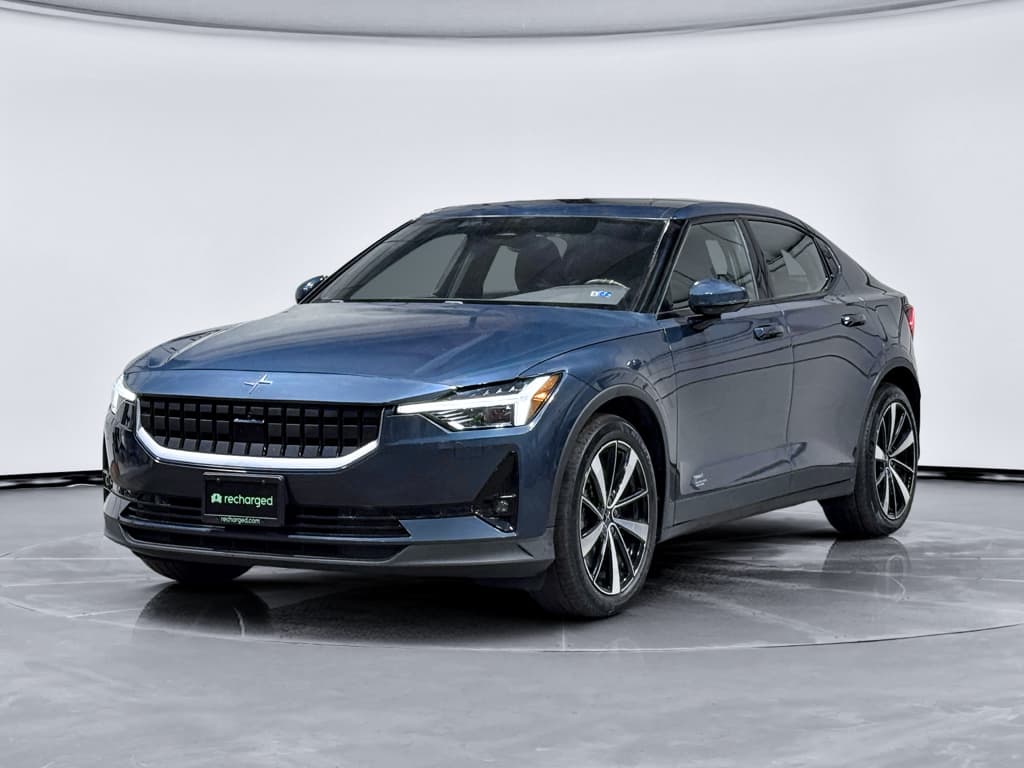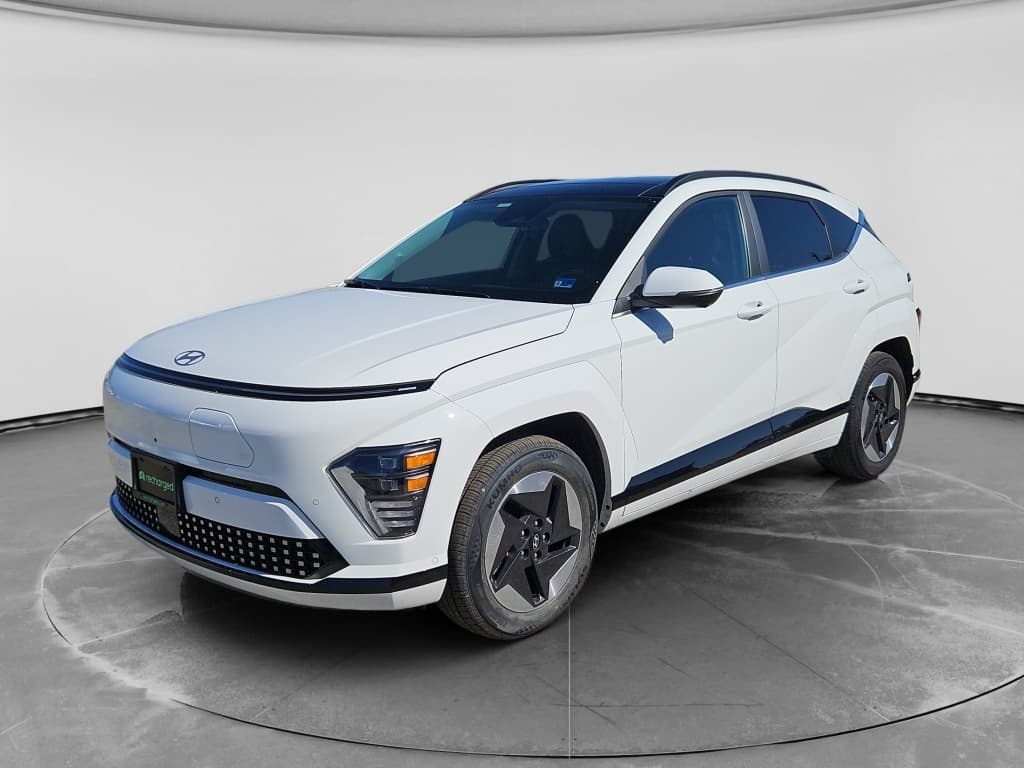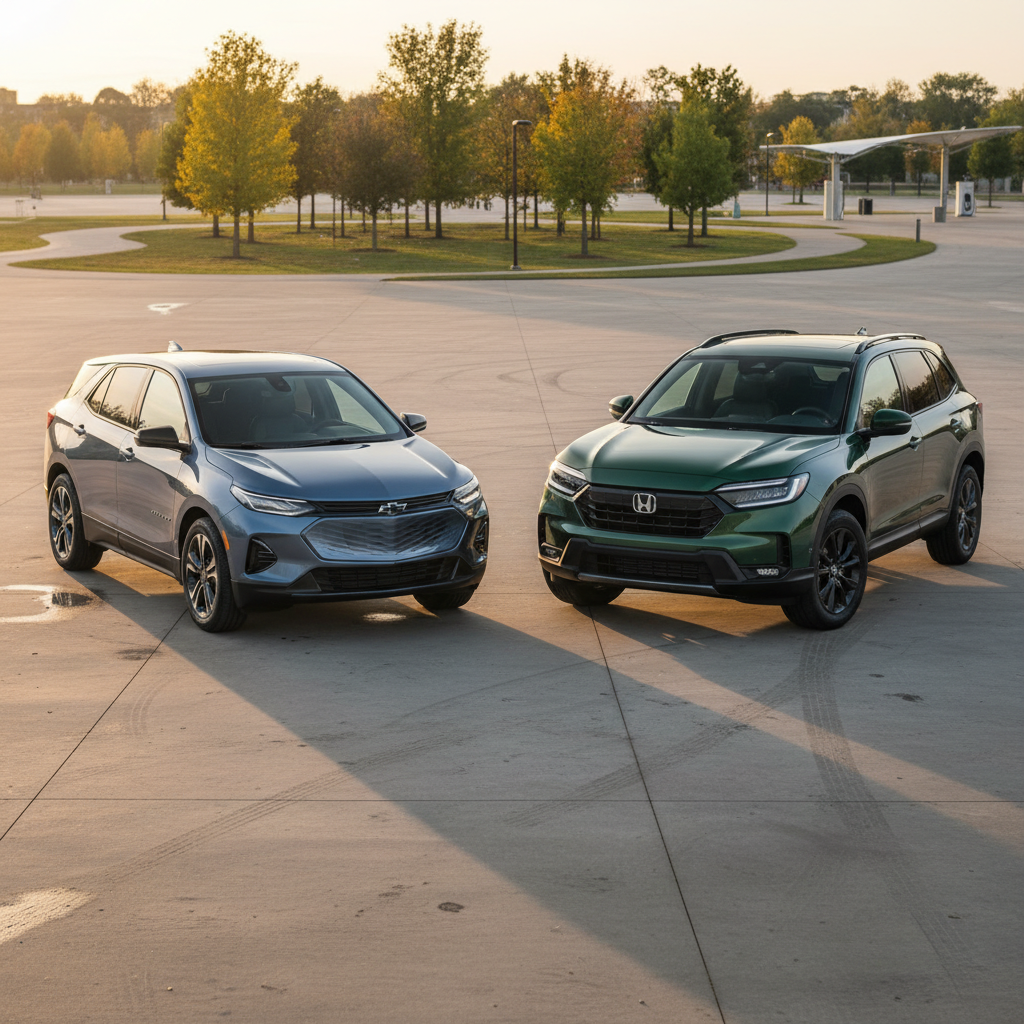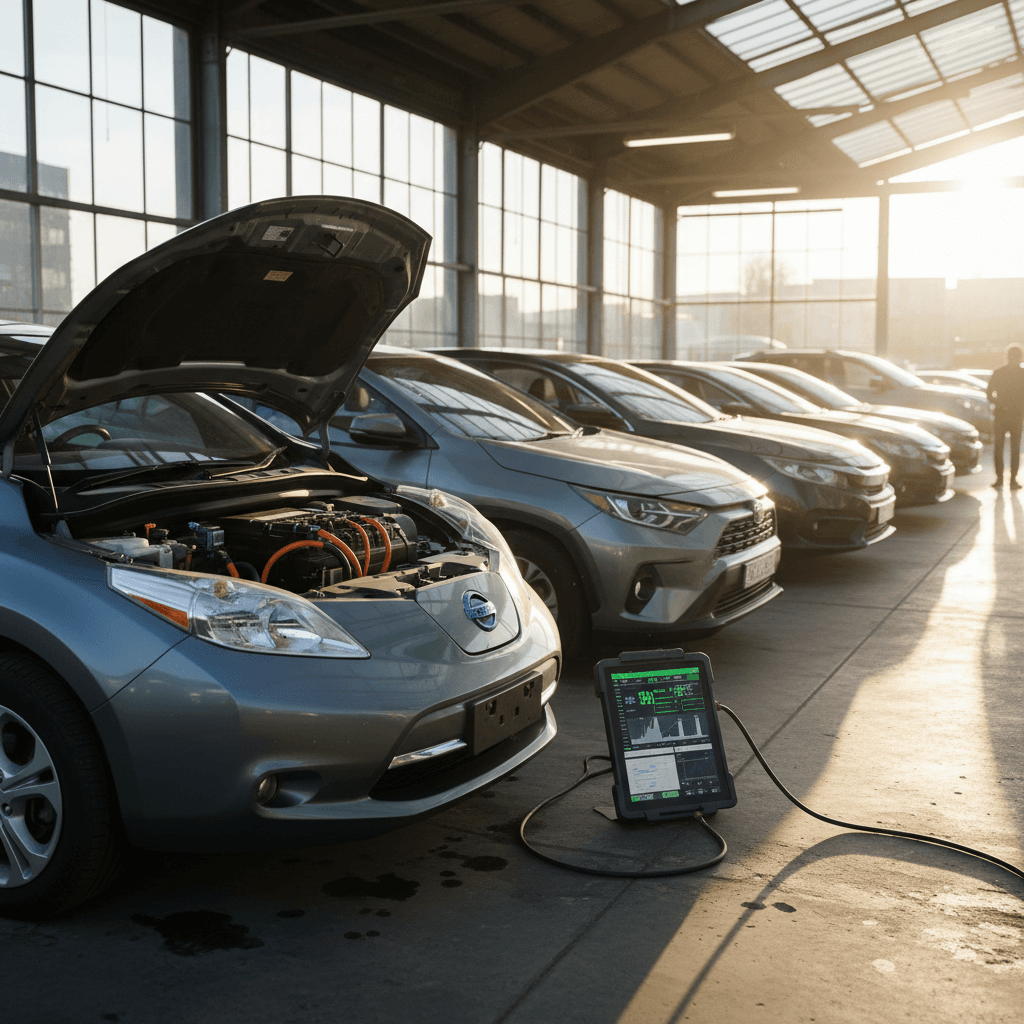
You’re not imagining it: new‑car prices have gone through the stratosphere. That’s why more shoppers are searching for recommended used cars to buy that won’t turn into a repair‑shop timeshare. The good news is that 2025 is a particularly strong year for used buyers, especially if you’re open to hybrids and electric vehicles whose prices have quietly come back down to earth.
About this guide
Why used cars are a smart buy in 2025
Used market snapshot for 2025
A few trends make used cars unusually appealing right now. First, new‑car transaction prices remain high, but the feeding frenzy of 2021–2022 has cooled, which means more inventory and softer pricing on three‑ to five‑year‑old cars. Second, millions of EVs and hybrids sold earlier in the decade are now coming off lease, so there are far more electrified options than even three years ago. Finally, many of these cars still carry long factory warranties, especially on hybrid systems and EV batteries, so you’re not necessarily trading peace of mind for a lower price.
Don’t obsess over model year alone
How to think about “recommended used cars”
Type “recommended used cars to buy” into a search bar and you’ll get a blizzard of Top‑10 lists. They’re not useless, but they often ignore the variables that actually decide whether a car will work in your life: how far you drive, whether you own a driveway, and your appetite for risk.
What makes a car “recommended”?
- Reliability track record from long‑term owner data.
- Reasonable repair costs and parts availability.
- Safety (strong crash‑test scores and modern driver aids).
- Depreciation curve that gives you good value today.
- How it fits your life: commute, family, parking, charging.
Where EVs and hybrids fit in
- Hybrids shine if you drive a lot but can’t plug in.
- EVs are ideal if you have home/work charging and mainly do local driving.
- Recent EVs often include advanced safety tech as standard.
- Thanks to price drops, many used EVs now cost less than comparable gas SUVs.
Reliability isn’t one-size-fits-all
Top recommended used gas cars
If you just want something simple, proven and easy to service anywhere in America, a conventional gas car still makes a lot of sense. Here are standouts that show up again and again in long‑term reliability surveys and owner reports.
Solid used gas cars worth targeting
Broadly available in the U.S., with strong reliability and sane ownership costs.
| Model | Best Years to Target* | Why it’s recommended | Ideal Buyer |
|---|---|---|---|
| Toyota Camry | 2016–2022 | Legendary reliability, comfortable ride, plentiful parts, good safety tech from 2018+ | Anyone who wants a no‑drama midsize sedan |
| Honda Civic | 2016–2021 | Efficient, fun to drive, huge aftermarket, easy to park | Commuters, students, city dwellers |
| Toyota Corolla | 2017–2022 | Simple, efficient, extremely robust; hatchback adds space and style | Budget‑minded drivers, first‑time buyers |
| Mazda CX‑5 | 2017–2022 | More fun and upscale inside than rivals, solid reliability | Small families wanting an SUV without the bloat |
| Subaru Outback | 2016–2021 | Standard AWD, great for snow and outdoor gear, comfortable seats | Cold‑climate drivers, weekend adventurers |
Exact trims and engines matter. When in doubt, favor naturally aspirated engines and automatic (not dual‑clutch) transmissions.
Beware of “cheap, premium” older luxury cars
Best used hybrids for low running costs
Hybrids hit a sweet spot in 2025: they deliver much better fuel economy than gas cars, but they avoid the charging‑infrastructure dependency of full EVs. Mature hybrid systems from Toyota, Honda and others have also developed an enviable reputation for durability.
Recommended used hybrids
These models mix low fuel and maintenance costs with real‑world practicality.
Toyota Prius (2016–2022)
Still the benchmark for hybrid efficiency. Post‑2016 cars are quieter and nicer to drive, and the liftback body is surprisingly roomy.
- 50+ mpg easily achievable
- Taxi‑fleet‑level longevity when maintained
- Ideal for high‑mileage commuters and rideshare drivers
Toyota Corolla Hybrid (2020–2023)
If you want Prius efficiency in a more conventional shape, this is it. Later models add solid driver‑assistance tech.
- Excellent reliability data so far
- Real‑world economy in the 45–50 mpg bracket
- Great first car if you want something frugal but familiar
Honda Accord Hybrid (2018–2022)
Mid‑size comfort with hybrid efficiency. Feels more upscale than many rivals and cruises effortlessly on the highway.
- Spacious rear seat and trunk
- Smooth power delivery, especially around town
- Good choice for families not ready for an SUV
Why full hybrids age well
Best used electric cars to buy in 2025
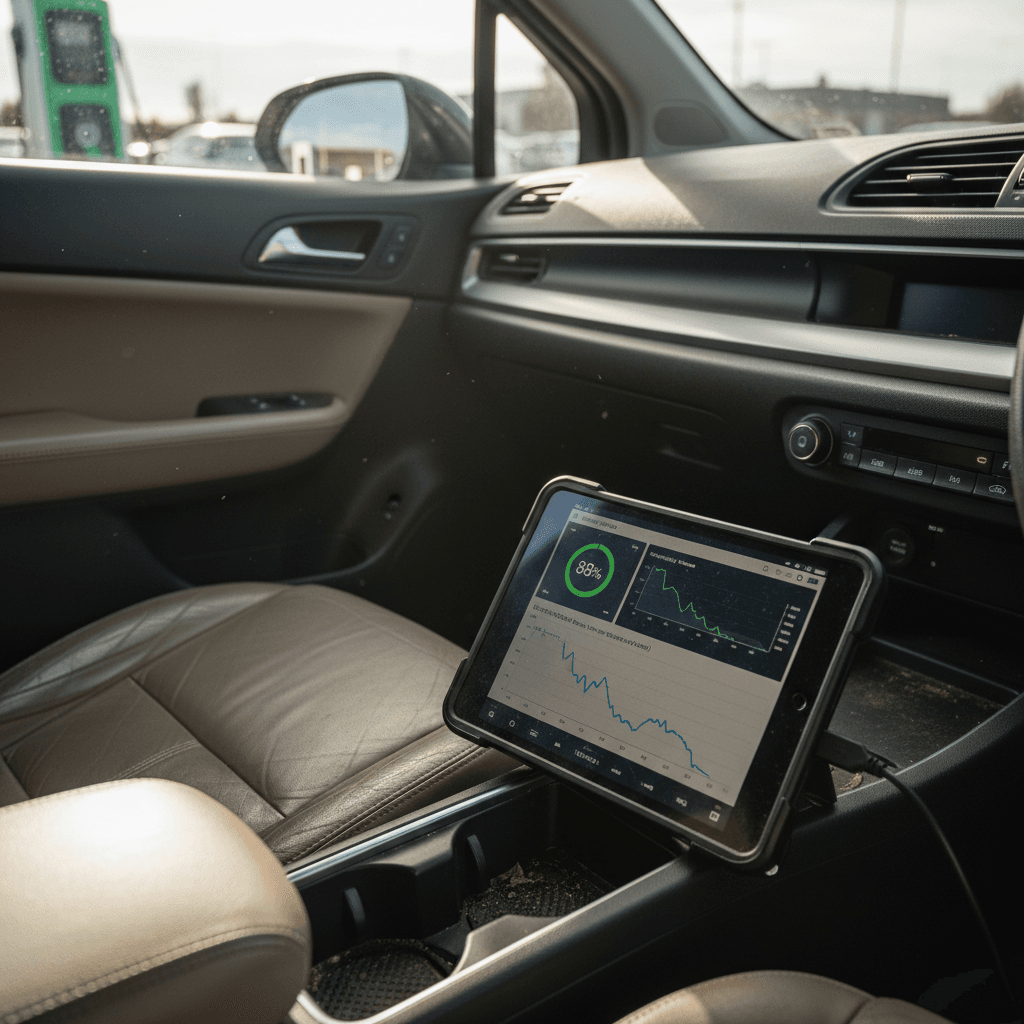
Used EVs are where the real disruption is happening. After years of record demand, we’re now seeing generous depreciation on many models, especially larger crossovers and early luxury EVs. For the right driver, that translates into a lot of car, and a lot of technology, for surprisingly modest money.
Recommended used electric cars
Strong all‑rounders with decent range, improving reliability records, and good value on the used market.
| Model | Approx. Used Sweet Spot | Why it’s recommended | Notes |
|---|---|---|---|
| Tesla Model 3 | 2018–2022 | Long range, strong charging network access, excellent efficiency, constant software updates. | Earlier cars may show more interior wear; have any used EV checked for battery and motor issues. |
| Hyundai Ioniq 5 | 2022–2024 | Striking design, comfortable ride, fast 800‑V charging, family‑friendly interior. | Check for software updates and any recall work completed. |
| Kia EV6 | 2022–2024 | Sportier feel than Ioniq 5, quick DC fast‑charging, good real‑world range. | All‑wheel‑drive versions offer strong performance but slightly less range. |
| Chevrolet Bolt EV/EUV | 2019–2023 | Compact, efficient, often very affordable; later battery replacements solve earlier recall issues. | Confirm recall battery work is done; great city/commuter EV. |
| Nissan Leaf (2nd gen) | 2018–2022 | Simple, proven, often the cheapest entry into EV ownership. | Earlier cars use passive‑cooled batteries; prioritize cooler‑climate histories and newer packs. |
| Ford Mustang Mach‑E | 2021–2023 | Stylish crossover with usable range and solid safety tech. | Software has improved over time; confirm latest updates and charging behavior. |
Exact pricing will vary by mileage, trim, and market, but these models typically offer compelling value versus comparable gas SUVs and sedans.
Used EVs and reliability
Pick the right used car for your lifestyle
Match the car to how you actually drive
The best "recommended" car is the one that suits your daily reality, not someone else’s spreadsheet.
Mostly city driving, short commutes
- Great choices: Chevy Bolt EV, Nissan Leaf, Toyota Prius, Honda Civic.
- You’ll benefit most from efficiency and compact size.
- If you can charge at home or work, a used EV will slash your running costs.
Long‑distance highway or sales driving
- Great choices: Toyota Camry, Accord Hybrid, Tesla Model 3 Long Range, Hyundai Ioniq 5.
- Prioritize comfort, seat quality, and driver‑assist systems.
- For EVs, aim for 250+ miles of real‑world range and good DC fast‑charging speeds.
Growing family, school runs, weekend trips
- Great choices: Mazda CX‑5, Subaru Outback, Kia EV6, Hyundai Ioniq 5.
- Look carefully at rear‑seat space and cargo access.
- Standard active safety tech is a must in this bracket.
Outdoorsy lifestyle, snow and dirt roads
- Great choices: Subaru Outback, AWD RAV4 Hybrid, AWD Ioniq 5/EV6, certain Model 3/Model Y trims.
- All‑wheel drive and ground clearance matter more than outright horsepower.
- Think about charging access near trails or ski resorts if you go EV.
How to check condition, reliability and history
Pre‑purchase checklist for any used car
1. Run a full history report
Pull a VIN‑based report to check for accidents, flood damage, odometer rollbacks, and branded titles. Walk away from cars with serious structural damage or salvage history unless you’re a seasoned rebuilder.
2. Inspect for rust and flood clues
Look under the car and around door sills for heavy rust. Inside, lift floor mats and check under the spare tire well for moisture, silt, or musty smells, classic flood tells.
3. Verify maintenance records
A thick folder of receipts or documented digital service history is worth real money. Regular oil changes (for gas/hybrid), fluid changes, and scheduled services are key reliability indicators.
4. Get an independent pre‑purchase inspection
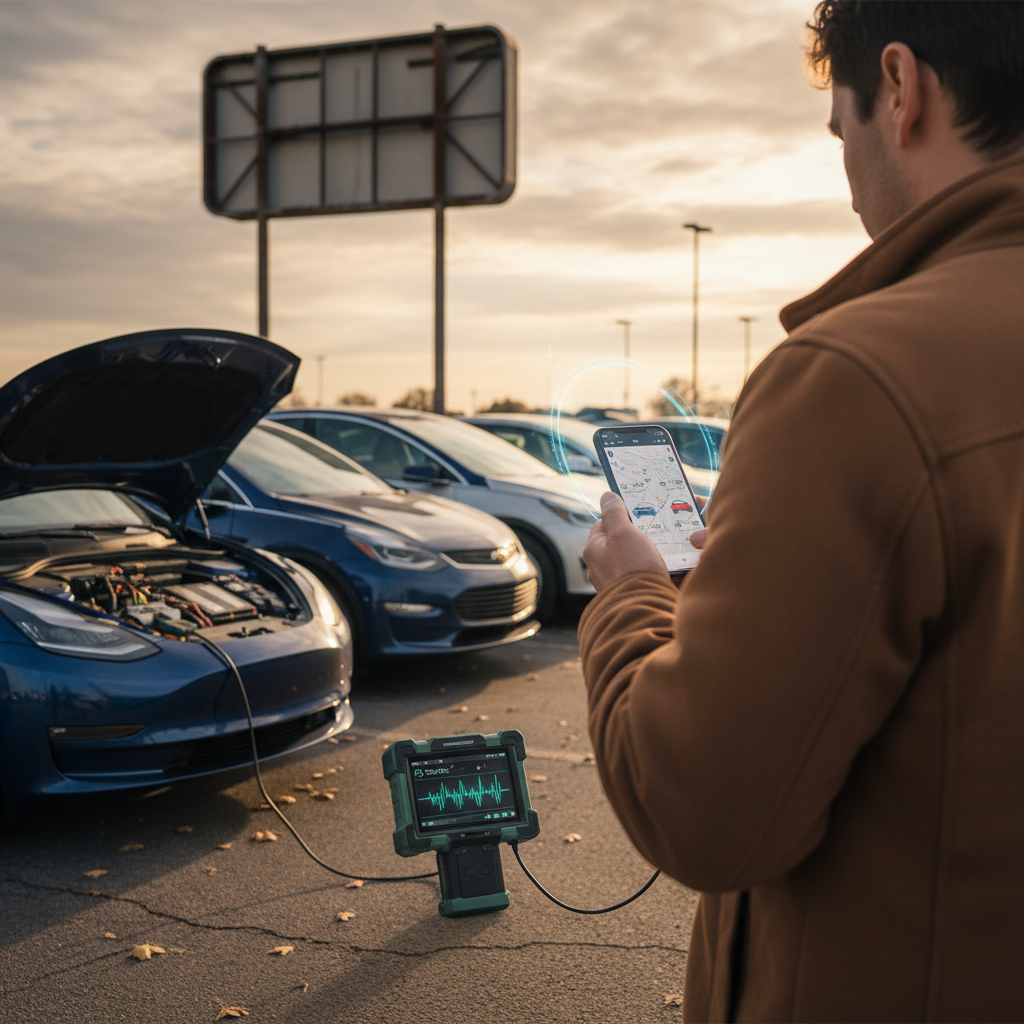
Pay a trusted mechanic, or for EVs, a shop that knows high‑voltage systems, to check brakes, suspension, tires, leaks, and electronics. A couple hundred dollars here can save you thousands later.
5. Test all technology and safety features
Pair your phone, test the camera views, check every window switch and seat adjustment, and verify adaptive cruise control, lane‑keep assist and parking sensors work as advertised.
6. Drive it like you’ll actually use it
On the test drive, include highway speeds and some rough pavement. Listen for clunks or whistles, watch for warning lights, and pay attention to how the car feels over an extended loop, not just around the block.
For EVs, insist on a battery‑health readout
EV battery health: what really matters
An EV lives or dies by its battery. Fortunately, modern packs are more durable than the early horror stories suggested, but they’re not immune to abuse or age. Before you buy, you want to know not just whether the car drives today, but how much of its original capacity is still available and whether there are any lurking fault codes.
Key EV battery questions to answer before you buy
You don’t need an electrical‑engineering degree, you just need the right data.
How much capacity is left?
Think of this as the EV equivalent of compression numbers on an engine. Most buyers are comfortable with no more than 10–20% degradation versus new.
How was the car used and charged?
Lots of DC fast‑charging, frequent 100% charges, or long‑term storage at full or empty state of charge can accelerate wear. Cooler‑climate cars usually age more gracefully.
Is warranty coverage still active?
Many EVs carry 8‑year / 100,000‑mile battery warranties. Knowing the in‑service date tells you exactly how much coverage remains.
How Recharged helps with used EVs
Ready to find your next EV?
Browse VehiclesFinancing and total cost of ownership
Look beyond the monthly payment
It’s easy to fall in love with a low monthly number and forget what the car will cost to live with. A slightly higher payment on a more reliable model can be cheaper than a bargain car that eats money in repairs.
- Insurance: get quotes on specific models and trims.
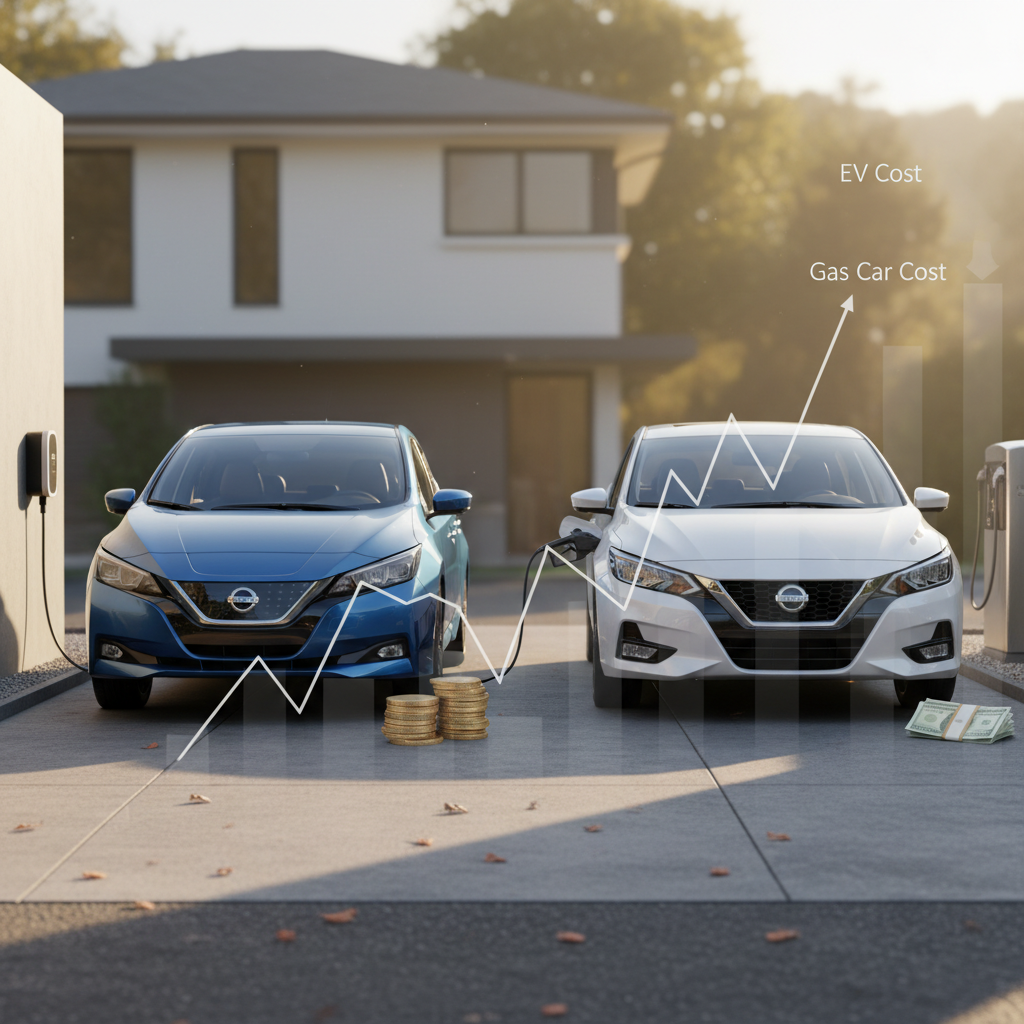
- Fuel vs. electricity: EVs and hybrids usually win here.
- Maintenance: EVs skip oil changes and have fewer wear parts.
- Tires: performance EVs can chew through expensive rubber.
Financing a used EV through Recharged
If you’re leaning electric, Recharged offers financing tailored to used EVs, including the option to pre‑qualify online with no impact to your credit.
- Instant, digital offers with transparent terms.
- Ability to factor trade‑in value or an instant offer for your current car.
- Nationwide delivery and an EV‑savvy team to walk you through charging and ownership.
Compare a gas car vs. EV over 5 years
Common pitfalls when buying used
- Chasing the lowest price and ignoring condition or history.
- Buying the first car you see without comparing alternatives in the same segment.
- Skipping a proper inspection, especially dangerous with EVs and complex luxury models.
- Underestimating insurance, tire, and maintenance costs on sporty or premium trims.
- For EVs: assuming public fast‑charging is as cheap and convenient as home charging when you don’t have a driveway or regular access.
Never skip the fine print
FAQ: Recommended used cars to buy
Frequently asked questions
Key takeaways
The phrase “recommended used cars to buy” hides a more interesting truth: there’s no universal answer, only cars that fit or clash with the way you actually live. Reliable gas sedans and crossovers remain the conservative play, full hybrids are the quiet assassins of fuel bills, and used EVs are the wild cards that, priced correctly and vetted properly, can deliver the most car for the money.
If you’re EV‑curious, this is an excellent moment to explore the used market. Focus on battery health, charging access, and warranty coverage rather than just the badge on the hood. And if you’d like a second set of eyes on a potential purchase, Recharged’s battery‑health diagnostics, Recharged Score Reports, financing, and trade‑in options exist for exactly that reason: to turn a high‑stakes, high‑stress decision into a transparent, data‑driven one you’ll still be happy with five years from now.