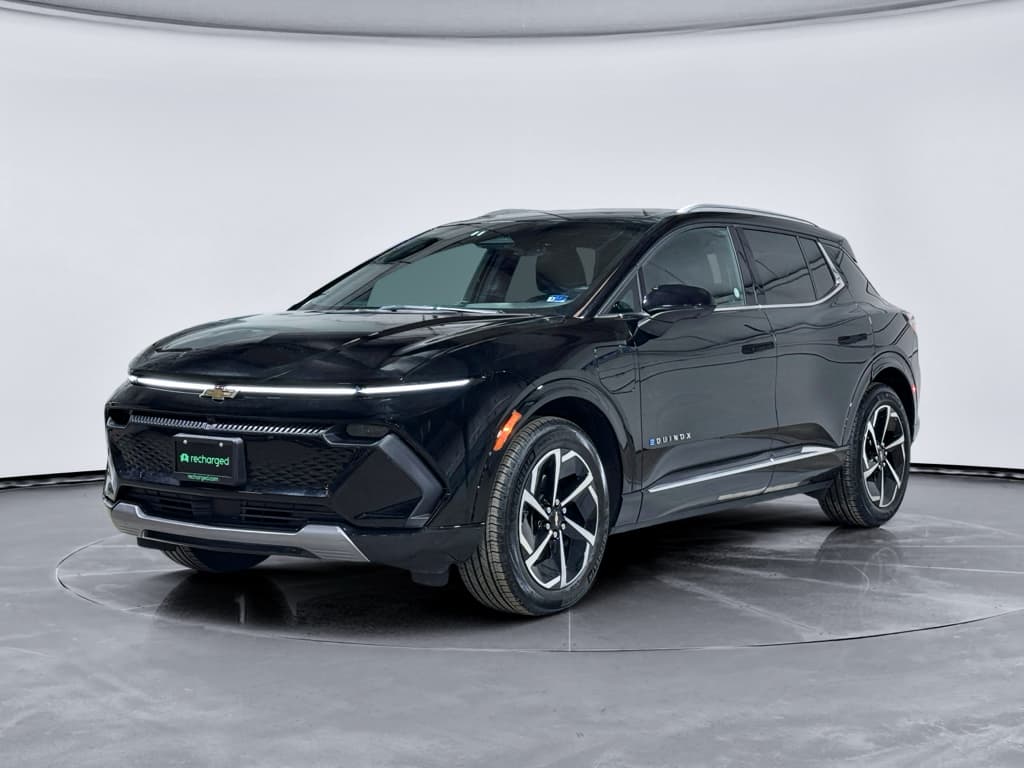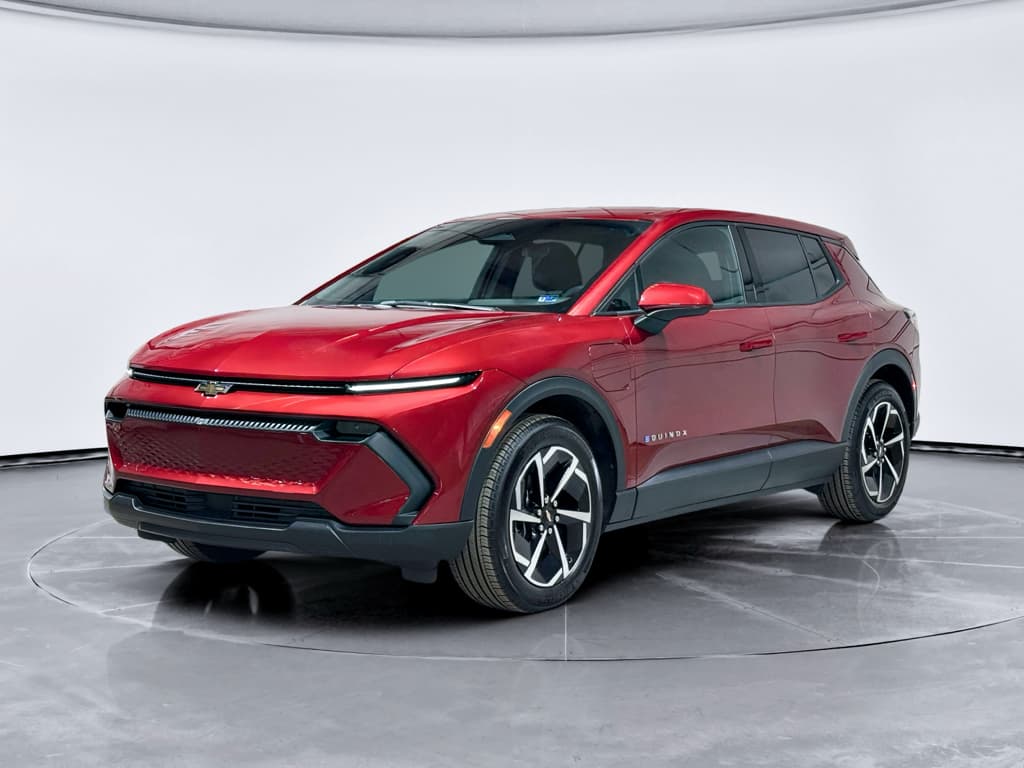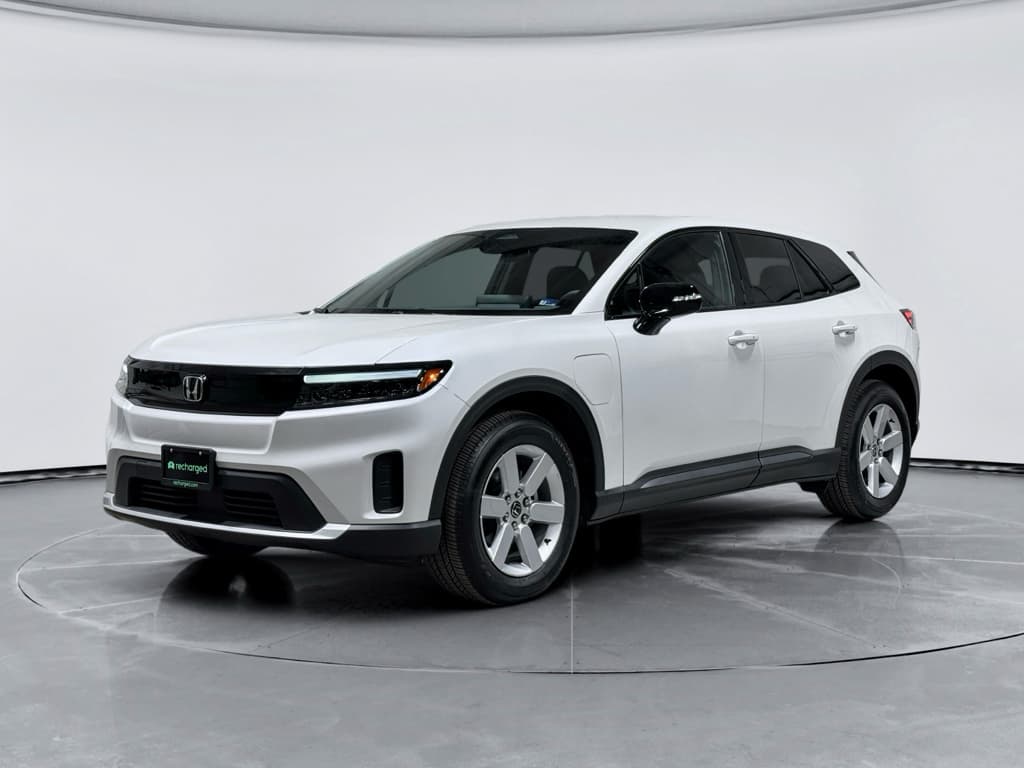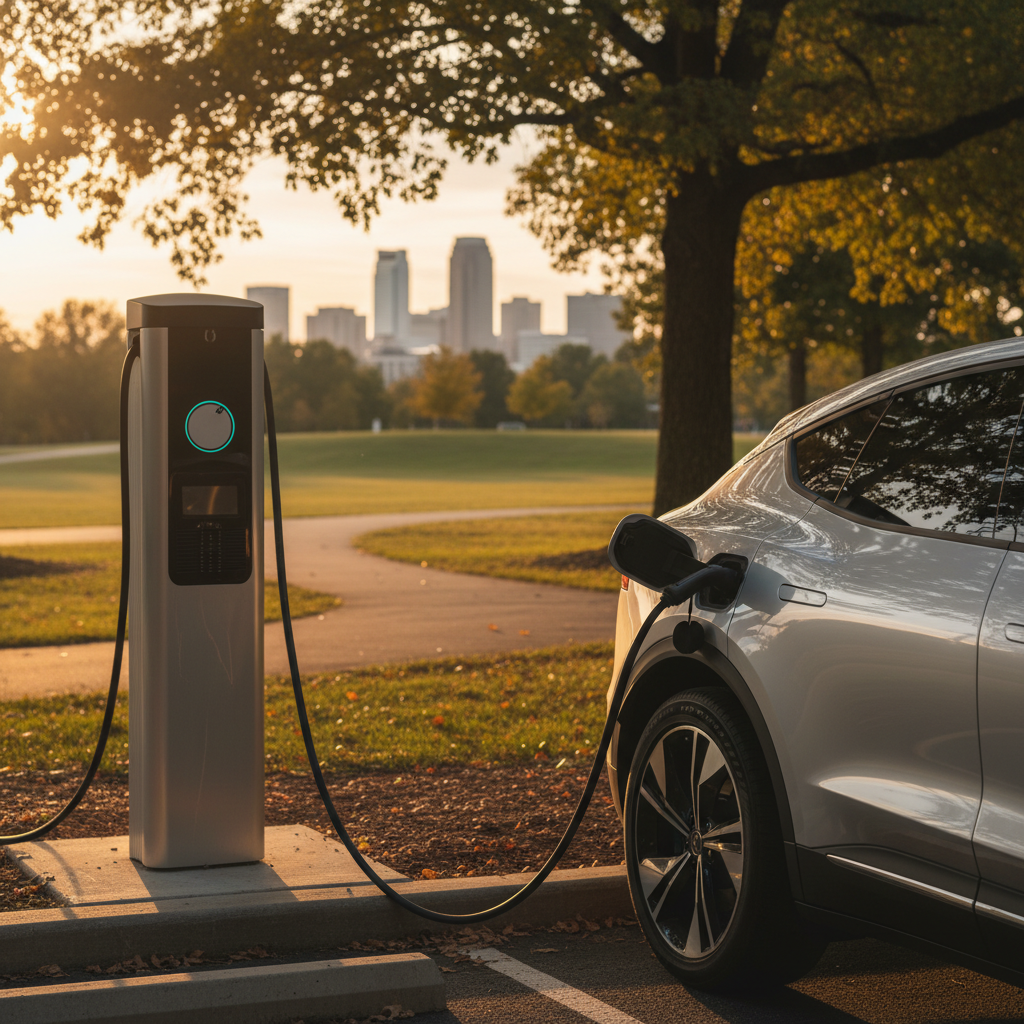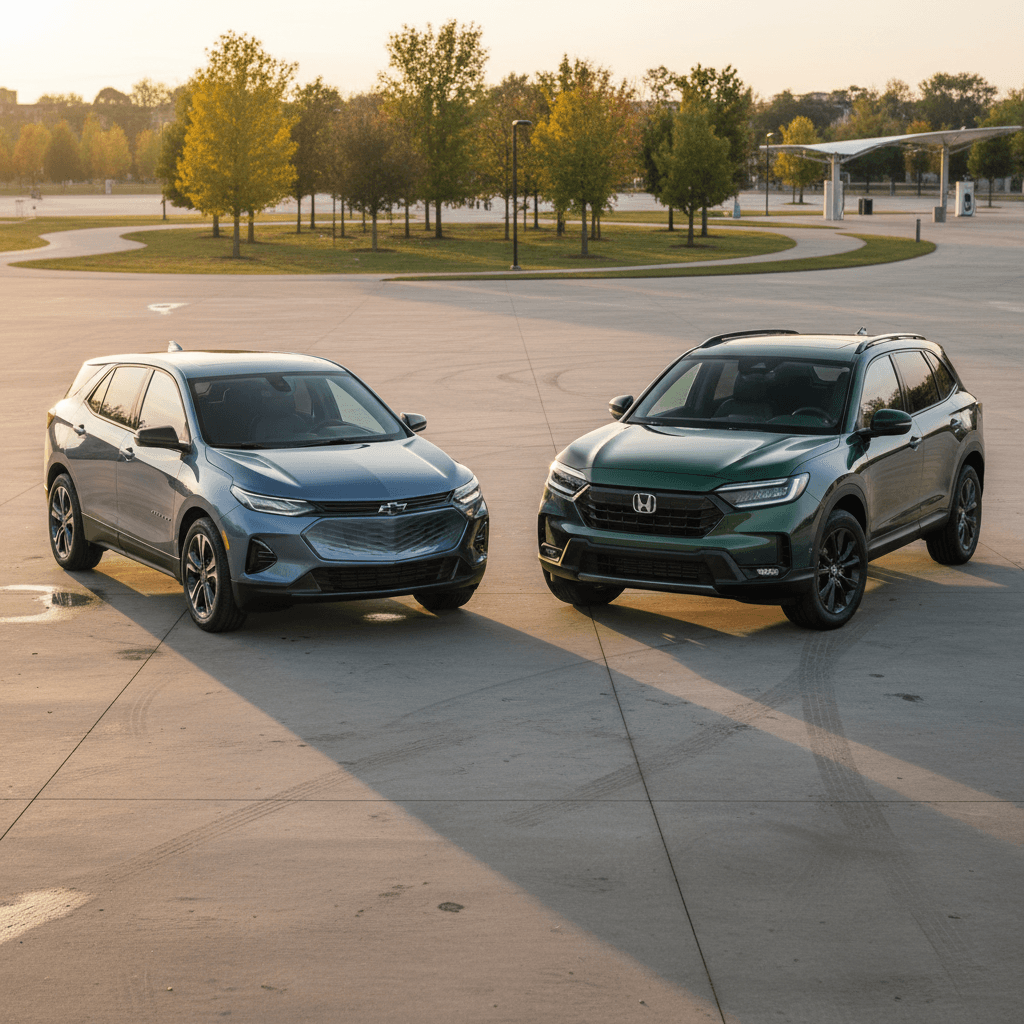
If you’re cross-shopping the Chevrolet Equinox EV vs Honda Prologue, you’ve landed in one of the most competitive corners of today’s EV market: compact, family-ready electric SUVs built on GM’s Ultium platform. Both offer 300‑mile‑plus range options, modern tech, and familiar brand names, but they take very different approaches on price, personality, and features.
Same bones, different badges
Chevrolet Equinox EV vs Honda Prologue: Who Are These For?
Think of the Equinox EV as the value‑driven, tech‑forward choice and the Prologue as the more traditional, comfort‑first Honda take on the same basic hardware. If you prioritize the lowest possible price and long range, the Chevy usually comes out ahead. If you want a calmer, Honda‑like cabin and don’t mind paying more, the Prologue has appeal.
Who Each SUV Fits Best
Match the Equinox EV or Prologue to your real‑world priorities
Budget‑focused families
Best fit: Chevrolet Equinox EV
- Lower starting prices in comparable trims
- Strong range even on mid trims
- Good candidate for federal and state EV incentives
Comfort-first commuters
Best fit: Honda Prologue
- Softer, quiet ride tuning
- Classic Honda ergonomics and interior design
- Simple trim walk with generous standard equipment
Road‑trippers and adventurers
Best fit: It depends
- Equinox EV: higher peak charging speeds and long range variants
- Prologue: DC fast charging up to ~150 kW and Honda dealer support network
Quick Specs: Equinox EV vs Honda Prologue
Headline Numbers at a Glance
Chevrolet Equinox EV vs Honda Prologue: Key Specs
Approximate U.S. specs for 2025 model‑year vehicles. Always confirm final numbers on the official build site or window sticker for the exact trim you’re considering.
| Spec | Chevrolet Equinox EV (2025, FWD) | Honda Prologue (2025, FWD) |
|---|---|---|
| Base horsepower | ~210–213 hp (single motor) | 220 hp (single motor) |
| Available AWD | Yes, dual‑motor (≈288 hp) | Yes, dual‑motor (≈300 hp) |
| Max EPA range | ≈319 miles (select FWD trims) | ≈308 miles (FWD EX/EX‑L/Touring) |
| Battery tech | Ultium lithium‑ion pack | Ultium lithium‑ion pack (GM‑sourced) |
| Max DC fast charge | Up to ~150–155 kW (trim/charger dependent) | Up to 150 kW |
| On‑board AC charger | Up to 11.5 kW Level 2 | 11.5 kW Level 2 |
| Drive type | FWD or AWD | FWD or AWD |
Equinox EV tends to win on price and peak range; Prologue focuses on comfort and straightforward trims.
Specs can shift by trim and model year
Pricing, Incentives and Value
On paper, pricing is one of the starkest differences between the Chevrolet Equinox EV and Honda Prologue. The Chevy was engineered from the start to be GM’s accessible, high‑volume EV SUV, while the Prologue arrives as a more premium‑priced, low‑volume entry for Honda.
Chevrolet Equinox EV pricing
- Earlier announcements pegged 2024–2025 Equinox EV pricing from roughly mid‑$30,000s to low‑$50,000s depending on trim and drive type.
- Some of the lowest‑priced 1LT variants were delayed or limited, but mid‑level LT/RS trims still undercut many rivals when you match features.
- Equinox EV has been positioned to qualify for the $7,500 federal Clean Vehicle tax credit on many trims for eligible buyers, further improving value.
Honda Prologue pricing
- The 2025 Honda Prologue EX generally starts in the upper‑$40,000s, with well‑equipped Touring and Elite trims rising into the mid‑ and upper‑$50,000s.
- Honda has been using dealer discounts and lease support to move inventory, so transaction prices can land a few thousand below MSRP.
- Eligibility for the federal tax credit depends on final assembly and battery sourcing; many shoppers have leaned on leases to effectively capture incentives.
Factor in incentives and resale, not just sticker price
Range, Efficiency and Battery Tech
Range is where both SUVs shine. Thanks to the Ultium platform, the Equinox EV and Prologue can comfortably cross the 300‑mile threshold in their most efficient front‑wheel‑drive trims, enough to calm range anxiety for most daily driving and even many road trips.
Range by Configuration (Approximate, 2025 Models)
Representative EPA‑style range estimates for popular trims. Always verify final ratings for the specific configuration you’re buying.
| Configuration | Chevrolet Equinox EV | Honda Prologue |
|---|---|---|
| FWD, long‑range battery | ≈319 miles | ≈308 miles |
| AWD volume trim | High‑200s to low‑300s (est.) | ≈294 miles |
| Top AWD trim with larger wheels | Mid‑200s to high‑200s (est.) | ≈283 miles |
Equinox EV can edge out the Prologue slightly on maximum range, but both deliver competitive numbers.
Ultium platform advantages
- If you drive mostly city miles with regular home charging, any FWD trim of either SUV will be more than enough range.
- If you take frequent highway trips, focus on long‑range FWD or efficient AWD trims, and pay attention to wheel size, larger wheels can shave noticeable range.
- Cold climates, roof racks and heavy loads will reduce range in both models, so build in a 20–30% buffer for winter road trips.
Charging Speeds and Road-Trip Readiness
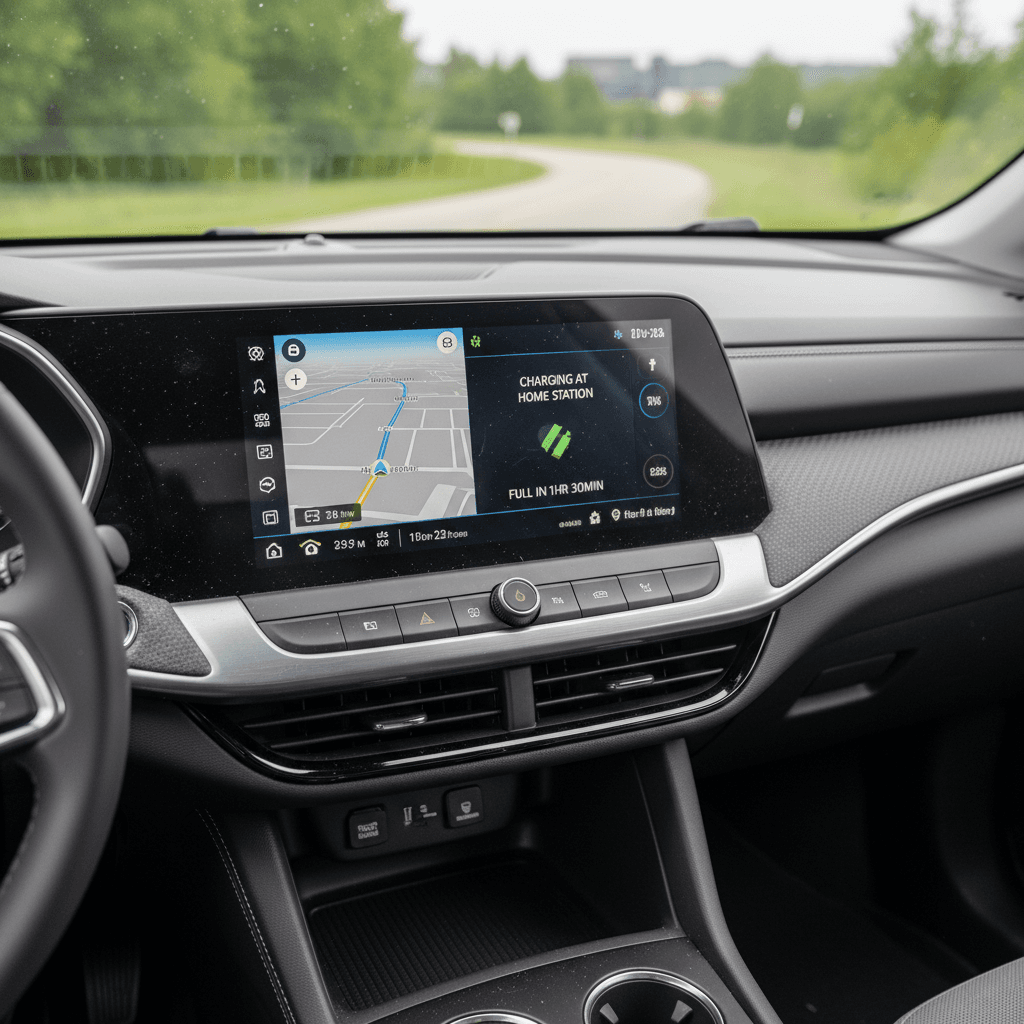
On the charging front, the Chevrolet Equinox EV and Honda Prologue are closer than you might think. Both use the North American Charging Standard (NACS) connector going forward, tap into DC fast charging around the 150 kW mark, and support 11.5 kW Level 2 charging at home.
Charging: Daily Life vs Road Trips
How Equinox EV and Prologue behave in the real world
Home and workplace charging
- Both offer 11.5 kW onboard chargers, which can add roughly 30–35 miles of range per hour on a 240‑volt Level 2 station.
- Overnight charging from 10–80% is easy in either SUV if you have a dedicated 40–48 amp circuit.
- Honda offers a branded home charger; the Equinox EV plays well with most third‑party Level 2 units.
DC fast charging and road trips
- Equinox EV: Ultium hardware has been tuned in other GM models to handle over 150 kW peak DC fast charging on capable stations.
- Prologue: Honda quotes up to 150 kW peak, with roughly 65 miles added in 10 minutes under ideal conditions.
- At most public fast chargers, the limiting factor will be station reliability, not raw capability of either SUV.
Watch your charging curve, not just peak kW
Interior Space, Comfort and Practicality
Both the Equinox EV and Prologue are sized right in the heart of the compact‑to‑midsize SUV segment, with enough space for a small family, pets and weekend gear. Packaging differences, seat tuning and interior design, however, give them distinct personalities.
Chevrolet Equinox EV: Tech‑heavy and expressive
- Bold interior design with a 17.7‑inch central touchscreen on many trims, one of the largest in the class.
- Available contrasting materials and sporty RS styling cues.
- Practical rear seat space and a flat floor thanks to the Ultium platform.
- Cargo area competitive with other compact EV SUVs; split‑folding rear seat standard.
Honda Prologue: Calm, conventional Honda feel
- More traditional, Honda‑like cabin with familiar controls and less flash than the Chevy.
- Comfortable, supportive seats tuned for long‑distance driving.
- Spacious second row and generous headroom, making it easy for adults to ride in back.
- Well‑shaped cargo area with a low liftover height for strollers, groceries and luggage.
Families will be happy in either cabin
Tech, Safety and Driving Experience
Because both SUVs ride on shared Ultium bones, their on‑paper performance figures are surprisingly close. The real differences show up in ride tuning, steering feel and software, areas where Chevrolet and Honda take different tacks.
How They Drive and What Tech You Get
Similar power, different personalities
Driving character
- Equinox EV: Feels a bit more playful in RS trims, with quicker steering and a slightly firmer ride.
- Prologue: Skews toward comfort and quiet, with ride quality tuned for broken pavement and long commutes.
Infotainment and UI
- Equinox EV: Massive touchscreen, Chevy’s latest Google‑based infotainment, and available 360‑degree camera views.
- Prologue: Google built‑in with Google Maps and Google Assistant, plus a straightforward instrument cluster and clean layout.
Safety and driver assists
- Equinox EV: Chevy Safety Assist suite standard, with options like adaptive cruise, lane‑centering and hands‑free Super Cruise on some related Ultium models.
- Prologue: Honda Sensing standard across the lineup, including adaptive cruise control with low‑speed follow, lane‑keeping assist and collision mitigation braking.
“The Prologue feels exactly like you’d expect a modern Honda SUV to feel, just quieter and smoother, while the Equinox EV leans harder into the tech‑forward, futuristic side of the EV equation.”
Ownership Costs and Emerging Used Market
Total cost of ownership is where many EV shoppers are now laser‑focused. With higher interest rates and softer EV demand, both the Equinox EV and Prologue are already showing meaningful discounts on the new side and early action in the used market.
Key Cost Factors to Evaluate
1. Purchase price vs actual transaction price
Ignore MSRP and look at what similar Equinox EVs and Prologues are really selling for in your area. In late 2024 and early 2025, Prologue transaction prices were often several thousand below sticker; Equinox EV discounts depend heavily on region and inventory.
2. Eligibility for federal and state incentives
Incentive rules have shifted as battery sourcing requirements tightened. Some Equinox EV trims qualify for the full federal credit when purchased new; Prologue shoppers often capture incentives most easily via leases. State rebates can narrow or widen the price gap between these two SUVs.
3. Depreciation and resale value
Brand image and fleet mix will influence resale. Chevy’s broader Ultium lineup and aggressive pricing can pressure used values; Honda’s smaller EV footprint may keep Prologue resale stronger, but also means fewer used examples to choose from in the near term.
4. Charging costs and habits
If you can charge at home on cheap overnight rates, both SUVs deliver very low fuel costs per mile. If you rely on public DC fast charging, plan for higher running costs and compare how often each SUV will need a stop on your typical routes.
5. Battery health on used examples
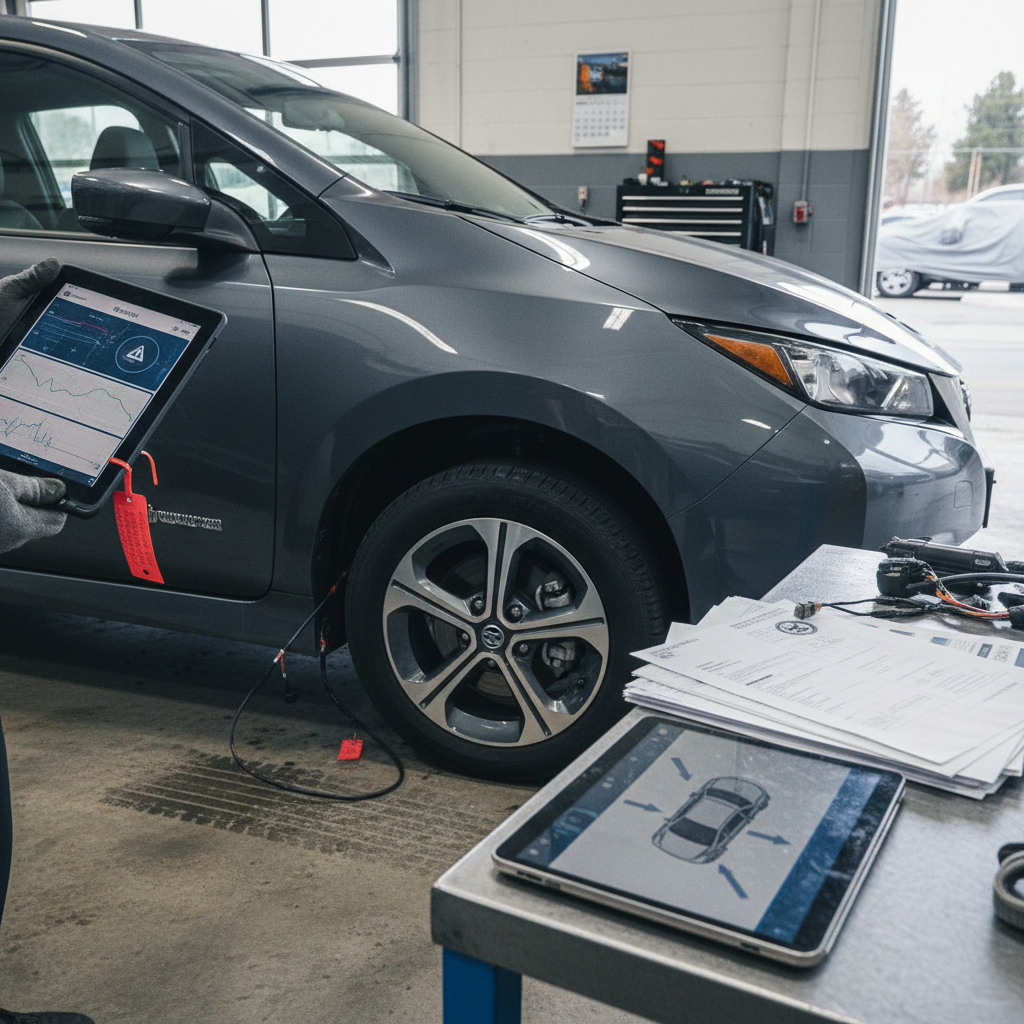
For any used Equinox EV or Prologue, ask for <strong>battery health data</strong> instead of guessing. At Recharged, every EV comes with a Recharged Score Report that includes independent battery diagnostics, so you can see how much real‑world range you’re likely to get, not just the original EPA sticker number.
Don’t buy used blindly
Chevy Equinox EV vs Honda Prologue: Which Should You Buy?
If you strip away the marketing, the Equinox EV and Honda Prologue are two takes on the same basic story: an Ultium‑based compact SUV aimed at households that want to go electric without giving up practicality. Your best choice depends less on the spec sheet and more on how you value price, brand, and day‑to‑day feel.
Choose the Chevrolet Equinox EV if…
- You want the lowest possible entry price into a 300‑mile‑class electric SUV.
- A big, bold 17.7‑inch touchscreen and tech‑forward interior appeal to you.
- You’re comfortable with Chevy’s growing, but still maturing, Ultium lineup and dealer charging knowledge.
- You value strong range for the money and are willing to shop trims to find the sweet spot.
Choose the Honda Prologue if…
- You prefer a calmer, more traditional Honda driving feel and cabin layout.
- You’re okay spending more upfront for a simpler trim walk and generous standard equipment.
- Honda’s dealer network and reputation for long‑term reliability give you peace of mind.
- You prioritize ride comfort and interior refinement over maximum screen size or the absolute lowest price.
Try both, then run the numbers
Chevrolet Equinox EV vs Honda Prologue: FAQ
Frequently Asked Questions
When you pit the Chevrolet Equinox EV vs Honda Prologue, you’re not choosing between a clear winner and loser. You’re picking which mix of price, personality, and brand backing fits your life. The Equinox EV offers compelling range and tech for the money; the Prologue delivers a comfortable, familiar Honda experience on a thoroughly modern EV platform. Whichever direction you lean, taking the time to test‑drive both, dig into incentives, and, if you’re shopping used, review objective battery‑health data will pay off long after the new‑car smell fades.