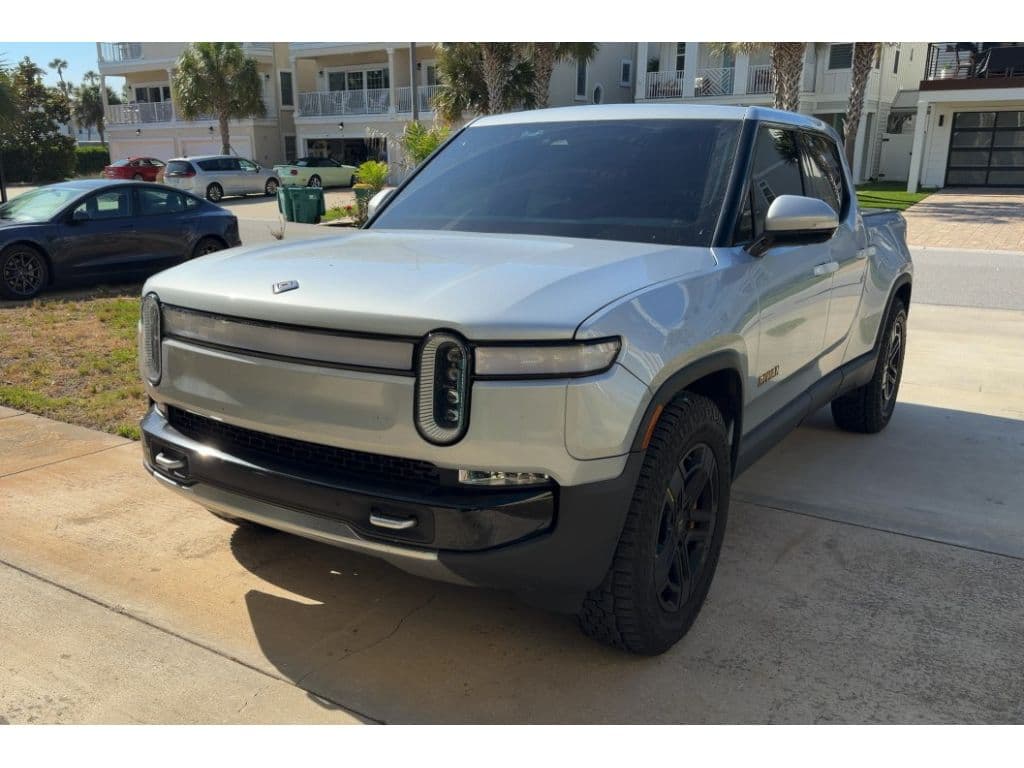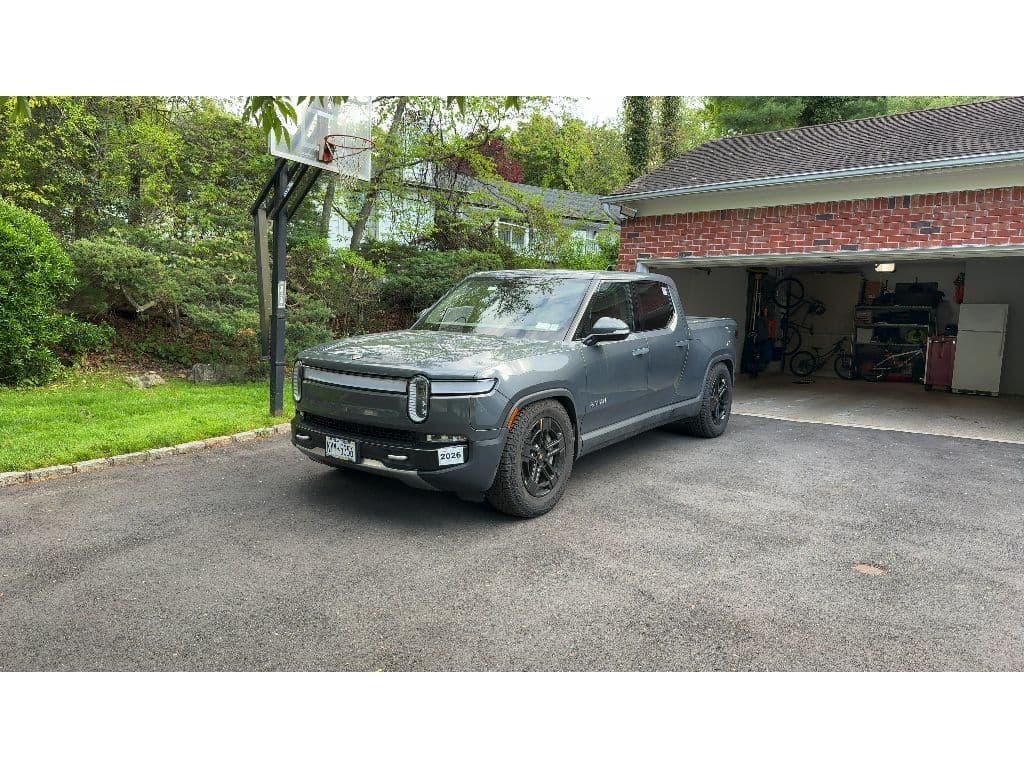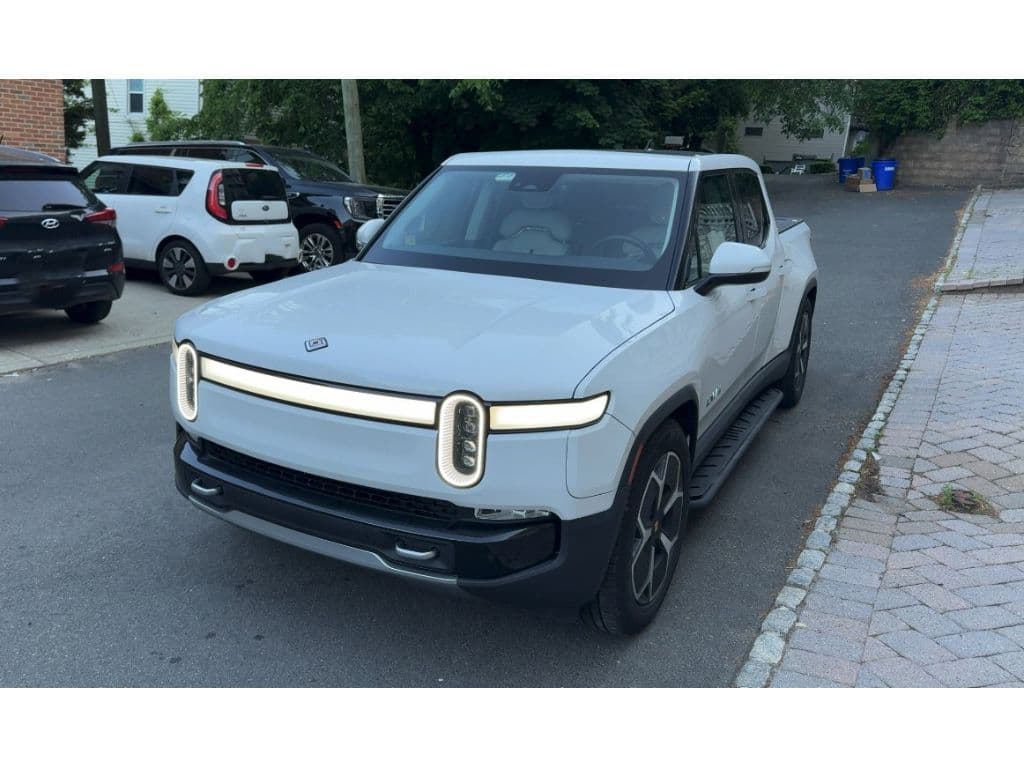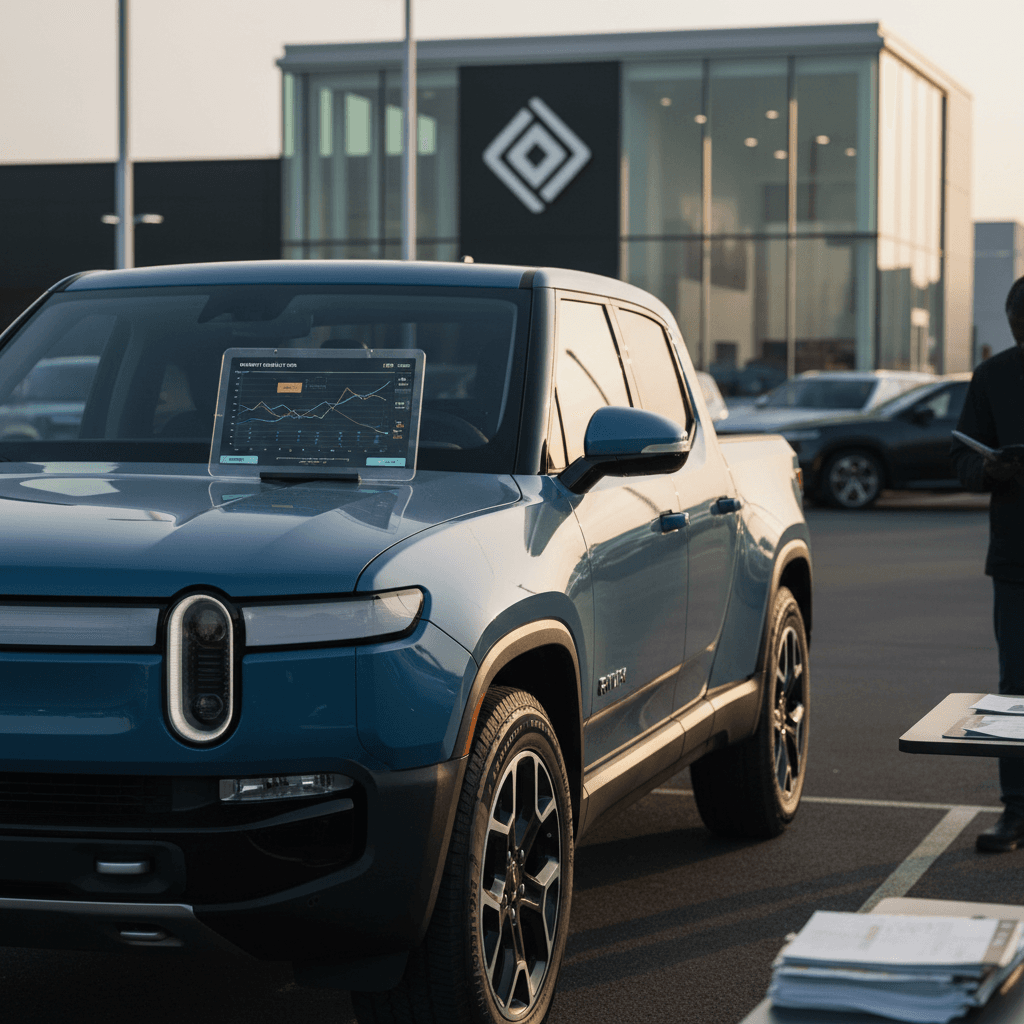
Among electric trucks, the R1T Rivian is the one that feels least like a truck and most like a concept car somebody accidentally homologated. It’s shockingly quick, eerily refined, and bristles with camp‑gear gimmickry. But if you’re thinking about buying one, especially used, there’s homework to do on trims, range, charging, and long‑term costs.
Quick take
Why the Rivian R1T matters in 2025
R1T at a glance (2025)
Rivian’s R1T was the first modern electric pickup to actually make it to customers, and it still feels like the most cohesive. While Ford and Chevy did the obvious thing, electrify the F‑150 and Silverado, Rivian built a lifestyle device for Patagonia‑wearing tech workers who also own jet‑boil stoves. That’s not a criticism. It’s the brand proposition.
By late 2025, the R1T is in its second generation, with updated motors, revised battery chemistry, and a pricing ladder that starts in the low $70Ks and climbs well past six figures. For shoppers, that means two things: more choice, and more chances to spec the wrong truck for how you’ll actually use it.
Rivian R1T trims and pricing for 2025
Rivian simplified the R1T lineup into a set of motor and battery combinations rather than traditional trims like “LT” or “Lariat.” For 2025 in the U.S., you’re broadly choosing between Dual‑Motor, Performance Dual‑Motor, Tri‑Motor (and the coming Quad‑Motor), then layering Standard, Large, or Max battery packs on top.
2025 Rivian R1T trims and starting prices (U.S.)
Approximate starting MSRPs; options and destination add to these numbers.
| Trim (2025) | Drivetrain | Battery pack | Approx. starting price* | Who it suits |
|---|---|---|---|---|
| Dual Standard | Dual‑motor AWD | Standard (LFP) | ≈ $69,900–$71,700 | City/suburban drivers who rarely road‑trip or tow |
| Dual Large | Dual‑motor AWD | Large | ≈ $77,900–$78,700 | Balanced mix of price and range for most buyers |
| Dual Large Performance | Dual‑motor AWD (Performance) | Large | ≈ low‑$80Ks | Quicker acceleration without Max‑pack pricing |
| Dual Max | Dual‑motor AWD | Max | ≈ $83,900+ | Long‑range road‑trippers, light towing |
| Dual Max Performance | Dual‑motor AWD (Performance) | Max | ≈ high‑$80Ks | Fast but still efficient long‑range spec |
| Tri Max | Tri‑motor AWD | Max | ≈ $99,900–$101,700 | Performance junkies who also tow or off‑road |
| Quad Max (announced) | Quad‑motor AWD | Max | TBA, >$109k est. | Future halo truck; overkill for most buyers |
Always confirm current pricing in the Rivian configurator before ordering, price changes have been frequent.
Pricing moves around
Powertrain, batteries, and performance
Motors: Dual vs Tri vs Quad
- Dual‑Motor: Two in‑house Rivian motors, one on each axle. This is the volume setup and plenty quick, especially with the Performance tune.
- Performance Dual‑Motor: Software and hardware tweaks raise output; it feels properly brisk without being silly.
- Tri‑Motor: One front motor, two rear motors with torque‑vectoring. Around 850 hp and 1,100 lb‑ft, 0–60 mph in about 2.7 seconds in independent testing.
- Quad‑Motor (next wave): Rivian has previewed a 1,000+ hp setup due after the Tri, more physics experiment than daily driver.
Battery packs and chemistry
- Standard pack: Newer lithium‑iron‑phosphate (LFP) chemistry; about 258 miles of EPA range in 2025 Dual‑Motor form. Lower cost, slower fast‑charge peak (~200 kW), excellent longevity.
- Large pack: Middle‑child pack with ~292 miles of range on certain 20‑inch wheel setups; DC fast‑charge peak around 220 kW.
- Max pack: Big‑dog ~140 kWh battery with EPA range up to 420 miles in optimally specced Dual‑Motor trims. This is the one road‑trippers and towers want.
- Onboard AC charger: Roughly 11.5 kW, meaning a 48‑amp Level 2 home charger will refill most of the battery overnight.
Which powertrain makes sense?
Range, towing, and real‑world efficiency
On paper, the R1T Rivian delivers some big range numbers: up to roughly 420 miles with the Max battery and the right wheels, down to the mid‑200s with the Standard pack. In practice, how you drive, what you tow, and which tires you choose will matter more than the brochure.
What really affects R1T range
EPA stickers are a starting point, not a promise.
Speed
Above 70 mph, aero drag eats range quickly. Cruising at 67 instead of 78 can add dozens of miles, especially on the Max pack.
Towing & payload
Pulling 6,000+ lb trailers can cut real‑world range in half. Many owners report 100–140 miles per charge while towing at highway speeds.
Weather & climate
Cold weather, headwinds, and heavy rain all hurt efficiency. Pre‑conditioning and heated seats help, but physics always wins.
Towing reality check
Think in hours, not just miles. A Max‑pack R1T towing a sizable camper might manage 120–150 miles between charging stops, with 30–40 minutes of fast charging each time. That’s fine on a relaxed overland trip; it’s less charming when you’re racing a check‑in time or a kid’s bedtime.
Charging your R1T: home, public, and Tesla NACS
Charging is where the R1T goes from science project to appliance. Get home charging right, and day‑to‑day life feels effortless. Rely solely on public DC fast charging and you’re living on the edge of your calendar.
Home charging: non‑negotiable if you can swing it
- Install a Level 2 (240‑volt) charger on a 60‑amp circuit to take full advantage of the 11.5 kW onboard charger.
- Expect roughly 25–35 miles of range per hour of charging on Dual‑Motor trucks.
- Most owners simply plug in overnight, wake up to a full battery, and rarely visit public chargers except on road trips.
- If you can’t install home charging, factor in the time cost of weekly DC fast‑charge sessions.
Public fast charging & Tesla NACS
- R1Ts support DC fast charging up to about 220 kW on Large/Max packs, 200 kW on the Standard pack.
- Rivian uses the North American Charging Standard (NACS) port on newer trucks, giving access to the growing Tesla Supercharger network.
- On a strong DC fast charger, 10–80% can take roughly 30–40 minutes, depending on conditions.
- Apps like Rivian’s navigation, PlugShare, and ABetterRouteplanner are your best friends for route planning.
Plan around 10–80%
Practical utility: bed, Gear Tunnel, and off‑road hardware
On paper, the R1T’s 4.5‑foot bed looks small next to a full‑size pickup. In practice, the truck offsets its short box with a series of clever storage tricks and an off‑road toolkit Mercedes G‑Class owners would kill for.
The R1T’s party tricks
Clever packaging is Rivian’s real superpower.
Gear Tunnel
A lockable pass‑through between cabin and bed that swallows skis, camp tables, and all the muddy gear you don’t want in the cabin.
Air suspension
Height‑adjustable air suspension can crouch for loading or rise for off‑road work, paired with adaptive dampers.
Off‑road modes
Dedicated drive modes re‑map ride height, traction control, and torque split. The Tri‑Motor’s rear torque vectoring is a traction cheat code.
Not a work‑site mule
Ownership costs, reliability, and warranty
A new 2025 Rivian R1T Adventure Dual Standard stickers around the low‑to‑mid‑$70Ks, and nicely optioned Max‑pack trucks climb into six‑figure territory. That’s rare‑air money territory for any pickup, electric or otherwise.
- Factory warranty of about 5 years/60,000 miles bumper‑to‑bumper for many components.
- High‑voltage battery and drive unit coverage stretching to roughly 8 years/175,000 miles on newer R1Ts.
- No complimentary scheduled maintenance, budget for tires, brake fluid, coolant service for the battery loop, and the occasional suspension alignment.
- Electric trucks are heavy; expect to replace tires more often than on a crossover, especially if you favor soft all‑terrain rubber.
Reliability trend
One macro‑note: with federal EV tax credits having been reshuffled and some incentives expiring in late 2025, you’ll want to look closely at what you actually qualify for, purchase credits, state rebates, or lease‑only incentives. Those can swing the effective price of a new R1T by many thousands of dollars.
Shopping new vs. used Rivian R1T
If you have runway in your budget, a new R1T lets you spec the exact powertrain and color you want and ensures you’re getting the latest hardware, like NACS ports and updated packs. But the real intrigue in 2025 is the used Rivian R1T market, where early trucks have already eaten the steepest depreciation.
Why consider new
- Latest hardware: NACS charging port, updated motors, revised battery chemistry.
- Full factory warranty term ahead of you.
- Access to current lease rebates or manufacturer incentives.
- Ability to choose exactly the trim, color, and options you want.
Why used is compelling
- Early R1Ts have already taken a big depreciation hit, bringing transaction prices closer to high‑end half‑ton trucks.
- You may find well‑specced trucks, Max packs, off‑road upgrades, at prices comparable to lightly optioned new ones.
- Real‑world history: service records, software updates, and owner feedback already baked in.
How Recharged fits in
Key things to check on a used R1T
1. Battery health & fast‑charge history
Look for third‑party or OEM battery health reports, and ask how often the truck lived on DC fast chargers. Frequent 100% fast charges are harder on packs than mostly home Level 2 charging.
2. Tires, wheels, and alignment
The R1T’s weight and torque are hard on rubber. Inspect for uneven wear, curb rash on 21/22‑inch wheels, and any history of suspension work or alignments.
3. Towing and payload use
If the truck towed regularly, expect more stone chips, hitch wear, and potentially more battery cycling. That’s not disqualifying, but it should be priced in.
4. Software, recalls, and service
Confirm the truck is on current software and that any service campaigns or recalls have been handled. Over‑the‑air updates help, but some fixes still require a service visit.
5. Charging hardware included
Make sure the portable charge cable, any adapters, and bed‑mounted accessories (like cargo crossbars or a spare) are included, replacing them isn’t cheap.
Checklist: is a Rivian R1T right for you?
Ask yourself these questions before you order (or click “Buy Now”)
Do you have reliable home charging?
If you can’t install a 240‑volt charger where you park, living with any EV truck, including the R1T, becomes an exercise in time management and charger roulette.
How often will you tow or haul heavy loads?
Occasional weekend towing is fine. Weekly long‑distance towing is where the R1T’s range and charging infrastructure can strain patience.
Are you okay with a smaller bed?
The Gear Tunnel helps, but if your life is framed in 4x8 sheets and gooseneck trailers, a traditional full‑size pickup may still fit better.
Is this your only vehicle?
As an only car, an R1T can absolutely work, especially in cities. Just be honest about your road‑trip needs and charging access on your usual routes.
Would a used one make more sense?
If you’re value‑sensitive, a well‑vetted used R1T with a strong battery health report, like those listed on Recharged, can be the smart play.
Rivian R1T FAQ
Frequently asked questions about the Rivian R1T
Bottom line: who the R1T is really for
The R1T Rivian is not the rational choice in the truck aisle. It’s the one you buy because you want to tow an Airstream to Utah in almost eerie silence, then raise the suspension and drive into the scenery. It’s an experience as much as a vehicle.
If you have home charging, don’t tow heavy every weekend, and value design and driving feel as much as raw utility, the R1T is one of the best electric vehicles on sale, truck or otherwise. If your life is all long‑distance towing and construction‑site abuse, the compromises grow teeth.
Either way, don’t go in blind. Use real‑world range expectations, a clear charging plan, and, if you’re shopping used, verified battery health data like the Recharged Score Report to separate the dream from the spreadsheet. Get that right, and the R1T stops being an experiment and starts being the best kind of daily science fiction: the kind you can drive.