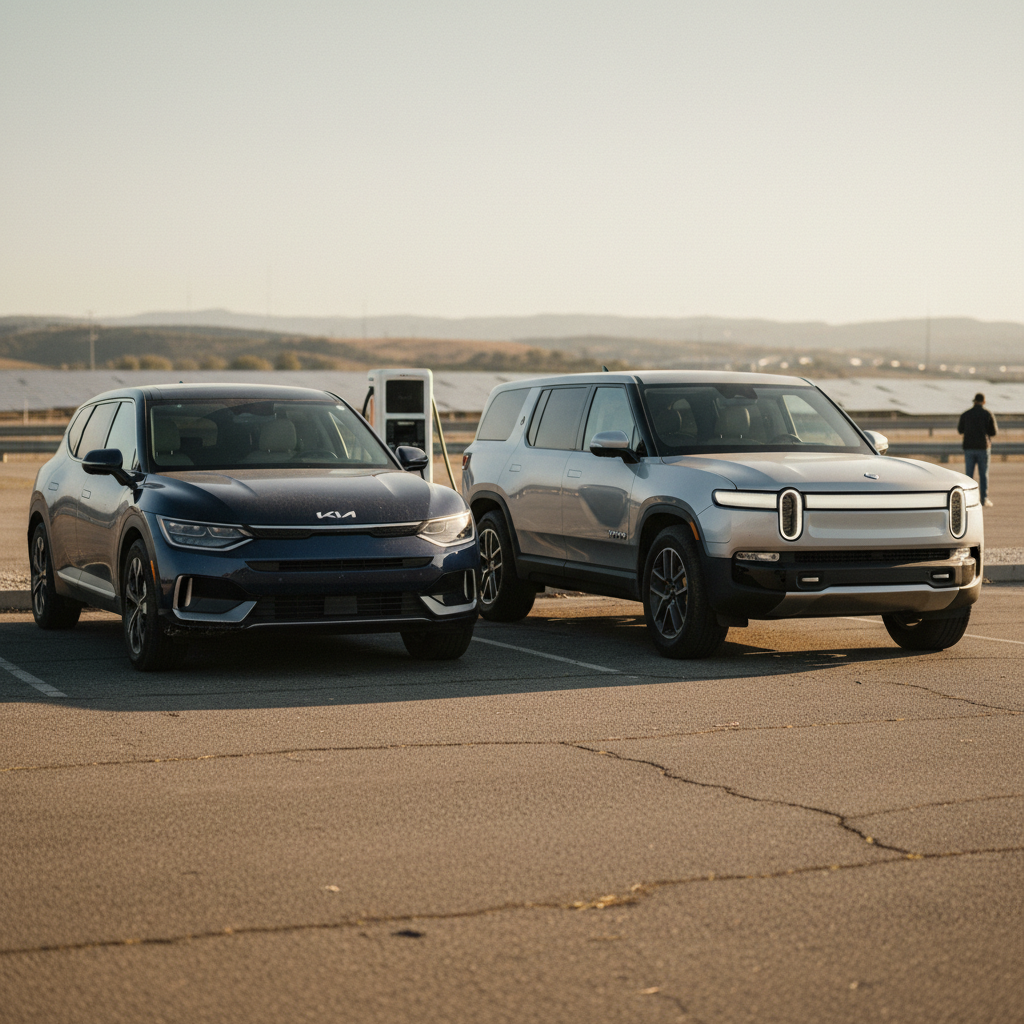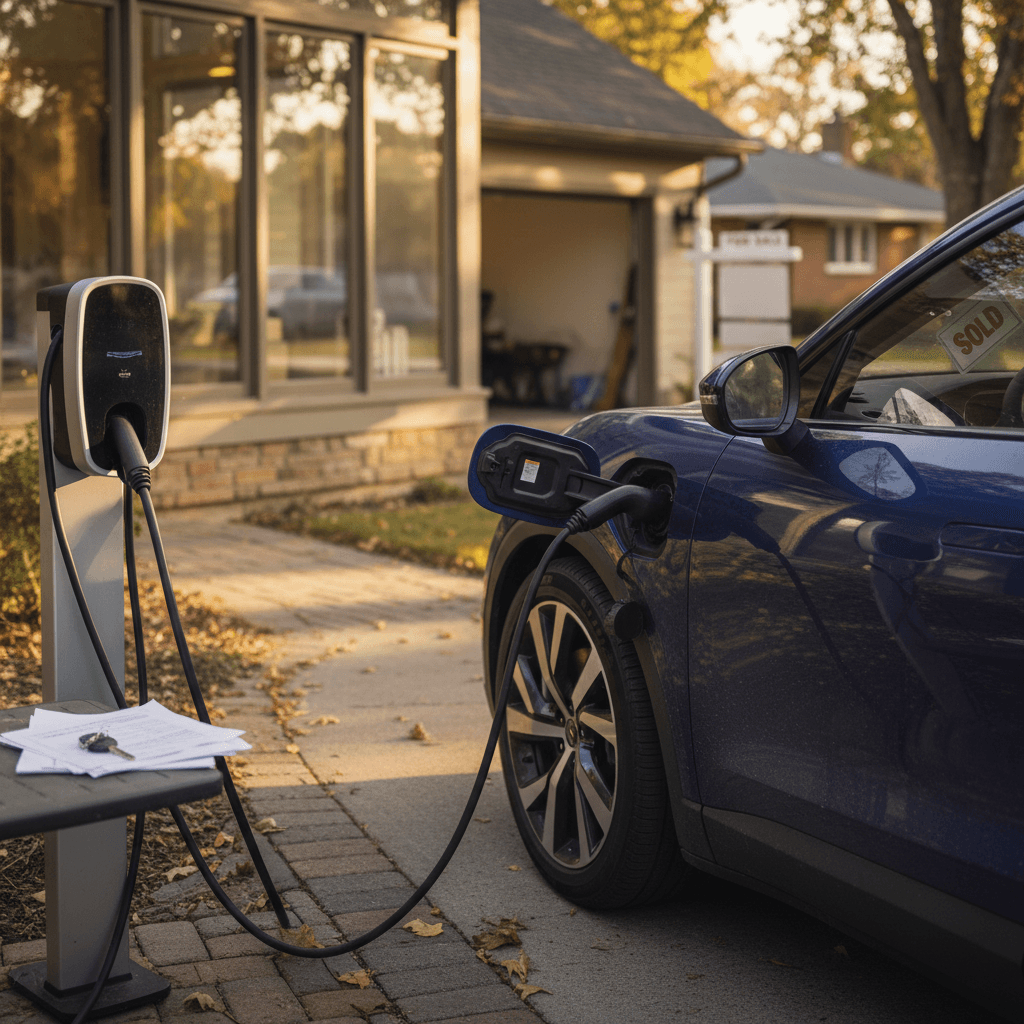
If you’re weighing the pros and cons of buying a used electric car, you’re not alone. Used EVs are showing up on dealer lots, auction lanes, and online marketplaces in far greater numbers than just a few years ago, often at eye‑catching discounts. But alongside the deals come real questions around battery health, range, charging access, and long‑term costs. This guide walks through the trade‑offs so you can decide if a used EV fits your life, your budget, and your risk tolerance.
Quick take
Why used electric cars are suddenly everywhere
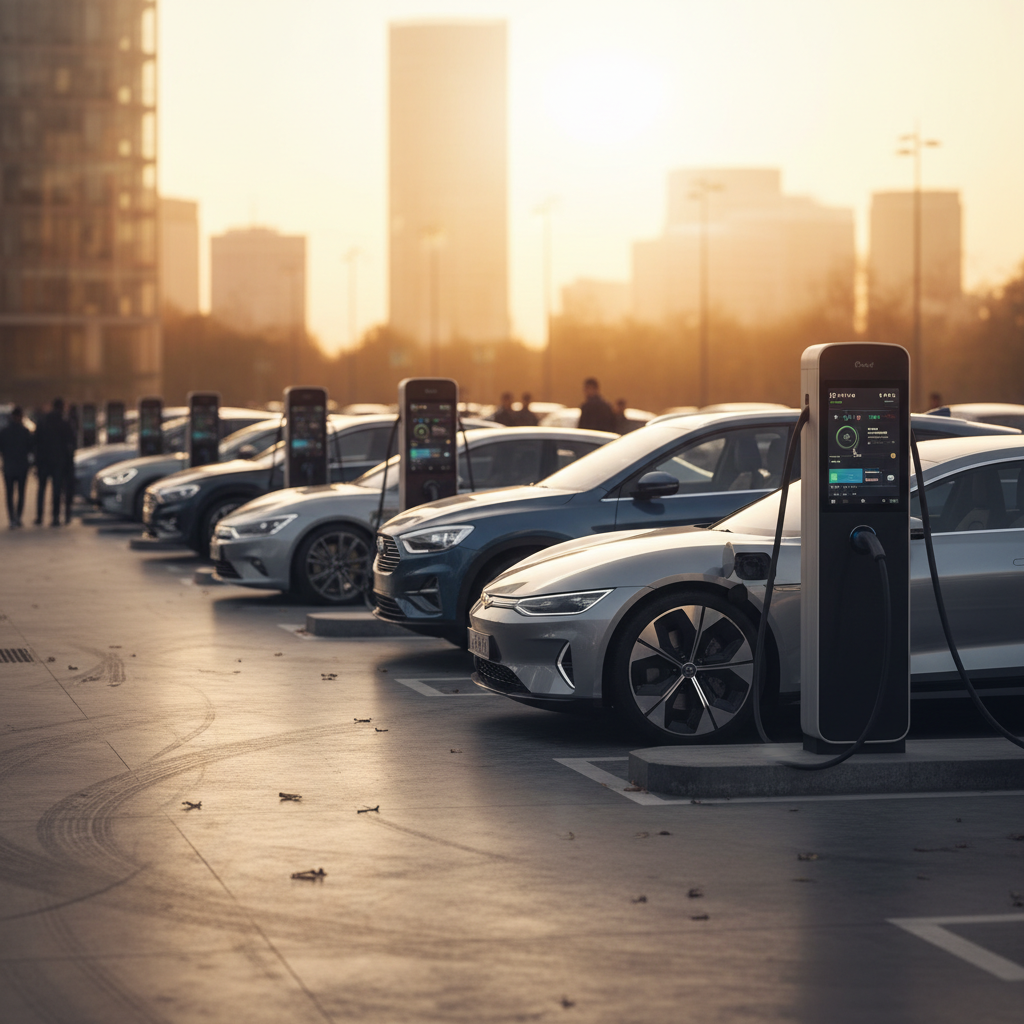
The U.S. EV market has matured fast. Early adopters are trading up to newer models with longer range and more tech, fleets are cycling out 3‑ to 5‑year‑old vehicles, and several brands have cut new‑EV prices. All of that pushes more EVs into the used market, and in 2024–2025 we’ve seen a clear shift: used EV selection is up, and prices have come down from pandemic‑era highs.
Used EV market snapshot (big picture)
That shift creates opportunity, but it also means you’re often looking at first‑generation batteries and older tech. To make a smart decision, you need to see both sides of the ledger.
The biggest pros of buying a used electric car
Pros: Why a used EV can be a smart move
Savings, comfort, and convenience, if the car fits your use case.
Lower upfront price
High-tech for less
Lower running costs
Environmental upside
Driving any EV shifts energy use from gasoline to electricity, which is increasingly generated from cleaner sources. Buying used can be even greener because you’re extending the life of an existing vehicle instead of creating demand for a new one.
Incentives & perks still available
Depending on your income, the vehicle’s price, and where you live, a used EV may qualify for a federal used clean vehicle credit or state/local rebates. Some regions also offer perks like HOV lane access or discounted tolls and parking for EVs.
Pro tip: Range needs vs. reality
The key cons and risks of buying a used EV
Cons: Where used EVs can burn you
Most of the risk lives in the battery, the tech, and future value.
Battery degradation
Range & charging fit
Uncertain resale value
- Out‑of‑warranty repairs can sting. While EVs need less routine maintenance, items like high‑voltage batteries, onboard chargers, and infotainment hardware are expensive if they fail out of warranty.
- Tech moves quickly. Infotainment, driver‑assist features, and charging speeds improve every model year. A 2019 EV can feel dated next to a 2024 model, even at a similar price.
- Charging standards are in flux. With more automakers moving to the North American Charging Standard (NACS), older CCS‑only models may need adapters or may see changing fast‑charge access over the next few years.
Where many used‑EV buyers regret the purchase
Battery health: the make-or-break factor
Unlike a gas car, where an engine can feel “fine” even with wear, the battery in an EV directly controls how far you can drive and how confidently you can plan trips. That makes battery state of health (SoH) the single most important variable when you’re weighing the pros and cons of buying a used electric car.
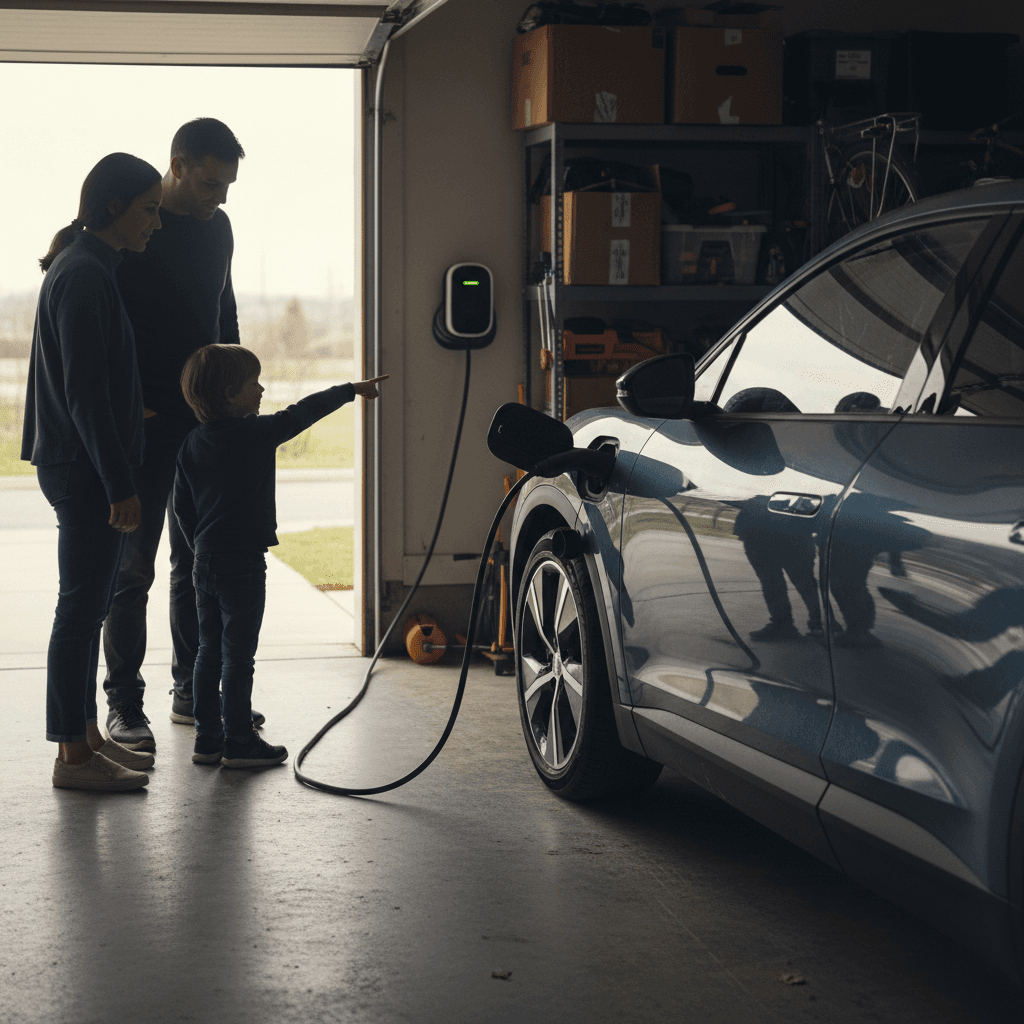
How battery health changes the ownership experience
What the numbers mean in real life when you’re shopping used EVs.
| Battery health (SoH) | Approx. usable range now | What it feels like day to day | Buyer takeaway |
|---|---|---|---|
| 95–100% | 235–250 mi | Feels basically new. You can run your usual routes without thinking about it. | A strong sign the car was well cared for and/or hasn’t seen many fast‑charge cycles. |
| 85–94% | 210–235 mi | You may notice slightly shorter road‑trip legs but daily use is still easy. | Good for commuters, but verify that range matches your needs in winter and at highway speeds. |
| 75–84% | 185–210 mi | Plan around more frequent charging on longer drives; winter range drops are more noticeable. | Works for short‑range, urban, or second‑car use. Price should clearly reflect reduced range. |
| Below 75% | Under ~185 mi | You’re watching the gauge a lot, especially in cold weather or on the highway. | Treat it like a high‑mileage engine: only worth it at a deep discount and with a clear plan for replacement or limited use. |
Approximate ranges assume an EV that had 250 miles of EPA‑rated range when new. Real‑world numbers vary by model and climate.
Where Recharged fits in
Cost comparison: used EV vs. new EV vs. gas car
Sticker price is the first thing you see, but the smarter way to look at the pros and cons of buying a used electric car is total cost of ownership: purchase price, fuel, maintenance, insurance, and expected resale value.
Where a used EV wins
- Purchase price: You’re paying less for the same hardware than a new‑car buyer did, especially on models that have seen aggressive price cuts on the new side.
- Energy costs: Electricity is often cheaper per mile than gasoline. If your utility offers off‑peak rates and you can charge overnight, the savings multiply.
- Maintenance: No oil changes, timing belts, spark plugs, or exhaust systems. Brake wear is usually lower thanks to regenerative braking.
Where a gas car or new EV might be better
- Range & flexibility: For frequent long‑distance driving in areas with limited fast charging, a traditional gas car, or a newer, longer‑range EV, may simply be less stressful.
- Warranty coverage: A brand‑new EV comes with full bumper‑to‑bumper and battery warranties. A used EV may be near the end of one or both.
- Financing & incentives: Some lenders or OEMs offer better terms on new EVs. On the other hand, used EVs may qualify for their own federal or state incentives. Run the full math.
Smart move: compare monthly, not just sticker
Who should, and shouldn’t, buy a used electric car
Is a used EV a good fit for you?
Match the pros and cons to your real driving life, not an idealized version of it.
You’re a strong candidate if…
- Your daily driving is predictable and under about 60–80 miles.
- You can charge regularly at home or work, even at Level 1 or Level 2 speeds.
- You value low running costs and a quiet, smooth drive more than cutting‑edge tech.
- You’re comfortable owning a car that may have less range than the latest models but meets your real needs.
You may want to think twice if…
- You regularly drive long distances through areas with sparse public charging.
- You can’t install home charging and don’t have reliable workplace options.
- You need one vehicle to do everything, road trips, towing, and irregular usage patterns.
- You’re highly sensitive to resale value and plan to flip the car in a year or two.
How to tip the pros and cons in your favor
You can’t change the basic physics of batteries or the pace of new‑vehicle development. But you can dramatically change your risk profile by how, and where, you shop for a used EV.
Five moves that reduce your used‑EV risk
1. Prioritize transparent battery health
Only consider vehicles where you can see battery state‑of‑health data from a trusted source, either a factory diagnostic or a third‑party report like the Recharged Score. If the seller won’t provide it, treat that as a serious red flag.
2. Buy within the sweet‑spot years
In many cases, EVs that are roughly 2–6 years old balance depreciation with remaining battery warranty coverage. That’s not a hard rule, but it’s a useful starting point when you’re scanning listings.
3. Stress‑test range for your real life
Map your weekly driving. Then compare it to the car’s realistic range at its current battery health, not the original EPA number. Don’t forget winter, highway speeds, and extra passengers or cargo.
4. Check charging fit before you fall in love
Confirm you can install home charging, use an existing outlet, or rely on a convenient public network. Download the major charging apps and look at coverage around your home, work, and typical routes.
5. Use EV‑savvy inspection and pricing tools
Traditional used‑car checks don’t go deep on high‑voltage systems or software. Work with EV‑specialist retailers or shops, and use pricing tools that account for battery health and range, not just mileage and cosmetics.
How Recharged helps here
Used EV buying checklist
When you’re staring at a promising listing, use this quick checklist to balance the pros and cons of buying that specific used electric car, not just the idea of one.
Pre‑purchase checklist for any used EV
Confirm battery warranty status
Ask for the in‑service date and warranty book. Many EVs carry separate battery warranties (often 8 years/100,000+ miles). Knowing how much coverage is left changes the risk profile dramatically.
Review a real battery‑health report
Look for a clear state‑of‑health percentage and any history of battery‑related fault codes. If the car is listed on Recharged, review the Recharged Score battery diagnostics as your baseline.
Verify charging hardware & standards
Confirm whether the car uses CCS, NACS, or CHAdeMO for fast charging, whether adapters are included, and if the onboard Level 2 charger meets your needs for overnight replenishment.
Inspect tires, brakes, and underbody
EVs are heavier than comparable gas cars, which can affect tire and suspension wear. Make sure an inspection covers underbody corrosion, suspension components, and brake condition.
Check software, apps, and keys
Make sure all key fobs work, the infotainment system boots quickly, and connected‑services accounts can be transferred to you. Outdated or unsupported software can hurt both experience and resale.
Run the numbers on total cost
Estimate your monthly payment, energy costs, insurance, and likely resale after your planned ownership period. Compare that to at least one new EV and one comparable gas model so you see the full picture.
FAQ: Pros and cons of buying a used electric car
Frequently asked questions
Bottom line: are the pros worth the cons?
When you lay out the pros and cons of buying a used electric car, a pattern emerges: the upside is real, lower running costs, quieter driving, and access to modern tech for less money, but only if the battery is healthy and the car fits your charging reality. The downside comes when buyers chase a deal without understanding range, degradation, or total cost of ownership.
If your driving is predictable, you can charge reliably, and you insist on transparent battery‑health data, a used EV can be one of the smartest moves in today’s market. If you’d rather not decode all of that on your own, start with vehicles that come with expert battery diagnostics and fair‑market pricing, like the cars listed on Recharged, so you’re stepping into the used‑EV world with both eyes open.