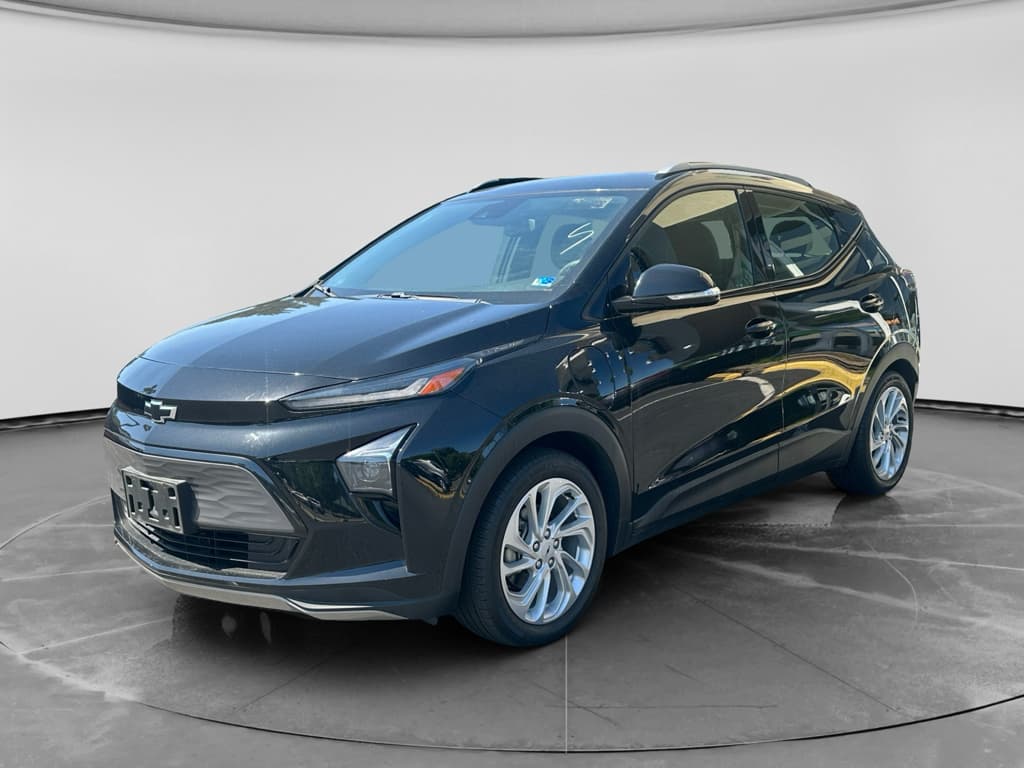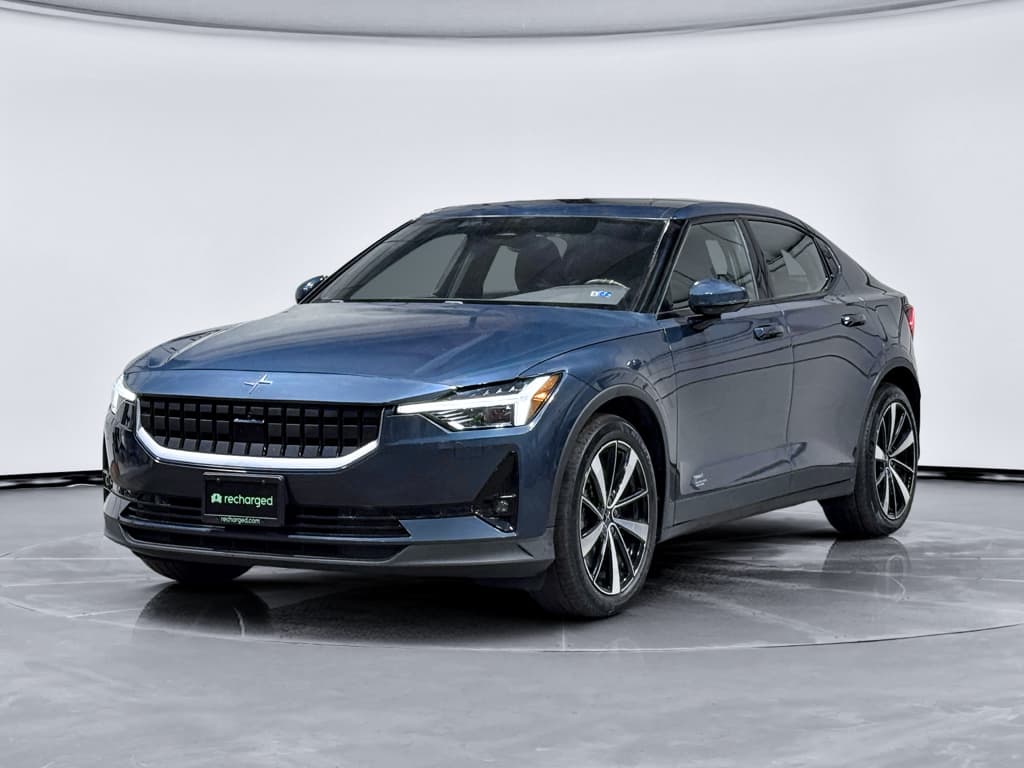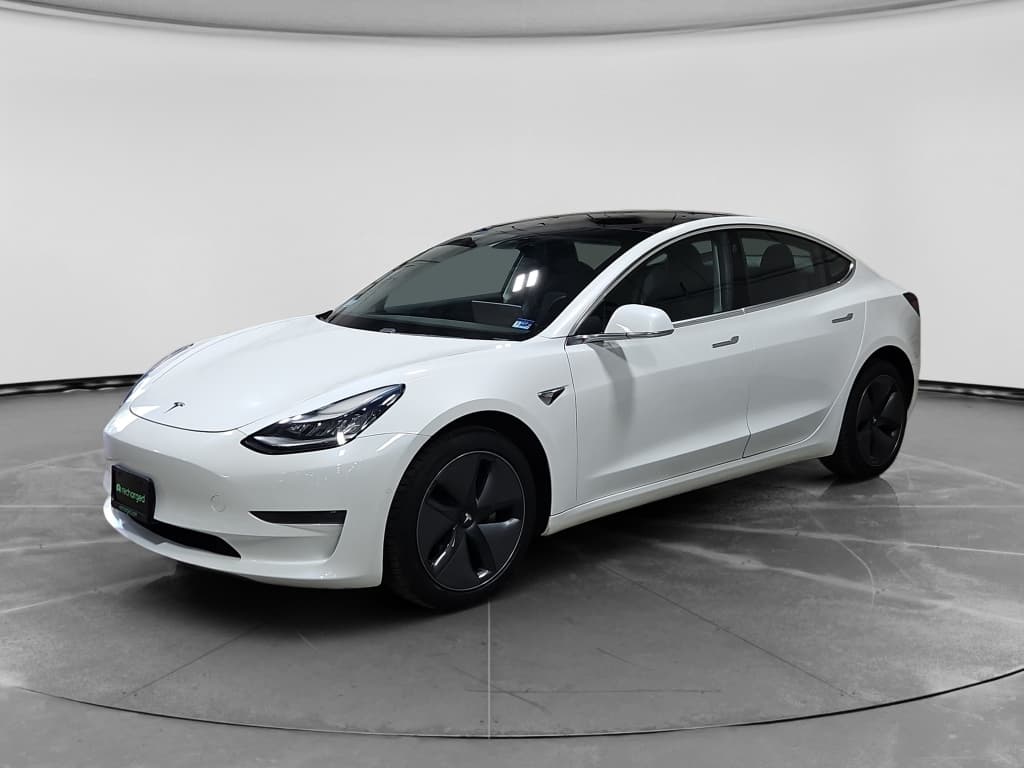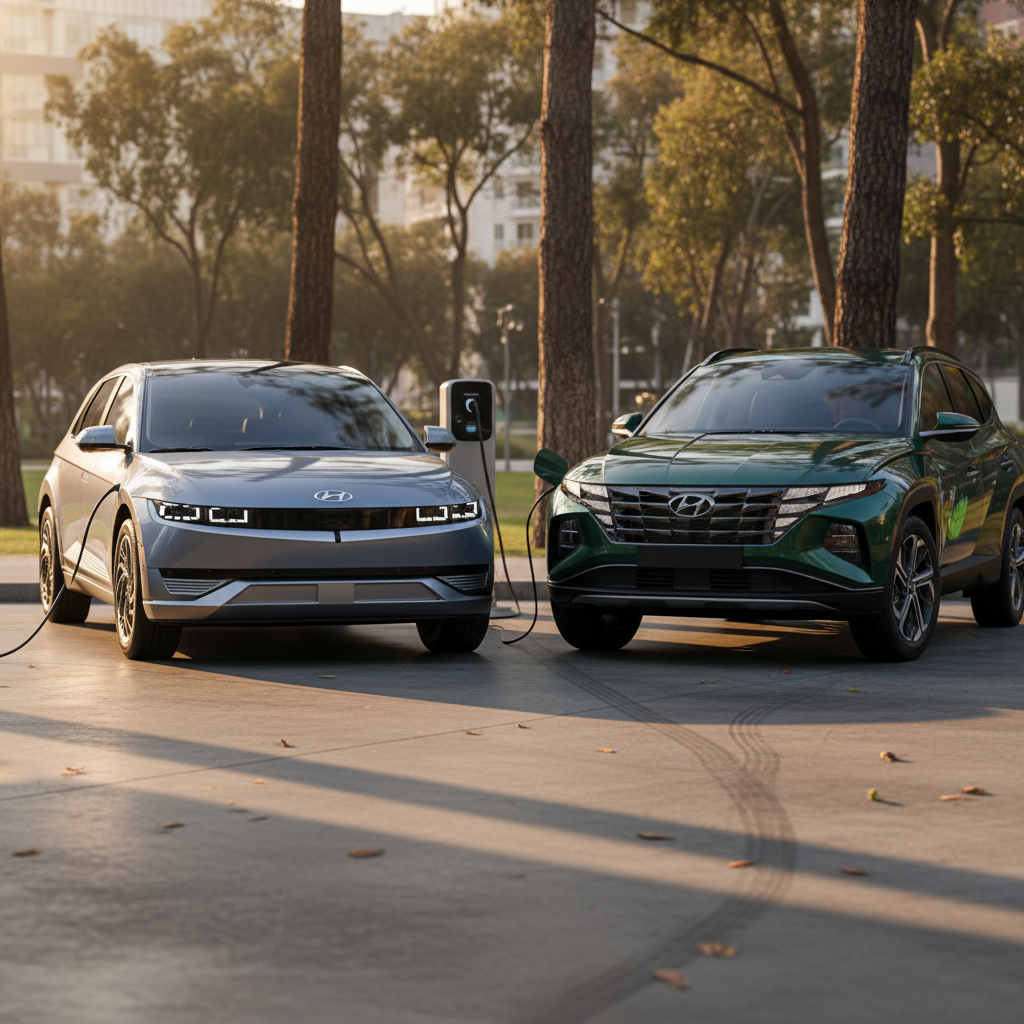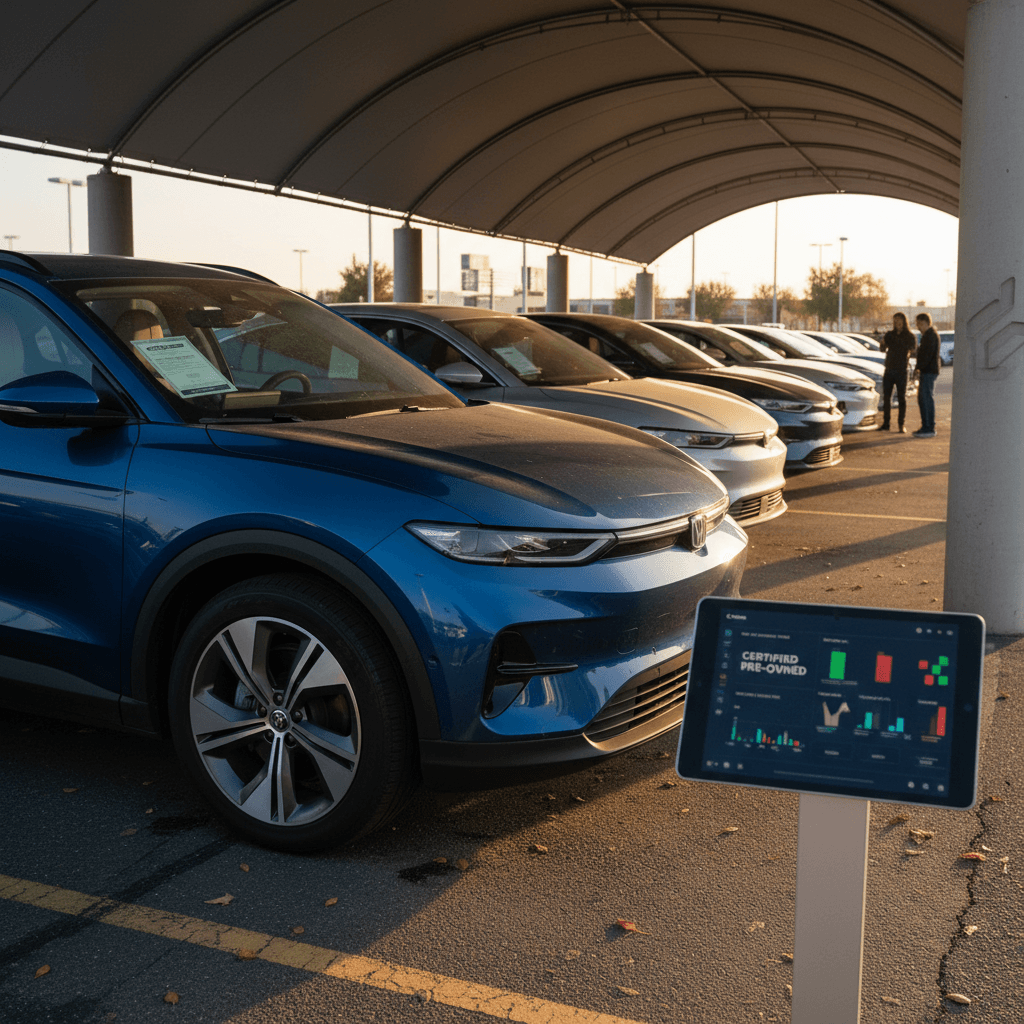
If you’ve been eyeing pre-owned electric cars for sale, 2025 is a very interesting time to be shopping. New EV incentives have shifted, prices have cooled from their pandemic peak, and there’s a growing supply of off-lease electric cars looking for second owners. That combination can work strongly in your favor, if you know what to look for, and where the traps are.
Used EVs are growing fast
Why used electric cars are so attractive right now
Used EV market snapshot
For shoppers, the headline is simple: depreciation is your friend. Many late‑model EVs are trading hands for around half of their original price because of rapid tech improvements, shifting incentives, and lingering worries about battery life. At the same time, most modern EVs have fewer moving parts than gasoline cars, which means less to wear out in daily use.
Who gains the most from used EV deals?
Pros and cons of pre-owned electric cars
Key advantages of a used EV
- Lower upfront price: Let someone else take the first‑owner depreciation hit.
- Lower running costs: Electricity is typically cheaper per mile than gasoline, and EVs need fewer routine services.
- Quieter, smoother drive: Instant torque and near‑silent operation make daily commuting less stressful.
- High tech for less: Driver assistance systems, big touchscreens, and over‑the‑air updates for compact‑car money.
Potential drawbacks to manage
- Battery uncertainty: Range loss over time varies by model, climate, and how the car was used.
- Charging fit: Not all older EVs fast‑charge quickly or use the latest connector standards.
- Warranty timing: Many EVs carry 8‑year/100,000‑mile battery warranties; there’s more risk as they age past that.
- Resale value: The same forces that make your EV a bargain today may also affect what it’s worth when you sell.
Don’t assume every EV is a great deal
How much should you pay for a used EV?
Pricing for pre owned electric cars for sale is all over the map because battery size, range, and original MSRP vary so widely. Subcompact city EVs that once offered 80–100 miles of range can be found far under $20,000. Late‑model crossovers with 250–300 miles of range and modern driver‑assist tech can still command $30,000–$40,000 or more.
Typical used EV price bands
Where common models tend to land in today’s market (actual prices vary by mileage, condition, and region).
Budget commuters
Indicative range: Under $20,000
- Earlier Nissan Leaf, Fiat 500e, Chevy Spark EV
- Best for short commutes and city use
- Check battery carefully; many have modest range now
Mainstream all‑rounders
Indicative range: $20,000–$30,000
- Hyundai Kona Electric, Kia Niro EV, Chevy Bolt EUV
- Solid 200+ mile real‑world range
- Strong value for one‑car households
Premium & long‑range
Indicative range: $30,000 and up
- Newer Tesla Model 3/Y, Mustang Mach‑E, Ioniq 5
- 250–300+ miles of range, strong performance
- Closer in price to new, but with big savings
How Recharged keeps pricing honest
Ready to find your next EV?
Browse VehiclesBattery health: the number one thing to check

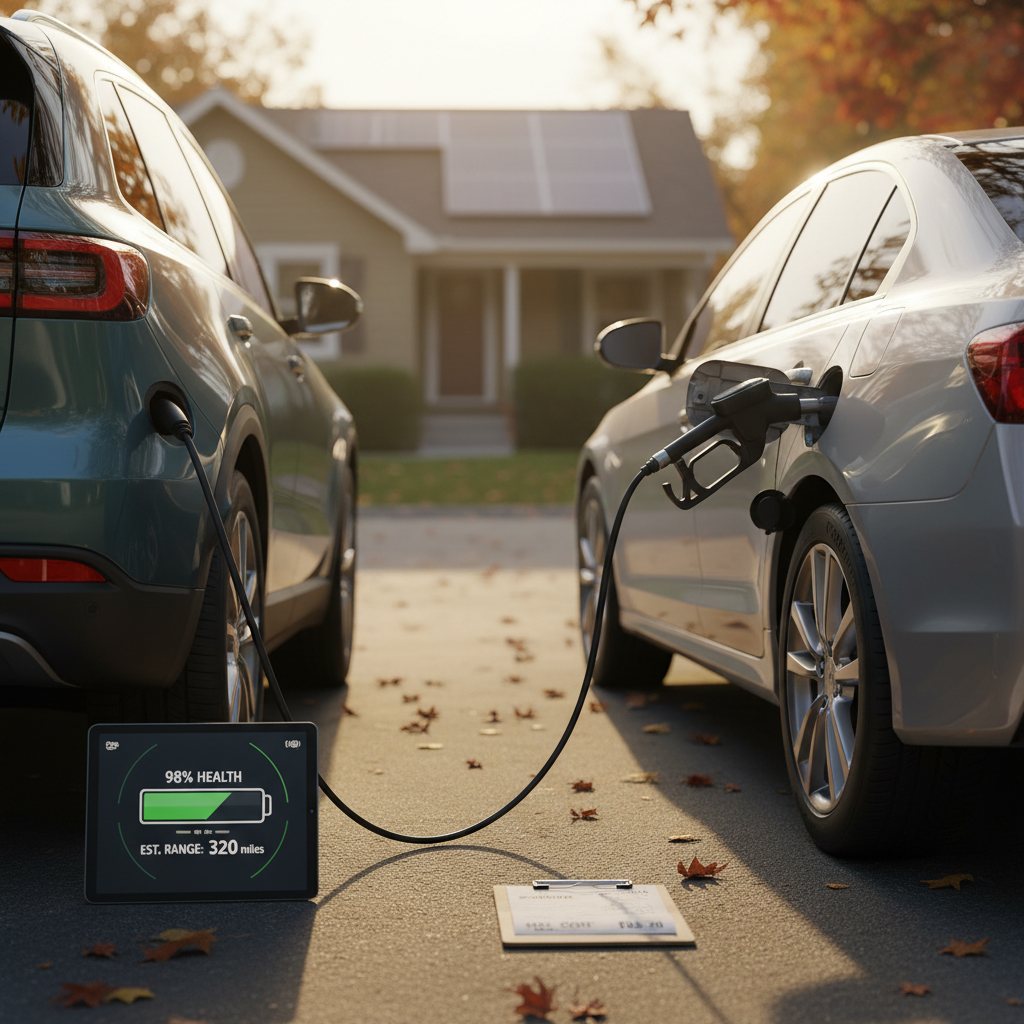
In a gasoline car, you worry about engine compression, oil leaks, and transmission service records. In a used EV, the single biggest variable is the traction battery. It’s the most expensive component in the car, and its health determines how much range you really get day‑to‑day.
- Compare displayed range to original EPA range. Fully charge the car and compare the indicated range to the original rating. A modest drop, say, 10–15% over five or six years, is common. A much bigger drop is a negotiation point or a reason to walk away.
- Ask for a battery health report. Many automakers and specialist shops can run a State of Health (SOH) diagnostic. At Recharged, this test is built into the Recharged Score, so you’re not guessing.
- Review fast‑charging history. Repeated DC fast charging isn’t automatically bad, but heavy fast‑charge use in very hot climates can accelerate wear. Ask how the previous owner charged most of the time.
- Check warranty status. Most EV batteries carry at least an 8‑year/100,000‑mile warranty from new. See how much time and mileage remain, and whether that coverage transfers to you.
Why you shouldn’t buy blind on battery health
Range and daily driving fit
A lot of shoppers get hung up on the maximum range number. What matters more is how that range lines up with your actual driving pattern. For many Americans, a used EV with 150–200 miles of real‑world range is plenty for workdays and errands, especially with home charging.
Match range to your lifestyle
Think in terms of your longest typical day, not only occasional road trips.
Urban & short‑trip drivers
- Daily driving: 20–50 miles
- Comfort target: 120+ miles of real range
- Older, lower‑range EVs can work well, especially as second cars.
Suburban commuters
- Daily driving: 40–80 miles
- Comfort target: 180–220+ miles of real range
- Modern used EVs shine here, giving you buffer for weather and side trips.
Frequent road‑trippers
- Regular long drives: 200+ miles
- Comfort target: 250–300+ miles of range plus robust fast‑charging.
- You may want a newer long‑range EV or keep a gas car for the longest journeys.
Remember weather and load
Charging ports, public networks, and home charging
The charging landscape is shifting quickly. North America is moving toward the Tesla‑originated NACS connector for DC fast charging, while many existing EVs still use CCS. Older models may rely on CHAdeMO, which is slowly being phased out. When you’re comparing pre owned electric cars for sale, it’s critical to understand how easily each one will plug into your life.
Common charging connectors on used EVs
Know what plug you’re getting, and how future‑proof it is.
| Connector | Where you’ll see it on used EVs | Fast‑charging support | Long‑term outlook |
|---|---|---|---|
| J1772 | Level 1/2 AC charging on most non‑Tesla EVs | No DC fast charging; AC only | Still widely supported for home and workplace charging |
| CCS | Many non‑Tesla DC fast‑charging EVs | Yes, DC fast charging on networks like Electrify America | Likely to coexist with NACS for years, but new cars are moving to NACS |
| CHAdeMO | Older Nissan Leafs and a few others | Yes, but often slower and fewer high‑power stations | Shrinking support; best for local use, not road‑trip flexibility |
| NACS | Teslas and future non‑Tesla EVs | Yes, fast charging on Superchargers and other networks | Emerging North American standard for new EVs |
Always verify which port a specific car has; even within a model, ports can change by year and region.
Charging fit checklist
Confirm your home charging options
Can you install a 240‑volt outlet or wallbox where you park? If you rent or live in a condo, confirm what’s allowed before you buy.
Check local fast‑charging coverage
Use charging apps to see how many CCS, NACS, or CHAdeMO stations are around you and along your typical routes.
Plan for adapters
Some EVs can use adapters to charge on different networks. Factor the cost of any adapters into your budget.
Ask how the previous owner charged
Home Level 2 charging is easy on batteries. A car that lived on repeated DC fast‑charge sessions at high mileage deserves closer scrutiny.
Where to find pre-owned electric cars for sale
You’ll see used electric cars for sale almost everywhere now, franchise dealers, independent lots, online classifieds, and specialized EV platforms. Each source has its own trade‑offs in transparency, reconditioning quality, and convenience.
Common places to shop, and how they differ
Think about how much support and transparency you want through the process.
Franchise dealer (brand store)
- Access to certified pre‑owned (CPO) programs.
- Brand‑trained technicians and software updates.
- Prices may be higher; selection limited to that brand’s trade‑ins.
Independent dealers & classifieds
- Often the lowest advertised prices.
- Quality can vary widely; EV expertise may be thin.
- You’ll need to arrange your own battery checks and inspections.
EV‑focused platforms like Recharged
- Inventory screened specifically for EV suitability.
- Battery diagnostics and transparent history in one place.
- Digital buying, trade‑in, and delivery without visiting multiple lots.
How Recharged simplifies the hunt
Inspection checklist for used electric cars
Before you sign anything, you want a clear, methodical look at the car you’re buying. Here’s a practical checklist you can use whether you’re standing on a dealer lot or reviewing a digital inspection report.
Used EV inspection essentials
1. Verify battery health and range
Confirm a recent battery health reading and compare the indicated full‑charge range to the original EPA estimate. Large gaps are negotiation points.
2. Review charging hardware
Inspect the charge port, cables, and any included home charger for damage. Confirm which connectors the car supports and that port doors operate smoothly.
3. Scan for software alerts
Turn the car on and look for warning lights or error messages about the battery, charging system, or advanced driver‑assistance features.
4. Check tires and brakes
EVs are heavy and torquey, which can stress tires and brakes. Uneven wear or cheap replacement tires can hint at past neglect.
5. Inspect underbody and suspension
If possible, look underneath for corrosion or impact damage near the battery pack. Scrapes and dents in that area deserve professional evaluation.
6. Confirm maintenance and recall history
Ask for service records and confirm that open recalls, especially software and charging‑system updates, have been addressed.
Leverage third‑party inspections
Financing, trade-ins, and total cost of ownership
The numbers on the window sticker are only part of the story. To compare a used EV against a gas car, or even a new EV, you need to look at total cost of ownership: payment, energy costs, maintenance, insurance, and incentives.
Why many used EVs are cheap to run
- Energy costs: Even with regional variation, electrons are typically cheaper per mile than gasoline. Home charging during off‑peak hours can sharpen the savings.
- Maintenance: No oil changes, fewer fluids, no exhaust system, and fewer wear items like belts. You’ll still buy tires, wiper blades, and cabin filters.
- Brake wear: Regenerative braking means pads and rotors often last longer than in comparable gas cars.
What can offset the savings
- Insurance: Some EVs carry higher comprehensive premiums due to pricey electronics and body repairs.
- Out‑of‑warranty risks: While pack failures are rare, they’re costly. That’s why understanding battery health and warranty status is essential.
- Home charging setup: If you need to add a 240‑volt circuit or wallbox, include that cost in your decision.
Using financing to your advantage
Who is a used EV right for?
Different buyers, different sweet spots
First‑time EV shopper on a budget
Wants to keep the payment under control and avoid rapid new‑car depreciation.
Comfortable with 150–220 miles of real‑world range.
Has access to at least a standard household outlet, ideally a 240‑volt circuit.
Two‑car household
Already owns a gas or hybrid vehicle for long trips.
Looking for a smooth, efficient daily commuter or school‑run car.
More open to earlier, lower‑range EVs at attractive prices.
Tech‑focused driver
Wants advanced driver‑assist, big screens, and connectivity at a discount.
Comfortable buying a 2–4‑year‑old EV to benefit from rapid tech turnover.
Willing to pay more for a strong battery report and fast‑charging capability.
High‑mileage commuter
Drives 15,000+ miles per year and wants to slash fuel costs.
Needs reliable home charging and a healthy battery for range stability.
Should focus on newer EVs with robust thermal management and warranties remaining.
FAQ: Pre-owned electric cars for sale
Frequently asked questions about buying a used EV
Bottom line: how to shop smart
Shopping pre owned electric cars for sale in 2025 is all about clarity. Clarity on the battery’s real health, clarity on how much range you genuinely need, and clarity on how and where you’ll charge. Get those three pieces right, and you’ll discover that a used EV can deliver a quieter drive, lower running costs, and more technology than most comparably priced gas cars.
If you’d rather not piece everything together on your own, start your search with a platform that was built around EVs from day one. On Recharged, every vehicle includes a Recharged Score battery report, transparent pricing, expert EV support, and options for financing, trade‑in, and delivery. That way you can focus less on worrying what’s hiding under the floorpan, and more on enjoying the car you’re about to live with every day.