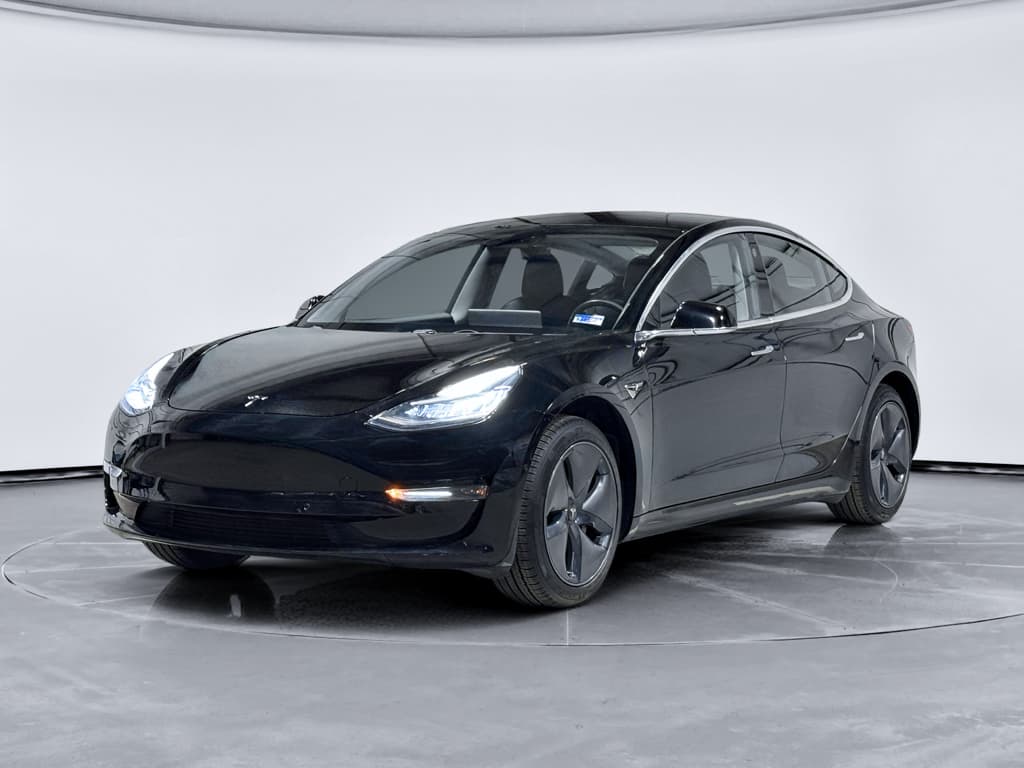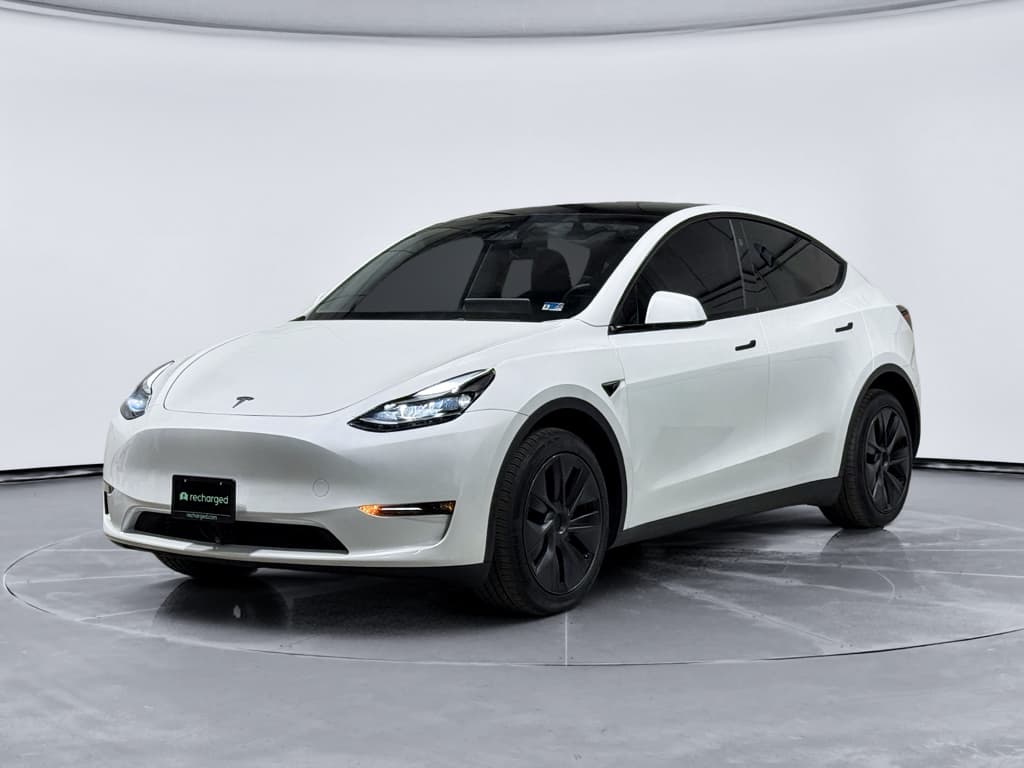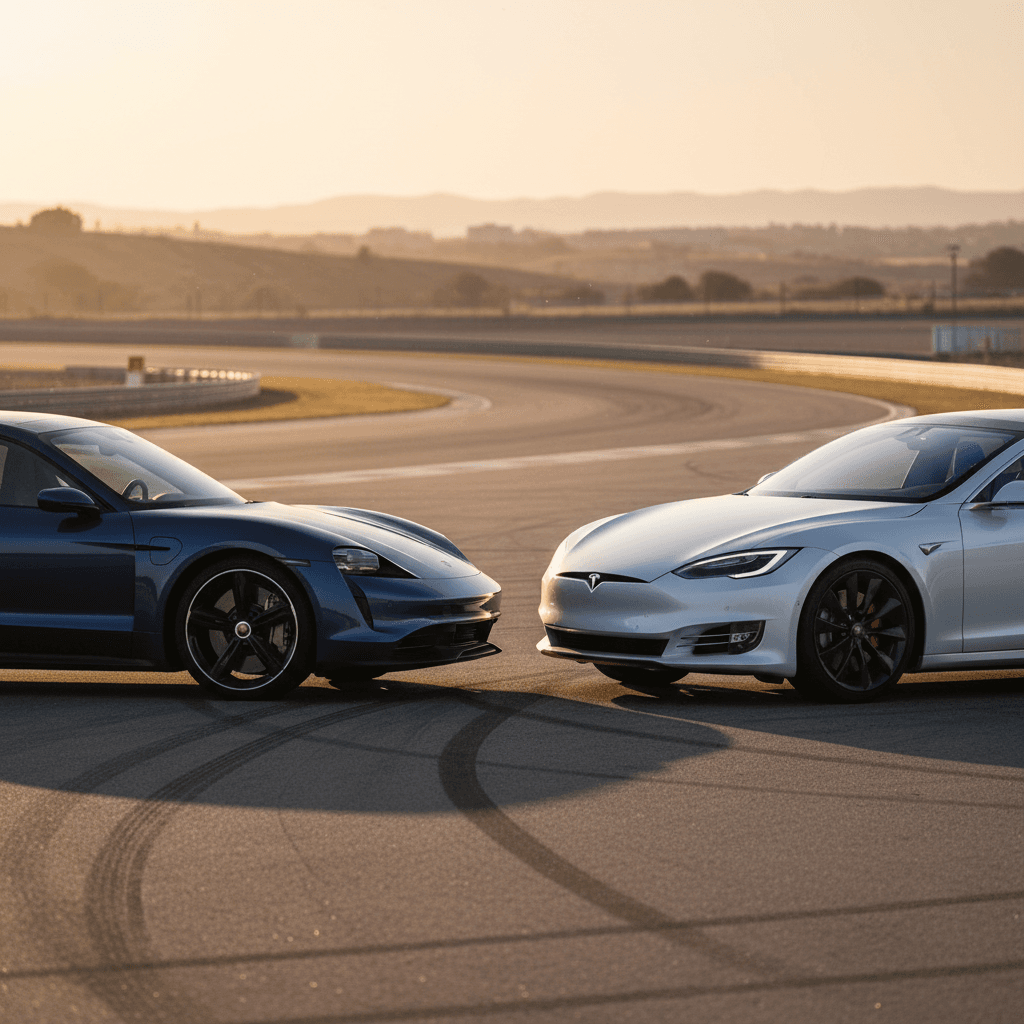
If you’re cross-shopping the Porsche Taycan vs Tesla Model S and wondering which is better, you’re not alone. These are the benchmark luxury EV sedans: one born from a sports-car brand obsessed with feel, the other from a tech company obsessed with software and range. The right answer depends less on lap times and more on how you’ll actually live with the car, especially if you’re looking at the used market.
Quick answer
Taycan vs Model S at a glance
Key numbers: Porsche Taycan vs Tesla Model S (recent models)
Porsche Taycan vs Tesla Model S: high-level comparison
Broad comparison of recent-model Taycan (heavily updated 2025+) and late-refresh Model S (roughly 2022–2025). Exact numbers vary by trim; use this as directional guidance, not a build sheet.
| Category | Porsche Taycan (2025+) | Tesla Model S (2024–2025) |
|---|---|---|
| Driving character | Sports-sedan sharp, very planted | Soft-fast GT, extremely quick in a straight line |
| 0–60 mph (fast trims) | Around 2.3–2.7s (Turbo S) | Around 1.99–2.1s (Plaid) |
| EPA range (best trims) | Low–mid 300s miles after 2025 refresh | Mid–high 300s miles, still segment-leading |
| Peak DC fast-charge rate | Up to ~320 kW on 800V hardware | Up to ~250 kW on Superchargers |
| Charging networks | CCS in most markets; no native Tesla access in US | Native access to Tesla Superchargers (NACS) |
| Infotainment | Traditional buttons + modern screens, CarPlay/Android Auto (market-dependent) | Minimalist interior, giant center screen, no CarPlay/Android Auto |
| Ride comfort | More tied-down, firmer; adaptive suspension available | Softer, more floaty; adjustable air suspension |
| Brand & feel | Heritage performance brand, high materials quality | Tech-forward, software-first, frequent OTA updates |
Always confirm specs for the exact year and trim you’re considering.
Who each car is best for
Is the Taycan or Model S a better fit for you?
Match the car to your priorities, not someone else’s YouTube drag race.
Porsche Taycan is better if…
- You want surgical handling and a car that feels like a true German sports sedan.
- You care about build quality, materials, and refinement as much as raw numbers.
- You do lots of fast-charging stops and value reliable, repeatable charging performance.
- You’re buying used and willing to trade maximum range for a strong deal on a luxury badge.
Tesla Model S is better if…
- You prioritize maximum range and efficiency, especially for long US road trips.
- You want native access to Tesla’s Supercharger network and a simple charging experience.
- You like cutting-edge software features and frequent over-the-air updates.
- You value cabin space and practicality over the last 10% of handling feel.
Performance and driving feel
On paper, the Tesla Model S, especially the Plaid, is the king of straight-line numbers. Sub-2.0-second 0–60 mph times grab headlines, and even the non-Plaid versions are brutally quick. The Porsche Taycan’s top Turbo S trims are only a hair behind on a stopwatch, but the story behind the wheel is different.
Porsche Taycan: precision and consistency
The Taycan feels like a Porsche first, EV second. Steering is precise and communicative, body control is tight, and the car shrinks around you on a twisty road. Thanks to its 800V architecture and thermal management, it’s also known for repeatable performance, you can make hard pulls or track laps without the car immediately dialing itself back.
If you care about how a car reacts mid-corner, brake feel, and the sense of connection, the Taycan is arguably the better driver’s car.
Tesla Model S: effortless speed
The Model S delivers absurd straight-line acceleration with very little drama. It’s quieter, more relaxed, and tuned more like a grand tourer. The steering is lighter and the chassis a bit softer; on most public roads that translates into an easy, comfortable drive, not a track toy.
If you want to launch onto a freeway on-ramp with supercar pace but spend most of your time cruising, the Model S personality will feel just right.
Test-drive tip
Range and real-world efficiency
Historically, the Tesla Model S has held a clear edge on range. That’s still mostly true, but Porsche’s heavy 2025 Taycan update narrowed the gap with larger batteries and efficiency tweaks. Recent Taycan models can now cross the 300-mile mark on official tests, and some real-world range tests report even higher highway figures under ideal conditions. At the same time, newer Model S variants remain among the longest-range EVs you can buy.
- Model S advantage: If you routinely drive 250–300 miles between charges, especially in cold weather, the extra buffer from a Model S can reduce planning stress.
- Taycan reality: The latest Taycan is no longer a "short-range" luxury toy. For most daily driving and moderate road trips, its usable range is more than enough, just not class-leading.
- Older/early cars: Pre-refresh Taycans and early-long-range Model S vehicles can show more pronounced differences, and battery health matters. A 5‑year-old car’s actual range can be quite different from its original window sticker.
Cold-weather note
Charging speed and road-trip experience
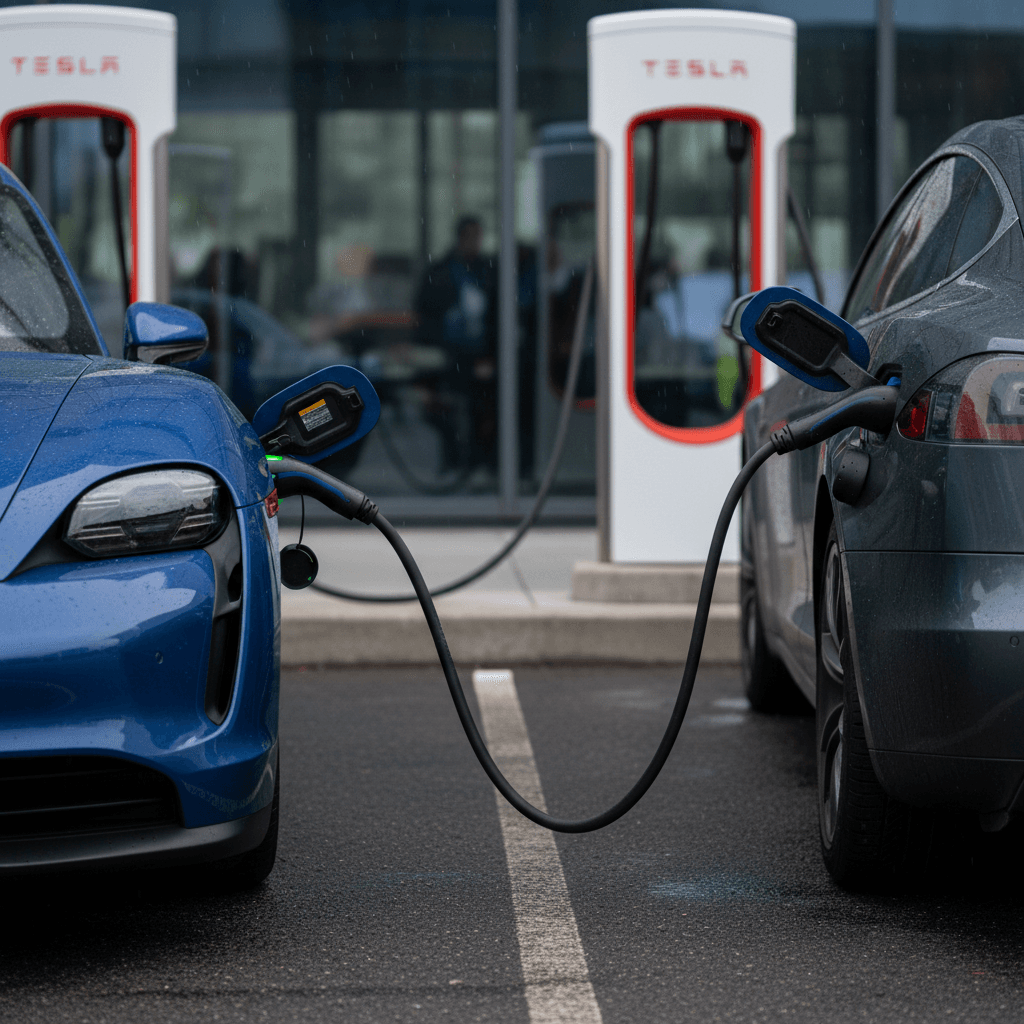
Range only matters if you can conveniently add it back. Here, the differences between Taycan and Model S are as much about infrastructure as hardware.
Charging: hardware vs network
Both cars can road-trip. The experience is just different.
Porsche Taycan charging
- 800V architecture and updated packs allow extremely fast peak DC rates (around 300–320 kW when conditions are right).
- When you find a strong 800V-capable station, the Taycan can add a lot of range very quickly.
- In the US, you’re mostly relying on CCS networks (Electrify America, EVgo, etc.), whose reliability can vary by region and site.
Tesla Model S charging
- Peaks around 250 kW at Tesla Superchargers, slightly lower than the best Taycan numbers but still very fast.
- The big win is network density and integration: plug in, walk away, payment and preconditioning are seamless.
- As NACS spreads to more non-Tesla EVs, the Model S still enjoys first-party access and the most mature experience.
Which is better for US road trips?
Tech, interior and usability
Inside the Taycan
The Taycan’s cabin feels like a modern Porsche: driver-focused, with a healthy mix of physical controls and multiple screens. Materials and fit-and-finish are generally excellent. You can spec it more luxurious or more sporty, and it feels like it was built to last.
Infotainment is polished but a bit more conventional. Depending on trim and market, you may get Apple CarPlay and Android Auto, traditional instrument clusters, and a more familiar control layout if you’re coming from German luxury brands.
Inside the Model S
The Model S is minimalist: a giant center screen, a clean dash, and very few physical buttons. Software is the star here. Tesla’s UI is fast, over-the-air updates add features, and integrated navigation + charging planning is among the best in the business.
On the flip side, there’s no native CarPlay or Android Auto, and build quality and materials can feel simpler compared to the Porsche. Some drivers love the clean aesthetic; others miss traditional controls.
Driver-assistance and features
Reliability and depreciation
Neither of these is a cheap car to buy or repair, but they behave differently in the real world and on the used market. In recent US sales data, the Model S still outsells the Taycan, yet the Taycan has grown while Model S volumes have softened. That broader context shows up in pricing and depreciation.
What to know about reliability and value
Past a certain price point, your risk tolerance matters as much as brand reputation.
Porsche Taycan
- Generally solid underlying engineering, but early cars saw some software and charging-network frustration.
- Complex air suspension and options (rear-axle steering, big brakes, fancy interiors) can be expensive to service out of warranty.
- Because the Taycan is pricier new and the market is smaller, it can depreciate more steeply, good for used buyers, tough for first owners.
Tesla Model S
- Tesla’s powertrain hardware is well-proven; high-mileage cars are common.
- Issues tend to be fit-and-finish, trim, screens, and suspension wear rather than motors and packs.
- Resale is typically stronger than Taycan in many US markets, though that also means higher used purchase prices.
Why battery health matters most
- A luxury EV with a tired pack is a very different car, both in range and value.
- Instead of guessing from odometer alone, use independent diagnostics to understand remaining capacity, fast-charging history, and any warning signs before you buy.
How Recharged can help
Ownership costs and insurance
Beyond the sticker price, you’ll live with insurance, maintenance, tires, and potential out-of-warranty repairs. For both Taycan and Model S, costs can be higher than a mainstream EV, but they show up in different ways.
Key cost considerations before you choose
1. Insurance premiums
Both are high-value performance EVs, and many insurers price them accordingly. In some US zip codes, Taycan premiums can be higher because of Porsche parts and repair networks; in others, Tesla repair costs and long repair times can push Model S premiums up.
2. Tires and wheels
Performance sedans eat tires. Larger wheel packages on both cars look great but cost more to replace and can be more vulnerable to pothole damage. If you’re budget-conscious, avoid the flashiest wheel-and-tire combos.
3. Routine maintenance
Neither needs oil changes, but you’ll still pay for brake fluid, cabin filters, and any suspension work. Porsche dealer labor rates are typically higher than Tesla’s service pricing, but Tesla owners may rely more on mobile service and body shops.
4. Software and options
With Tesla, factor in any paid driver-assistance features that may or may not transfer between owners. With Porsche, understand which expensive options (e.g., performance packages, active suspension) your car has and what they cost to fix later.
5. Home charging setup
Installing a reliable Level 2 charger at home can be the best ownership cost hedge. It reduces dependence on expensive DC fast charging and makes either car far more convenient day-to-day.
Buying used: Taycan vs used Model S
For many shoppers, the most interesting question isn’t which car is better new, it’s whether a used Taycan or used Model S is the smarter buy. This is where market behavior and battery health really matter.
Used Porsche Taycan: opportunity with caveats
Because the Taycan launched expensive and lives in a niche segment, it tends to drop faster in value than comparable Model S cars. That can put a well-optioned Taycan 4S or GTS into the same price range as a much simpler new EV.
The trade-off: parts and labor are still Porsche-level, and you’ll want to be very confident in the battery’s condition and how the car was charged. A Taycan that lived on 350 kW DC fast chargers and track days is not the same as one that spent life sipping from a home Level 2 charger.
Used Tesla Model S: simpler story, higher floor
Used Model S pricing is more mature and transparent. There’s a huge pool of cars, plenty of real-world data, and better parts availability than you might expect for things like screens and suspension components.
On the downside, the popular trims tend to hold value better, so you may pay more up front for a similar-age car, and you still need to check for battery and drive-unit warranty coverage on older examples.
Don’t buy blind
How to choose the right EV for you
Step-by-step: Taycan or Model S?
1. Define your daily and weekly driving
Write down your real mileage: daily commute, school runs, weekend trips. If you rarely exceed 150–200 miles in a day, both cars will feel generous; your charging access may matter more than raw range.
2. Be honest about road-trip habits
If you take several cross-country trips a year, the <strong>Model S plus Superchargers</strong> will feel nearly effortless. If most of your travel is between specific cities with strong CCS coverage, a <strong>Taycan is just as workable</strong> once you know your favorite stations.
3. Decide what “fun to drive” means to you
If your joy is carving on-ramps and back roads, prioritize the Taycan’s <strong>steering and chassis balance</strong>. If your fun is shocking passengers with warp-speed launches and enjoying a quiet highway ride, the Model S may hit the spot.
4. Set a total cost-of-ownership budget
Don’t just fixate on the purchase price. Estimate insurance, tires, possible out-of-warranty repairs, and home charging installation. A cheaper upfront car can be more expensive long-term if it’s poorly optioned or neglected.
5. Shop with real battery data
Especially on the used market, insist on documented <strong>battery health and charging history</strong>. With Recharged, every vehicle comes with a Recharged Score Report so you’re not guessing how much real range you’re buying.
FAQ: Porsche Taycan vs Tesla Model S
Frequently asked questions
Bottom line: which is better?
So, Porsche Taycan vs Tesla Model S: which is better? If you live on spec sheets and YouTube drag races, the Model S, especially in Plaid form, still steals the headlines with outrageous acceleration and long range backed by an easy, integrated Supercharger experience. If you care more about steering feel, chassis balance, cabin quality, and the way a car talks to you on a back road, the Taycan is one of the best-driving EVs on sale, full stop.
In reality, both are excellent; the better car is the one that matches your driving habits, infrastructure, and budget. For many used shoppers, a well-spec’d Taycan with documented battery health can be a sweet-spot luxury EV. For road‑trip warriors and software enthusiasts, a clean Model S with strong range and access to Tesla’s network is tough to beat.
Whichever way you lean, don’t let guesswork about battery condition or hidden costs make the decision for you. A platform like Recharged can help you compare real cars, complete with Recharged Score battery diagnostics, pricing transparency, and EV‑savvy support, so your next Taycan or Model S feels like a smart move, not a gamble.