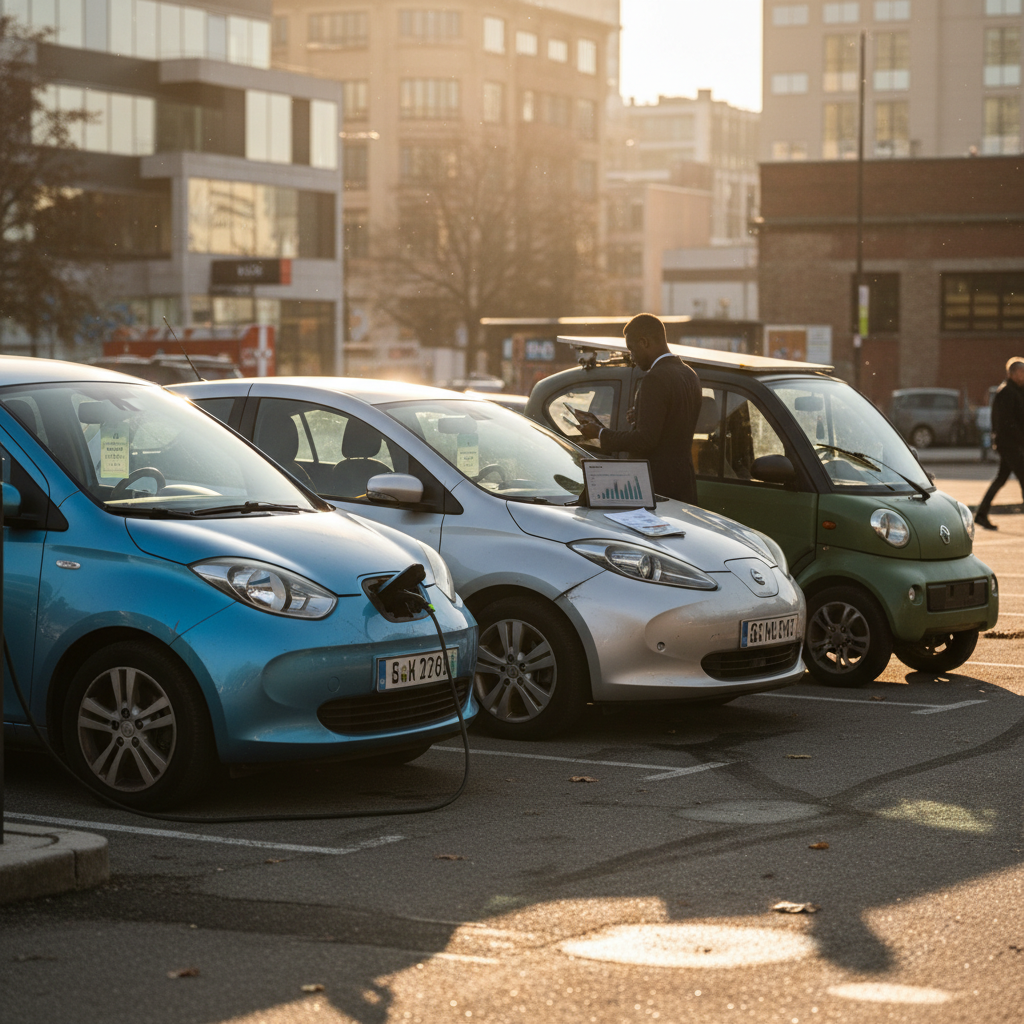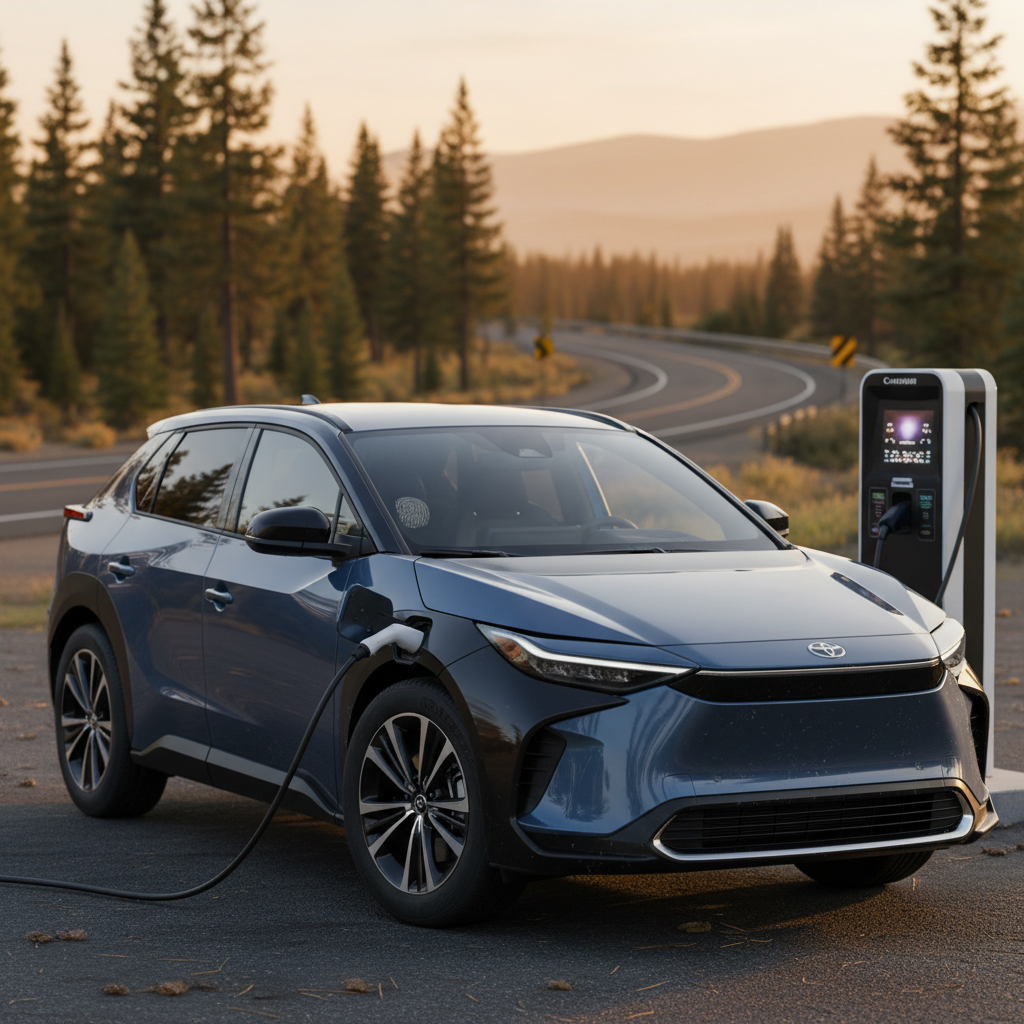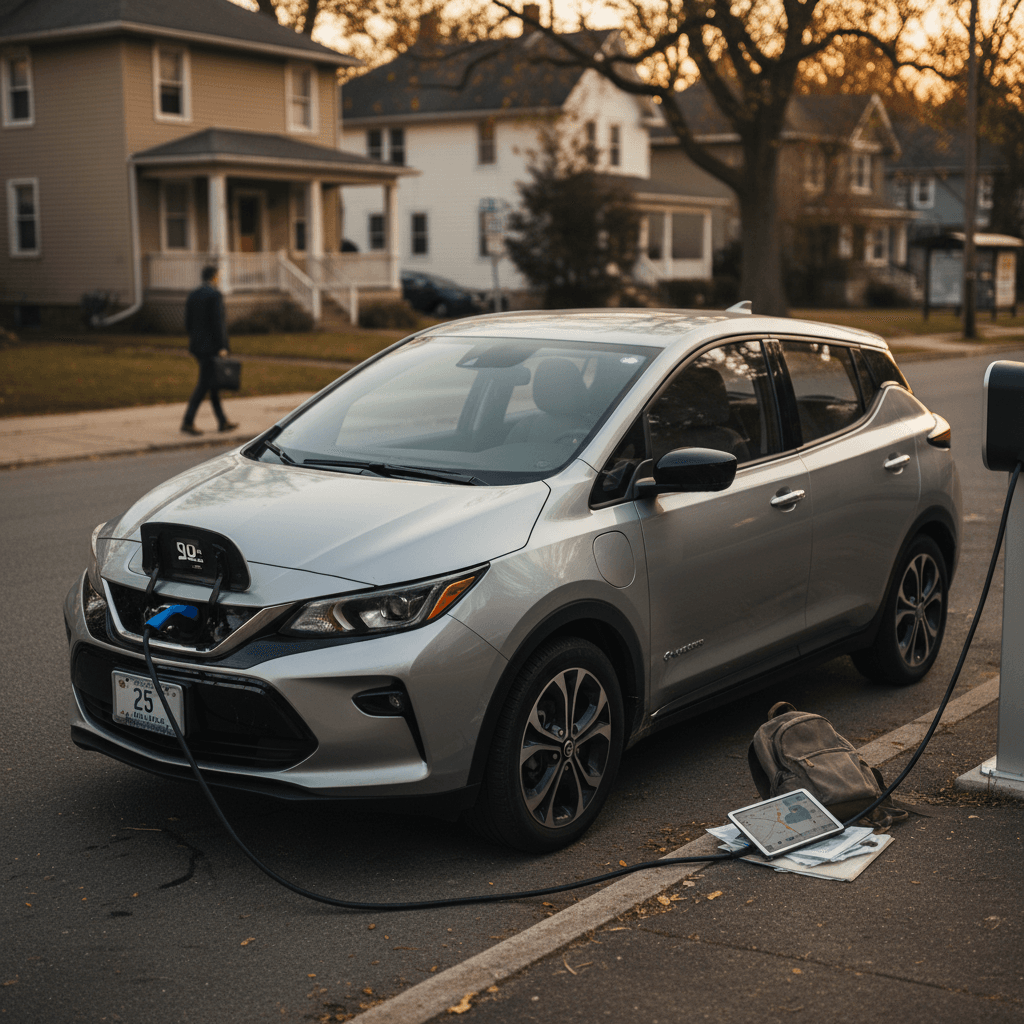
If your daily drive is around 25 miles round‑trip, you are squarely in the electric car sweet spot. Almost every modern EV can handle that distance without breaking a sweat, but the best electric car for a 25‑mile commute isn’t about maximum range, it’s about comfort, cost per mile, and how little drama it adds to your mornings.
Quick Take
Why a 25‑Mile Commute Is Perfect for an EV
In federal commute surveys, one of the most common one‑way distances is 10–25 miles, which puts your round‑trip at 20–50 miles. That’s exactly where EVs shine: short to medium, repeatable drives where the car can live on a predictable charging routine and sip cheap electricity instead of burning gas.
How Efficient EVs Are for Short Commutes
You Don’t Need a 300‑Mile Battery
How Much Range Do You Really Need for a 25‑Mile Commute?
On paper, a 25‑mile round‑trip suggests you could get away with a tiny battery. In reality, you want enough buffer for winter weather, side errands, and the days you forget to plug in. A simple way to think about it:
- Take your daily round‑trip distance (about 25 miles).
- Multiply by 3 to create a healthy comfort buffer (≈75 miles).
- Choose an EV with at least that much reliable winter range, not just brochure range.
Winter Shrinks Range
Minimum Sensible Range
For a dedicated city commuter that rarely leaves town, you can live with around 120–150 miles EPA range. Think older Nissan Leaf or Mini Electric, great if you have another car for road trips.
Comfort Sweet Spot
The anxiety‑free zone for most U.S. commuters is 200–260 miles EPA range. That covers your 25‑mile commute, bad weather, spontaneous errands, and even a weekend highway run without planning your life around chargers.
Best New Electric Cars for a 25‑Mile Commute
Let’s start with new or nearly new models that fit a 25‑mile commute beautifully. These focus on efficiency, comfort and value rather than headline‑grabbing range numbers.
Top New EV Picks for a 25‑Mile Daily Commute
Sorted by personality, not just specs
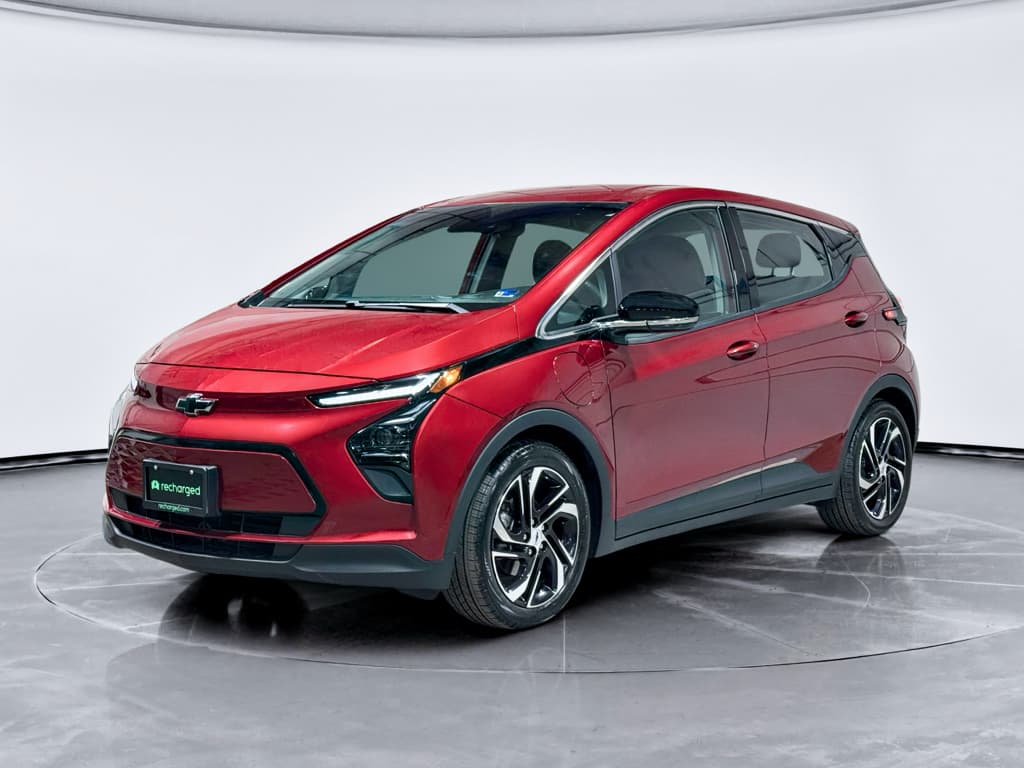
Chevrolet Bolt EV / EUV
Why it’s great: Compact, efficient, inexpensive to run. Real‑world range around 240–260 miles is massive overkill for a 25‑mile commute, which is exactly what you want, lots of buffer, little stress.
Best for: Budget‑conscious commuters who want a small hatchback that still feels like a real car, not a science experiment.
Kia Niro EV
Why it’s great: Crossover shape, friendly ergonomics, plenty of cargo space, and a battery that comfortably handles commuting plus weekend trips. Strong warranties sweeten the deal.
Best for: Drivers who want an efficient commuter that doubles as the family car.
Hyundai Kona Electric
Why it’s great: Small footprint, good efficiency, and typically one of the best values among new compact EV crossovers. Its real‑world range makes your 25‑mile commute feel trivial.
Best for: City and suburb dwellers who want a higher seating position without paying for a big SUV.
If You Want More Space or Luxury
Still overkill for a 25‑mile commute, but in the best way
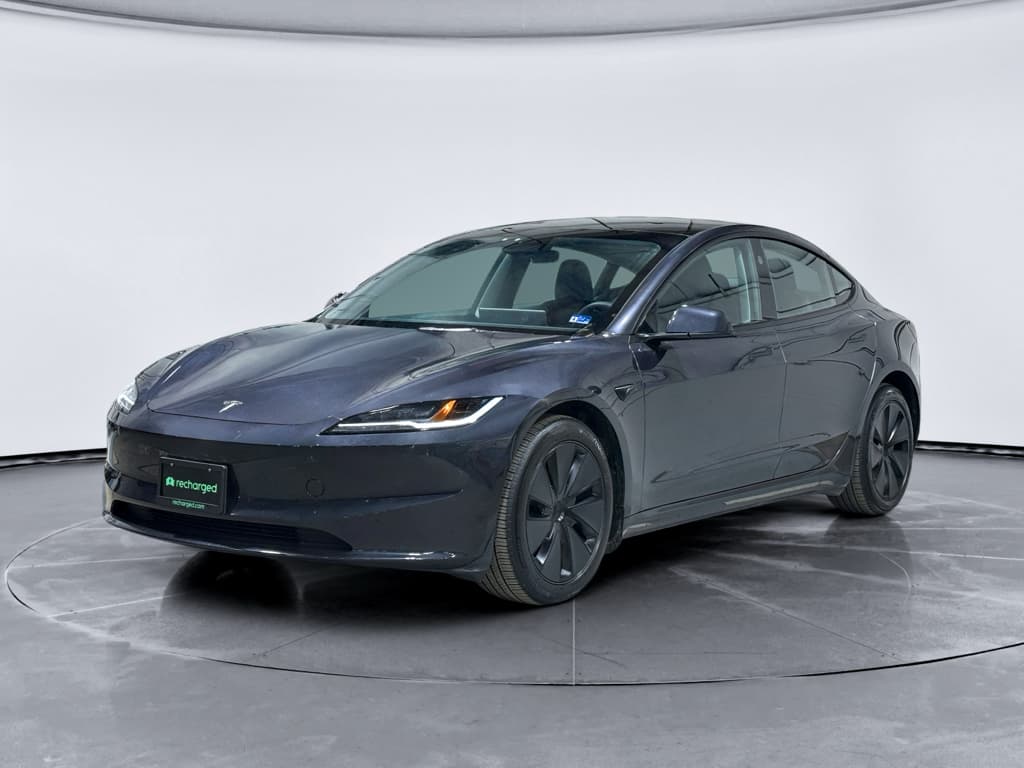
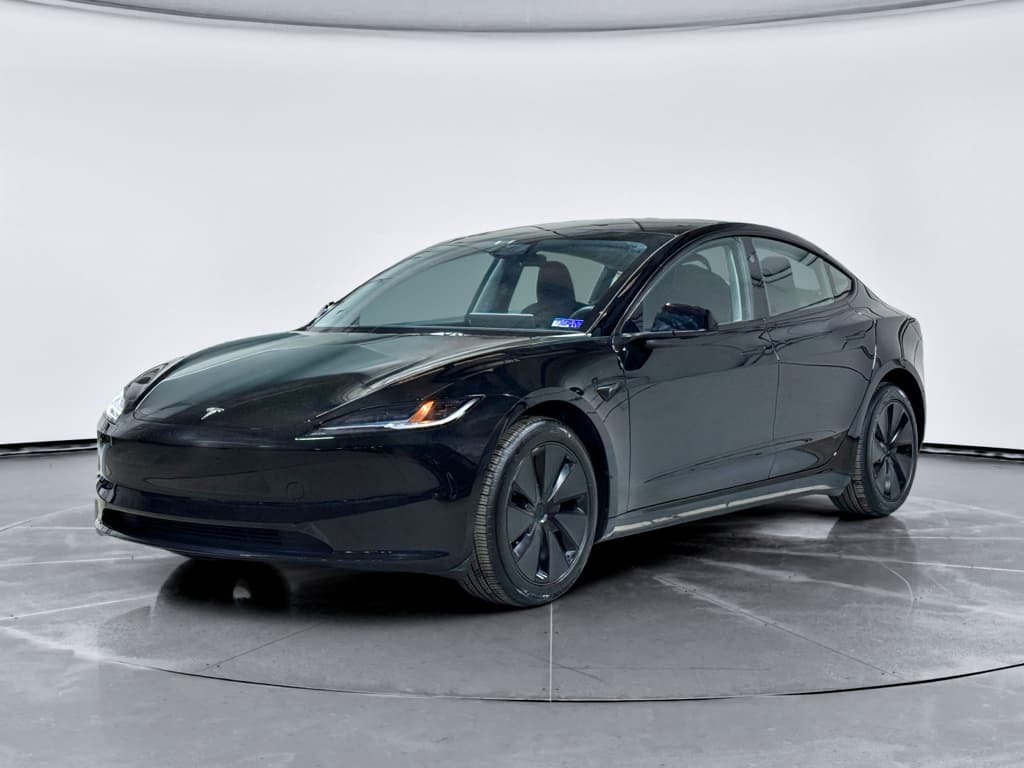
Tesla Model 3 (RWD)
Why it’s great: Among the most efficient EVs on sale; real‑world costs per mile are extremely low for the performance you get. Autopilot traffic assist turns stop‑and‑go commuting into a video game, quietly addictive.
Best for: Longer freeway commutes and drivers who care about software, charging network access and resale value.
Hyundai Ioniq 5 / Kia EV6
Why they’re great: Spacious, comfortable cabins and very quick DC fast charging for the days you leave town. For a 25‑mile commute they are almost comically overqualified, but daily life in one is pleasant in a way small cars can’t match.
Best for: Families and enthusiasts who also do frequent weekend road trips.
Think Like a Commuter, Not a Spec Sheet
Best Used Electric Cars for a 25‑Mile Commute
Short‑distance commuting is where used EVs absolutely crush the math. Many models have taken heavy depreciation by year five, even though they still have more than enough range for a 25‑mile daily drive.
Used EV Shortlist for 25‑Mile Commuters
Approximate specs for popular used EVs that shine as daily commuters. Always confirm exact range and options for the model year you’re shopping.
| Model | Typical Used Model Years | Approx. EPA Range | Why It Works for 25‑Mile Commute |
|---|---|---|---|
| Chevy Bolt EV / EUV | 2019–2023 | 238–259 mi | Huge range buffer, great efficiency, small footprint, strong value after depreciation. |
| Nissan Leaf (40–62 kWh) | 2018–2022 | 150–226 mi | Perfect if you mostly drive in town; simple, comfortable, often very affordable. |
| Kia Niro EV | 2019–2022 | 239 mi | Crossover practicality with enough range to ignore charging for several days. |
| Hyundai Kona Electric | 2019–2022 | 258 mi | Excellent commuter: compact, efficient, and typically cheaper than larger crossovers. |
| Tesla Model 3 RWD | 2018–2021 | ~240–260 mi | Efficient, great highway manners, and access to a vast fast‑charging network for trips. |
Numbers are rounded; your real‑world range will vary with speed, temperature and driving style.
Battery Health Matters More Than Original Range
On Recharged, every used EV includes a Recharged Score Report with verified battery health and pricing that already accounts for depreciation and real‑world range. That’s especially valuable if you’re cross‑shopping older Leafs and Bolts, where condition and climate history can make a big difference in how the car behaves on your winter commute.
Cost per Mile: What Commuters Actually Spend
The quiet superpower of a short‑range commuter EV is just how cheap it is to feed. Many mainstream models deliver roughly 3–4 miles per kWh in mixed use, and independent cost‑of‑ownership analyses consistently show popular cars like the Tesla Model 3 at only a few dollars in electricity per 100 miles of driving.
Ballpark Energy Cost
Let’s use a conservative 3 mi/kWh and electricity at $0.20/kWh (on the high side for many U.S. utilities):
- 25 miles ÷ 3 mi/kWh ≈ 8.3 kWh per day
- 8.3 kWh × $0.20 ≈ $1.70 per commuting day
Five days a week, that’s roughly $8.50 in “fuel” for your commute, often less than a single gas‑station stop in a compact sedan.
Annual Perspective
At 25 miles per workday, 5 days a week, 50 weeks a year, you’re at about 6,250 commuting miles annually. At 3 mi/kWh and $0.20/kWh, that’s roughly:
- 6,250 ÷ 3 ≈ 2,083 kWh per year
- 2,083 × $0.20 ≈ $416 per year in electricity for commuting
Compare that with a 30‑mpg gas car at $3.75/gal, and you’re saving hundreds annually without even trying.
Depreciation Is Your Friend, If You Buy Used
Charging Strategy for a Short 25‑Mile Commute
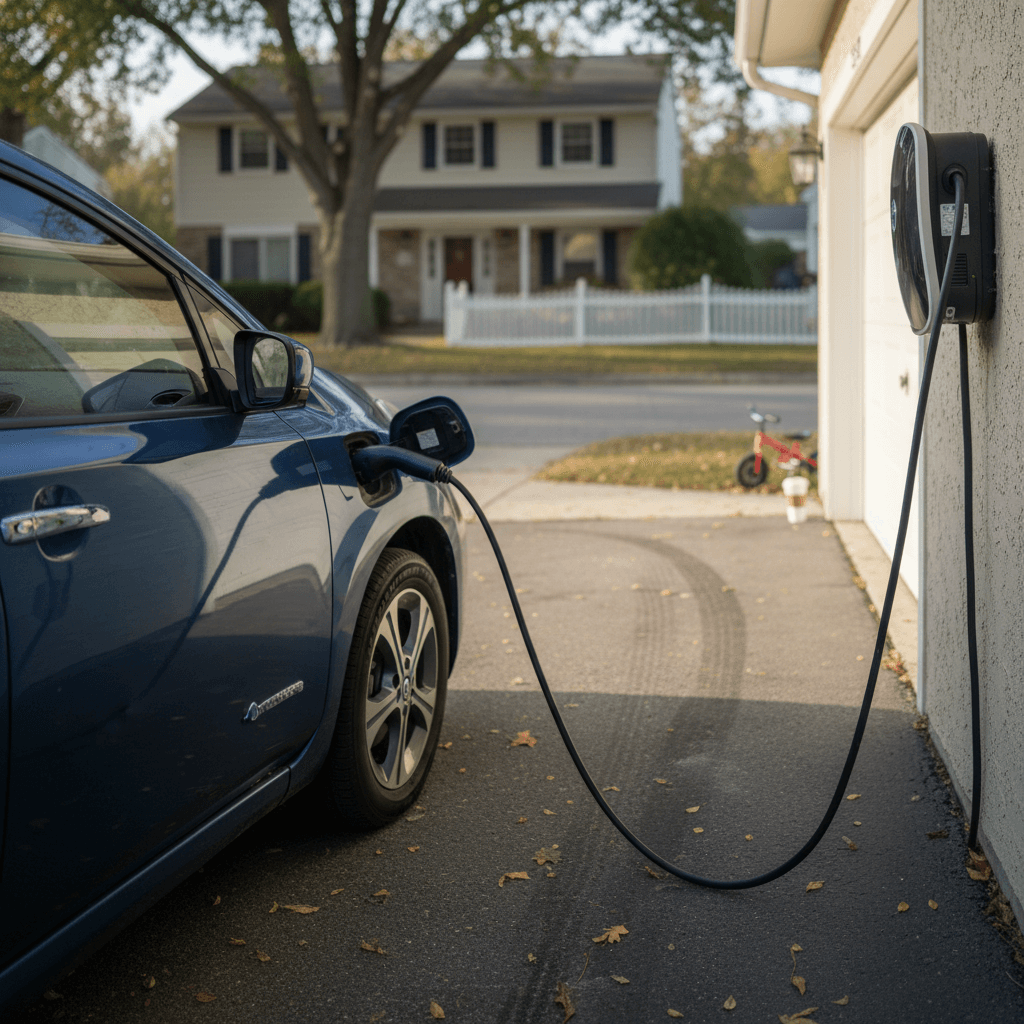
The biggest daily‑life win of a short‑distance EV commute is that you don’t live at public chargers. A simple home setup and light‑touch routine turn your car into an appliance: it just works.
Set Up a Low‑Stress Charging Routine
1. Decide if Level 1 is enough
If you only drive 25 miles a day and can plug into a standard 120V outlet overnight, you might recover 3–5 miles of range per hour, sometimes enough to stay afloat. It’s slow, but for very short commutes and efficient cars, it can work.
2. Install (or access) Level 2
For most commuters, a 240V Level 2 charger at home or work is ideal. Adding 20–35 miles of range per hour means your battery is full long before morning, and you can easily top up after errands.
3. Aim for a simple schedule
Instead of micro‑managing kilowatts, pick a schedule: for example, charge to 80% overnight on weekdays, 100% on Thursday night for weekend flexibility. Many EVs and smart chargers can automate this around off‑peak electricity rates.
4. Baby the battery without obsessing
With a 25‑mile commute you don’t need to charge to 100% daily. Living in the 20–80% window is generally kinder to lithium‑ion packs over time. Occasional 100% charges for trips are fine.
5. Know your public backup plan
Even if you barely use them, save your local DC fast‑charging stations in your phone and your car’s nav. On the rare day you forget to plug in, a 10–15 minute top‑up can rescue your commute.
Apartment Dwellers: Don’t Skip the Charging Reality Check
Comfort, Tech, and Safety for Daily Driving
In a 25‑mile commute car, you’ll spend far more time interacting with the seat, climate controls and driver‑assist systems than with the charge port. This is where even modestly priced EVs can feel more relaxing than their gas‑powered peers.
Daily‑Commute Features That Matter Most
Put these ahead of 0–60 times
Supportive seats & heat
You’ll feel a mediocre seat every single day. Look for adjustable lumbar, quality foam, and heated seats/steering wheel if you live in a cold climate, preconditioning an EV cabin on shore power is one of the underrated perks.
Quiet, effective HVAC
A well‑tuned heat pump or efficient resistive heater makes winter mornings much nicer and preserves range. Test how quickly the car defogs and warms up during your test drive.
Driver‑assist that actually helps
Adaptive cruise, lane‑keeping and blind‑spot monitoring turn grinding freeway commutes into manageable chores. Focus on systems that feel natural, not intrusive, overly twitchy lane‑keeping can be more tiring than doing it yourself.
For a short commute, the EV that keeps you the calmest is usually the one that saves you the most, because it’s the car you’re happy to keep for a long time.
How to Choose the Right EV for Your 25‑Mile Commute
Commuter EV Buying Checklist
1. Confirm your real daily mileage
Include side trips: daycare drop‑offs, gym, grocery store. If your real number is 35–40 miles instead of 25, it nudges you toward the higher end of the range spectrum.
2. Pick a range band, not a hero number
Decide whether you’re comfortable in the <strong>120–150 mile</strong> band (city‑only, second car) or want the <strong>200–260 mile</strong> sweet spot (road‑trip capable). Then only shop EVs that qualify.
3. Be honest about charging
Do you have a driveway or garage? Can you install a 240V outlet? If not, does your workplace offer charging, or is there a reliable public station near home? Your answers here will matter more than an extra 20 miles of rated range.
4. Test the commute, not the drag strip
On a test drive, replicate your worst‑case commute: rush‑hour traffic, lane changes, parking. Pay attention to visibility, seat comfort, pedal calibration, and how the driver‑assist behaves.
5. For used EVs, demand real battery data
Ask for a battery health report, not just a dashboard guess. On Recharged, the Recharged Score includes <strong>instrumented battery diagnostics</strong>, so you know whether that tempting deal will still cover your commute comfortably in five winters, not just this summer.
6. Think resale and time horizon
If you plan to keep the car 7–10 years, prioritize proven reliability and battery chemistry over fancy tech. If you’ll likely sell in 3–5 years, models with stronger resale records (like Model 3 and some Korean crossovers) may be worth a price premium.
FAQ: 25‑Mile EV Commutes
Frequently Asked Questions About Short EV Commutes
Bottom Line: The Sweet Spot EV for a 25‑Mile Commute
If you drive about 25 miles a day, you don’t need a spaceship. You need an electric car that starts every morning, shrugs off bad weather, and turns the grind into something close to a non‑event. In practice, that means a compact or midsize EV with at least 150 miles of real‑world range, a sane charging plan, and a cabin you’re happy to sit in 250 times a year.
For many commuters, the bullseye is a used Chevy Bolt EV/EUV, Hyundai Kona Electric, Kia Niro EV, or Tesla Model 3, cars that mix efficiency, comfort and post‑depreciation value. If you want help sorting the gems from the question marks, you can browse curated, battery‑verified listings and Recharged Score Reports on Recharged, and have an EV matched to your 25‑mile life delivered right to your driveway.