If you’re eyeing a Porsche Taycan in 2026, especially on the used market, you’re probably wondering whether the car’s breathtaking performance is matched by long‑term reliability. The Taycan launched in 2019, which means early cars now have real miles and years on them. That gives us enough data to talk honestly about Porsche Taycan reliability in 2026, from battery life and software glitches to recalls and running costs.
Bottom line up front
Porsche Taycan reliability in 2026: the short version
Porsche Taycan reliability snapshot for 2026
Zoomed out, the Taycan’s reliability story in 2026 looks like this:
- Mechanical durability is generally good. Porsche’s chassis, brakes and drivetrains age well if serviced on schedule.
- The big variables are electronics and charging behavior. Infotainment glitches, range‑display quirks and occasional charging errors are the most common complaints, not catastrophic drivetrain failures.
- Battery life is tracking in line with other modern EVs. Real‑world data to date suggests moderate, manageable degradation rather than dramatic drop‑offs, assuming normal use and charging habits.
- Early 2020–2021 cars had more teething issues. By 2023–2025, many of those early bugs had been addressed with updated parts and software.
- Out‑of‑warranty risk is real. When things do go wrong, Porsche‑level parts and labor mean Porsche‑level invoices. Extended coverage, careful shopping and a solid pre‑purchase inspection are critical.
How Recharged fits in
How Porsche Taycan reliability has evolved since launch
The context matters: the Taycan was Porsche’s first mass‑market EV and one of the earliest 800‑volt performance platforms. Unsurprisingly, the earliest cars saw more software and charging‑system drama than the later ones. By 2024 and 2025, owner‑reported reliability had improved, and Porsche had multiple recall and software campaigns behind it.
Taycan reliability by model year generation
What’s changed from early cars to the latest 2025 refresh
2020–2021: Early adopters
- First‑generation hardware and software.
- More reports of charging faults, random warning messages and infotainment freezes.
- Several recalls for power loss, electronics and safety systems.
Great to drive, but these are the cars where a thorough history check and up‑to‑date software matter most.
2022–2023: Mid‑cycle refinement
- Incremental updates to power electronics, thermal management and infotainment.
- Many early issues addressed under warranty and service campaigns.
- Still some software gremlins, but fewer “tow‑truck” stories than launch cars.
A sweet spot if you want value and don’t need the absolute newest battery tech.
2024–2025: Major update
- Revised battery chemistry and improved 800‑V charging profile, with quicker 10–80% fast‑charge times.
- Refreshed infotainment, improved range estimates and more mature software stack.
- Reliability trending better than the earliest years, based on owner data and internal metrics.
These tend to be the least troublesome Taycans so far, though they still carry Porsche‑level repair costs.
How Porsche is scoring with owners
Common Porsche Taycan problems to watch for
Like any complex luxury EV, the Taycan has patterns. Not every car will see these issues, but these are the problems that show up repeatedly in owner reports, lemon‑law cases and service bulletins.
Typical Porsche Taycan reliability issues (2020–2025)
Use this as a checklist when you test‑drive or review service records.
| System | Common symptoms | How serious is it? | What you should do when shopping |
|---|---|---|---|
| Battery & charging | • DC fast‑charge sessions that fail or time out • “Error charging” messages at public stations • Slower‑than‑expected fast‑charge speeds • Occasional overheating notices | Can be serious if it strands you, but many cases trace back to software or particular chargers rather than a dying pack. | Check service records for charging‑system updates; fast‑charge the car during your test drive and watch for repeatable errors. |
| Infotainment & connectivity | • Frozen or black main screen • Slow boot‑up in cold weather • Bluetooth and CarPlay disconnects • Porsche Connect app not syncing | Annoying more than dangerous, but you’ll live with the system every day. | On a test drive, cycle the system several times, pair your phone, run navigation and media, and note any lag or glitches. |
| Driver‑assist & sensors | • Spurious collision‑warning beeps • Lane‑keep or adaptive cruise dropping out • Park‑assist warnings when nothing is nearby | Usually software or sensor‑alignment related; occasionally requires module replacement. | Scan for stored fault codes and confirm alignment or sensor repairs were done after any accident or curb incident. |
| Body & hardware | • Frameless window indexing issues • Charge‑door misalignment or failure to open • Occasional water ingress reports on early cars | Mostly nuisance issues, but ignored water leaks can cause bigger electrical problems. | Inspect seals around doors, trunk and charge door; check for moisture in the trunk and under the floor. |
| High‑voltage battery modules (rare but expensive) | • HV system warnings and limp mode • Car refusing to charge at all • “Red battery” or shutdown events | Rare relative to fleet size, but extremely costly if out of warranty. | Confirm remaining battery warranty, review any HV‑system repairs, and lean on a professional battery health report before you buy. |
Severity ranges from mild annoyance to serious safety concern, your goal is to confirm what’s already been fixed and what’s still lurking.
Don’t overreact to one forum post
Key Porsche Taycan recalls and software updates
From launch through 2025, the Taycan has been subject to several recalls and service campaigns covering powertrain behavior, airbags, electrical systems and software. Most well‑maintained cars will have had this work done by now, but you should never assume.
- Powertrain and power‑loss recalls: Early Taycans saw campaigns aimed at preventing sudden loss of drive due to software or inverter issues. Any 2020–2021 car you’re considering should show these as completed.
- Airbag and seat‑occupancy issues: Some 2022–2023 cars were recalled for passenger airbag deactivation tied to seat‑heating mats and occupancy detection. This is safety‑critical; confirm completion on any affected VIN.
- Charging‑system and 12‑V battery updates: Multiple software updates recalibrated the interaction between the high‑voltage and 12‑V systems to reduce no‑start conditions and charging faults.
- Infotainment and connectivity campaigns: Porsche has rolled out periodic over‑the‑air (OTA) and dealer‑installed updates to patch stability issues with the PCM (Porsche Communication Management) system, navigation and app connectivity.
- Ongoing minor campaigns: As with any modern EV, you’ll see a drumbeat of small field fixes for items like lighting, HVAC control logic and sensor calibration.
How to verify recall and campaign history
Taycan battery life, degradation and fire concerns
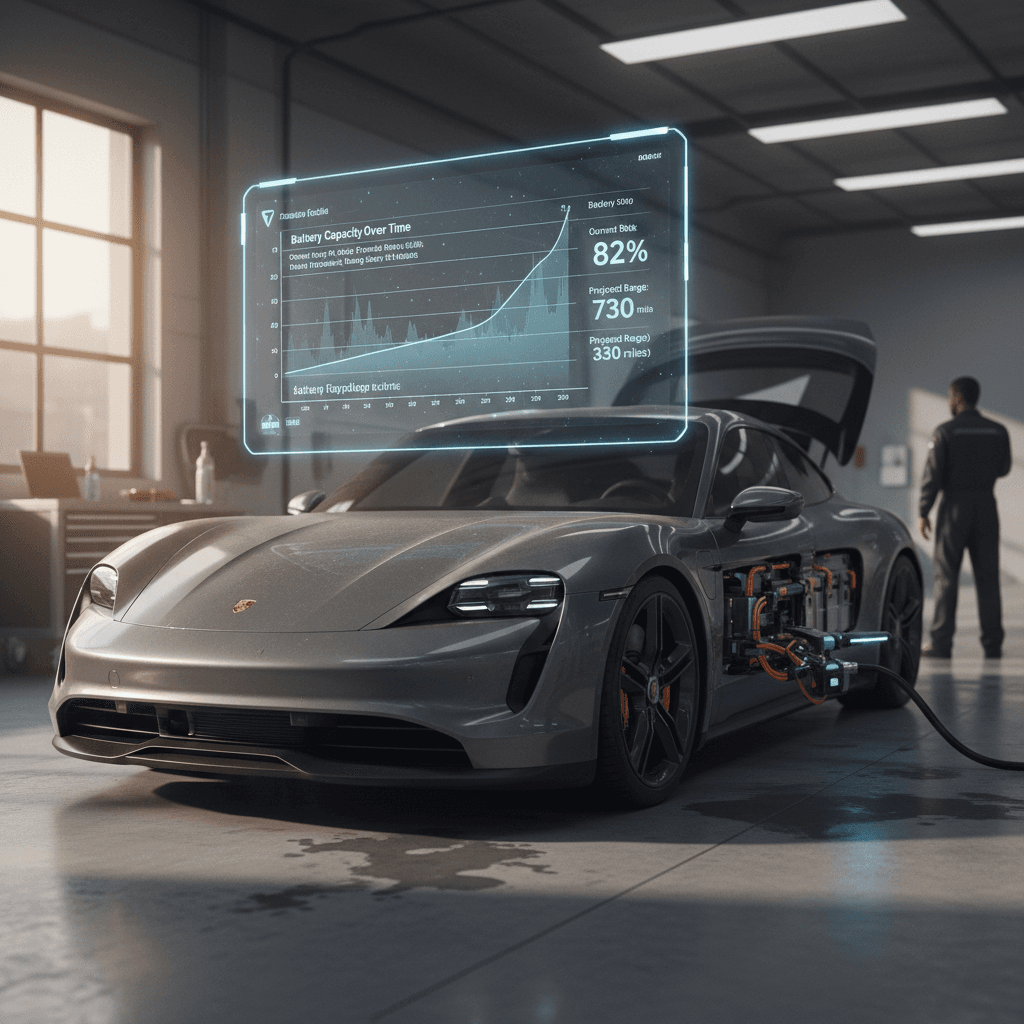
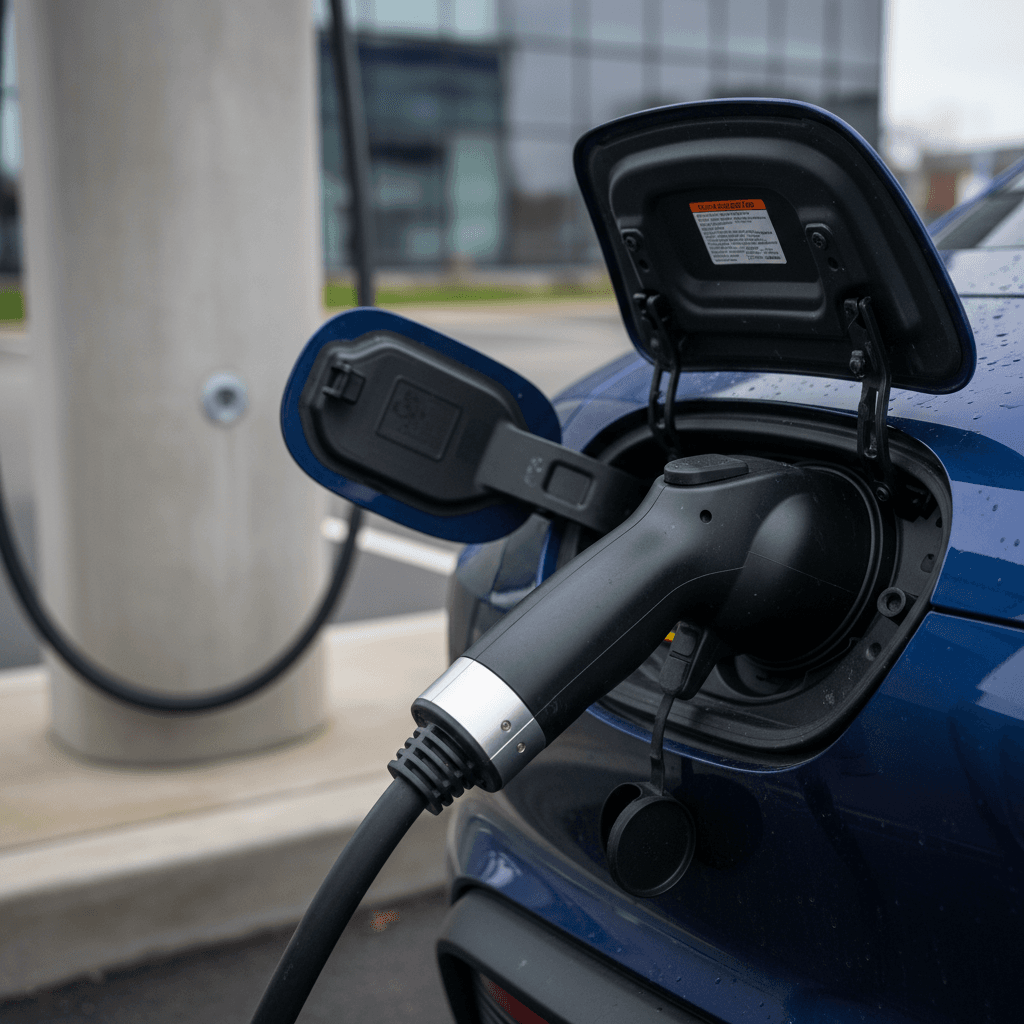
Battery life is the heart of any EV reliability discussion, and the Taycan is no exception. The good news: there’s no evidence of widespread, abnormal degradation unique to the Taycan so far. The picture that’s emerging looks similar to other modern liquid‑cooled EVs, modest early capacity loss that flattens out over time, strongly influenced by heat, high state of charge and fast‑charging habits.
What we know about Taycan battery longevity
Battery reliability is better than the headlines suggest, but details matter.
Degradation so far
- Owner and fleet data indicate average EV battery loss of roughly 2–3% capacity per year under mixed use, and Taycan results appear to fall in that ballpark.
- Many early‑build Taycans report ~90–95% battery health after several years of use.
- Porsche’s software keeps a buffer at the top of the pack, so a displayed “100%” is not literal 100% of cell capacity, this helps slow wear.
How use affects battery health
- Frequent DC fast charging at high power, especially in hot climates, accelerates wear.
- Letting the car sit at very high or very low state of charge for days isn’t ideal.
- Most owners who charge to a moderate level (around 80–85%) and keep the car in a garage see modest, predictable degradation.
About fires and high‑voltage failures
Porsche backs the Taycan battery for 8 years (or roughly 100,000 miles in the U.S.) against excessive capacity loss, usually defined as dropping below around 70% usable capacity. That warranty structure only exists because Porsche expects the vast majority of packs to stay above that threshold under real‑world use.
How Recharged measures Taycan battery health
Ready to find your next EV?
Browse VehiclesWhat reliability looks like on a used Taycan in 2026
By 2026, you’ll find Taycans across a wide price and mileage spread, from early 2020 sedans with six‑figure odometer readings to nearly new 2025 cars. Reliability expectations should shift with age and usage.
Scenario 1: Early 2020–2021 Taycan, 60k–90k miles
- Pros: Lower price, plenty of real‑world data, most major recalls already addressed.
- Cons: Closest to battery‑warranty expiration, most complex systems have had the most time to develop issues.
- What to demand: Full dealer service history, proof that all recall and software campaigns are done, and a formal battery‑health report.
Scenario 2: 2023–2025 Taycan, 10k–40k miles
- Pros: Newer hardware and software, multiple years of battery warranty remaining, improved charging performance.
- Cons: Higher purchase price, still complex electronics and repair costs.
- What to demand: Documentation of regular service, confirmation of any early‑life software campaigns, and a test drive that includes DC fast charging.
Why mileage alone doesn’t tell the story
Ownership costs, maintenance and warranty coverage
Reliability isn’t just “Will it break?”, it’s also “If it does, how painful will it be?” The Taycan can deliver years of drama‑free service, but when something does go wrong, it rarely feels cheap.
Cost and coverage realities for Taycan owners
Where reliability intersects with your wallet.
Routine service
- No oil changes, but Porsche still requires periodic inspections, brake‑fluid flushes and filter replacements.
- Costs are broadly in line with other luxury brands, and higher than mainstream EVs.
- Regenerative braking helps brake pads and rotors last a long time if you drive smoothly.
Factory warranties
- 4‑year / 50,000‑mile new‑vehicle limited warranty on most components.
- 8‑year high‑voltage battery warranty with a capacity floor typically around 70%.
- Certified Pre‑Owned (CPO) cars may extend coverage, but at a premium price.
Big‑ticket repairs
- Out‑of‑warranty work on electronics, air suspension or power electronics can run into the thousands.
- In the rare event of a major HV battery repair, costs can be eye‑watering without coverage.
- This is why many used buyers prioritize warranty time over saving every last dollar upfront.
How Recharged handles risk and cost
How to check a Taycan’s reliability before you buy
No article can predict the future of a single car, but you can stack the odds in your favor. Here’s a practical pre‑purchase checklist tailored to Taycan reliability quirks.
Pre‑purchase Taycan reliability checklist
1. Pull complete service and campaign history
Ask for dealer service records and a list of completed recalls or campaigns. You want to see the big powertrain and safety fixes, plus routine maintenance like brake‑fluid flushes.
2. Get a real battery‑health assessment
Don’t rely on the guess in the instrument cluster. Use a detailed battery‑health report, like the Recharged Score, or have a Porsche dealer pull pack data, including state of health, charge cycles and any HV‑system fault codes.
3. Test AC and DC charging
Charge the car overnight on Level 2 if possible, then hit a known‑good DC fast charger. Watch for error messages, sessions that abort, or charge curves that fall off dramatically compared to what the car should deliver.
4. Abuse the infotainment gently
On your test drive, cold‑start the car, boot the infotainment, run navigation, Bluetooth audio and CarPlay or Android Auto. Note any freezes, black screens or random reboots, it’s better to discover them now.
5. Scan for warning lights and stored codes
Even if no warnings are lit, a professional scan can surface past or intermittent HV, sensor or driver‑assist issues. Consider this mandatory for an out‑of‑warranty Taycan.
6. Inspect for water ingress and underbody damage
Check the trunk well, underfloor storage and carpet edges for moisture or staining. If possible, have a shop put the car on a lift to inspect the battery undertray for impact damage, one big hit can turn into a very expensive problem later.
“High‑end EVs don’t fail more often than mainstream cars, but when they do, the gap between a well‑documented, well‑inspected example and a mystery car can easily be five figures.”
Porsche Taycan reliability 2026: FAQ
Frequently asked questions about Porsche Taycan reliability in 2026
So, is the Porsche Taycan a reliable EV in 2026?
Taken as a whole, the Porsche Taycan reliability story in 2026 is nuanced. This is not a low‑tech, set‑it‑and‑forget‑it appliance, it’s a cutting‑edge, 800‑volt performance EV packed with electronics, software and high‑dollar components. When maintained properly and chosen carefully, it can be impressively dependable for what it is, with batteries that hold up well and drivetrains that shrug off miles. But it rewards informed, detail‑oriented shoppers and punishes those who treat it like just another used luxury sedan.
If you’re willing to do that homework, or partner with a specialist who will, the Taycan can absolutely be a smart, reliable EV purchase in 2026. Focus on newer builds, bulletproof documentation, clear battery‑health data and solid warranty coverage, and you’ll spend more time enjoying the car than worrying about what might go wrong.