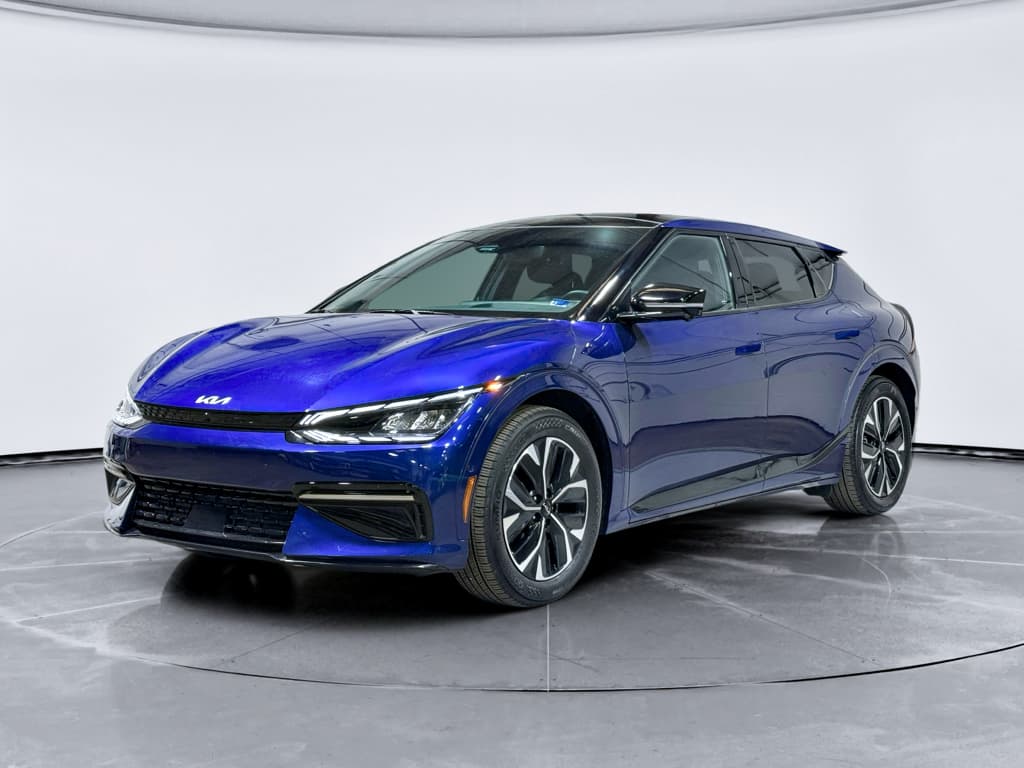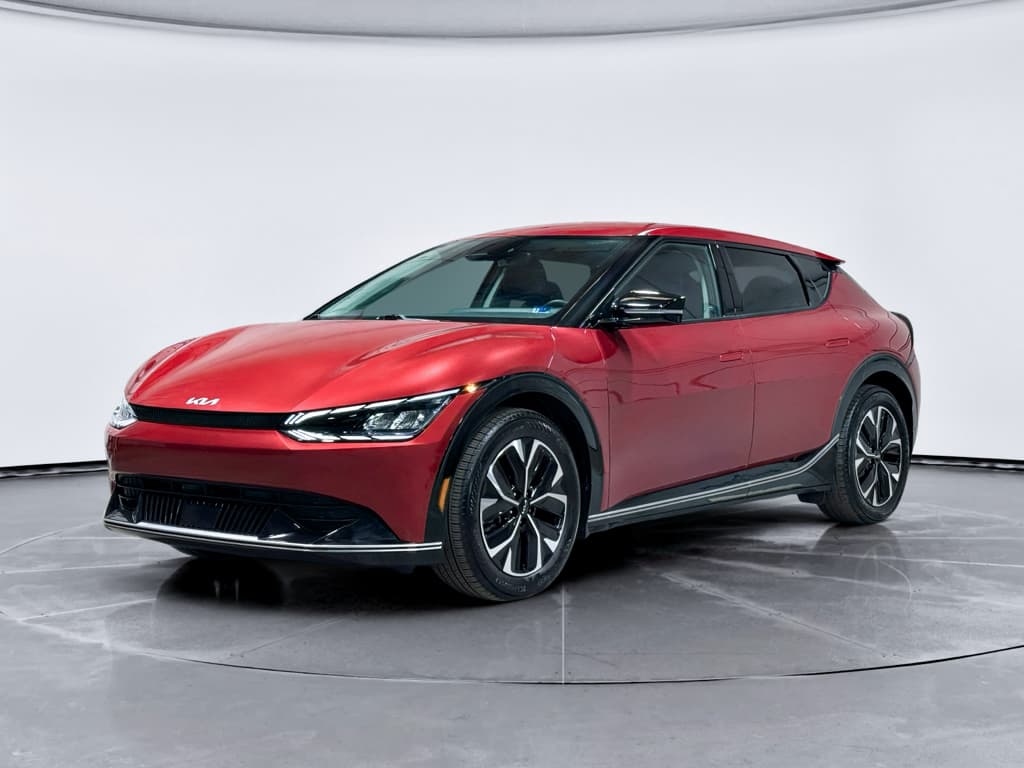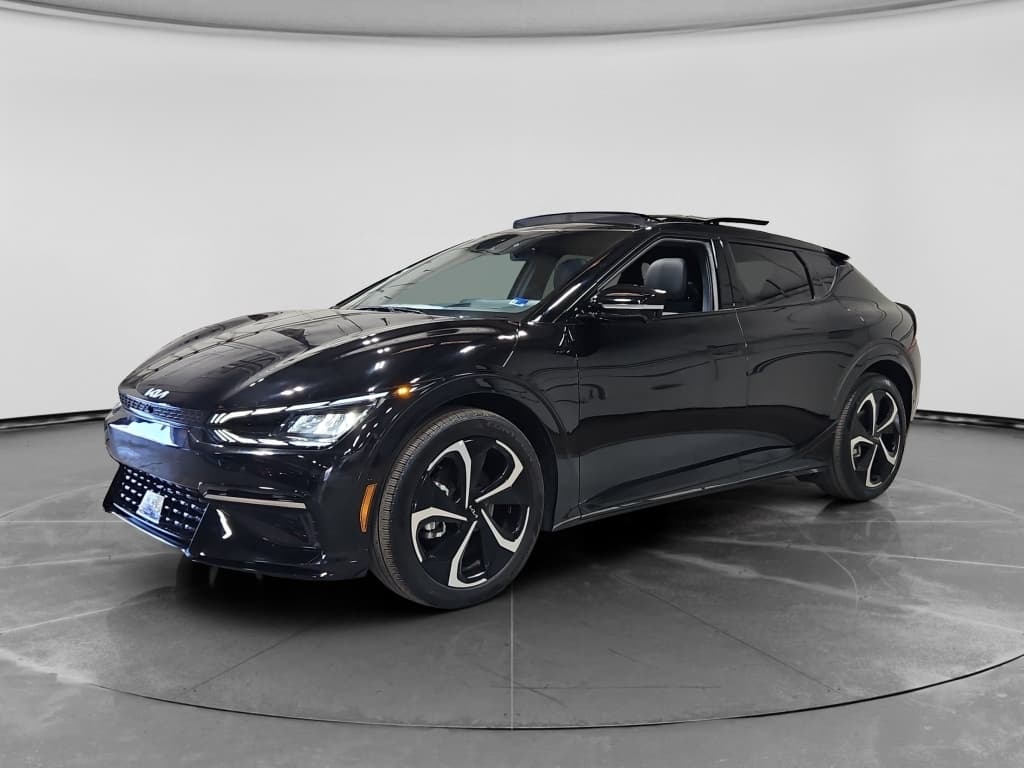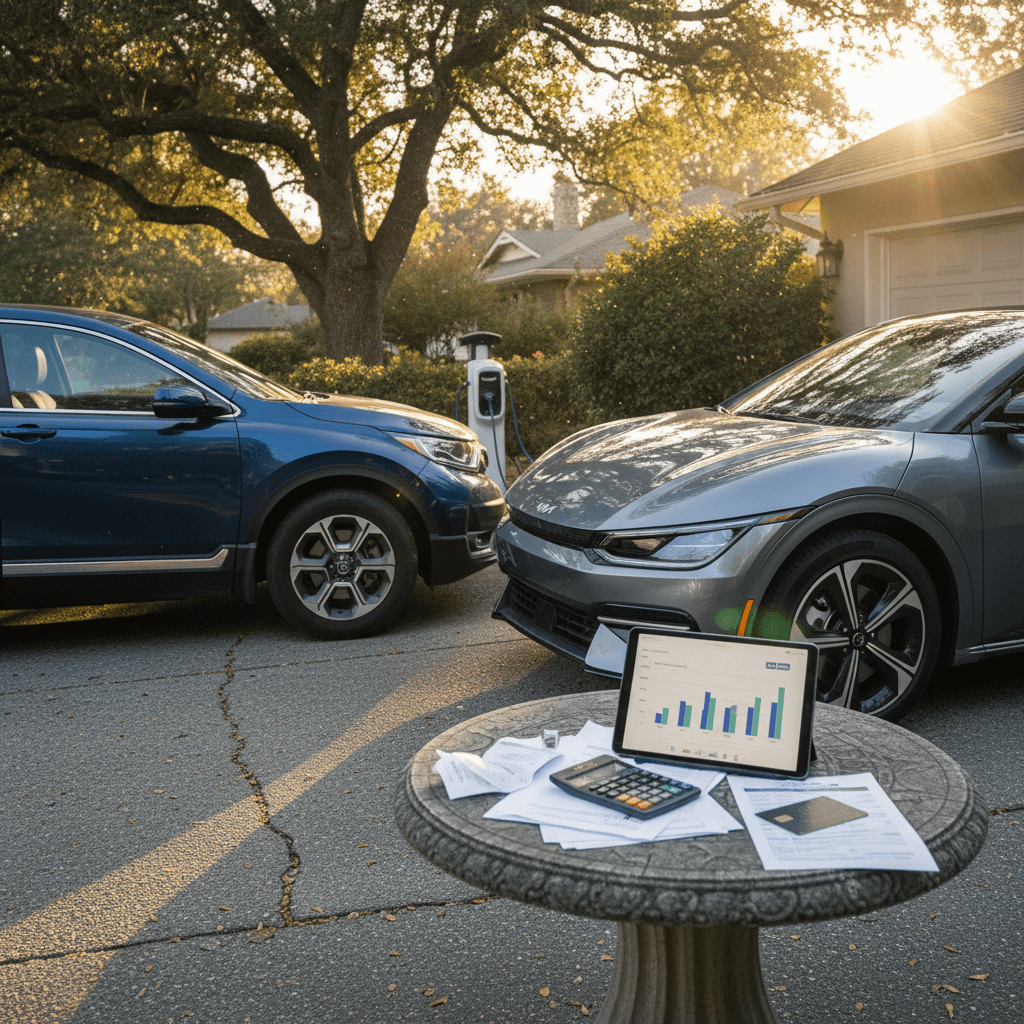
If you’ve been driving a Honda CR‑V and you’re eyeing a Kia EV6, you’re probably wondering one thing: how much money will you actually save by going electric? This guide walks through the real‑world cost savings of switching from a Honda CR‑V to a Kia EV6, fuel, maintenance, insurance, and upfront price, using realistic U.S. averages as of 2024–2026.
Numbers you’ll see in this article
Who this guide is for
This guide is written for CR‑V owners and shoppers who want a realistic, no‑nonsense look at costs. Maybe you drive 10,000–15,000 miles a year, use your CR‑V for commuting and family duty, and you’re considering a Kia EV6, especially a used EV6 where the pricing is more approachable. We’ll assume you’re in the U.S., have access to at least some home or workplace charging, and you plan to keep the vehicle at least 5 years.
Quick answer: how much can you save?
Typical 5‑year savings: Honda CR‑V vs. Kia EV6
Why a used EV6 often makes the most sense
Baseline assumptions: Honda CR‑V vs Kia EV6
There are many configurations of the CR‑V and EV6, but for clear math we’ll use common, mainstream trims:
Typical comparison: recent Honda CR‑V vs Kia EV6
Representative trims and efficiency numbers to anchor the cost comparison. Exact figures vary by model year and drivetrain, but this is a realistic middle‑of‑the‑road scenario.
| Model | Example trim | Drivetrain | Efficiency (EPA style) | Energy use per 100 miles |
|---|---|---|---|---|
| Honda CR‑V (gas) | 2023–2024 CR‑V EX AWD, 1.5T | Gasoline | ≈28 mpg combined | ≈3.6 gallons / 100 miles |
| Kia EV6 (EV) | 2024 EV6 Long Range RWD | Electric | ≈31 kWh / 100 miles | ≈31 kWh / 100 miles |
If your CR‑V is older or less efficient, your EV6 savings will likely be even larger.
Hybrid CR‑V is a different story
Fuel vs. electricity: where the big savings start
Let’s run the numbers on a typical U.S. driver going 12,000 miles per year. We’ll compare what you’d spend on gas in a CR‑V to what you’d spend on electricity in a Kia EV6 charged mostly at home.
Annual gasoline cost – Honda CR‑V
- Miles per year: 12,000
- Fuel economy: ≈28 mpg combined
- Gas used: 12,000 ÷ 28 ≈ 429 gallons
- Gas price (national avg): ≈$4.00/gal
429 gallons × $4.00 ≈ $1,716 per year in fuel.
Annual electricity cost – Kia EV6
- Energy use: ≈31 kWh / 100 miles
- kWh per year: 12,000 ÷ 100 × 31 ≈ 3,720 kWh
- Home electricity cost: ≈$0.17 / kWh (national residential avg)
3,720 kWh × $0.17 ≈ $632 per year in electricity if you mostly charge at home.
Your typical annual fuel vs. electricity spend
What if you use public fast chargers?
Maintenance and repairs: EV6’s quiet advantage
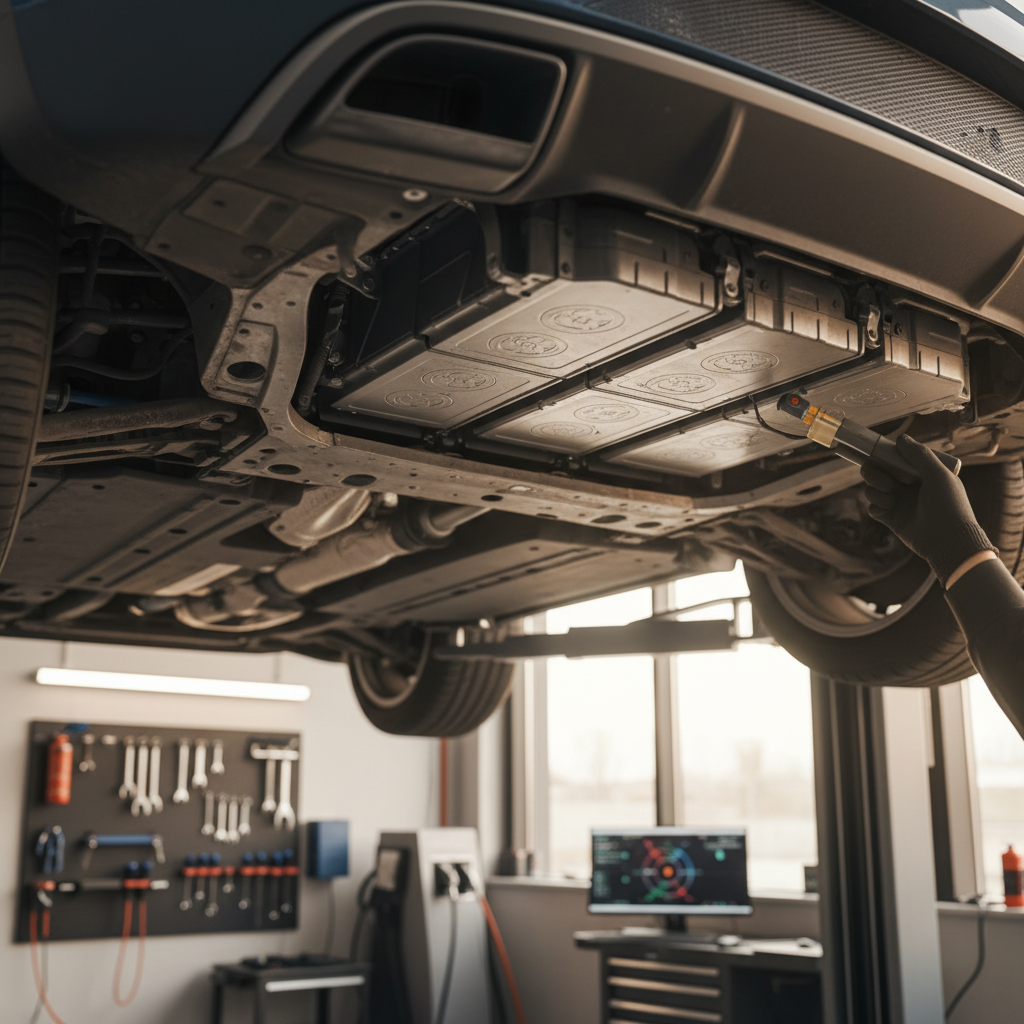
A big part of the long‑term savings from switching from a Honda CR‑V to a Kia EV6 comes from what you stop maintaining: no oil, no transmission fluid, far fewer moving parts. Let’s look at realistic 5‑year expectations.
What you maintain: CR‑V vs. EV6
Over five years of typical ownership
Oil & engine service
CR‑V: Oil changes every 5k–10k miles, engine air filter, spark plugs, belts, and more over time.
EV6: None. Electric motors don’t need oil changes or tune‑ups.
Transmission & driveline
CR‑V: Transmission fluid services plus the usual risk of transmission‑related repairs as the miles climb.
EV6: Single‑speed reduction gear, no multi‑gear transmission to service.
Brakes & wear items
CR‑V: Conventional brakes do most of the work.
EV6: Strong regenerative braking means pads and rotors often last far longer.
Estimated 5‑year maintenance/repairs: CR‑V vs EV6
These are ballpark averages for out‑of‑warranty ownership, excluding accidents and tires (similar for both).
| Cost item (5 years) | Honda CR‑V (gas) | Kia EV6 (EV) |
|---|---|---|
| Oil & filter changes | $600–$900 | $0 |
| Engine, cooling, exhaust services | $500–$1,200 | $0–$300 (coolant service only, long intervals) |
| Transmission service/repairs | $400–$1,000 | Minimal (simple drivetrain) |
| Brake pads & rotors | $400–$800 | $200–$400 (later and less frequent) |
| Misc. ICE‑only items (belts, plugs, etc.) | $300–$700 | $0 |
| Estimated total (5 years) | ≈$1,900–$4,600 | ≈$600–$1,700 |
Actual costs vary by mileage, region, and how strictly you follow service intervals.
Battery anxiety vs. battery reality
Insurance and other ownership costs
Insurance is the wild card. EVs can be slightly more expensive to insure than equivalent gas SUVs because of higher parts prices and repair costs, but it’s heavily dependent on your ZIP code, driving record, and chosen coverage.
- In many markets, a Kia EV6 will cost about the same or up to a few hundred dollars more per year to insure than a late‑model CR‑V.
- If you’re moving from an older CR‑V to a much newer EV6 with higher replacement value, expect some insurance increase simply due to vehicle value.
- Shopping quotes from multiple insurers and asking about EV discounts, telematics programs, and low‑mileage discounts can close or erase that gap.
Don’t forget registration and taxes
Upfront price: new vs. used Honda CR‑V and Kia EV6
Fuel and maintenance savings are meaningful, but they have to be weighed against what you pay up front. Late‑model CR‑Vs and EV6s occupy similar territory on the used market, while new EV6s often sticker higher than new CR‑Vs.
Typical price ranges (U.S. market, early‑mid 2020s)
Approximate transaction price ranges. Exact pricing will depend on year, mileage, trim, incentives, and market conditions.
| Vehicle | New price ballpark | Used price ballpark (3–4 yrs, avg miles) |
|---|---|---|
| Honda CR‑V EX / EX‑L (gas) | Low–mid $30,000s | Low–mid $20,000s |
| Kia EV6 Wind / GT‑Line | High $40,000s to $50,000s+ | Mid–high $20,000s to mid $30,000s |
Used pricing is where EV6 can become very competitive, especially when you factor in fuel and maintenance savings.
How incentives change the picture
How buying a used Kia EV6 with Recharged changes the math
Buying new is only one path. The most compelling savings for many CR‑V owners come from moving into a used Kia EV6 that’s already taken its biggest depreciation hit, while you still enjoy years of low running costs.

Why a used EV6 through Recharged can sharpen your savings
Lower price in, more confidence kept
Verified battery health
Every EV6 sold on Recharged comes with a Recharged Score Report that quantifies battery health and range, so you’re not rolling the dice on the most important component.
Fair, transparent pricing
Recharged benchmarks each vehicle against the market and its battery health, so you can see how the asking price lines up with real value, and with what you’d spend to keep a CR‑V on the road.
EV‑specialist support & delivery
From answering CR‑V‑to‑EV questions to arranging nationwide delivery and helping you line up home charging, Recharged specializes in making the switch feel easy, not experimental.
Ready to find your next EV?
Browse VehiclesRun your own numbers with your CR‑V
Charging practicalities for former CR‑V drivers
Cost savings only matter if the car still fits your life. The good news is that for many CR‑V owners, an EV6 slides into their routine more smoothly than they expect, especially around charging.
How your routine changes: gas station vs. plug
Three common scenarios for CR‑V owners going electric
Home garage or driveway
If you can install a Level 2 home charger, most of your “fueling” happens while you sleep. At 25–35 miles of range per hour of charging, you wake up with a full battery most days.
Apartment or no home charger
Here, your savings depend on access to workplace chargers or reasonably priced public Level 2. You’ll likely still save vs. gas, just not as dramatically as a homeowner with off‑peak electricity rates.
Frequent highway trips
If you road‑trip often, you’ll rely more on DC fast charging. It’s still typically cheaper than gas per mile, but it eats into your advantage. The EV6’s strong fast‑charge speeds help keep stops short.
Plan your charging once, then stop thinking about it
Checklist: is switching from CR‑V to EV6 worth it for you?
CR‑V to EV6 decision checklist
1. How many miles do you drive per year?
If you’re under 8,000 miles annually, the fuel savings are mild. Above 12,000 miles, the EV6’s cost advantage gets hard to ignore, especially over 5–10 years.
2. Can you charge where you live or work?
Home Level 2 charging is the jackpot for savings. Workplace or frequent public Level 2 access is a solid second place. If you rely mostly on expensive DC fast charging, pencil the numbers carefully.
3. Are you moving from a gas or hybrid CR‑V?
Switching from a non‑hybrid CR‑V maximizes fuel savings. If you own a CR‑V Hybrid, you’ll still likely save, but purely on fuel the gap narrows.
4. What’s your timeline with the next vehicle?
The savings really shine over <strong>5+ years</strong>. If you tend to keep cars a long time, the EV6 moves further ahead each year. Short‑term leases? The financial story is more about incentives and monthly payment.
5. How do you feel about upfront cost vs. monthly cash flow?
A used EV6 can have a similar or modestly higher purchase price than a CR‑V, but lower running costs. If your priority is freeing up monthly cash (fuel + maintenance), the EV6 usually wins.
6. Do you value tech and performance upgrades?
Beyond dollars, the EV6 delivers instant torque, quiet cruising, and modern tech. If that matters to you, it can tip the scales even when the math is close.
FAQ: Switching from a Honda CR‑V to a Kia EV6
Frequently asked questions
Bottom line: when the switch really pays off
If you’re driving a gasoline Honda CR‑V and covering typical American miles, switching to a Kia EV6 can realistically save you around $5,000–$9,000 over five years once you blend fuel, maintenance, and potential incentives, especially if you choose a well‑priced used EV6. The financial case gets stronger the more you drive, the more you can rely on home or workplace charging, and the longer you plan to keep the car.
From there, it becomes less a question of “Is this cheaper?” and more a question of how you want your next five years on the road to feel: smoother, quieter, and with fewer gas‑station stops. If that sounds like your kind of upgrade, exploring a used Kia EV6 with a Recharged Score battery health report, transparent pricing, and EV‑specialist support is a smart way to turn those projected savings into something you can actually drive home.