If you’re shopping for, or already driving, a Porsche Taycan, you’ve probably heard the headlines: battery fire risk, cracked brake hoses, glitchy cameras. A clear, human‑readable Porsche Taycan recalls list is no longer a curiosity; it’s homework. The Taycan is brilliant to drive, but it has collected a surprising stack of recalls that every current and future owner should understand, especially in the used market.
Context: a great EV with a real paper trail
Why a Porsche Taycan recalls list really matters
With any used EV, you’re buying not just a car but its history of fixes. For the Porsche Taycan, that history includes: - A battery recall tied to a potential short circuit and fire risk - A nationwide front brake hose campaign on 2020–2025 cars - A massive backup‑camera software recall affecting 2019–2025 models - Earlier software recalls for sudden loss of power None of these make the Taycan a bad car. They do mean you should insist on documentation that recall work has actually been done, and understand what it means if it hasn’t.
Porsche Taycan recalls at a glance (U.S.)
Quick overview: major Taycan recalls by system
Major Porsche Taycan recalls by system and years
This summary is based on U.S. NHTSA campaigns and Porsche notices as of early 2026. Always plug a specific VIN into the official NHTSA search before you buy.
| System / issue | Approx. model years affected | What can happen | Typical remedy |
|---|---|---|---|
| High‑voltage battery short circuit & fire risk | 2020–2024 | Internal short can trigger a thermal event (fire risk) without warning. | Install advanced diagnostic software; monitor battery; replace modules or pack if needed; temporary 80% charge cap for some cars. |
| Front brake hoses cracking | 2020–2025 | Cracked hoses can leak fluid and reduce or lose front braking power. | Replace both front brake hoses with revised parts. |
| Backup camera signal loss | 2019–2025 | Rear camera image may fail to display when reversing, violating visibility rules. | Free software update to camera/surround‑view control units. |
| Sudden loss of motive power (earlier software issue) | 2020–2021 | Powertrain may shut down unexpectedly due to inverter communication error. | Update powertrain and inverter software; stored fault logic revised. |
| Various smaller software / labeling campaigns | Select years | Warning labels, headlight software, minor control‑unit issues. | Dealer software flash or part replacement as needed. |
Key Taycan recalls, organized by component and model years.
Recall list ≠ full repair history
Porsche Taycan battery recall: fire risk and the 80% charge cap
The headliner in any recent Porsche Taycan recalls list is the high‑voltage battery campaign covering most 2020–2024 cars. Certain LG‑supplied battery modules can develop internal damage that leads to a short circuit. In the worst case, that short can trigger a thermal event, industry euphemism for “fire.”
- U.S. NHTSA campaign: often referenced as 24V732000 and related Porsche internal codes (ARB4/ARB5/ARB6/ARB7).
- Model years: broadly 2020–2024 Taycan variants, including Cross Turismo and Sport Turismo derivatives.
- Risk: potential internal short circuit in one or more high‑voltage battery modules, with risk of overheating or fire, even when parked.
- Root cause: manufacturing issue at a battery supplier; packs were assembled in Poland using LG Energy Solution modules.
Why Porsche tells some owners “80% only”
Porsche’s long‑term fix is two‑part. First, it’s rolling out advanced diagnostic software that constantly monitors the pack for patterns hinting at internal damage. Second, where the software or dealer tests flag a problem, Porsche will replace affected battery modules, or, in some cases, an entire pack, at no cost to the owner.
What this means if you’re shopping used
Front brake hose recall: 2020–2025 Taycans
The Taycan’s second big safety headline is mechanical, not electric. Porsche has recalled roughly the entire 2020–2025 U.S. Taycan fleet for front brake hoses that can crack over time. Under certain steering and suspension movements, the hoses can be stressed, damaging the inner fabric and eventually leading to a fluid leak.
- Years affected: roughly 2020–2025 model years, built from late 2019 through mid‑2024.
- Symptom: soft brake pedal, longer stopping distances, warning lights, or in extreme cases, loss of front‑axle braking.
- Risk profile: rear brakes remain functional, but emergency stopping distances can increase dramatically.
- Remedy: dealers replace both front brake hoses with a re‑routed, reinforced design; previous customer‑paid repairs can typically be reimbursed.
Don’t ignore a soft pedal on any EV
Backup camera recall: 2019–2025 models
The newest kid on the block is a huge multi‑model recall that sweeps in roughly 34,000 Taycans from 2020–2025 because the backup camera image can intermittently cut out. The culprit is electrical noise between the control unit and the surround‑view cameras, which can leave you staring at a black screen instead of what’s behind you.
- Years affected: 2020–2025 Taycan, plus various 911, Cayenne and Panamera models.
- Risk: you may reverse without a working camera image, violating U.S. rear‑visibility standards and raising the odds of hitting a person, object, or another car.
- Remedy: a free software update at Porsche dealers. Initial owner letters are going out in early 2026, with follow‑up once the final software is ready.
Quick self‑check in a test drive
Earlier Taycan recalls: software shutoffs and other fixes
Before the big battery and brake stories, early Taycans had a more traditional kind of EV drama: sudden loss of drive power. In 2021, Porsche recalled tens of thousands of 2020–2021 cars because the power electronics could mis‑interpret a momentary glitch in communication between control units as a serious fault and shut the powertrain down.
- Model years: mainly 2020–2021 Taycan and Taycan 4S, including some early Cross Turismo builds.
- Symptom: warning messages about motor control or battery faults, followed by loss of motive power, even though the pack is healthy.
- Fix: updated software for inverters and related control units, changing how communication errors are interpreted and stored.
There have also been smaller Taycan‑specific campaigns, things like headlight software on U.S. cars originally configured to European standards, or control‑unit glitches that are irritating rather than dangerous. These tend to be cleaned up automatically when a car visits the dealer, but for a used‑car buyer they’re another reason to insist on a complete service printout.
How to check if a specific Taycan has open recalls
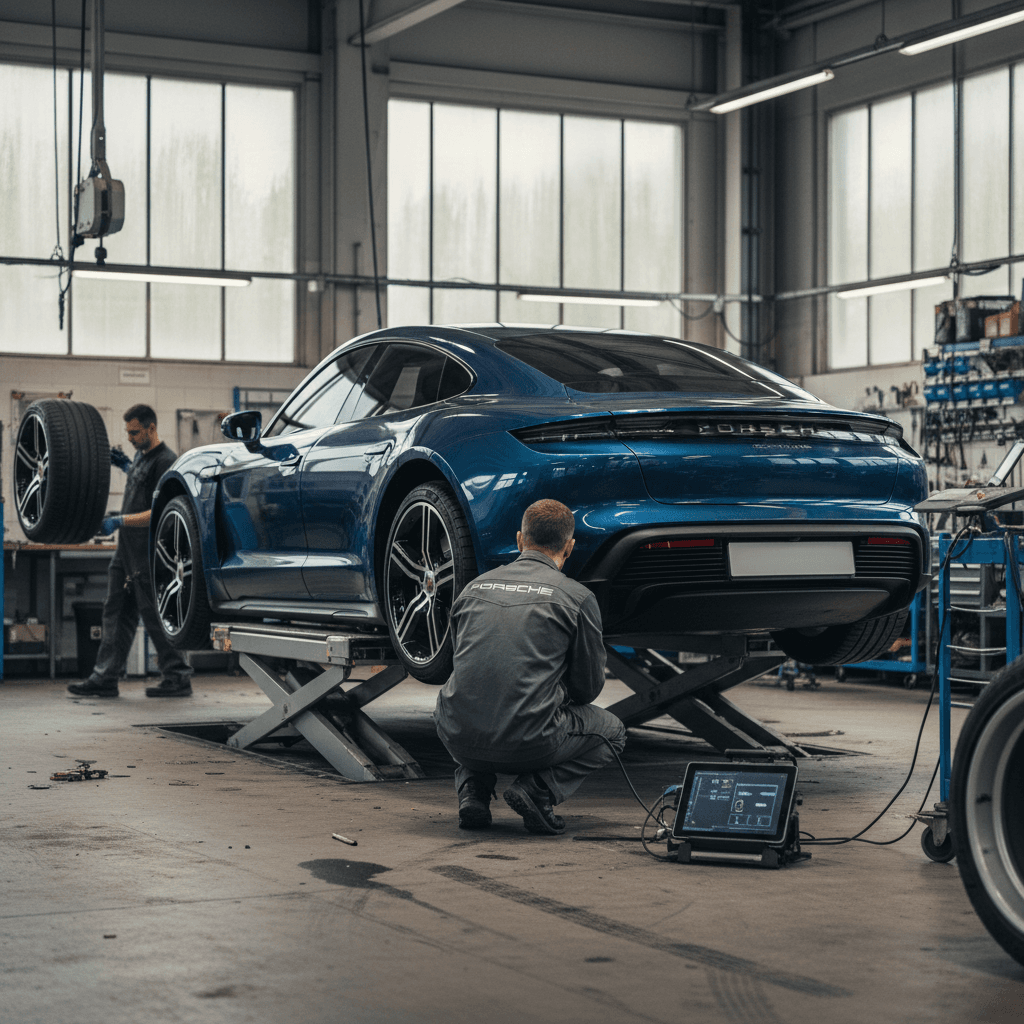
Three ways to verify Taycan recall status
Use all three if you’re serious about buying a used car.
1. Run the VIN on NHTSA.gov
In the U.S., the official recall source is the federal NHTSA database. Type the Taycan’s 17‑digit VIN into the lookup tool and you’ll see:
- All unrepaired safety recalls
- Campaign numbers and brief descriptions
- Whether a fix is available yet
2. Call a Porsche dealer
Service advisors can pull a factory warranty & campaign history for that VIN. Ask explicitly:
- Which recalls apply
- Which recalls are completed
- Any open service campaigns
3. Ask for documentation
Whether you’re buying from a dealer or private party, request:
- Latest service invoice showing recall work
- Any Porsche recall letters
- Battery diagnostics paperwork
“We think it was done” isn’t enough.
Beware of incomplete battery recall cars
Used Porsche Taycan buyers: what these recalls mean for you
How recalls can work in your favor
- Negotiating leverage: Open recalls, especially the battery campaign, are a legitimate reason to negotiate price or ask the seller to complete work before delivery.
- Free hardware: In rare cases, a bad diagnostic result can mean a no‑cost new battery pack, which dramatically improves long‑term ownership.
- Ongoing updates: Recall visits are a chance for the dealer to apply other software updates and check for non‑recall issues.
How recalls can bite you
- Time and hassle: Battery diagnostics and pack work can involve multiple visits or extended downtime.
- Temporary range hit: If your Taycan is capped at 80% charge during an interim fix, road trips get more complicated.
- Insurance & resale questions: Future buyers will ask exactly what you’re asking now: “Has every recall been done?” You’ll want a clean paper trail.
A well‑documented Taycan can be a smart used buy
How Recharged evaluates used Taycans differently
Recalls are binary on paper, open or closed, but in the real world there’s more nuance. At Recharged, we treat Taycan recalls as one part of a bigger safety and longevity picture, especially around the battery.
Inside a Recharged Porsche Taycan assessment
More than “no warning lights.”
Recharged Score battery diagnostics
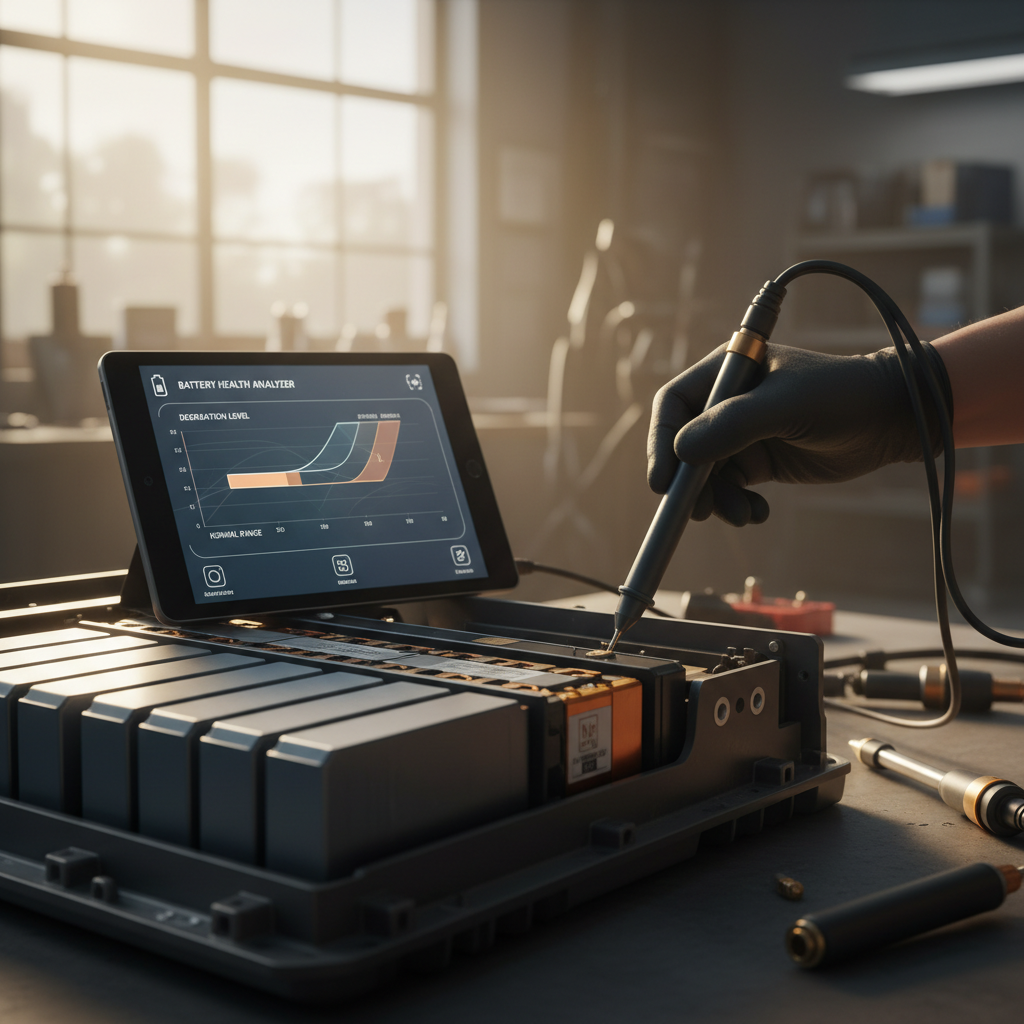
Every Taycan we list gets a Recharged Score Report with verified battery health. We use advanced diagnostics to estimate:
- Usable pack capacity
- Degradation versus original spec
- Charge‑and‑heat patterns that stress cells
Full recall & campaign audit
We verify recall status against factory data, not just a seller’s word. If a critical campaign, like the battery or brake hoses, is open, we either:
- Get it completed before listing, or
- Spell out clearly what’s outstanding.
End‑to‑end support & delivery
From remote paperwork to nationwide delivery, our EV specialists walk you through exactly what each recall meant for that specific car. No vague answers, no shrugging at “some battery thing.”
Ready to find your next EV?
Browse VehiclesIf you’re comparing a private‑party Taycan with a Recharged Taycan, factor in the cost, in dollars and time, of untangling recall status yourself. For a complex EV like this, expert‑guided support is not a luxury; it’s a warranty against headaches you haven’t thought of yet.
Owner action checklist if your Taycan is affected
Step‑by‑step if your Taycan appears in a recall
1. Confirm your VIN’s recall status
Run your VIN through the official NHTSA lookup and call a Porsche dealer. Make sure you know exactly which recalls apply and whether the remedy is available yet.
2. Prioritize safety‑critical items
Battery fire risk, brake hoses, and power‑loss software are at the top of the list. Schedule those fixes before cosmetic work or infotainment updates.
3. Follow any interim instructions
If Porsche has told you to limit charging to 80%, park outside, or avoid fast‑charging until the fix, do it. It’s not a suggestion; it’s the risk‑reduction plan.
4. Keep every piece of paperwork
Service invoices, recall letters, diagnostic printouts, file them. They will matter when you sell or trade the car, or if you ever need to argue about coverage.
5. Watch for new campaigns
Set a calendar reminder to re‑check your VIN for new recalls every few months. The Taycan is an evolving product; its recall story isn’t frozen in time.
6. If you’re overwhelmed, get help
If managing recalls and battery health feels like a second job, consider selling or trading to a specialist platform like Recharged that can handle the complexity for you.
Thinking about selling your Taycan?
Porsche Taycan recall FAQ
Frequently asked questions about Porsche Taycan recalls
Bottom line on the Porsche Taycan recalls list
The Porsche Taycan is a landmark car: quick, composed, and increasingly efficient. It’s also a rolling case study in how complex modern EVs evolve in the field, one recall at a time. A smart buyer treats the Porsche Taycan recalls list not as a scare sheet, but as a checklist: battery diagnostics done, brake hoses replaced, camera software updated, early power‑loss software patched.
If you’re considering a used Taycan, don’t settle for vague assurances. Ask for VIN reports, dealer printouts, and battery health data. Or work with a specialist like Recharged, where every car comes with a Recharged Score battery report, recall verification, available financing, trade‑in options, and expert EV support from click to delivery. The goal isn’t to avoid complex cars, it’s to buy them with your eyes fully open.