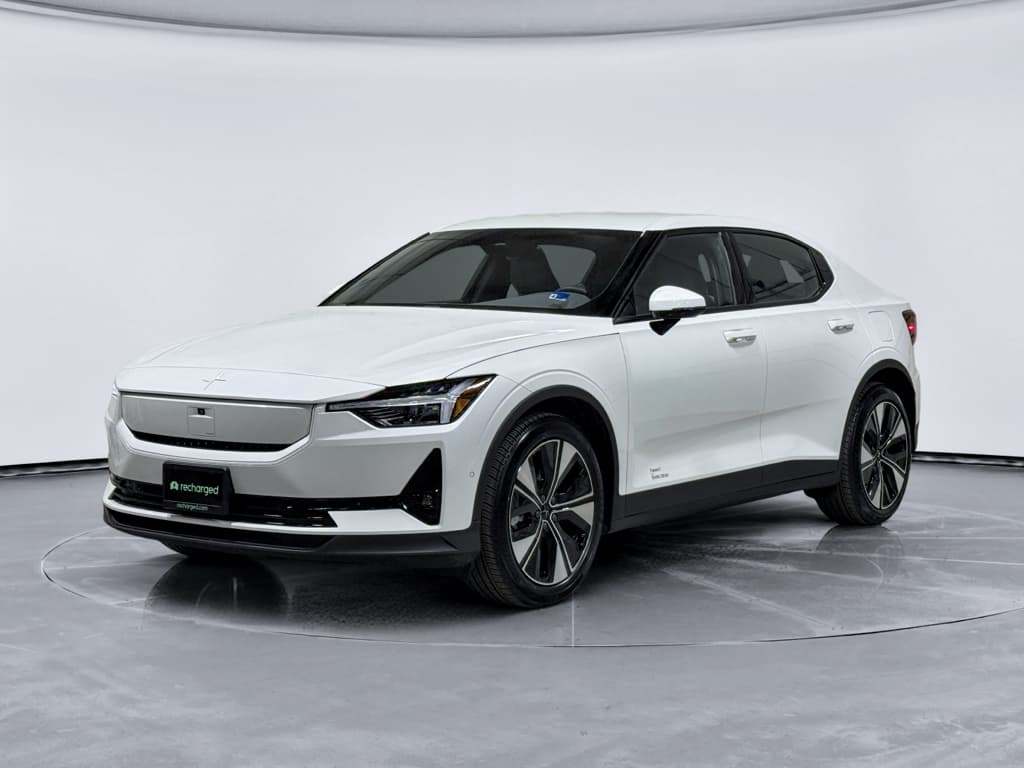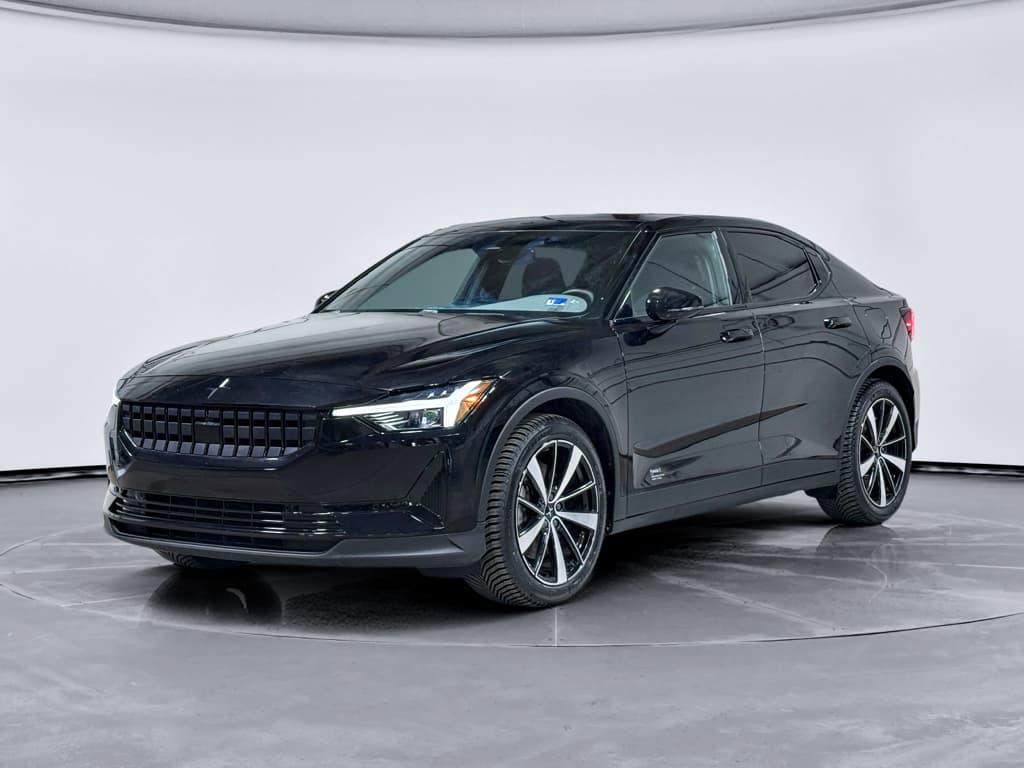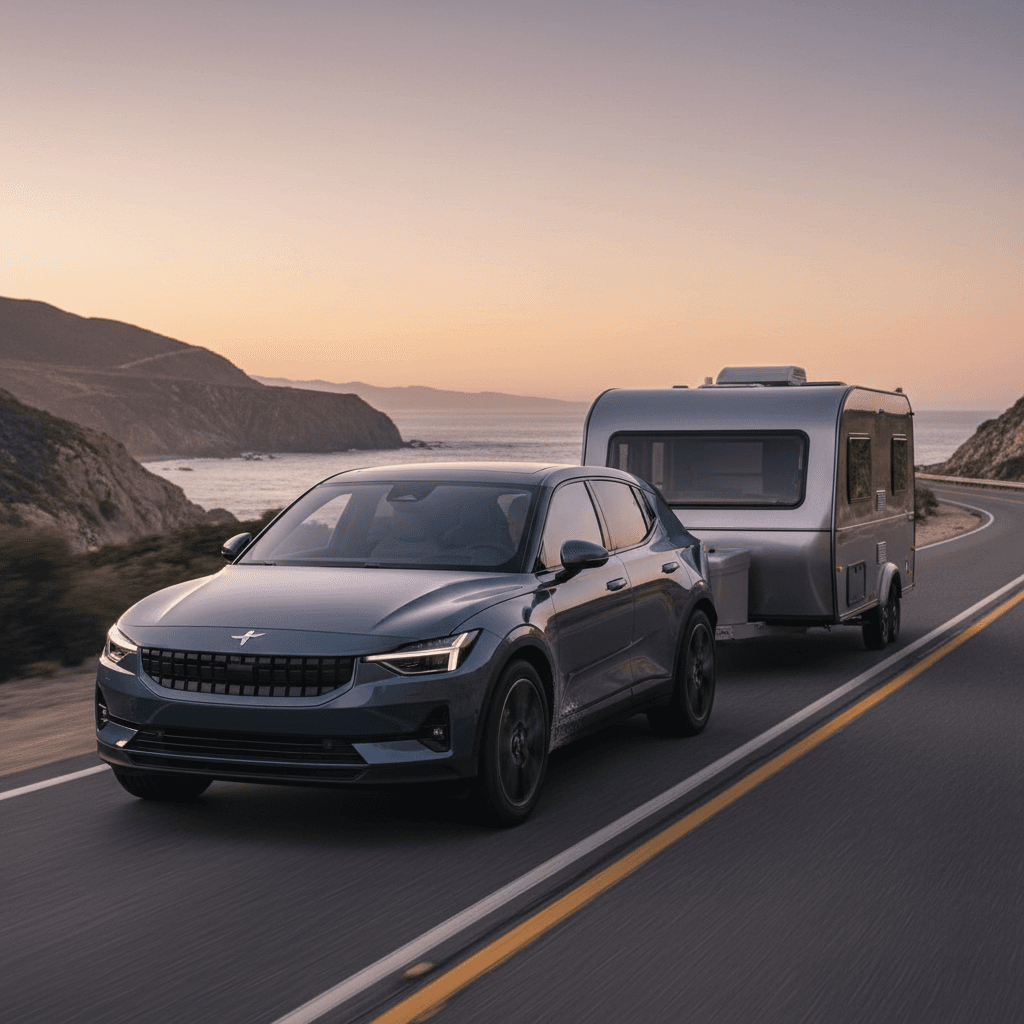
If you’re eyeing a Polestar 3, chances are you want a sleek electric SUV that can still handle real life: bikes, a small trailer, maybe even a lightweight camper. The big questions are simple but crucial: what is the Polestar 3 towing capacity and range, and how far can you actually go once you hitch something to the back?
Quick snapshot
Polestar 3 towing and range basics
Polestar positioned the 3 as a premium electric SUV that leans more toward sporty long‑distance cruiser than workhorse tow rig. That shows up clearly in its specs: the battery is big, the motors are powerful, and the tow rating is useful, but not pickup‑truck high.
Headline Polestar 3 towing & range numbers
Know before you tow
Polestar 3 towing capacity by model
Polestar keeps things simple: one big battery, two powertrain flavors, and an optional factory tow setup. The towing capacity changes depending on whether you choose the rear‑drive Single Motor or the all‑wheel‑drive Dual Motor versions.
Polestar 3 towing capacity by trim (U.S. models)
Factory‑rated towing limits when properly equipped with the towing package.
| Model | Drivetrain | Max braked trailer weight | Max unbraked trailer weight | Approx. tongue weight limit |
|---|---|---|---|---|
| Long Range Single Motor | RWD | 2,000 lbs | 1,650 lbs | ~220 lbs |
| Long Range Dual Motor | AWD | 3,500 lbs | 1,650 lbs | ~220 lbs |
| Long Range Dual Motor with Performance Pack | AWD | 3,500 lbs | 1,650 lbs | ~220 lbs |
Always check the owner’s manual and door‑jamb sticker for the exact ratings of the vehicle in front of you.
Braked vs. unbraked trailers
In plain English, that means the Dual Motor Polestar 3 can comfortably tow things like a pair of motorcycles, a small pop‑up camper, a jet‑ski trailer, or a lightweight aluminum boat. The Single Motor model is better matched to cargo trailers, bikes, and smaller loads rather than a full camper.
Polestar 3 range estimates and efficiency
All Polestar 3 trims share a 111‑kWh (gross) battery pack, but motors, weight, and tuning change how far you can go on a charge. Here’s how the EPA‑estimated range shakes out for U.S.‑spec models:
Polestar 3 EPA range and efficiency
Official EPA estimates for 2025 U.S.‑market Polestar 3 models.
| Model | Drivetrain | EPA estimated range | Energy consumption (EPA) |
|---|---|---|---|
| Long Range Single Motor | RWD | up to 350 miles | 35 kWh/100 mi |
| Long Range Dual Motor | AWD | up to 315 miles | 38 kWh/100 mi |
| Long Range Dual Motor Performance Pack | AWD | up to 279 miles | 44 kWh/100 mi |
Real‑world range depends heavily on speed, temperature, wheels, and how much you’re carrying or towing.
In everyday highway use, you’ll probably see something a bit lower than the best‑case EPA number, especially if you live where winters are real or you love the left lane. But the Single Motor version’s combination of rear‑drive and lower consumption makes it one of the longest‑range electric SUVs on sale today.
Think in kWh, not just miles
How towing impacts Polestar 3 range
Here’s the part most brochures gloss over: towing always eats into range, whether you drive gas, diesel, or electrons. With an EV like the Polestar 3, you simply notice it more because your energy readouts are precise and fast‑charging stops become part of the plan.
Light trailer (up to ~1,500 lbs)
- Think small utility trailer, single motorcycle, or a couple of e‑bikes on a hitch rack plus cargo.
- Expect roughly 20–30% range loss at typical highway speeds.
- A Dual Motor rated at 315 miles might behave more like a ~220–250‑mile EV between charges.
Heavier trailer (2,000–3,500 lbs)
- Covers many small campers, boats, and car‑dolly style loads.
- Expect something closer to a 30–50% reduction in usable range if you’re running 65–75 mph.
- A 279‑mile Performance model might effectively become a 140–180‑mile EV between fast‑charges.
Cold, hills, and headwinds are range killers
The good news is that the Polestar 3’s big battery and strong regen braking work in your favor. On flat or rolling terrain at modest speeds, and with a streamlined trailer, it’s absolutely possible to stay closer to the lower end of that range‑loss spectrum.
Polestar 3 vs. other electric SUVs for towing
On paper, the Polestar 3 doesn’t top the class for towing, but it’s not an also‑ran either. Think of it as the grand‑touring tow vehicle in a segment where some rivals are more focused on outright tow numbers.
How Polestar 3 stacks up against other EV SUVs
Approximate U.S.‑market specs; always check the latest data for exact numbers.
BMW iX
- Max tow: around 5,500 lbs
- Higher tow rating than Polestar 3
- Similar or slightly lower range depending on trim
Audi Q8 e-tron
- Max tow: around 4,000 lbs
- Lower efficiency than Polestar 3
- Smaller battery, shorter range towing
Volvo EX90
- Shares platform and battery with Polestar 3
- Similar tow rating (up to ~5,000 lbs in some specs abroad)
- More upright, family‑focused packaging
Where the Polestar 3 shines
Real-world use cases: can the Polestar 3 handle your load?
Common towing scenarios with a Polestar 3
1. Weekend utility trailer runs
Hauling mulch, appliances, or a small open trailer in town? A Single Motor Polestar 3 is more than enough. Range loss is modest at city speeds, and you’ll rarely need to DC fast‑charge on these short hops.
2. Bikes and cargo boxes
Two e‑bikes on a hitch rack or a cargo platform with camping gear barely nudge the Polestar 3’s tow rating, but their aero drag still trims highway range. Plan for perhaps a 10–20% hit, especially with a tall box.
3. Small campers and teardrops
This is the sweet spot for the Dual Motor’s 3,500‑lb rating. With a low, streamlined trailer and careful speed, many owners see effective ranges in the 150–220‑mile window between fast‑charges.
4. Boats and jet skis
Aluminum fishing boats, small fiberglass runabouts, or a pair of jet skis on a shared trailer are realistic Polestar 3 loads. Just confirm total trailer weight with gear and fuel before you assume you’re under 3,500 lbs.
5. Occasional cross‑country tow
If you’re dreaming of an EV road‑trip with a small camper, the Polestar 3 can do it, but you’ll be stopping more often. Use apps that filter for fast‑chargers with trailer‑friendly access so you’re not backing out of dead‑end parking lots.
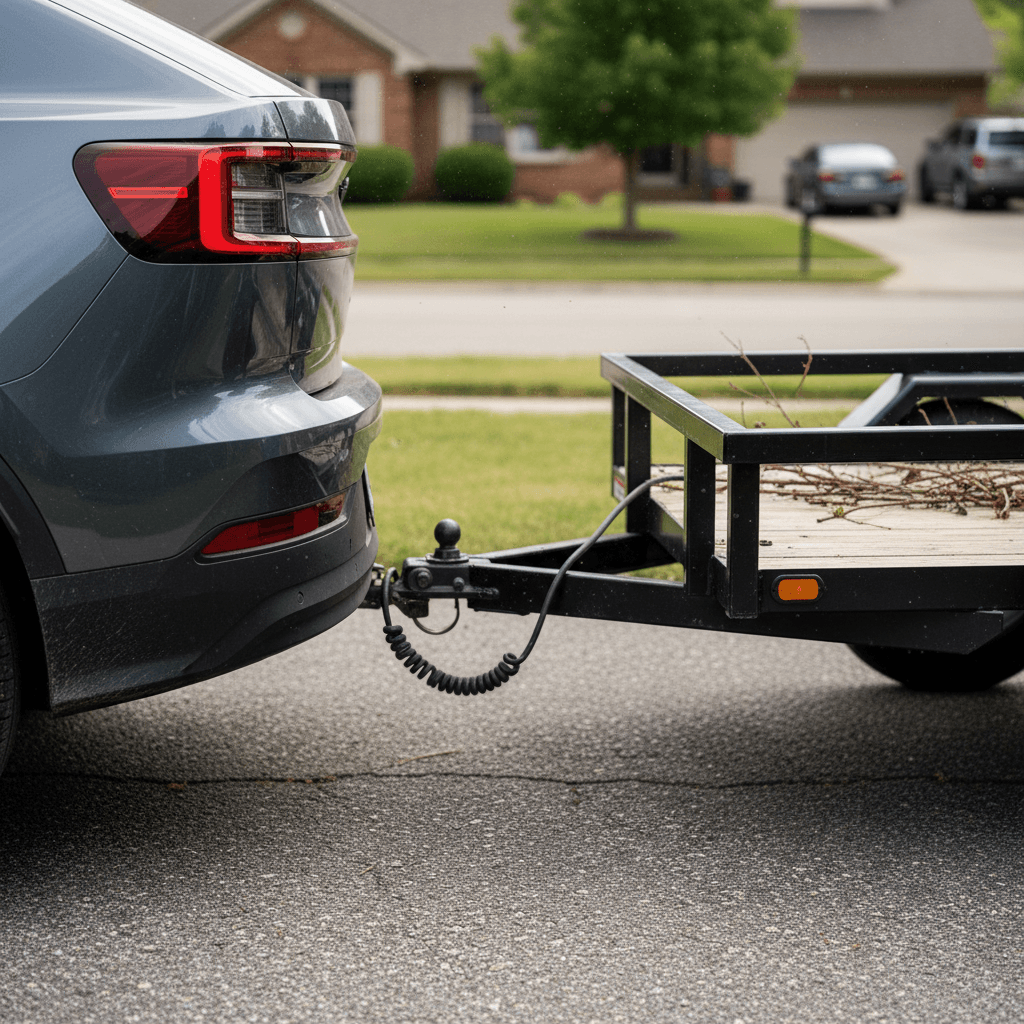
Towing smart: maximizing range in a Polestar 3
You can’t rewrite physics, but you can make the most of the Polestar 3’s battery and motors. A few smart habits can easily add dozens of miles to your effective towing range.
Practical tips to stretch towing range
Speed, aero, and planning matter more than you think.
Keep speeds reasonable
Above about 60 mph, aerodynamic drag climbs fast, especially with a boxy trailer.
- Driving 60 instead of 75 mph can easily save 15–25% energy.
- Use the Polestar’s driver‑assist systems to maintain a smooth pace.
Choose efficient trailers and loads
A low teardrop camper or sloped cargo box is much kinder to range than a square utility trailer with tall sides.
- Pack heavy gear low and secure it.
- Avoid big items sticking into the wind stream.
Plan charger‑friendly routes
Some fast‑chargers are tight for trailers. Use apps that show real photos or satellite views.
- Favor sites with pull‑through access or easy backing room.
- On long trips, pre‑condition the battery before DC fast‑charging when possible.
Work with the weather
Cold and headwinds stack the deck against you.
- Pre‑heat the cabin while plugged in.
- If winds are awful, consider shorter legs between stops.
Mind your weights
Shopping for a used Polestar 3 with towing in mind
Because the Polestar 3 is a premium EV, a lot of shoppers are cross‑shopping it used against Teslas, BMWs, and Volvos. If towing is part of your life, you’ll want to dig a little deeper than the window sticker.
Used Polestar 3 towing & range checklist
Confirm the factory tow package
Look for the retractable tow bar, proper wiring, and documentation in the owner’s manual. Aftermarket hitches exist, but the <strong>official towing rating assumes factory hardware</strong> and cooling.
Check for heavy‑towing history
Ask the seller how they used the vehicle. Occasional light towing is one thing; frequent max‑weight towing in hot climates is another. You’re looking for signs of <strong>abuse or overloading</strong>, not normal recreational use.
Review battery health
Towing itself doesn’t magically ruin a pack, but it does mean more frequent fast‑charging. A <strong>battery health report</strong>, like the Recharged Score you get with every vehicle on Recharged, helps you see how the pack has aged.
Look underneath
Have someone check for <strong>hitch‑related damage</strong>: bent mounting points, scraped wiring, or collision repairs in the rear. A clean underbody is a good sign of careful ownership.
Match trim to your needs
If towing is a regular thing, prioritize a <strong>Dual Motor</strong> model for the full 3,500‑lb rating. If towing is rare and range is everything, a Single Motor may fit better.
Run the numbers on your trailer
Before you fall in love with any Polestar 3, compare the <strong>actual loaded weight</strong> of your trailer and gear to the SUV’s ratings. This simple step avoids disappointment later.
How Recharged can help
Ready to find your next EV?
Browse VehiclesPolestar 3 towing and range FAQ
Frequently asked questions about Polestar 3 towing & range
Bottom line: is the Polestar 3 a good tow vehicle?
If you’re hoping the Polestar 3 will replace a half‑ton pickup and drag a big bunkhouse camper, it’s the wrong tool for the job. But if your world is small campers, boats, bikes, and weekend utility trailers, the Polestar 3 hits a compelling middle ground: enough towing capacity for real‑life toys, enough range to road‑trip with planning, and the refinement of a modern luxury EV.
The key is being honest about what you tow, how far you really drive in a day, and how comfortable you are planning charging stops. Get those answers right and the Polestar 3 can be a terrific all‑rounder. If you’re exploring a used Polestar 3, tools like the EV battery health guide and the Recharged Score Report can help you separate the cream from the compromises, so the SUV in your driveway is ready for the trailer in your side yard.