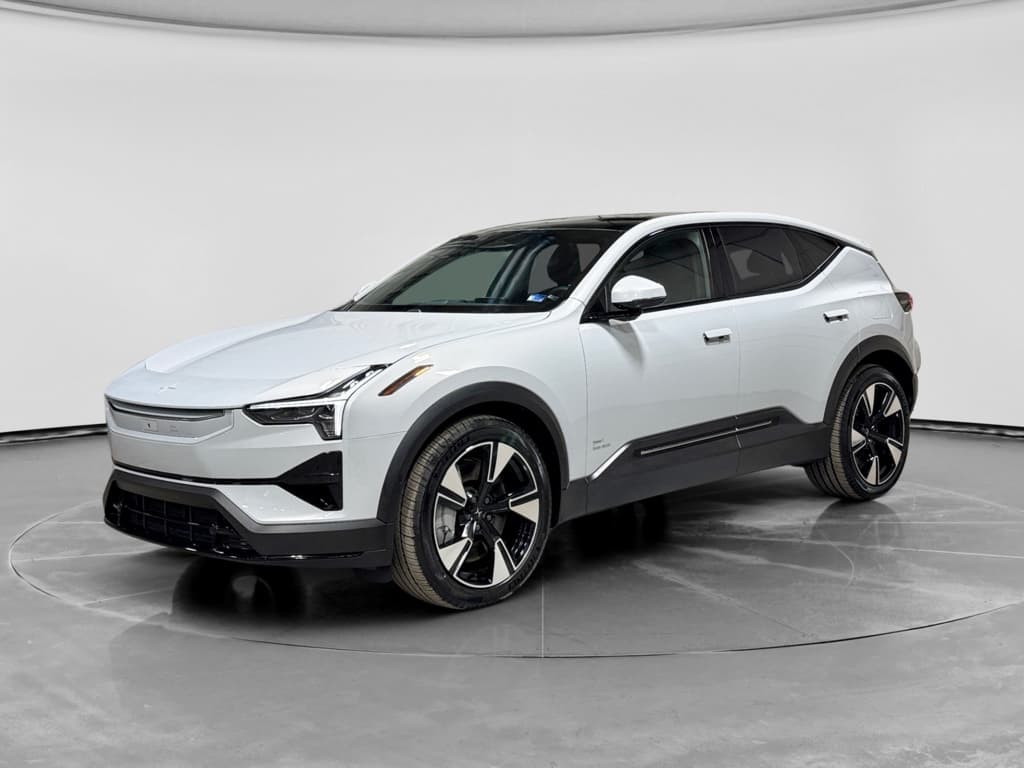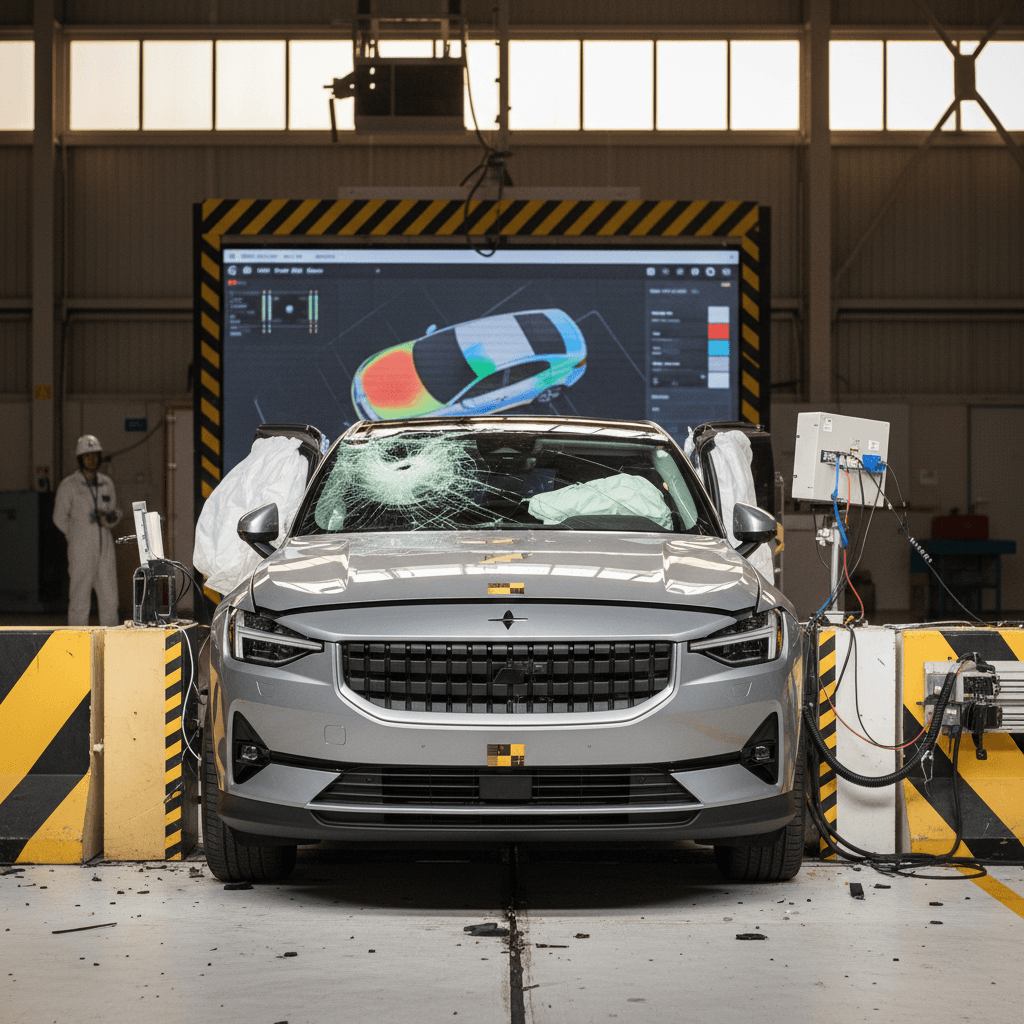
If you’re looking at a luxury electric SUV, safety is probably high on your list. The Polestar 3 safety rating and crash test results tell a very clear story: this is one of the safest EVs you can buy in 2025, especially if you’re hauling kids and car seats.
Big-picture verdict
Polestar 3 safety rating & crash test overview
The Polestar 3 is a large, two‑row electric SUV built on Volvo’s SPA2 platform and assembled for the U.S. market in South Carolina. From launch, Polestar made it clear this wasn’t just a stylish EV; it had to live up to the brand’s Volvo heritage for crash protection and driver assistance.
Headline Polestar 3 crash test scores
Those numbers come from Euro NCAP testing completed in April 2025. Euro NCAP evaluates cars sold in Europe, but its crash protocols are among the toughest in the world and provide a good benchmark for U.S. shoppers until full IIHS and NHTSA test data is available.
Note on U.S. ratings
Crash test results: how the Polestar 3 scored
Euro NCAP breaks its overall five‑star score into four categories: Adult Occupant, Child Occupant, Vulnerable Road Users, and Safety Assist. Here’s how the Polestar 3 stacks up.
Polestar 3 Euro NCAP score breakdown
Crash test and safety scores from Euro NCAP’s 2025 assessment of the Polestar 3.
| Category | Polestar 3 score | What it means |
|---|---|---|
| Adult Occupant | 90% | Very strong protection for driver and front passenger in frontal and side crashes. |
| Child Occupant | 93% | Class‑leading performance for children in child seats in both frontal and side impacts. |
| Vulnerable Road Users | 79% | Good protection for pedestrians and cyclists, aided by an active hood design. |
| Safety Assist | 83% | Comprehensive suite of driver-assist systems that help avoid or mitigate crashes. |
Scores are percentages within each category; higher is better.
In frontal offset and full‑width barrier tests, the passenger cell remained stable, with low to moderate injury risk in critical areas like the chest and legs. Side‑impact tests (including the tougher pole test) showed very strong protection, helped by a stiff safety cage and side curtain airbags.
Crash-test takeaway
Why child safety is where Polestar 3 really shines
If you’re hauling kids, the Polestar 3’s 93% Child Occupant score is a standout number. Euro NCAP called out the SUV for setting a new benchmark for child protection, beating every other passenger car they’ve tested in nearly a decade under increasingly demanding protocols.
- Maximum points for protecting 6‑ and 10‑year‑old dummies in front and side impacts.
- Top marks for the way common child seats fit and perform on the rear bench.
- ISOFIX/iSize anchorages on the outer rear seats for easier, more secure installation.
- Carefully tuned restraint systems that manage forces on smaller bodies during a crash.
Practical parenting benefit
The SUV’s relatively flat rear floor and wide-opening doors also make it easier to maneuver bulky child seats, boosters and kids themselves. That sounds minor, but anything that reduces the chance of an incorrectly installed seat directly supports real‑world safety.
Adult occupant and pedestrian protection
For adults, the Polestar 3’s 90% Adult Occupant score is right in line with the best large SUVs. The front structure and mixed‑material crumple zones are designed to absorb and redirect crash energy while preserving a rigid survival cell for the people inside.
Adult protection highlights
- Stable passenger cell in frontal and side impacts.
- Low readings for head, neck and chest injuries for driver and front passenger.
- Seat and head restraint design tuned to reduce whiplash in rear impacts.
- Standard driver knee airbag to protect lower limbs in frontal crashes.
Pedestrians & cyclists
- 79% Vulnerable Road User score with good head and leg protection.
- "Active" hood that lifts slightly if it detects a pedestrian impact to create more space to deform safely.
- Automatic emergency braking (AEB) tuned to detect pedestrians and cyclists in a wide range of scenarios.
Because of its size and weight, a large SUV will never be the friendliest object in a head‑on crash with a small car, but Polestar has clearly engineered the 3 to reduce the harm it can cause outside the vehicle.
A reality check on SUV physics
Advanced safety tech and ADAS in the Polestar 3
Crash‑test scores only tell part of the story. Equally important is how well a vehicle helps you avoid a crash in the first place. Here the Polestar 3 leans heavily on a deep roster of Advanced Driver Assistance Systems (ADAS) shared with Volvo.
Key Polestar 3 safety & driver-assistance features
Standard and available systems that work together to prevent or mitigate crashes.
Collision avoidance & AEB
Forward collision avoidance watches for vehicles, pedestrians, cyclists and cross‑traffic at intersections. If you don’t react in time, the car can brake automatically to avoid or lessen an impact.
Lane keeping & Pilot Assist
Lane Keeping Aid and Run‑off Road Mitigation gently steer you back if you drift. The optional Pilot Assist adds lane centering and Adaptive Cruise Control, taking the strain out of long highway drives.
Adaptive Cruise Control
Maintains your set speed and a gap to the car ahead, working from low speeds up to typical highway limits. Great for stop‑and‑go traffic and long commutes.
Driver Monitoring
Infrared cameras watch your eyes and head position for signs of fatigue or distraction. If you don’t respond to escalating warnings, the car can initiate a controlled stop.
Blind spot & rear alerts
Blind Spot Information with steering assist, Cross Traffic Alert with auto‑brake, Rear Collision Warning, and Exit Assist help prevent lane‑change and parking‑lot incidents.
360° cameras & parking aids
Available 360° camera with 3D view plus ultrasonic sensors make tight city parking and garage maneuvers far less stressful.
How to get the most from these systems
Structure, airbags, and crash engineering
Under the clean Scandinavian styling, the Polestar 3 is built very much like a modern Volvo SUV: a rigid passenger safety cage surrounded by carefully engineered crumple zones and multiple restraint layers.
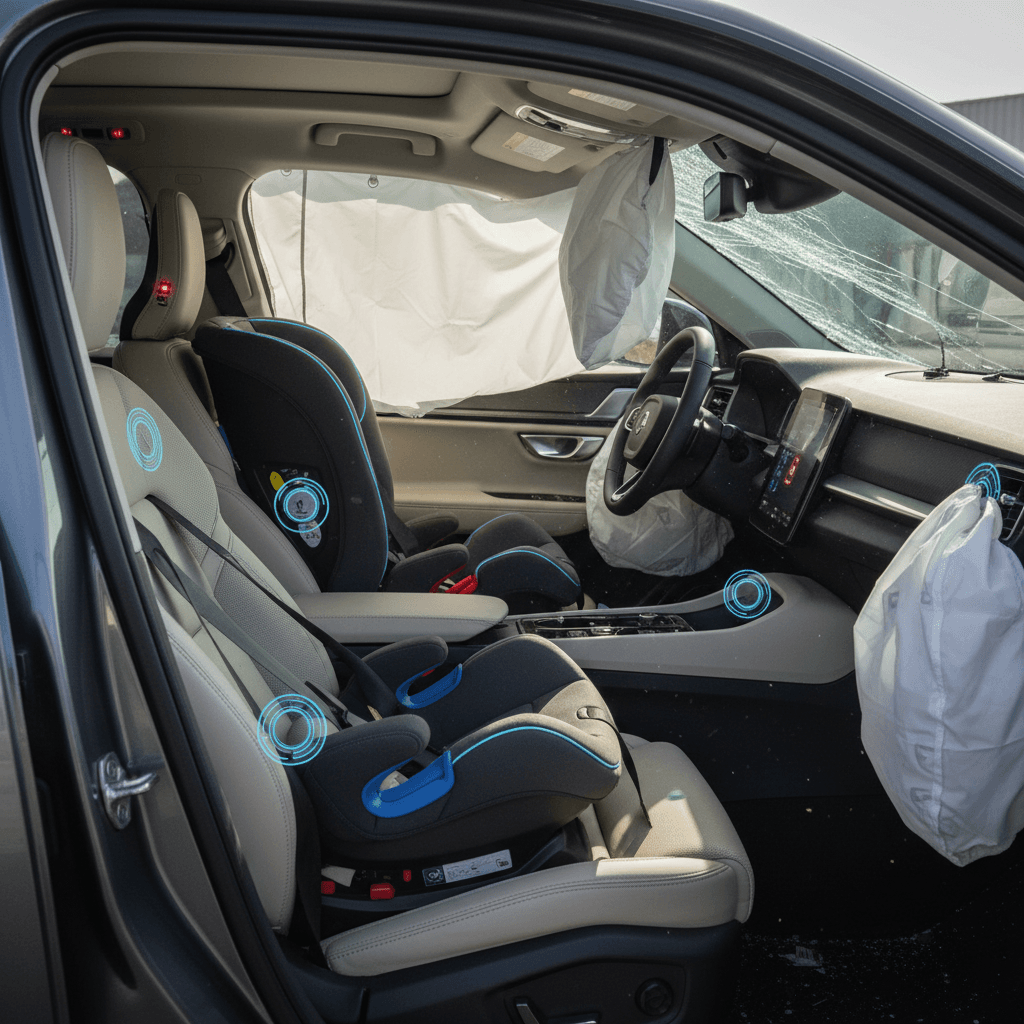
- Boron steel safety cage around the passenger compartment for maximum torsional rigidity and intrusion resistance.
- Mixed‑material crumple zones front and rear to absorb energy before it reaches occupants.
- 10 airbags, including front, side, inner‑side, full‑length curtains, and a driver knee airbag.
- Whiplash Injury Protection System (seats and head restraints) designed to reduce neck injuries in rear‑end crashes.
- Post‑impact braking that automatically slows the vehicle after a crash to reduce secondary impacts.
Don’t ignore airbag or safety warnings
How Polestar 3 safety compares to rivals on safety
When you’re cross‑shopping, the obvious competitors are other premium electric SUVs like the Tesla Model Y and Model X, Volvo EX90, Mercedes‑Benz EQE SUV, and BMW iX. Each has strong safety credentials, but the Polestar 3 carves out a specific niche.
Polestar 3 vs key rival EV SUVs (safety focus)
High‑level look at how the Polestar 3 stacks up to major electric SUV competitors from a safety and driver‑assistance perspective.
| Model | Crash test reputation | Child safety emphasis | ADAS & driver monitoring | Overall safety feel |
|---|---|---|---|---|
| Polestar 3 | 5★ Euro NCAP; record child score | Class‑leading 93% child score; excellent child-seat performance | Comprehensive ADAS with strong driver monitoring | Feels very Volvo‑like: calm, conservative, safety‑first |
| Tesla Model Y | Strong U.S. ratings, some changes over time | Good, but not class‑leading scores for child protection | Powerful Autopilot/FSD, but driver monitoring relies mainly on steering input and camera | More tech‑forward, less conservative tuning |
| Volvo EX90 | Flagship Volvo safety focus; similar SPA2 platform | Three‑row layout with strong family focus | Very rich ADAS suite with advanced lidar on higher trims | Maximum safety ambition, more size and weight |
| BMW iX / Mercedes EQE SUV | Strong Euro NCAP and IIHS results | Good child protection, seats/install slightly more complex | Plenty of ADAS, sometimes buried in menus | More performance‑luxury balance than pure safety messaging |
Ratings and feature availability change frequently; always check the latest test data when you’re ready to buy.
Where Polestar 3 stands out
Thinking about a used Polestar EV? What to look for
Because the Polestar 3 is still new, most pre‑owned Polestar options in the near term will be Polestar 2 hatchbacks and, over time, early Polestar 3s coming off lease. The core safety philosophy carries across the lineup, but buying used adds a few extra checks.
Used Polestar safety & condition checklist
1. Verify crash history carefully
Look beyond a basic Carfax report. Ask for documentation of any repairs to structural components, airbags, or high‑voltage systems. Even well‑repaired crash damage can affect how a car performs in a second impact.
2. Confirm all safety systems are fault‑free
During a test drive, make sure no airbag, ADAS, or battery‑system warning lights are on. Try features like cruise control, lane keeping, and parking sensors so you know they work as intended.
3. Check for up‑to‑date software
Modern EV safety and driver‑assist features are heavily software‑driven. Ask the seller whether over‑the‑air updates have been applied and whether any campaigns or recalls are outstanding.
4. Examine tires, brakes, and alignment
The best crash structure in the world can’t rescue worn‑out tires or neglected brakes. Uneven wear or pulling to one side on the highway can indicate prior damage or poor repairs.
5. Understand battery health
Battery condition doesn’t just affect range; it can influence how the car balances regen and friction braking in an emergency. A professional battery health report gives you a much clearer picture of long‑term safety and usability.
How Recharged can help
Ready to find your next EV?
Browse VehiclesKey takeaways for families and commuters
- The Polestar 3 has earned a five‑star Euro NCAP rating with standout performance for both adults and children.
- Its 93% Child Occupant score is the highest Euro NCAP has recorded in nearly a decade, making it a top pick for families.
- Comprehensive ADAS, from AEB to lane‑keeping and driver monitoring, helps you avoid trouble before a crash ever happens.
- A robust safety cage, ten airbags and post‑impact braking work together if an accident does occur.
- Compared with rivals, the Polestar 3 emphasizes calm, predictable behavior and clear safety communication over flashy tech tricks.
- If you’re considering a used Polestar or any used EV, focus on crash history, safety‑system health, and a trustworthy battery report.
Bottom line: if you want a luxury electric SUV that treats safety as a core value rather than an option package, the Polestar 3 deserves to be near the top of your list. And when you’re ready to compare it with other EVs or explore used options, a transparent, EV‑focused retailer like Recharged can help you line up the facts, not just the marketing.