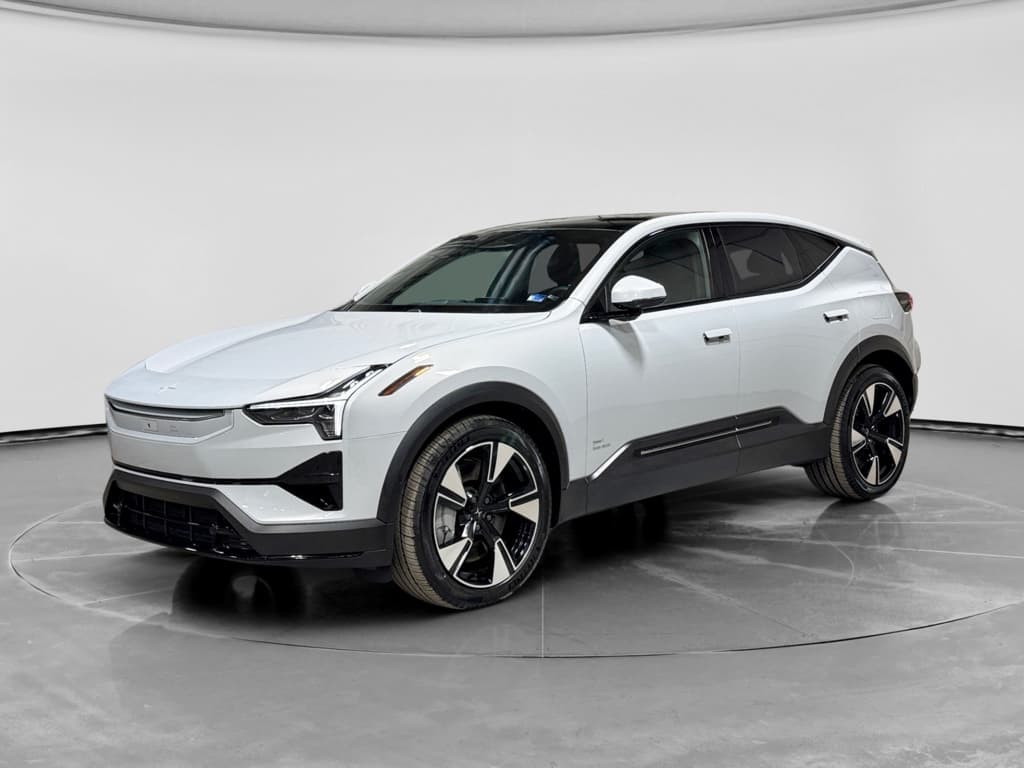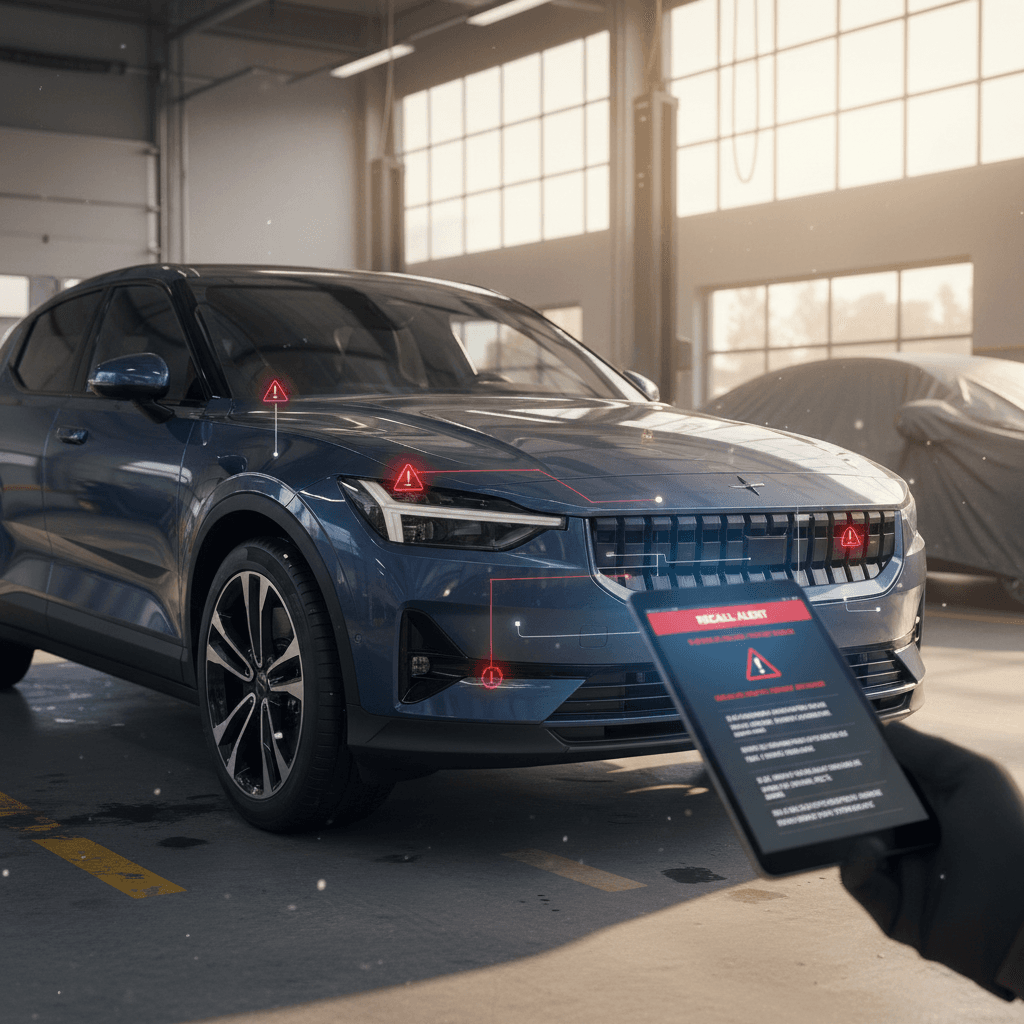
If you drive or are considering buying a Polestar 3, keeping up with the latest Polestar 3 recalls list isn’t just a formality, it’s a core part of protecting your safety, your warranty, and your SUV’s resale value. Below is a clear, owner‑friendly rundown of every major U.S. recall so far, what each one fixes, and how to make sure your car is up to date.
Quick note on timing
Overview: Why a Polestar 3 recalls list matters
The Polestar 3 is a high-tech luxury EV SUV that began U.S. deliveries in 2024 and ramped up through 2025. Like most new, software‑heavy vehicles, it has already seen a small number of recalls, primarily related to software and hardware integration rather than fundamental mechanical flaws. That’s not unusual for a first‑generation model, but it does mean you should be methodical about checking for open campaigns.
- Safety recalls are free for owners and must be performed by an authorized retailer or service partner.
- Open recalls can affect your insurance, registration, and resale value if they’re left unresolved.
- Because the Polestar 3 relies heavily on over‑the‑air (OTA) updates, some recalls may be fixed without a shop visit, but only if your vehicle actually receives and installs the update.
Don’t ignore software‑only recalls
Current Polestar 3 recalls at a glance
Polestar 3 recalls snapshot (U.S.)
Here’s a concise look at the known U.S. recalls that directly affect the Polestar 3 as of early 2026:
Polestar 3 recalls list (U.S., through Feb 2026)
Key factory campaigns that Polestar 3 owners should know about. Always confirm details by VIN, because not every vehicle is affected.
| Recall | Issue | Model years affected | Typical symptom / risk | Fix type |
|---|---|---|---|---|
| Backup camera software fault | Rearview camera image may not display by default when reversing, or 360° view shows instead of rear view at low speed. | 2025 (early builds) | Driver may not see a clear image when reversing, increasing collision risk. | Software update, often via OTA; may also be installed at retailer. |
| Rear seat backrest mounting | Rear seat backrest brackets may not be torqued to specification, potentially releasing in a crash. | 2025 (U.S.-built, certain VIN range) | In a crash, rear backrests may move more than intended, raising injury risk. | Physical inspection and re‑torque / re‑mount of rear seat backrest hardware. |
Summary of known U.S. Polestar 3 recalls as of February 25, 2026.
Expect the list to evolve
Recall 1: Backup camera software fault (rear visibility)
The first widely reported U.S. Polestar 3 recall involves the backup camera system. Early 2025‑model vehicles built from roughly March 7, 2024 through April 23, 2025 were found to sometimes display the 360‑degree or 3D surround view instead of the dedicated rearview camera when the driver selects reverse, or when creeping forward at low speeds after reversing.
That behavior violates U.S. Federal Motor Vehicle Safety Standard (FMVSS) 111, which governs rear visibility. The concern is simple: in tight parking scenarios, drivers may not get the clear rear‑facing image regulators expect, which can increase the risk of backing into pedestrians, obstacles, or other vehicles.
- Approximate scope: around 3,600–3,700 U.S. Polestar 3 SUVs from the 2025 model year.
- Primary symptom: the central screen may default to a 360°/3D view instead of the camera view pointed straight back.
- Underlying cause: infotainment software logic that doesn’t prioritize the rear camera view when reverse is engaged and at low forward speeds.
- Remedy: a software update that changes how the system behaves when the shifter is moved into reverse and under 10 mph forward motion.
Owner tip: test your camera after the fix
Most owners can expect Polestar to deliver this recall through an over‑the‑air (OTA) software update. However, if your SUV hasn’t received the update, or if connectivity issues prevent successful installation, your local Polestar retailer can update the software via a wired connection in the workshop.
Recall 2: Rear seat backrest mounting issue
A newer recall centers on the rear seat backrests in certain 2025 Polestar 3 SUVs built in the United States. On affected vehicles, the hardware that secures the rear seat backs may not have been torqued to the correct specification during assembly.
In a crash, that could allow the backrests to move more than designed, potentially failing to meet FMVSS 207 requirements for seating systems. The practical risk is that cargo or even rear passengers could be less protected if the backrest doesn’t stay firmly locked in place under severe load.
- Typical scope: U.S.-assembled 2025 Polestar 3s with VINs beginning with “1” (U.S. build), with specific VIN sequences identified in the recall bulletin.
- Primary risk: rear seat backrests might release or shift excessively in a collision, increasing injury risk to occupants.
- Owner symptoms: most drivers won’t notice anything unusual in daily use; this is a structural concern that shows up only in a crash or hard impact.
- Remedy: Polestar retailers inspect the rear seat backrest mounting points, retorque the attaching nuts, and remount brackets as needed, all free of charge.
Take seating‑system recalls seriously
Polestar has notified retailers and is mailing owner letters with instructions and timing. If you’re shopping used, the simplest move is to run the VIN with Polestar and NHTSA, and then visually confirm that the recall shows as “completed” before you sign paperwork.
How to check if your Polestar 3 has an open recall
Because recall eligibility depends on build date, factory, and options, the only reliable way to know whether your Polestar 3 is affected is to check by VIN. Fortunately, you have multiple ways to do that, most of them free and quick.
Three ways to run a Polestar 3 recall check
Use at least two tools when you’re buying used or verifying a recent repair.
1. Polestar recall VIN tool
Go to Polestar’s official U.S. recall information page and enter the full 17‑character VIN.
- Shows open recalls and safety campaigns.
- Data comes directly from Polestar’s systems.
- Best source for brand‑specific service campaigns.
2. NHTSA recall lookup
Visit the U.S. government’s NHTSA recall lookup and enter the VIN.
- Covers all federally reported safety recalls.
- Useful if you want to see patterns across brands.
- Good cross‑check against Polestar’s site.
3. Polestar app & service history
If you already own the SUV, check the Polestar app or your digital service history.
- Look for recent software campaign notes.
- Ask the retailer to print a recall completion report.
- Keep copies for your records and for future resale.
Where to find your Polestar 3 VIN
Driver‑side dashboard
Stand outside on the driver’s side and look through the lower corner of the windshield. You should see a metal VIN plate at the base of the glass.
Driver‑side door jamb
Open the driver’s door and look for a sticker or plate along the door jamb. It usually includes the VIN, build date, and tire information.
Registration and insurance
Your VIN is also printed on your registration, title, and insurance documents. Cross‑check them with the physical VIN on the vehicle.
Cross‑check before you buy used
What Polestar 3 owners should do when a recall appears
If you discover an open recall on your Polestar 3, don’t panic. Recalls are a sign that the system is working. The key is to move from “alert” to “resolved” as efficiently as possible.
Step‑by‑step Polestar 3 recall action plan
1. Confirm details in the recall notice
Read the official recall description carefully. Understand the risk (camera visibility, seating system, etc.), whether the vehicle is safe to drive, and whether there are any temporary precautions you should take.
2. Call your Polestar retailer or service point
Contact your nearest Polestar service location and mention the specific recall number, if you have it. Ask about parts availability, whether the remedy is OTA or in‑shop, and how long the visit will take.
3. Schedule service as soon as practical
Even if the issue sounds minor, don’t delay. Many recalls, especially structural ones like the rear seat backrest, are about crash performance, not daily drivability.
4. Confirm completion in writing
After the repair, ask for a printed or digital work order showing the recall code and a “completed” status. Save this with your maintenance records; it will help at trade‑in time.
5. Watch for follow‑up updates
Sometimes a recall fix is delivered in stages, especially when software is involved. Make sure you accept and install OTA updates promptly and keep an eye on Polestar communications.
Good news for owners
How recalls affect used Polestar 3 values
If you’re eyeing a used Polestar 3, or thinking about trading yours in, recalls cut both ways. On one hand, a long list of unresolved campaigns can be a red flag. On the other, a clean record with all recalls completed can actually be a selling point, especially on a tech‑heavy first‑generation model.
When recalls hurt value
- Open safety recalls can make buyers nervous, particularly when they involve core systems like cameras or seats.
- Missed recall repairs sometimes show up on vehicle history reports, lowering confidence.
- If a recall requires parts or shop time, buyers may factor that hassle into their offer price.
When recalls help value
- Documented completion of all campaigns shows that the owner was proactive and meticulous.
- Software‑related recalls often leave the car better than new from a functionality standpoint.
- Dealers and marketplaces like Recharged can highlight a clean recall record as part of their inspection and certification story.
How Recharged uses recall data
Shopping for a used Polestar 3: recall checklist
The Polestar 3 is still relatively new, which means many “used” examples are actually low‑mileage, one‑owner vehicles. That’s great news, but it also means some of the earliest SUVs may have lived through software glitches or early recall campaigns. Use this checklist to separate the well‑sorted examples from the ones that still need attention.
Recall‑focused checklist for used Polestar 3 shoppers
Run the VIN through Polestar and NHTSA
Before you fall in love with the color, check the facts. Look up the VIN on both Polestar’s and NHTSA’s sites to see if any recalls are open or incomplete.
Ask for recall and service records
Request documentation showing when recall work was performed. Ideally, you’ll see a line‑item referencing the backup camera software campaign and, if applicable, the rear seat backrest inspection.
Verify software version in the vehicle
During a test drive, ask the seller to show you the current software version and update history on the infotainment screen. A modern, up‑to‑date build is a good sign.
Physically test safety systems
In a safe area, engage reverse and confirm that the rearview camera behaves as expected. Inspect and fold the rear seats to ensure they latch firmly and feel solid.
Consider a specialist inspection
Because the Polestar 3 is software‑dense, a pre‑purchase inspection at a Polestar‑certified facility, or a marketplace like <strong>Recharged</strong> that specializes in EV diagnostics, can surface issues you might miss.
Negotiate around open recalls
If a recall is still open, you have leverage. You can ask the seller to complete the work before delivery or adjust the price to reflect your time and effort scheduling the repair.
Polestar 3 recalls FAQ
Frequently asked questions about Polestar 3 recalls
Bottom line: Staying ahead of Polestar 3 recalls
The Polestar 3 is a sophisticated electric SUV, and like many new‑generation EVs it has already seen a couple of safety recalls as real‑world data has rolled in. Those campaigns, centered on the backup camera system and rear seat backrest mounting, are fixable, free, and well understood at this point. Your job as an owner or shopper is to make sure the SUV in front of you is on the right side of the line between “affected” and “repaired.”
If you already own a Polestar 3, keep your software updated, respond quickly to recall notices, and save documentation after each repair. If you’re shopping used, run the VIN through Polestar and NHTSA, test the camera and seats yourself, and lean on EV‑specialist marketplaces like Recharged that check battery health, software status, and recall completion as part of their process. That way, you get the Polestar 3 experience you want, without surprises hiding in the fine print.