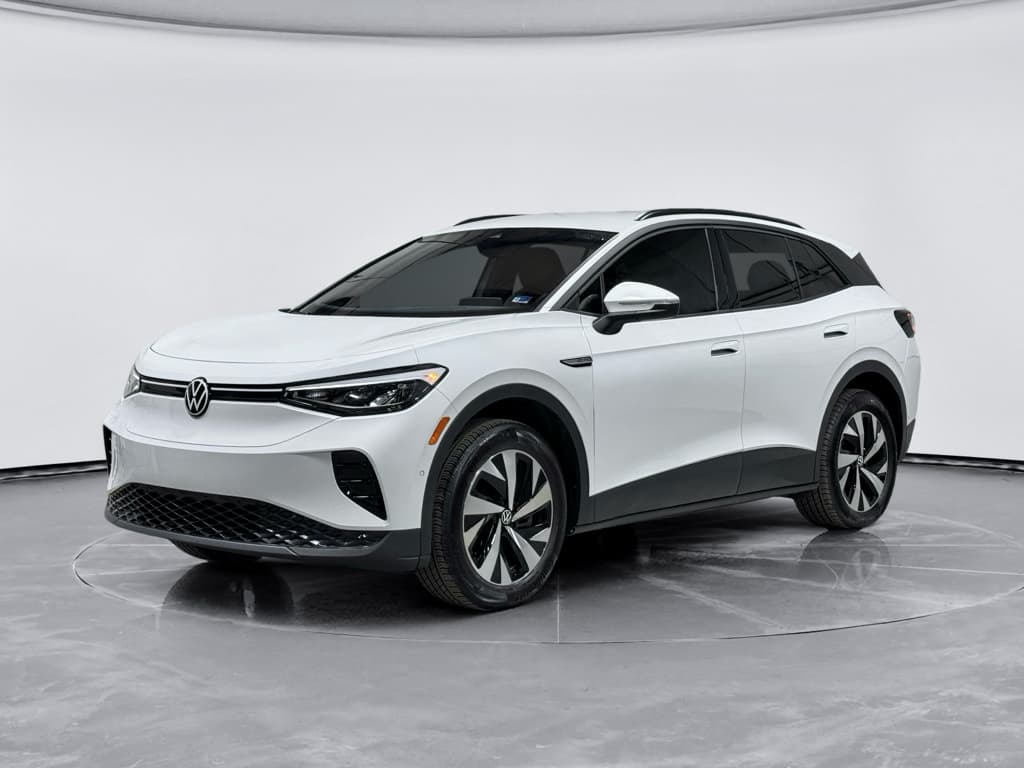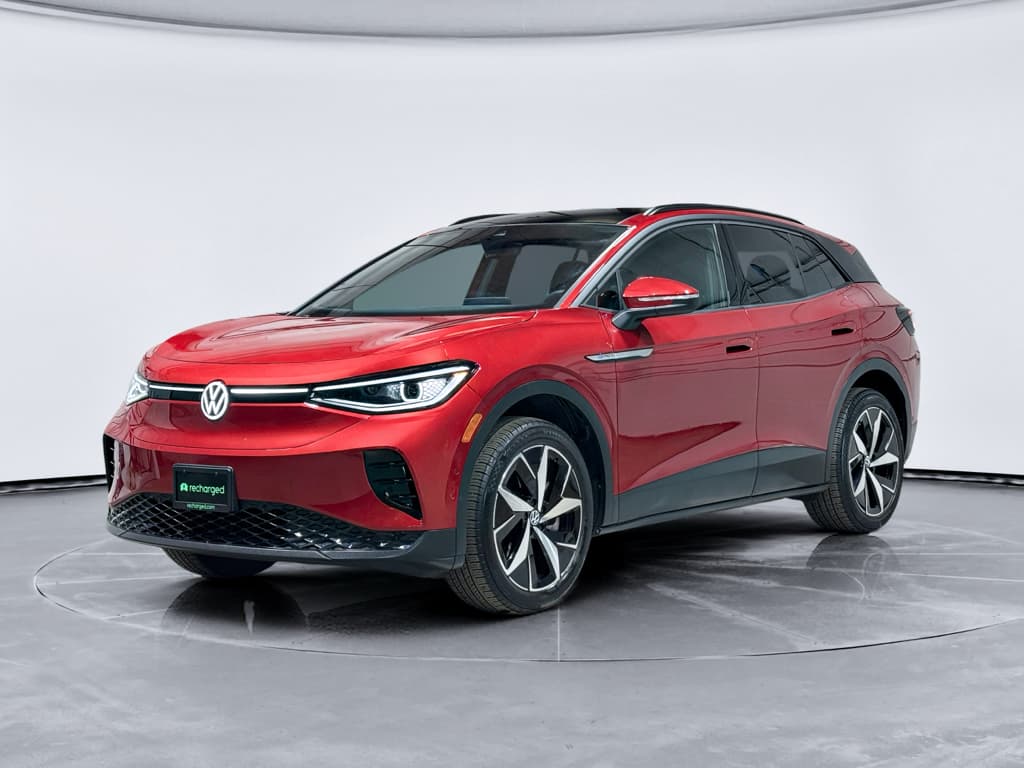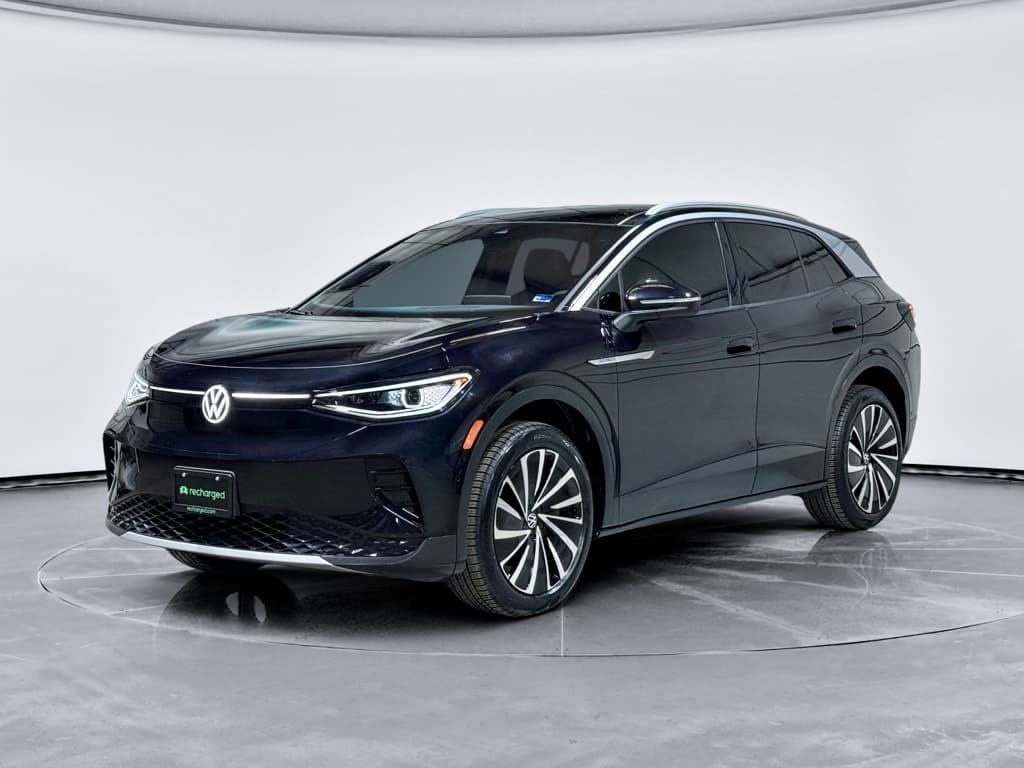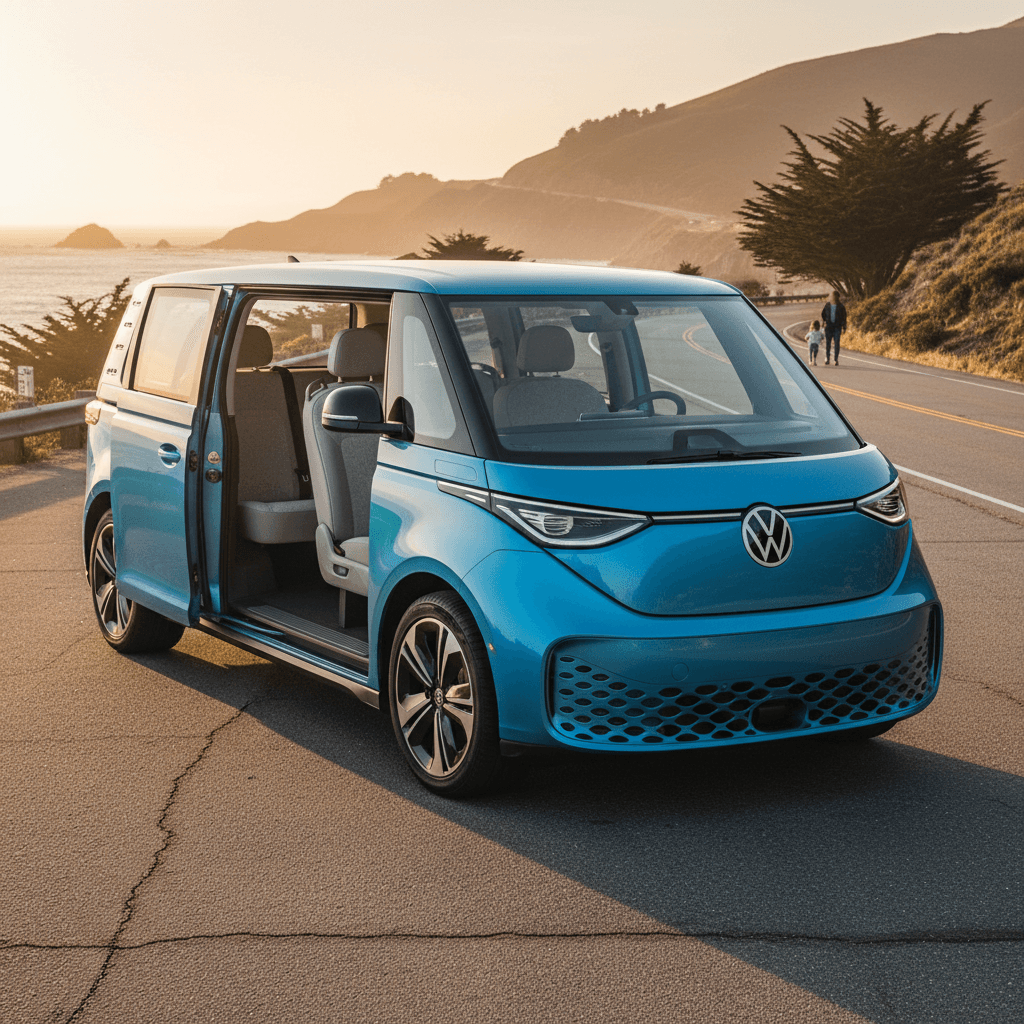
The 2025 VW ID. Buzz might be the most talked‑about EV that most shoppers have never actually seen on the road. It’s Volkswagen’s all‑electric reboot of the classic Microbus, part nostalgia play, part practical 3‑row family hauler. In this 2025 VW ID Buzz review, we’ll dig into what it actually does well (and where it falls short) on range, charging, space, pricing, and everyday usability, so you can decide if this is the right electric van for your driveway, or one to target on the used market in a year or two.
At a glance
2025 VW ID. Buzz overview
Key 2025 VW ID. Buzz numbers
Volkswagen positions the ID. Buzz as a "big‑space, big‑personality" electric people mover. In U.S. spec it’s the long‑wheelbase, 3‑row version only, with sliding rear doors, available 6‑ or 7‑passenger seating, and a cabin that leans heavily on playful colors and huge glass. Where many 3‑row EVs chase aggressive SUV styling, the Buzz leans into friendliness and nostalgia. It’s impossible to drive one without getting waves, questions, and phones pointed at you.

Think of it as an electric minivan, not an SUV
Pricing, trims, and value
For the 2025 model year, the ID. Buzz lineup in the U.S. centers on nicely equipped Pro S and Pro S Plus trims, with both rear‑wheel drive (RWD) and 4MOTION all‑wheel drive (AWD) available. Expect window stickers to land roughly between the low‑$60,000s and low‑$70,000s before destination charges and options.
2025 VW ID. Buzz U.S. trims and pricing snapshot
Approximate MSRP ranges for the 2025 ID. Buzz; dealers often discount from MSRP.
| Trim | Drive | Seats | Approx. MSRP* | Highlights |
|---|---|---|---|---|
| Pro S | RWD | 7 | ≈$61,500 | Single motor, long wheelbase, 7‑pass bench, big glass roof available |
| Pro S Plus | RWD | 7 | ≈$65,000 | More driver‑assist tech, upgraded interior and audio |
| Pro S Plus 4MOTION | AWD | 6 | ≈$69,500 | Dual motors, 6‑seat captain’s chairs, extra power and traction |
| 1st Edition / Special | RWD or AWD | 6 or 7 | ≈$67,000–$71,500 | Limited colors and trims, maxed‑out equipment |
Always check local dealer pricing and current EV incentives, especially if you’re shopping near model‑year changeover.
Sticker shock is real
Because the ID. Buzz is imported from Europe, it typically doesn’t qualify for the full federal EV tax credit under current rules. That, plus tariffs, helps explain why you’ll often see aggressive dealer discounts or subsidized lease offers. If you’re open to buying a 1–2‑year‑old example, depreciation can work in your favor; those early‑adopter premiums tend to fade quickly, especially on niche EVs.
Range, battery, and charging performance
Range is one of the big swing factors for the 2025 VW ID. Buzz. U.S. models use an 86‑kWh or roughly 91‑kWh usable battery pack, depending on configuration, with estimated EPA ranges generally in the low‑ to mid‑200‑mile band. Rear‑drive versions stretch a bit farther than all‑wheel‑drive models thanks to lower weight and fewer drivetrain losses.
- Most RWD trims: roughly 240–260 miles of EPA‑estimated range in ideal conditions
- AWD 4MOTION trims: closer to the low 230s on paper
- Real‑world highway range at 70–75 mph is typically 15–20% lower than the window‑sticker number, especially when loaded with passengers and gear
Real‑world range vs. the window sticker
On the charging side, the ID. Buzz is competitive if not class‑leading. DC fast charging peaks around 200 kW, which, under ideal conditions, can take the battery from roughly 10% to 80% in the mid‑20‑minute range. That’s quick enough for restroom and snack breaks on a road trip, especially if you build your route around 150‑kW or faster stations.
Charging the ID. Buzz: key ownership tips
1. Plan for Level 2 at home
With a battery in the 86–91 kWh range, you’ll want a 40‑ or 48‑amp Level 2 charger at home if possible. Overnight, that’s easily enough to go from low state‑of‑charge back to full for normal commuting and kid‑ferrying.
2. Know your DC fast‑charge options
The Buzz uses the CCS standard today, with NACS access coming via adapters and network changes. If you rely on road trips, map out high‑power CCS sites along your regular routes and check their reliability in user reviews.
3. Don’t chase 100% on the road
Charging from 80% to 100% is slow on any modern EV. For long trips, it’s often faster to stop more often and charge to 60–80% than to sit waiting for that last 20%.
4. Expect winter range hits
Cold weather, highway speeds, and a full cabin can trim range significantly. Give yourself extra buffer for ski trips or mountain drives and pre‑condition the cabin while plugged in when possible.
Aero and weather work against it
Driving experience: more chill than quick
From behind the wheel, the 2025 VW ID. Buzz feels more like an exceptionally quiet minivan than a performance EV. Rear‑drive models make around 282 horsepower and 413 lb‑ft of torque, while dual‑motor AWD versions step output up to the mid‑300‑hp range. On paper that’s plenty; in practice, the Buzz prioritizes smoothness and comfort over outright speed.
- 0–60 mph in around 5.5 seconds for AWD models; mid‑6‑second range for RWD is typical
- Ride quality is relaxed and composed, especially with a full load of passengers
- Steering is light and accurate, tuned for easy maneuvering and parking
- Regenerative braking feels natural rather than aggressively one‑pedal
Where the Buzz shines on the road
Push the Buzz hard and you’ll feel its weight and height, especially in tight corners or fast lane changes. This isn’t a vehicle that rewards aggressive driving; it’s one that makes the grind of school runs, errands, and family road trips more pleasant. If you’re craving sharp responses and maximum acceleration, cross‑shop a dual‑motor SUV like a Kia EV9 or Tesla Model Y.
Interior space, seating, and cargo
Space is the ID. Buzz’s ace in the hole. On its long wheelbase, the VW carves out adult‑friendly room in all three rows, with especially generous third‑row legroom. You can choose a 7‑seat layout with a sliding second‑row bench (RWD) or a 6‑seat configuration with second‑row captain’s chairs (AWD 4MOTION). In either case, big sliding doors and a low flat floor make access easy for kids and grandparents alike.
Interior highlights: what stands out in the ID. Buzz
Beyond the retro exterior, this is a genuinely practical people mover.
Roomy 3rd row
Unlike many 3‑row SUVs, adults can actually ride in the back of the ID. Buzz without knees touching their chins. Legroom is genuinely generous, making it viable for carpools or trips with visiting family.
Light‑filled cabin
Huge windows and an available electrochromic glass roof flood the interior with light. You can use voice commands or a screen control to dim or turn the roof opaque on sunny days.
Flexible cargo area
With the third row in place, cargo behind it is modest. Fold the second row and remove the third row, though, and you unlock up to about 145 cubic feet of space, more than enough for bikes, camping gear, or a college move‑in.
Cargo caveat
Design and materials
The Buzz leans hard into its playful image. Expect bright two‑tone color schemes, contrasting dash panels, and details like embossed smiley faces and Microbus silhouettes. Materials are generally solid and family‑friendly, skewing durable rather than ultra‑luxurious. Hard plastics are cleverly textured so they don’t look cheap at a glance.
Practical touches
Sliding doors, low step‑in height, abundant USB‑C ports, and clever storage cubbies make daily life easier. The completely flat floor simplifies moving around the cabin, and the removable third row lets you convert from family bus to cargo van in an afternoon.
Tech, safety, and ownership costs
Every 2025 VW ID. Buzz comes loaded with a modern infotainment system, a digital instrument cluster, and a full suite of active‑safety tech. Wireless Apple CarPlay and Android Auto, adaptive cruise control, lane‑keeping assistance, and automatic emergency braking are standard or widely available, depending on trim. Higher trims layer in extras like a head‑up display and matrix LED headlights.
- Modern infotainment with large central touchscreen and over‑the‑air update capability
- Multiple USB‑C ports across all three rows for phones and tablets
- Standard or available adaptive cruise with lane centering for easier highway driving
- Comprehensive airbag coverage and electronic stability controls
Budget for software updates and learning curve
On total cost of ownership, the ID. Buzz sits where you’d expect for a premium EV: higher up‑front price, lower fueling and maintenance costs. Electricity is usually far cheaper per mile than gasoline, especially if you can charge at home off‑peak. There’s no engine oil to change, and brake wear is reduced thanks to regenerative braking. Tires, wipers, cabin filters, and occasional coolant service for the battery and motors will make up the bulk of routine costs.
VW ID. Buzz vs. Kia EV9 and other 3-row EVs
The ID. Buzz doesn’t have a perfect one‑to‑one rival, the U.S. doesn’t offer another fully electric van yet, but most shoppers will also consider 3‑row electric SUVs like the Kia EV9 or Volvo EX90. How does the VW stack up?
2025 VW ID. Buzz vs. key 3‑row EV rivals
High‑level comparison of the ID. Buzz and two mainstream 3‑row electric SUVs.
| Model | Body style | Max EPA range | DC fast‑charge peak | 0–60 mph (approx.) | Max seats | Starting price |
|---|---|---|---|---|---|---|
| VW ID. Buzz | Electric van | ≈231–263 mi | ≈200 kW | ≈5.5–6.5 sec | 6–7 | ≈$60K |
| Kia EV9 | 3‑row SUV | Up to ≈304 mi | ≈215–350 kW | As quick as ≈4.5 sec | 6–7 | High‑$50Ks |
| Volvo EX90 | 3‑row SUV | Up to ≈310 mi | ≈250+ kW | ≈4.7–5.7 sec | 6–7 | High‑$70Ks |
Specs vary by trim; always confirm exact numbers for the configuration you’re considering.
How the Buzz positions itself
Common weak points, recalls, and what to watch for
Because the ID. Buzz is still new to the U.S. market, we don’t yet have a decade of reliability data. But a few early themes have emerged that shoppers, especially used buyers, should be aware of.
- Third‑row seatbelt/bench width recall affecting thousands of early vans
- A separate recall related to emergency braking warning light color
- Software gremlins typical of first‑generation EV infotainment systems
- Range and efficiency that fall off faster than some rivals at highway speeds
Third‑row safety recall
As with many new‑platform EVs, software is a common owner talking point. Glitches with wireless phone integration, slow boot‑ups, or odd driver‑assist behavior are not unheard of. The good news is that many of these items can be addressed via software updates. The less‑good news is that those updates may require dealer visits if over‑the‑air delivery is limited for certain fixes.
Who the 2025 ID. Buzz is (and isn’t) for
Is the 2025 VW ID. Buzz a good fit for you?
Match your needs to what the Buzz actually does best.
Great choice if…
- You want a family‑friendly 3‑row EV with real third‑row space.
- You value style and personality as much as spec‑sheet numbers.
- Most of your driving is local or regional, with only occasional long highway trips.
- You prefer the easy access and sliding doors of a van over a tall SUV.
Look elsewhere if…
- You need 300+ miles of reliable highway range with a full load.
- You tow heavy trailers or need real off‑road capability.
- You’re extremely price‑sensitive and comparing against gas minivans.
- You’re intolerant of first‑generation tech quirks and recall campaigns.
Buying a used ID. Buzz with confidence
Because the ID. Buzz launched in the U.S. at a relatively high price and has already seen recalls and incentives, it’s a strong candidate to become a value play on the used market. If you like the idea of an electric microbus but not the idea of a $70,000 window sticker, a 1‑ to 3‑year‑old Buzz could make a lot more sense.
Used VW ID. Buzz checklist
1. Verify recall completion
Ask for documentation showing that all safety recalls, including the third‑row seat and emergency‑brake indicator fixes, have been completed. A franchised VW dealer can pull this info by VIN.
2. Get a battery health report
Battery condition is the heart of any used EV purchase. With Recharged, every used EV comes with a <strong>Recharged Score</strong> that includes third‑party battery diagnostics, so you can see actual state‑of‑health, not just guess from the odometer.
3. Review charging history
Frequent high‑power DC fast charging isn’t automatically a deal‑breaker, but it can accelerate degradation. Ask sellers how and where they typically charged, home Level 2 is easiest on the pack.
4. Inspect tires and brakes
The Buzz is heavy and torque‑rich. Uneven tire wear or tired brakes can signal hard use or alignment issues. Factor replacement costs into your total budget.
5. Test driver‑assist systems
On the test drive, verify that adaptive cruise, lane‑keeping, parking sensors, cameras, and infotainment all behave as expected. Quirky behavior can point to software that needs updating.
How Recharged can help
Ready to find your next EV?
Browse VehiclesFAQ: 2025 VW ID. Buzz
Frequently asked questions about the 2025 VW ID. Buzz
Bottom line: should you buy a VW ID. Buzz?
The 2025 VW ID. Buzz is one of those rare vehicles that makes people smile just by existing. It’s not the longest‑range 3‑row EV, and it’s not the cheapest way to move a family, but it delivers something many crossovers don’t: genuine character, outstanding third‑row space, and the easy‑going driving manners of a modern electric minivan.
If your life is mostly school runs, errands, local adventures, and the occasional road trip, and you’re willing to live with mid‑200‑mile range in exchange for a bright, roomy, conversation‑starting cabin, the ID. Buzz could be a fantastic fit, especially as a lightly used buy once depreciation takes the early‑adopter edge off. When you’re ready to explore used examples with verified battery health and transparent pricing, Recharged can help you find an ID. Buzz, or a rival 3‑row EV, that fits both your lifestyle and your budget.