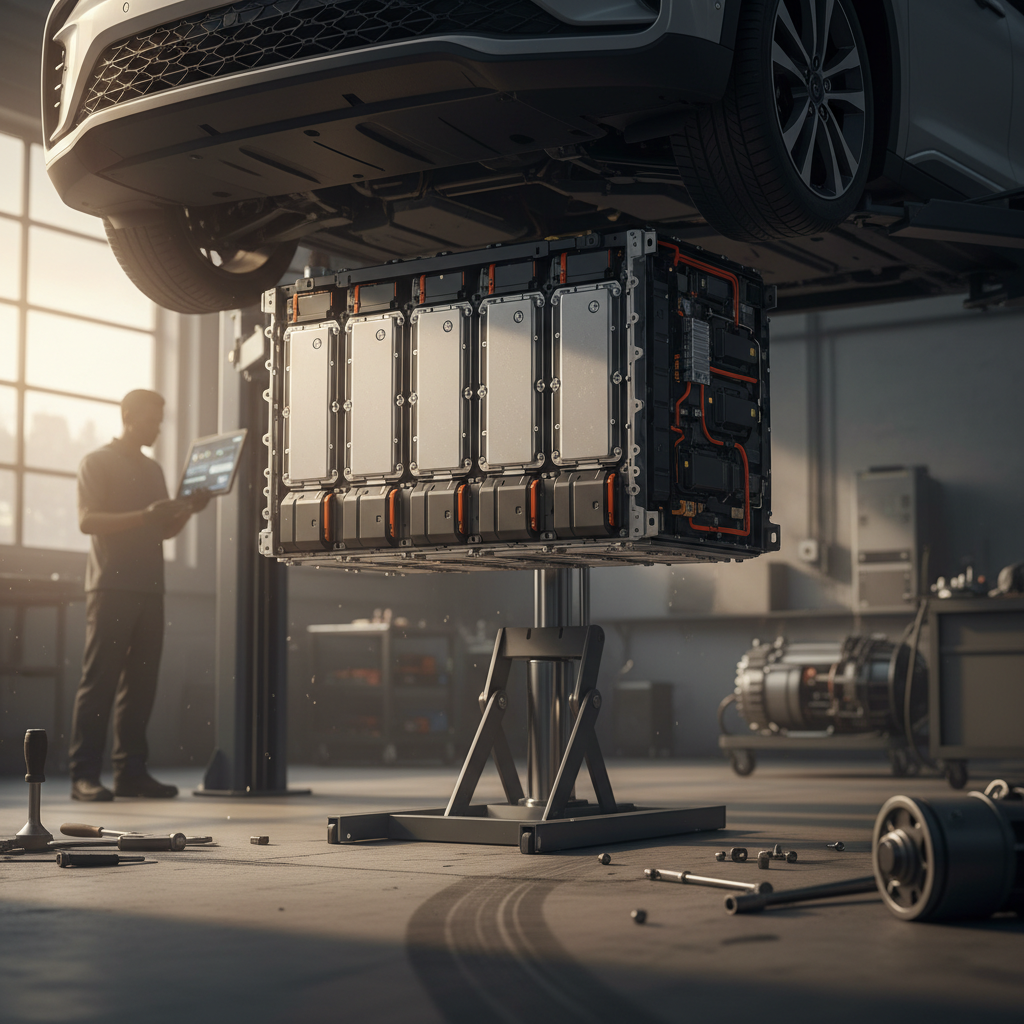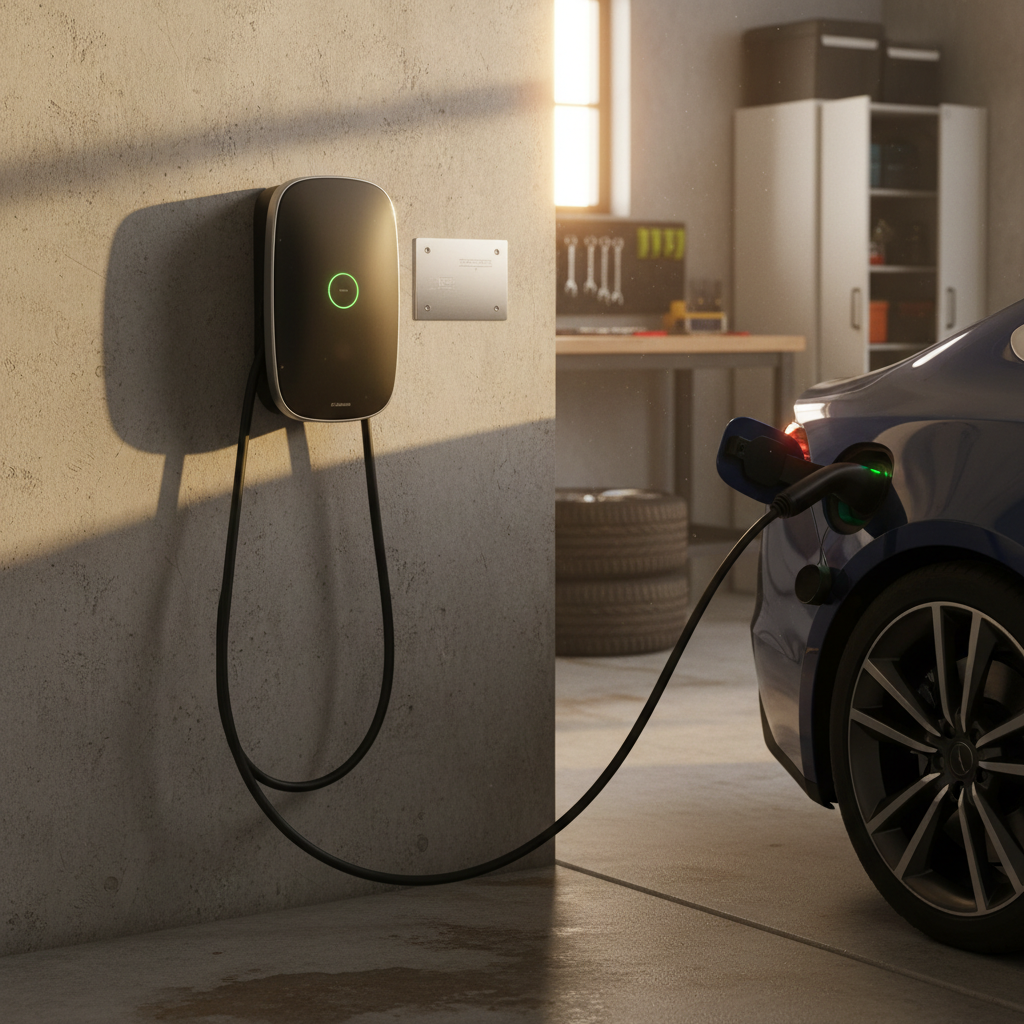
If you’re looking at a Polestar 3, whether new or used, you’re probably wondering what the Polestar 3 maintenance schedule really looks like. The good news: as a battery-electric SUV, the Polestar 3 has far fewer moving parts than a gas crossover, which can mean less routine service and more predictable costs over the long haul.
Quick takeaway
Polestar 3 maintenance overview
Polestar positions the 3 as a premium, performance‑oriented electric SUV. That means its maintenance schedule is closer to other luxury EVs than to traditional gas SUVs. Instead of frequent oil changes and tune‑ups, you’ll see multi‑point inspections, software checks, and brake fluid service roughly every two years or a certain mileage, whichever comes first.
Polestar 3 maintenance at a glance
How Polestar 3 EV maintenance differs from gas SUVs
What disappears with an EV
- No oil changes or oil filter replacements.
- No spark plugs, fuel injectors, or timing belts.
- No exhaust system, catalytic converters, or emission tests.
- Fewer transmission‑related services, since EVs use a simpler reduction gear.
What still matters (or matters more)
- Tires: Heavy, high‑torque EVs like the Polestar 3 can wear tires faster.
- Brakes: Pads and rotors usually last longer thanks to regenerative braking, but they still need inspection and occasional replacement.
- Fluids: Brake fluid and, over the long term, coolant for the battery/drive units.
- Software: Over‑the‑air updates and diagnostics keep systems current and fix issues proactively.
Pro ownership tip
Factory-style Polestar 3 maintenance schedule by year and mileage
Polestar 3 service schedules are time‑ and mileage‑based. Exact intervals can vary by market and model year, so you should always confirm with the owner’s manual and a Polestar service provider. But this outline will give you a realistic sense of what to expect at each service visit.
Typical Polestar 3 maintenance schedule
A generalized view of how a Polestar 3 maintenance schedule may look over 10 years of ownership. Always check your specific model’s service booklet for exact requirements.
| Time / Mileage | Primary Focus | Main Service Items |
|---|---|---|
| Year 1 or ~10,000–12,000 mi | Baseline health check | Visual inspections, software diagnostics, tire rotation, cabin air filter check |
| Year 2 or ~20,000–24,000 mi | Full inspection | All Year 1 items plus brake fluid replacement if required, cabin filter replacement, underbody and suspension check |
| Year 3 or ~30,000–36,000 mi | Interim check | Tire wear and alignment, brakes inspection, wiper blades, 12‑volt battery test |
| Year 4 or ~40,000–48,000 mi | Major inspection | Brake fluid change, detailed brake inspection, cooling system check, high‑voltage components inspection |
| Years 5–6 or ~60,000–70,000 mi | Mid‑life service | Tires & brakes likely due, suspension components check, updated software and diagnostics |
| Years 7–10+ | Long‑term care | Repeat of major inspection items, deeper focus on wear parts (bushings, shocks, bearings) and battery/cooling condition |
Time or mileage, whichever comes first, will trigger these visits.
Model-year differences
Key Polestar 3 service items explained
What gets serviced on a Polestar 3?
Fewer line items than a gas SUV, but the important ones still matter.
Tires & alignment
EV‑specific tires handle the Polestar 3’s weight and instant torque. Plan on regular rotation every 5,000–7,500 miles and alignment checks if you notice uneven wear, pulling, or vibration.
Brakes
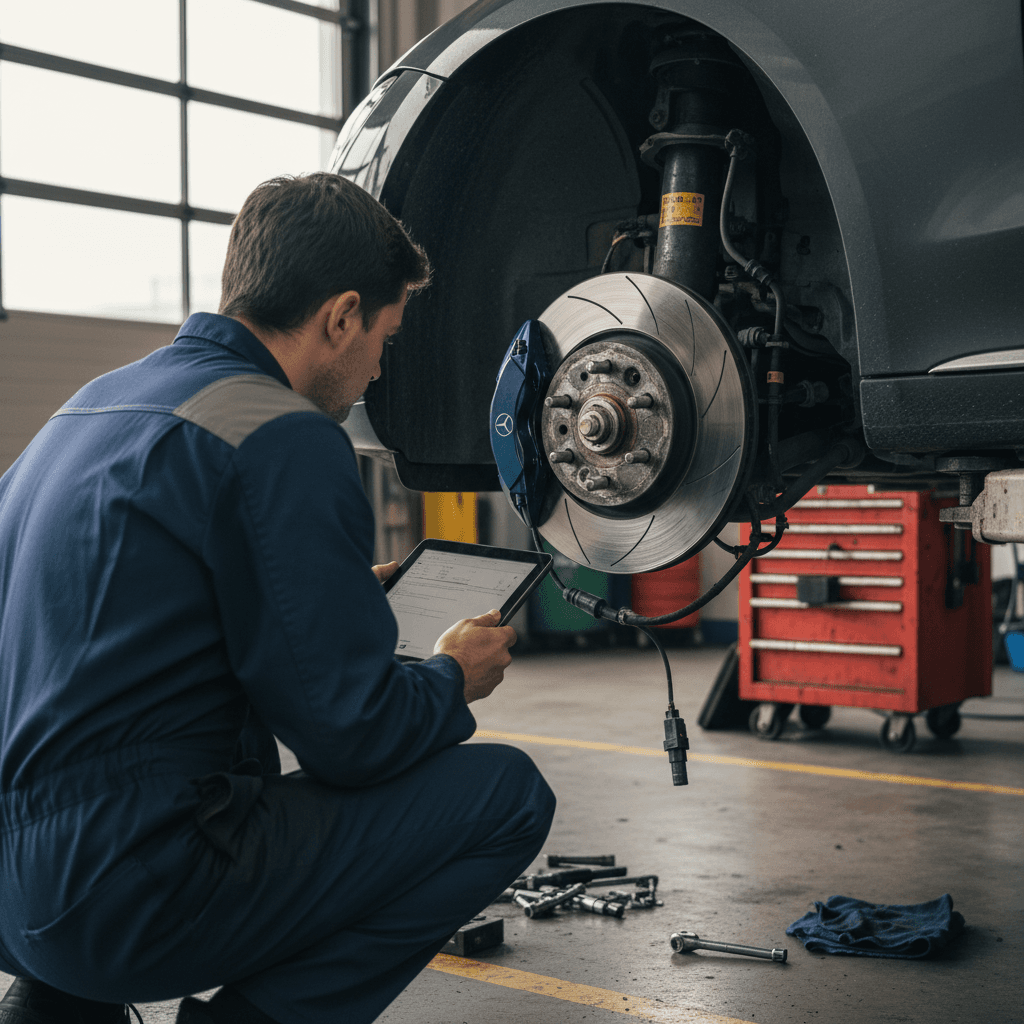
Regenerative braking lightens the load, so pads and rotors can last a long time. Still, they can corrode or wear. Expect detailed inspections every visit and potential pad/rotor replacement around typical mid‑life mileages, depending on your driving style.
Brake fluid
Brake fluid absorbs moisture over time, which can compromise performance. Many EV brands recommend a brake fluid replacement around every 2–3 years. Expect Polestar’s schedule to be in that ballpark.
Cabin air filter
The cabin filter keeps the interior air clean, especially important in a luxury SUV. It’s usually replaced every 1–2 years, or more often in dusty or polluted environments.
Cooling system checks
The Polestar 3 uses liquid cooling for the battery and power electronics. The coolant itself is long‑life, but hoses, pumps, and radiators deserve periodic inspection, especially as the vehicle ages.
Software & diagnostics
Over‑the‑air (OTA) updates handle most software improvements, but service visits are a chance to run full diagnostic scans and verify that every control module is healthy and up‑to‑date.
High-voltage safety
Expected Polestar 3 maintenance costs and budgeting tips
Even though luxury EVs can be cheaper to service than gas SUVs, they’re still premium vehicles. That means labor rates, tires, and parts pricing will reflect a high‑end segment. Your real‑world maintenance costs will depend heavily on how and where you drive.
- Routine inspections and brake fluid services are typically modest compared with major engine or transmission work in a gas SUV.
- Tires can be a major expense item, especially performance or staggered‑fitment sets. Budget for a full set more often if you drive aggressively or rack up highway miles.
- Regenerative braking can extend pad and rotor life, so many EV owners go significantly farther between brake jobs than they did in gas vehicles.
- Unexpected repairs, like a damaged wheel, suspension issue, or out‑of‑warranty electronics problem, are where luxury‑segment pricing shows up.
Budgeting rule of thumb
Battery health, software updates, and over-the-air fixes
For any EV, the most expensive single component is the high‑voltage battery pack. Polestar, like other manufacturers, backs the pack with a long warranty, often on the order of 8 years and a six‑figure mileage threshold. Your job as an owner is to treat that battery kindly so it stays healthy well beyond the warranty window.
Smart habits to protect your Polestar 3 battery
1. Avoid living at 100% charge
Charging to 100% for a long road trip is fine, but for daily commuting, keeping the battery between roughly 20% and 80% can help reduce long‑term degradation.
2. Don’t regularly run it to near‑zero
Occasional deep discharges won’t ruin the battery, but repeatedly running down to very low state‑of‑charge puts extra stress on the pack.
3. Moderate fast‑charging use
DC fast charging is a great tool on road trips, but if you rely on it for daily driving, you’ll add more heat cycles. When time allows, use Level 2 charging at home or work instead.
4. Keep software up to date
Over‑the‑air updates can refine battery management, charging profiles, and cooling strategies. That’s free capability and longevity, take advantage of it.
5. Watch temperature extremes
If possible, park in a garage in very hot or very cold climates. Extreme temperatures over long periods can nudge degradation upward.
How Recharged looks at battery health
Maintenance considerations for a used Polestar 3
If you’re considering a used Polestar 3, the maintenance schedule becomes both a roadmap and a checklist. You want to know what’s already been done, what’s coming up next, and how the previous owner treated the vehicle day‑to‑day.
What to review on a used Polestar 3
Ask smart questions before you sign anything, especially on a performance EV.
Service history & campaigns
Ask for digital service records showing completed inspections, brake fluid changes, and any warranty or recall campaigns. A well‑documented Polestar 3 is easier to value and easier to resell later.
Tire and wheel condition
Uneven wear can point to suspension or alignment issues. Curb rash on expensive wheels is common on urban EVs; factor potential refinishing or replacement into your budget.
Brake and suspension health
On a test drive, pay attention to brake feel, noises over bumps, and steering behavior. A pre‑purchase inspection can catch worn bushings, shocks, or early brake issues.
Battery performance & range
Look at real‑world range estimates at various state‑of‑charge levels and compare them to the original EPA rating. Large discrepancies can signal either battery degradation or unusually harsh driving conditions.
How Recharged helps with used Polestar 3s
Owner checklist: DIY checks vs. when to visit a service center
You don’t need to be a master technician to keep tabs on your Polestar 3. A short, regular routine can help you catch issues early and make the most of your scheduled service visits.
Simple owner checks for your Polestar 3
Check tire pressures monthly
Use the pressures listed on the door jamb, not just what “looks right.” Proper pressure protects range, handling, and tire life.
Watch tread wear patterns
Run your hand across the tread and look for feathering, cupping, or big differences between inner and outer edges. These can signal a needed alignment.
Listen for new noises
Clunks over bumps, high‑pitched squeals from brakes, or rumbling from the tires at highway speeds all deserve professional attention.
Keep wipers and washer fluid fresh
It’s basic, but visibility is safety. Replace wiper blades when they streak and top off washer fluid regularly.
Monitor software notifications
Don’t ignore alerts in the infotainment system. If the car wants a software update or flags a system check, schedule it.
Schedule service when in doubt
If something feels off, steering, braking, charging behavior, book a visit with a qualified EV service center rather than waiting for it to get worse.
Polestar 3 maintenance schedule FAQ
Frequently asked questions about Polestar 3 maintenance
Is the Polestar 3 expensive to maintain?
Viewed through a traditional luxury‑SUV lens, the Polestar 3 maintenance schedule is refreshingly simple. You’ll still budget for premium‑priced tires, periodic brake fluid service, and the same kind of wear‑item attention any heavy, high‑performance vehicle needs. But you won’t be paying for oil changes, transmission flushes, or complex emissions repairs.
If you’re shopping new, this can make the long‑term ownership math more attractive; if you’re shopping used, verified maintenance and battery health become your most important data points. That’s where a marketplace built for EVs, like Recharged, can make life easier, combining battery diagnostics, fair‑market pricing, financing, and nationwide delivery into one transparent experience. However you buy, understanding the Polestar 3’s maintenance needs up front puts you miles ahead when it comes time to sign the paperwork.