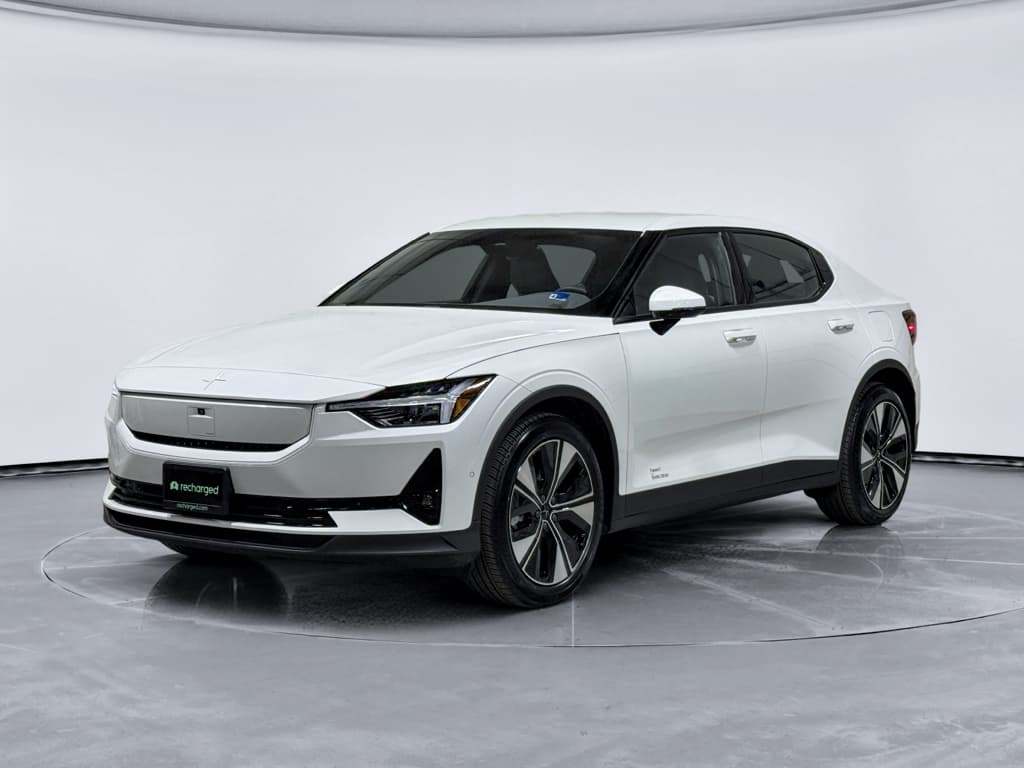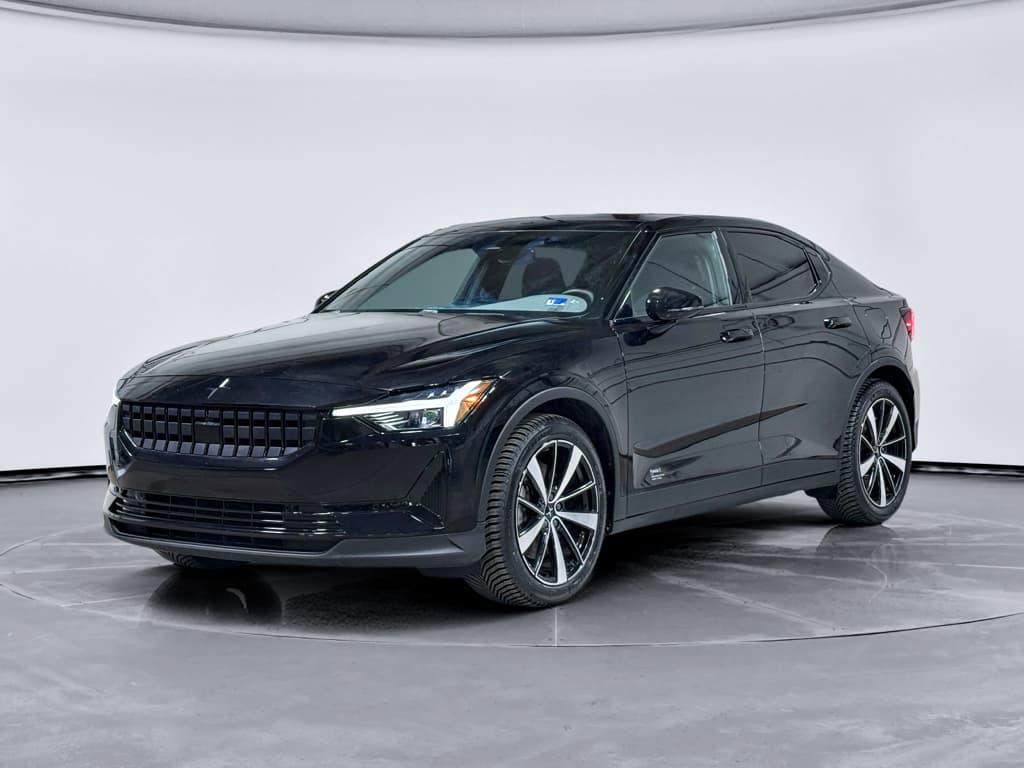
If you’re eyeing a Polestar 3, you’re probably not just wondering how quick it is or how the Google-based infotainment feels. You want to know the **Polestar 3 long term ownership cost**, what this sleek Swedish SUV will really cost you to live with over five, maybe ten years.
What this guide covers
Why Polestar 3 long-term ownership costs matter
The Polestar 3 launches into one of the most competitive corners of the EV world: **luxury electric SUVs**. That means stiff competition from BMW iX, Mercedes EQE SUV, Audi Q8 e-tron, and (inevitably) Tesla Model X and Model Y Performance. All of them are fast, all of them are high-tech, and all of them are expensive. Where they can differ dramatically is in *long-term cost of ownership*, how much you spend on depreciation, energy, upkeep, and insurance over time.
Who should be thinking hardest about Polestar 3 costs?
Three types of drivers who really need a clear TCO picture
Luxury SUV upgraders
You’re coming out of a BMW X5, Audi Q7, or Mercedes GLE and want similar comfort with lower running costs and modern tech.
Tech-forward EV switchers
You already own an EV or PHEV and want a more premium, design-led electric SUV with solid range and fast charging.
Value-conscious early adopters
You love the idea of a Polestar 3 but only if the long-term costs pencil out against a familiar gas SUV.
Think in total cost, not just monthly payment
Polestar 3 price and how it sets your cost baseline
Exact stickers vary by trim, options, destination, and region, but in the U.S. the **Polestar 3** is positioned firmly in luxury territory. Think **high five-figures to low six-figures** when new, especially if you add performance and option packs.
Polestar 3 pricing snapshot (U.S. ballpark)
Approximate new pricing ranges, your actual MSRP will vary by configuration and incentives.
| Configuration | Positioning | Typical Price When New* | Notes |
|---|---|---|---|
| Long range dual motor | Base luxury EV SUV | High $70k–low $80k | Well-equipped, still premium pricing |
| Performance pack models | High-performance EV SUV | Mid $80k–$90k+ | More power, larger wheels, higher insurance |
| Heavily optioned builds | Flagship spec | $90k+ | Panoramic options can push price into low six-figures |
Use this as context for ownership cost, not as a quote from a specific dealer.
Numbers are directional, not quotes
That high starting price is what makes **depreciation** the single biggest piece of your Polestar 3 long term ownership cost. The more of that sticker price you let the first owner absorb, the more manageable your own costs become, this is where a used example can shine.
Depreciation: how fast will a Polestar 3 lose value?
Depreciation is where luxury EVs can sting, or save you a fortune if you buy at the right time. Historically, high-end EV SUVs tend to **drop sharply in the first 3–4 years**, then level off. Several factors drive this:
- Rapid tech improvements (range, charging speed, driver-assistance) make early models look outdated quickly.
- Luxury buyers often lease, which creates a wave of 3-year-old off-lease vehicles.
- High MSRP leaves more room for dollar-value drops even if percentage losses are similar to gas rivals.
What depreciation might look like for a Polestar 3
Where used buyers win
Charging costs: home vs public for Polestar 3
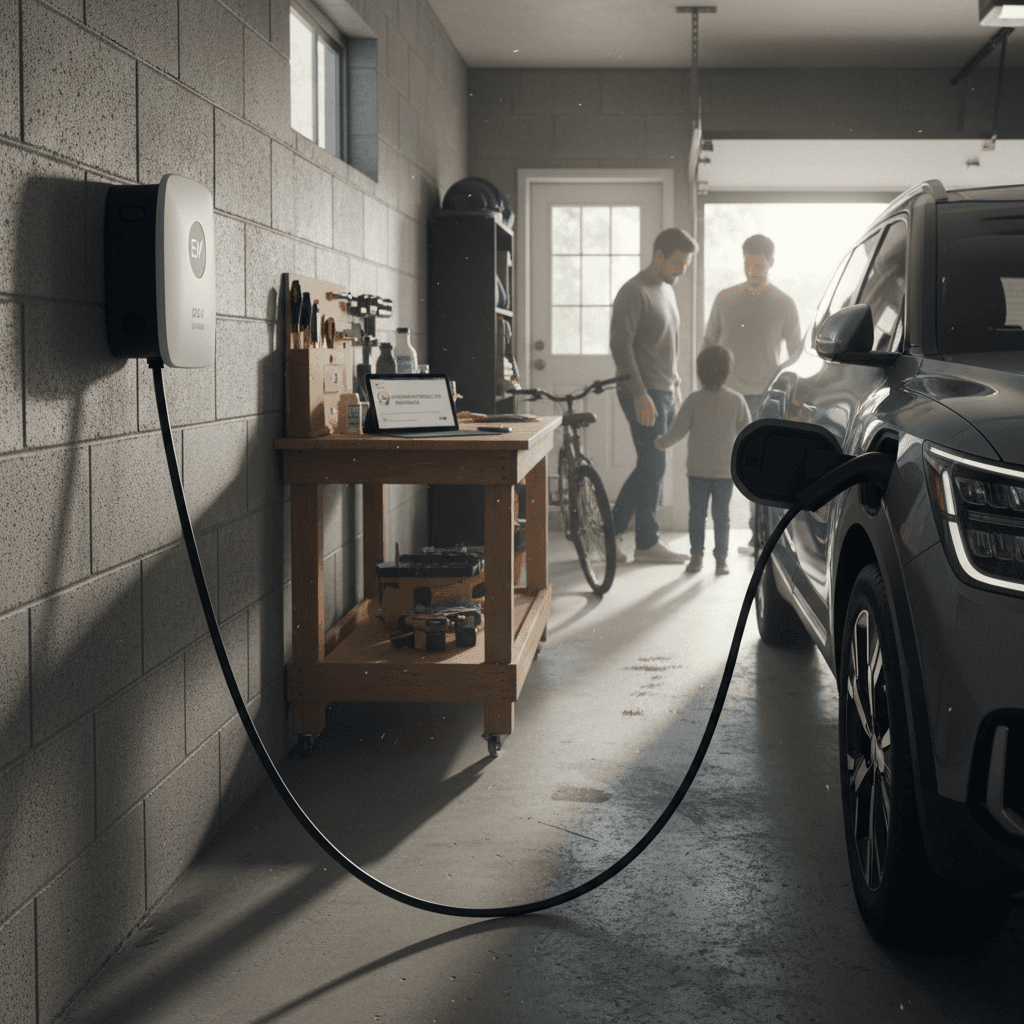
Energy is where EVs most clearly outclass gas SUVs. The Polestar 3’s large battery and efficient drivetrain mean you can cover serious mileage for surprisingly little money, especially if you mostly charge at home.
Home charging: your cost anchor
If you can plug in at home, you’ll usually pay the equivalent of **$1–$1.50 per gallon** compared to gas. In many parts of the U.S., overnight rates run around $0.12–$0.20 per kWh.
- Polestar 3 efficiency: roughly 2.3–2.7 miles per kWh, depending on wheel size, climate, and driving style.
- Cost per mile at $0.15/kWh: about $0.06–$0.07.
- 15,000 miles/year: around $900–$1,050 in electricity.
Public DC fast charging: convenience tax
Fast charging networks often charge $0.30–$0.50 per kWh, and sometimes higher along busy corridors. That can push you toward **$0.12–$0.20 per mile**.
- Still competitive with a 20–22 mpg luxury gas SUV at $3.50–$4.00/gallon.
- But long-term Polestar 3 ownership cost is lowest when public fast charging is the exception, not the rule.
Build a charging routine that matches your lifestyle
Maintenance and repairs: what does a Polestar 3 really need?
One of the big promises of EVs is that there’s simply **less to wear out**. No oil changes, spark plugs, timing belts, or multi-gear automatic transmissions. The Polestar 3 rides on a sophisticated chassis and dual-motor powertrain, but underneath, it still benefits from the inherent simplicity of an EV.
Polestar 3 maintenance: what you’ll actually pay for
Fewer line items than a gas SUV, but still worth planning for
Tires & alignment
The Polestar 3’s weight and performance tires mean **more frequent tire replacement** than a small crossover. Budget generously, especially for 21–22 inch wheels.
Brake fluid & pads
Regenerative braking helps pads last longer, but fluid still needs periodic service. Expect less brake work than a comparable gas SUV, but not zero.
Software & inspections
Polestar leans on over-the-air updates, but you’ll still have scheduled inspections, cabin filters, and occasional hardware tweaks at service intervals.
Typical EV service rhythm
Insurance and taxes: budgeting for the boring stuff
Insurance and taxes won’t be unique to the Polestar 3, but they *will* reflect its status as a new, high-value, technologically advanced SUV. Expect premiums similar to other luxury EVs and high-end crossovers.
- High MSRP and expensive bodywork can push comprehensive and collision premiums up.
- Advanced driver-assistance hardware and sensors make some repairs pricier after a collision.
- Battery-only EVs may qualify for local tax breaks or reduced registration fees in some states, softening the blow.
Shop insurance like you shop cars
Battery health and warranty: long-term confidence
The battery pack is the single most expensive component in a Polestar 3, and it’s exactly what most EV shoppers worry about. Polestar, like most brands, backs its high-voltage battery with a **long-term warranty**, commonly around 8 years or a high-mileage cap, with a minimum capacity guarantee, giving you a safety net against major defects.
What keeps a Polestar 3 battery healthy (and what hurts it)
Good habits matter more than you might think
Factors that help
- Regular AC charging (Level 1 or Level 2) instead of relying on DC fast charging.
- Avoiding frequent 0–100% charge swings; living mostly in the 20–80% window.
- Parking in a garage or shade in very hot climates.
Factors that hurt
- Daily DC fast charging for short trips.
- Leaving the vehicle fully charged for long periods in high heat.
- Consistent deep discharges to near 0% state-of-charge.
How Recharged helps on used Polestar 3s
Ready to find your next EV?
Browse Vehicles5-year cost of ownership: Polestar 3 vs gas SUV
Exact numbers will vary wildly by where you live, how you drive, and how you finance your Polestar 3. But we can sketch a **directional 5-year picture** to show how the pieces fit together if you buy new and drive about 15,000 miles per year.
Illustrative 5-year cost comparison
Approximate, high-level comparison of a new Polestar 3 versus a similarly priced luxury gas SUV.
| Cost category (5 years) | Polestar 3 (new) | Comparable luxury gas SUV |
|---|---|---|
| Depreciation | High (biggest single expense) | High (also significant on luxury SUVs) |
| Energy/fuel | Lower – mostly electricity, especially with home charging | Higher – premium gasoline at 18–22 mpg |
| Maintenance & repairs | Moderate – fewer wear items but pricey tires and suspension | Higher – more fluids and engine-related service |
| Insurance | Similar to other luxury EVs | Similar to other luxury SUVs |
| Taxes & fees | Sometimes lower (local EV incentives or reduced fees) | Standard for combustion vehicles |
| Total cost of ownership | Often competitive with or slightly better than a similar gas SUV, especially after incentives | Depends heavily on fuel prices and maintenance history |
These are not quotes, just a framework to help you compare line items.
The EV advantage grows with mileage
How buying a used Polestar 3 can cut your costs
If you’re reading an article about **Polestar 3 long term ownership cost**, you’re already thinking beyond the showroom shine. That’s exactly where a **used Polestar 3** becomes especially appealing. You’re trading a little new-car smell for a lot of financial breathing room.
Advantages of buying used
- Lower entry price: Someone else took the steep first 3 years of depreciation.
- Known real-world feedback: Software quirks and early-build issues are usually well documented and often already addressed.
- Battery data in hand: With the right diagnostics, you can confirm a specific vehicle’s pack health.
What to watch for
- Service history on over-the-air updates and recalls.
- Evidence of heavy DC fast charging (which can accelerate degradation).
- Wheel and tire choices, big wheels look great, but they’re more expensive to replace.
How Recharged changes the used-EV shopping equation
Checklist: estimating your own Polestar 3 ownership cost
Build your personal Polestar 3 cost picture
1. Pin down your annual mileage
Are you a 7,500-mile city driver or a 20,000-mile road warrior? Your miles per year will determine how big a role energy savings play versus depreciation.
2. Map out your charging mix
Estimate what percentage of your charging will be at home, at work, and on DC fast chargers. Plug in local electricity rates and network pricing to get a realistic energy budget.
3. Compare insurance quotes before you buy
Get quotes for a Polestar 3 and for one or two gas SUVs you’re cross-shopping, using the same coverage levels. That way, insurance doesn’t surprise you later.
4. Budget for tires and wear items
Check the wheel size and tire type on the Polestar 3 you’re considering. Price out replacements and factor them into your 5-year plan, especially on performance trims.
5. Decide new vs used based on depreciation comfort
If you want the latest build and full warranty from day one, new can make sense. If you’d rather let someone else tackle the steepest drop, target a low-mileage used Polestar 3.
6. Use objective battery health data
For used examples, rely on real diagnostics, not gut feel. A platform like Recharged gives you a battery health readout alongside pricing, so you’re weighing true long-term value.
Polestar 3 long-term ownership cost FAQ
Frequently asked questions about Polestar 3 ownership costs
Bottom line: is a Polestar 3 worth it long term?
If you value design, refinement, and quiet electric power, the Polestar 3 can absolutely make sense as a long-term daily driver. New, it’s an expensive luxury SUV with the steep depreciation that comes with that badge. But viewed through a total cost of ownership lens, factoring in low energy costs, relatively light maintenance, and the option to buy used, it becomes much more compelling.
The smartest move is to run your own numbers. Decide how long you’ll keep the vehicle, how many miles you drive, and how much access you have to home charging. Then compare a Polestar 3 against the gas SUVs you’d otherwise buy. And if a used Polestar 3 is on your radar, shopping through Recharged gives you **battery health transparency, fair pricing, EV‑specific support, and nationwide delivery**, so your long‑term ownership costs are clear before you ever hit the Start button.