You bought an electric car to escape oil changes, not to spend Saturdays in a loaner waiting room. But when something finally needs attention, you face a familiar question in an unfamiliar world: independent EV mechanic vs dealer service, who actually deserves your car, your time, and your money?
Short answer
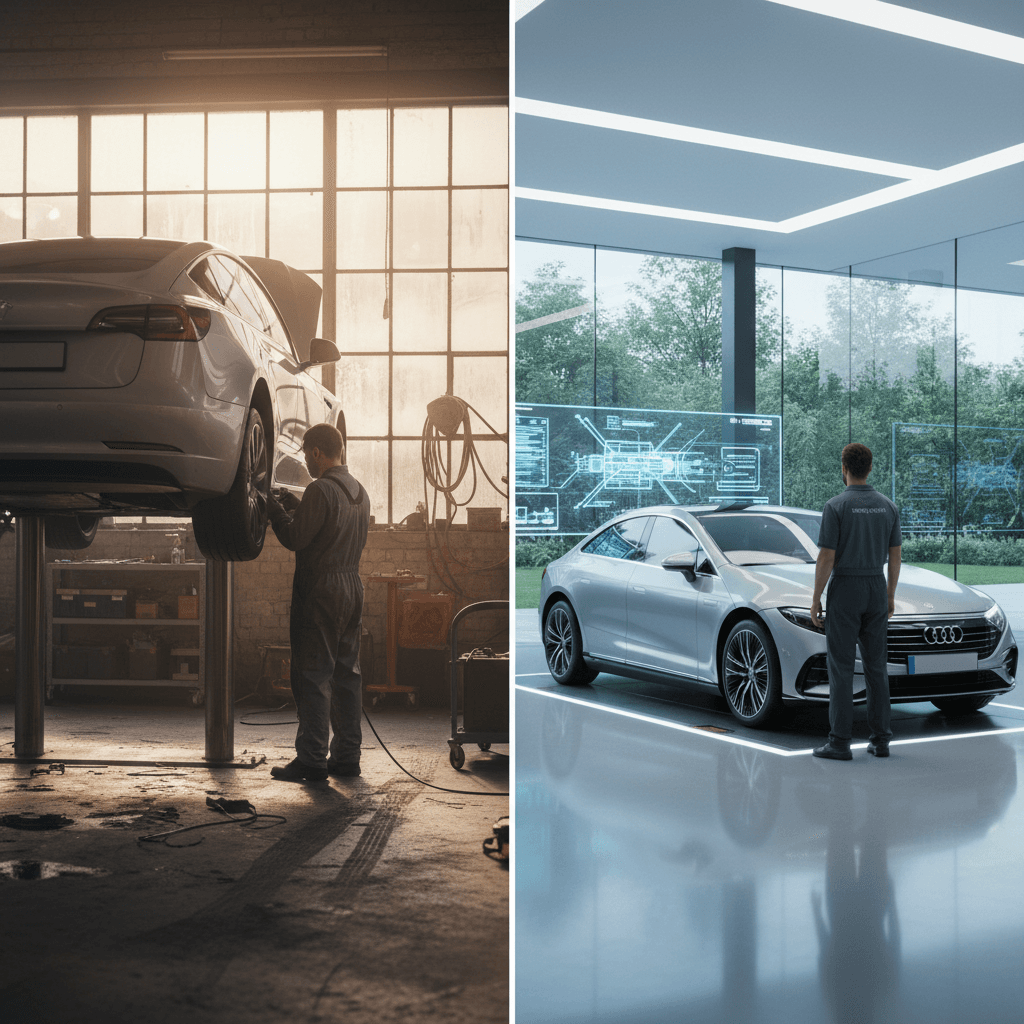
Independent EV mechanic vs dealer service: what’s really different?
Dealer or factory service center
- Strengths: Direct access to factory software, tooling, and technical bulletins; mandatory for most recalls and warranty campaigns.
- Weaknesses: Higher hourly rates, more upsells, long wait times, and sometimes a one‑size‑fits‑all customer experience.
Independent EV specialist
- Strengths: Typically 20–30% lower labor rates, more flexible scheduling, more transparent communication, and cross‑brand experience.
- Weaknesses: Patchy availability outside EV‑dense areas, limited access to some proprietary software and parts, and quality that varies shop to shop.
Where the market is in 2025
How EV servicing is different from gas-car maintenance
Before we weigh independent EV mechanics vs dealer service, it helps to understand how EVs fail, and how rarely they need traditional “maintenance” at all. You’re not paying for oil changes, timing belts, spark plugs, or exhaust systems. Instead, you’re dealing with tires, brakes, suspension, cooling systems, software, and the big one: the high‑voltage battery.
EV maintenance: where the work actually happens
What typically sends EV owners to a shop in the first place
Battery & electronics
Includes the high‑voltage pack, onboard charger, DC‑DC converter, and inverters. Problems are rare but expensive and often tied to warranties and software locks.
Cooling & charging systems
Battery and drive‑unit coolant loops, charge ports, and onboard chargers need periodic inspection. Leaks or failed pumps usually require someone who understands EV‑specific fluids and procedures.
Tires, brakes & suspension
EVs are heavy and torquey. They can eat tires and stress bushings faster than gas cars. This is where independent shops shine and where most of your out‑of‑warranty spend lives.
Pro tip for budget planning
Dealer EV service: pros, cons, and when it makes sense
- Direct pipeline to factory engineering support and up‑to‑date technical bulletins.
- Full access to proprietary software, diagnostics, and online programming systems, critical for firmware updates and module replacements.
- Required for most warranty work, recalls, and buyback investigations.
- Standardized processes for high‑voltage safety and post‑collision inspections.
This is the dealership’s native habitat: anything that touches core vehicle firmware, safety systems, or brand reputation. Tesla service centers, for example, are often your only choice for in‑warranty power electronics and many connectivity issues, because third‑party shops can’t talk to Tesla’s back‑end systems.
Dealer downsides to keep in mind
- Software bugs and warning lights that appear after an over‑the‑air update.
- HV battery or drive‑unit replacement under warranty.
- Structural or safety‑critical repairs after a crash, especially if they affect high‑voltage components.
- Brand‑specific campaigns like battery capacity updates, charging‑speed changes, or hardware retrofits.
Independent EV mechanics: advantages, drawbacks, and limitations
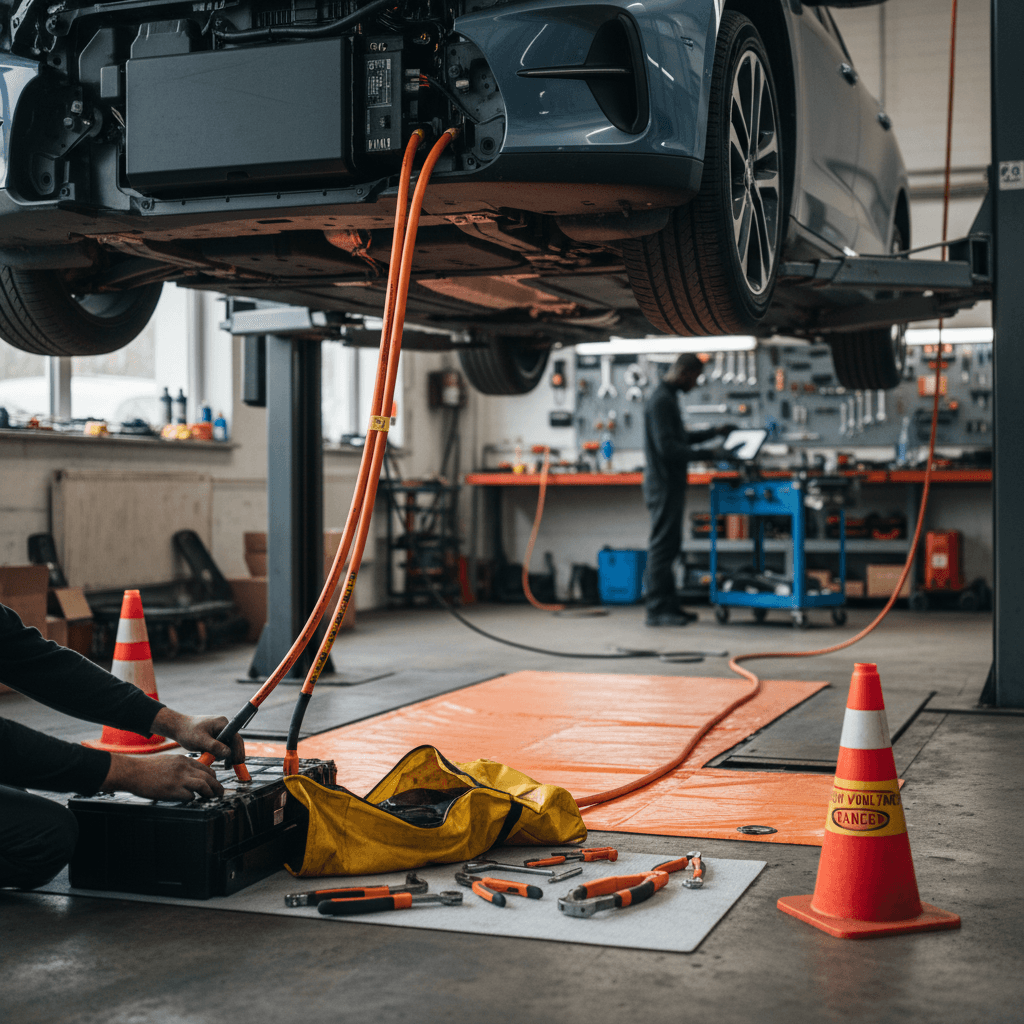
The independent side of the EV mechanic vs dealer debate looks very different from the old gas‑car world. Only a subset of shops have invested in high‑voltage safety training, insulated tools, OEM‑grade scan tools, and EV‑specific lift equipment. But when you find one of those shops, they can be a revelation.
Independent EV shops: where they shine, and where they struggle
Use this lens to judge any shop that claims to be “EV‑ready”
Typical strengths
- Lower labor rates: many independents charge 20–30% less than dealers for comparable work.
- More time, more transparency: you often talk directly to the technician or shop owner.
- Cross‑brand experience: shops that see Teslas, Hyundais, Fords, and Nissans develop a broad view of common EV issues.
- Creative repairs: some will refurbish battery modules or components the dealer can only replace as a full assembly.
Typical limitations
- Spotty EV expertise: many shops still see very few EVs; their comfort level may be mostly tires and brakes.
- Restricted access: no login to some factory servers, so they can’t perform certain software updates or online coding procedures.
- Parts bottlenecks: for some brands, dealers control key components or require return of old parts.
- Regional gaps: top‑tier EV independents cluster around EV‑dense metros; rural owners may have no local option yet.
A real-world sweet spot
Cost comparison: EV dealer service vs independent shop
Exact numbers vary by brand and ZIP code, but patterns are clear: dealers typically charge more per hour and more per job, especially once you’re out of warranty. Industry analyses in 2024–2025 show independents often undercut dealer pricing by roughly 20–30% for comparable work.
Typical out-of-warranty EV service costs: dealer vs independent
Approximate U.S. price ranges in 2025 for common EV services. These are ballpark examples, not quotes, always confirm with your local shop.
| Service | What it covers | Dealer range (USD) | Independent EV shop range (USD) |
|---|---|---|---|
| Tire rotation & inspection | Rotate tires, set pressures, visual brake & suspension check | $60–$120 | $40–$80 |
| Four EV-rated tires | New EV-rated tires, mount, balance, disposal | $900–$1,600 | $800–$1,400 |
| Brake service | Clean and lube hardware, pads/rotors as needed | $350–$900 | $250–$800 |
| Coolant service (battery/drive unit) | Drain/fill EV coolant, bleed, inspect hoses | $250–$550 | $200–$450 |
| 12‑volt battery replacement | Low‑voltage battery plus coding if required | $300–$550 | $200–$450 |
| HV battery diagnostics (out of warranty) | Pack scan, thermal checks, basic troubleshooting | $350–$700 | $250–$500 |
Dealer pricing tends to come with higher labor rates and fixed menu pricing; independents have more flexibility, especially on complex repairs.
How to use these numbers
Battery and high-voltage repairs: who should touch what?
The moment we move from tires and suspension into battery and high‑voltage repairs, the playing field tilts back toward the dealer, at least for now. From the OEM’s perspective, the traction battery is both a safety device and the brand’s reputation on wheels. That’s why so many repairs are only authorized at factory centers.
Dealer or factory center is usually best for:
- In‑warranty battery capacity or range complaints.
- Thermal management faults that trigger safety warnings.
- HV contactor or isolation faults that brick the car.
- Software‑driven charging limits after a recall or TSB.
Independent EV specialists may handle:
- Out‑of‑warranty packs with degraded capacity.
- Module‑level repairs on modular packs where parts and procedures exist.
- Refurbished or upgraded packs for early EVs whose OEM support has faded.
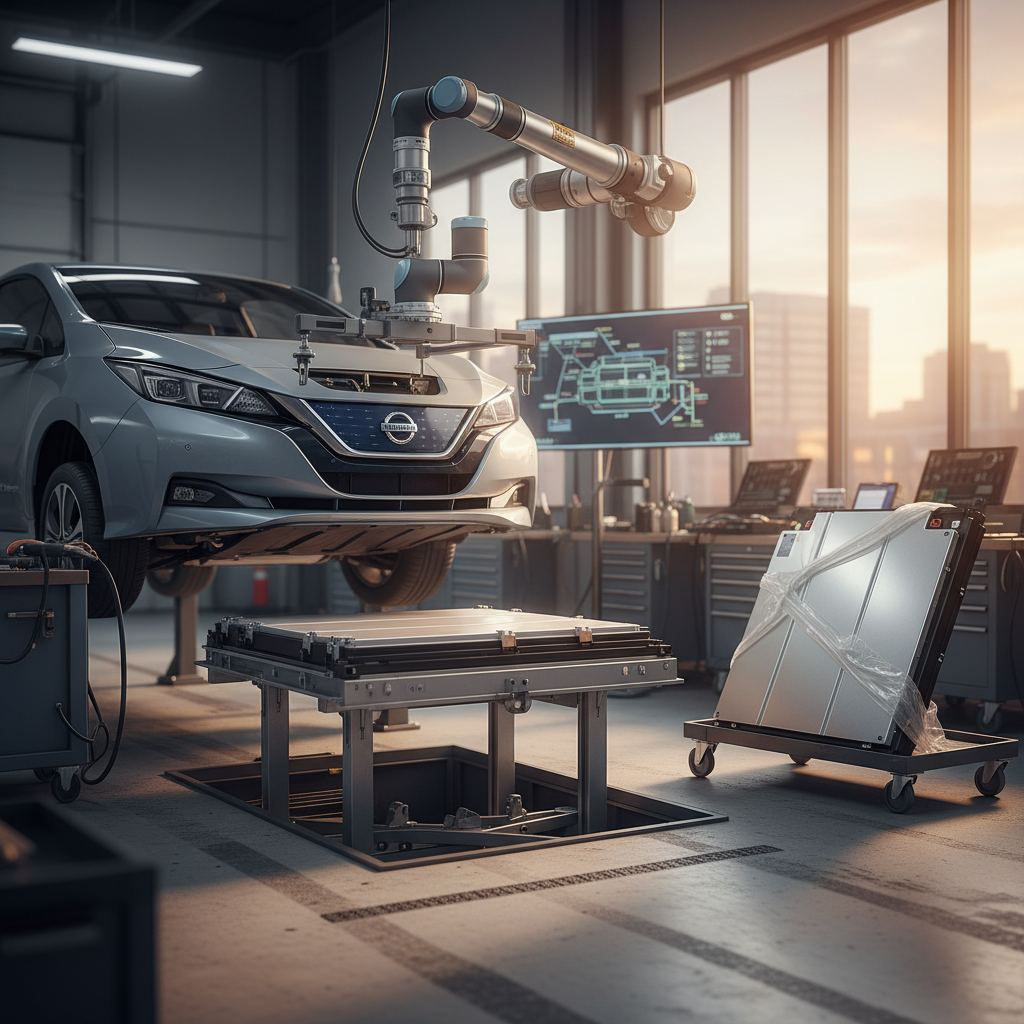
- Pack removal/installation when collaborating with a third‑party rebuilder.
Non‑negotiable safety line
Warranty, recalls, and right-to-repair for EV owners
A lot of anxiety around independent EV mechanics vs dealer service comes down to one question: “Will I void my warranty if I don’t go to the dealer?” In the U.S., the answer is generally no, as long as the work is done correctly and the problem isn’t caused by improper repairs or non‑approved modifications.
- You’re free to use independent shops for routine maintenance and many repairs without automatically voiding your warranty.
- Manufacturers can deny a specific warranty claim if they can show the failure was caused by bad parts or workmanship.
- Recalls and most technical service campaigns still have to be done at a dealer or factory service center.
- Keep documentation: itemized invoices, part numbers, and mileage are your receipts if a dispute ever arises.
Watch the fine print
How to choose the right EV mechanic (dealer or independent)
7 steps to vet any EV shop
1. Ask how many EVs they see each week
“A few every month” is very different from “we have three EVs in the bays right now.” You want a shop where EVs are routine, not an experiment.
2. Look for EV-specific training and certifications
ASE L3 (hybrid/electric vehicle specialist), OEM training, or dedicated EV courses matter. High‑voltage work should never be a side hobby.
3. Confirm what they will and won’t do
A good shop is honest about limits: maybe they’ll tackle everything short of battery module swaps, or maybe they stick to tires, brakes, and suspension. Clarity is a green flag.
4. Ask about software and scan‑tool access
For many brands, full diagnostic coverage requires either OEM tools or high‑end aftermarket scanners. If a shop can’t see manufacturer‑specific codes, they’re guessing.
5. Check reviews specifically from EV owners
Search reviews for your model, “Model 3,” “Ioniq 5,” “Bolt EUV”, not just “electric.” You want proof they’ve successfully handled your platform.
6. Inspect the shop environment
Look for insulated tools, EV‑rated jack points on their lifts, and clear safety markings. A tidy, organized bay usually reflects organized thinking.
7. Get a small job done first
Start them off with a tire rotation, alignment, or cabin filter. See how they communicate, how they treat your car, and how the bill matches the estimate.
Use both channels on purpose
If you own a used EV: choosing a long-term service home
Used EV owners live at the intersection of risk and opportunity. On one hand, you’ve already skipped the first owner’s depreciation hit. On the other, you may inherit a battery with some unknown history and a warranty clock that’s already ticking. Where you service the car has a real impact on total cost of ownership.
Why independent EV shops matter more with age
Once the original battery and powertrain warranties start to expire, dealer pricing on major repairs can feel like a ransom note. Quality independents can:
- Offer second opinions before you commit to a big repair.
- Suggest staged fixes or module‑level repairs where appropriate.
- Help you monitor battery health over time instead of reacting at the last minute.
Where Recharged fits into the picture
If you’re shopping used, a marketplace like Recharged can tilt the odds in your favor. Every vehicle comes with a Recharged Score Report and verified battery health data, so you’re not guessing about pack condition before you ever meet a mechanic. Pair that with a trusted local EV shop and you’ve built yourself a serious safety net.
Pro move for used EV buyers
FAQ: independent EV mechanic vs dealer service
Frequently asked questions
Bottom line: build a two-stop strategy for your EV
You don’t have to pick a side in the independent EV mechanic vs dealer service debate and stay loyal forever. The smart play is to treat them as complementary tools. Use the dealer or factory service center for what only they can do, recalls, warranty campaigns, deep software issues, and safety‑critical high‑voltage work. Use a qualified independent EV shop for the recurring stuff that actually shapes your ownership costs: tires, brakes, suspension, alignments, coolant services, and honest second opinions.
If you’re still shopping for a used EV, let the homework start even earlier. A marketplace like Recharged can help you find a car with verified battery health and transparent pricing, then hand that car off to the right combination of dealer and independent support. Do that, and you haven’t just bought an EV, you’ve built yourself a long‑term ownership plan that’s cheaper, calmer, and a lot more predictable.