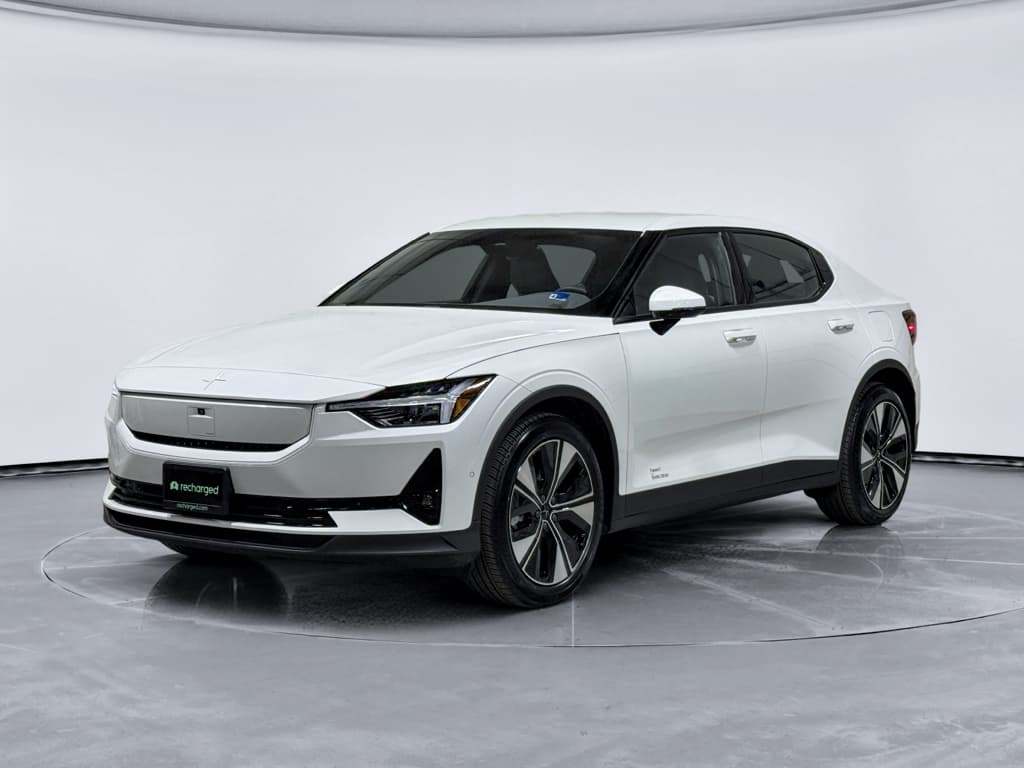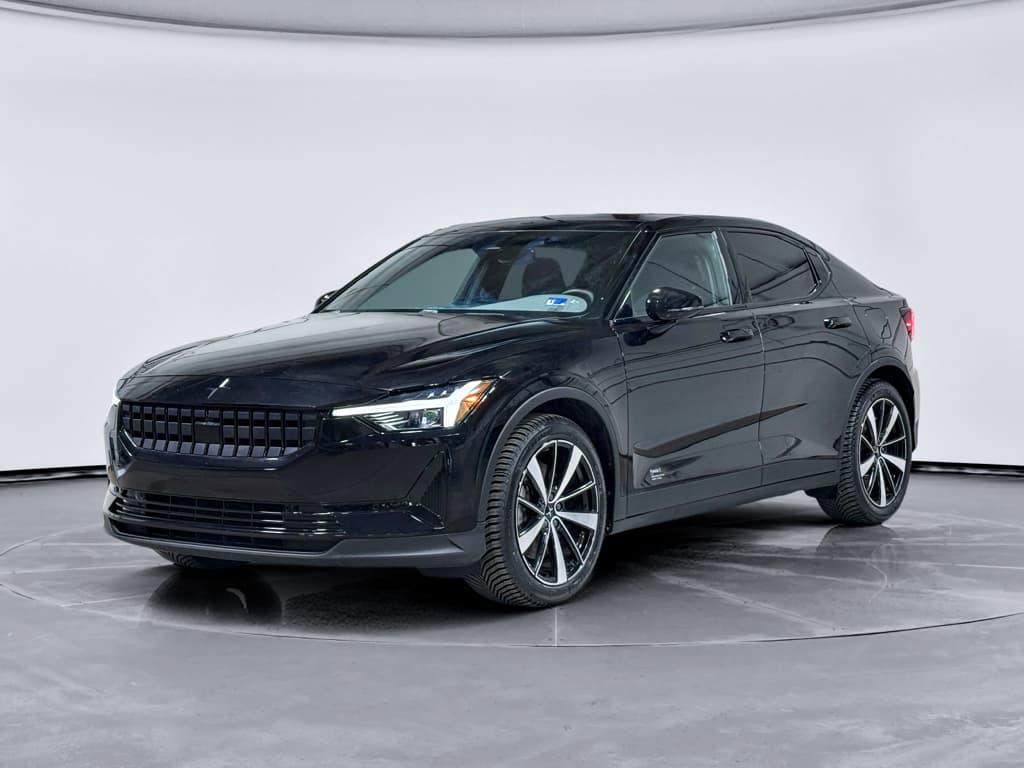
If you’re eyeing a Polestar 3, you’re probably wondering about one unsexy but essential topic: depreciation rate. This is a brand‑new, design‑driven luxury EV SUV from a relatively young marque, in a segment where electric vehicles and premium badges are known to shed value quickly. Let’s unpack what we actually know today, what we can reasonably forecast, and how to protect yourself, especially if you’re planning to buy a Polestar 3 used.
Quick take
Overview: What we actually know about Polestar 3 depreciation
The Polestar 3 is still early in its lifecycle, so no one has a complete 5‑year depreciation curve yet. But we’re not flying blind. We can triangulate from three things:
- Real‑world used values for the Polestar 2, which has been on sale long enough to establish a pattern.
- Early appraisal data and trade‑in estimates for 2025 Polestar 3 models from major valuation sites.
- Broader trends for luxury EVs and midsize SUVs, which tend to lose more value in the first 3–5 years than mainstream gas models.
Important context
Depreciation baselines to keep in mind
How EVs and luxury SUVs typically depreciate
To understand the Polestar 3 depreciation rate, you first have to understand the two forces working against it: it’s both an EV and a luxury SUV. Both categories come with heavier‑than‑average depreciation in the early years.
Why luxury EV SUVs drop value faster
The Polestar 3 sits at the crossroads of two depreciation‑heavy segments.
1. EV tech moves quickly
Battery tech, range, and charging speeds are improving at a blistering pace. A 2026 Polestar 3 might look slightly dated in 2029 if competitors launch models with much longer range or faster DC charging at similar prices. Used buyers demand discounts to compensate.
2. Luxury trim loses its shine
Leather, panoramic roofs, and advanced driver‑assist tech are great when new, but the used market discounts them heavily. Luxury models are often leased, then come back in waves, creating more supply than demand at 3–4 years old.
3. Incentives distort used pricing
Generous new‑EV incentives, dealer discounts, or conquest offers (like Polestar’s big lease incentives for Tesla owners in some markets) weaken used prices. If someone can get a heavily discounted new Polestar 3, they won’t pay strong money for a 3‑year‑old one.
4. Battery & warranty anxiety
Used buyers fixate on battery health and remaining warranty coverage. Even if degradation is mild, uncertainty alone forces prices down unless you can prove the pack is healthy.
Rule of thumb for modern EVs
What Polestar 2 resale teaches us about Polestar 3
Because the Polestar 3 is so new, the cleanest way to frame its future depreciation is to look closely at the Polestar 2, which shares the same badge, design philosophy, and basic customer profile.
3‑year depreciation snapshot: Polestar 2 vs key rivals
Approximate 3‑year depreciation based on observed used prices relative to typical original MSRP.
| Model | Approx. 3‑yr depreciation | Residual value | Notes |
|---|---|---|---|
| Polestar 2 | ~40% | ~60% | Undercuts leaders like Tesla on value retention but not the worst in class. |
| Tesla Model 3 | ~32% | ~68% | Historically one of the strongest EVs for resale, though recent softness has appeared. |
| Hyundai Ioniq 5 | ~38% | ~62% | Mainstream EV with solid brand trust and demand. |
| Audi e‑tron (Q8 e‑tron) | ~45% | ~55% | Luxury EV SUV with steeper early depreciation. |
| BMW i4 | ~42% | ~58% | Premium EV sedan; similar behavior to other German luxury models. |
These are directional estimates, not official residual values, but they show where Polestar tends to land in the pack.
Polestar 2 doesn’t have catastrophic resale, but it also isn’t a residual‑value hero. It tends to sit in the middle: worse than Tesla’s high‑demand models, better than some niche luxury sedans and lower‑volume EVs.
“While Polestar isn’t the worst offender, it falls behind leaders in residual value retention, especially when factoring in its premium pricing at launch.”
What this implies for the Polestar 3
Early value signals for the Polestar 3
We are starting to see the first trade‑in and used pricing data for the 2025 Polestar 3, and that gives us the beginning of a curve, even if it’s only months old.
Early 2025 Polestar 3 value snapshot
Indicative values for a 2025 Polestar 3 Long Range Dual Motor with typical mileage and no options, based on one major valuation source.
| Condition | Trade‑in value | Private party | Dealer retail |
|---|---|---|---|
| Outstanding | $57,400 | $58,600 | $60,100 |
| Clean | $56,900 | $58,000 | $59,400 |
| Average | $56,000 | $57,000 | $58,300 |
| Rough | $54,800 | $55,700 | $56,800 |
Exact numbers vary by mileage, region, trim, and condition, but the spread between trade‑in and retail already hints at early depreciation.
With well‑optioned Polestar 3s commonly carrying MSRPs in the mid‑$70,000s or more when new, those mid‑$50k trade‑in estimates after relatively short time on the road already suggest a meaningful first‑year hit. That’s not unusual for a premium EV, but it’s worth acknowledging if you’re thinking about buying new and flipping quickly.
First-year buyers take the biggest hit
3-year and 5-year Polestar 3 depreciation scenarios
Let’s translate all this into numbers you can actually use. Think of these as reasonable scenarios, not guarantees, assuming normal mileage (10,000–12,000 miles per year) and no major market shock.
Polestar 3 depreciation scenarios
Illustrative examples using a $80,000 new purchase price.
Conservative (best‑case)
- 3 years: ~40% depreciation
- Value: about $48,000
- Requires strong brand momentum, stable incentives, and high demand for used Polestars.
Base case (most likely)
- 3 years: 45–55% depreciation
- Value: about $36,000–$44,000
- In line with many luxury EV SUVs and Polestar 2’s history.
Aggressive (worst‑case)
- 3 years: 60%+ depreciation
- Value: ~$32,000 or less
- Could happen if incentives spike, brand struggles, or EV demand softens markedly.
5-year outlook
Over five years, it’s reasonable to bracket the Polestar 3 like this, again using that $80,000 example MSRP:
- Upside case: ~50% depreciation → value around $40,000
- Base case: ~55–65% depreciation → value around $28,000–$36,000
- Downside case: ~70% depreciation → value around $24,000
What this means for you
If you plan to keep the Polestar 3 6–8 years, these paper losses matter less; you’re extracting value in comfort, safety, and daily use. If you like to swap cars every 2–3 years, however, you’ll feel this curve acutely, and a lease or a late‑model used purchase may be smarter than buying new.
Key factors that will shape Polestar 3 resale value
The Polestar 3 isn’t depreciating in a vacuum. Several brand‑ and model‑specific factors will nudge its depreciation rate up or down over time.
6 big levers that move Polestar 3 depreciation
1. Brand strength & awareness
Polestar is still a young brand. As awareness grows and more people see Polestar 3s on the road, residuals may strengthen. If the brand remains niche or struggles financially, used buyers will demand discounts for perceived risk.
2. Supply, demand & incentives
Hefty lease or purchase incentives on new Polestar 3s, especially conquest offers for Tesla owners, support new sales but hurt used values. A flood of off‑lease 3s in 3–4 years could also push prices down.
3. Battery health & thermal management
How well the Polestar 3’s pack ages in real‑world conditions will be huge. Cars that can show low degradation and robust thermal management will command a premium on the used market compared with mystery‑condition packs.
4. Software support & OTA updates
If Polestar keeps infotainment, driver‑assist features, and efficiency fresh with over‑the‑air updates, older 3s will feel less dated. If updates stall, the car will feel behind newer rivals faster, accelerating depreciation.
5. Charging ecosystem & standards
Access to fast, reliable charging, whether that’s native support for NACS (Tesla’s connector) or solid DC fast‑charging performance, will influence how confident used buyers feel about a 5‑ or 6‑year‑old Polestar 3.
6. Competition from newer EV SUVs
This segment is crowded and moving fast. New entries from BMW, Mercedes, Audi, and the next generation of Tesla and Hyundai‑Kia SUVs will constantly reset the benchmark for range and tech, pressuring older models on price.
Good news for long‑term owners
Should you lease or buy a Polestar 3?
Given the likely Polestar 3 depreciation rate, the lease‑versus‑buy question is not academic, it’s central. The brand and many dealers have already leaned on aggressive lease programs to get cars moving, which tells you something about how the risk is being allocated.
When leasing makes sense
- You like to change cars every 2–4 years.
- You’re worried about long‑term battery health and tech obsolescence.
- There are strong lease incentives or conquest offers, effectively subsidizing depreciation.
- You write off a portion of the payment for business use and prefer predictable monthly costs.
In a lease, the financial risk of a softer‑than‑expected resale market mostly sits with the lender, not you.
When buying (especially used) makes sense
- You plan to keep the car 6–8+ years.
- You can buy a lightly used Polestar 3 after the big first‑owner hit.
- You care about total cost of ownership more than the latest tech.
- You can access favorable financing and you’re not maxing your budget.
Buying new can still work if you’re long‑term oriented; buying used can stack the deck even further in your favor.
Watch for negative equity
How to shop smart for a used Polestar 3
If you’re patient, a used Polestar 3 could be one of the best EV buys on the market precisely because of its depreciation. The first owner absorbs the brutal part of the curve; you get Scandinavian design, strong performance, and modern safety tech for midsize‑SUV money. But you have to be picky.
Used Polestar 3 buying checklist
1. Target the “sweet spot” age
Look for Polestar 3s at around <strong>2–4 years old</strong>. By then, the steepest depreciation is behind you, but you still have meaningful battery and bumper‑to‑bumper warranty left.
2. Demand real battery health data
Don’t accept vague assurances. Ask for documented battery diagnostics or a third‑party report. Tools like the <strong>Recharged Score</strong> use verified battery health measurements so you know how much capacity is left, not just what the dash says.
3. Check charging history & usage pattern
Heavy DC fast‑charging, extreme hot or cold climates, and high annual mileage can all accelerate degradation. A mostly home‑charged, temperate‑climate Polestar 3 is a better bet than a road‑warrior fast‑charge queen.
4. Verify software currency
Make sure the car is up to date on Polestar’s latest software and OTA updates. A car that’s been neglected on updates can feel older than it is, and it’s a subtle signal about how carefully the previous owner treated it.
5. Compare asking price to current new incentives
If a brand‑new or demo Polestar 3 is being advertised with massive discounts or lease cash, that should pull used prices down too. Don’t overpay for a used car that’s sitting in the shadow of a subsidized new one.
6. Get an EV‑savvy inspection
Traditional pre‑purchase inspections often ignore the high‑voltage side of the car. Make sure whoever inspects your Polestar 3 understands EV‑specific concerns: battery health, cooling systems, onboard charger, and high‑voltage safety.
How Recharged helps you de-risk a used Polestar 3
Depreciation is the price you pay for driving something new and exciting. The trick is making sure you’re not the one writing the biggest check for that thrill. That’s where a used Polestar 3, bought the right way, can shine, and where Recharged is built to help.
Turn depreciation into an opportunity, not a risk
Why a used Polestar 3 can be a smart buy through Recharged.
Verified battery health
Every vehicle on Recharged comes with a Recharged Score Report that includes battery health diagnostics. You’re not guessing how far along the degradation curve your Polestar 3 is, you see it in black and white.
Fair market pricing
We benchmark each car against current market data so pricing reflects real‑world depreciation and incentives, not wishful thinking. You see exactly how much value you’re getting relative to original MSRP.
Financing & trade‑in support
Recharged offers financing, trade‑ins, and even consignment, with EV‑savvy specialists who understand how depreciation affects equity. If you’re moving out of another EV that’s lost value, we can help you navigate that transition.
Because the entire experience is digital, backed by an Experience Center in Richmond, VA if you want to see vehicles in person, you can shop, compare, and run the numbers on multiple used Polestar 3s without dealer games. Depreciation doesn’t go away, but with the right data it becomes predictable instead of scary.
FAQ: Polestar 3 depreciation & resale value
Frequently asked questions about Polestar 3 depreciation
Bottom line: Is Polestar 3 depreciation a deal-breaker?
If you go into a Polestar 3 expecting rock‑solid resale like a Toyota SUV, you’re going to be disappointed. This is a luxury EV SUV from a young brand, and the most probable outcome is a depreciation curve in the 45–55% range by year three and 55–65% by year five. That’s the price of driving at the bleeding edge of design and tech.
But depreciation cuts both ways. For first owners, it’s a cost. For second owners, it’s the discount that suddenly makes a beautifully built Scandinavian EV feel attainable. If you use tools like battery‑health reports, fair‑market pricing, and EV‑savvy financing, a used Polestar 3 can be a smart, rational buy, especially through a marketplace like Recharged that’s designed to make those invisible risks visible.
So no, Polestar 3 depreciation isn’t a deal‑breaker. It’s a reality to understand, model, and, if you’re smart, turn to your advantage. Let the early adopters pay for the learning curve. You can own the same car, with the same elegance and performance, for far less if you time your entry right and insist on transparency about the battery and the numbers.