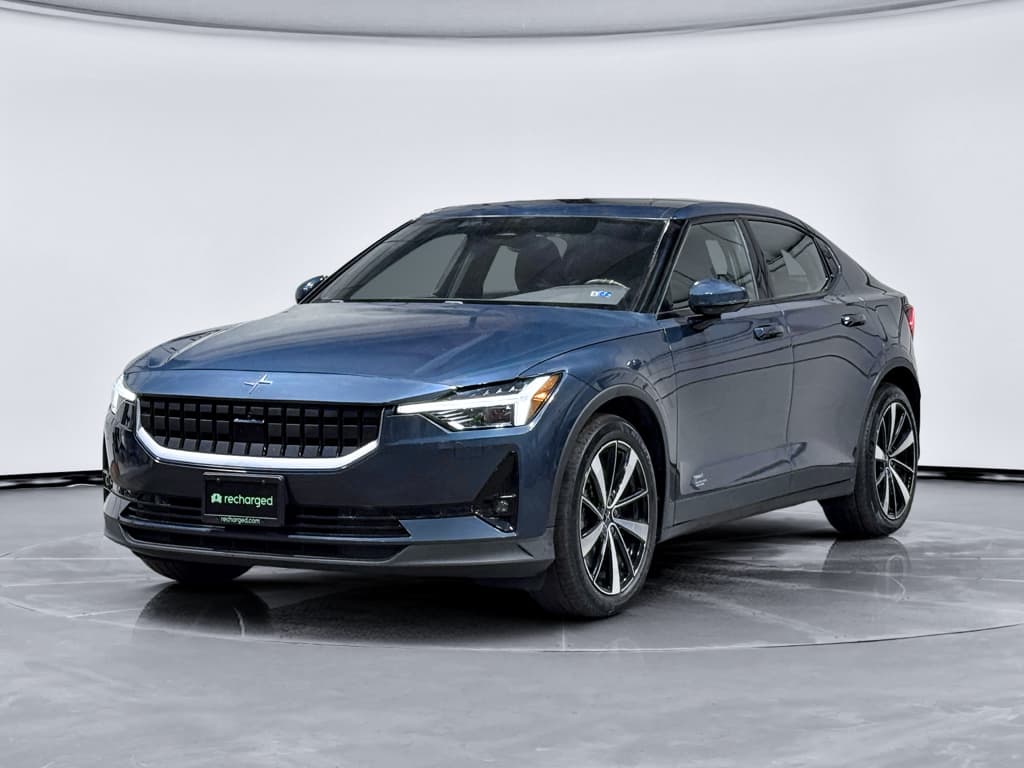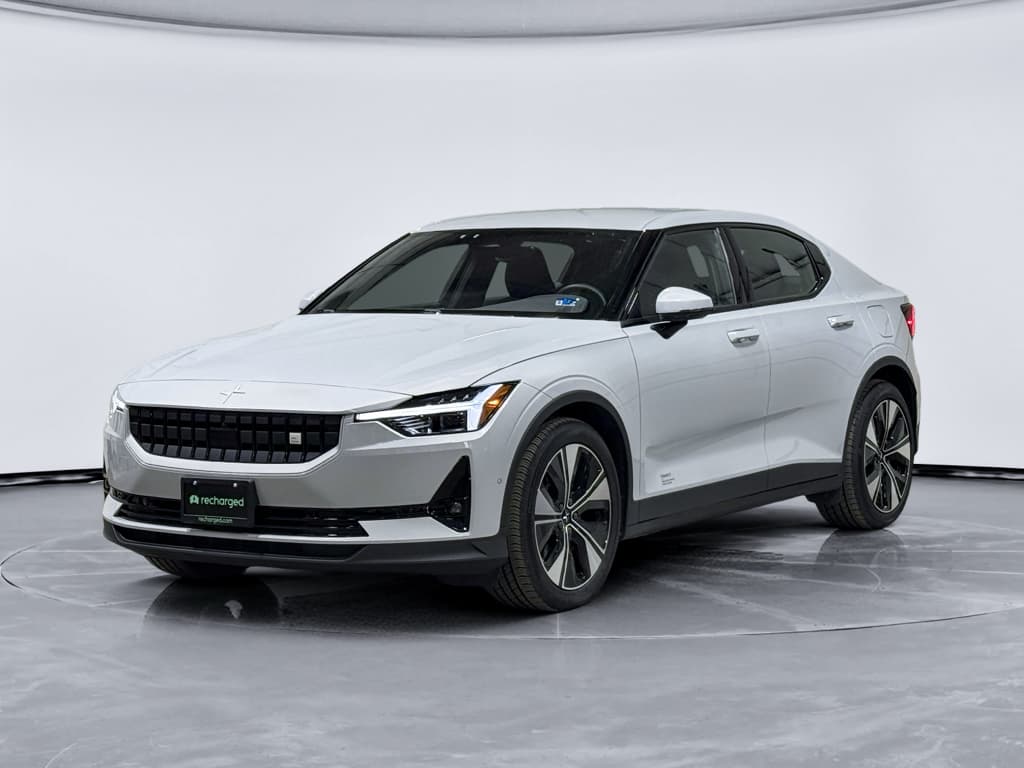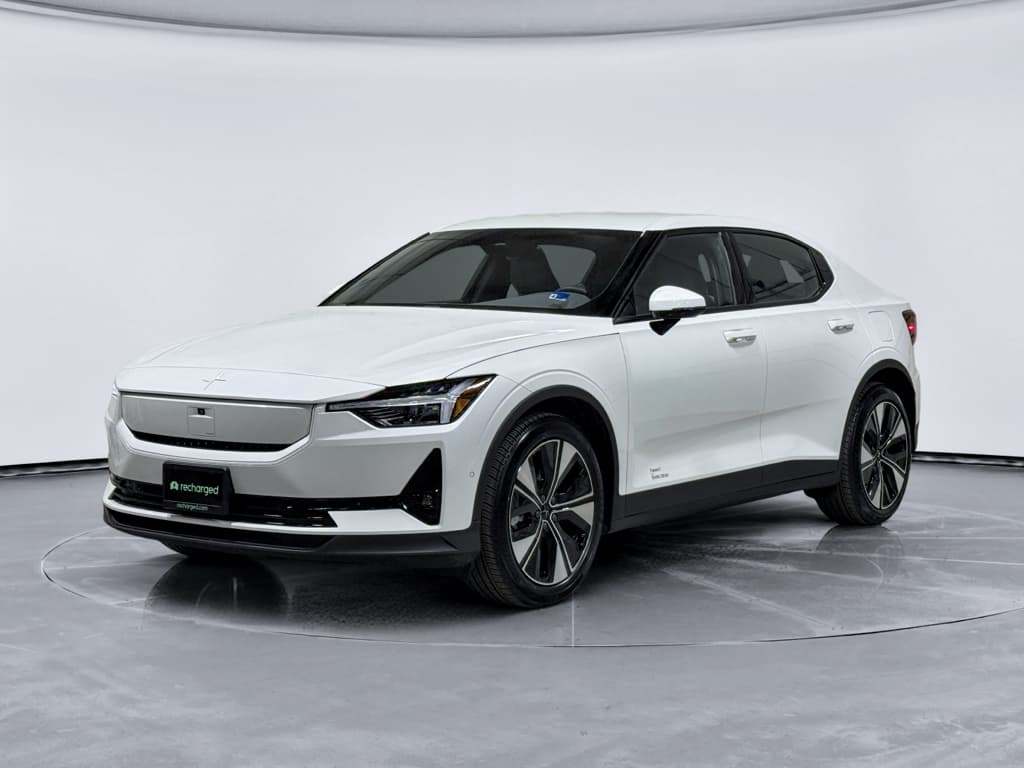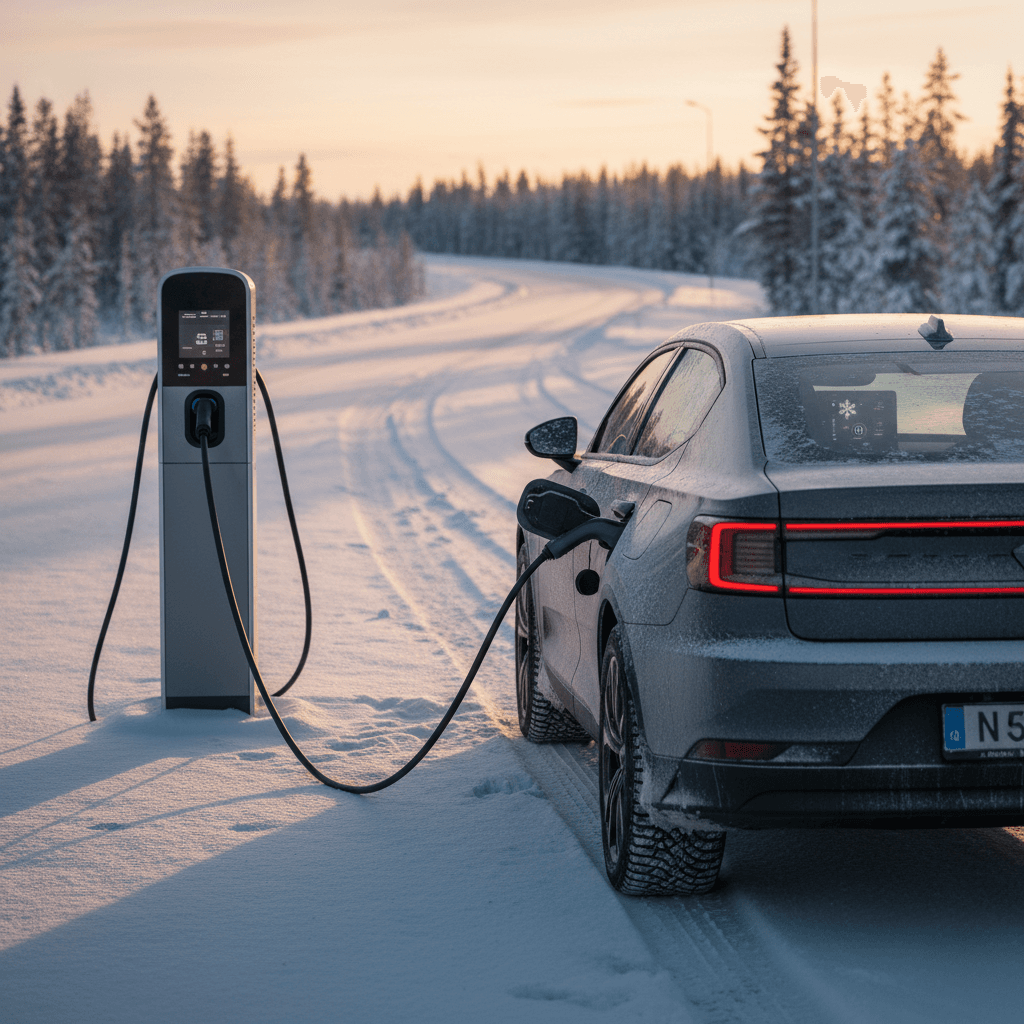
If you live in a cold climate, you’ve probably heard that electric cars can lose a big chunk of range in winter. The Polestar 2 is no exception. Drivers routinely ask about the Polestar 2 winter range loss percentage and whether it’s still practical for commuting or road trips once temperatures drop. The short answer: expect noticeable range loss in freezing weather, but you can manage most of it with the right settings and habits.
Quick context
Polestar 2 winter range loss at a glance
Typical Polestar 2 winter range impact
Those ranges are **typical, not guaranteed**. A Polestar 2 Long Range Single Motor driven gently at city speeds on a 35°F day can stay closer to a 15–20% loss, while a Dual Motor at 75 mph into a headwind at 5°F can blow past 40% loss. The important thing is to understand what’s driving those numbers and how you can keep them on the low end.
Don’t confuse winter loss with permanent degradation
Why the Polestar 2 loses range in winter
The Polestar 2 uses a large lithium‑ion battery pack that’s designed to work best around room temperature. In winter, two big things change: the battery itself gets cold, and you start burning energy to keep the cabin warm instead of letting a gasoline engine’s waste heat do the job.
- Cold battery chemistry – At low temperatures, lithium‑ion cells have higher internal resistance. That means the battery can’t deliver energy as efficiently, and the car may limit power until the pack warms up.
- Cabin heating load – The Polestar 2 uses electric resistive heaters and, if equipped, a heat pump. Both draw significant power, especially when you’re heating a frozen cabin from scratch.
- Thicker air and rolling resistance – Cold air is denser, so highway driving takes more energy. Winter tires and cold rubber also add rolling resistance.
- Short trip penalty – On short drives, you heat the cabin and battery over and over again but don’t log enough miles to “average out” the energy you spent heating. This inflates your Wh/mi figure and makes range look worse.
What the heat pump actually does
What real-world tests say about Polestar 2 winter range
Independent tests and owner reports give a decent picture of Polestar 2 winter range loss percentages across different trims and conditions. Numbers vary, but patterns are consistent.
Polestar 2 winter range: common test results
Approximate results from magazine tests, YouTube range runs, and owner reports in North American and European winters.
| Model / Scenario | EPA Rated Range | Observed Temp & Conditions | Observed Range | Approx. Loss % |
|---|---|---|---|---|
| Long Range Single Motor (highway test) | ≈320 mi | ≈32°F, 70 mph, mixed heater use | ≈230–240 mi | 25–30% |
| Long Range Dual Motor (highway test) | ≈260 mi | ≈25°F, 70–75 mph, heater on | ≈180–200 mi | 25–35% |
| Long Range Dual Motor (city/suburban) | ≈260 mi | ≈28–35°F, lower speeds, pre‑heated cabin | ≈200–215 mi | 15–25% |
| Short urban trips, heavy heater use | Varies | ≈10–25°F, multiple short drives | Very wide range, 120–180 mi from a full charge | 30–45%+ |
These are typical real‑world outcomes, not official Polestar figures. Your results will depend heavily on speed, temperature, and driving style.
These figures mirror what we’ve heard from many owners: a 25–30% winter range hit at freezing temperatures is normal on steady highway drives, and losses closer to 15–20% are achievable with slower speeds, pre‑conditioning, and careful HVAC use.
“The Polestar 2 loses more range in winter than the brochure suggests, but no more than rival EVs. Once you understand how the car uses energy, you can plan around it very effectively.”
6 key factors that change your Polestar 2 winter range
What really moves your winter range up or down
Same battery, wildly different outcomes depending on how and where you drive.
1. Speed
2. Temperature
3. Trip length
4. Wind & weather
5. Heat pump & settings
6. Charging habits
Easy win: slow down a little
How to cut Polestar 2 winter range loss in daily driving
You can’t change physics, but you can make your Polestar 2 much happier in winter. With a few tweaks, many drivers keep winter losses closer to 15–25% instead of 35–45%, especially for commuting and errands.
Winter range playbook for Polestar 2 owners
Pre‑condition while plugged in
Use the Polestar app or in‑car schedule to warm the cabin and battery while the car is still charging. That way, grid power, not the battery, does the heavy lifting, and you start driving with a warm pack.
Lean on seat and wheel heaters
Seat and steering‑wheel heaters sip power compared with blasting hot air. Keep cabin temp a bit lower and let the direct heaters keep you comfortable.
Avoid lots of short, cold starts
Combine errands into one longer trip when you can. Each cold start requires another round of cabin and battery heating, which is where you see the biggest efficiency hit.
Watch the consumption meter
Keep an eye on your Wh/mi display over 20–50 miles, not just a single trip. This helps you separate “winter average” from one miserable drive in a snowstorm.
Use Eco or reduced climate modes
If your Polestar 2 has energy‑saving HVAC settings, use them as a default. They trim peak heater draw and often keep the cabin perfectly livable.
Keep tires properly inflated
Cold weather drops tire pressure. Under‑inflated tires increase rolling resistance and further chip away at range. Check pressures regularly as temps swing.
What “good” winter efficiency looks like
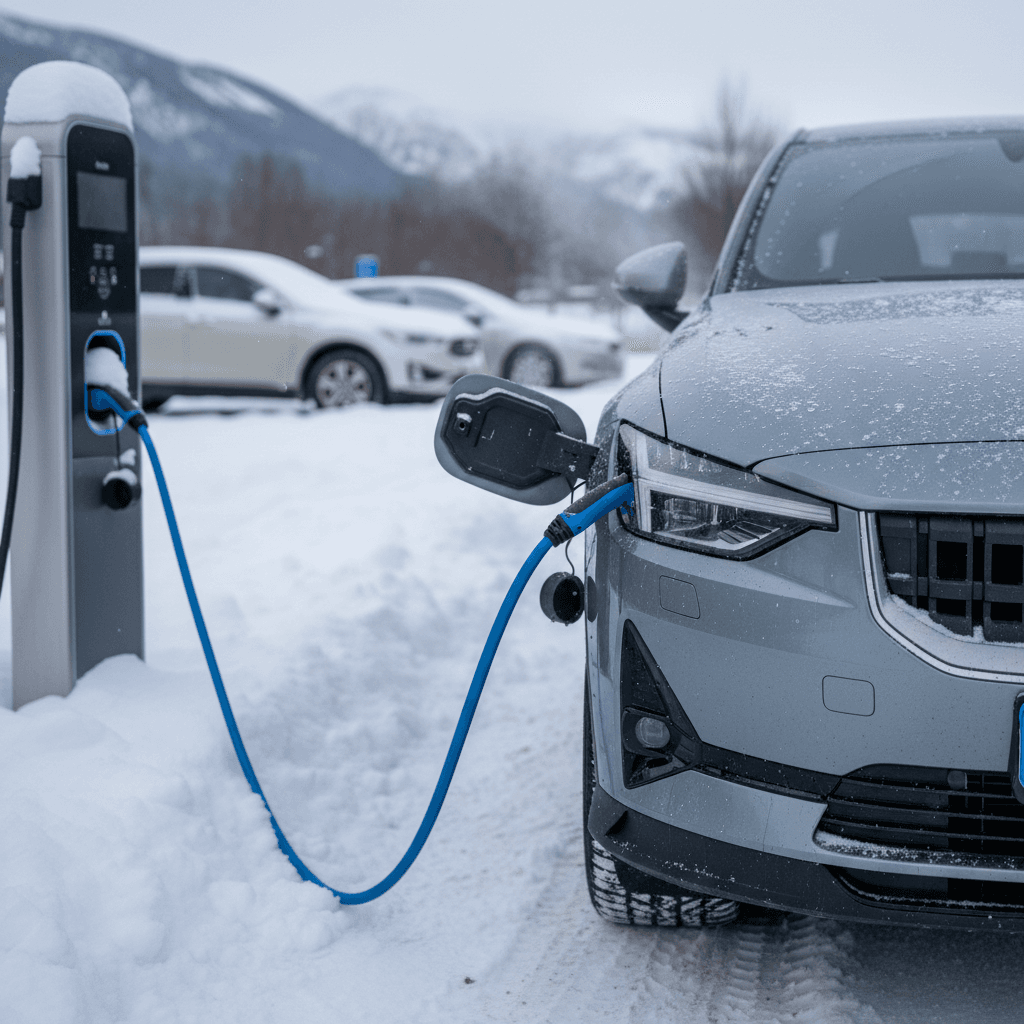
Winter road trips: charging a Polestar 2 in the cold
The real stress test for Polestar 2 winter range is a long highway drive in January. Range drops, charging speeds can slow if the pack is cold, and you may feel like you’re stopping more often than in summer. With a bit of planning, though, winter road trips are entirely manageable.
Plan for shorter legs
In summer, you might comfortably plan 180–200‑mile legs between DC fast chargers in a dual‑motor Polestar 2. In winter, plan those legs more like 130–160 miles, especially in sub‑freezing temps. This keeps you from arriving nearly empty and gives you a buffer for wind or detours.
Using apps that factor in weather and elevation can help, but always build in a margin on top of what any planner suggests when temps plunge.
Use battery pre‑conditioning for fast charging
If your Polestar 2 software version supports it, enable battery pre‑conditioning when navigating to a DC fast charger. That warms the pack before you arrive, which helps the car accept higher charging power, shortening stops.
If you can’t pre‑condition, try to arrive at chargers after a stint of higher‑speed driving, not after sitting parked in deep cold.
Avoid arriving at 0% in the cold
What winter range means if you’re buying a used Polestar 2
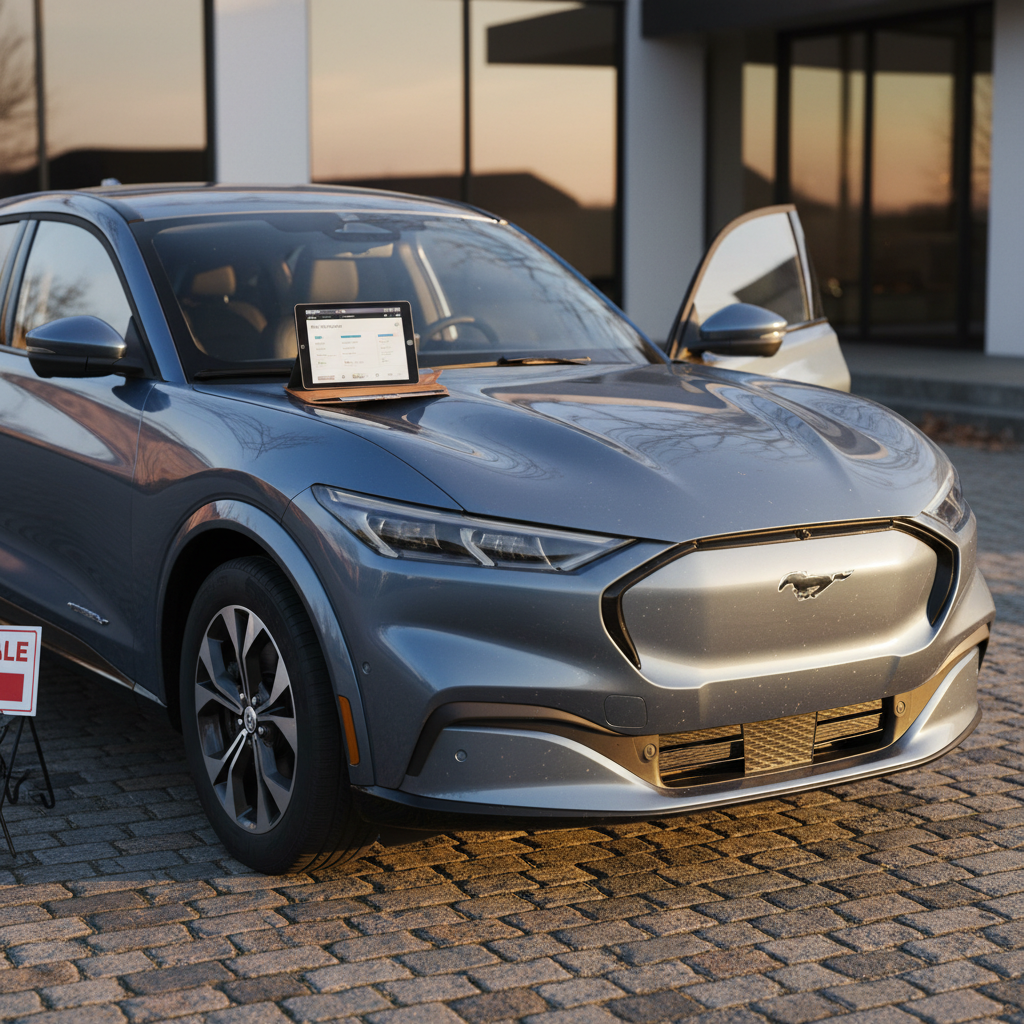
If you’re shopping for a used Polestar 2, winter range is both a reality check and a battery‑health clue. You’ll want to separate what’s just seasonal loss from what might be genuine degradation, or a car that’s been driven and charged hard for years.
Using winter range to judge a used Polestar 2
Questions to ask and numbers to watch if you test‑drive in cold weather.
Ask about typical winter range
Compare displayed vs rated range
Review charging history if possible
Get objective battery health data
Test‑driving in winter? Adjust your expectations
Polestar 2 winter range loss: FAQ
Frequently asked questions about Polestar 2 winter range loss
Bottom line: is Polestar 2 winter range good enough?
If you’re trying to pin down the exact Polestar 2 winter range loss percentage, the honest answer is a band, not a single number. In typical North American winters, most drivers will see roughly 20–30% less range than the EPA rating on steady highway drives, and often less loss in mixed city use, provided you pre‑condition and drive smoothly.
For daily commuting, that’s rarely a deal‑breaker. A dual‑motor Polestar 2 that can do 260 miles in ideal conditions will still cover 180–210 miles on a full charge in ordinary winter weather, which is more than enough for most routines. For road trips, you’ll simply plan slightly shorter legs and more deliberate charging stops in winter than in summer.
If you’re considering a used Polestar 2, winter is actually a smart time to evaluate it, just separate seasonal range loss from true degradation. Working with a platform like Recharged, you’ll get a Recharged Score battery health report, transparent pricing, and EV‑specialist support so you know exactly how much range to expect in January and July alike.
Understand the physics, use the car’s tools, and set realistic expectations, and the Polestar 2 is more than capable of handling a cold‑climate life, without giving up the refinement and performance that drew you to it in the first place.