If you’re eyeing a Polestar 2 or already own one, you’re probably asking a simple question with a big financial impact: what will my Polestar 2 be worth after 5 years? With any premium EV, depreciation is the single largest cost of ownership, and understanding 5‑year value helps you decide whether to buy new, buy used, lease, or hold for the long haul.
Quick Context
Why 5‑Year Value Matters So Much With a Polestar 2
Depreciation isn’t just an accounting term. Over five years, it’s usually the biggest line item in your total cost of ownership, especially for a premium EV like the Polestar 2. National ownership cost studies put depreciation ahead of fuel and maintenance combined for most passenger vehicles, and EVs exaggerate that gap because they have far fewer routine services but higher initial prices.
- It tells you how much of your cash (or loan) you’ll get back when you sell or trade.
- It helps you compare the Polestar 2 to a Tesla Model 3, BMW i4, or a gas luxury car on equal footing.
- It signals whether it’s smarter to buy new, buy a 2–3‑year‑old example, or focus on leasing.
Rule of Thumb
How Much Is a Polestar 2 Worth After 5 Years?
Let’s start with the question you came here to answer: what does a Polestar 2 realistically look like after five years in dollar terms? Exact numbers vary with trim, mileage, location, and incentives, but we can outline a clear range using real‑world data from used listings and value guides.
Polestar 2 5‑Year Value Snapshot (Big Picture)
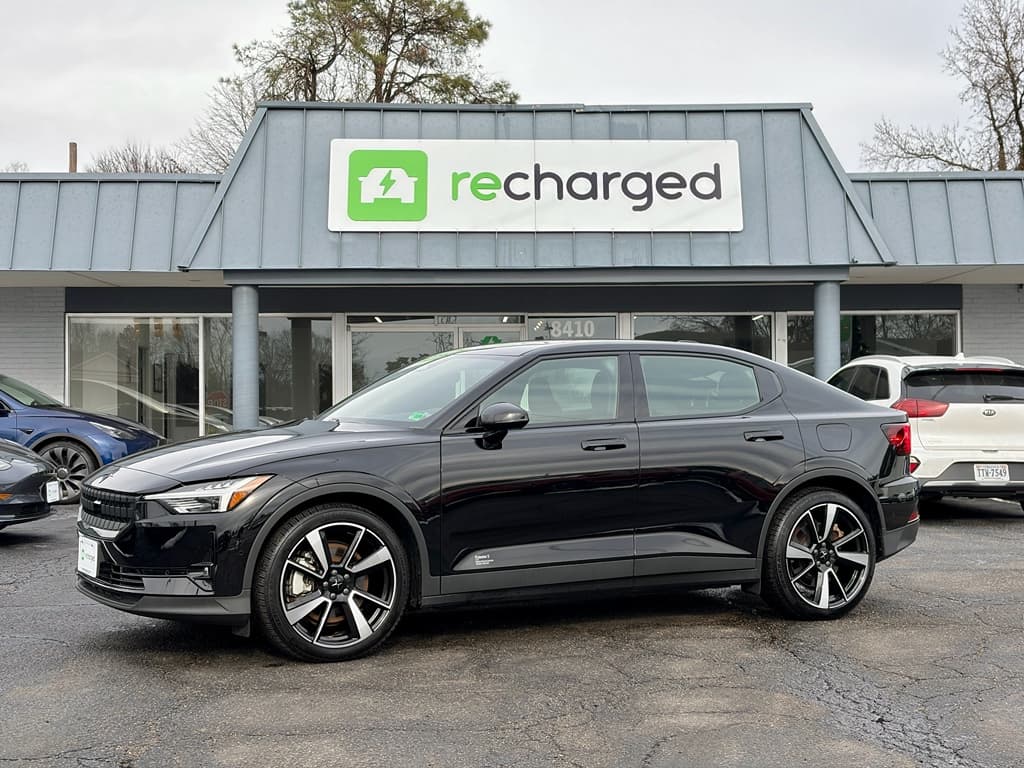
Early U.S. Polestar 2s carried sticker prices in the mid‑$50,000s and up, depending on options. Today, five‑year‑old equivalents (think 2021 cars in 2026) often transact in the mid‑$20,000s to low‑$30,000s for clean, average‑mileage examples. That puts real‑world 5‑year depreciation roughly in the 45–55% range for most trims, similar to many gas luxury sedans, but not as strong as a Tesla Model 3.
Typical 5‑Year Polestar 2 Values (Illustrative Ranges)
Approximate retail asking ranges for a 5‑year‑old Polestar 2 in the U.S., assuming average miles (~60k) and clean history. Your local market may vary.
| Original MSRP (New) | Trim Example | 5‑Year Condition | Typical 5‑Year Asking Range |
|---|---|---|---|
| $52,000–$56,000 | Early AWD Launch / Dual Motor | Average miles, clean history | $24,000–$30,000 |
| $48,000–$52,000 | Later Single‑Motor Long Range | Average miles, clean history | $23,000–$29,000 |
| $60,000+ | Performance Pack or highly optioned | Average miles, enthusiast options | $27,000–$33,000 |
| $50,000+ (but with big incentives) | Heavily discounted new purchase | Average miles, clean history | $25,000–$31,000 |
Use these numbers as ballpark guidance, not as appraisals for an individual vehicle.
Don’t Forget Incentives
What Drives Polestar 2 Depreciation Over 5 Years
Depreciation isn’t random. The Polestar 2’s 5‑year value is shaped by a mix of brand factors, EV‑specific dynamics, and the same nuts‑and‑bolts details that affect any used car. Understanding them helps you predict whether your specific car will land near the top or bottom of the value range.
Key Forces Behind 5‑Year Polestar 2 Depreciation
Some you can control; others you simply plan around.
Brand & Demand
Polestar is still building brand awareness in the U.S. That means fewer built‑in shoppers than Tesla today, which can soften resale values. The upside? Buyers who *do* know the car value its design and driving feel.
EV Tech Pace
Battery, range, and infotainment tech move quickly. When a newer Polestar 2 offers more range or faster charging for a similar price, older cars get pushed down the price ladder sooner than comparable gas models.
Mileage & Condition
Just like any car, a 5‑year‑old Polestar 2 with 35,000 miles and a clean service history is worth significantly more than one with 90,000 miles and worn tires. Cosmetic damage and curbed wheels matter in this segment.
Battery Health
Buyers are laser‑focused on HV battery condition. A healthy pack and remaining warranty are worth thousands. Visible range loss or high‑speed charging issues can move a car from the top to the bottom of the value band.
Market & Region
Polestar’s small dealer footprint means values can swing by region. In EV‑friendly states with more chargers and more shoppers, used Polestar 2 prices tend to be firmer.
Leasing & Supply
When lots of off‑lease cars hit the market at once, prices dip. Conversely, thin used supply (especially for certain trims/colors) can prop values up.
Compared With Gas Luxury Cars
Battery Health, Warranty & 5‑Year Value
When shoppers look at a 5‑year‑old EV, they’re really asking two questions: How healthy is the battery, and how much warranty is left? The Polestar 2 scores well here, and that helps support its resale value.
- Most Polestar 2 models in the U.S. carry an 8‑year / 100,000‑mile high‑voltage battery warranty. A 5‑year‑old example typically has 3+ years of coverage remaining, assuming mileage is reasonable.
- Real‑world owners generally report modest degradation, often on the order of a few percent over the first several years, depending on climate and fast‑charging habits.
- Because the pack is still under warranty at year five, buyers see the car as a relatively low‑risk way to step into a premium EV. That stabilizes values compared with out‑of‑warranty EVs.
Battery Red Flags for 5‑Year‑Old Cars
Battery Health Checklist for 5‑Year‑Old Polestar 2s
1. Verify Remaining Battery Warranty
Confirm in writing the in‑service date and that the car remains within the 8‑year / 100,000‑mile HV battery warranty period. This is a major selling point for 5‑year‑old cars.
2. Review Service & Software History
Look for completed recalls, software updates, and any HV‑system repairs. Well‑documented service history reassures future buyers and supports top‑of‑market pricing.
3. Check Real‑World Range
Compare the current typical range at 100% charge to what the car delivered when new. Modest loss is normal; big gaps warrant closer inspection.
4. Evaluate DC Fast‑Charging Behavior
On a test drive, if possible, plug into a DC fast charger and watch how quickly the car ramps and holds power. Irregular behavior can signal pack or thermal‑management issues.
5. Get an Independent Battery Report
A third‑party battery health report, like the <strong>Recharged Score</strong>, can quantify pack condition for both buyers and sellers, translating technical data into real‑world value.
Polestar 2 vs Tesla Model 3: Who Holds Value Better?
Any honest discussion of Polestar 2 value after 5 years has to include the Tesla Model 3. For many shoppers, they sit on the same short list. In resale terms, the Model 3 still leads, but the gap isn’t as one‑sided as it once was, and the Polestar 2 offers its own advantages.
Where Tesla Model 3 Still Wins
- Brand recognition: Many more shoppers search specifically for a Tesla, increasing demand for used cars.
- Supercharger halo effect: Even as more EVs get NACS access, the Tesla network reputation helps buoy values.
- Data history: The market has many more years of Model 3 resale data, making buyers and lenders comfortable.
Where Polestar 2 Competes Well
- Design and interior quality: Scandinavian minimalism, premium materials, and a more traditional cockpit appeal to luxury‑first buyers.
- Lower used pricing: Because it depreciates a bit faster from new, a 5‑year‑old Polestar 2 can be a stronger value play than a comparable Model 3.
- Less price whiplash: Tesla’s frequent new‑car price changes can hammer early buyers; Polestar’s pricing history has been steadier.
Value Play at 3–6 Years Old
5‑Year Cost of Ownership: Depreciation Plus Everything Else
Depreciation tells you how much value the car sheds, but not how expensive it is to own. To judge whether a Polestar 2 is a smart 5‑year bet, you have to stack depreciation next to fuel, maintenance, insurance, and financing.
Where Your Money Really Goes Over 5 Years
High upfront depreciation, low day‑to‑day running costs.
Depreciation
Expect depreciation to be the single largest cost in your 5‑year spreadsheet, especially if you bought new. A 45–55% value drop is common territory for premium EVs.
Electricity vs Fuel
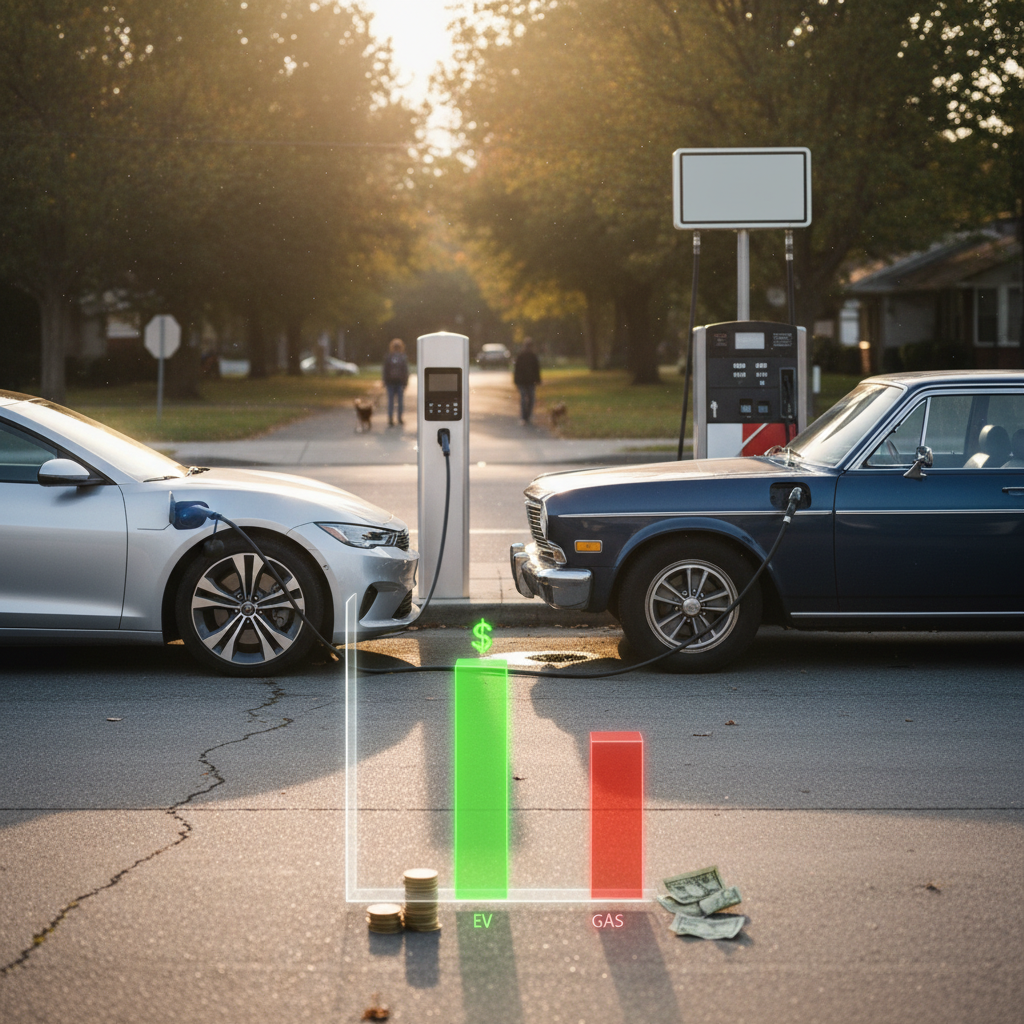
Compared with a similarly quick gas sport sedan, the Polestar 2 can save you thousands in fuel over five years, particularly if you charge mostly at home on off‑peak rates.
Maintenance
No oil changes, spark plugs, timing belts, or complex multi‑gear automatics. Most 5‑year schedules revolve around tires, cabin filters, brake fluid, and inspections.
Tires & Wear Items
Polestar 2 performance and weight mean it can be brisk on tires. Budget realistically for a set or two in 5 years, especially if you drive aggressively or in harsh climates.
Insurance
Premium EVs can cost more to insure than mainstream sedans, though clean records and shopping quotes go a long way. This is one area where local conditions dominate.
Financing & Taxes
Your out‑the‑door cost (after incentives, taxes, interest, and fees) is what really matters. A used Polestar 2 with a fair price and good rate can undercut many new options.
Think in Total 5‑Year Cost, Not Just Resale
7 Ways to Protect Your Polestar 2’s Value Over 5 Years
You can’t control EV market swings or new‑model announcements, but you can absolutely influence where your specific Polestar 2 lands on the 5‑year value curve. Here’s how to stay on the high‑value side.
Practical Steps to Maximize 5‑Year Value
1. Stay on Top of Software & Recalls
Keep the car fully updated and document service visits. A stack of records showing completed campaigns and routine checks reassures future buyers and helps you justify a higher asking price.
2. Protect the Battery Day to Day
Avoid living at 100% state of charge, minimize repeated DC fast‑charging when not needed, and park in shaded or climate‑controlled environments when you can. Gentle use now means better health and value later.
3. Keep Mileage in a Reasonable Range
You don’t need to baby the odometer, but a 5‑year‑old car with 45,000 miles is easier to sell than one with 95,000. If you have multiple vehicles, splitting miles can pay off at resale time.
4. Maintain the Curb Appeal
Fix curbed wheels, touch up small paint chips, address cracked glass, and consider professional detailing before sale. In the premium EV space, presentation directly affects offers.
5. Preserve Original Equipment
If you swap wheels, suspension, or exterior pieces, keep the original parts. Many buyers want a stock car; including OEM equipment can narrow negotiation and broaden your buyer pool.
6. Choose Timely Upgrades
Factory‑style winter wheels, quality all‑weather mats, and a home Level 2 charger don’t directly add value to the car, but they make your listing more attractive versus similar Polestar 2s.
7. Document a Clean History
Avoid salvage titles, frame damage, and unrepaired accident claims. If something happens, repair it properly and keep documentation. A clean Carfax/AutoCheck is still a major value driver.
Best Time to Sell or Trade Your Polestar 2
Timing a sale is part art, part science. For the Polestar 2, the market so far suggests that the 2–5‑year window is the sweet spot for value. You’ve already absorbed the steepest first‑year drop, but the car still feels “new enough” to most used‑EV shoppers.
Choosing Your Exit Strategy
Selling Around Year 3
You’re likely to retain a bit more than half the original MSRP, especially on lower‑mileage cars.
Attractive for buyers who want nearly new tech without new‑car prices.
Good option if you plan to move into a newer Polestar 2 update or a different EV segment.
Selling Around Year 5
Depreciation has started to flatten; each additional year hurts less than in years 1–3.
You’ve extracted more use value (miles) from the car while it’s still under HV battery warranty.
Ideal if you want to hand the car off before 8‑year warranty milestones and higher‑mileage concerns.
Holding 7+ Years
You’re playing the long game: drive it until the cost per mile drops substantially.
Resale percentage will be lower, but your cost per year can be excellent if the car stays reliable.
Battery warranty timing, long‑term repair costs, and your tolerance for older tech become the key questions.
Watch Warranty and Model‑Year Changes
Where Recharged Fits In: Smarter Used Polestar 2 Deals
Whether you’re buying a used Polestar 2 or deciding when to sell yours, the hardest part is putting a clean number on an EV’s condition and battery health. That’s exactly where Recharged is designed to help.
How Recharged Makes Polestar 2 Value More Transparent
Data‑driven battery insights plus a modern buying and selling experience.
Recharged Score Report
Every vehicle on Recharged, including Polestar 2s, comes with a Recharged Score that summarizes battery health, usage patterns, and overall condition in plain language. That gives buyers confidence and helps sellers justify strong pricing.
Flexible Selling Options
You can request an instant offer, list your Polestar 2 on consignment, or use it as a trade‑in if you’re moving to another EV. Expert EV specialists walk you through which path maximizes your outcome.
Nationwide, Digital‑First Experience
Recharged supports nationwide delivery, financing, and a fully digital retail process, plus an in‑person Experience Center in Richmond, VA if you want to see vehicles up close.
Ready to find your next EV?
Browse VehiclesIf you’re shopping for a used Polestar 2, Recharged’s fair‑market pricing tools and EV‑specific inspections help you zero in on the cars that will hold up over your next 5 years. If you’re selling, those same tools become your marketing advantage against less‑documented listings on generic marketplaces.
Polestar 2 5‑Year Value: Frequently Asked Questions
Frequently Asked Questions
Bottom Line: Is the Polestar 2 a Smart 5‑Year Bet?
If you’re focused on Polestar 2 value after 5 years, the picture is balanced rather than extreme. You should expect noticeable depreciation, especially if you buy new, but what you get in return is a refined, distinctive EV with low day‑to‑day running costs and a battery that’s still under warranty at the five‑year mark.
For many drivers, the sweet spot is buying a 2‑ to 3‑year‑old Polestar 2 and holding it through year five or six. You sidestep the sharpest early depreciation, enjoy modern tech and safety, and exit while the battery warranty and buyer demand are still strong.
Whether you’re cross‑shopping against a Model 3 or comparing a used Polestar 2 to a new gas luxury sedan, the key is to look beyond MSRP and focus on total 5‑year cost and real‑world resale. And if you want that math backed by verified battery health and fair‑market pricing, a Recharged Score Report on a used Polestar 2 is one of the most transparent ways to make a confident decision.