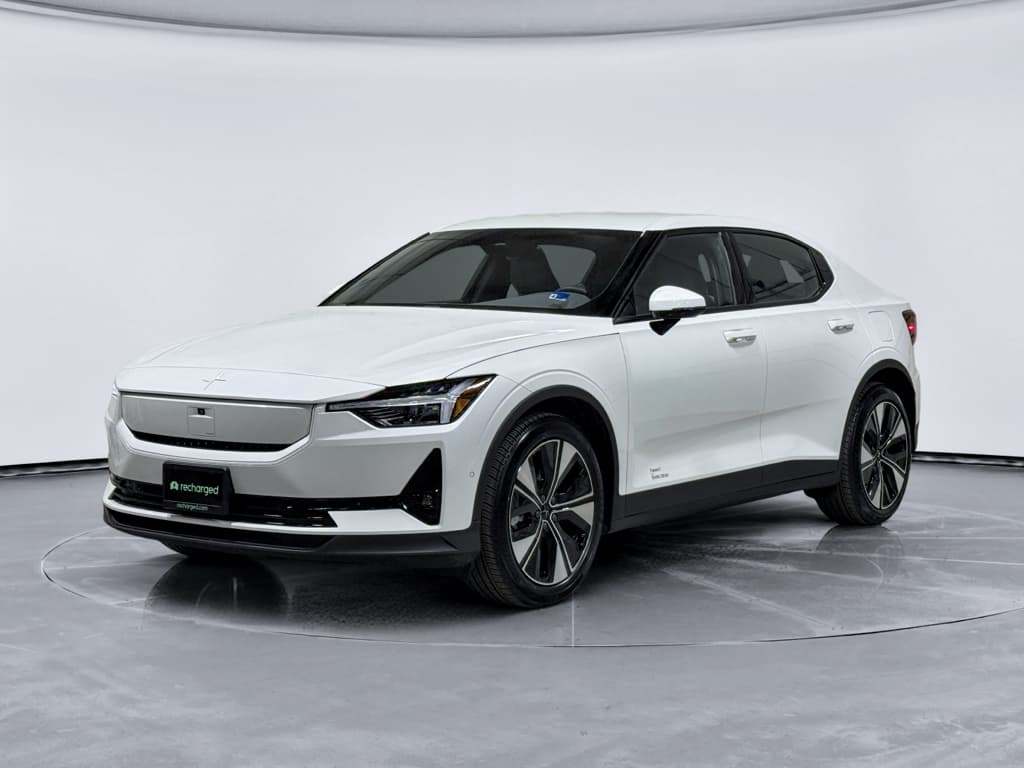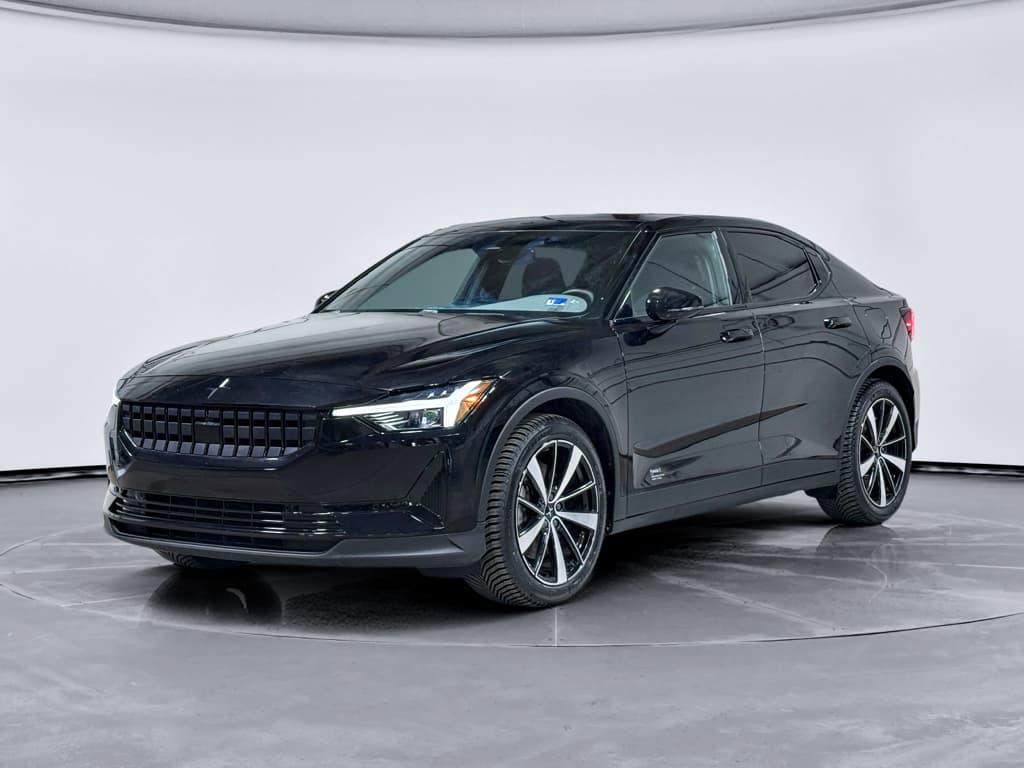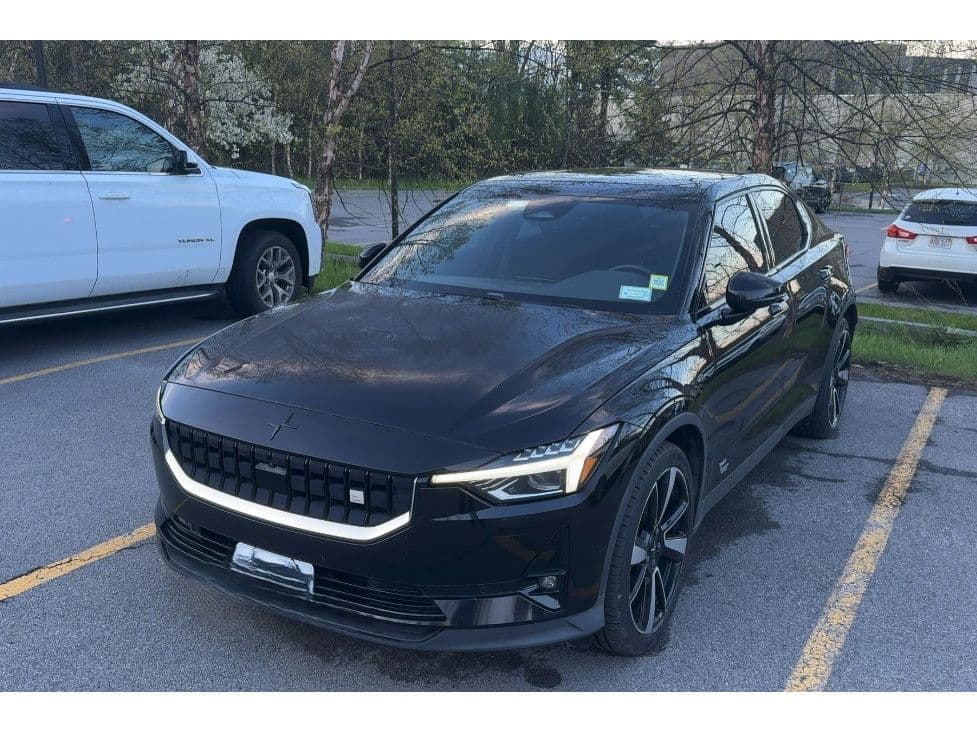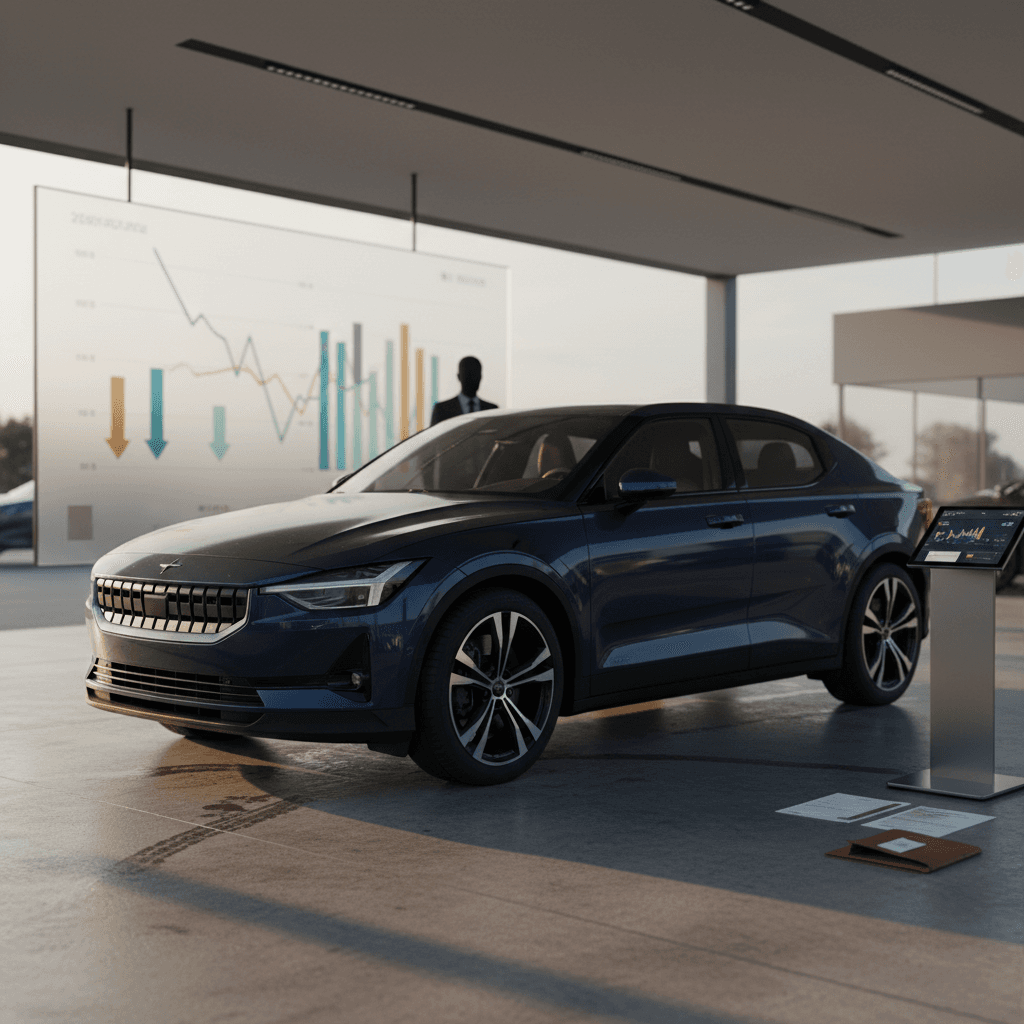
If you own a Polestar 2, you’ve probably noticed headlines about steep EV depreciation and are wondering what your car is really worth in 2026. The reality is more nuanced: Polestar 2 trade‑in value in 2026 depends heavily on model year, mileage, battery health and where you choose to sell.
Why Polestar 2 values matter right now
Polestar 2 trade‑in value in 2026: quick overview
Polestar 2 value snapshot for 2026 (U.S.)
Pricing data from valuation guides, auction lanes and used‑listing analysis all point in the same direction: the worst of the early EV price correction is behind us, but Polestar 2s are still cheaper than their original MSRPs suggest. For you, that means a relatively modest trade‑in if you bought new, but a potentially strong position if you bought your car used at a discount.
How much is my Polestar 2 worth in 2026?
Exact numbers will depend on your VIN, but we can outline realistic ranges to frame expectations. Think of these as ballparks assuming clean history, normal options and "good" cosmetic condition in an average‑cost U.S. market.
Typical 2026 value bands for Polestar 2 (U.S. market)
Approximate wholesale trade‑in and consumer‑facing retail ranges by model year for well‑kept Polestar 2s. Your actual offer will vary by mileage, options and region.
| Model year | Odometer (typical) | Likely trade‑in range | Likely retail asking range | Notes |
|---|---|---|---|---|
| 2021 | 45,000–70,000 miles | $18,000–$24,000 | $23,000–$29,000 | Early cars show the steepest depreciation but can still command solid money with clean history and strong battery health. |
| 2022 | 35,000–55,000 miles | $21,000–$27,000 | $26,000–$33,000 | Slightly better value retention than 2021; desirable dual‑motor and Plus cars sit at the high end. |
| 2023 | 25,000–45,000 miles | $24,000–$31,000 | $29,000–$37,000 | Updated hardware and shorter time in market support stronger pricing. |
| 2024 | 15,000–30,000 miles | $27,000–$35,000 | $34,000–$42,000 | Still relatively new; many are leased or financed and just starting to show up in trade channels. |
| 2025 | Under 20,000 miles | $32,000–$40,000 | $39,000–$48,000 | Too new to have a clean "used" curve; discount is more about incentives and day‑one depreciation than age. |
Numbers are illustrative ranges, not quotes. Always get a VIN‑specific appraisal.
These are guideposts, not promises
If you want something more precise, you’ll need to plug in your exact mileage, options and zip code into a valuation tool, or work with a marketplace like Recharged, which looks at live auction results, retail listings and battery‑health data to price your Polestar 2 in real time.
7 factors that move your Polestar 2 trade‑in value up or down
Key levers behind Polestar 2 trade‑in offers
Understanding how buyers think helps you negotiate smarter.
1. Model year & trim
2. Mileage & usage
3. Battery health
4. Warranty remaining
5. Accident & title history
6. Cosmetic condition
7. Region & season
Think like a buyer, not an owner
Model year, trim and mileage: where your Polestar 2 fits
Early adopters: 2021–2022 cars
If you bought a 2021 or 2022 Polestar 2 new, you’ve seen the brunt of the EV price reset. Many of these cars have already lost more than half their original MSRP by 2026, especially high‑MSRP Launch Edition and heavily optioned builds.
- Single Motor cars tend to land at the lower end of value ranges.
- Dual Motor and Performance Pack cars hold a bit better thanks to stronger performance and equipment.
- Low‑mileage examples (under ~35,000 miles) can still command a measurable premium.
Newer hardware: 2023–2025 cars
Later Polestar 2s benefit from incremental range, efficiency and equipment updates, plus fewer years on the road. That translates into stronger trade‑in multiples versus original MSRP.
- 2023 and 2024 models typically retain in the low‑60% to high‑70% range of original price after 1–3 years.
- 2025 cars are too new for a full depreciation picture; early trade‑ins behave more like nearly‑new cars than traditional used stock.
- Because they’re newer, dealers will scrutinize payment history and remaining warranty more than age alone.
If your car is a heavily optioned Plus or Performance Pack build, don’t expect dollar‑for‑dollar return on every option. Packages help your Polestar 2 stand out, but trade buyers mainly reward features that are visible on the spec sheet, like dual‑motor power, Pilot Assist, and larger infotainment features, rather than every cosmetic upgrade.
Battery health, warranty status and how buyers think about risk
Every used‑EV buyer, whether that’s a franchised dealer, independent lot or online marketplace, is trying to manage one core question: how risky is this battery pack over the next owner’s term? Polestar 2 models sold in the U.S. generally carry an 8‑year/100,000‑mile high‑voltage battery and motor warranty alongside a 4‑year/50,000‑mile basic warranty. That coverage doesn’t eliminate risk, but it sets a floor under resale values.
- A Polestar 2 with 30,000 miles and 5 years of battery coverage left is much easier to price aggressively than one at 95,000 miles.
- Signs of abnormal degradation, repeated high‑power DC fast‑charging or prior battery repairs can all trigger extra caution from appraisers.
- On the flip side, a documented, healthy pack with strong range and no warning messages can help your car land at the upper end of trade‑in ranges.
Don’t ignore warning lights before an appraisal
At Recharged, every vehicle gets a Recharged Score Report with verified battery health and high‑voltage diagnostics. When you trade in or consign your Polestar 2 through the platform, that gives buyers concrete data instead of guesswork, which can narrow the spread between lowball and top‑of‑market offers.
Trade in vs sell vs EV‑focused marketplaces
Once you have a rough sense of value, the next decision is where to sell. Each channel prices your Polestar 2 a little differently and asks you to trade time for money.
Where to take your Polestar 2 in 2026
Pros and cons of the main selling paths for EV owners.
Traditional dealer trade‑in
Pros: Fast, convenient, wraps into your next purchase and taxes in some states may apply only to the price difference.
Cons: Often the lowest dollar amount. Many dealers are still conservative on EV risk and may blanket‑discount Polestar 2s versus Teslas.
Sell to an EV‑savvy buyer or marketplace
Pros: Better understanding of Polestar 2, its software, and its real‑world range; more nuanced view of battery health. Platforms like Recharged specialize in used EVs, which can translate into stronger offers.
Cons: Process can take a bit longer than a same‑day trade‑in at a local store.
Private‑party sale
Pros: Usually yields the highest sale price because you’re cutting out the middleman. Enthusiast buyers may pay a premium for specific colors or packages.
Cons: Requires marketing, screening buyers, handling test drives and managing payoff paperwork on your own.
Where Recharged fits
Checklist: how to maximize your Polestar 2 trade‑in offer
Pre‑trade checklist for Polestar 2 owners
1. Pull your records and title info
Gather your registration, payoff information (if you have a loan or lease), and any service invoices. Records for tire rotations, software updates and warranty work make appraisers more comfortable paying near the top of market.
2. Get a feel for the market first
Spend 15–20 minutes checking used‑listing sites for comparable Polestar 2s, same year, trim and similar miles, then compare those asking prices to online trade‑in quotes. That helps you spot outlier low offers quickly.
3. Fix easy cosmetic issues
Touch up obvious curb rash, repair small windshield chips and invest in a thorough interior/exterior detail. A few hundred dollars of cleanup can prevent a dealer from discounting your car by a thousand or more for reconditioning.
4. Verify battery and range performance
Note your typical displayed range at 100% and bring any independent battery report you have. If you don’t have one, consider selling through a platform like Recharged that can generate a professional <strong>battery health report</strong> for you.
5. Get multiple bids
Never rely on a single trade‑in number. Get at least one traditional dealer quote, one online offer, and one EV‑specialist quote so you understand the spread and can negotiate with real leverage.
6. Time the market if you can
If you have flexibility, avoid selling into deep winter in cold‑weather states, when range anxiety is highest and demand softens. Spring and early summer often bring stronger EV interest and more competitive offers.
Real‑world style trade‑in scenarios for 2026
To make all this more concrete, here are a few example scenarios illustrating how the same Polestar 2 can land very different numbers depending on condition, mileage and where you sell.
Scenario A: 2021 Dual Motor, low miles
Car: 2021 Polestar 2 Long Range Dual Motor, Pilot/Plus, 32,000 miles, clean history.
Typical outcome in 2026:
- Conservative dealer trade‑in: low‑$20,000s.
- EV‑focused marketplace: mid‑$20,000s.
- Private sale to enthusiast: high‑$20,000s, depending on color and options.
Scenario B: 2022 Single Motor, high miles
Car: 2022 Long Range Single Motor, 70,000 miles, routine fast‑charging on highway road trips.
Typical outcome in 2026:
- Dealer trade‑in: high‑teens to around $20,000, reflecting mileage and future tire/suspension needs.
- EV‑savvy buyer: low‑$20,000s if battery health looks solid and history is clean.
Scenario C: 2024 Dual Motor, nearly new
Car: 2024 Long Range Dual Motor with 12,000 miles, still under full basic and battery warranty.
Typical outcome in 2026:
- Dealer trade‑in: high‑$20,000s to mid‑$30,000s, influenced heavily by current new‑car incentives.
- Retail listing or consignment: mid‑$30,000s to low‑$40,000s asking price in many markets.
Why ranges, not a single "book" number
How Recharged can help you sell or trade your Polestar 2
If you want to skip the guesswork around Polestar 2 trade‑in value in 2026, an EV‑specialist marketplace can do a lot of the heavy lifting. That’s exactly where Recharged fits.
Why Polestar 2 owners use Recharged
Designed around used EVs, not gas‑car assumptions.
Recharged Score battery diagnostics
Flexible ways to sell or trade
Ready to find your next EV?
Browse VehiclesIf you’re near Richmond, VA, you can also visit Recharged’s Experience Center to see how trade‑ins are evaluated, review your Polestar 2’s Recharged Score in person and talk through options for financing your next EV.
FAQ: Polestar 2 trade‑in value in 2026
Frequently asked questions about Polestar 2 trade‑in value
The bottom line for Polestar 2 trade‑in value in 2026 is this: early depreciation was steep, but the market is maturing. If you understand where your car sits on the curve, year, trim, miles, battery health, and you’re willing to compare offers across a few channels, you can still come out ahead. And if you’d rather have an EV‑specialist do that heavy lifting, Recharged’s used‑EV marketplace, Recharged Score battery diagnostics, financing and trade‑in support are built to help you get a fair, data‑driven number for your Polestar 2.